Skip to content
maxnews
Film

Wild Movies You Had No Idea Were Based On Classic Source Material

From the beginning of the film industry, Hollywood has drawn on classic literary sources. Indeed, some of the most beloved movies are adaptations of work that has gone before, and filmmakers regularly succeed in making these works perpetually relevant to new generations. Just as fascinating as the direct adaptations are those films which take a more skewed or indirect approach to the process of adapting classic source material. The works of Shakespeare have been perennially popular, but it’s also important to draw attention to some of the other, more unusual suspects Hollywood has drawn on for some of its most popular movies - which may not be obvious at first glance.

Entries
15
Votes
994
Updated
yesterday

Tap upor downto vote. Your vote is added to Ranker's counts.

Voting identifies your browser with an anonymous fingerprint, stored only as a salted hash, to count one per visitor. Privacy

Source: Ranker, ranked by its voters.

  1. 1

    'Demolition Man' Is 'Brave New World' With Some Confusing Seashells
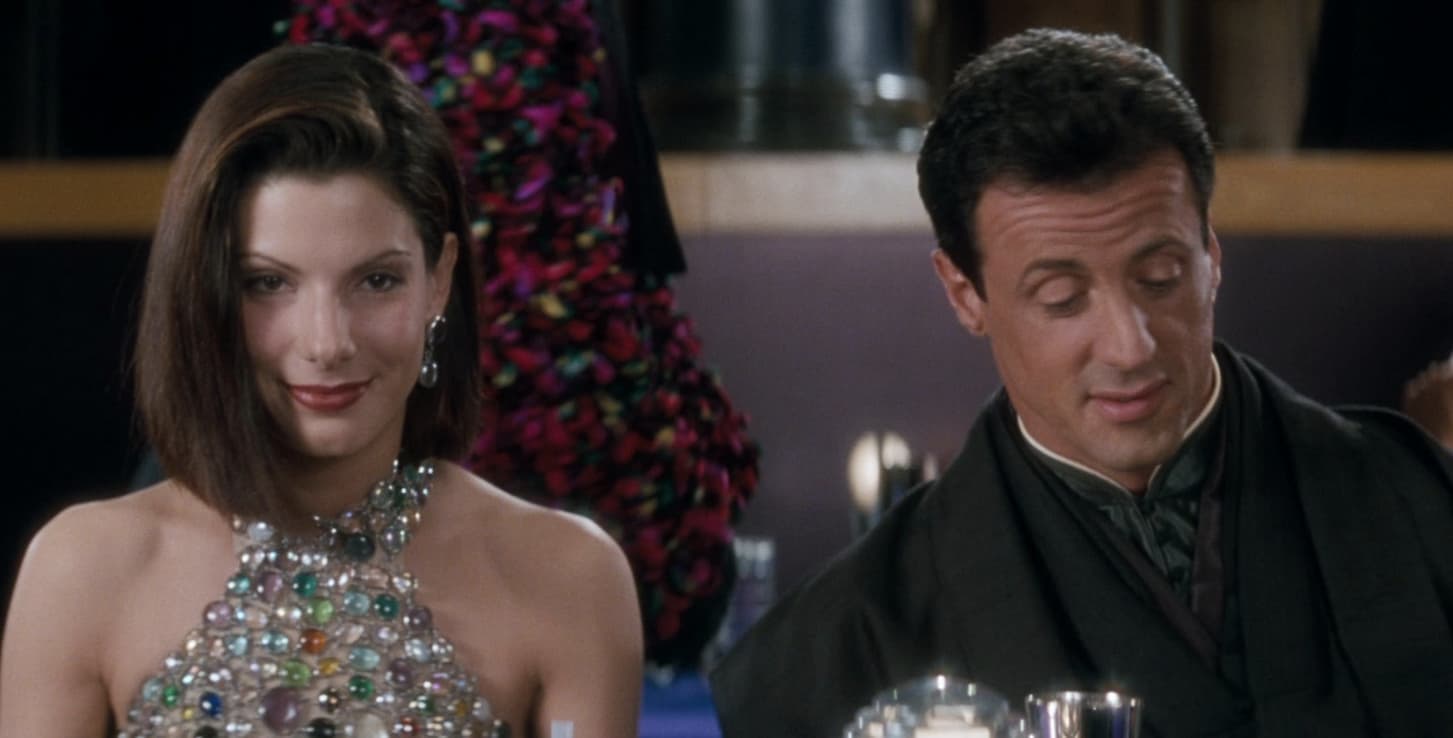
    Demolition Man brought together two of the biggest action stars of the 1980s and early 1990s for an unusual adaptation. Wesley Snipes and Sylvester Stallone play ruthless criminal and an equally ruthless policeman, respectively, who wake from being cryogenically frozen in a future in which all crime has been eliminated. In addition to the action-packed plot, the film finds humor in the different customs of the futuristic world. Notably, toilet paper is obsolete, replaced with seashells. Stallone’s character looks just as confused by that revelation as everyone in the audience undoubtedly is. The new world at hand in Demolition Man bears more than a little resemblance to the one created by Aldous Huxley in his 1932 novel. Though the 1993 film contains some references to other seminal dystopian novels, Brave New World gets special shout-out in the name of Sandra Bullock's character, Lenina Huxley, whose first name also comes from a central character in Huxley's book.
    87% upvoted
  2. 2

    'Chicken Run' Is 'The Great Escape' With Fowl Inmates

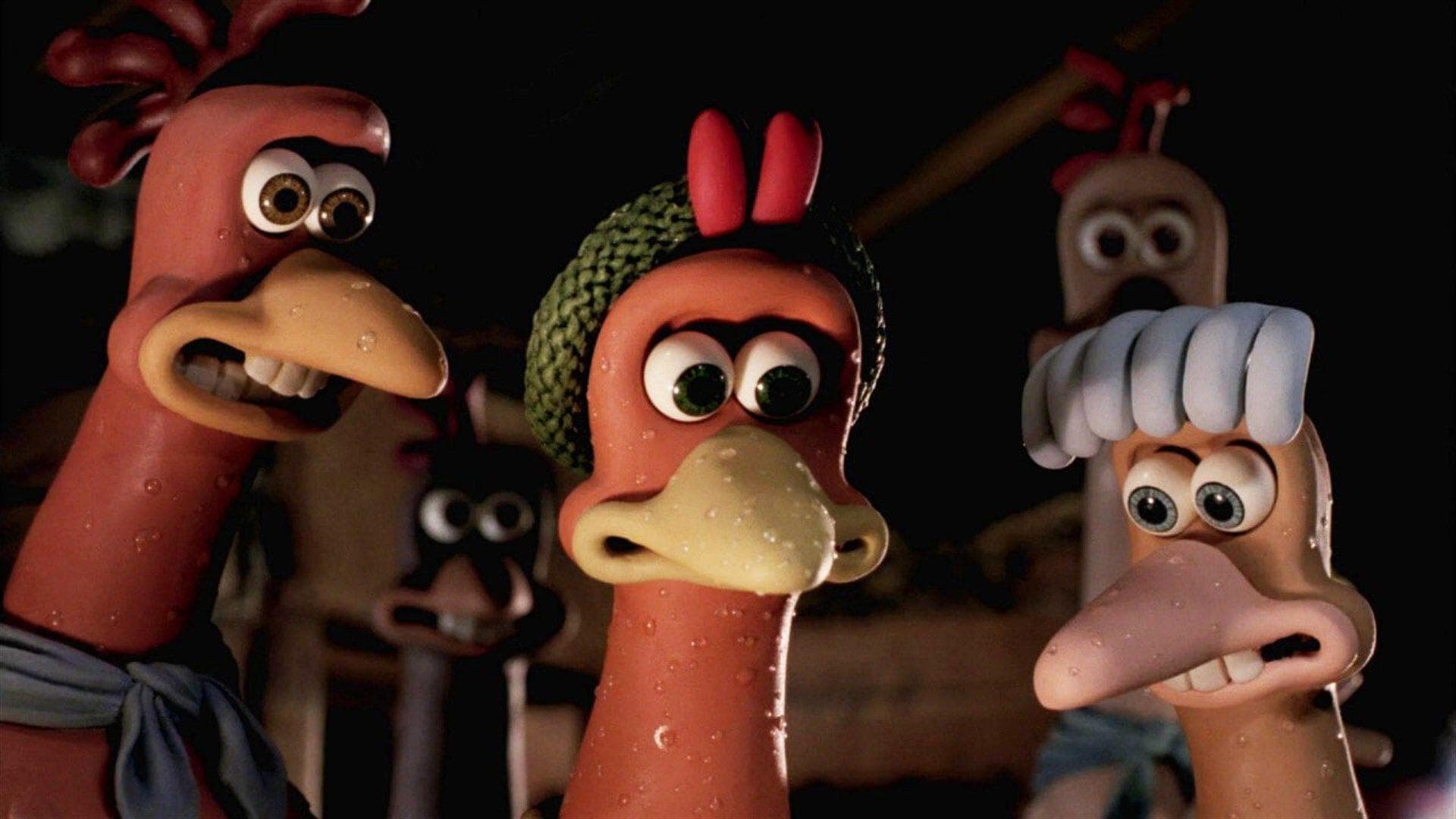
    Especially earlier on in their history, DreamWorks Animation was willing to take artistic and aesthetic risks - like adapting a classic prisoner-of-war story with chickens. Made in collaboration with Aardman Animations (known for Wallace and Gromit), Chicken Run is a riotously funny stop-motion film depicting fowl trapped on a farm who hatch an escape plot to get away from their wretched living conditions. Given how they are treated as little more than egg-laying machines by the cruel farmers who own them, their desire to fly the coop, literally, is no shock. Its story is, in its most basic elements, a remake of the famous 1963 prison-break film The Great Escape. Set during the Second World War, it follows a group of prisoners who engineered a mass escape from a German POW camp. Though Chicken Run is far more light-hearted than its big-screen predecessor, it uses the bones of the story to lodge a potent critique about the cruelty of factory farming and the exploitation of animal bodies for human consumption.

    79% upvoted
  3. 3

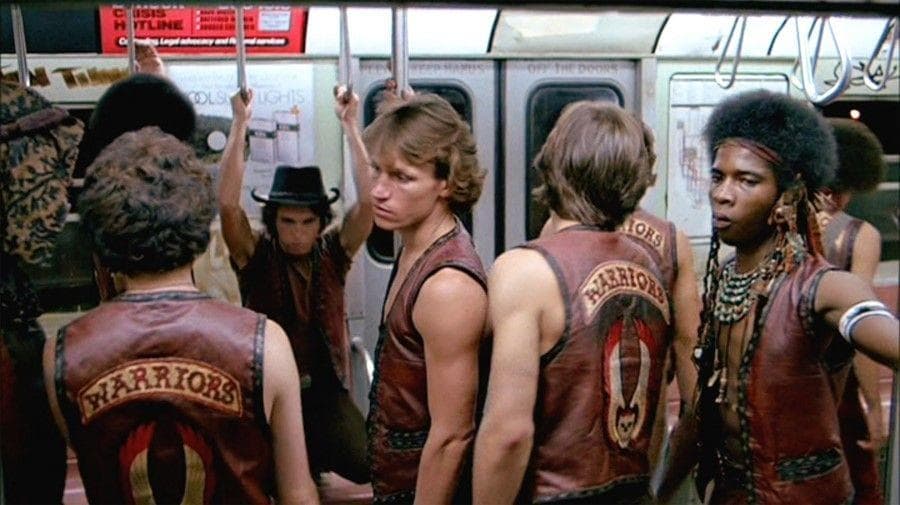
    'The Warriors' Is Xenophon's 'Anabasis' (From A 1965 Book)

    Though Xenophon might not have the same recognition as Plato, the ancient Greek philosopher and military leader wrote an incredibly important work with his Anabasis. The text recounts the journey of the Ten Thousand, a team of Greek mercenaries sent to seize the throne of Persia around 400 BCE. The group, commanded by Xenophon, has remained immortal through this text - and also found its way into modern popular culture, most notably in the film The Warriors. This 1979 film is technically based on a 1965 novel by Sol Yurick, but the inspiration from Xenophon on both works is clear. This tale is set in New York City within a street group called “The Warriors” rather than a group of Greek soldiers. Accordingly, the Warriors travel from the north end of the Bronx back to their territory in Coney Island, rather than from Persia back to Greece. Despite the differences, the film retains the core elements of a group of loyal fighters trying to return home, making the ancient Greek text feel relevant to the modern age.

    83% upvoted
  4. 4

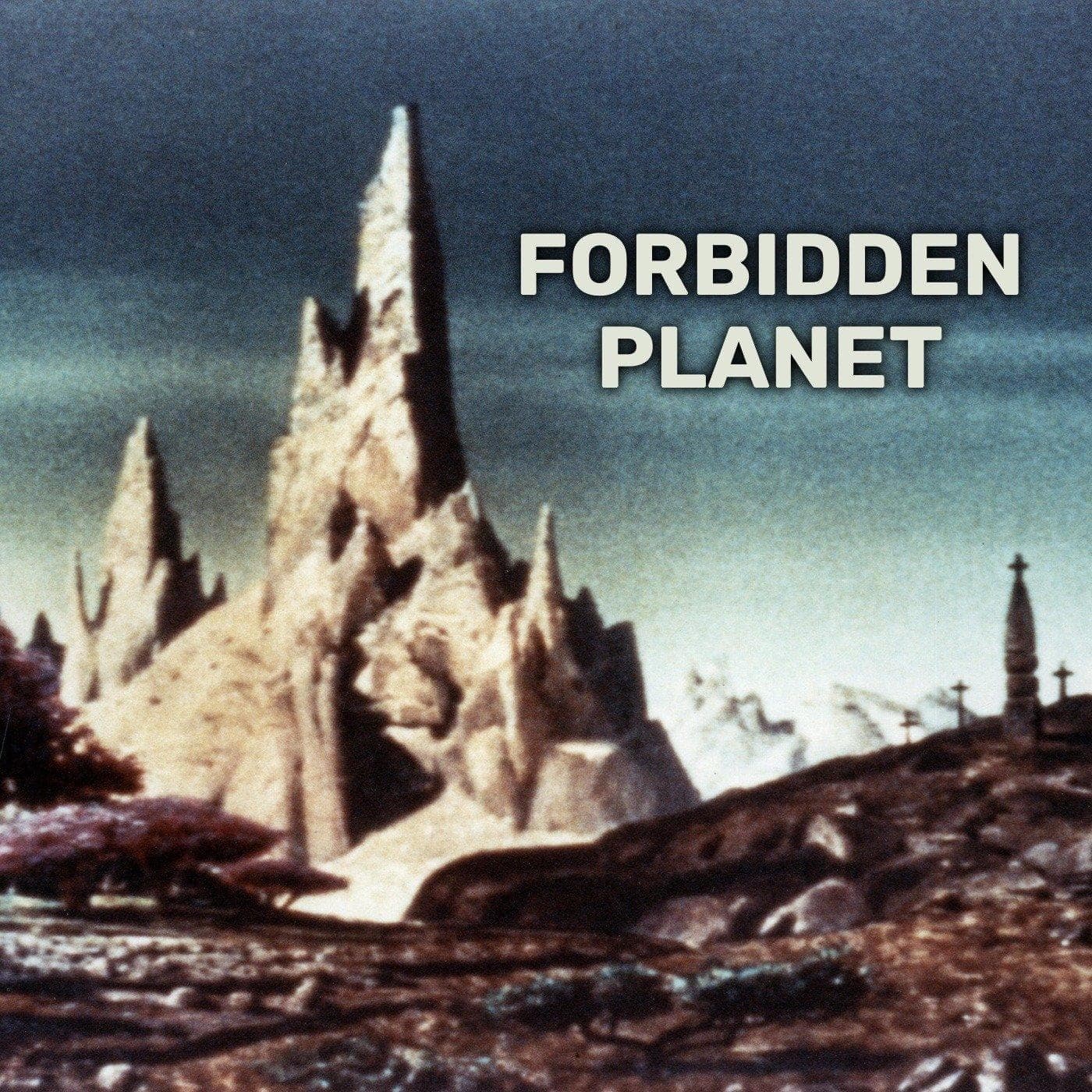
    'Forbidden Planet' Is 'The Tempest' In 1950s Outer Space

    The 1950s brought many classic sci-fi fims, including genre staple Forbidden Planet, which follows group of explorers who go to a distant planet in search of survivors of a previous lost expedition. Starring Walter Pidgeon, Anne Francies, and Leslie Nielsen, the movie tells of exploration, love, and hubris, as the humans explore the powerful technology left behind by the previous inhabitants of the planet, the Krell. Well-read viewers will no doubt see many resemblances between the plot of the film and William Shakespeare’s The Tempest, which takes place on a remote island rather than a remote planet. Morbius and his daughter Altaira are clear stand-ins for Shakespeare’s renegade magician Prospero and his daughter Miranda. The brilliance of the film lies in its ability to take the Bard’s template and translate it into a new genre for a new era.

    85% upvoted
  5. 5

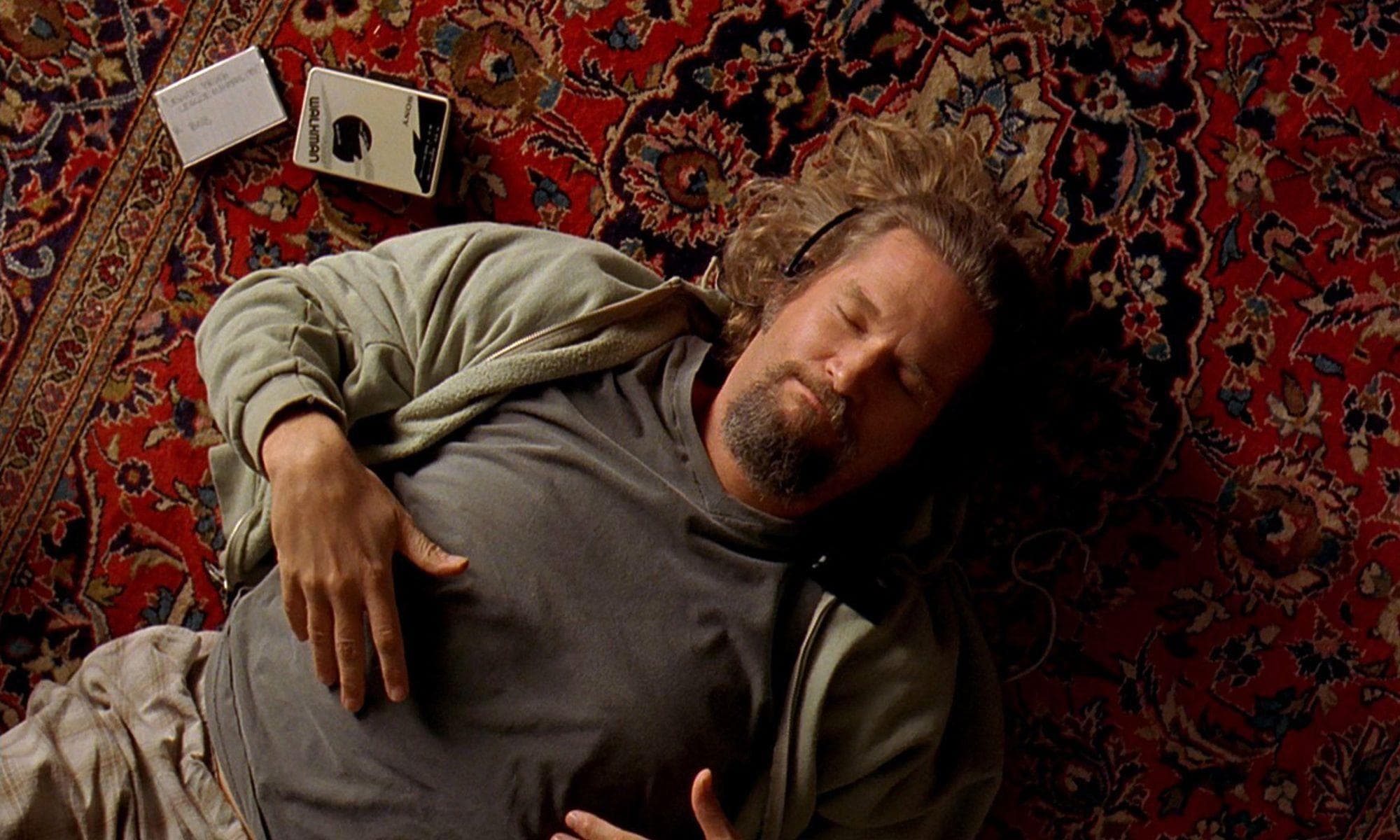
    'The Big Lebowski' Is 'The Big Sleep' With A Very Important Rug

    The Coen Brothers are particularly skilled at drawing on their extensive film and literary knowledge in the creation of their work. The 1998 crime comedy The Big Lebowski is no exception, and continues to have significant influence on popular culture. The lead character, a laid-back bowler known as “The Dude” (Jeff Bridges) nearly gets murdered due to a case of mistaken identity, then gets wrapped up in a kidnapping involving a millionaire also named Jeffrey Lebowski - all while seeking compensation for a precious rug that was ruined by the hitmen. While The Big Lebowski has become a paradigmatic stoner comedy, full of quotable lines and meme-able moments, few fans know this cult comedy draws on the detective fiction of Raymond Chandler, in particular his 1939 novel The Big Sleep. Though only taking smaller plot details of the book, it retains the hero’s sense of being out of his depth and being sucked into a world and a plot he barely understands. Unlike The Big Sleep, though, The Big Lebowski swaps the brooding noir detective tone for a lighter, wackier tone - complete with an elaborate bowling-themed dance number set to Kenny Rogers.

    76% upvoted
  6. 6

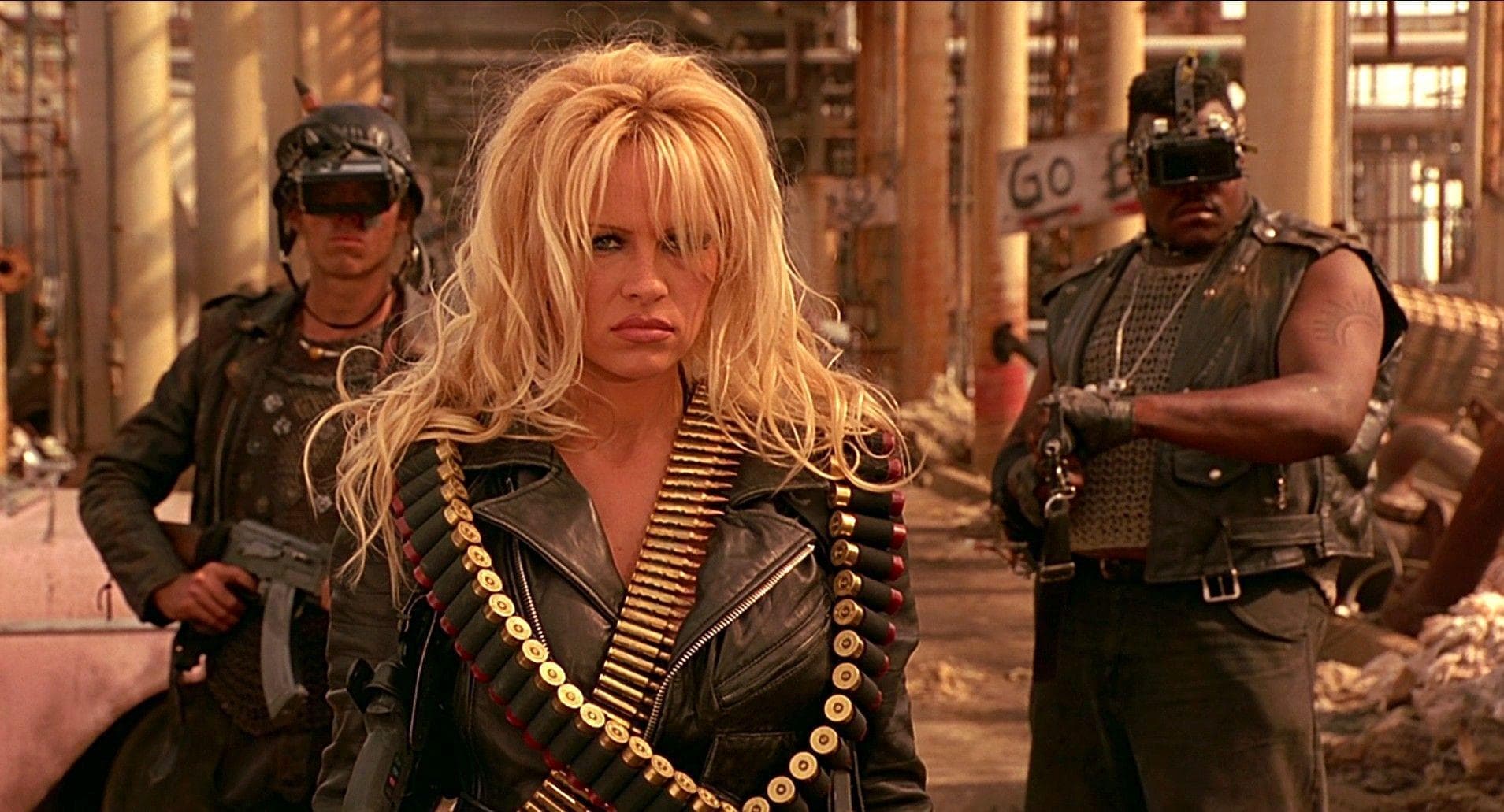
    'Barb Wire' Is 'Casablanca' With A Stiletto-Stomping Femme Fatale

    Pamela Anderson is best known for her buxom appearance on the 1989-1990 TV series Baywatch. In the latter half of the '90s, though, it seemed as if she might break into a major film career. Hence her appearance in Barb Wire, in which she plays the title character, a fearsome nightclub owner in near-future America (2017 - just under twenty years ahead of when the movie was released) which is engulfed in another civil war. Bit by bit, Barb gets sucked into a broader conflict as she attempts to sell illicit identity lenses on the black market to earn passage into Canada - also finding time to briefly rekindle a romance with an old flame. The story ends with Barb passing along the lenses to a young rebel and her lover so they can escape on a plane to Canada, while Barb remains behind. If this all sounds familiar, there’s a good reason. The basics of the plot are essentially the same as in the classic film Casablanca, except the genders of the main characters are reversed. Based as it is on a comic book, the film leans into the bombastic and the sensual and, while it was critically derided at the time, it has become a cult classic - perhaps in part due to its unacknowledged borrowing from Casablanca.

    74% upvoted
  7. 7

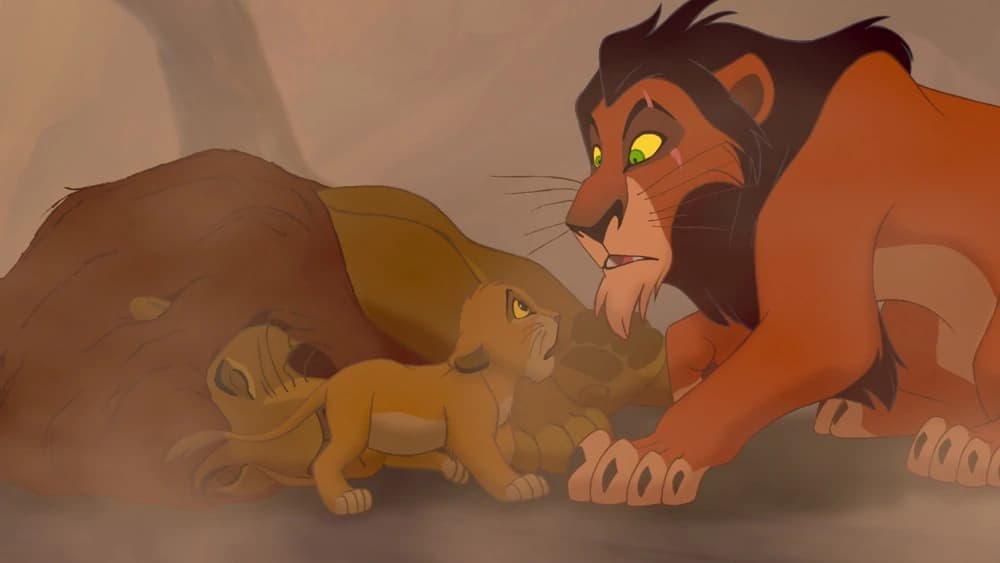
    'The Lion King' Is 'Hamlet' But With Hakuna Matata

    Few Disney films have managed to match the success of The Lion King. With soaring music by Elton John and Tim Rice, inspired voice acting from the likes of Nathan Lane, James Earl Jones, Jeremy Irons, and Matthew Broderick, and gorgeous animation, it has all of the essential ingredients of of a Disney classic. The story, meanwhile, is simple: young lion Simba must reclaim his father Mufasa's role as leader of the pride from his scheming uncle Scar. Though The Lion King has plenty of originality going for it, it's no secret its main story is ripped directly from Hamlet, William Shakespeare's arguably most famous tragedy following a Danish prince who sets out on a mission of vengeance against his uncle Claudius. Fortunately, The Lion King is significantly more optimistic in tone and outcome than Shakespeare’s play - and features an incredible score full of great songs like “Hakuna Matata.”

    70% upvoted
  8. 8

    'Ex Machina' Is 'Frankenstein' With Artificial Intelligence

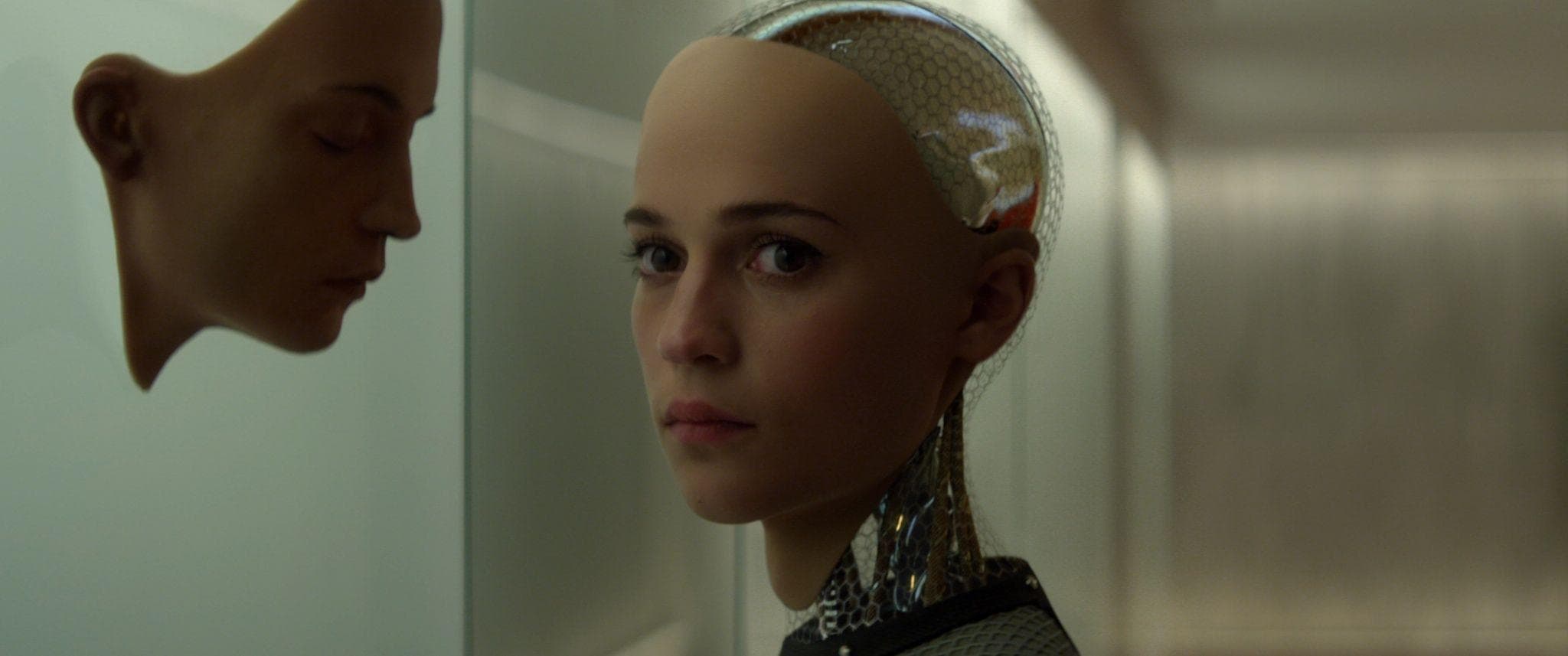
    Ex Machina marks the moment Alex Garland established himself as a director to watch, and it also demonstrated his acute knowledge of the literature that inspired the sci-fi film genre. Ex Machina probes at human anxiety about technological advances as it focuses on a robot named Ava (Alicia Vikander), who seems to have gained genuine sentience. While responding to tests from programmer Caleb (Domnhall Gleeson), Ava demonstrates surprisingly depths of consciousness and yearns for a life outside the confines of the lab. If this sounds familiar, it’s because this is essentially the plot of Mary Shelley’s 1818 novel Frankenstein, in which the eponymous scientist is confronted by the creature he brings to life, who is upset at the loneliness and difficulty that he experiences. Both stories feature a brooding, gothic atmosphere, and both lead the audience is led to identify with the supposed “monster” and its desire to break free of the pain and loneliness of being treated as an experiment. Fortunately for Ava, however, she achieves a happier end than the creature in Shelley's novel, as she's ultimately able to gain the freedom she so desperately desires - even if she has to betray both her creator and Caleb in the process.

    69% upvoted
  9. 9

    'Warm Bodies' Is 'Romeo & Juliet' With A Zombie

    Shakespeare’s Romeo and Juliet has become synonymous with tragic romance due to being retold countless times, both in direct adaptations and in more indirect forms. Few tellings of the story are quite as unique as Warm Bodies, which replaces the romantic obstacle of Capulet versus Montague with the obstacle of living versus undead, as a hopeless romantic zombie named R (Nicholas Hoult) falls in love with a human named Julie (Teresa Palmer). With its tale of forbidden love and the crossing of boundaries, the story has much in common with Shakespeare’s play (though it is actually based on the novel of the same name). However, the biggest difference from Shakespeare's version isn't the apocalyptic setting - it's the happy ending, wherein the apocalypse is averted, zombies (including R) are able to return to their human selves, and Julie and R remain happily together.

    66% upvoted
  10. 10

    'O Brother, Where Art Thou?' Is 'The Odyssey' In A Zany Reconstruction South

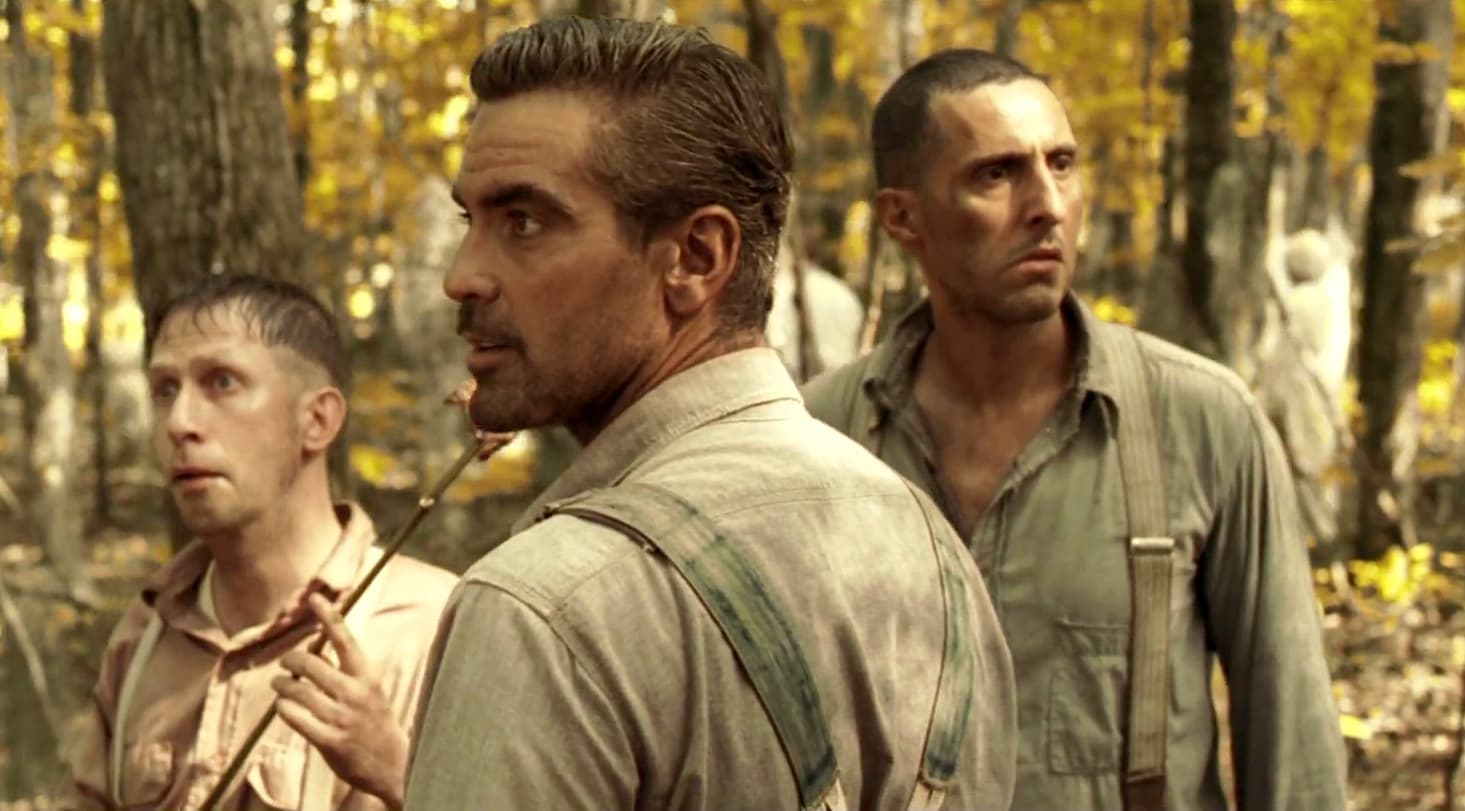
    Throughout their careers, the Coen Brothers have proven their keen directorial vision, especially when they take influence from classic works. O Brother, Where Art Thou is the distillation of the Coen Brothers’ aesthetic, with its story about Ulysses Everett McGill (George Clooney), a criminal who escapes a Mississippi jail with two compatriots (John Turturro and Tim Blake Nelson), setting out across a zany Reconstruction South to prevent his wife (Holly Hunter) from marrying another man. Hijinks and a great deal of wacky wordplay ensue on their rollercoaster journey. Beneath the quirk and patter, however, there’s a fanciful reinterpretation of The Odyssey, one of the most important works of Western literature. Allusions to Homer’s epic poem include the name of the hero (Ulysses is the Latin name for the poem’s hero, Odysseus), the name of his wife, Penny (short for Penelope, the wife of Odysseus), the group of women who seduce the trio (a combination of the sorceress Circe and the Sirens), and even a one-eyed monster, played by John Goodman (a clear evocation of the man-eating Cyclops). As a result, the Coen brothers not only affectionately revive Homer's tale, they also manage to add satirical commentary on the social conditions of the American South in the 1930s.

    65% upvoted