Skip to content
maxnews
Film

The 10 Biggest Differences Between American And Japanese Godzilla Films

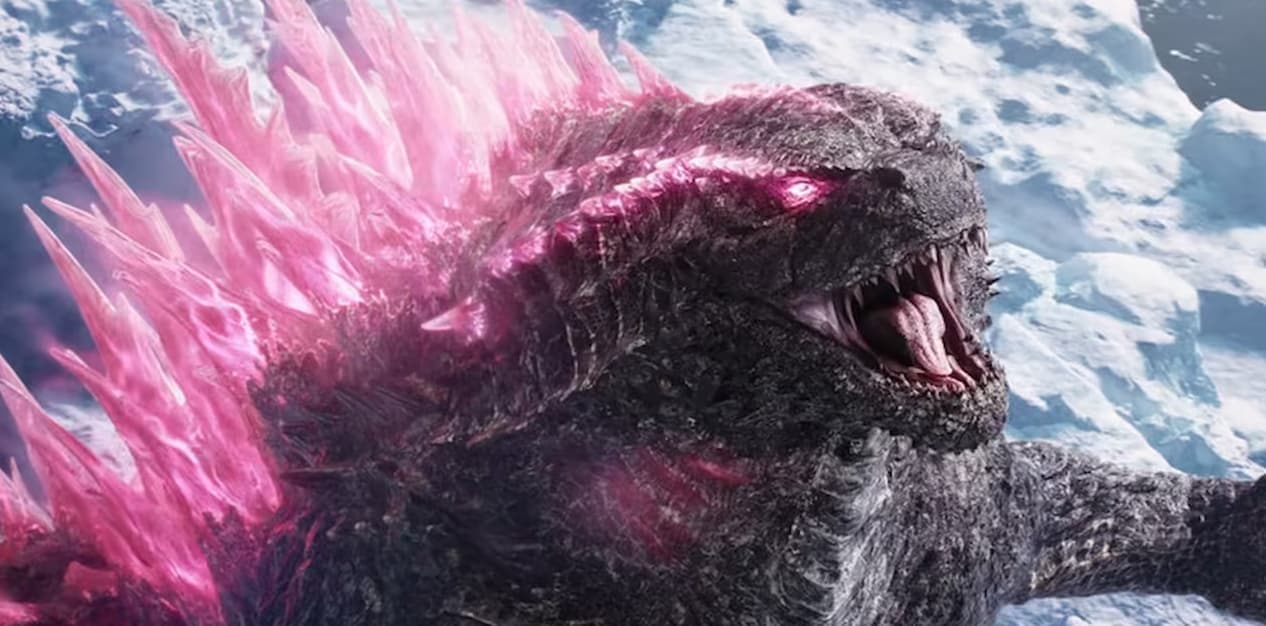
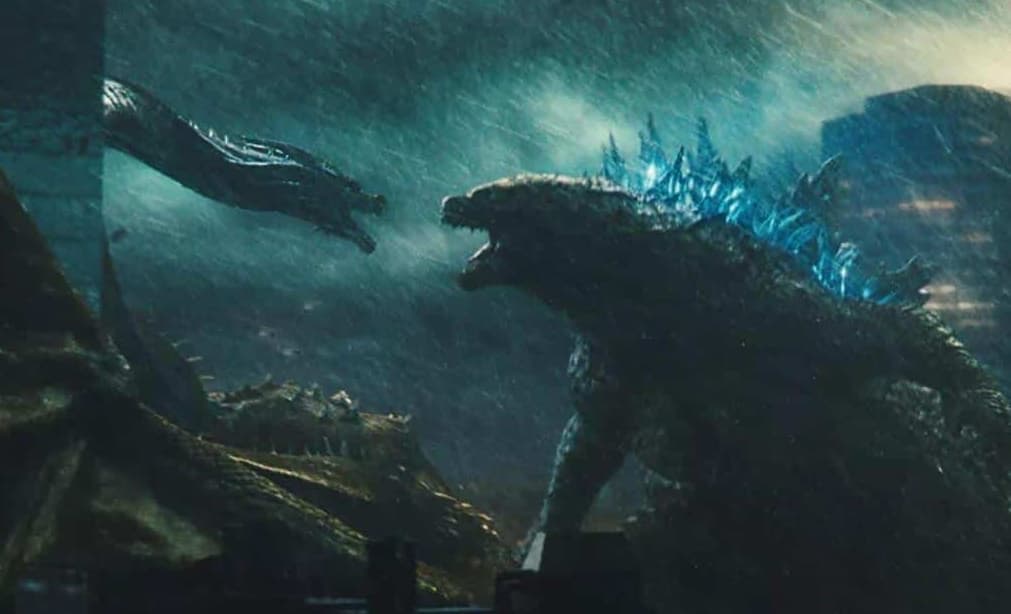
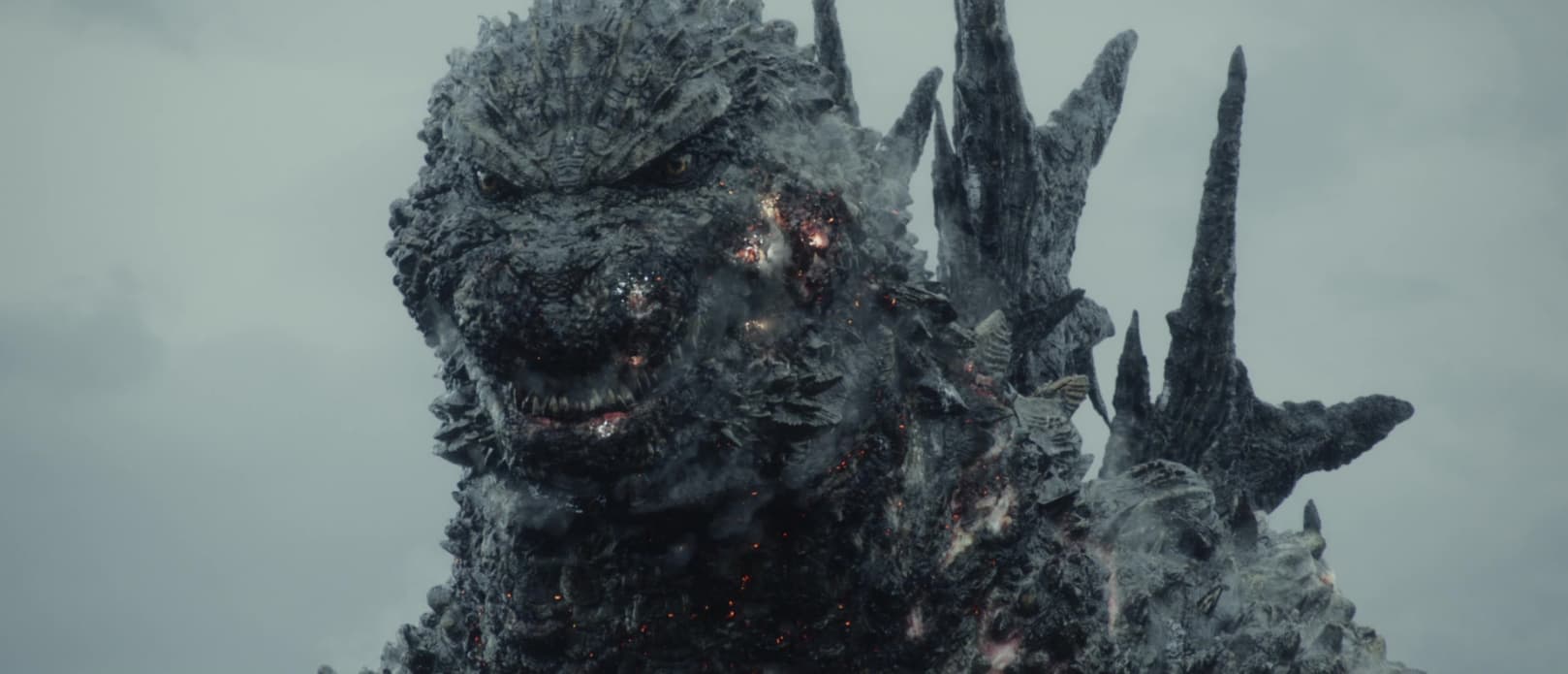
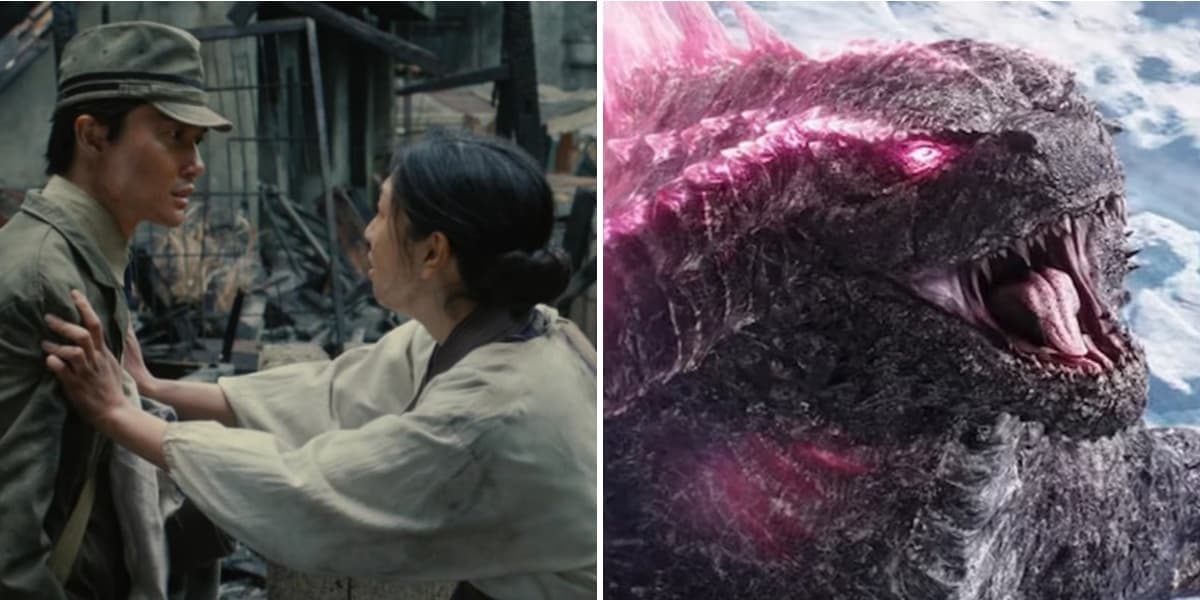
Godzilla has stomped through cinematic landscapes for seven decades, evolving from a somber metaphor for nuclear devastation in 1954's original Gojira to the titan of modern blockbuster entertainment. This evolution hasn't been linear, however. As the King of Monsters traveled between Japanese studios and Hollywood productions, profound differences emerged in how filmmakers approached the iconic kaiju. The Japanese Toho films, including the recent Oscar-winning Godzilla Minus One, maintain distinctive storytelling elements that sharply contrast with Legendary's MonsterVerse entries like Godzilla (2014) and Godzilla x Kong: The New Empire. Beyond mere aesthetic choices or budget considerations, these differences reflect cultural perspectives, historical contexts, and divergent philosophies about Godzilla's significance as both character and concept. Japanese films typically ground themselves in national identity and historical trauma, while American interpretations reimagine Godzilla through the lens of global spectacle and universal heroism. Understanding these contrasts reveals how a single monster embodies drastically different cinematic traditions and storytelling ambitions.

Entries
10
Votes
34
Updated
21 hours ago

Tap upor downto vote. Your vote is added to Ranker's counts.

Voting identifies your browser with an anonymous fingerprint, stored only as a salted hash, to count one per visitor. Privacy

Source: Ranker, ranked by its voters.

  1. 1

    Stark Differences In Depicting Destruction
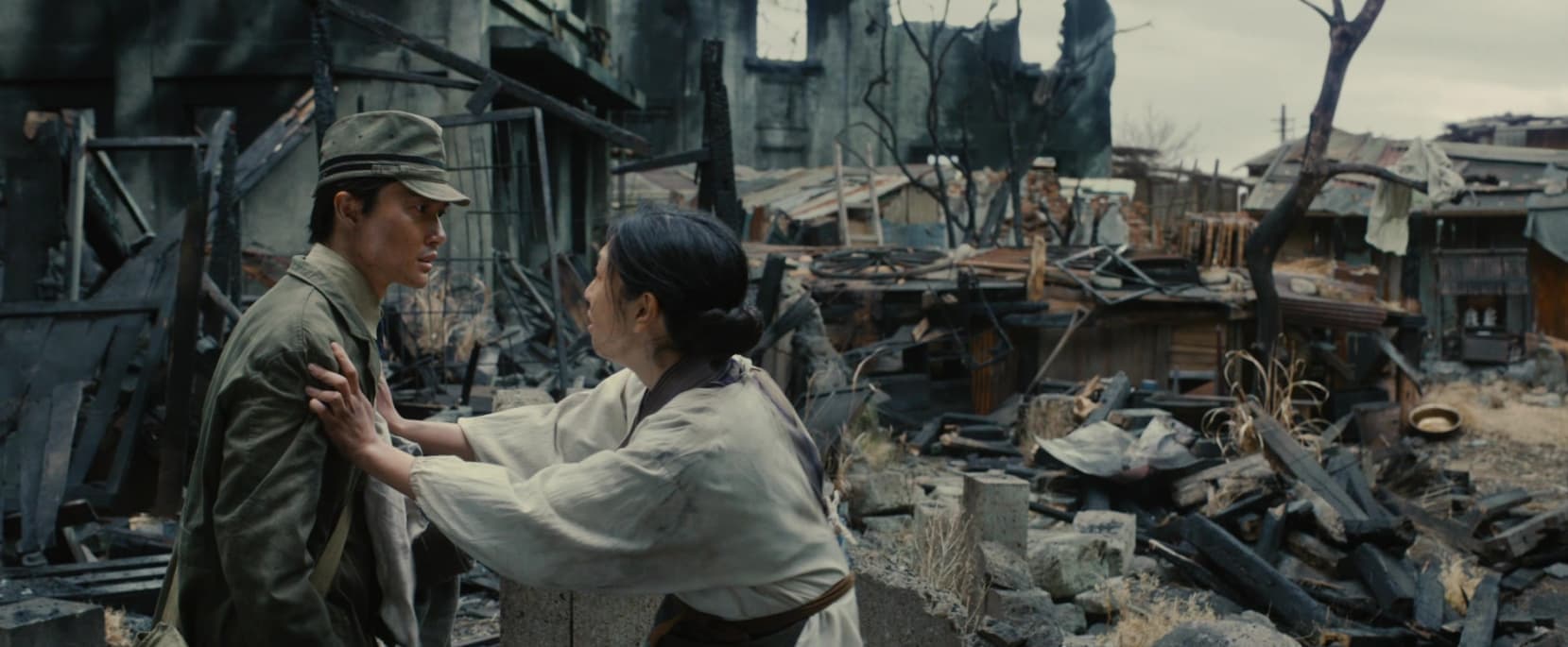
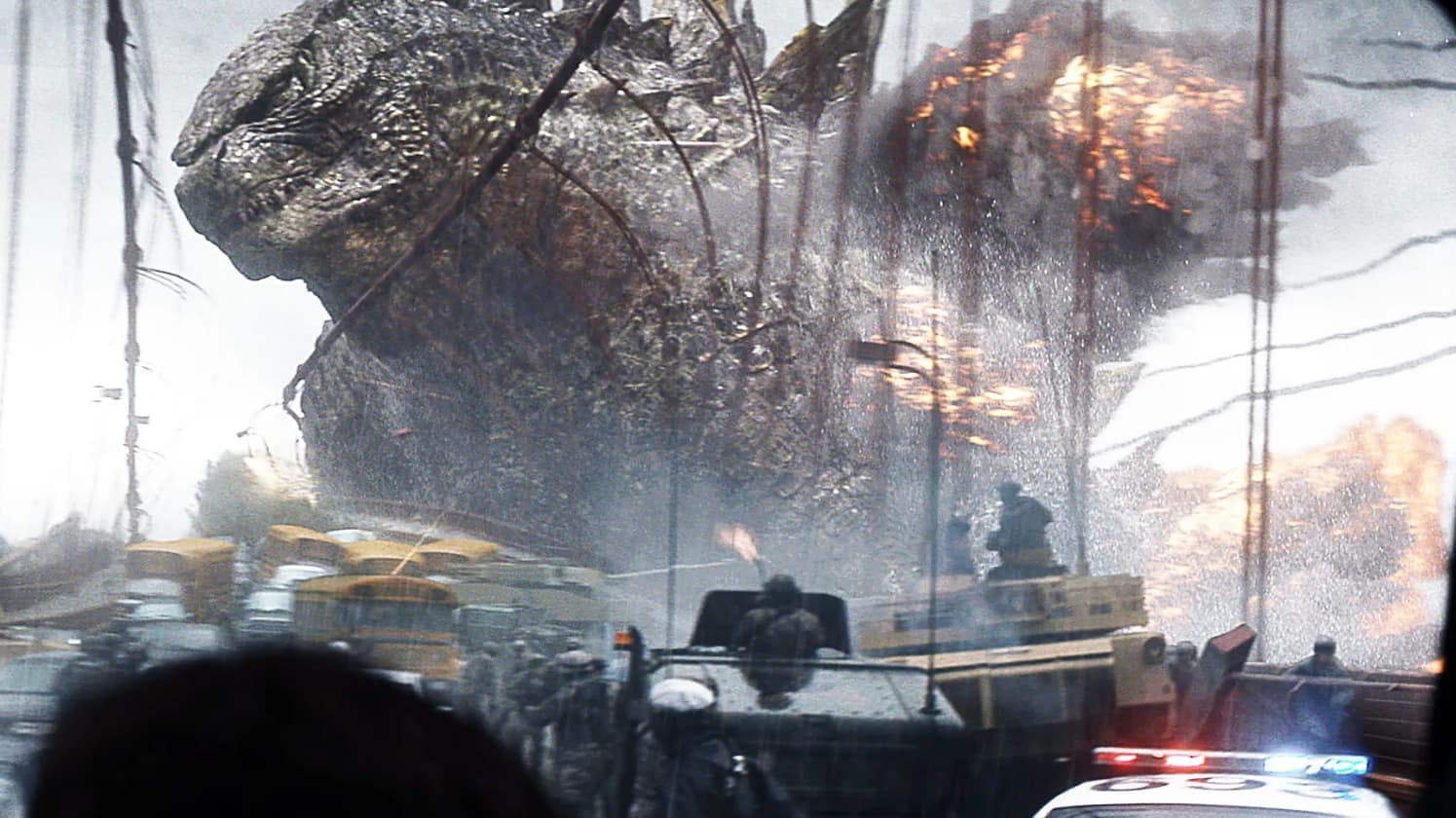
    Japanese films portray destruction with specific attention to cultural landmarks and civilian impact, often evoking historical imagery from wartime bombing. These sequences frequently include street-level perspectives showing ordinary people fleeing or confronting the devastation, emphasizing the human cost of monster attacks. The destruction itself carries metaphorical weight, representing historical traumas or contemporary anxieties. American interpretations showcase destruction as spectacular visual setpieces that emphasize scale and technical achievement. These sequences typically feature wider, more distanced perspectives that showcase the impressive CGI rather than focusing on human suffering. While visually stunning, the destruction serves primarily as action spectacle rather than metaphorical commentary.
    94% upvoted
  2. 2

    Western Approaches Tend To Decenter Its Nuclear Origins

    Japanese Godzilla films have consistently maintained the creature's origins as a direct metaphor for nuclear devastation and its aftermath. The original 1954 Gojira emerged in response to both the Hiroshima and Nagasaki bombings and the Lucky Dragon 5 incident, where Japanese fishermen were exposed to radiation from US nuclear tests. This trauma remains embedded in the Japanese films' DNA, with Godzilla Minus One (2023) returning to post-war Japan to re-examine nuclear anxiety through a contemporary lens. American adaptations tend to downplay or abstract these nuclear themes. While the 2014 Godzilla acknowledged radiation in the monster's backstory, it repositioned the creature as a force of nature maintaining "balance" rather than representing human-made catastrophe. The MonsterVerse films generally transform nuclear imagery from historical commentary into generic sci-fi elements, with radiation functioning more as a plot device than meaningful metaphor.

    92% upvoted
  3. 3

    Character Focus Versus Spectacle

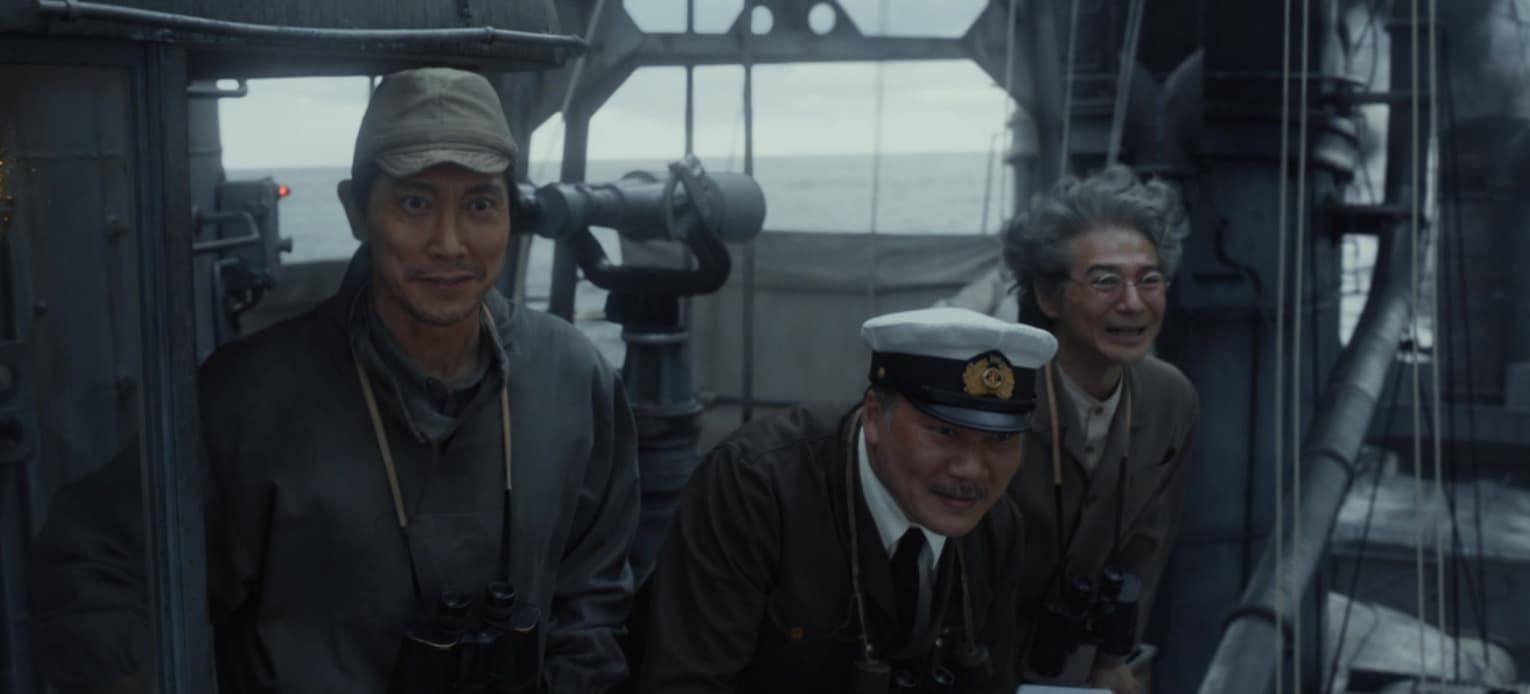
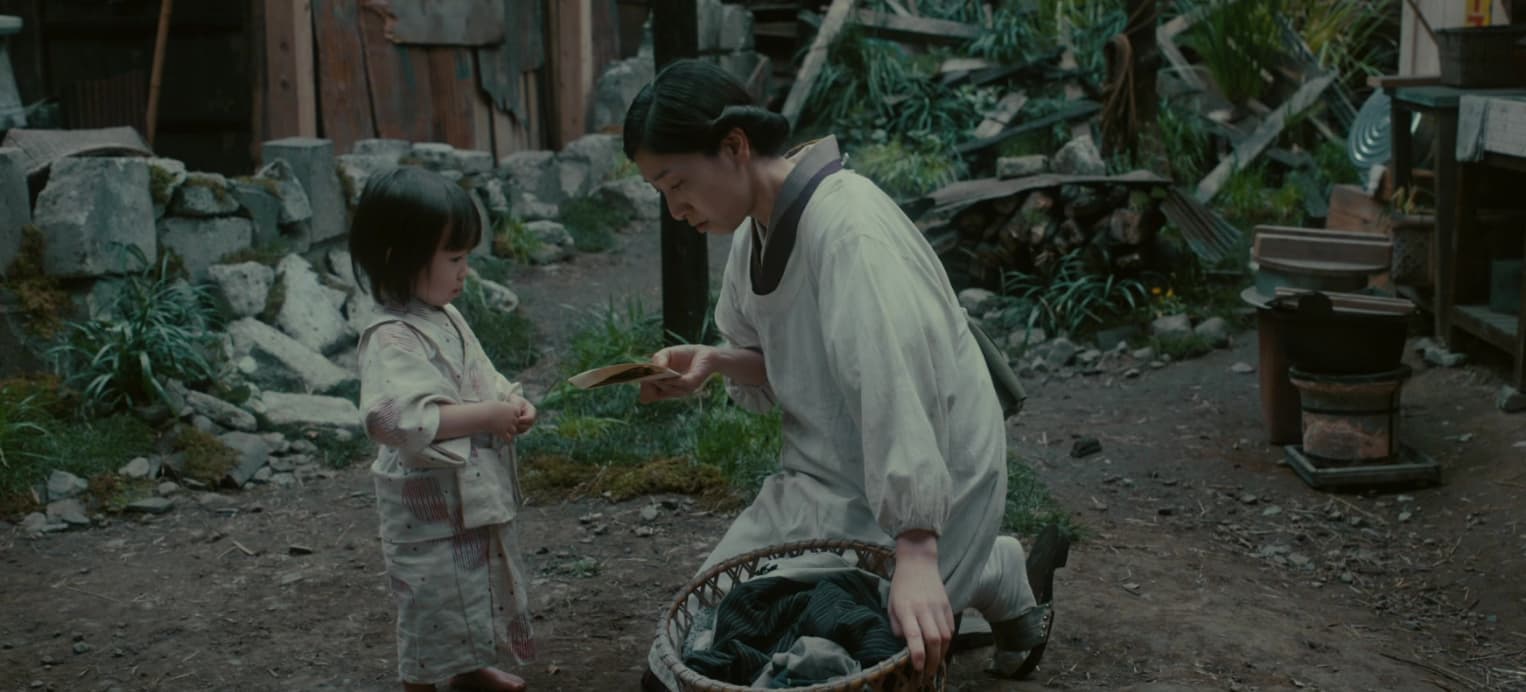
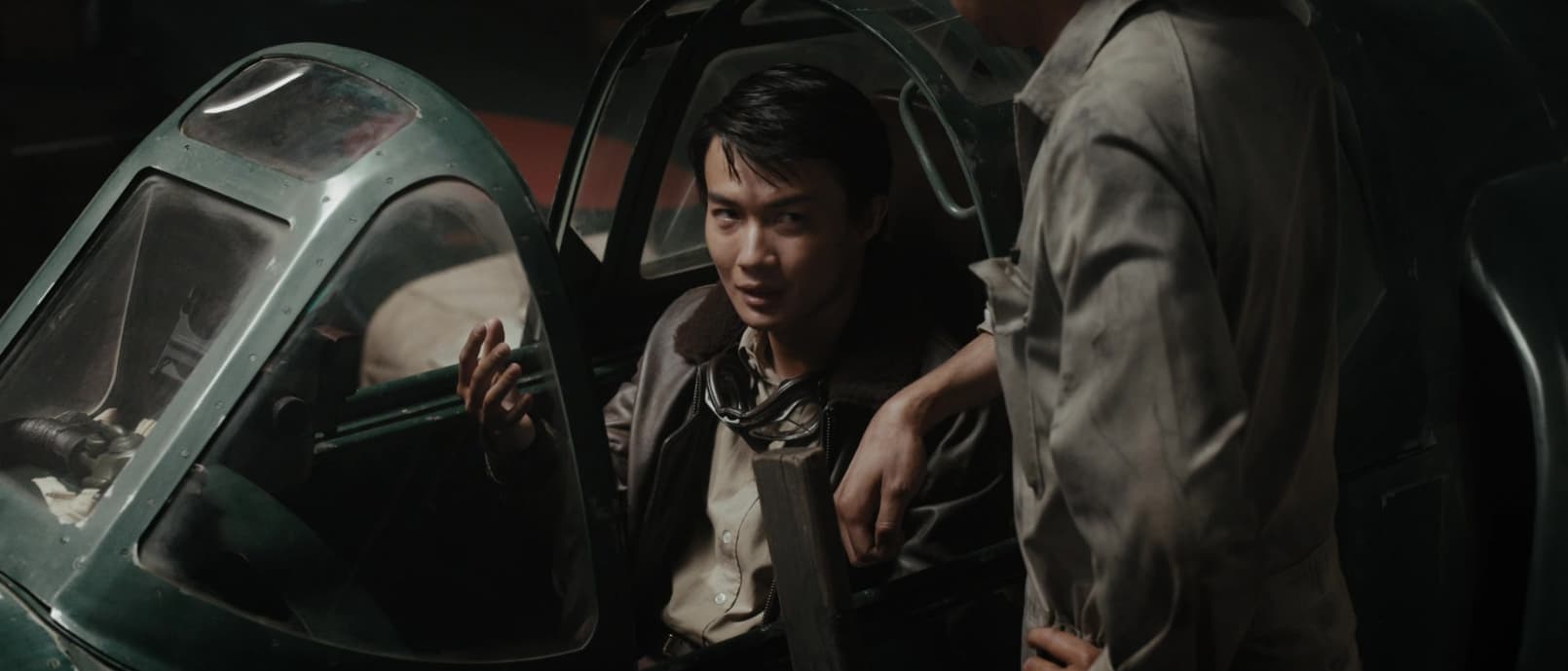
    Japanese Godzilla films traditionally anchor their narratives in human characters directly affected by the monster's devastation. Godzilla Minus One centers on Kōichi Shikishima, a former kamikaze pilot whose personal trauma parallels Japan's post-war grief. These films explore how ordinary people cope with extraordinary circumstances, making the human element central rather than peripheral. MonsterVerse films prioritize spectacle and monster-centered action, often relegating human characters to witnesses or facilitators of titan conflicts. This approach frequently results in underdeveloped human storylines, with characters serving primarily to provide exposition or reaction shots. Even when featuring recognizable actors like Bryan Cranston or Millie Bobby Brown, American productions ultimately position humans as supporting players in what are fundamentally monster-driven narratives.

    92% upvoted
  4. 4

    Human Character Development Versus Advancing The Plot

    Japanese Godzilla films frequently feature complex human characters whose personal journeys mirror broader themes. From the haunted scientist Serizawa in the 1954 original to Kōichi's path toward redemption in Minus One, these characters often undergo meaningful growth that parallels society's response to catastrophe. Their emotional arcs provide the emotional core around which monster spectacle is organized. American versions favor archetypal characters whose primary function is advancing the plot. Scientists explain the monster, military figures coordinate responses, and family members generate emotional stakes, but rarely do these characters experience transformative arcs independent of the monster crisis. This functional approach to characterization prioritizes narrative efficiency over psychological depth.

    91% upvoted
  5. 5

    There Are A Multitude Of Metaphors In Japanese ‘Godzilla’ Films

    Japanese Godzilla films are deeply embedded in specific cultural contexts, reflecting distinctly Japanese concerns about environmental destruction, militarism, and national identity. References to Japanese history, geography, and social structures create a cultural specificity that grounds even fantastical elements in recognizable reality. Director Takashi Yamazaki explicitly structured Godzilla Minus One to parallel Japan's post-war recovery, with the monster representing the nation's "minus" state after defeat. American adaptations universalize Godzilla, often removing culturally specific elements to make the narrative more globally accessible. The MonsterVerse positions Godzilla within an international framework of "ancient titans" and cross-cultural mythology, creating a deliberately generalized context that audiences worldwide can recognize without specific cultural knowledge. This approach broadens appeal but dilutes the focused cultural commentary that characterizes many Japanese entries.

    89% upvoted
  6. 6

    Building A Franchise Versus Telling A Story

    Japanese Godzilla films have embraced periodic reinvention through distinct, self-contained eras (Showa, Heisei, Millennium, Reiwa) that allow creative freedom between cycles. This approach permits the character to evolve in response to changing cultural contexts without requiring strict continuity. Each new era can reinterpret Godzilla's fundamental nature, from destructive force to reluctant defender to something in between. The MonsterVerse adopts a Marvel-inspired connected universe model with consistent continuity across films. This approach prioritizes world-building and crossover potential, establishing a shared universe where Godzilla, Kong, and other monsters exist within a single narrative framework. While creating commercial opportunities through character interactions, it potentially constrains creative reinterpretation in service of maintaining universe coherence.

    89% upvoted
  7. 7

    An Evolving Monster Design

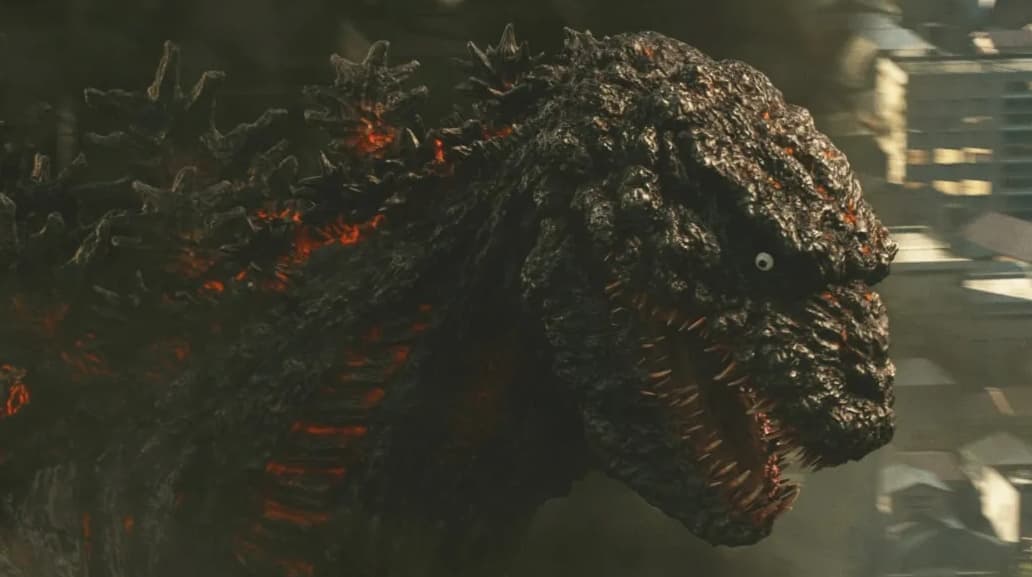
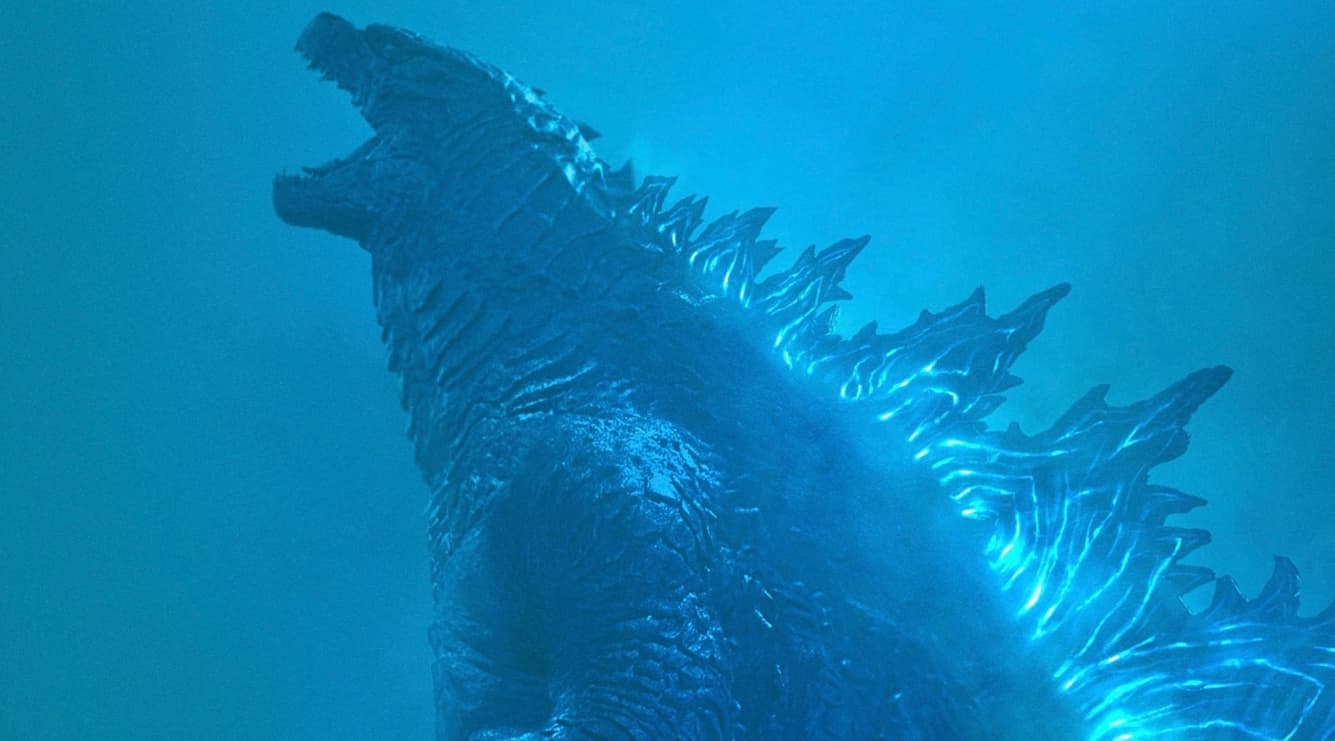
    Japanese Godzilla designs consistently maintain humanoid elements that facilitate emotional expression and character development. Even as special effects evolved from "suitmation" to CGI, Japanese interpretations preserve Godzilla's anthropomorphic qualities, allowing the monster to convey recognizable emotions - from rage to determination to something resembling empathy. Godzilla's design also plays importance in Shin Godzilla (2016), where a pre-evolved monster stands in as a metaphor for natural disasters. This approach enables Godzilla to function as a character with agency rather than merely a destructive force. American designs emphasize animal characteristics and natural realism, creating a more beast-like Godzilla. The 2014 redesign drew inspiration from bears, komodo dragons, and other predators to make the monster feel like a plausible apex predator. This naturalistic approach creates impressive visuals but sometimes limits the character's expressive range, positioning Godzilla as more phenomenon than personality.

    75% upvoted
  8. 8

    Scale And Budget Considerations

    American Godzilla productions operate with significantly larger budgets, evident in their extensive CGI sequences and global marketing campaigns. Legendary's Godzilla (2014) had a reported budget of $160 million, while subsequent entries like Godzilla vs. Kong commanded even higher figures, enabling massive-scale destruction scenes and extended monster battles. Japanese productions typically work with more modest resources but compensate through creative problem-solving and focused storytelling. Despite its Oscar-winning visual effects, Godzilla Minus One was produced for approximately $15 million - less than 10% of a typical Hollywood monster movie budget. This financial constraint often pushes Japanese filmmakers to be more selective about showcasing their title monster, creating anticipation and impact through strategic restraint.

    73% upvoted
  9. 9

    Blockbuster Fare Versus Gradual Build Up

    Japanese Godzilla films typically employ deliberate pacing that builds tension gradually before revealing their title monster. Even action-oriented entries often delay Godzilla's full appearance, creating anticipation through glimpses and aftermath scenes. This approach echoes Japanese storytelling traditions that value buildup and release, with climactic monster battles serving as emotional payoff for carefully established stakes. MonsterVerse films embrace a blockbuster rhythm with accelerated pacing and frequent action sequences distributed throughout the runtime. While Gareth Edwards' 2014 Godzilla exercised some restraint in revealing its title character, subsequent American entries have moved toward more consistent monster presence, reflecting Hollywood's concern that audiences might grow restless during extended human-focused sequences.

    60% upvoted
  10. 10

    A Difference In Sound Design And Techniques

    Japanese Godzilla films pioneered distinctive sound design techniques that have become iconic, particularly the original roar created by composer Akira Ifukube by dragging a resin-coated glove across a double bass string and altering the playback speed. Each era of Japanese productions has carefully evolved this sonic signature while maintaining its recognizable core, treating Godzilla's vocalizations as a crucial component of the character's identity. American productions have reimagined Godzilla's audio profile using modern sound design technology. The MonsterVerse roar incorporates elements of animal sounds, industrial noise, and processed vocal performances to create a more naturalistic yet still imposing effect. This approach emphasizes raw power and biological authenticity over the more stylized, almost musical quality of the traditional Japanese roar.

    100% upvoted