Skip to content
maxnews
Rankings

Why Queen Elizabeth I Was The Most Hardcore Ruler England Has Ever Seen

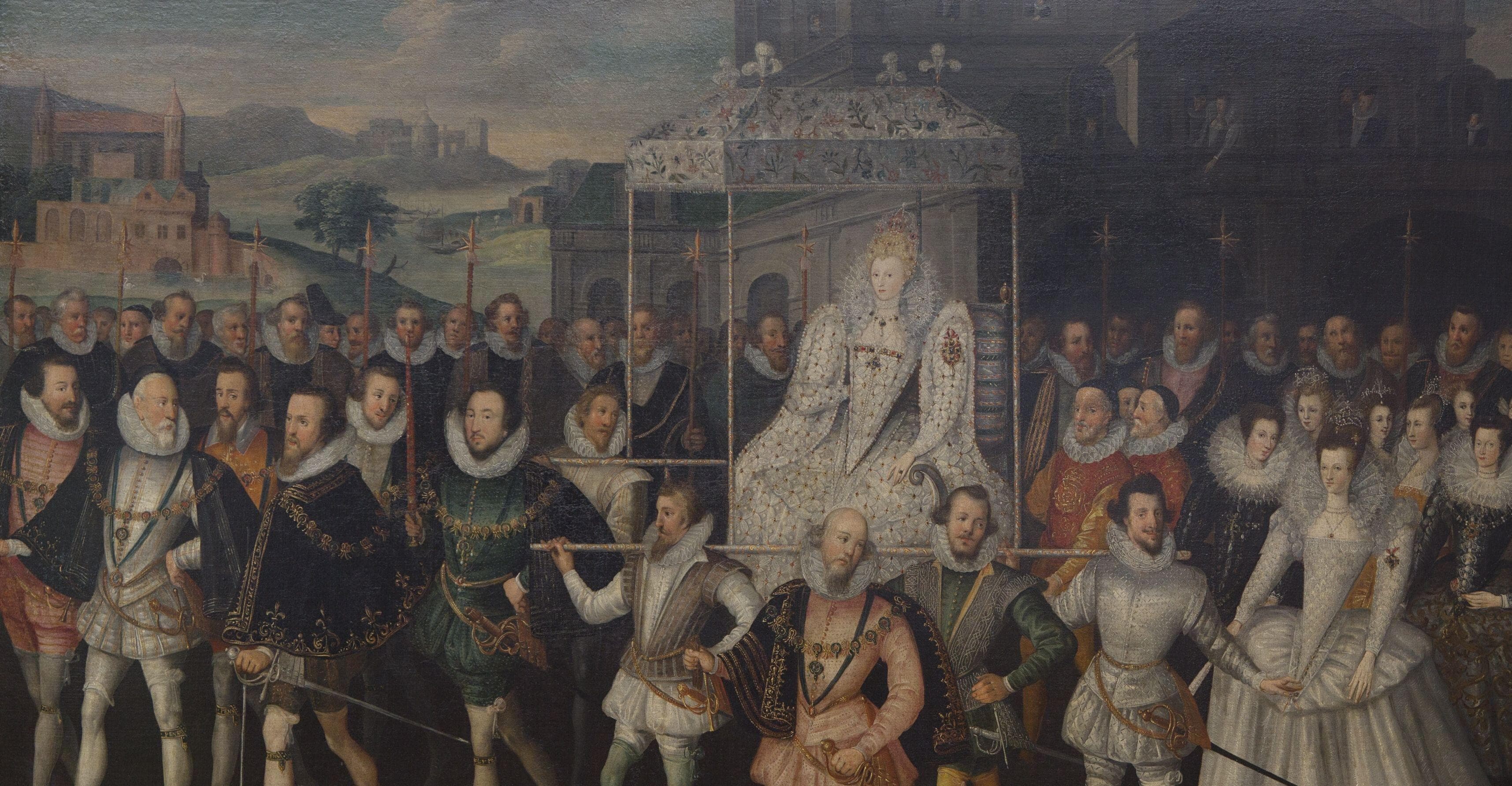
Queen Elizabeth I was not just one of the most significant rulers in English history - she was also an amazing queen who defied expectations. Even within the storied English monarchy, Elizabeth stands out. She proved to the early modern world that women could be exceptional rulers. The England that Elizabeth inherited in 1558 was a troubled one. Her father, Henry VIII, had done what no other monarch had done before him - he expanded the monarchy by breaking with the Catholic Church and making England a Protestant country. That religious rupture with Europe had profound effects and led to conflicts between Catholics and Protestants. Torn apart by instability, England badly needed a strong ruler to steer the direction of its future. After her father's passing and a number of short-lived successors, Elizabeth took the throne. Elizabeth - a young woman who was never supposed to be queen - was up to the task. In her 44 years on the throne, she helped bring peace, stability, confidence, and wealth to her people. She charted a middle way in politics and religion and ensured that England remained independent in the face of turmoil on the European continent. Under Elizabeth’s leadership, England’s maritime destiny was laid out and explorers dipped their toes into the so-called New World. To this day, Elizabeth remains a standout in the British royal family and deserves her place in history as one of the greatest.

Entries
14
Votes
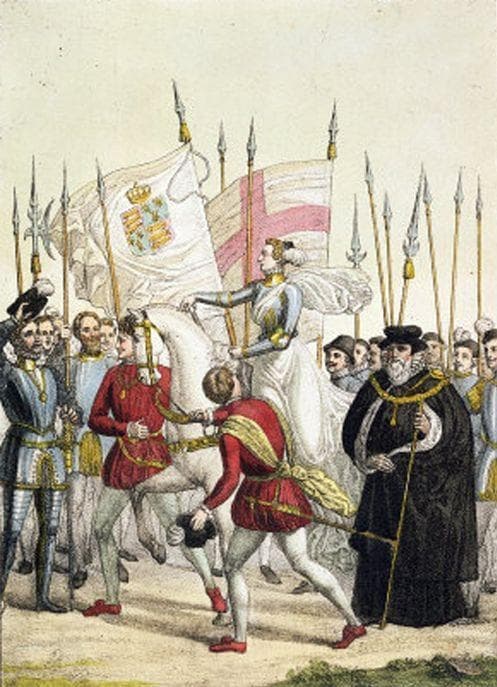
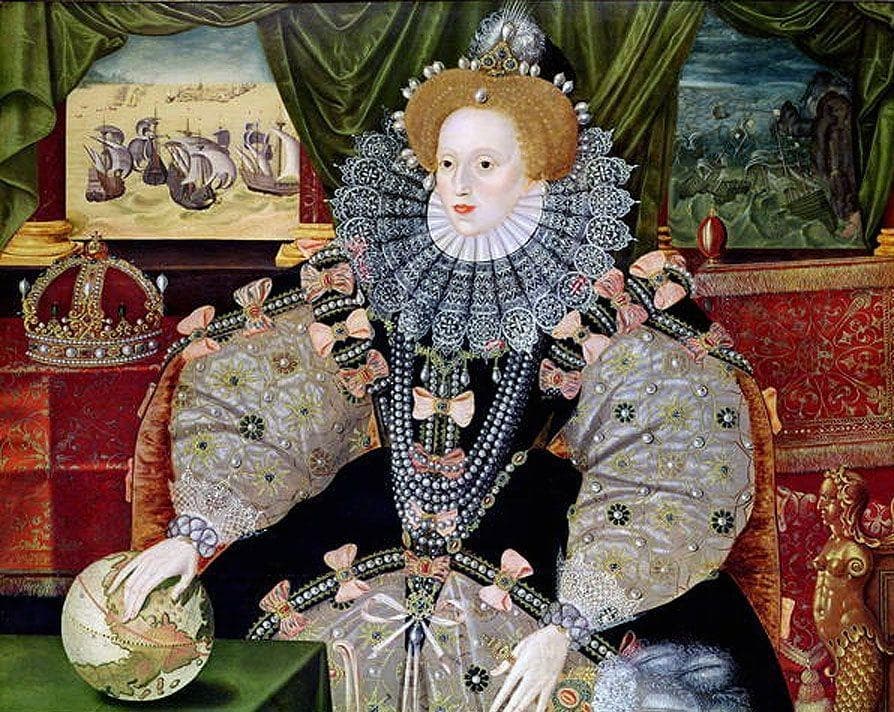
0
Updated
4 days ago

Tap upor downto vote. Your vote is added to Ranker's counts.

Voting identifies your browser with an anonymous fingerprint, stored only as a salted hash, to count one per visitor. Privacy

Source: Ranker, ranked by its voters.

  1. 1

    She Was The Ultimate Single Lady
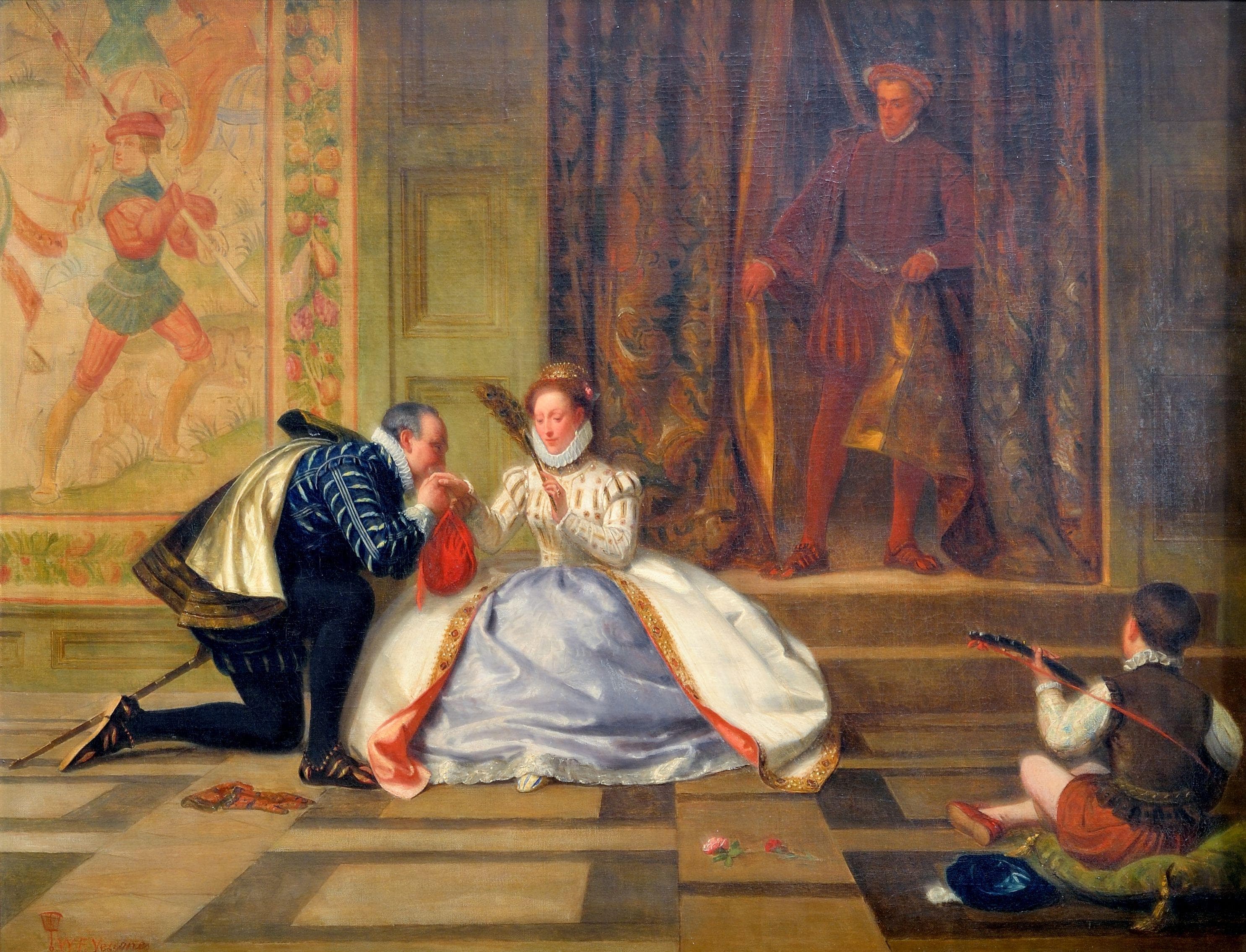
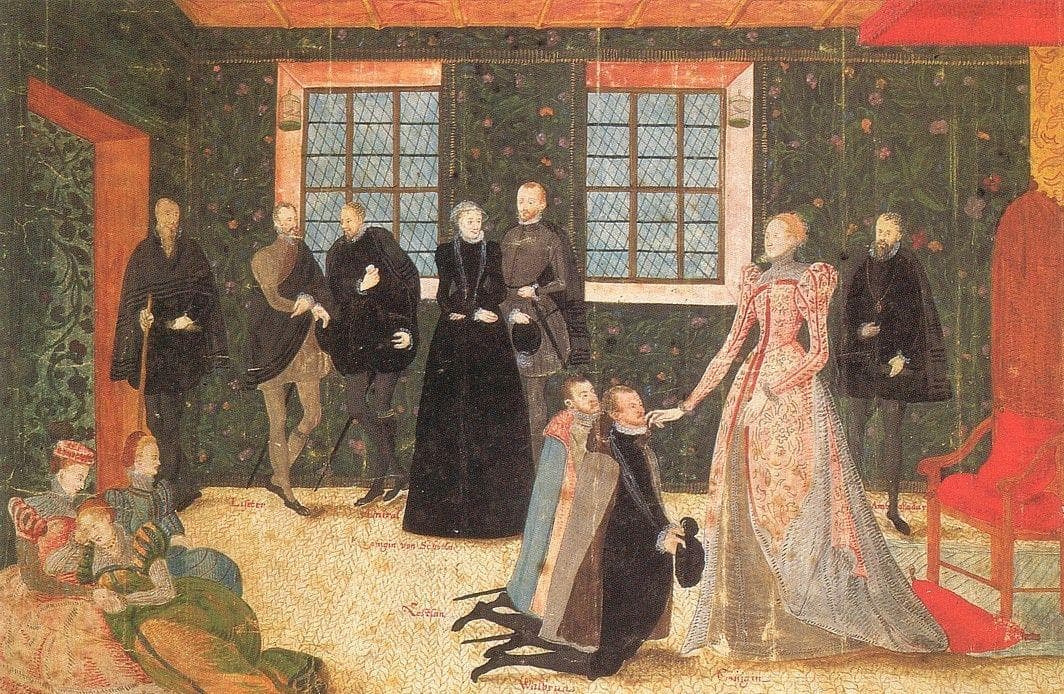
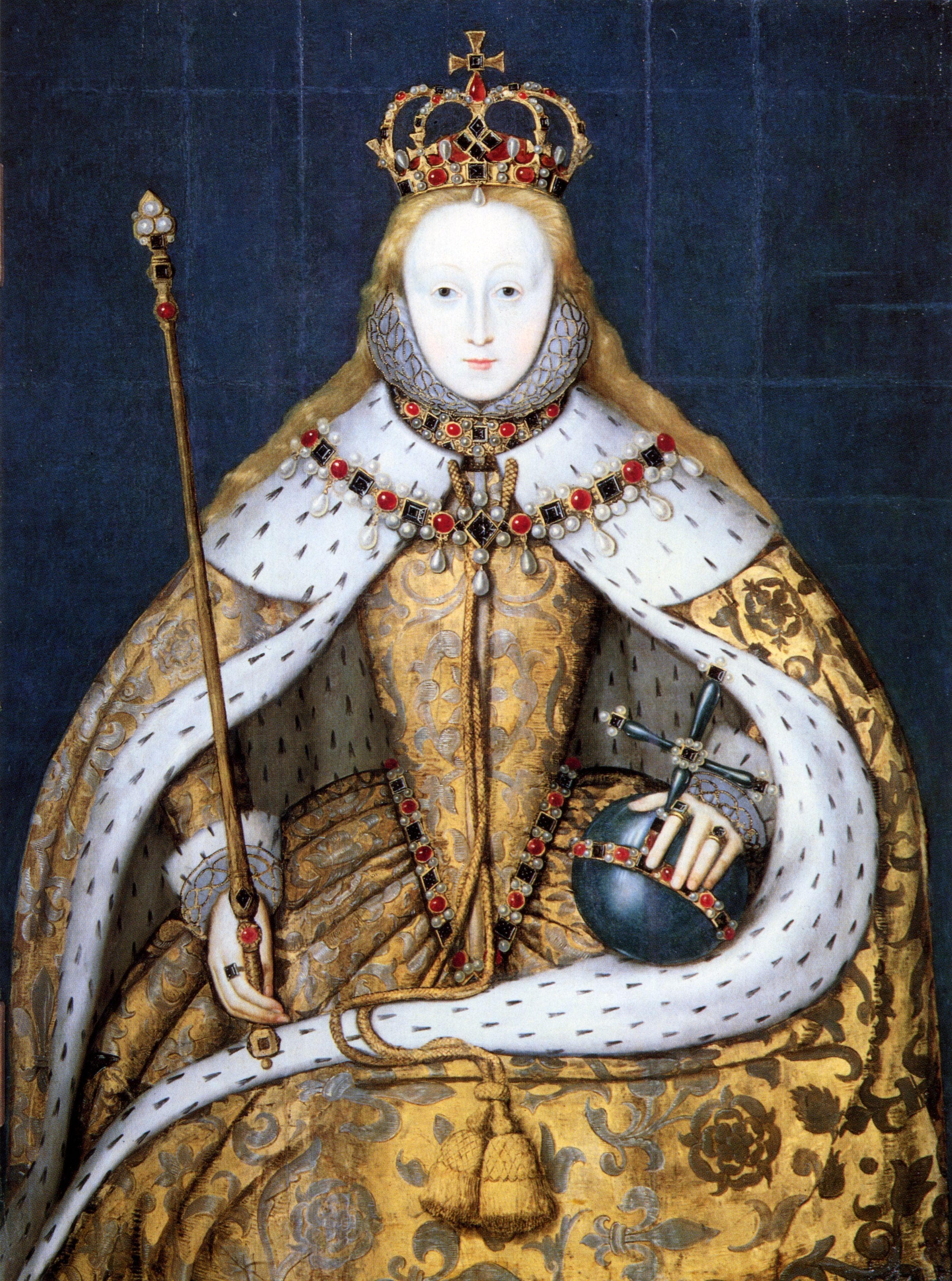
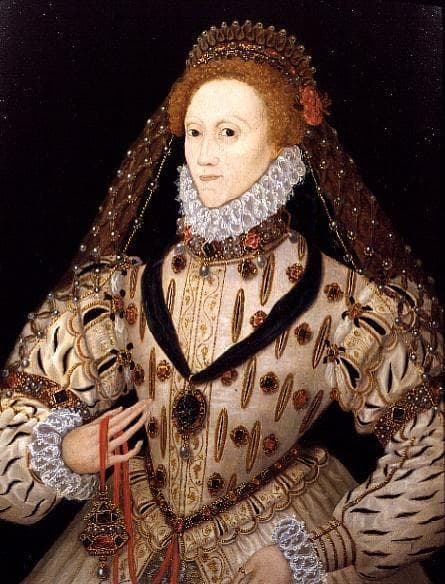
    If Elizabeth I learned anything from the disastrous marriage politics of her father or older half-sister, Queen Mary I, it was that marrying was a tricky, dangerous situation. Her father had six wives over the course of his royal career, and Mary’s marriage to a Spanish king inspired the passionate outrage of her English subjects. Furthermore, Elizabeth’s situation was delicate: As a woman, she risked losing her independence, since she already had plenty of people who doubted her capacity to rule. Marrying a foreign prince was a dance in foreign policy; marrying a subject was a dance in domestic policy. Though she spent considerable time worrying over potential suitors and the pressure to bear heirs, Elizabeth eventually was cast as a “Virgin Queen” and famously quipped, “I will have here but one mistress, and no master.” Even though many believed it was against the laws of nature for a woman to rule, Elizabeth proved them all wrong: By not marrying, she was able to preserve English autonomy and minimize factionalism amongst the English nobility.
    0% upvoted
  2. 2

    She Defied The Odds To Inherit The Throne

    Elizabeth was never really supposed to inheret the throne. She was her father’s second daughter (officially, at least). Though she was born legitimate in 1533, her standing in the royal family quickly changed when her mother, Anne Boleyn, fell from grace and was beheaded in 1536. In the fallout of Henry’s disposal of his executed wife, Elizabeth herself was declared illegitimate and thus unlikely to ever succeed the throne. Becoming queen was pushed even further into the periphery when her father’s much-anticipated son was born in 1537 to Jane Seymour. Henry VIII kept changing the line of succession, pushing his red-haired daughter further and further down the line. But when her younger brother passed in 1553 at the age of 15 and the crown went to her sister Mary, Elizabeth moved up the food chain. Mary’s marriage to Philip of Spain failed to produce any children, and during years of turmoil from Mary's vicious anti-Protestant campaigns, Elizabeth was seen as a threat and briefly imprisoned in the Tower of London. When Mary passed from illness in 1558, Elizabeth finally became queen. She succeeded because she was the last heiress of Henry VIII standing. Patience, it seems, was a virtue.

    0% upvoted
  3. 3

    She Put People On A Sh*t List, And God Help You If You Were On It

    Hell hath no fury like a queen enraged - and Elizabeth raged very, very well. As queen, she expected that her courtiers show her respect. But her well-known vanity often made it difficult for would-be spouses to wed under Elizabeth’s watchful eye. Several of her ladies in waiting - Bess Throckmorton and Katherine Grey, most notably - earned the queen’s scorn when they secretly married their lovers without the queen’s knowledge or permission. In fact, when Mary Shelton, the queen’s second cousin, secretly married John Scudamore without the queen’s permission, she is said to have suffered a broken finger when Elizabeth smacked her hand with her hairbrush. Men were just as likely to get on the royal sh*t list as women. Explorer Sir Walter Raleigh fell in and out of favor. Dashing and headstrong courtier Robert Devereux, 2nd Earl of Essex, tried her patience and flouted her commands so incessantly and treasonously that he ultimately lost his head.

    0% upvoted
  4. 4

    She Actually Encouraged Forms Of Piracy

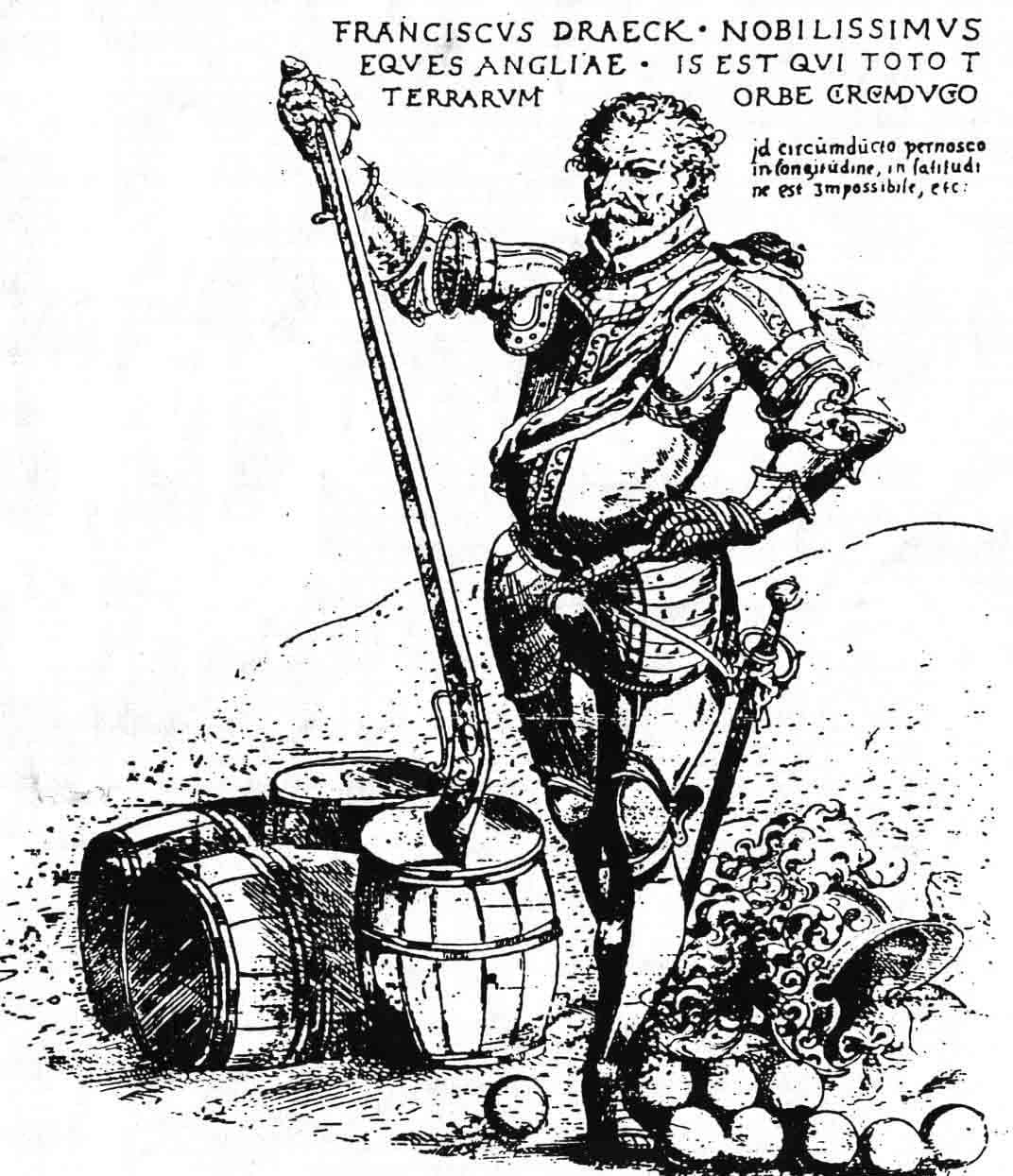
    The England that Elizabeth ruled was a golden age of the arts, exploration... and piracy. England’s chief naval rival was Spain, and English privateers took buckets of goods and money from Spanish ships traveling to and from the Americas. Spain complained bitterly that so-called English “privateers” ransacked their ships, but Elizabeth did nothing to curb the exploits of men like Sir Walter Raleigh and Sir Francis Drake. In fact, she rewarded such achievements.

    0% upvoted
  5. 5

    She Was Brainy And Sporty

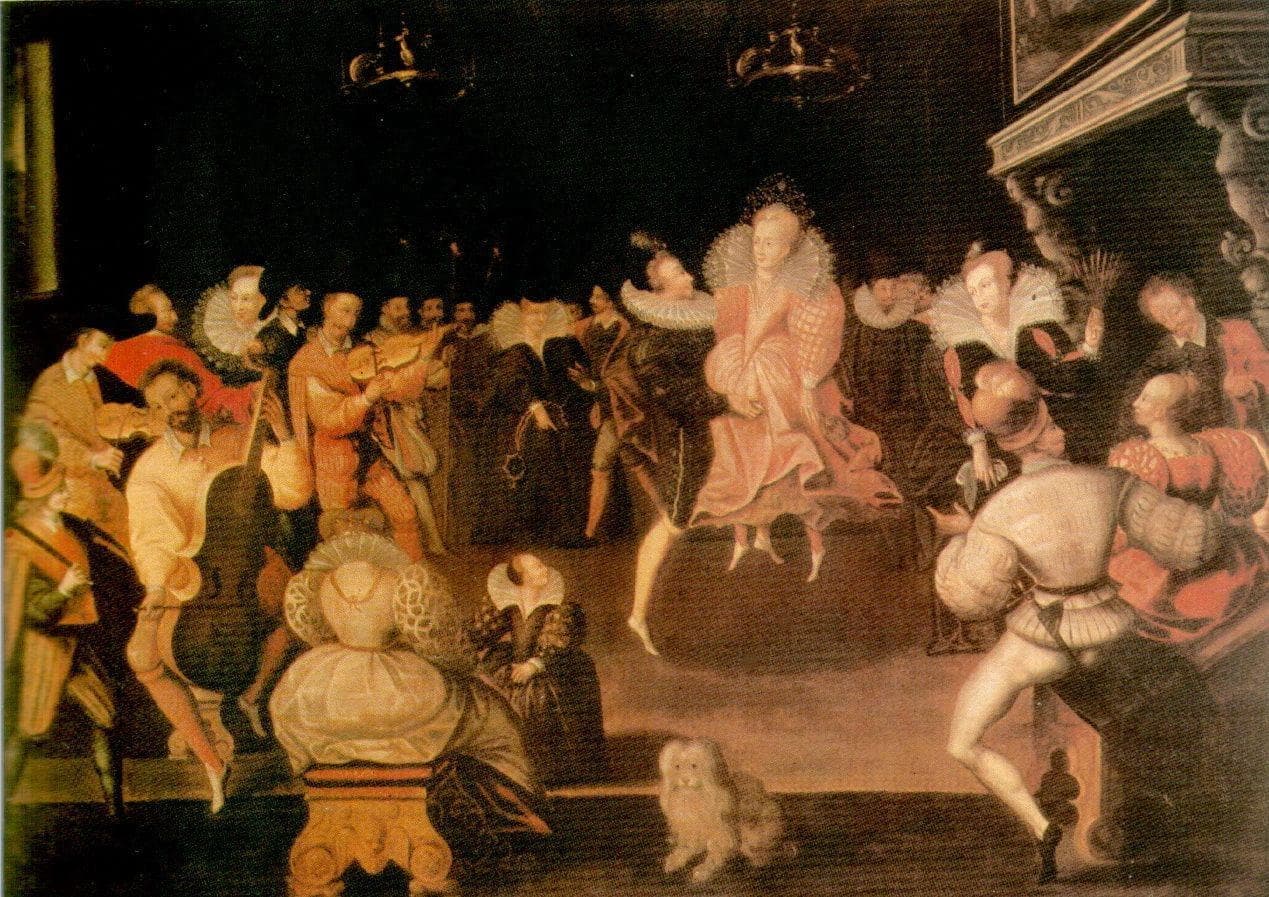
    Elizabeth was nothing if not her father’s daughter - and she proved to be a queen who liked activity and study in equal measures. Her father - if his initial obsession with her mother was any indication - appreciated a woman with a sharp mind, and he saw to it that Elizabeth received a top-notch education. She was taught history, philosophy, and rhetoric, and was fluent in no less than six languages besides her native English: Latin, French, Greek, Spanish, Italian, and Welsh. At the same time, she was unapologetically active. She was an avid hunter and horsewoman. While on the hunt, she would be invited to slit the throats of animals that had been felled. Her court was also famous for dancing the night away.

    0% upvoted
  6. 6

    She Kept An Astrologer, Because Why Not

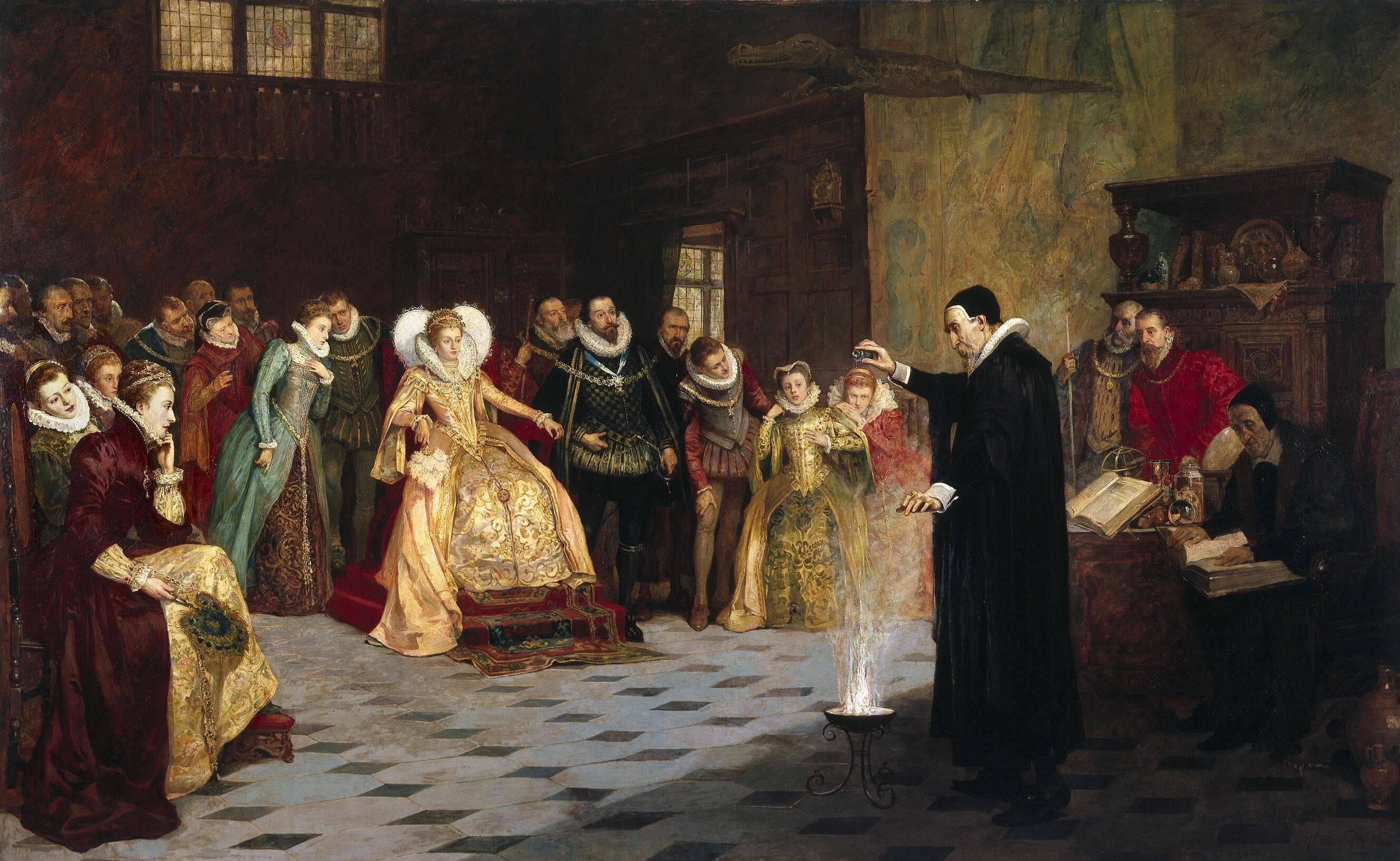
    One of Elizabeth’s most trusted advisors was actually someone who believed in alchemy and astrology. John Dee - or “Doctor Dee,” as he was called - was one of the most respected men of science in the Elizabethan world. He was a mathematician, a scientist, an alchemist, and an astrologer whose counsel Elizabeth routinely sought. In fact, Dee encouraged Elizabeth’s imperial politics and was steadfast in his belief that the future of England was in the "New World" of North America. Dee’s interest in the occult brought interesting characters into his life. For years, he worked with another man, Edward Kelley, on occult experiments. The two of them developed a language for communicating with angels called Enochian and attempted to invoke spirits in crystal objects. Dee was probably the real-life inspiration for the character of Prospero in William Shakespeare’s The Tempest.

    0% upvoted
  7. 7

    She Was A Cougar Before It Was Cool

    Even though Elizabeth was known as the “Virgin Queen,” that didn’t mean she couldn’t have a bit of fun. Indeed, throughout her reign, Elizabeth entertained a list of royal favorites. Most notable was Robert Dudley, 1st Earl of Leicester, who was a companion and advisor to the queen for several decades. Some scholars even believe that Dudley was actually the love of her life. She is also said to have appreciated male beauty. She maintained flirtations with the Duke of Anjou (a prospective husband), Sir Walter Raleigh, and Thomas Heneage - among others. As she aged, she made no effort to mute her flirtations. Towards the end of her reign, the young Robert Devereux - stepson to her former favorite, Robert Dudley - rose quickly in her favor, despite the fact that he was 33 years younger than the queen. He flirted his way into royal appointments, and their relationship sent tongues wagging at court. He was as vain as he was handsome, however, and his star fell as quickly as it rose. After several instances of disloyal conduct, he attempted to revolt against the queen and her government - a foolish move that cost him his head.

    0% upvoted
  8. 8

    She Gave One Of The Best Speeches In British History

    In 1588, Elizabeth’s kingdom was threatened by a large armada of ships from Spain that threatened to pull off the only successful invasion of England since the Norman Conquest in 1066. In response, Elizabeth called on her best sailors to hold them off and rallied soldiers across the land. She gave a speech to her troops at Tilbury, anticipating the arrival of the Spanish ships. In her rallying cry to her troops, Elizabeth described herself as having the "heart and stomach of a king." The speech remains one of the most important ones uttered by a monarch in British history.

    0% upvoted
  9. 9

    She Survived Being Locked Up In The Tower Of London

    In 1553, Elizabeth’s older half-sister, Mary, succeeded their younger half-brother, Edward, to the throne. Mary was a devout Catholic in an England badly divided between Protestantism and Catholicism - for English Protestants, the new Catholic queen was a threat to their religion. Though Mary was initially supportive and cordial to her younger sister, that changed in the wake of Wyatt’s Rebellion when Mary suspected that Elizabeth was plotting to usurp the throne. As a result, Mary imprisoned her sister in the Tower of London for two months in the spring of 1554. In prison, Elizabeth maintained her innocence. Fortunately, Mary refused to condemn her sister to death.

    0% upvoted
  10. 10

    She Supported The Arts And Gave Her Nation A Literary Golden Age

    The Elizabethan era is known as a “golden age” in English history, a time when the literary arts flourished - all of this thanks to the fact that England was relatively peaceful throughout Elizabeth’s reign. Due to peace throughout the land, William Shakespeare could write his plays and Edmund Spenser could write his poetry. Elizabeth also cultivated a literary court, and many of her courtiers were themselves poets, including Sir Philip Sidney and Thomas Sackville.

    0% upvoted