Skip to content
maxnews
Rankings

Why Doesn’t Anyone Smile In Old Photographs?

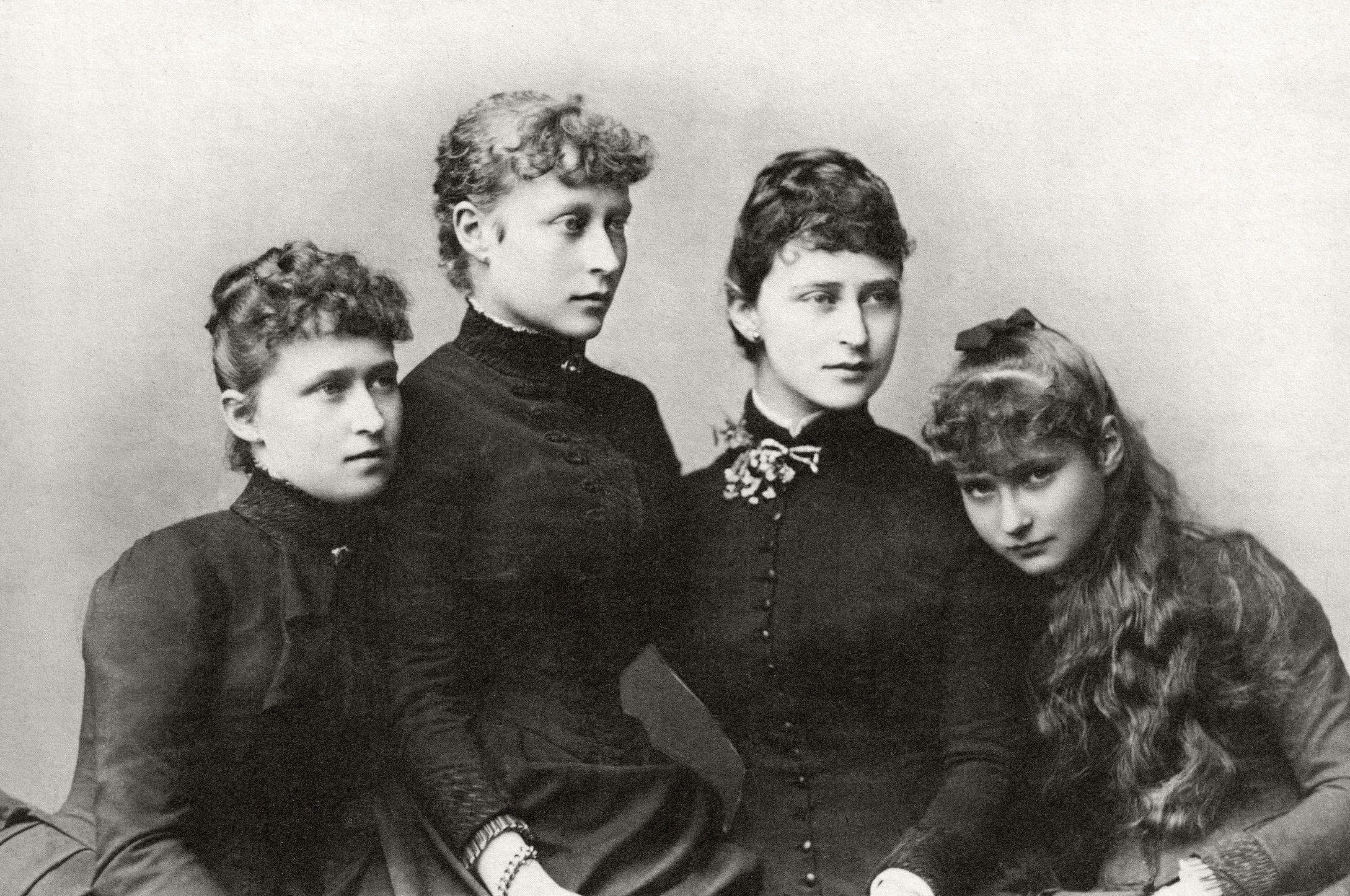
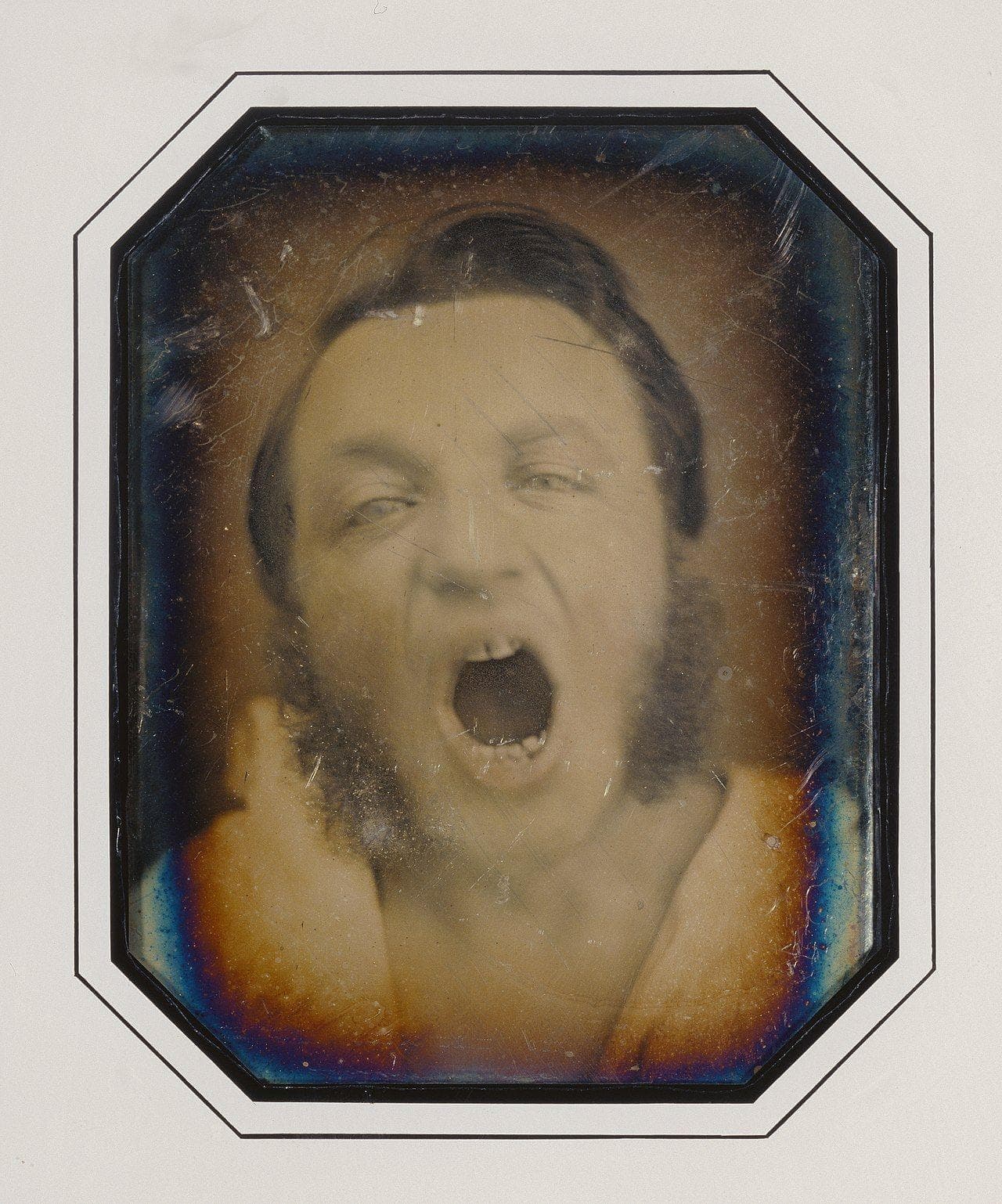
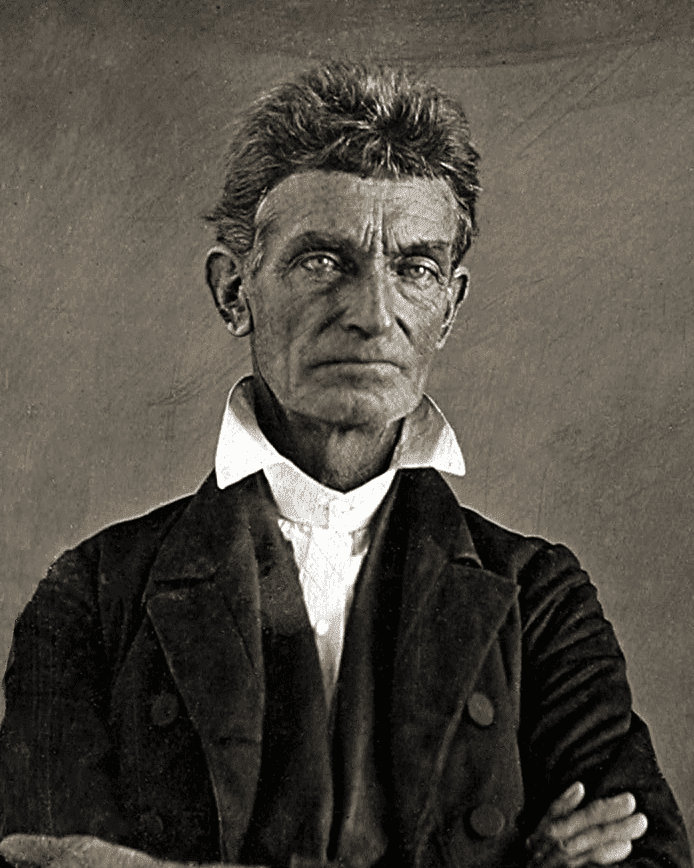
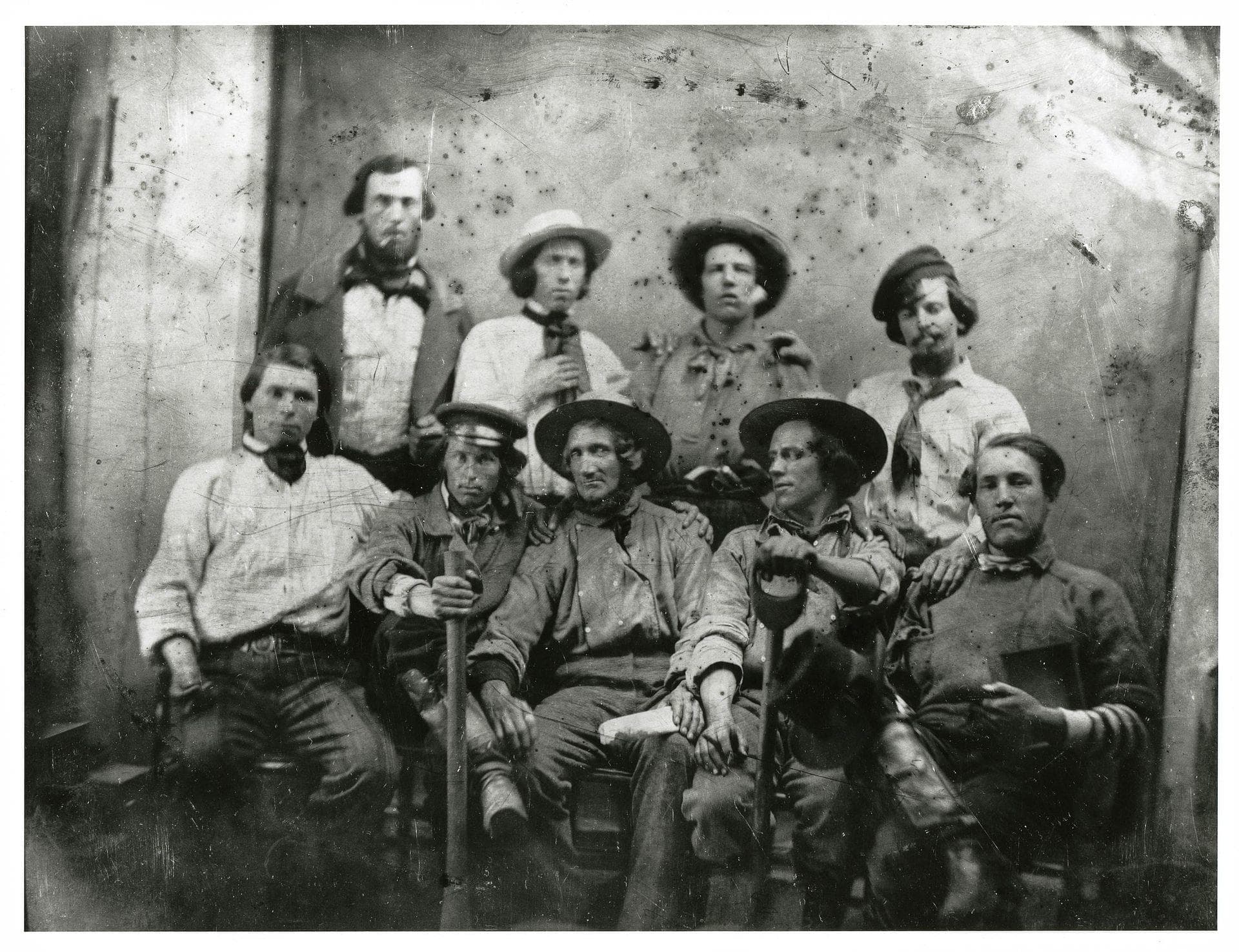
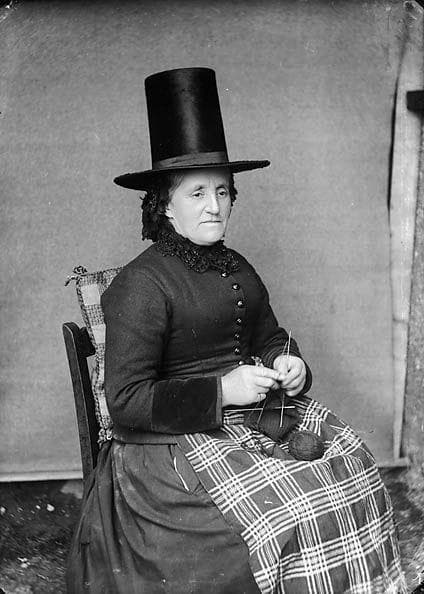
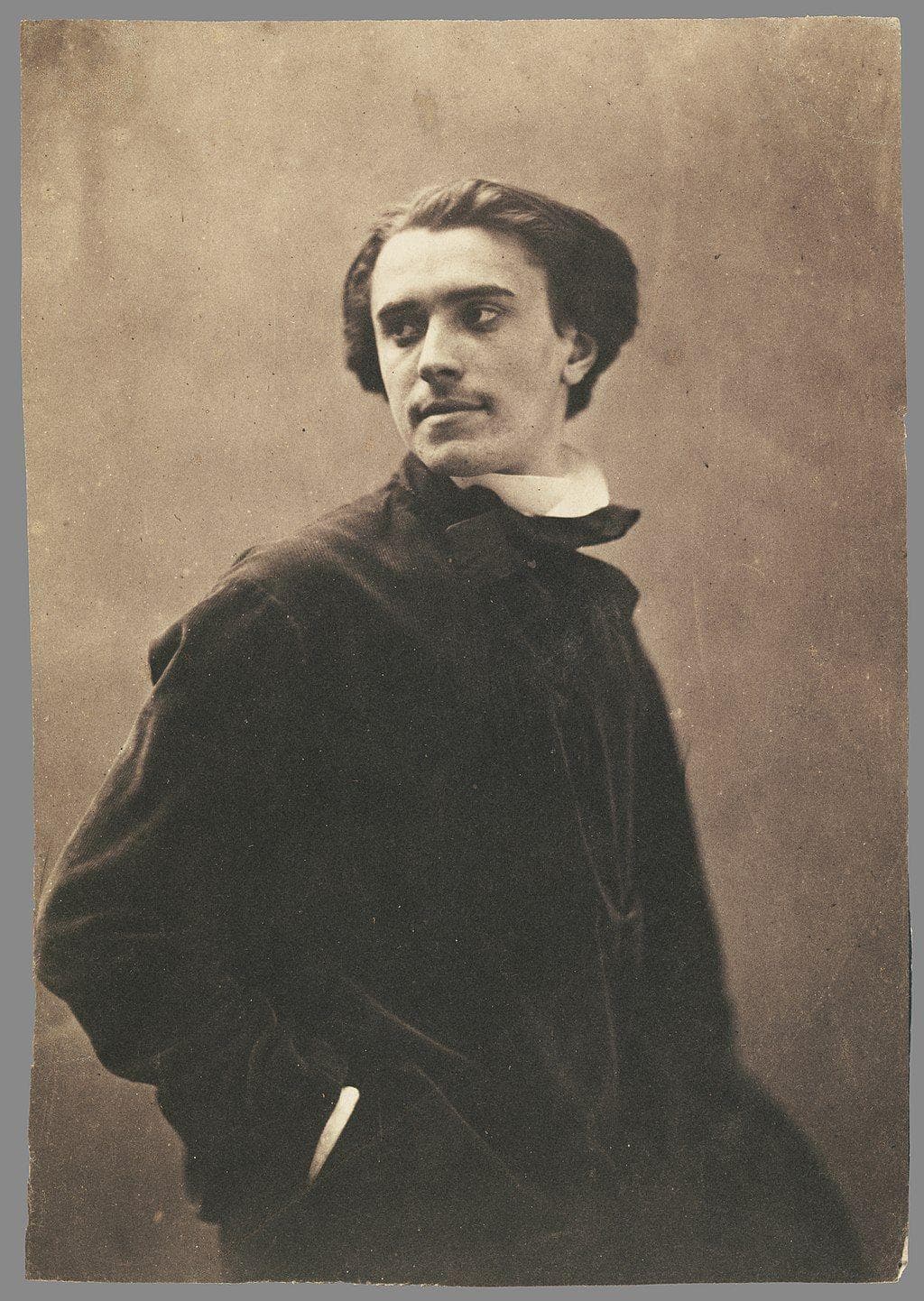
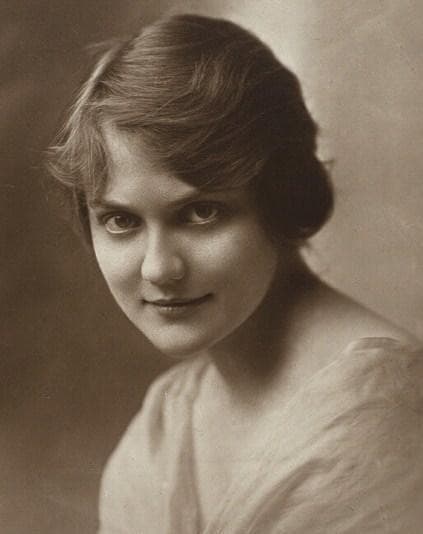
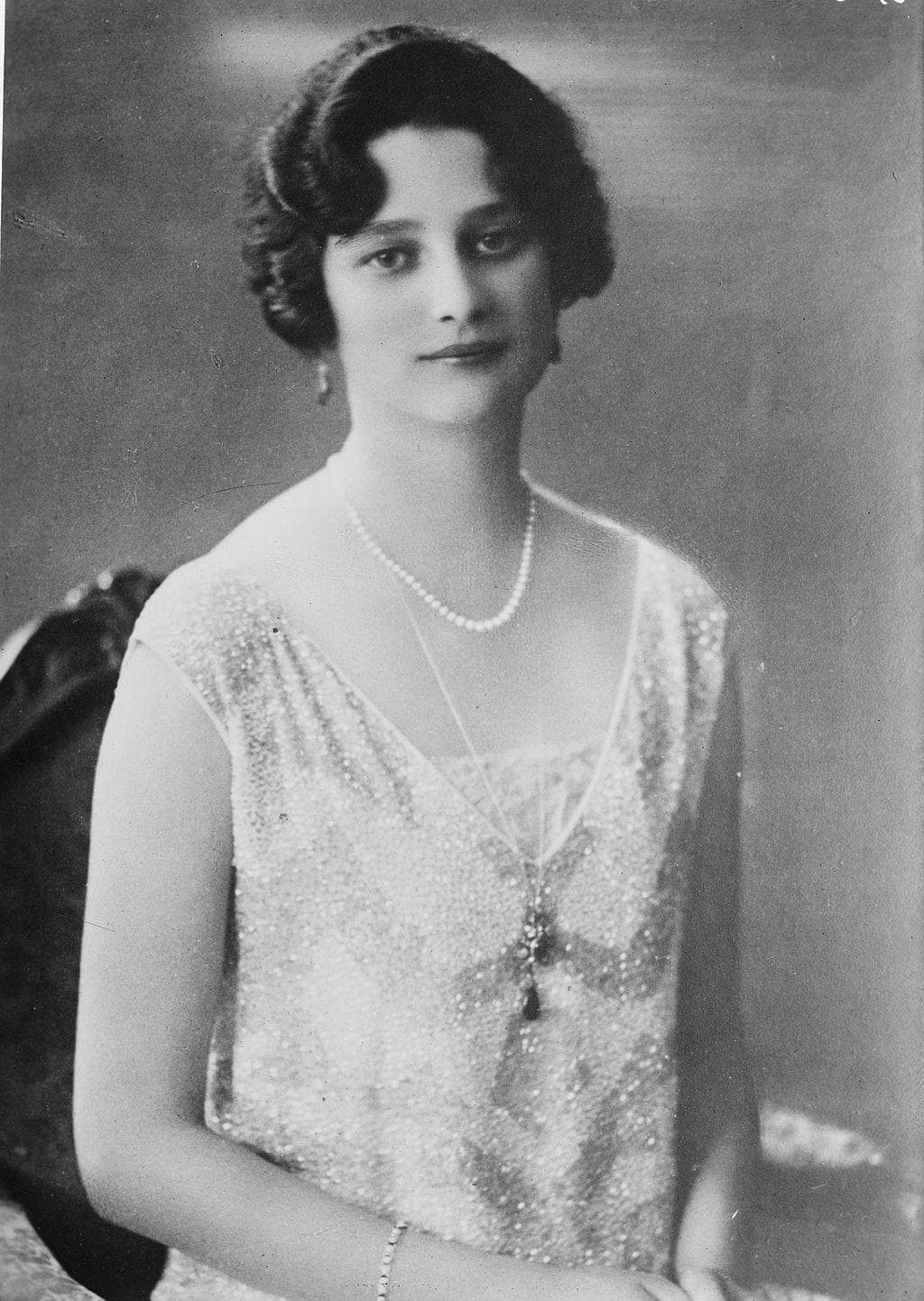
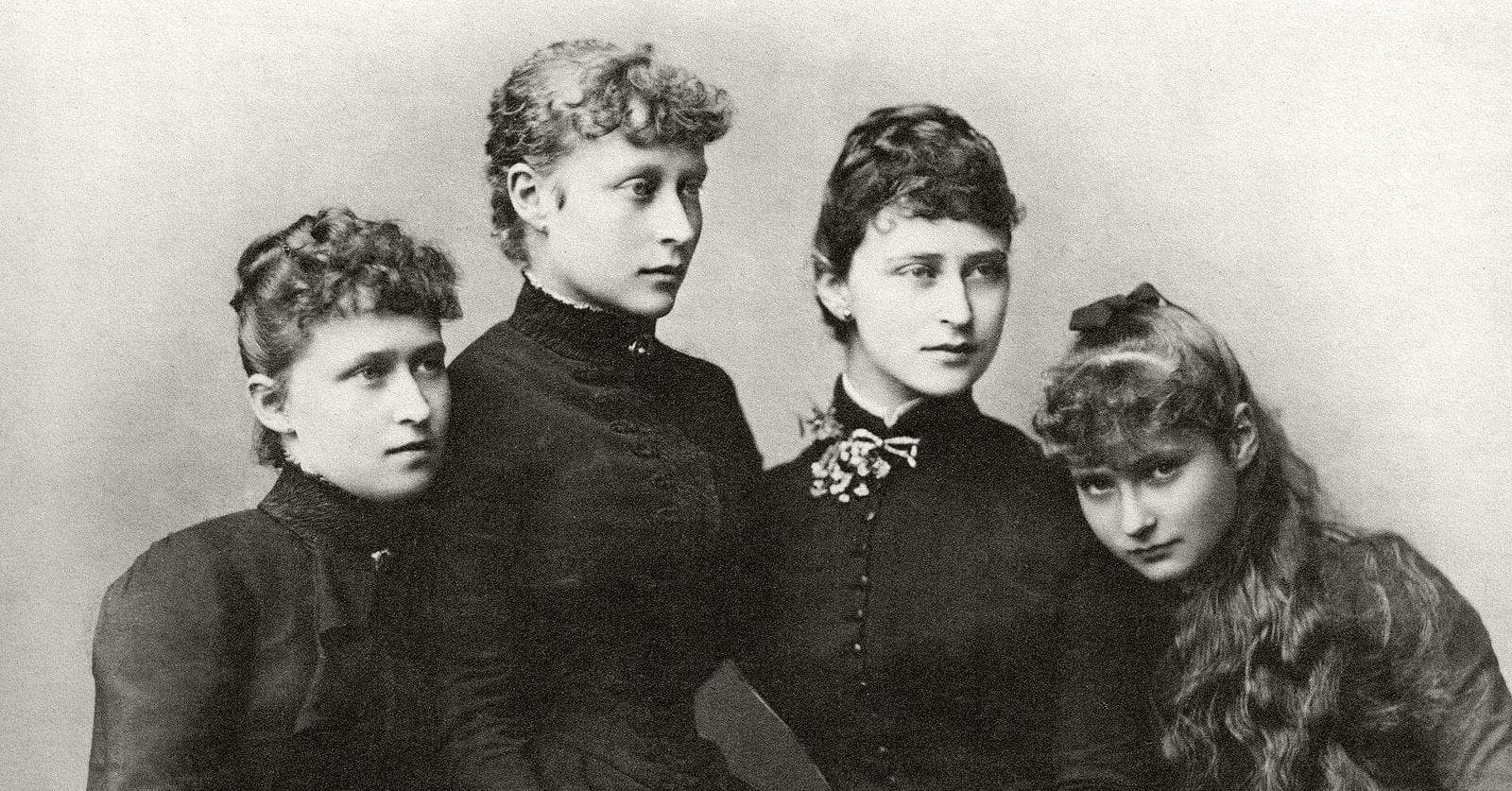
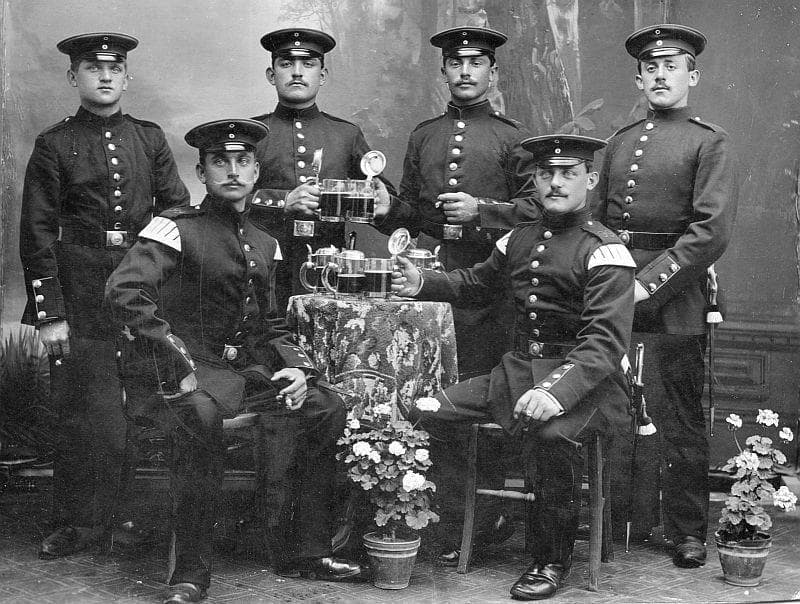
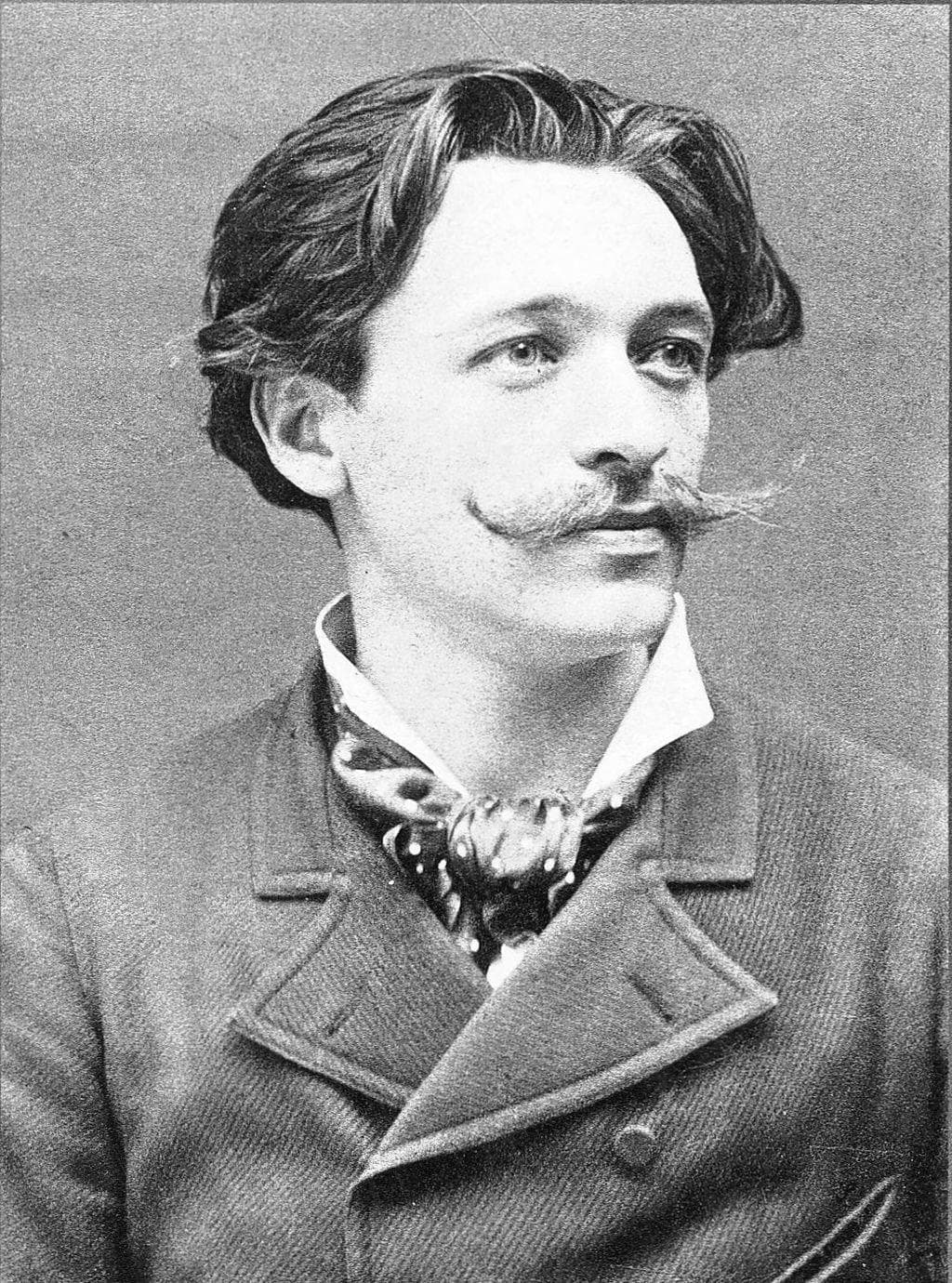
Why didn't people smile in old photos? For one, early cameras sometimes required a 15-minute exposure time, and holding a smile for that long was no small feat. But that's not the only reason Victorians donned dour expressions in photographs. Some avoided smiling because they were frightened by the process, since photo studios were often called "operation rooms." Others kept their mouths closed to hide their rotting teeth. Instead of telling people to "say cheese," photographers quite literally instructed subjects to "say prunes" to make their mouths look smaller. Small mouths were considered more beautiful than a wide grin - and big smiles were associated with mental instability. The popularity of 19th-century death photos underscores just how differently people perceived photography. A photo wasn't a cheerful snapshot - it might have been the only remaining likeness of a loved one who had passed. Because of this, many treated photographs as somber, serious mementos. What exactly made people start smiling in photographs? As it turns out, women led the smile revolution - with some marketing help from Kodak.

Entries
14
Votes
0
Updated
yesterday

Tap upor downto vote. Your vote is added to Ranker's counts.

Voting identifies your browser with an anonymous fingerprint, stored only as a salted hash, to count one per visitor. Privacy

Source: Ranker, ranked by its voters.

  1. 1

    Their Straight Faces Had Nothing To Do With How Happy They Were
    People in the 19th century were indeed happy, even if there's little photographic evidence to prove it. Angus Trumble, director of Australia's National Portrait Gallery, says, "People in human history have smiled, laughed, and behaved more or less as they do today, in other words naturally and spontaneously, in the private sphere." But for decades, people didn't smile in photographs. This was because photographs were seen as public rather than private. Trumble explains people's serious expressions by pointing to 19th-century cultural norms: "What is radically different is public performance and public presentation."

    0% upvoted
  2. 2

    Some People Found Photography Frightening

    Posing for a photograph could be a frightening experience. Professor Christina Kotchemidova found that many early amateur portraits revealed a fear of the camera. Some of the first photography studios were even called "operation rooms," and photographers told subjects to pose before the "instruments." Kodak addressed people's fear of the camera by promoting photo studios as pleasant rather than frightening. "I would tell people," a Kodak journal recommended, "that it is now just as enjoyable to go to a studio as it is to go to a large drapery establishment. I would talk about the charming pictures which show the latest fashions in dress, about the new styles of finishing and mounting, toys for amusing children - in fact, anything pleasant."

    0% upvoted
  3. 3

    Photographers Instructed Subjects To 'Say Prunes' To Keep Their Mouths Small

    People's dismal appearances in old photographs weren't accidental. In fact, they were instructed to appear that way. Rather than asking their subjects to "say cheese," photographers told subjects to "say prunes" in order to keep their mouths small. A small mouth fit Victorian beauty standards, and a more demure expression followed proper etiquette at the time.

    0% upvoted
  4. 4

    People Wanted To Avoid Showing Their Bad Teeth

    In the 19th century, dental hygiene was nothing like it is today. While a portrait artist might hide rotten teeth with a brush of paint, photography revealed rotten and missing teeth. Angus Trumble, director of Australia's National Portrait Gallery, explains, “People had lousy teeth, if they had teeth at all, which militated against opening your mouth in social settings." As dental health improved, people began showing off their pearly whites in photos.

    0% upvoted
  5. 5

    Wide Smiles Were Associated With Madness

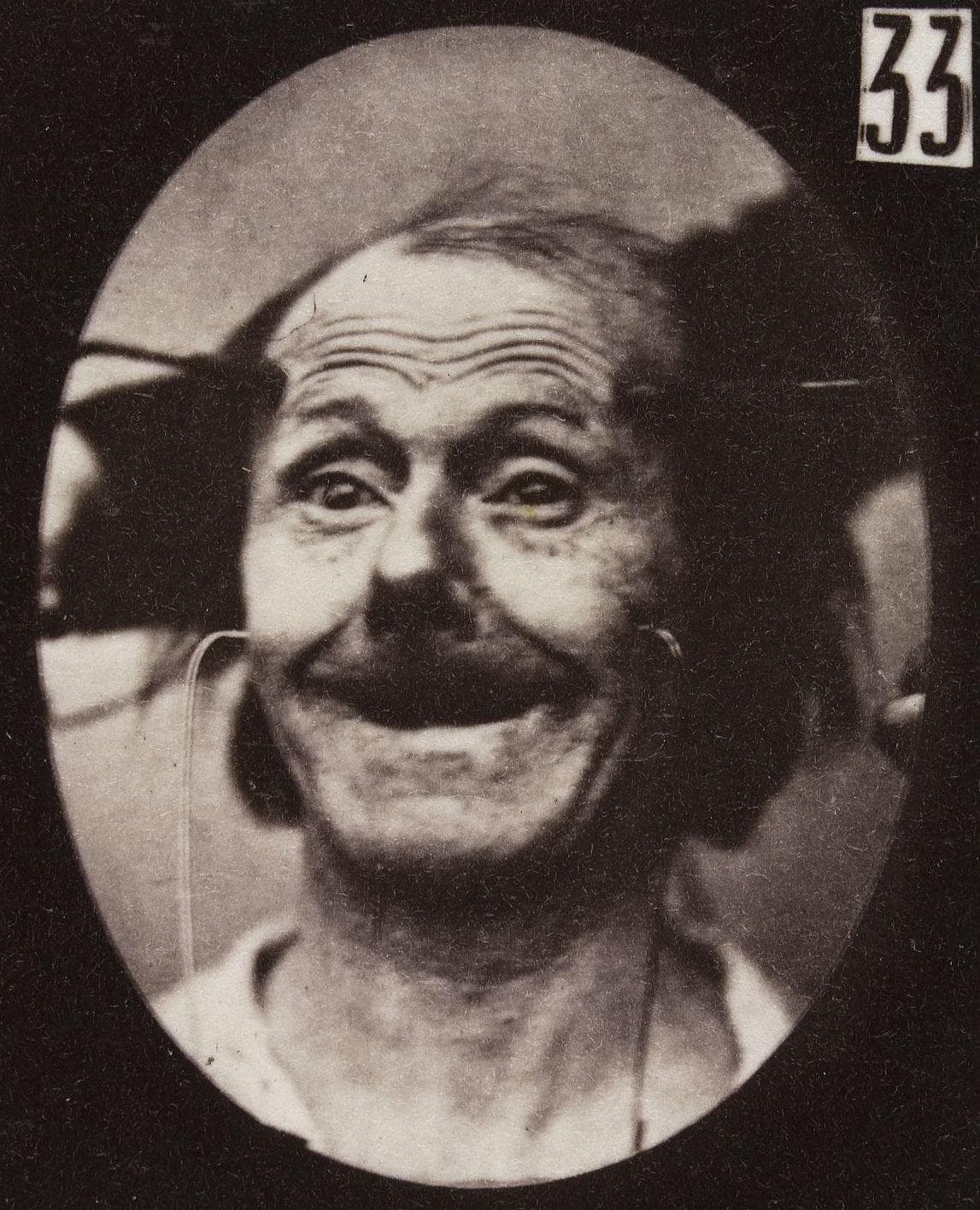
    In the 19th century, wide grins carried negative associations. This was because large smiles were considered a sign of mental instability. In the Victorian era, a lack of control over emotions and facial expressions broke decorum. Unsurprising, then, was the fact that wide smiles were linked with drunken and lewd behavior. A demur, faint smile might appear in portraits, but toothy smiles weren't the look most people desired.

    0% upvoted
  6. 6

    Pictures Were Serious Because They Were Rare And Expensive

    People's dour expressions in old-timey photographs were driven by technology and culture. In the early years of photography, very few people had their pictures taken at all, and even fewer took photos at home. To get a photograph taken, people had to visit a photography studio, which required backdrops and a formal setting. As photographs were rare and expensive - many people were only photographed once in their lives - the event was treated with gravity.

    0% upvoted
  7. 7

    They Couldn’t Hold Their Smiles For That Long

    In the early days of photography, exposure times were lengthy. Subjects in these photographs often had to sit completely still for up to 15 minutes for a single picture. Rather than trying to hold a smile for that long, most people chose a more serious expression. The long exposure times also help explain why so many old photographs look blurry. A single motion during the exposure could result in a blurry picture.

    0% upvoted
  8. 8

    Photographs Served A More Somber Purpose In The 19th Century

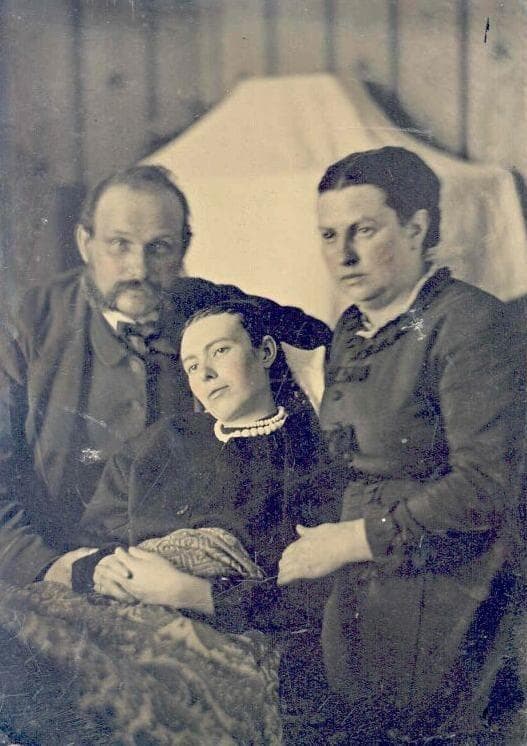
    People in the 19th century perceived photography in very different terms than we do today. Take, for example, Victorian death portraits. When a family member passed, especially a young child, their living relatives would often pose with the body for a family portrait. Photography allowed families to capture an image of their departed loved one, preserving their likeness. Before the advent of snapshots, most families had no images of their loved ones in life, but they could commission a portrait after a passing.

    0% upvoted
  9. 9

    Photographs Were Staged Like Painted Portraits

    During the 19th century, photographers often borrowed from a more established genre - painting. Smiles were considered inappropriate for portraits. This unspoken rule against smiling was one reason that Leonardo da Vinci's Mona Lisa was a sensation for centuries. Paintings were meant to be serious records of someone significant enough to be remembered, so few donned smiles for the occasion. The same rules that governed painted portraits applied in photographs. When posing for paintings, subjects often donned a serious expression to convey gravitas.

    0% upvoted
  10. 10

    The First Selfie Dates Back To 1839, And Its Subject Didn't Smile

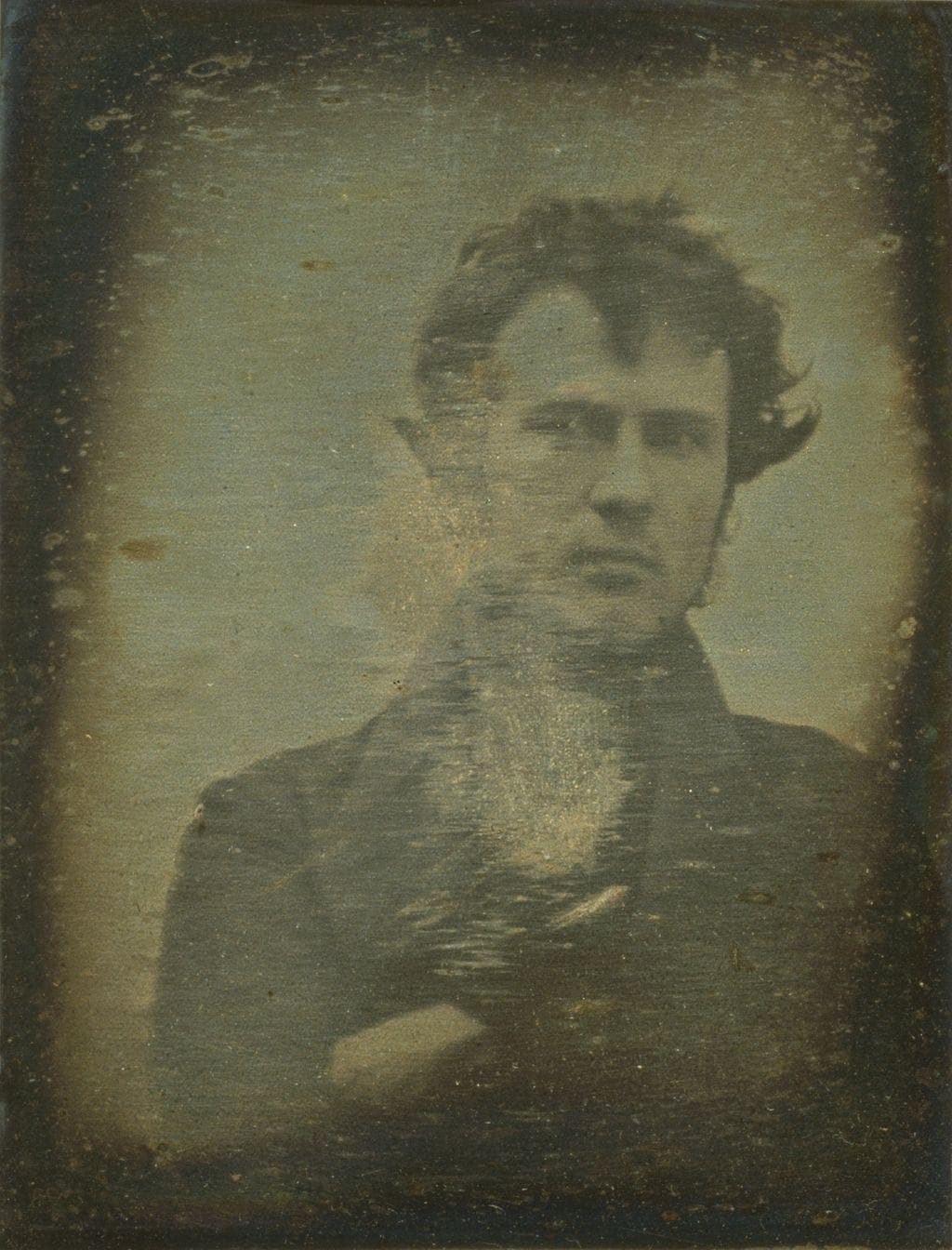
    In 1839, amateur photographer Robert Cornelius took the first selfie in history. Cornelius was interested in chemistry, so he chose to take a self-portrait at his family's Philadelphia store. To capture the image, Cornelius removed the camera's lens cap, ran into the frame and paused for one minute before returning to cover the lens. Cornelius didn't smile in his selfie. Instead, he struck a serious pose, perhaps because he hoped to prove that the dauguerrotype process could take portraits. Cornelius later ran one of the first photo studios in the country.

    0% upvoted