Skip to content
maxnews
Rankings

What 'The Social Reckoning' Gets Right (And Wrong) About The True Story

More than 15 years after the release of The Social Network, Aaron Sorkin offered another look at Facebook (now part of the larger Meta bohemeth) - this time focusing on the innerworkings of the social media platform in The Social Reckoning. As a sequel, The Social Reckoning tells the story of the whistleblower-journalist duo who exposed Facebook in 2021 for failing to disclose the findings of internal studies that acknowledged negative effects social media on users. Additionally, the leak of information revealed that Facebook knew its platform contributed to violence, misinformation, and general harm worldwide. The Social Reckoning is inspired by what took place in 2021 and, as a result, gets a lot right and a lot wrong. The true story behind the movie is as riveting as the movie - and even more surprising.

Entries
9
Votes
171
Updated
2 days ago

Tap upor downto vote. Your vote is added to Ranker's counts.

Voting identifies your browser with an anonymous fingerprint, stored only as a salted hash, to count one per visitor. Privacy

Source: Ranker, ranked by its voters.

  1. 1

    Haugen Struggled With The Decision To Blow The Whistle On Facebook
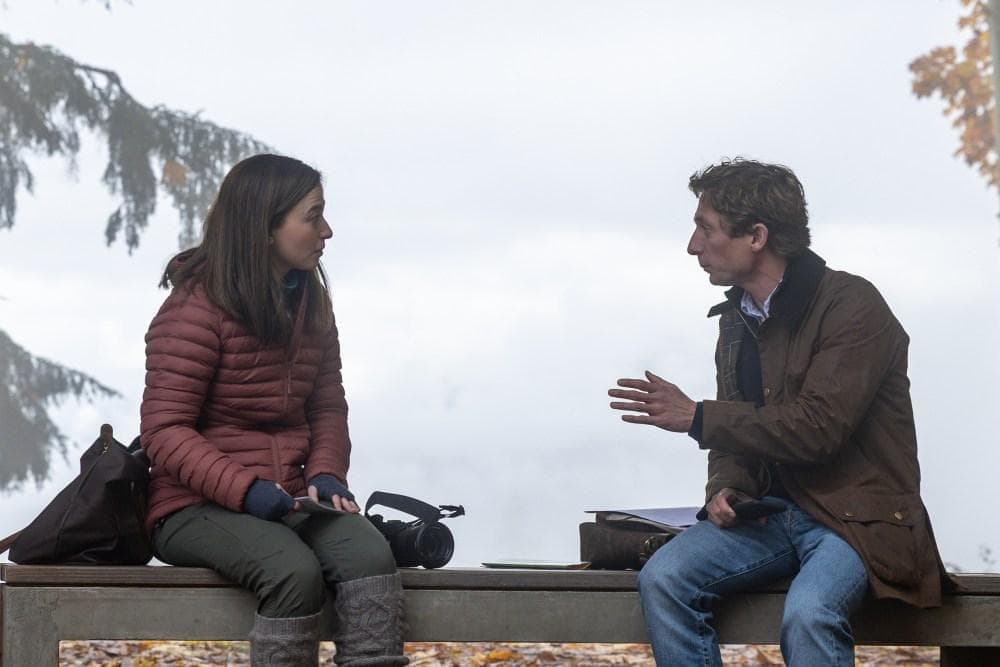
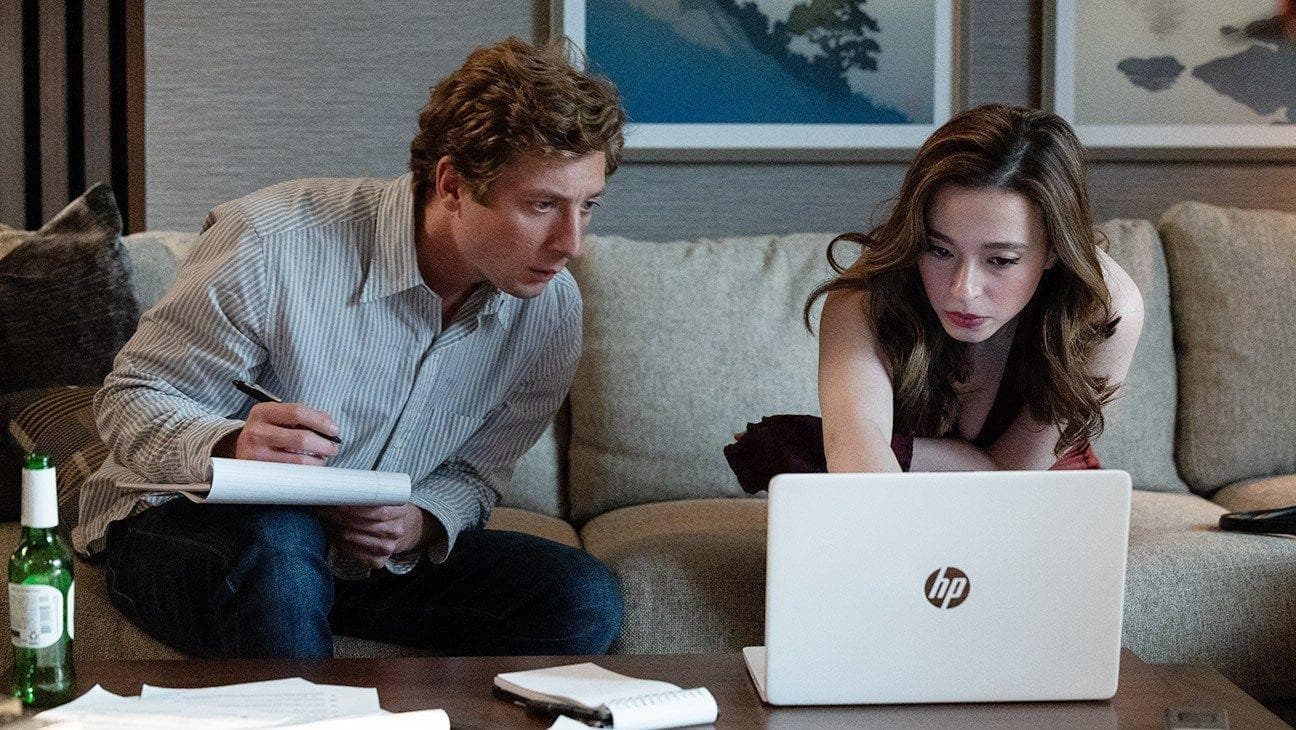
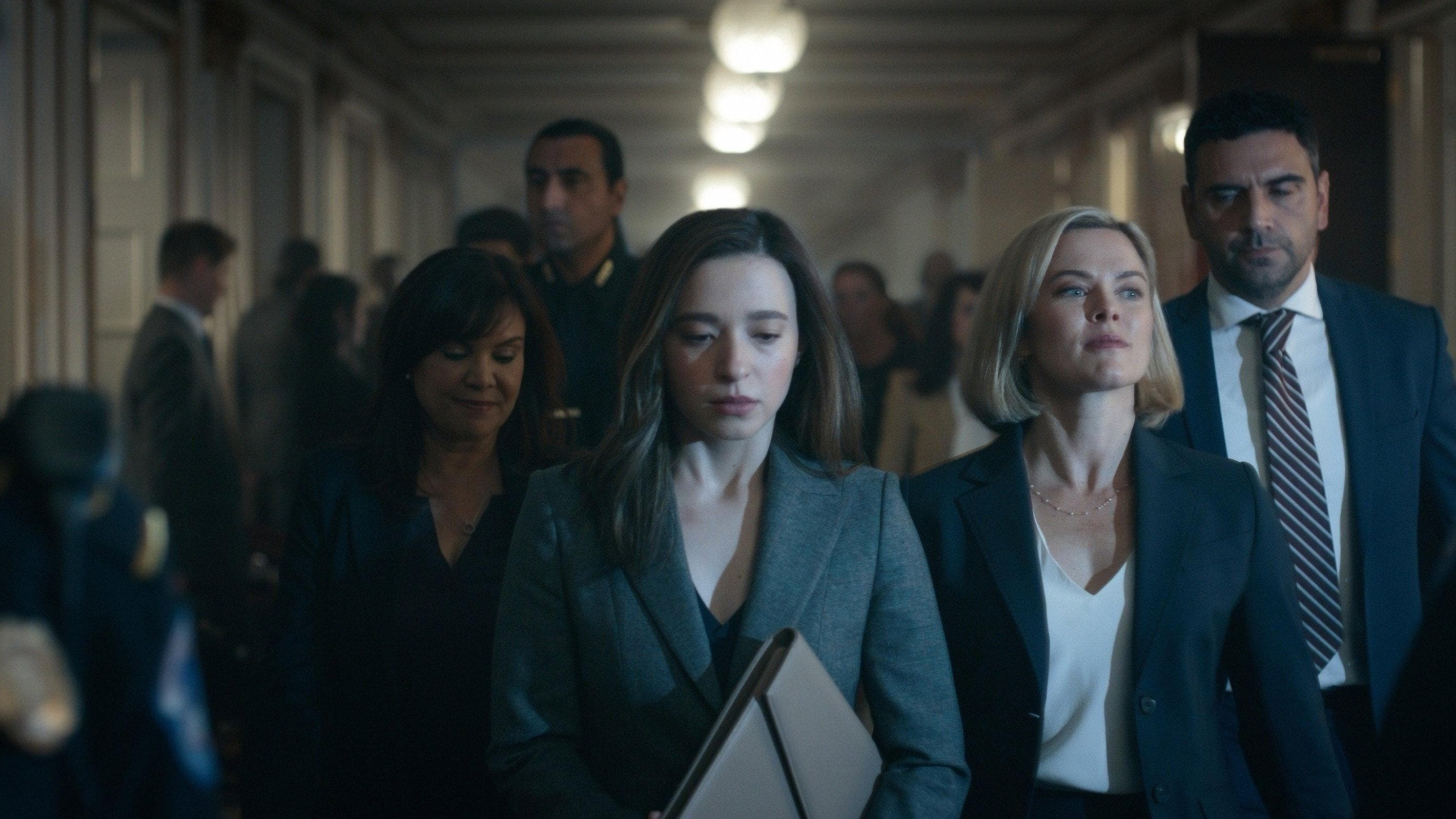
    In The Social Reckoning, the internal strife the real Frances Haugen experienced before finally leaking documents about Facebook is condensed, at best. She didn't act on impulse when she finally made contact with Jeff Horowitz. Their first meeting did take place on a hiking trail in the Oakland Hills - a meeting to which she was late - but subsequent hotel room meetings and disguises are a creation of the film. Because the world was in the midst of the COVID-19 pandemic, most of their meetings were outdoors. Haugen resigned from Facebook in May 2021 and, when she left, she had roughly 22,000 documents in hand. In her final post before she exited Facebook, she wrote: I don’t hate Facebook. I love Facebook. I want to save it. Once she leaked the documents, Haugen wanted to stay anonymous. Until it became clear that her anonymity could undermine the leaked information, Haugen remained in the shadows. By that point, Haugen had contacted the legal nonprofit Whistleblower Aid for legal support. The group, run by John Tye, agreed to represent her - she used the alias "Sean McCabe" - but Haugen later made her identity clear.
    89% upvoted
  2. 2

    Mark Zuckerberg's Real Office Is Arranged To Accommodate His Security Concerns

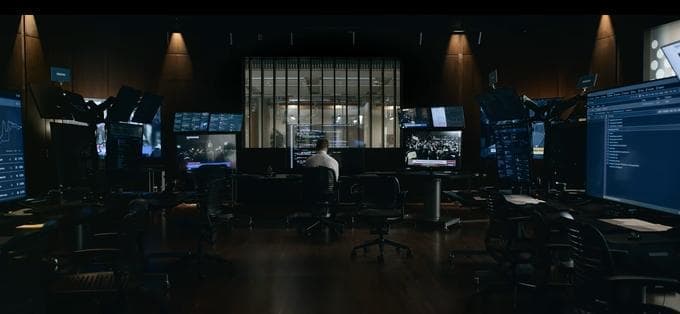
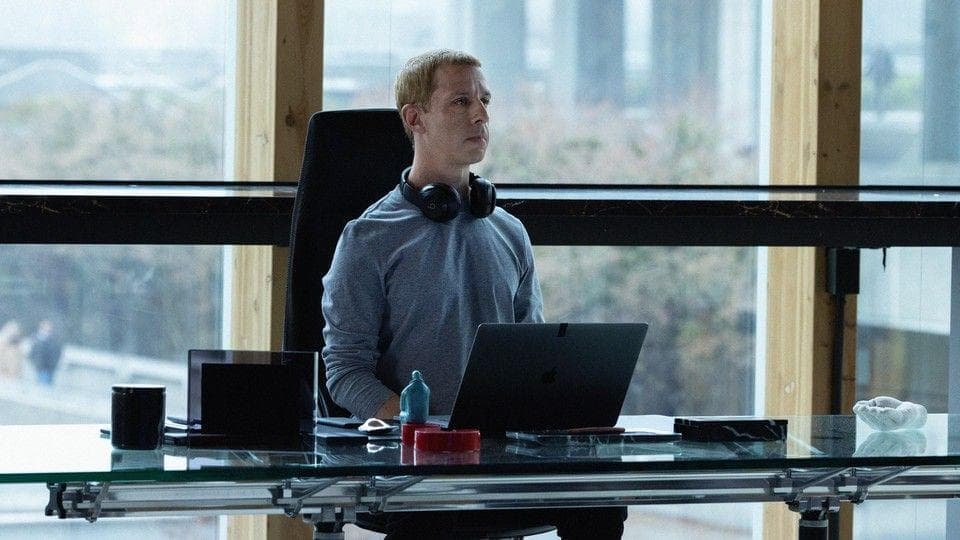
    In The Social Network, Mark Zuckerberg's office is what Frances Haugen called "a good rich multi-billionaire office, with a giant bank of windows and the big desk and the great view." When reviewing the movie, Deadline's Pete Hammond described it like as though Zuckerberg was holding court, so to speak: He sits alone atop a bulletproof couch, behind glass, isolated, as out in the “audience” are employees helping to coach him. Haugen said the way the office looked in The Social Network was the thing that made her cringe as she watched the movie. She told The Hollywood Reporter: This is kind of sad, but Mark would never sit in an office like that because a window that big is a security threat. He has bulletproof glass around him. He sits in the center of a quarter-mile-long building because he’s so scared. He buys all of his neighbor’s houses so that there’s a buffer. That man is a prisoner of his own decisions. Whether or not Zuckerberg has a bulletproof couch isn't clear but, in 2019, there were rumors that he had a "panic chute" in his conference room floor. It opened to a tunnel that led to the parking garage of his building. That same conference room was also made of bulletproof class and featured a panic button. Facebook (Meta) spends millions protecting its executives, with a large amount of that budget going to keeping Zuckerberg safe. In 2023, Meta spent $24 million protecting Zuckerberg. The following year, that number increased to $27 million.

    77% upvoted
  3. 3

    To Those Who Worked Closely With Mark Zuckerberg, 'The Social Reckoning' Gets His Demeanor Right

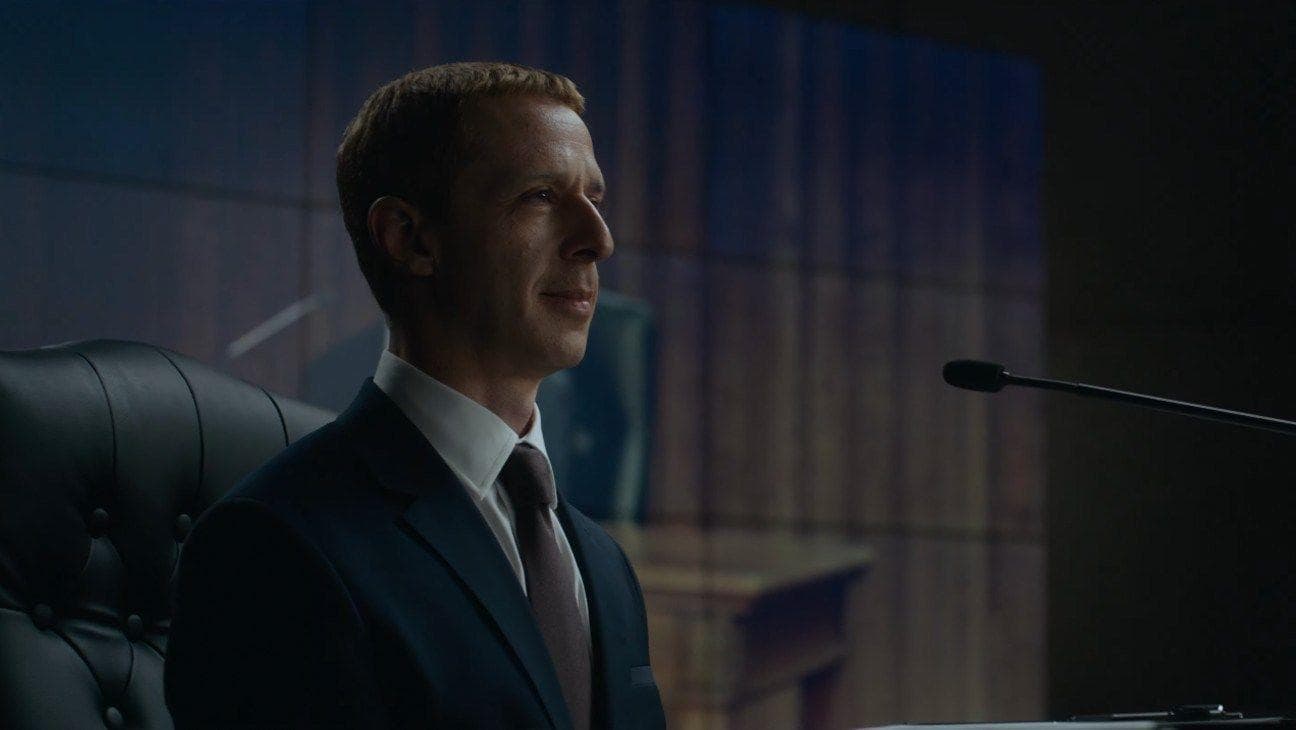
    In The Social Reckoning, Jeremy Strong plays Mark Zuckerberg and offers the audience what The Guardian's Steve Rose called a "detached, awkward, humourless control freak." For Arturo Bejar, it's a spot-on portrayal. Bejar worked at Facebook (now Meta) for eight years and often spoke with Zuckerberg, albeit in a deliberate way that he'd learned with time. Bejar recalled, You couldn’t talk to Mark about, "We have to do this thing to prevent suicide because it’s the right thing to do... You had to put everything in terms of metrics. That was his language. That’s how he related to things, which is also what’s behind all the grief in the world right now. When explaining how this was part of the accuracy to Strong's performance, Bejar stated: I don’t recall [Zuckerberg] ever being empathetic to the harm that somebody was experiencing and wanting to make that better … The only thing that really consistently came across in all my interactions with him was winning. He’s one of the most fiercely competitive people I know. As an example, Bejar continued, One of the things that I used to say when bad things were happening is, "Are we having fun yet?" Just as a little kind of defusing humour thing... And he looked at me, very intense, and said, "I’m not here for fun – I’m here for impact." That was my experience of him, over and over and over again. Strong wasn't entirely a doppelganger for Zuckerberg, however. His much older appearance wasn't accurate to the time, and it didn't convey the fact that the real Frances Haugen is actually older than Zuckerberg.

    64% upvoted
  4. 4

    Jeff Horowitz's On-Screen Counterpart Is A "Composite" Instead Of A Direct Representation

    Jeff Horowitz, the reporter for The Wall Street Journal who worked closely with Frances Haugen, talked to the media about The Social Reckoning in October 2026. Horowitz was the investigator behind The Facebook Files and later wrote a book about the story called Broken Code. As an expert on what took place in 2021, Horowitz was in contact with Aaron Sorkin while the latter wrote the screenplay to the movie. Horowitz told Reuters that Sorkin consulted him but that he wasn't directly involved in the making of The Social Reckoning. However, Horowitz was aware that Sorkin would be "taking some liberties" with his character in the movie (played by Jeremy Allen White). Horowitz explained, [Sorkin] invited me down to Los Angeles to meet and talk on several occasions. Some of the discussions centered on the specifics of Facebook’s content-recommendation systems and company culture, but a lot of his questions were about how I go about my reporting process and the details of my early meetings with Frances. I didn't see the script until after it was written. So I was more source material than collaborator. Horowitz learned he was going to be at the forefront of the movie with Haugen (Mikey Madison), at which point he asked Sorkin, "You sure that's a good idea?" When it came to the actual presentation of Horowitz, what showed up on screen was: a fictionalized, investigative reporter composite. It was definitely going to be an "inspired by, not based on" situation, and Sorkin wanted to know if I was okay with that. I did appreciate him asking, and I said yes.

    62% upvoted
  5. 5

    Frances Haugen Said The Quick Dialogue And Excited Exchanges With Jeff Horowitz Are True To Form

    The style with which Aaron Sorkin writes is fast-paced, full of wit, and full of intensity. According to Frances Haugen, that part of The Social Reckoning has "a fidelity to it." Haugen told Time: Jeff [Horowitz] and I are both chatty people who talk quickly, so you do capture the excitement of when we were in the weeds. Haugen made these remarks while being interviewed alongside Mikey Madison, who played her in the movie. During that conversation, Madison acknowledged that when she got the script: I didn’t know Frances’ name. So I looked her up, and I was like, “She’s blonde and has blue eyes. Why does Aaron want me for this?” And he said, “I want you to try and build the character from my script.” In that way, it was clear that Madison was supposed to be as much the Haugen Sorkin created as true to the real person. As a result, Madison did her best to straddle the fence, reading Haugen's memoir, The Power of One: How I Found the Strength to Tell the Truth and Why I Blew the Whistle on Facebook, while simultaneously being the whistleblower Sorkin envisioned. This could explain why Madison's Haugen is much younger than the real person at the time of the events in the movie.

    61% upvoted
  6. 6

    Frances Haugen Did Have A Friend Become Radicalized, But The Movie Oversimplifies It

    Watching someone she knew become increasingly extreme in their beliefs and behavior was one of the reasons Frances Haugen blew the whistle on Facebook. This is seen in The Social Reckoning, although Facebook was not the sole influence in the individual's life. It is true that Haugen had "a really important friendship, and then I lost him" after that person became obsessed with online platforms and forums focused on conspiracy theories. Haugen's friendship with this person, named Jonah, came on as she was recovering from health matters. Jonah was her assistant who worked with her in exchange for space in her office. As he spent more time online, he began going deeper and darker, as algorithms pushed and pulled on his anger. It's not clear from Haugen's comments that Facebook was a factor in Jonah's shift in thinking, but the experience did drive her to join the company when she was approached in 2018.She later became a member of the civic integrity team at Facebook, tasked with assessing election interference worldwide, as she later explained in her written testimony to Congress: I joined Facebook in 2019 because someone close to me was radicalized online. I felt compelled to take an active role in creating a better, less toxic Facebook. As a member of the team, Haugen "saw that Facebook repeatedly encountered conflicts between its own profits and our safety. Facebook consistently resolved those conflicts in favor of its own profits." The civic integrity team was disbanded in 2020, and it wasn't long after that Haugen made contact with Jeff Horowitz.

    59% upvoted
  7. 7

    Mark Zuckerberg Actually Testified Before Congress Before 'The Facebook Files' Were Published

    With an admittedly jumbled timeline, The Social Reckoning makes it seem like Mark Zuckerberg was still preparing to appear in front of Congress on the same day that The Facebook Files first went live. In truth, Zuckerberg appeared alongside several other CEOs in March 2021 while the documents exposing Facebook were first published in September 2021. During his testimony to Congress, Zuckerberg said that Facebook's policies applied to all users equally, that the company did not put profits over the public good, and that there were tools in place to support the well-being of young users. The documents Frances Haugen leaked and Jeff Horowitz's reporting stated otherwise. A 2026 report from the Senate Committee on the Judiciary Subcommittee on Privacy, Technology, and the Law Hearing detailed many of the discrepancies. After the first of The Facebook Files were published, Zuckerberg responded with an internal post to company employees. It read, in part, At the most basic level, I think most of us just don't recognize the false picture of the company that is being painted... Many of the claims don't make any sense... If we wanted to ignore research, why would we create an industry-leading research program to understand these important issues in the first place? He posed numerous other questions along those same lines and, while the answers were not in The Facebook Files, evidence that there was information not disclosed to the public was clear.

    50% upvoted
  8. 8

    Frances Haugen Wasn't The Only Whistleblower Who Spoke With Horowitz

    During an interview for Reuters, Jeff Horowitz was asked by Steve Stecklow if he spoke with any other Facebook employees during his investigation. Horowitz said there were several sources who contributed to his work, including Arturo Bejar. Horowitz explained that: Some of [the sources] are public — Arturo Bejar, another whistleblower I worked with, was the lead witness in the massive state litigation against Meta that [settled in 2026]. Under that deal, they’ve agreed to make some product changes and pay as much as $18 billion. Throughout his career, Horowitz noted, "There have been plenty of other sources that have helped me but chose to stay anonymous." The public nature with which Bejar (who was on the wellness team at Instagram, also owned by Facebook, now Meta) expressed concern about Facebook did overlap with Frances Haugen's actions. On the day she testified before Congress, Bejar sent an email to Mark Zuckerberg and other executives. In it, he provided statistics about what his team had found: 24.4% of 13-15-year-olds on Instagram said they had received unwanted advances, and 21.8% said they had been the target of bullying on the platform in the past seven days. Furthermore, 51% of Instagram users said they had had a bad or harmful experience in the past seven days. Only 1% of them reported it, and of those, 2% had the content taken down – so just 0.02%. Bejar also noted that Zuckerberg did not respond.

    46% upvoted
  9. 9

    Charlie Garrigan Is Several People Combined Into One Character

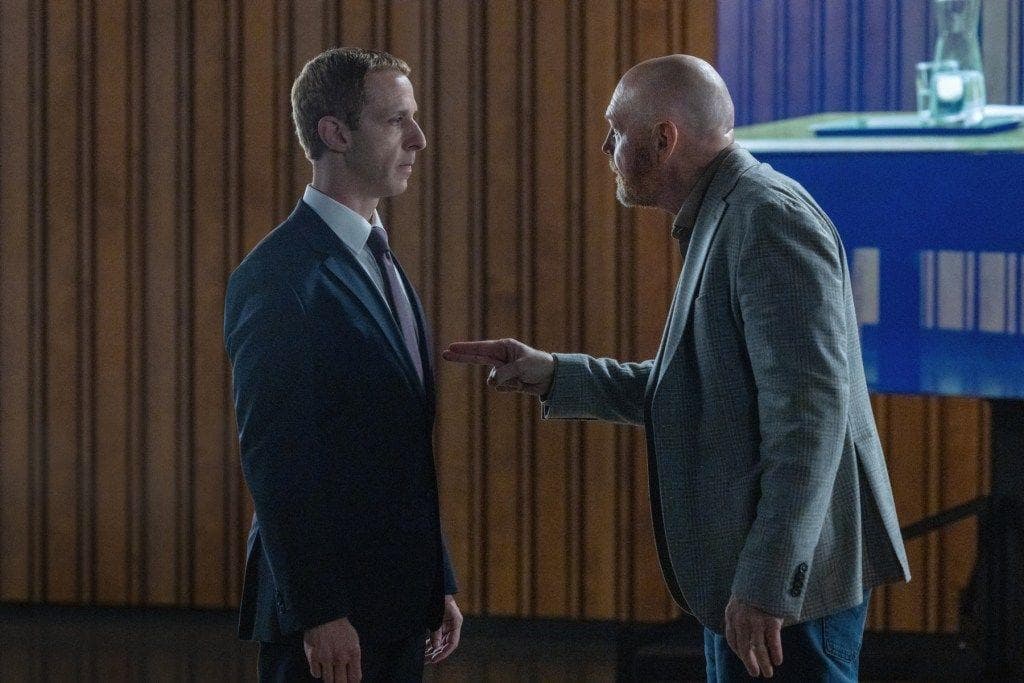
    Played by Bill Burr, the character of Charlie Garrigan in The Social Reckoning is an advisor to Mark Zuckerberg, one who pushes back against the social media powerhouse. There is no actual Charlie Garrigan but the character was loosely based on an early investor in Facebook named Roger McNamee. McNamee was one of the founders of Elevation Partners, an investment firm that put money into Facebook. McNamee was initially a supporter of the company, but later expressed concern and criticism about Facebook's policies and how they affected society. He wrote numerous op-eds for outlets like The Guardian and was a member of the Center for Human Technology - group of former technology company insiders self-tasked with "educating students, parents, and teachers about the dangers of technology." In 2019, McNamee wrote Zucked: Waking Up to the Facebook Catastrophe, dubbed the "anti-Facebook manifesto" by The New York Times. Soon after, McNamee joined the Facebook Oversight Board (an independent group launched to monitor Facebook, now Meta). When Frances Haugen blew the whistle on Facebook, McNamee said: She is courageous, authoritative, and utterly convincing. We knew about the issues before, but she changed the game by providing internal documents that prove Facebook’s management had early warning of many horrible problems and chose not to take appropriate steps. In her testimony, she confirmed that the incentives of Facebook’s business model lead to the amplification of fear and outrage to the detriment of public health and democracy. While Garrigan is inspired by McNamee, his character represents numerous executives, concerned observers, and former industry insiders who were open about their thoughts on the dangers of social media.

    38% upvoted