Skip to content
maxnews
People

What The National Debt Of The US Was At The Beginning And End Of Every Presidency

As the amount of money the US owes to its debtors, the national debt is a subject for politicians, the media, and observers worldwide. The national debt of the United States has gone up and down throughout its long history, as one might expect, and is tracked by the US Treasury. Multiple factors influence the rise and decline of the national debt - everything from annual budget surpluses and deficits to massive war funding. As a result, paying off the national debt is not easy. From the outset, the US Congress controlled the “purse strings” of the government, specifically the House of Representatives. The US Constitution articulated: All Bills for raising Revenue shall originate in the House of Representatives; but the Senate may propose or concur with amendments as on other Bills. (Article 1, section 7, clause, 1) No Money shall be drawn from the Treasury, but in Consequence of Appropriations made by Law; and a regular Statement and Account of the Receipts and Expenditures of all public Money shall be published from time to time. (Article 1, section 9, clause 7) That said, cooperation among Congressional houses as well as with the President of the United States is needed to a large extent, especially when political parties enter into the mix. The role of Congress in establishing a debt limit for the nation has also been a factor in how the two branches interact and just how much the debt has increased. According to the Treasury Department, “Congress has acted 78 separate times to permanently raise, temporarily extend, or revise the definition of the debt limit” since 1960. All of this is why the timeline of the national debt of the US is a fascinating glimpse at the history of the nation and its role on the global stage.

Entries
45
Votes
0
Updated
yesterday

Tap upor downto vote. Your vote is added to Ranker's counts.

Voting identifies your browser with an anonymous fingerprint, stored only as a salted hash, to count one per visitor. Privacy

Source: Ranker, ranked by its voters.
  1. 1

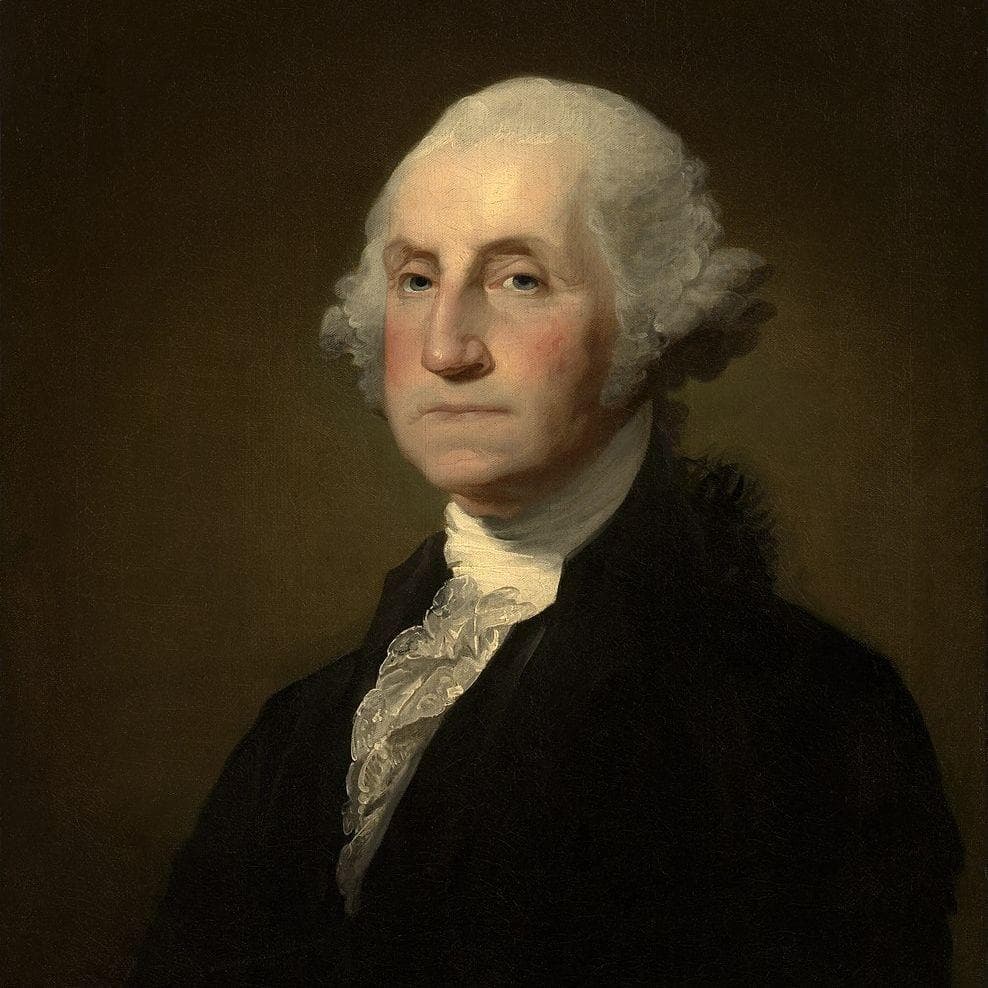
    George Washington

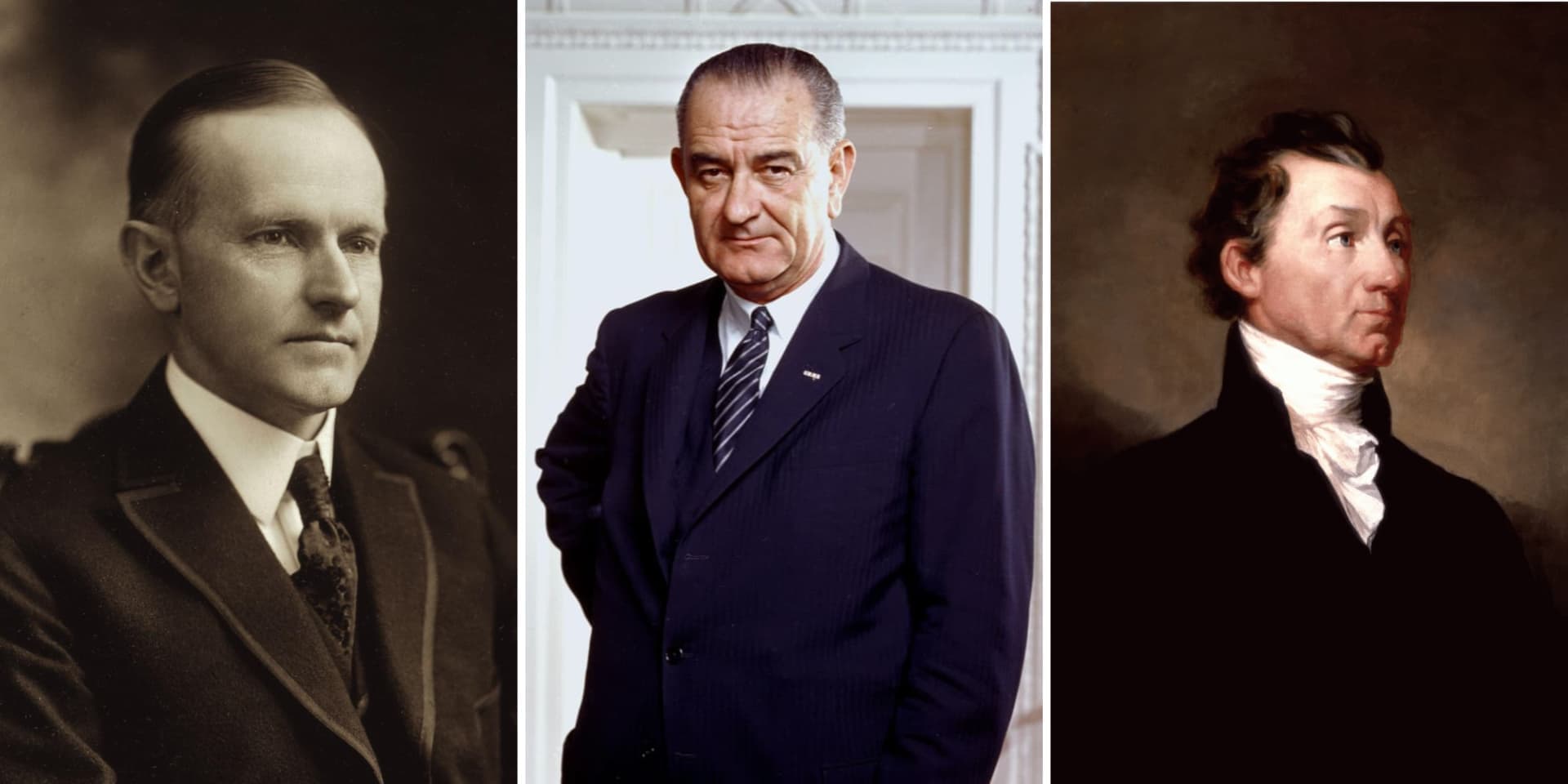
    Years As President: 1789-1797 National Debt At The Beginning: $71,060,508.50 National Debt At The End: $82,064,479.33 Difference: $11,003,970.83 Context: When George Washington became the first President of the United States, he inherited debt from the American Revolutionary War. While political parties were still taking shape, Washington had pro-administration support from the majority of representatives until 1793. The same was true in the US Senate until 1795. The formalization of the Federalists (pro-centralized government) and the Democratic Republicans (anti-centralized government) changed the name of alliances as the alliances themselves shifted. The House of Representatives was anti-administration and Democratic-Republican between 1795 and 1797, while the Senate was remained pro-administration and Federalist through Washington's second term. Washington himself never adopted a party affiliation.

    0% upvoted
  2. 2

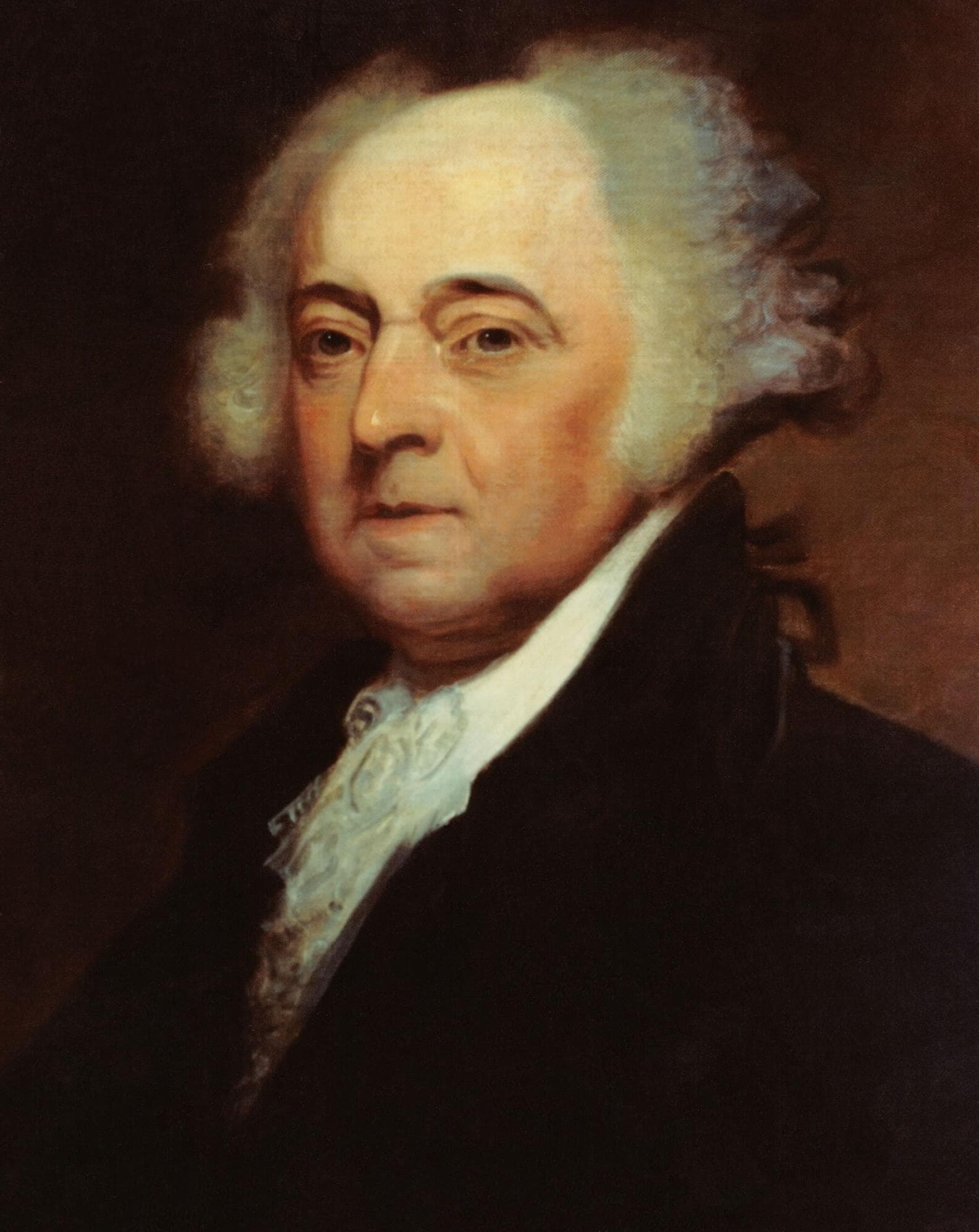
    John Adams

    Years As President: 1797-1801 National Debt At The Beginning: $82,064,479.33 National Debt At The End: $83,038,050.80 Difference: $973,571.47 Context: During John Adams's presidency, the national debut fluctuated but never dipped below $78,500,000. Adams was a Federalist and his party had the majority in the US Senate throughout his administration. The US House of Representatives was similarly majority Federalist.

    0% upvoted
  3. 3

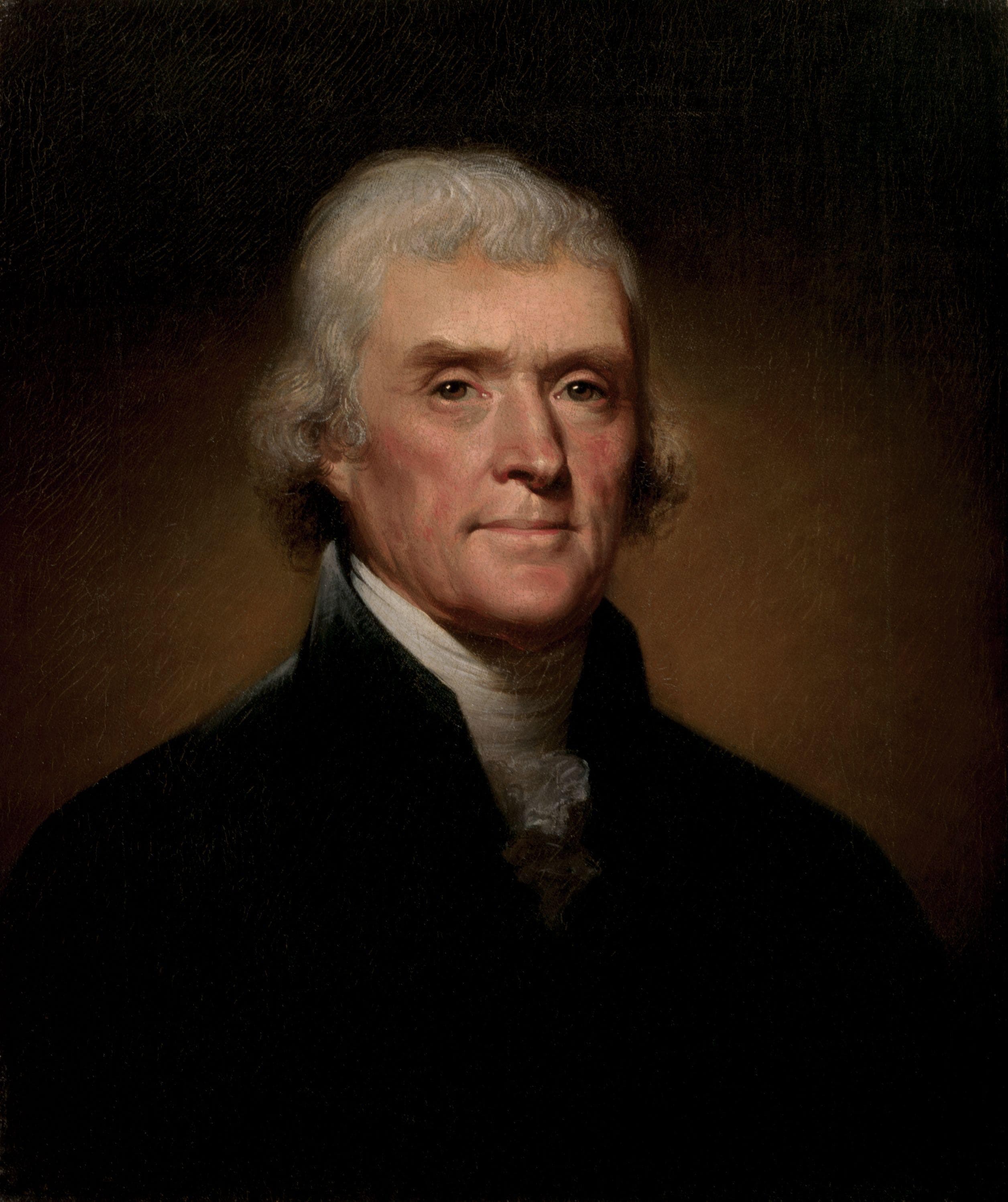
    Thomas Jefferson

    Years As President: 1801-1809 National Debt At The Beginning: $83,038,050.80 National Debt At The End: $57,023,192.09 Difference: - $26 014 858.7 Context: A staunch Anti-Federalist or Democratic-Republican, Thomas Jefferson's two-term presidency saw a large decline in the national debt. The Jefferson administration existed alongside both a US Senate and House of Representatives that were majority Democratic-Republican.

    0% upvoted
  4. 4

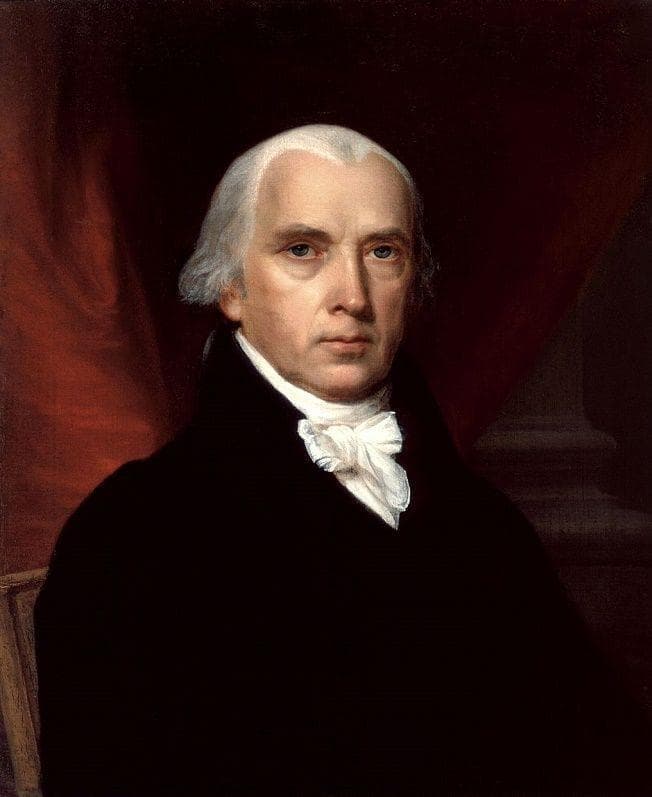
    James Madison

    Years As President: 1809-1817 National Debt At The Beginning: $57,023,192.09 National Debt At The End: $123,491,965.16 Difference: $66,468,773.07 Context: James Madison, another Democratic-Republican, had support from his party in the House where it held the majority throughout his presidency. The US Senate was also controlled by Democratic-Republicans. The national debt nearly doubled during the Madison administration as a result of funding the War of 1812.

    0% upvoted
  5. 5

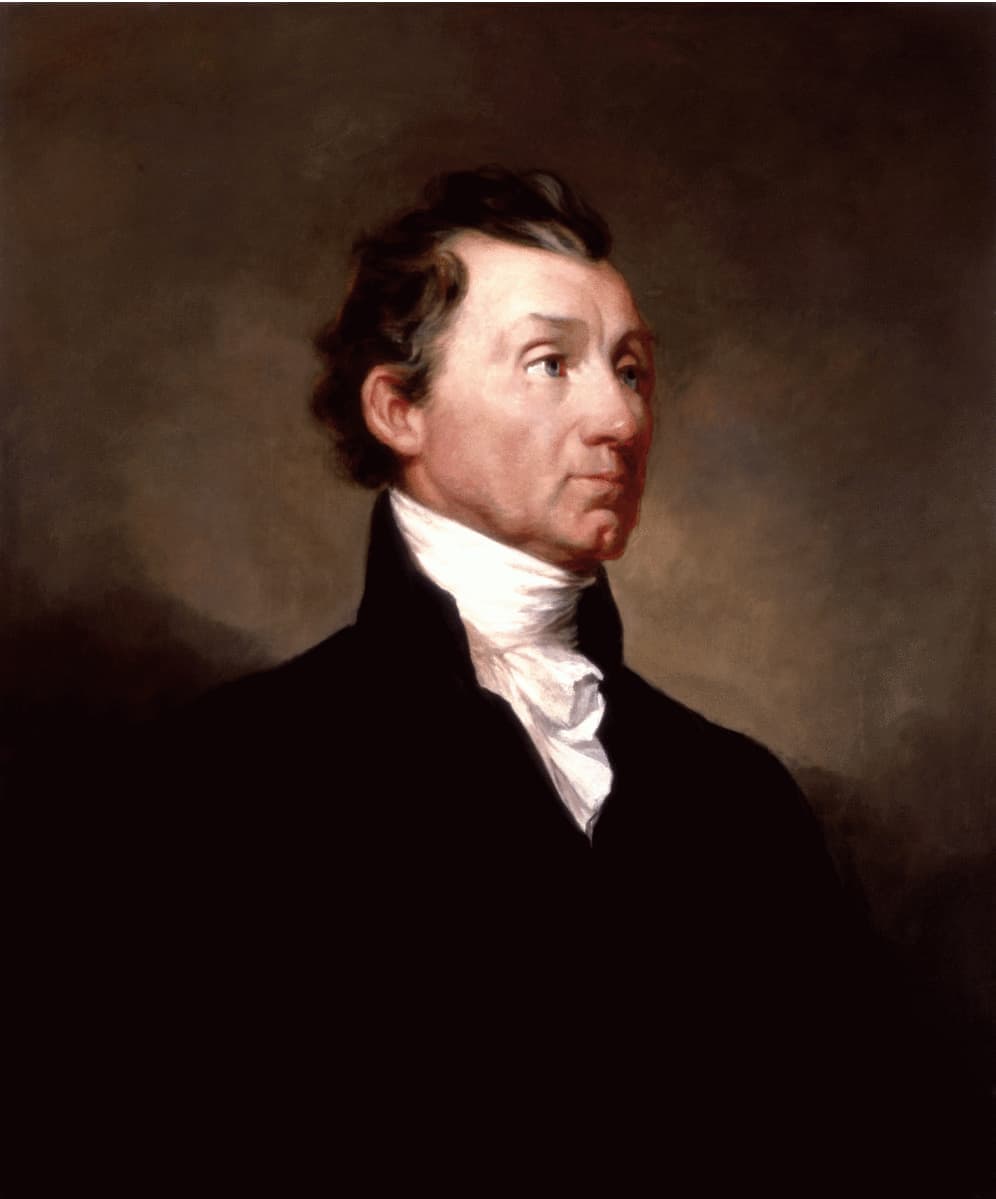
    James Monroe

    Years As President: 1817-1825 National Debt At The Beginning: $123,491,965.16 National Debt At The End: $83,788,432.71 Difference: - $39,703,532.45 Context: When James Monroe took over the presidency in 1817, he inherited the debt from the War of 1812. With the his own Democratic-Republican Party in control of both the House and the Senate through 1823, Monroe's administration saw a large decline in the debt. In 1824, the Democratic-Republican Party split into factions. One supported Andrew Jackson, while the other backed John Quincy Adams. The faction that supported Jackson controlled the Senate and the House.

    0% upvoted
  6. 6

    John Quincy Adams

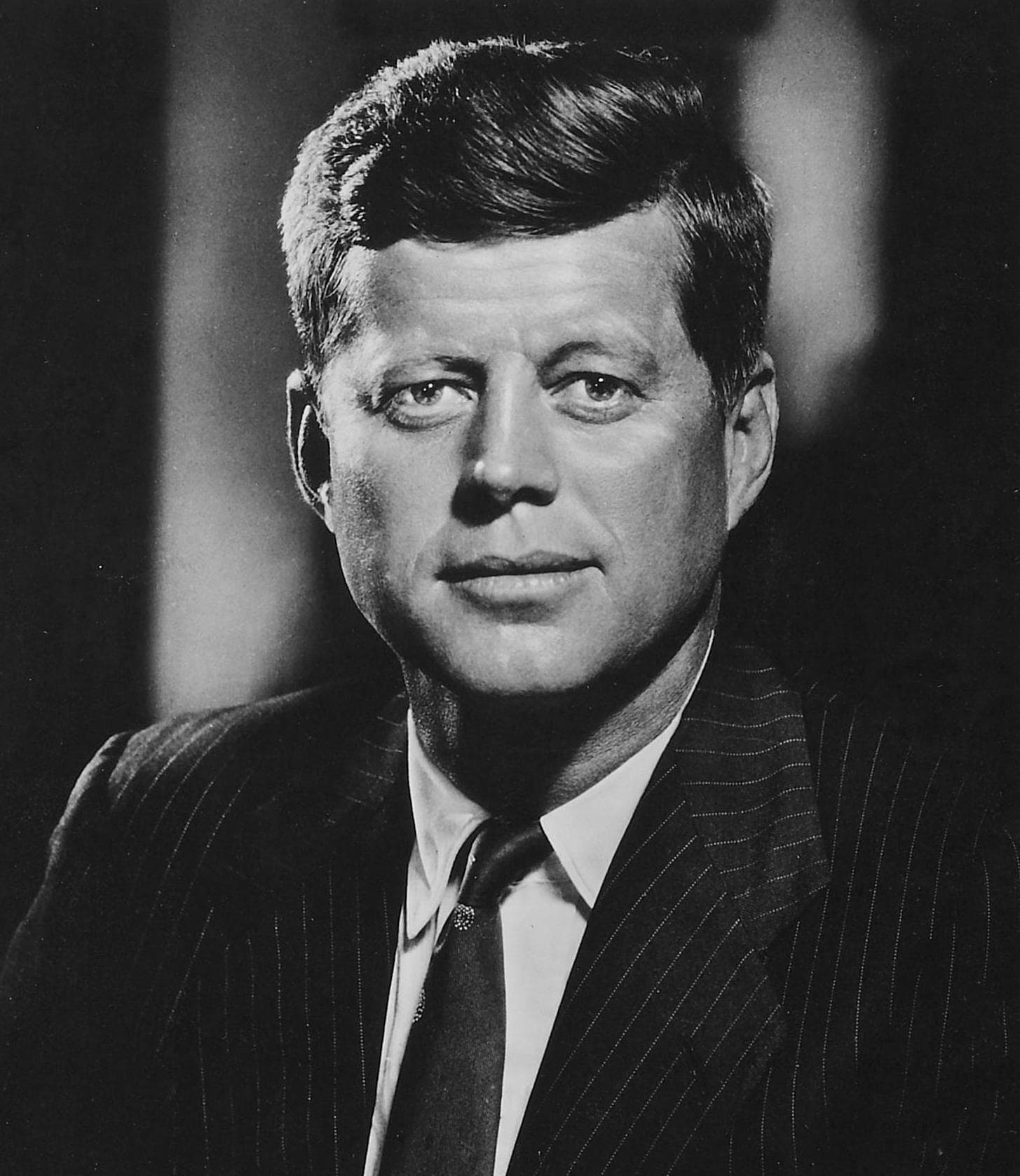
    Years As President: 1825-1829 National Debt At The Beginning: $83,788,432.71 National Debt At The End: $58,421,413.67 Difference: - $25,367,019.04 Context: Neither John Quincy Adams nor Andrew Jackson (nor any candidate) had the majority electoral votes after the election of 1824 but, through that was later dubbed the “corrupt bargain,” Adams managed to emerge as the President of the United States. When Adams took office, the Federalists no longer existed and, by the end of the 1820s, the Jackson-backing Democratic-Republicans were simply known as Democrats. The National Republicans, also called the Whigs, formed out of the group that supported Adams. During Adams's presidency, the Senate was controlled by Jackson supporters (or Jacksonians) but the House featured a majority of Adams supporters. The national debt did see a significant decrease during Adams's time in office, however.
    0% upvoted
  7. 7

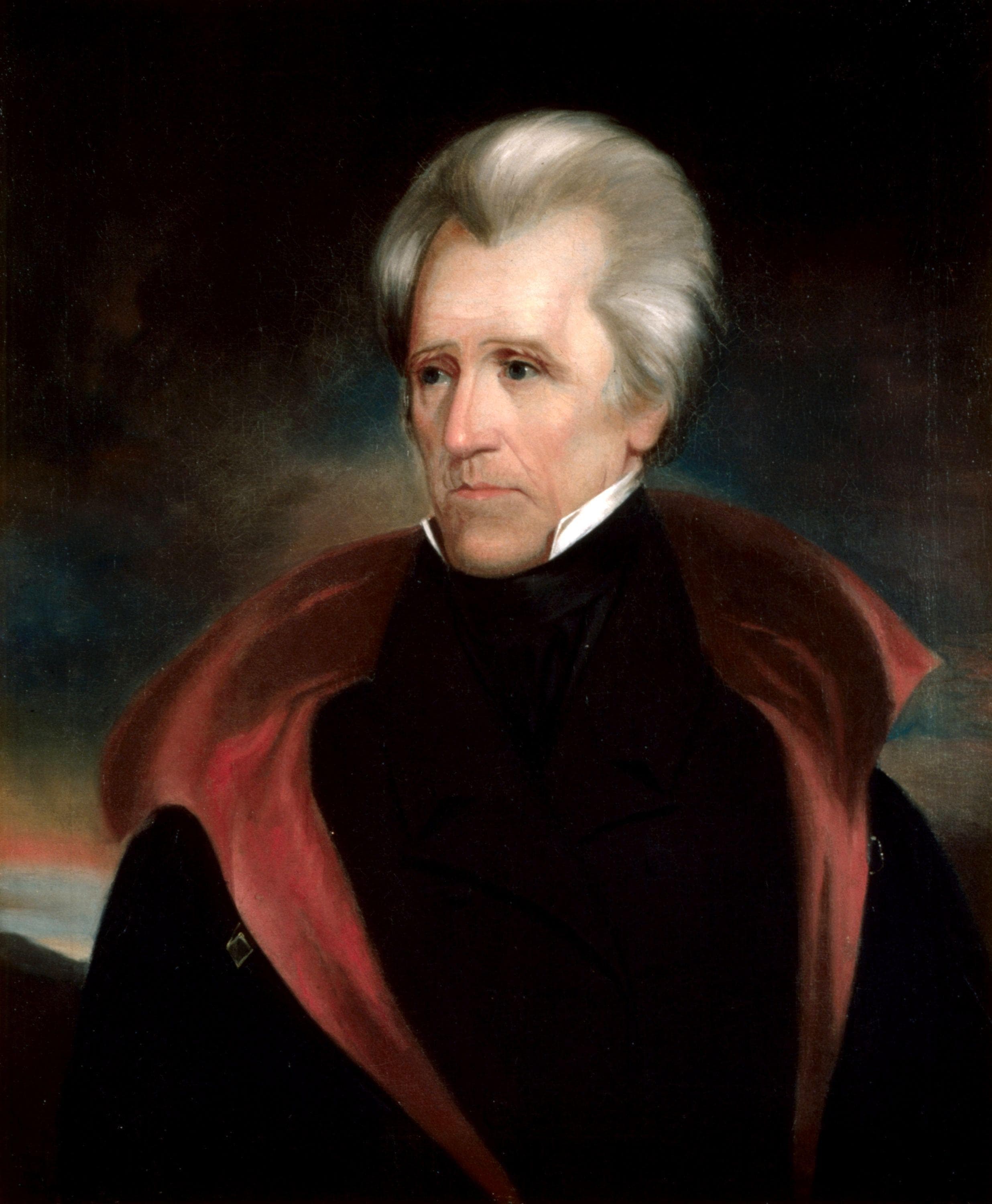
    Andrew Jackson

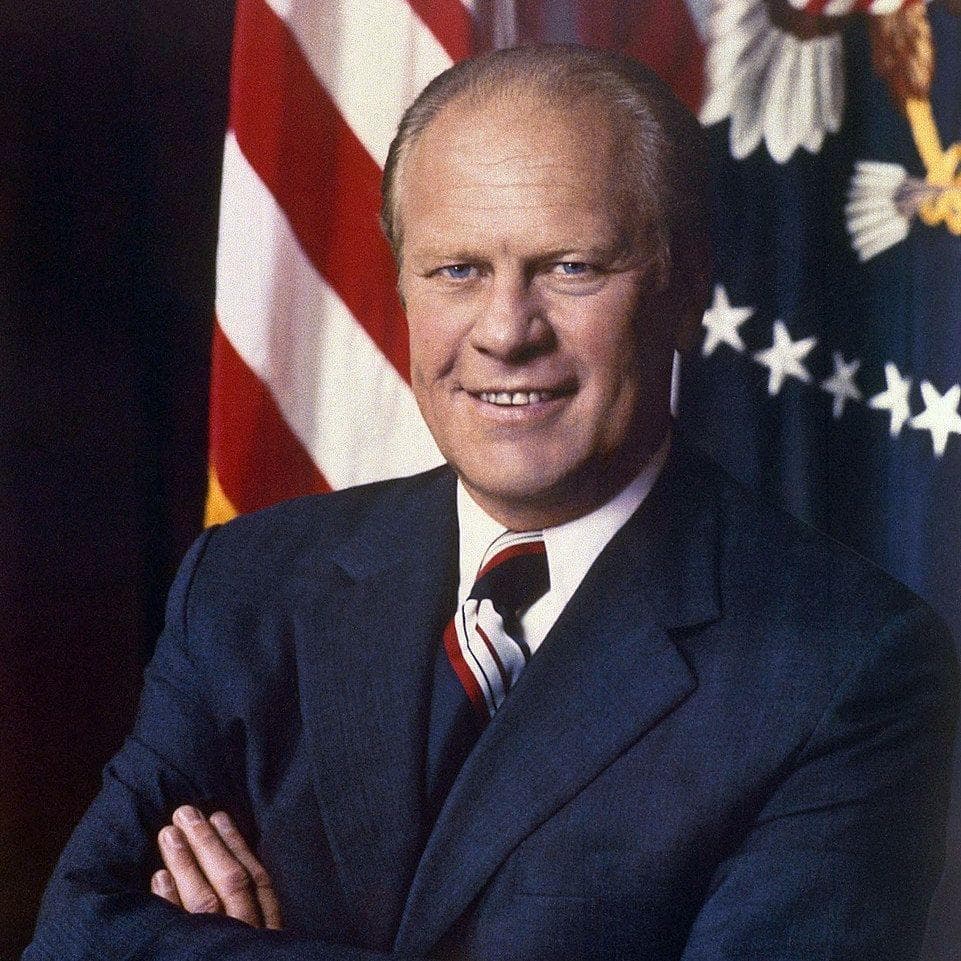
    Years As President: 1829-1837 National Debt At The Beginning: $58,421,413.67 National Debt At The End: $336,957.83 Difference: - $58,084,455.84 Context: Andrew Jackson had not become President of the United States in 1824 when he ran, but came out as the victor four years later. During his administration, the House and the Senate saw large majorities of Jacksonians, or Democrats. In 1835, the national debut of the United States reached $0 for the first and only time in the country's history. This was largely the result of vetoes Jackson made on spending bills and by selling government land. By 1837, Jackson's policies, including the end of the National Bank and a decline in foreign investments, once again caused the national debt to go up.

    0% upvoted
  8. 8

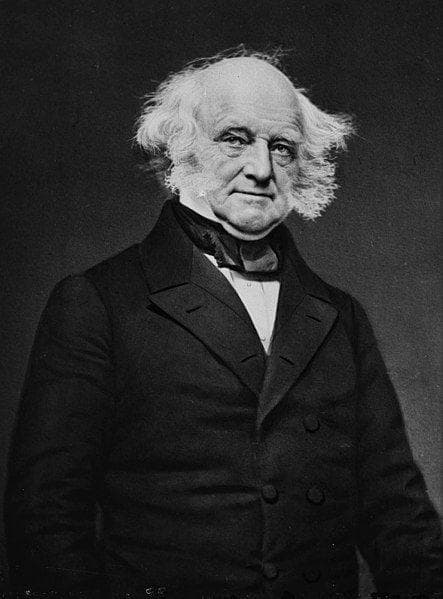
    Martin Van Buren

    Years As President: 1837-1841 National Debt At The Beginning: $336,957.83 National Debt At The End: $5,250,875.54 Difference: $4,913,917.71 Context: Martin Van Buren inherited a relatively low national debt when he took office, but it went up substantially during his term. It was just over $5 million by the time his tenure was over. Both houses of Congress were controlled by Democrats during Van Buren's presidency. Van Buren was also a Democrat.

    0% upvoted
  9. 9

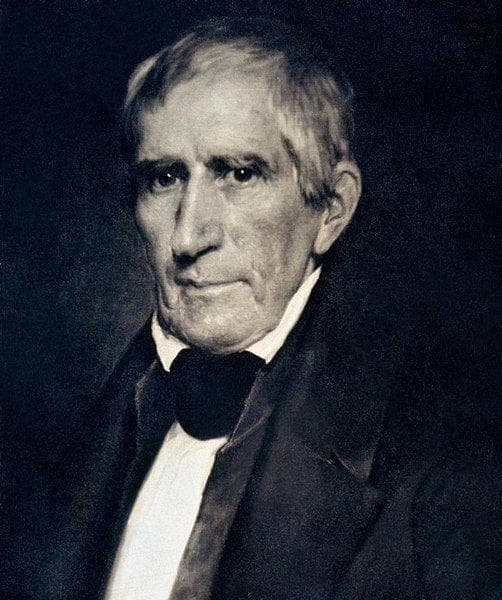
    William Henry Harrison

    Year As President: 1841 National Debt At The Beginning: $5,250,875.54 National Debt At The End: $5,250,875.54 Difference: $0 Context: William Henry Harrison was only President of the United States for about a month. During that time, the Whig Party (with which Jackson was affiliated) controlled the US Senate and had the majority in the US House of Representatives.

    0% upvoted
  10. 10

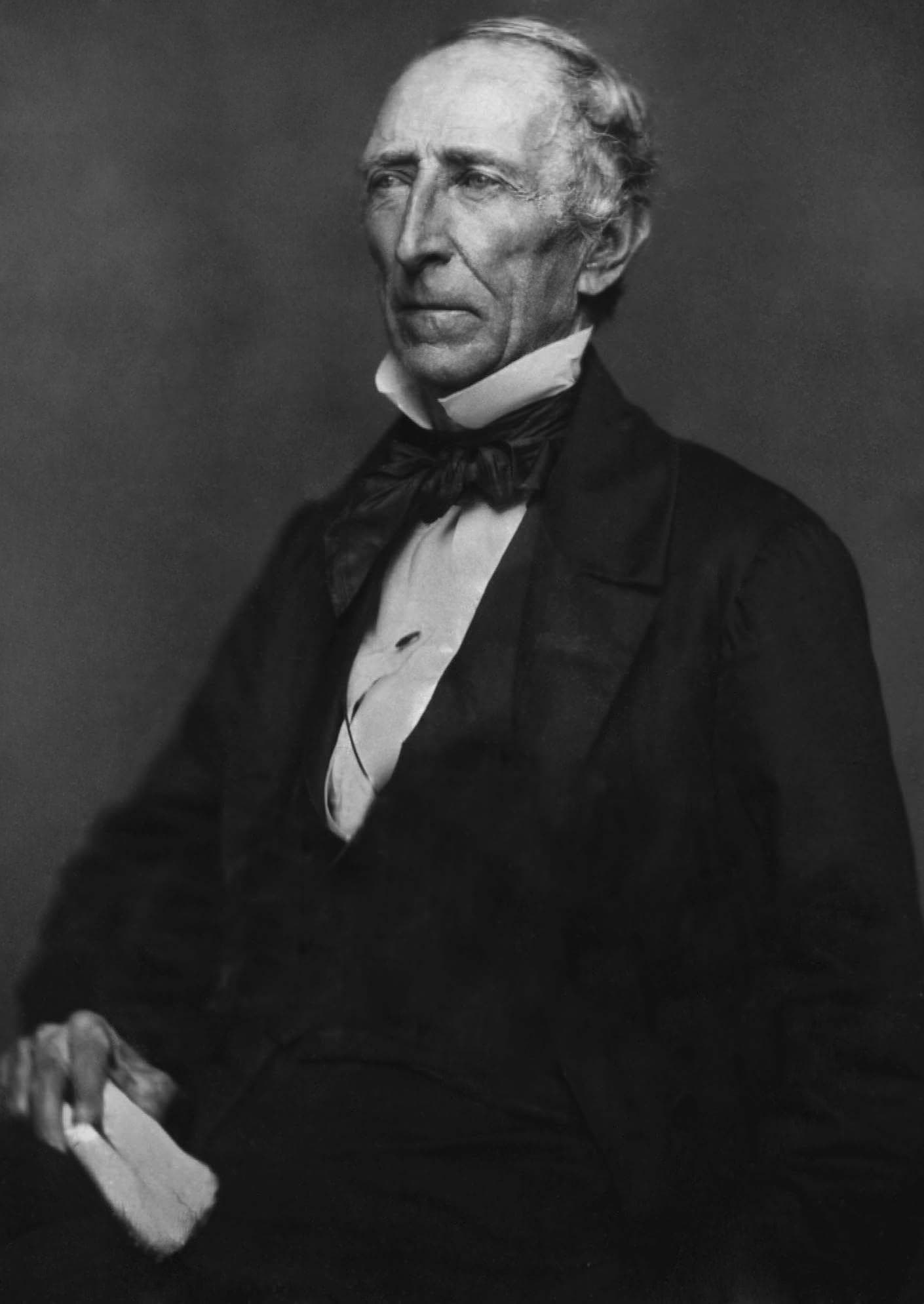
    John Tyler

    Years As President: 1841-1845 National Debt At The Beginning: $5,250,875.54 National Debt At The End: $15,925,303.01 Difference: $10,674,427.47 Context: Also a Whig (initially), John Tyler's administration had the same Whig majority as his predecessor in the US House of Representatives until 1843 when it shifted to the Democrats. The US Senate was majority Whig throughout his tenure. The national debt went up threefold during Tyler's administration. He was often at odds with the Whigs in Congress due to differing ideas about tariffs. As an aside, the national debut began to be calculated by fiscal year in 1843. Previously, it was determined every calendar year.

    0% upvoted