The Greatest Generation
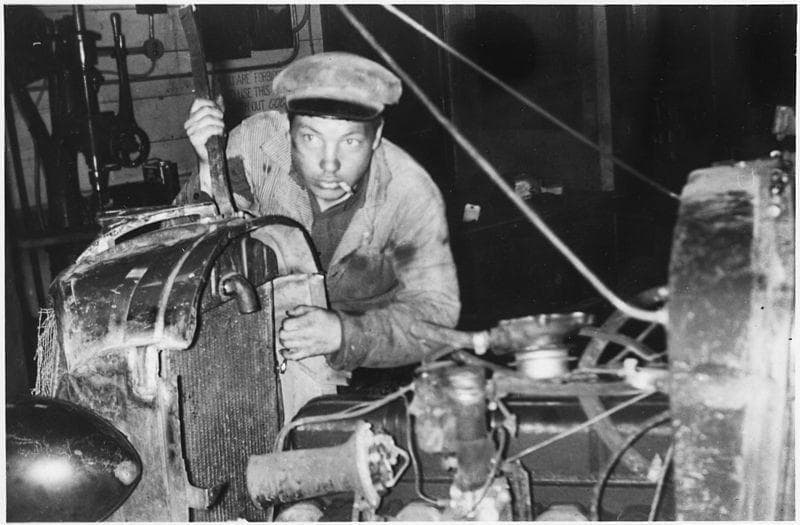
Years: c. 1901 - c. 1924 Context: The “Greatest Generation” earned that name for what they did during the 1930s and 1940s. As individuals who grew up during the Great Depression and were in their teens and 20s when World War Two began, the men and women who fought, worked, and sacrificed under the harshest circumstances, members of the Greatest Generation are praised for their patriotism, loyalty, hard work, and austerity. Poverty during the Great Depression and rationing during the War both often meant making do with whatever one could find to eat and to wear. The term “greatest generation” was first used by journalist and author Tom Brokaw in his book. Trends: Fashion during the 1930s and 1940s was dominated by muted colors for men and women in daywear, while eveningwear was white, black, and luxurious. Hollywood had a large influence on how individuals presented themselves, with women styling themselves after Greta Garbo and Marlene Dietrich. Clark Gable was the go-to Hollywood icon for men. Wartime meant uniforms, but the late 1940s saw women return to more feminine looks (as opposed to the “boyish” flapper style). Men went sporty instead of wearing formal suits when they could. Stereotypes Pros/Cons: Saved the world, tough as nails, never shied away from hard work, penny-pinching.