Skip to content
maxnews
Science & Medicine

14 Of The Most Well-Traveled Creatures On The Planet

If animals had frequent flyer mile points to rack up, they’d definitely put us humans to shame. Creatures ranging from giant wildebeests to teeny tiny ants really know how to get around, sometimes traveling at incredible speeds. Well-traveled animals that go amazing distances do so on foot, hoof, wing, or fin. They journey high in the clouds, low underwater, and over varying terrain. They travel in packs that are sometimes even mixed with multiple different species. Some animals that go the farthest on Earth travel the equivalent distance of the moon and back in a lifetime. Others triple that number if you can imagine. Their migratory efforts are often fueled by instinctual needs like food, shelter, mating, birthing, and ideal weather conditions. Some of these mystifying creatures spend 90% of their lives on the go. While enroute, they risk life and limb. Their compass is the sun, their motivation is survival and their internal guide is none other than Earth’s incomparable magnetic field. Here’s a look at these amazing animals that travel incredible distances.

Entries
14
Votes
0
Updated
2 hours ago

Tap upor downto vote. Your vote is added to Ranker's counts.

Voting identifies your browser with an anonymous fingerprint, stored only as a salted hash, to count one per visitor. Privacy

Source: Ranker, ranked by its voters.

  1. 1

    Arctic Tern

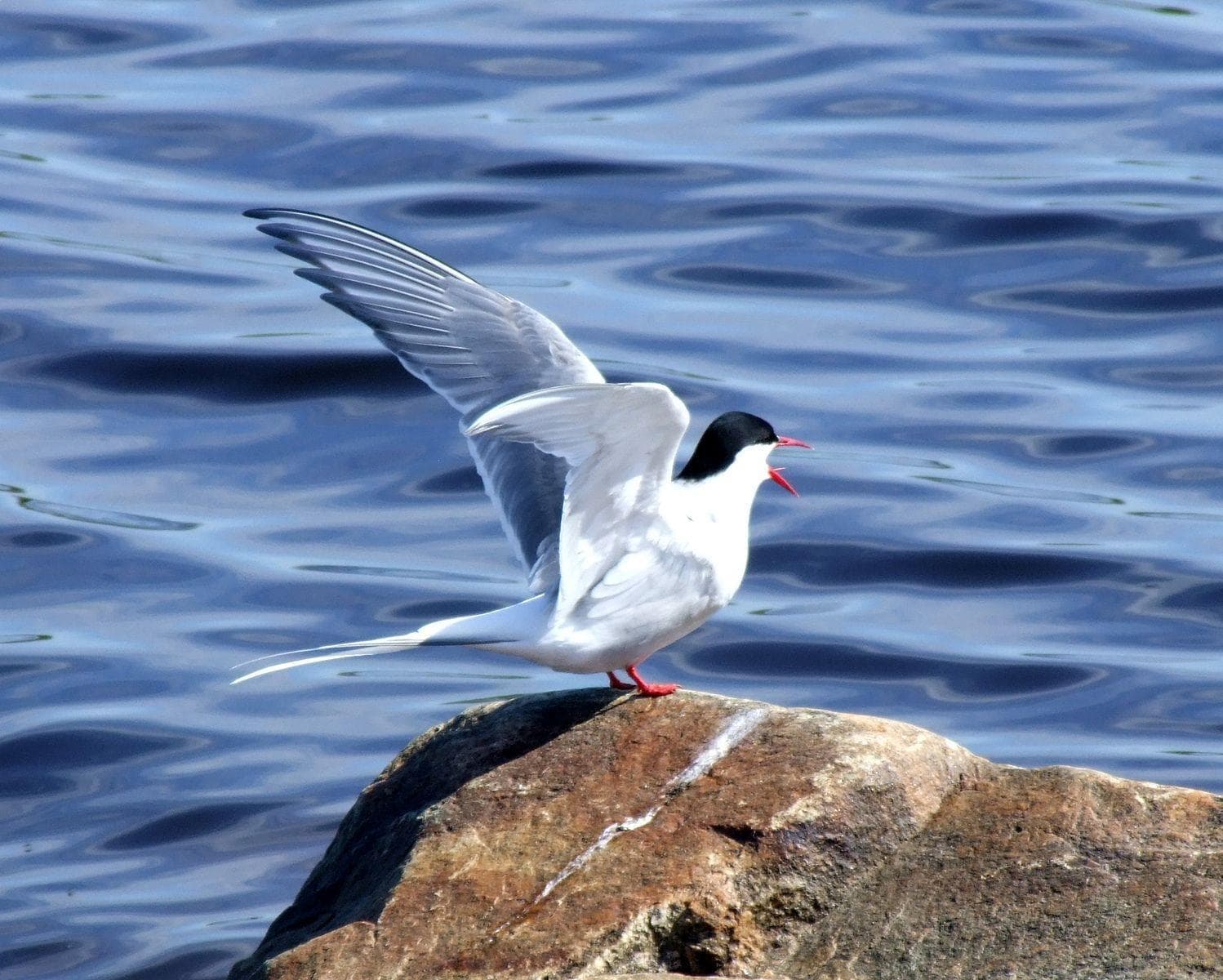
    Distance Traveled: 44,117 miles per year. The Arctic tern has become the very symbol of migration. In its 30 year lifespan, this winged jet-setter flies a distance equivalent to going to moon and back not once, not twice, but three times. The way in which scientists compiled this data is pretty mind blowing as well. The British Antarctic Survey Corporation designed a tiny tracker weighing just 1.4 grams, and opened up a whole new world of observation for tiny birds that previously couldn’t be tagged due to their size. The epic journey of the Arctic tern is a haphazard route that requires them to fly in such a way they avoid being swept up by heavy wind gusts. They even stop and take a month long break in the middle of the North Atlantic. Pit stops and lunch breaks included, these wondrous birds fly 1.5 million miles in a lifetime.
    0% upvoted
  2. 2

    Sooty Shearwater

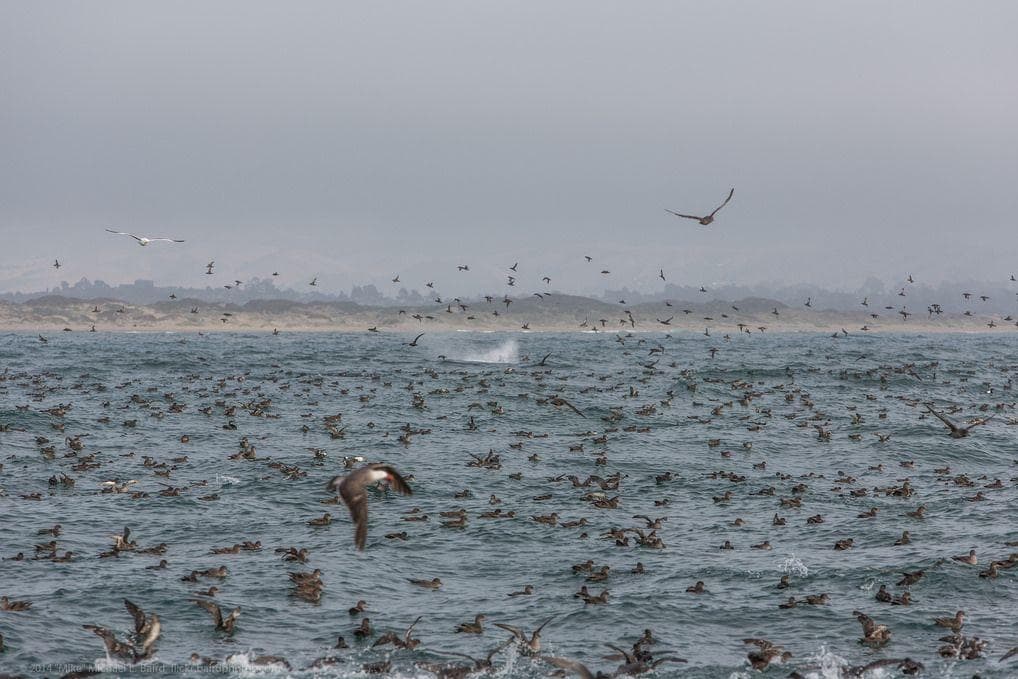
    Distance Traveled: 40,389 miles per year. Falling just about 4,000 miles below the international annual travel record, the sooty shearwater’s flight was previously accepted as the longest migration on Earth. Their lengthy travel distance could be a subtle hint at a much more drastic underlining problem - climate change. Scientists have long suspected that limited food supplies are driving these birds out to the North Pacific where they fly at accelerated speeds of about 620 miles per day in a desperate search for sustenance. Whether or not food availability plays a role in this arduous expedition is a different study yet to be concluded so stay tuned as the data continues to be collected.

    0% upvoted
  3. 3

    Bar-Tailed Godwit

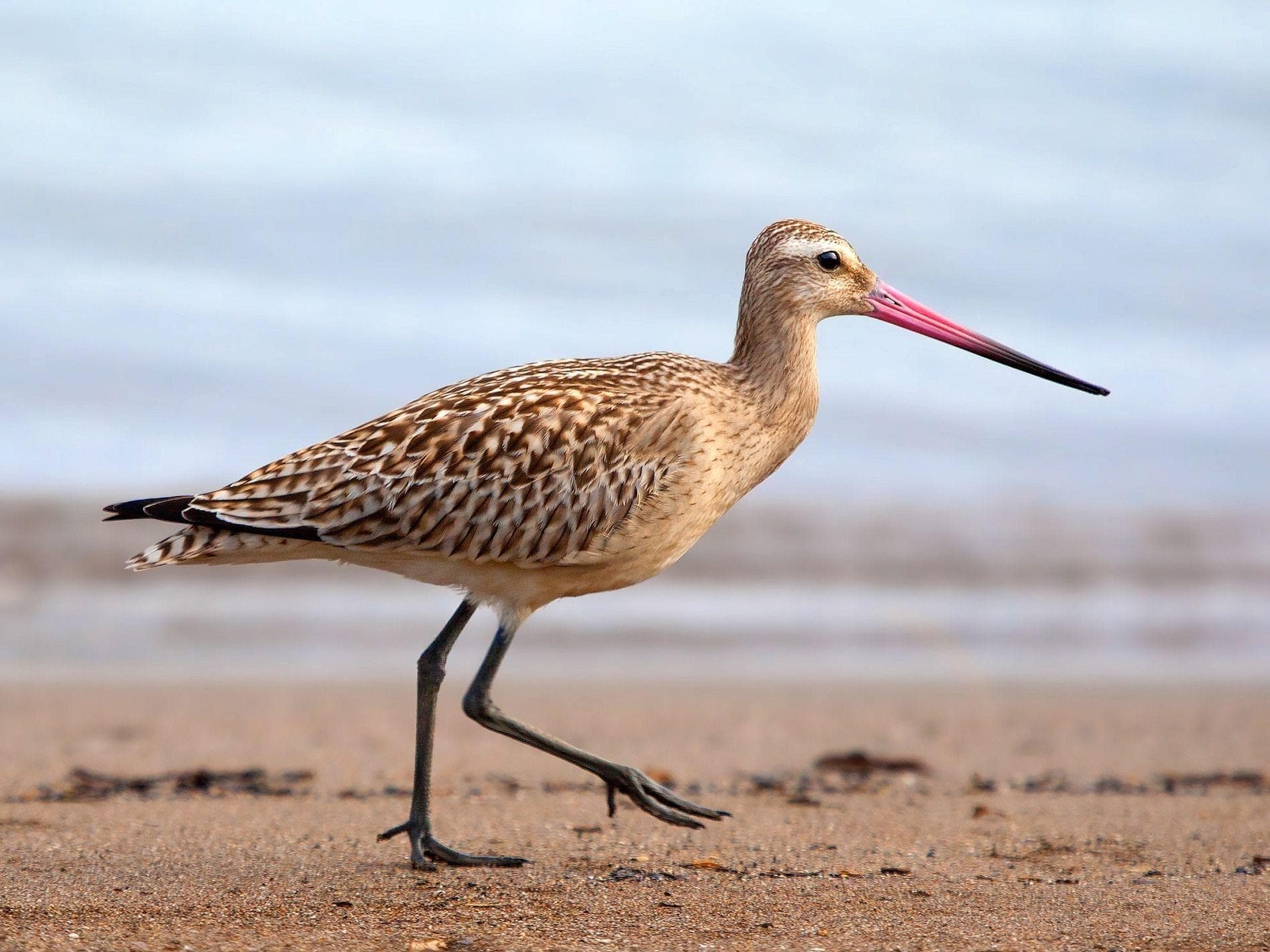
    Distance Traveled: 18,500 miles per year. The bar-tailed godwit might come in at half the mileage of the first two birds, but he makes up for that by covering so much ground. The migration route this barnstormer sports is one of a kind. Throughout the bar-tailed godwit’s journey, a myriad of destinations are reached including Africa, New Zealand, Australia, East Asia, and beyond. This global explorer also holds the title for longest non-stop flight of any species in the world. It can fly nine days without stopping.

    0% upvoted
  4. 4

    Gray Whale

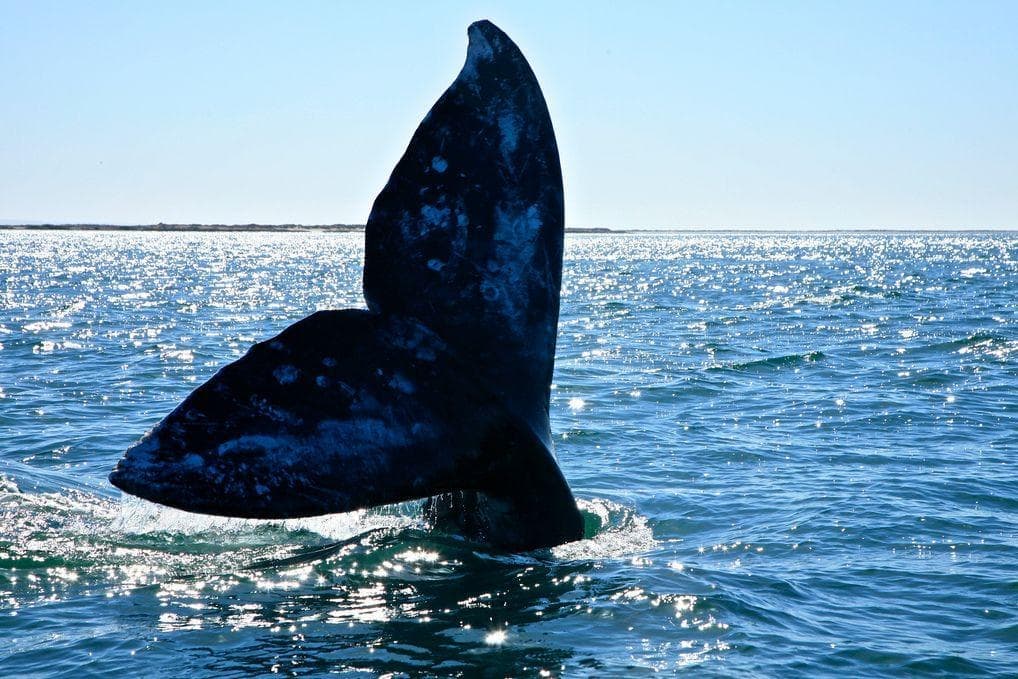
    Distance Traveled: 14,000 miles per year. Gray whales travel for a wide variety of reasons. From feeding to mating, from birthing to nursing their young, these non-stop nautical creatures are always on the move. Much of the journey is centered on the little ones. Between December and January, mommy gray whales make stops in Mexico’s nursery lagoons, where calving and birthing take place. Much of their travels take place along the coastline, making it possible for nature lovers to watch in awe from the shores.

    0% upvoted
  5. 5

    Humpback Whale

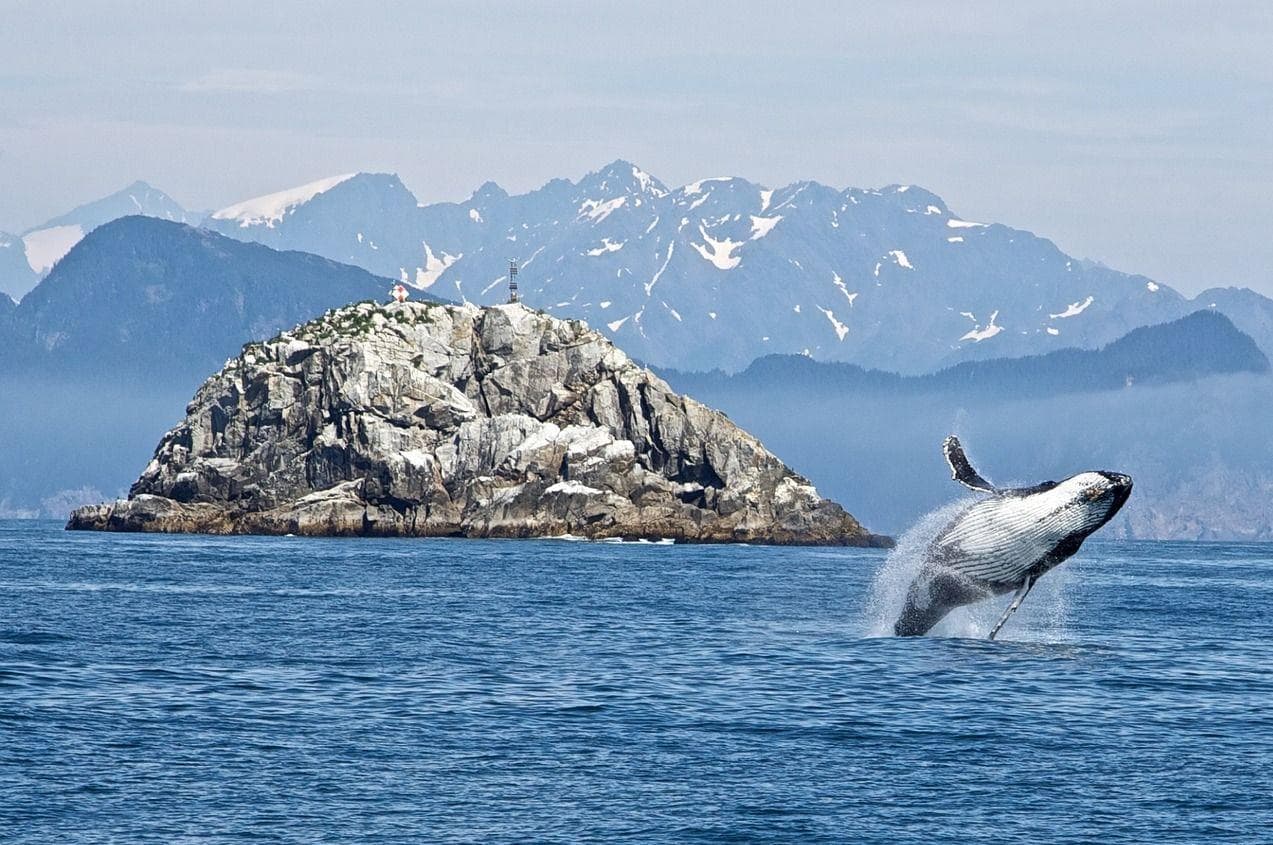
    Distance Traveled: 13,670 miles per year. Humpback whales travel to tropical waters in the winter in order to give birth and then they head out to high latitude polar waters for the rest of the year. One of the most fascinating facts about their migration is that it takes place at different times depending on which side of the equator they call home. For this reason, Northern humpbacks get the chance to meet Southern humpbacks - and vice versa - because they are always traveling in the opposite direction of one another. Humpbacks are slow swimmers compared to other maritime creatures, even compared to other whales. Their feeding speeds clock in at just over a mile an hour. Can you imagine how grueling a 13,670 mile journey would feel at that pace?

    0% upvoted
  6. 6

    Northern Elephant Seal

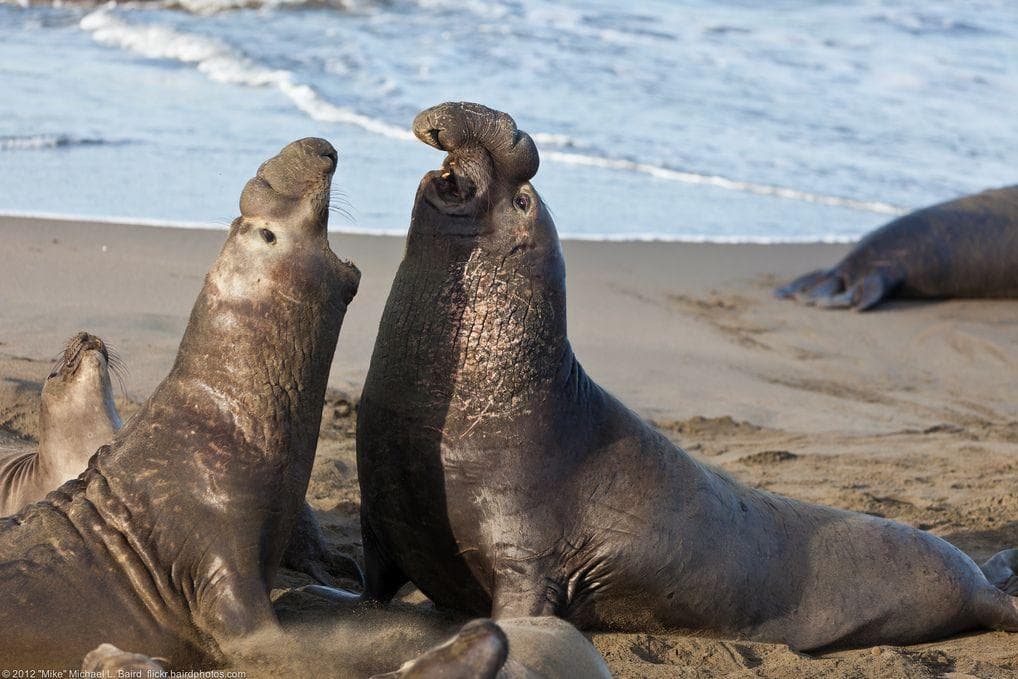
    Distance Traveled: 13,048 miles per year. Northern elephant seals are unique for multiple reasons. Their elephant-like snouts and diving prowess make them one of nature’s marvels. But did you know these strange-looking sea creatures currently hold the record for the furthest mammal migration on Earth? Their biannual migration pattern baffles the scientific community because it is the only of its kind amongst mammals. The northern elephant seal spend between 250 and 300 days of the year traveling from one place to another. They’re really dedicated to the lifestyle. In fact, they spend about 90% of their lives exploring the open waters.

    0% upvoted
  7. 7

    Leatherback Turtle

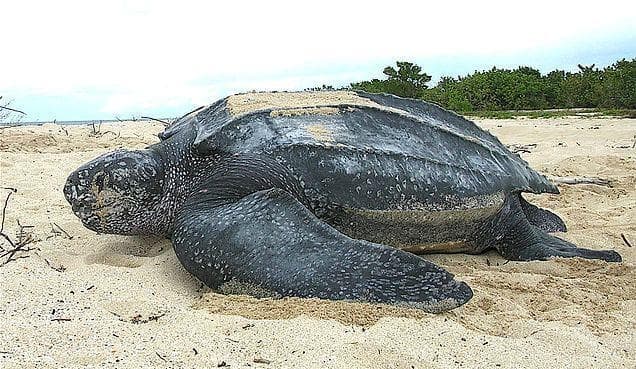
    Distance Traveled: 12,427 miles per year. 100 million years of oceanic exploration has certainly taught the leatherback turtle a thing or two about travel. These deep sea divers engage in the longest migration of any sea turtle on the planet. Their journey is a necessary component to their reproduction process which, in turn, is essential to the entire eco-system in light of the fact that these large bodied reptiles are currently endangered.

    0% upvoted
  8. 8

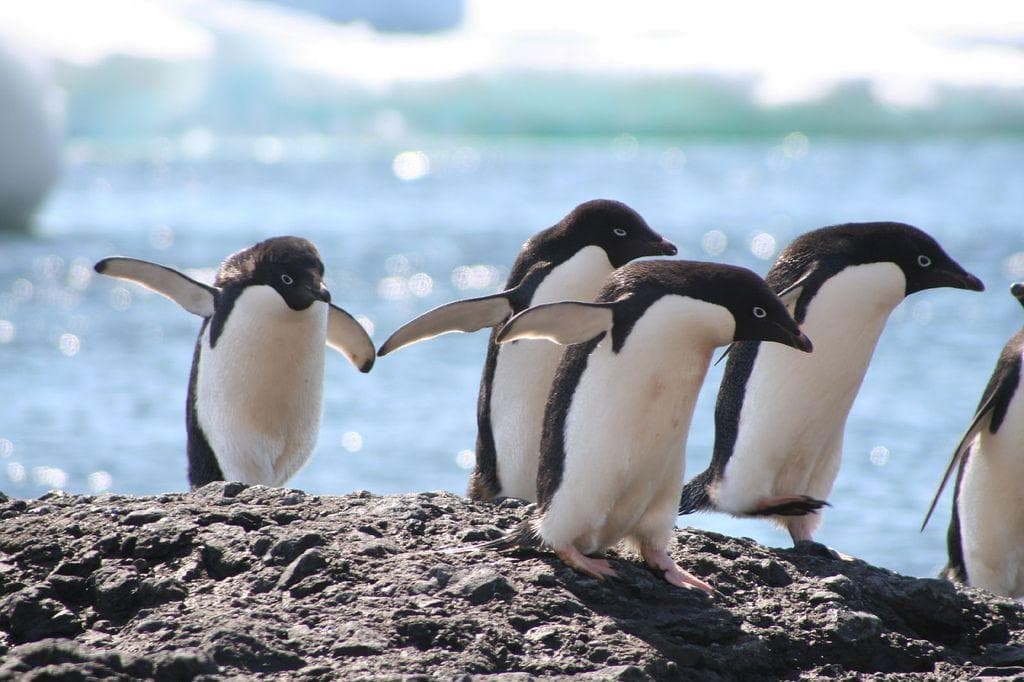
    Adelie Penguins

    Distance Traveled: 11,000 miles per year. For flocks of flightless birds, Adelie penguins certainly have a knack for travel. This migratory species tends to journey in large numbers with colonies featuring tens of thousands of penguins and districts separated within each colony. Their arctic journey is weather related and follows the compass of the sun for approximately 11,000 miles annually. Their arctic ice retreat appears to be a resurgence in their population, which has seen its highest number in decades.

    0% upvoted
  9. 9

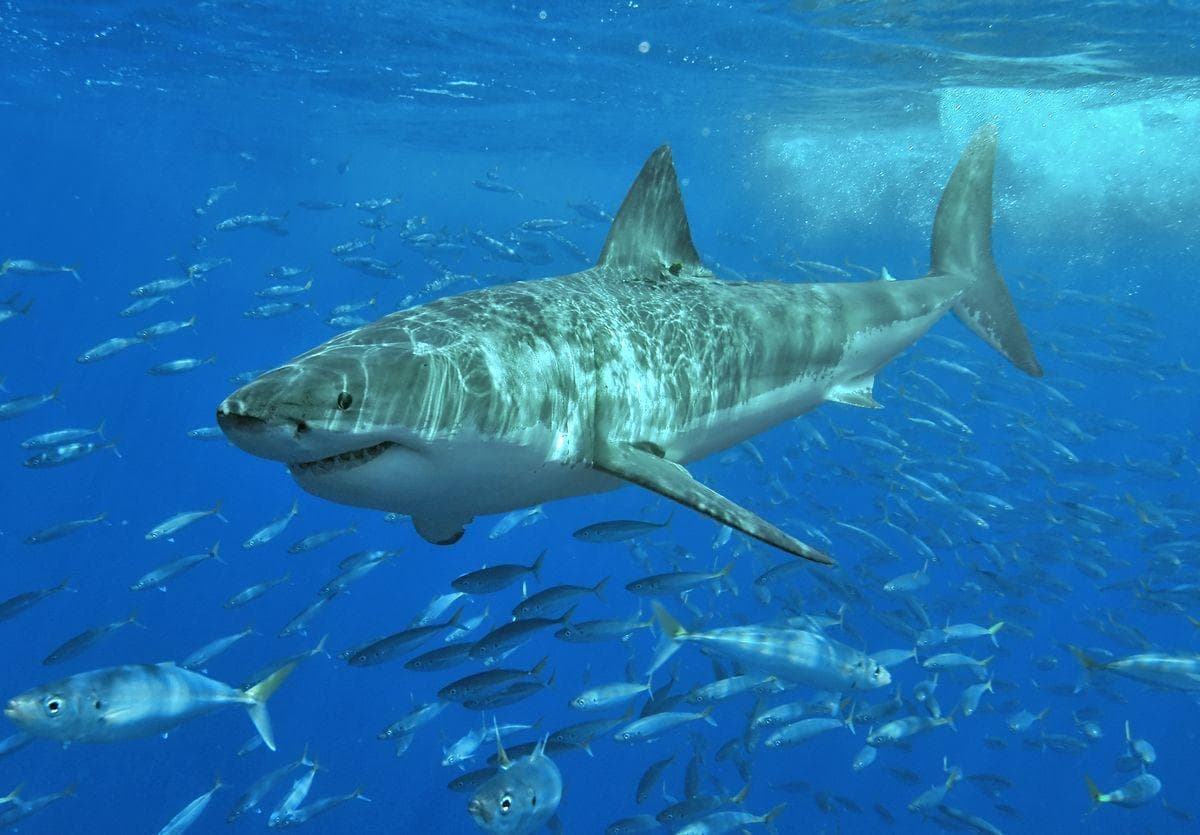
    Great White Shark

    Distance Traveled: 6,900 miles per year. Sharks are quite nimble navigators of the sea. In 2004, it was discovered that great white sharks make round trip voyages from Africa to Australia and then back to Africa every single year. At that rate, out-swimming a shark sounds just a bit preposterous. But what is it that motivates such sensational swimming? A combination of food and mating are suspected to be the forces driving the journey. Since great whites maintain a life expectancy of a whopping 70 years (comparable to humans) that accounts for an approximated lifetime of 483,000 fantastical miles. To put things into perspective, planet Earth’s circumference is about 24,901 miles. So in the average lifespan, a great white shark actually swims the equivalent mileage of going around the world 19 times.

    0% upvoted
  10. 10

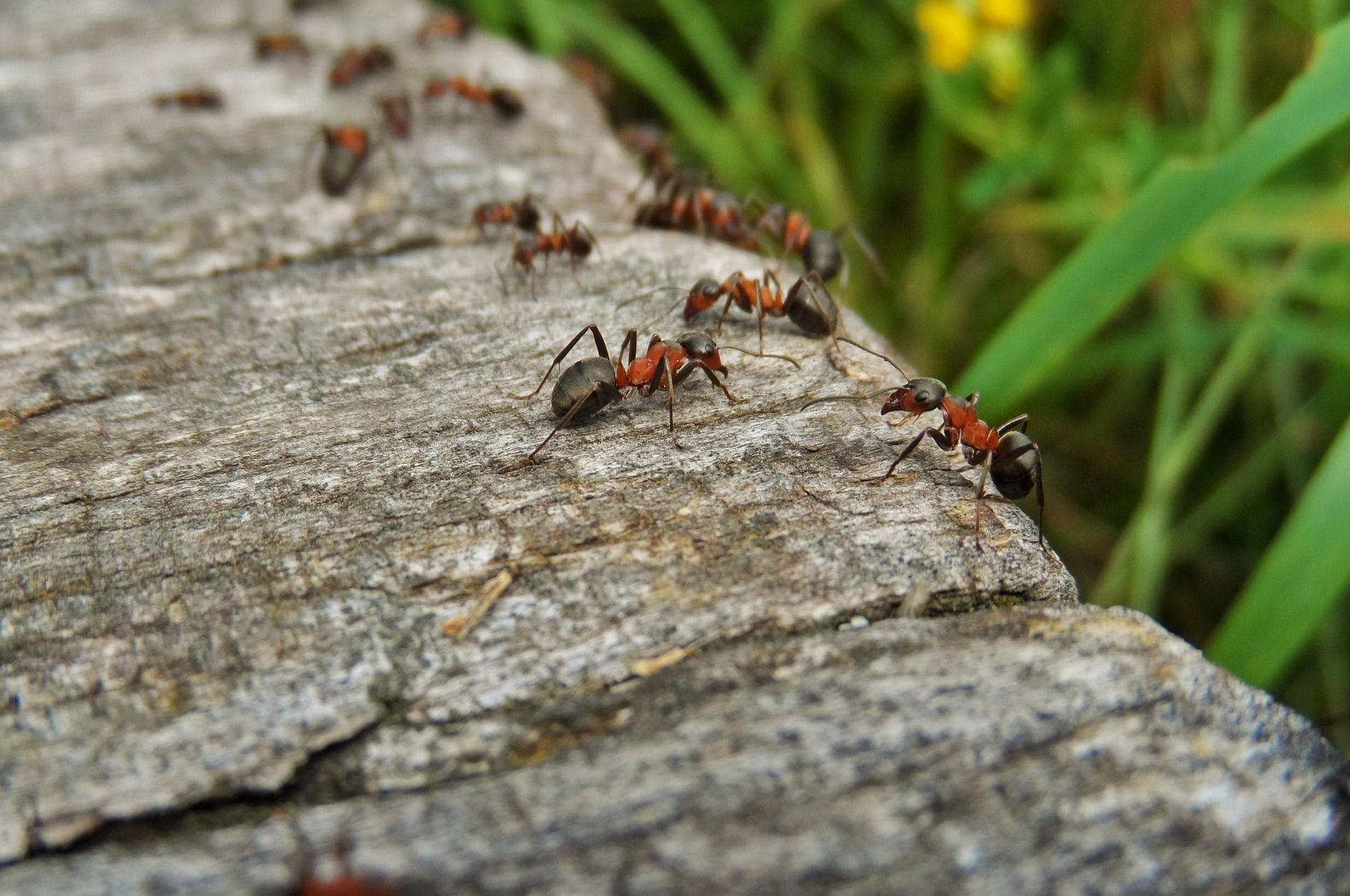
    Ants

    Distance Traveled: 6,560 miles per year. Ants are nature’s tiny champions, real life engines that can. Not only are they equipped to lift 20 times their own mass, but it turns out they can really get around the world on those minuscule legs. When army ants march on high, beware. They’re looking for food and hunting in swarms and they can murder and eat upwards from 100,000 animals in a single day! Ants, small as they may be, travel an average of 164 miles per 40 days on foot.

    0% upvoted