Skip to content
maxnews
Rankings

What It Would Have Been Like to Live in a Hunter-Gatherer Society

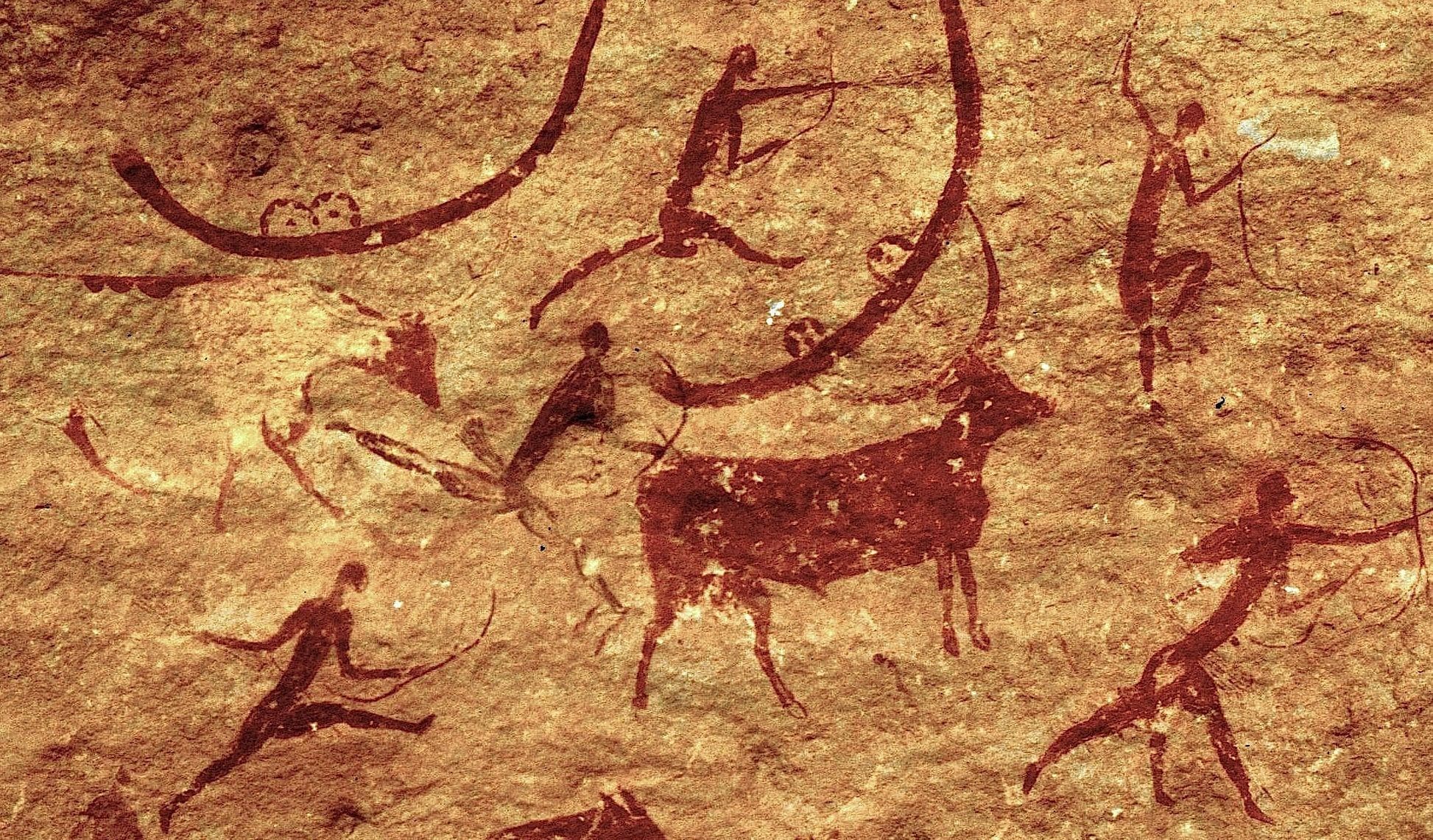
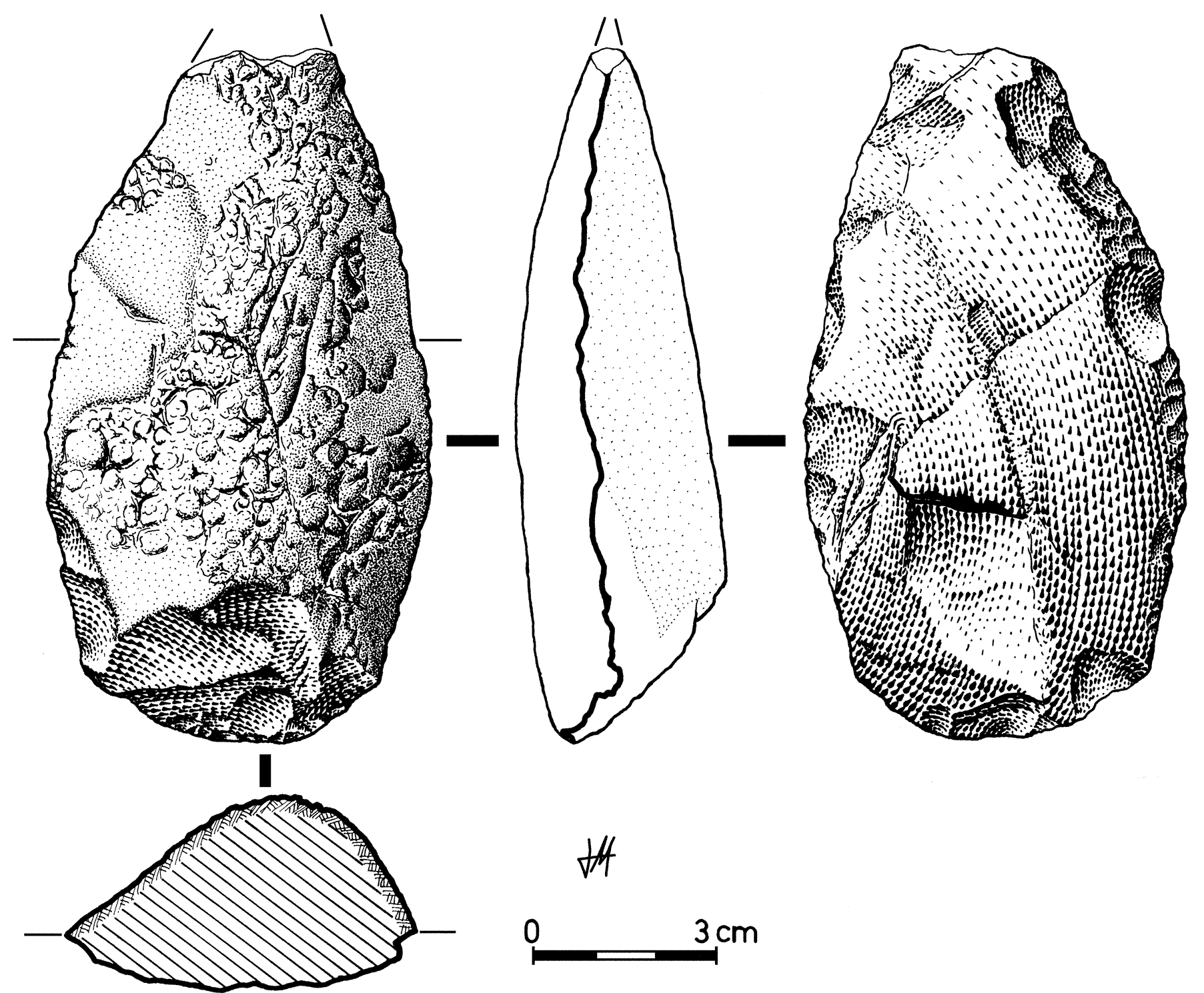
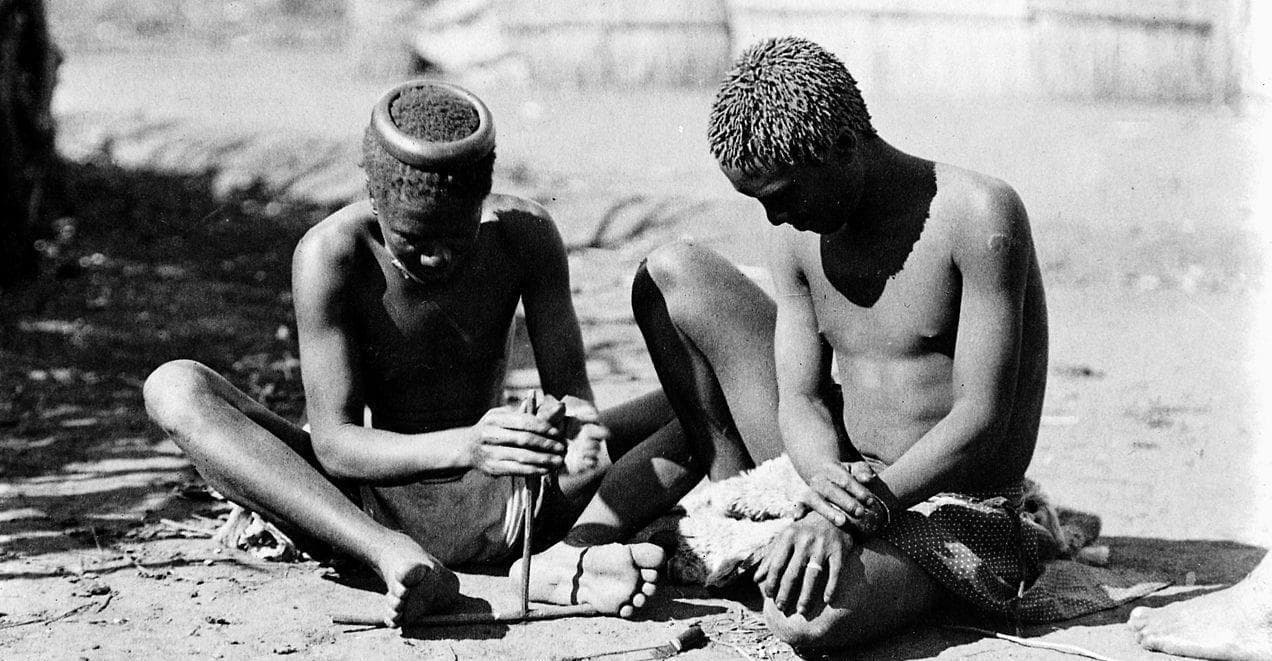
Humans didn’t always live in cities and towns. They started out as nomadic tribes looking for whatever food was available in their general area. Hunter-gatherer societies laid the foundations of our modern civilizations, comprising almost all of human history with the exception of the last few thousand years. But what was it like to live as one of them? During their dominant time in the Paleolithic Era, hunter-gatherers spent their days scrounging food from plant life while hunting and fishing for meat. These two means of obtaining food led to the basic cultural structures we see today, especially in the form of gender roles. Hunter-gatherer societies hold many surprises, especially when we study the last few remaining tribes that live a similar lifestyle today. Even though humanity eventually embraced agriculture during the Neolithic Era, a few hunter-gatherer tribes have lived on, and from them we can extrapolate what life was once like for all human beings.

Entries
15
Votes
0
Updated
3 days ago

Tap upor downto vote. Your vote is added to Ranker's counts.

Voting identifies your browser with an anonymous fingerprint, stored only as a salted hash, to count one per visitor. Privacy

Source: Ranker, ranked by its voters.

  1. 1

    You’d Generally Treat Your Children with More Affection
    How can anybody be more affectionate than some of today's helicopter parents? Alas, based on cross-cultural findings in the 20th century, hunter and gatherer societies were actually on the whole nicer toward their children than modern industrial societies. As a hunter-gatherer, you would be less likely to put an emphasis on obedience and responsibility, and more likely to show warmth and affection. In fact, the only hunter-gatherer cultures that really put stress on their children were those that relied more on hunting. Due to the often unpredictable nature of hunting, as opposed to gathering, there was more stress placed on male children, who had the burden of providing for the entire tribe.

    0% upvoted
  2. 2

    You’d Typically Be More Peaceful

    Maybe peace on Earth would be possible if all societies were hunter-gatherers. While there is some debate on the subject, research done in the last few decades has more or less found that hunter-gatherers were less likely to fight than their food-producing counterparts. While some early studies pointed to tribes going to war every two years, more recent ones have found conflict was actually less common. The reason for this? Food-producing cultures were more vulnerable to famines and food shortages if something bad happened to their crops…and when you desperately need something, the first human inclination is to take it from someone else.

    0% upvoted
  3. 3

    You'd Enjoy Social Equality as a Woman

    You might be spared from constantly raging against the patriarchy. Typically, men hunted game and fish while women gathered food such as fruits, vegetables, and nuts. While meat was certainly important, the gathering from the women typically brought in more food. After all, hunting can be very tough and rather hit-or-miss, while plants tend not to run away. Thus, overall the workload was actually pretty even, and women weren’t relegated to simply cooking whatever the men brought back from their hunting trips. Researchers think that the fact that women brought in more calories overall than men may well have meant their contributions were more respected, too.

    0% upvoted
  4. 4

    You Wouldn’t Stick Around One Place for Very Long

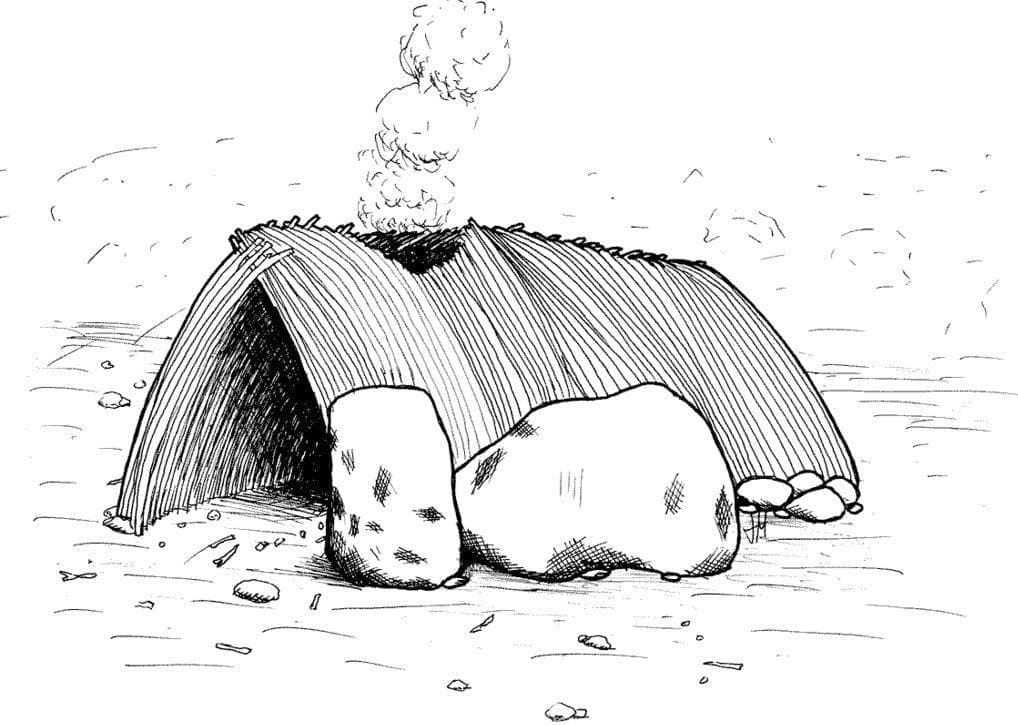
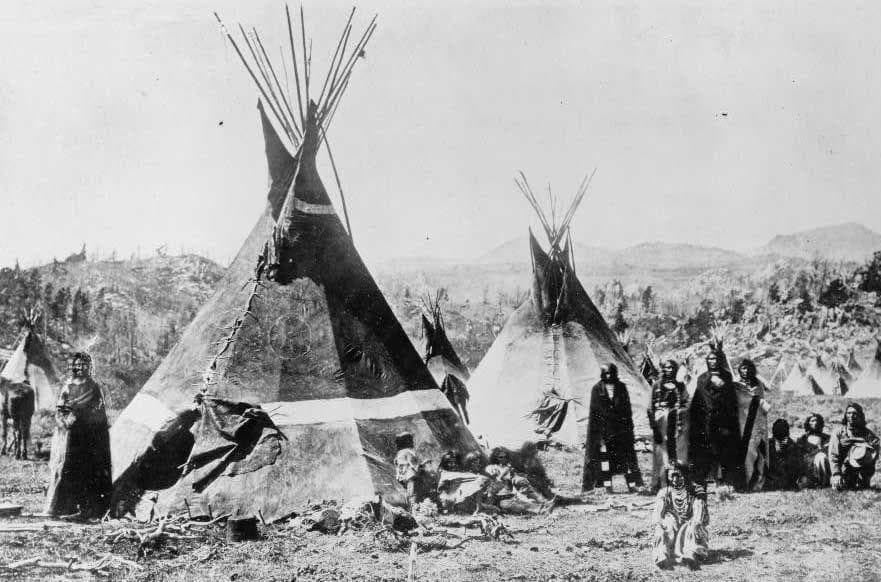
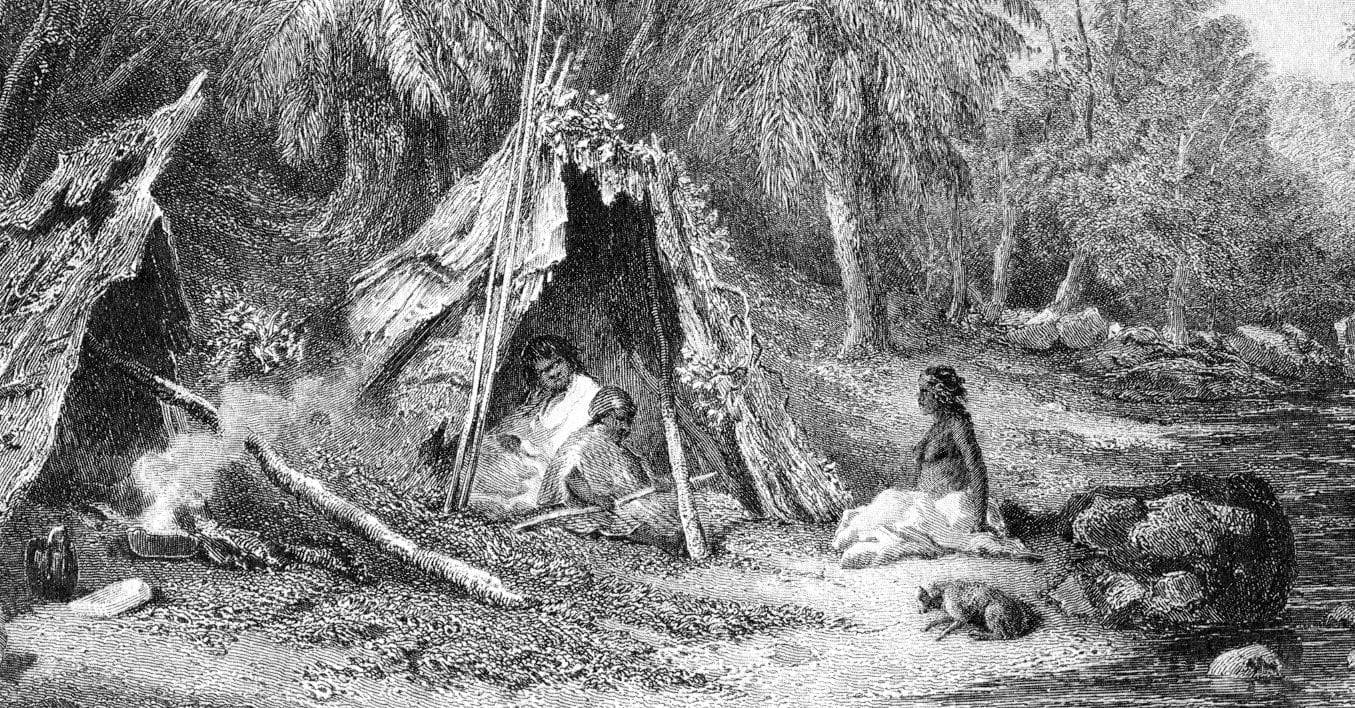
    But at least you'd do a whole lot of traveling! Hunter-gatherers are widely accepted to be nomadic. Some tribes were fully nomadic, while others merely existed within a certain radius. The reason for this comes down to their lifestyle. If hunter-gatherers stayed in one place, they’d eventually use up all the resources that region could offer. By moving from location to location, they ensured there would always be new game to hunt and food to gather. It has been estimated that they needed 7-500 square miles of land for their lifestyle to be sustainable. As humans began to grow their own food and were responsible to tending crops and fields year-round, a nomadic lifestyle was replaced with societies that inhabited fixed locations.

    0% upvoted
  5. 5

    You Cooked Your Own Food

    Just because hunter-gatherers didn't have an agricultural society doesn't mean they didn't have good culinary practices. While some foods, such as fruits, vegetables, and certain meats, could be eaten raw, hunter-gatherer societies understood that most stuff needed to be cooked. In fact, the ability to cook food was probably one of the foremost reasons humans were able to survive. Cooked food requires less energy to digest, and in many cases, is also more nutritious. Cooking led to more leisure time (because early humans extracted more nutrition from a given amount of food, they could spend less time hunting or foraging for more), to a smaller gut and teeth, and ultimately, to bigger brains. You may never view cooking as a chore again.

    0% upvoted
  6. 6

    Your Average Life Expectancy Would Be a Lot Shorter

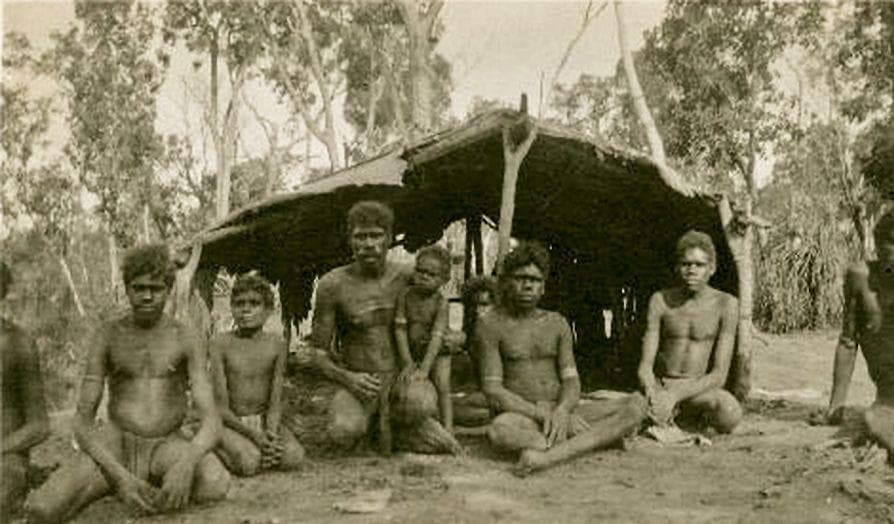
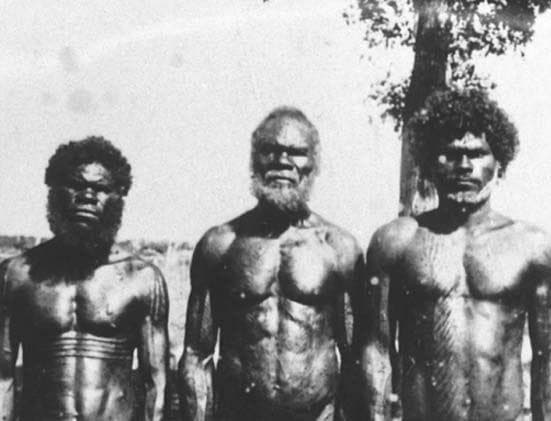
    Early on, age expectancy for hunter-gatherers was about 40 years. Of course, they didn't all drop dead precisely on their 40th birthdays, but they were more likely to have much shorter lifespans than people currently enjoy. Once humans moved to more centralized agricultural and then to more industrialized societies, life expectancy shot up thanks to better medicine and shelter. A good reference is the current life expectancy of modern hunter-gatherers such as the Australian Aborigines, which is 48 years. However, there are some groups, like the Tsimane, where the age of mortality can go as high as 78. As a cross-reference, in 2002 in the United States, life expectancy was around 85.

    0% upvoted
  7. 7

    You’d Live in a Small Group as Part of a Larger Whole

    Because they were constantly moving from place to place, hunter-gatherers kept the size of their communities small. Ancient societies usually lived in a group of 10-12 adults plus their children. These small groups, however, often belonged to the same “clan” of about 50-100 adults in the area. The clans descended from common ancestors and formed an allied society. Because humans stayed in small groups based on familial connections, they knew exactly who their friends were, which most likely made existing in the hostile ancient world much easier.

    0% upvoted
  8. 8

    You’d Pretty Much Eat the Same Things as You Do Today

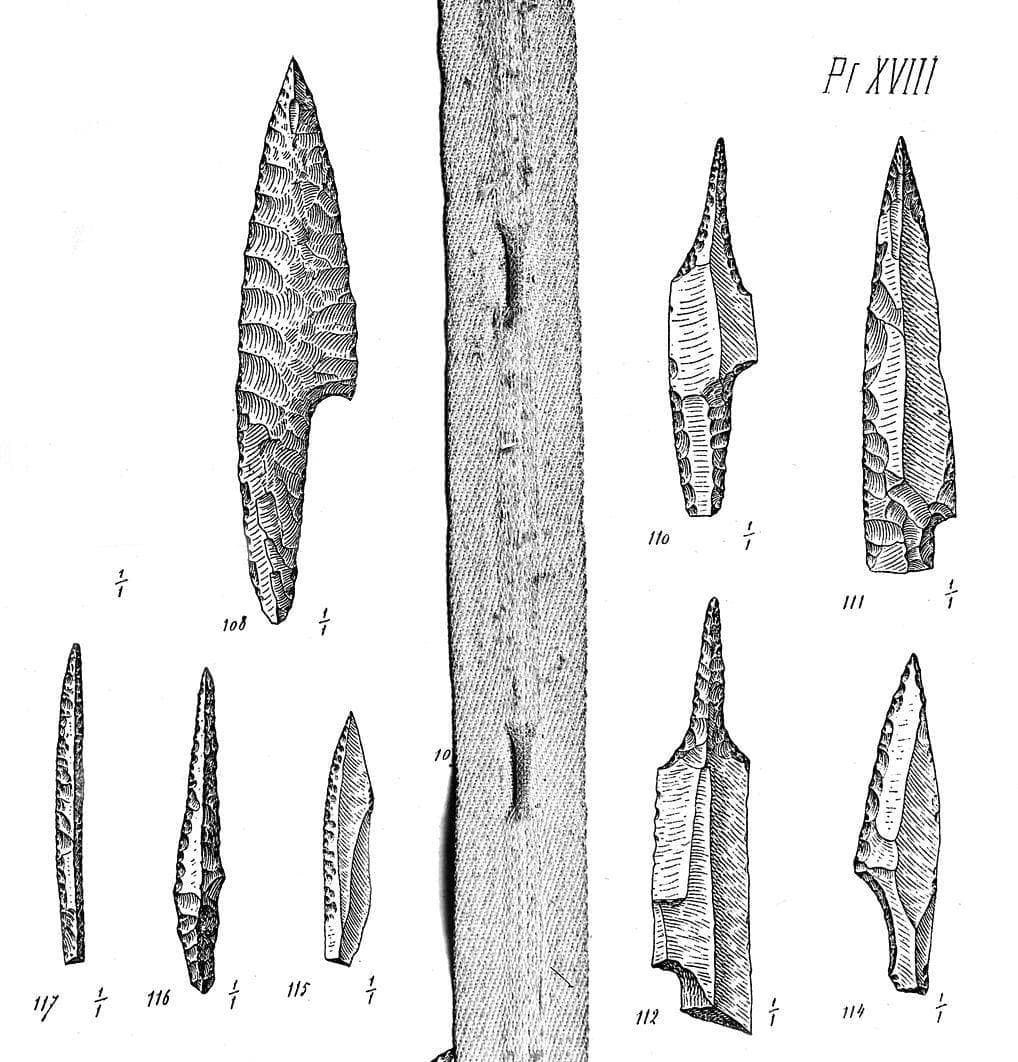
    You may think you have a sophisticated palate, but it's really not so different from what your hunter-gatherer ancestors ate on a daily basis. Sure, they weren't concerned with GMOs and gluten allergies, but the basic types of food were the same. Hunters killed all types of wild game, caught fish, and even gathered shellfish or edible insects. The women gathered whatever fruits, vegetables, seeds, tubers, and nuts they could find. Of course, what hunter-gatherers ate varied from place to place, but on the whole, their diets were fairly varied, including things like wild bird eggs and even honey.

    0% upvoted
  9. 9

    You Didn’t Necessarily Eat Healthier Than Modern People Do

    Contrary to what paleo dieters might tell you, eating like a hunter-gatherer isn’t the best thing to get you in shape. In fact, if you look at modern hunter-gatherer societies, they actually suffer from many health problems. The Hiwis, a group of hunter-gatherers in South America, are less physically developed than people who live in industrialized societies. They also suffer from parasites in their stomach and only half of their children survive past the age of 15.

    0% upvoted
  10. 10

    You May Have Lived in a Permanent Village

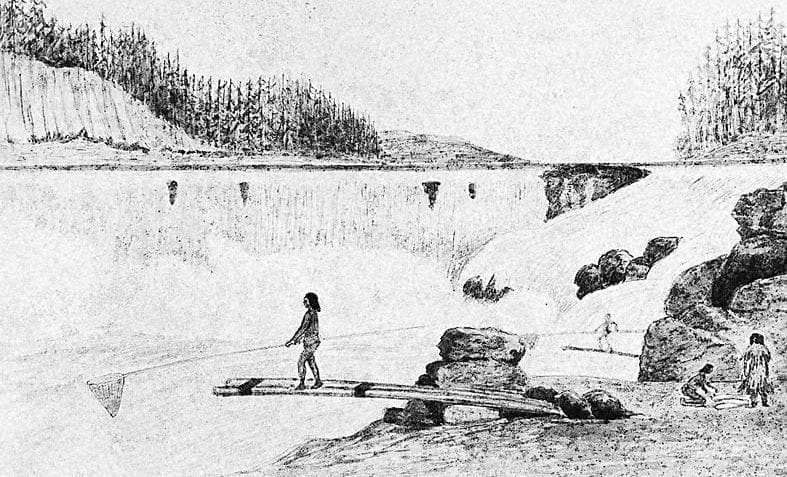
    You didn't necessarily have to lug your belongings from one place to another all the time. While most tribes were nomadic in nature, some found areas with abundant and renewable resources that allowed them to stay in a centralized location. These resources were usually found near areas with access to many water sources that could provide fish year-round. Native Americans who lived in the Pacific Northwest, for instance, were able to create settlements that thrived on an abundance of acorns and salmon. These places, however, were relatively rare.

    0% upvoted