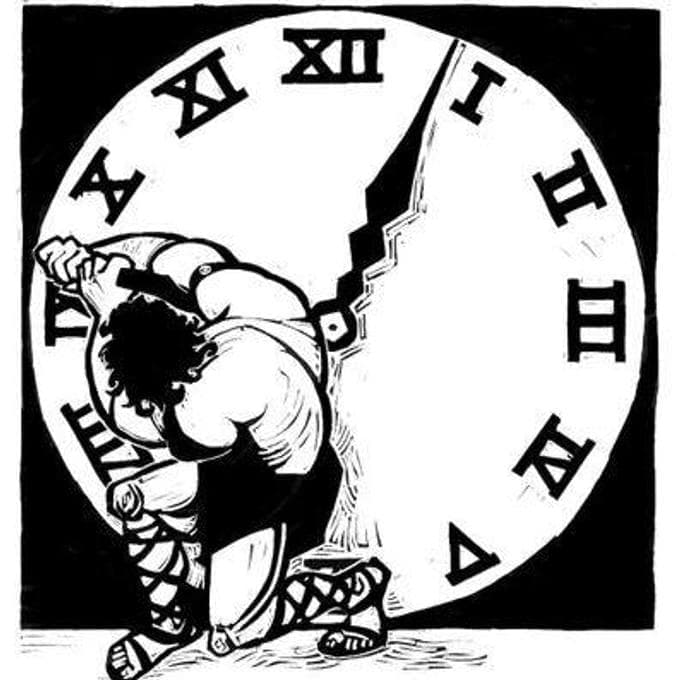
Two Options Exist For Getting Rid Of Twice-Yearly Time Changes

Daylight saving time starts in March and extends through the summer and early autumn until November each year. For the rest of the year, most of the United States follows standard time. In a scenario where the US opts to have the same time year-round, both are options. Currently, DST in the United States (most of it, anyway) begins on the second Sunday in March. It ends on the first Sunday of November. This timeframe was established by the Energy Policy Act of 2005 which extended DST by shifting the start date from April to March and the end date from October to November. Adopting permanent daylight savings time would eliminate this change and the subsequent return to standard time in November. As a result, mornings would generally be darker and evenings would be brighter all year. On the other hand, switching to permanent standard time would make daylight hours start earlier in the mornings but would result in sunsets at an earlier hour, too. Either way, no clock changing and potential disruptions would be necessary.