Skip to content
maxnews
Rankings

What Hygiene Was Like At The Court Of Elizabeth I

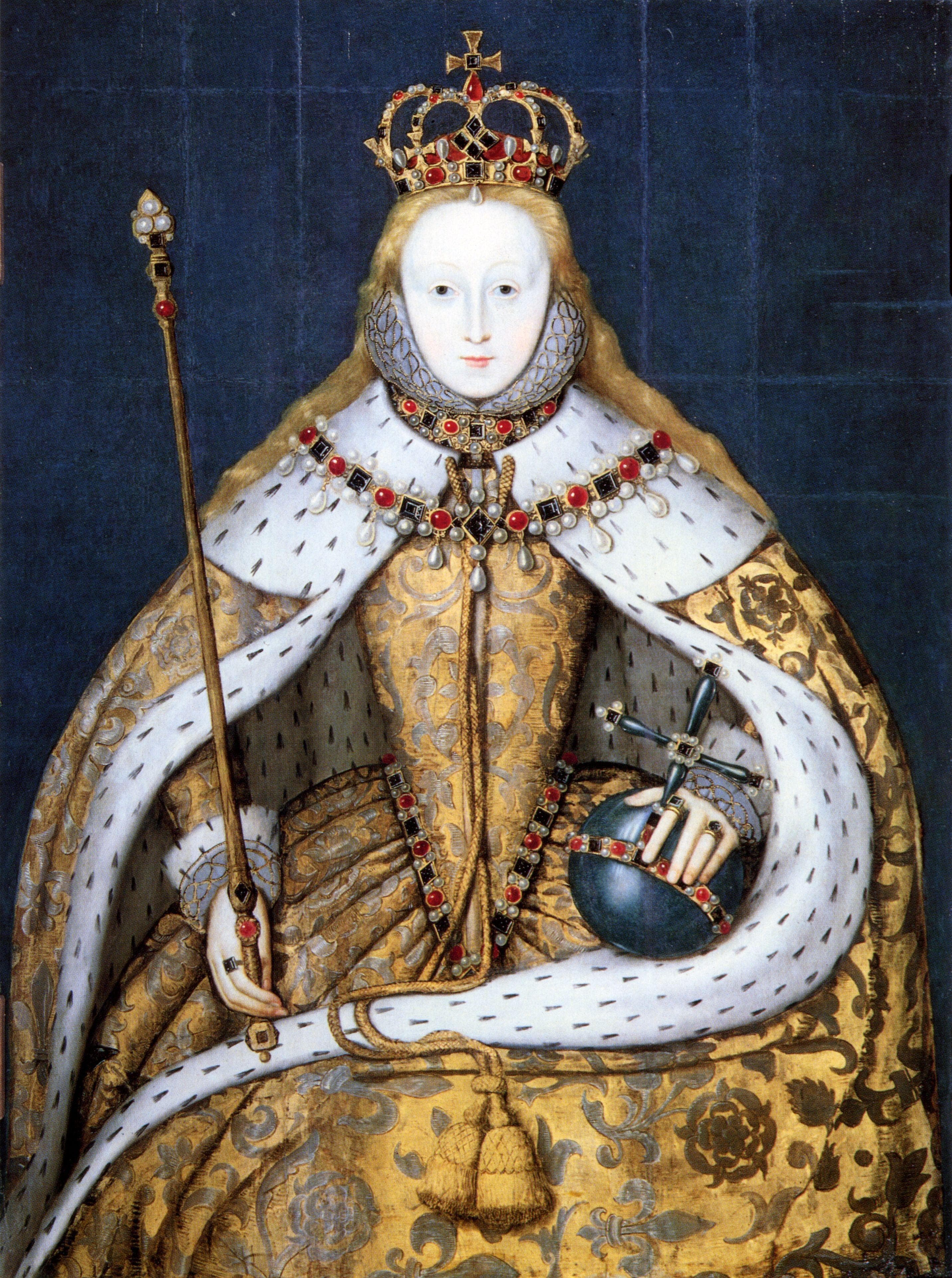
Standards of hygiene and cleanliness vary by historical time period, geographical location, cultural norms, and individual preferences. This was true during the Tudor period in England as much as it is in contemporary society. The 16th and 17th centuries were a mix of familiar hygiene practices and techniques for keeping clean that seem incredibly antiquated to modern observers. In the court of Queen Elizabeth I, levels of cleanliness and the like were in many ways modeled off of the ones undertaken by the monarch herself. Outside of that context, other English citizens of the time may have only hoped to aspire to such standards.

Entries
9
Votes
0
Updated
2 days ago

Tap upor downto vote. Your vote is added to Ranker's counts.

Voting identifies your browser with an anonymous fingerprint, stored only as a salted hash, to count one per visitor. Privacy

Source: Ranker, ranked by its voters.

  1. 1

    People Washed Their Faces Once A Day And Bathed Infrequently
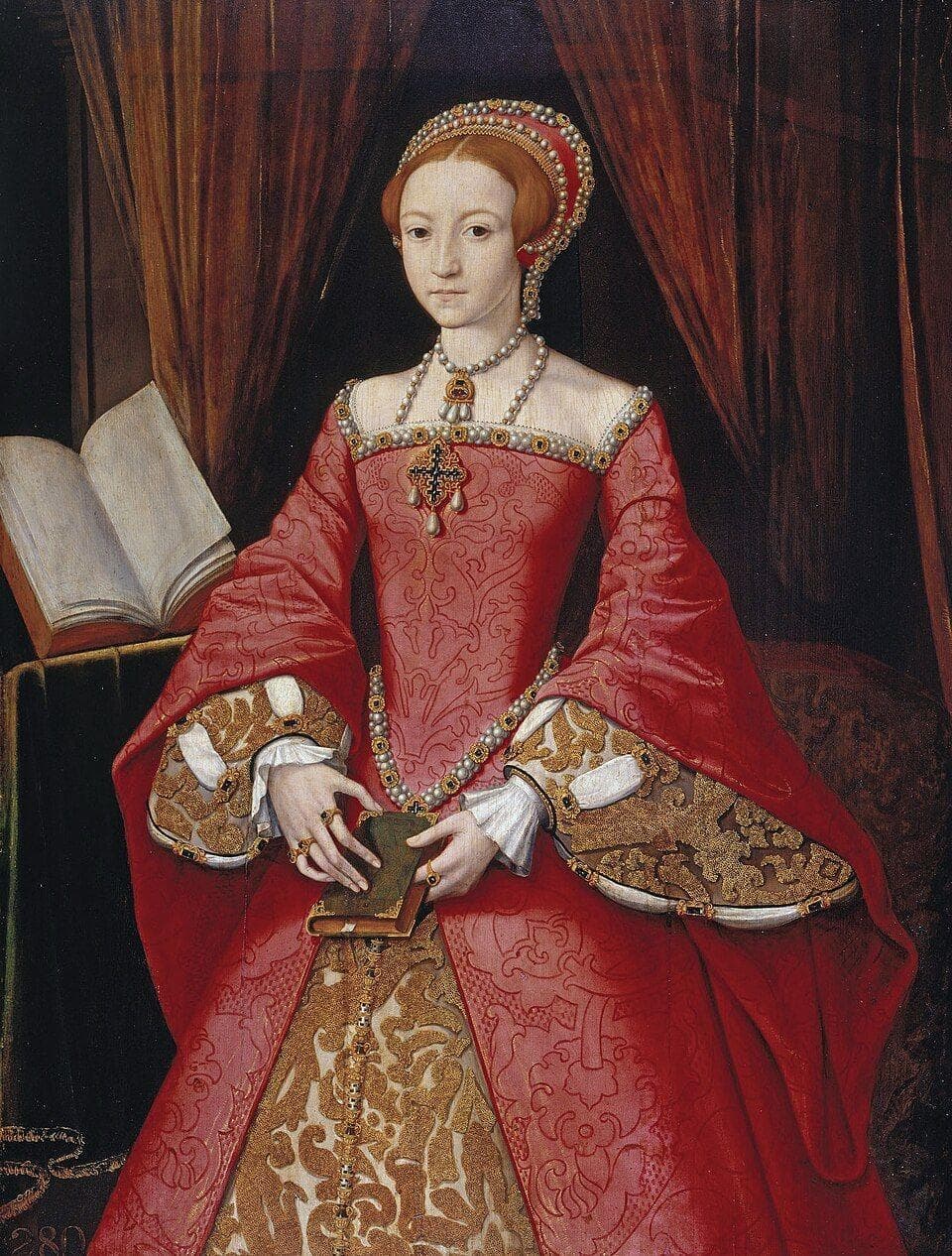
    By her own admission, Queen Elizabeth I did not enjoy mornings, often getting out of bed only after her attendants had already begun their duties in her bedchamber. Once out of bed, the monarch might go for a walk or read before using cloths and water with soap imported from Spain to wash her face. Generally, washing one's face was done daily, as was washing hands, alongside combing one's hair. Soap imported from Spain was called “Castile” soap. It contained olive oil and was brought to England in large amounts. It's mentioned by Samuel Pepys in his diary from the 17th century as well. In contrast to white, Castile soap, individuals of lesser means used “black” soap made out of fish oil or other less luxurious products. Queen Elizabeth didn't wash her whole body daily but was said to have done so at least once a month by one source and “every three months whether she needeth it or no” by another. While the queen had access to bathing with some sort of regularity, not everyone would have had the luxury. Courtiers would have wanted to present themselves with some level of hygiene, but keeping clothes clean was more important than bathing one's body. When baths were available, water might be shared, with men bathing before women and children bathing after them.
    0% upvoted
  2. 2

    Body Odor Was Controlled By Changing Undergarments Often

    With baths relatively infrequent, people in Tudor England adopted other techniques to address things like body odor. First and foremost, avoiding body odor was managed by changing undergarments regularly. Undergarments were used to absorb sweat and were cleaned quite often. Because undergarments were white - in contrast to dresses and other clothing that was dyed - they could be subjected to water and soap without the same concerns as other items. Soap was made lye (derived from wood ash) mixed with egg yolks and flowers, leaves, and other additives to give it a favorable smell. Additionally, undergarments were made of linen, with wool, leather, and silk kept away from the skin. White, linen garments could be cleaned with urine, especially useful for removing stains. The urine of red-headed boys was considered valuable for such needs. Water that was used to boil peas was also used to remove stains. Without access to formal laundresses and the like, it was also possible to swim in a river or other body of water to clean one's clothes.

    0% upvoted
  3. 3

    Outer Layers Of Clothing Were Kept Smelling Nice But Not Necessarily Cleaned

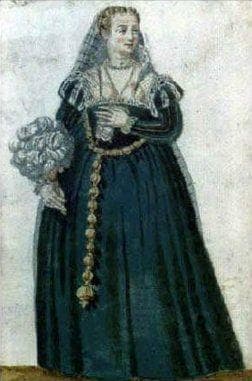
    While undergarments were washed fairly often, outer layers of clothing were not laundered with much frequency. Many of the fabrics were heavy and difficult to clean, as well as dyed with colors that would run when put into water. In order to keep dresses, coats, and other garments that didn't touch one's skin wearable, they were adorned with perfumes or masked with under some other odor-disguising practice. Hiding odors could mean adding “sweet bags” infused with perfume to clothing. This perfume was made from ambergris - a waxy substance excreted or vomited by whales - combined with scents like rose. Women also wore pomanders as accessories, similarly full of spices and herbs to hide odors. It was also believed the scents from pomanders had medicinal benefits. One recipe for pomander (the name for the container and the contents) called for tree bark and rose shrugs ground and blended into rose water. It was heated, after which cinnamon and cloves were added. Then, the concoction was formed into an apple shape, rolled in ambergris and musk, and blended.

    0% upvoted
  4. 4

    Toothpicks And Cloths Were Used For Oral Hygiene

    Queen Elizabeth I cleaned her teeth using techniques common to the 16th century, but oral hygiene was not practiced to a large extent. The monarch's teeth decayed over time, something numerous people who came into contact with her noticed. Elizabeth used “tooth cloths” upon which a mixture of white wine, vinegar, and honey was applied to clean her teeth. Additionally, the queen reportedly received numerous toothpicks as gifts. None of the queen's efforts combatted the change in her teeth over time, however. She had an affinity for sweetmeats and, as a result, as French ambassador Andre Hurault, Sieur de Maisse described in 1597: As for her face, it is and appears to be very aged. It is long and thin, and her teeth are very yellow and unequal, compared to what they were formerly, so they say, and on the left side less than on the right. Decay reportedly made Elizabeth's breath especially heinous, so she used water mixed with cinnamon, rosemary, and other herbs to try to hide it. This was a common practice during the 16th and 17th centuries. The queen's teeth were a problem for her to such an extent that they were either pulled out or fell out. Another visitor, German Paul Hentzner, observed: a face that is oblong, fair but wrinkled; her eyes small, yet black and pleasant; her nose a little hooked; her teeth black… she wore false teeth. In Elizabethan England, not everyone would have had the same access to sweets like marzipan and candied fruit, so the types of problems Elizabeth and others of higher means had with their teeth didn't trickle down to the lower classes with as much frequency. That said, black, rotted teeth were a sign of affluence and admired by many.

    0% upvoted
  5. 5

    Queen Elizabeth I Wore Toxic Makeup And Her Subjects Did Too

    It's fairly well known that Queen Elizabeth I made her appearance pale, notably applying a white substance made out of “eggwhite, powdered eggshell, alum, borax, and poppy seeds” to her face several times a week. This was supposed to lighten her skin and make it smooth. She likely used other materials and supplemented them products that contained ceruse. Ceruse, the best of which came from Venice, was also used by Elizabeth to cover up marks on her face from smallpox. The ingredients of ceruse - namely lead - are now known to cause the skin to become discolored and could lead to rotted teeth, bad breath, hair loss, and other health ailments. Queen Elizabeth I wasn't the only person to use such products during the 16th and 17th centuries. It was common for individuals - men and women alike - to try to make their own faces appear lighter and to try to dye their hair to look like the queen. Puritan John Stubbes criticized such behaviors, admonishing, Women, many of them, use to colour their faces with certaine oyles, licquors, ungruentes, and waters made to that end, whereby they thinke their beautie is greatly discolored but who seethe not that their soules are not thereby deformed.

    0% upvoted
  6. 6

    Lice, Fleas, And Bedbugs Infested Linens And Mattresses

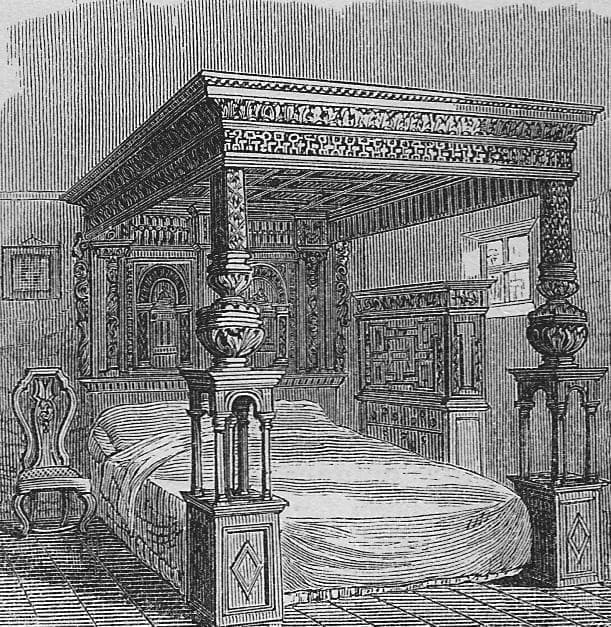
    Bugs and vermin were problematic in Elizabethan England and there were efforts to keep them at bay, although with limited efficacy. Homes and, presumably, royal residences, took care to treat mattresses with oils and herbs to try to keep lice and fleas from infesting them. Additionally, each night before Queen Elizabeth I went to bed, one of her ladies in waiting was tasked with checking the mattress and linens for fleas and the like. Most nights, the queen slept with at least one of her ladies, with several others sleeping in on other beds in the royal bedchamber. Bedclothes were washed often, places where linens were kept were fumigated, and floors were swept regularly. Fumigation was undertaken using specific pots designed to heat herbs and let the smell out of holes, all to cleanse the air. Smoke, present from open fires used for a host of purposes, also helped fumigate areas. Keeping one's home and living space free of bugs, foul odors, and other discomforts was not only desirable in Tudor England - it also signaled a sense of respectability. This was comparable to the desire to keep linens free from stains and odors.

    0% upvoted
  7. 7

    Being Clean-Shaven Was Considered Undesirable

    As one common grooming practice undertaken by men, shaving wasn't as much of a concern in Elizabethan England. This was because having a clean-shaven face signaled a lack of masculinity or indicated one was a member of the clergy. In many ways, the beard worn by King Henry VIII influenced this, and facial hair was worn by the majority of men in England through most of the 16th century. Facial hair isn't the only type of body hair, of course, and women removed body hair (pubic hair, for example) to hide signs of disease. Hair loss was a sign of syphilis, one that could be hidden by getting rid of pubic hair entirely. Depilatory creams that included arsenic, quicklime, and water were used alongside shaving. That said, according to Carol McGrath, “public hair… was much admired during the Renaissance and among some, if not all Tudors.”

    0% upvoted
  8. 8

    Human Waste Was Supposed To Be Collected And Discarded, But It Didn't Always Happen

    Removing human waste from royal residences and other locations in Elizabethan England was accomplished by using chamber pots, visiting a “House of Easement,” or simply relieving oneself when the need arose. Chamber pots were used within dwellings or personal chambers by men and women alike. Their contents were discarded in the streets, cesspits, or nearby waterways. Houses of easement - communal outhouses - were available for public use. They were located in cities near waterways and accommodated 14 people at a time. This waste was also likely to end up in a waterway such as the River Thames. Another communal latrine called Whittington's Longhouse also existed in London and linked up with the sewer system developing under the streets of London. This public toilet had “64 seats, one side for men and the other for women.” In many instances across the city, waste ended up in the River Thames, however, causing a problem when it came to the smell overwhelming the city. Queen Elizabeth I didn't have to use a public toilet, nor did she worry about human waste. At her residence, she was serviced by an attendant - akin to her father's groom of the stool - who was responsible for collecting and keeping track of her excretions. One of the women who did this was Kat Ashley, an attendant who would have necessarily been trusted by the queen. And, when it came to toilet paper, rich commoners used sticks and sponges or moss or saltwater while members of noble classes likely used softer cloths or wool. Elizabeth provided officials at her lodgings with closed stools or toilets, too, but everyone else was supposed to use a house of easement. This didn't always mean it happened, and it was known that people would urinate into the fireplace or other locations when they needed to do so.

    0% upvoted
  9. 9

    Wigs, Furs, And Rushes Attracted Bugs

    After Queen Elizabeth I began losing her hair, apothecary John Hemingway had her apply salves and pomades to her head to try to slow the process. It didn't work and, as a result, the monarch decided to keep her hair curled to hide her bald spots. Elizabeth also wore wigs which were a way to keep the appearance of red hair, a signature look for the queen. The auburn color of her wigs resulted in a trend, with wigmakers dying wigs for customers who wanted to don red hair, too. Wigs were susceptible to lice and, to address the problem, were likely combed often just like natural hair. Combs were made out of ivory, bone, or wood. Lice and fleas made their homes in fur clothing, although wearing fur could also keep the bugs off one's skin. There were numerous guides on how to get rid of lice, too, with advice such as: Make a good fire and put quick silver [mercury] therein, and hang the clothes that are troubled with lice over the fire in the smoke… Take the herb coriander and seethe it well in water, and then sprinkle the same water in your chamber and rooms, and it will destroy all the fleas. In addition to any and all fur present at royal court, rushes (reeds woven into floor coverings) also gave bugs a place to hide. Rushes were also repositories for dog feces and urine (humans likely urinated on them at times, too).

    0% upvoted