Skip to content
maxnews
Rankings

What Happened Immediately After The Collapse Of 10 Major Historical Powers

Throughout history, great powers have risen and fallen. Some disappear suddenly, while others take decades - if not centuries - to slip into the night. The fall of one order usually provides a vacuum for another to fill, but the immediate transitory period is one of chaos, drama, and intrigue. A major power's collapse in one area can fundamentally change the character of another one thousands of miles away. Alexander the Great's sudden demise dictated the course of the next 300 years of the Hellenic world, while the fall of Constantinople had a huge impact on Moscow. This collection looks at what really went down right after these major powers fell.

Entries
10
Votes
1.4K
Updated
3 days ago

Tap upor downto vote. Your vote is added to Ranker's counts.

Voting identifies your browser with an anonymous fingerprint, stored only as a salted hash, to count one per visitor. Privacy

Source: Ranker, ranked by its voters.

  1. 1

    The Fall Of The Roman Empire Wasn't Quite As Bleak As Is Often Suggested
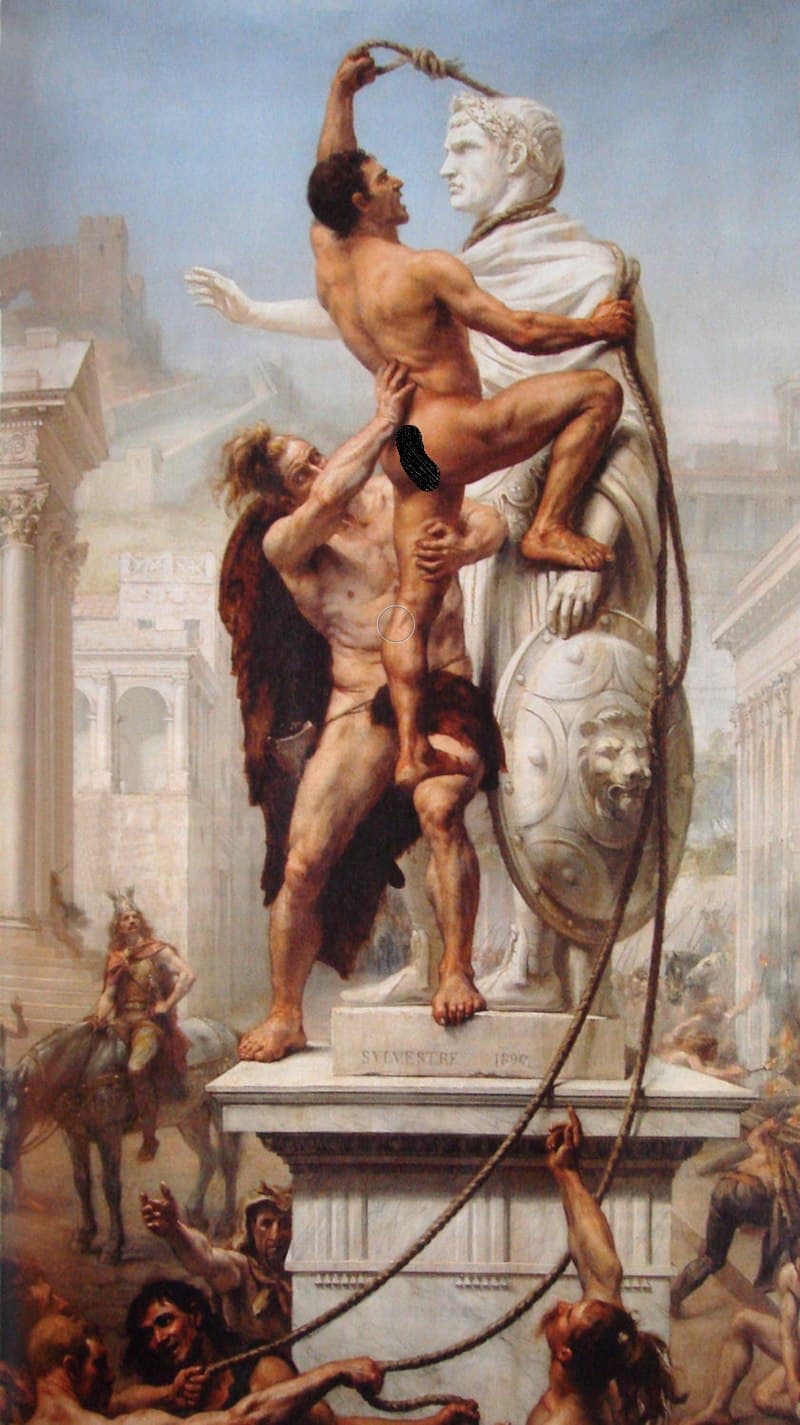
    In 476 CE, the last Roman emperor was deposed and allowed to live out his days peacefully as the barbarian king Odoacer took pity on the young lad and didn't see him as a threat. What caused the once-mighty empire to fall is one of the most-studied questions in all of history. From Edward Gibbon's 18th-century classic, The History of the Decline and Fall of the Roman Empire, to the present day, scholars continue to debate how the western portion of the Roman Empire ceased to be. The post-Roman era is often called the Dark Ages, because without the guiding light of Roman civilization, the lands once under Roman rule regressed toward barbarism and mysticism. This interpretation is largely an invention of later writers who saw the Romans as the pinnacle of civilization; the truth isn't quite so simple. A few key innovations were lost to the ages, but the so-called Dark Ages weren't actually all that dark. It wasn't even all that long before Rome once again emerged as Europe's key city, this time as the seat of the Catholic Church. Innovations in agriculture and a more agreeable climate meant that even the less-fertile regions of northern Europe significantly increased their food production. Islamic scholars greatly advanced the studies of engineering, mathematics, and science, while the reign of Charlemagne the Great had a profound impact on European art, culture, and literature.
    94% upvoted
  2. 2

    Alexander The Great's Empire Collapsed Immediately After His Death

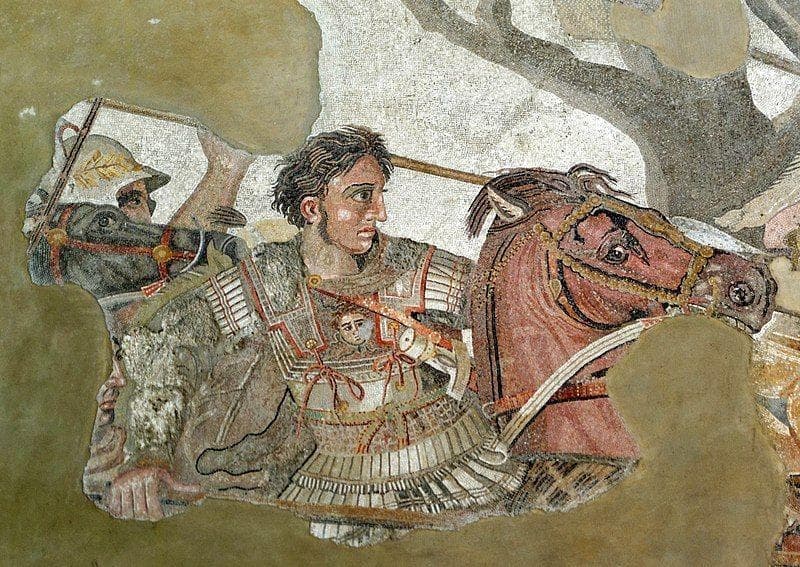
    Before Alexander the Great's body was even cold, or possibly before he even passed, his generals were squabbling over his empire. With no chosen successor and an unborn heir, his newly won empire was there for the taking for whoever was strong enough to seize it. As it turned out, nobody was. Alexander's careful management of power meant that he showed no favor to any of his generals, lest any ever gain the influence to challenge his own rule. As a mechanism for consolidating his own power, it worked as intended. However, the parity between the generals meant that they'd never accept the rule of another. Similarly, the delicate relationship between the mounted nobility and the infantry was kept intact by Alexander alone - and just barely by the end of his life. An attempted mutiny was stamped out in the most literal sense by elephants, but the diadochi ("successors") established splinter kingdoms carved out of Alexander's army. His own body was the subject of kidnapping by Ptolemy en route back to Macedon. In the wars of the diadochi, many fell, including Alexander's son, but others would rise. The two biggest winners were Ptolemy and Seleucus Nicator, who both established great empires in their own right. Ptolemy's dynasty ruled Egypt for 300 years, while the Seleucids reigned over a vast domain in the Near East. Both successor states ultimately fell under the rule of the Romans.

    94% upvoted
  3. 3

    The Tokugawa Shogunate's Demise Brought About Rapid Modernization

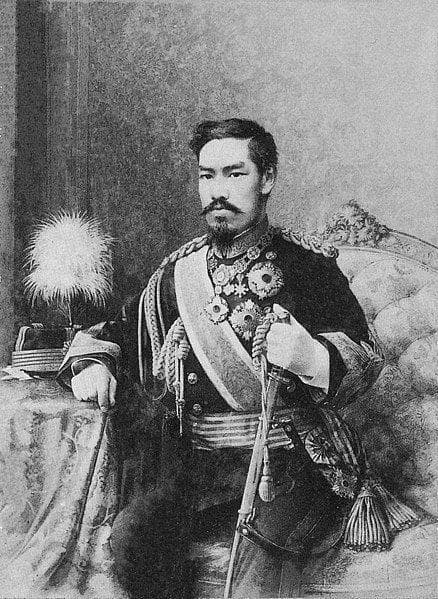
    After victory in the climactic battle of Sekigahara in 1600, Tokugawa Ieyasu brought an end to more than a century of internal warfare in Japan with the establishment of the Tokugawa Shogunate. He and his descendants ruled Japan with an iron fist for 265 years. But the harsh measures that kept the peace saw Japan fall behind technologically, and the arrival of much larger American warships triggered a crisis of confidence in the Shogun. Modernizers from the domains of Satsuma and Choshu rallied behind the emperor and successfully deposed the Shogun in favor of the Meiji Emperor. Under the reign of Emperor Meiji (“enlightened rule”), Japan went from a feudal agrarian state to a modern market economy in a single generation. The breakneck speed of the transition was made possible by massive fact-finding ventures abroad and the symbolic unity the emperor’s endorsement provided for key reforms. If the defeat of China in the First Sino-Japanese War was a surprise to the West, the decisive victory over the Russian Empire a decade later definitively announced Japan’s arrival on the world stage.

    94% upvoted
  4. 4

    The Spanish Empire Dissolved Rapidly

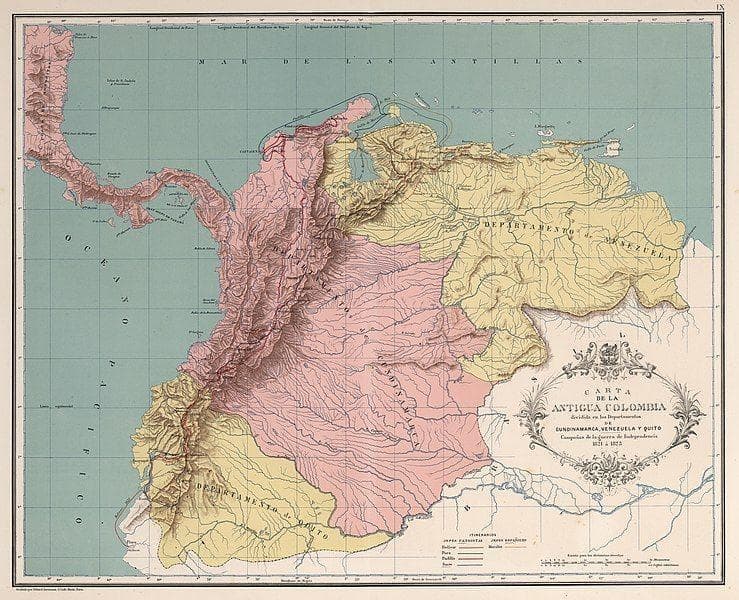
    Spain’s massive overseas empire disappeared in the blink of an eye when a series of independence wars broke out in South America. Simon Bolivar, the general who oversaw many of the victorious efforts against Spain, dreamed of establishing a great South American nation in the mold of the US, albeit one without slavery. Bolivar became the first president of the large but short-lived republic of Gran Colombia, a federation of nations that began in 1819 and included modern-day Panama, Venezuela, Ecuador, and Colombia, as well parts of Peru and Brazil. Internal disagreements ultimately saw Gran Colombia dissolve in 1831. By the 1890s, the Spanish Empire had been whittled down to its African holdings and a precarious hold on Cuba and the Philippines. The latter two territories would be lost in the Spanish-American War. Though ostensibly fighting to free Cuba and the Philippines, the aftermath of the conflict revealed the true, self-serving motivations for the American intervention. The Philippines almost immediately plunged into a long and costly guerilla conflict with the US, while Cuba also chaffed under American influence. Today, the Spanish still hold a few enclaves on the North African coast and the Canary Islands, but the days of its globe-spanning empire are long gone.

    94% upvoted
  5. 5

    The Byzantine Empire's Fall Had A Major Influence On Moscow

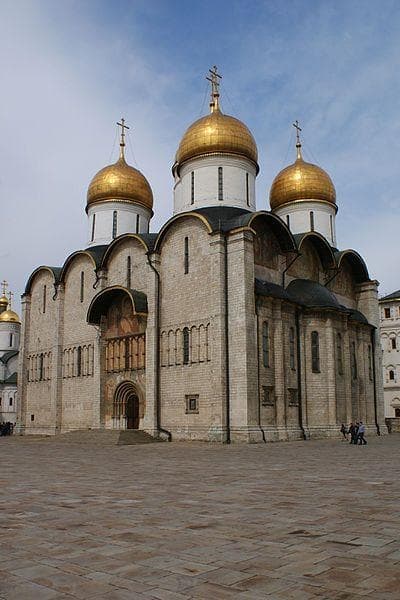
    The eastern portion of the Roman Empire, better known as the Byzantine Empire, outlasted its western half by almost 1,000 years. The borders expanded and contracted significantly over its long life. Even when it was reduced to little more than the lands around the great city of Constantinople by the 15th century, it still took multiple attempts by the Ottomans to finally conquer it. The fate of the last emperor depends on which source you choose to believe. One account has Constantine XI fall bravely in a defiant last stand, another that he turned to stone, while a less glorious tale has him perish in an attempted last-ditch escape disguised as a woman. Regardless, a new era began as the victorious Ottomans moved their seat to the newly conquered city. Constantinople was sometimes called the "second Rome," as it was the seat of the Orthodox Church and had replaced Rome as the true center of Christianity. With the Muslim conquests of 1453, a wave of Byzantine scholars and officials arrived in Moscow. A Byzantine princess named Sophia married Ivan III, the Grand Prince of Moscow. Great construction projects such as the Kremlin and the Dormition Cathedral were completed during Ivan's reign by architects from Southern Europe. His grandson, also named Ivan, would later assume the title of Czar ("little Caesar") of Russia. Moscow then became the "third Rome."

    91% upvoted
  6. 6

    The Ottoman Empire Gave Way To Turkey

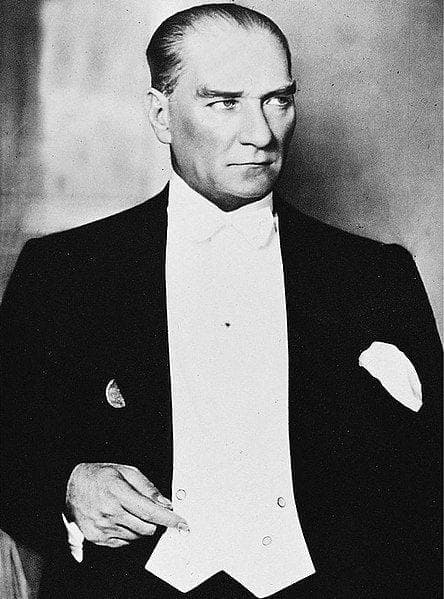
    One of history’s longest and most influential empires, the Ottomans rose from just one of many Turkic tribes to a Eurasian powerhouse over the course of its 700-year existence. The decline of the Ottoman Empire was lengthy, but it might just have pulled through had it not backed the wrong horse in World War I. The empire was partitioned and occupied by the victorious Allies following its surrender on October 30, 1918, shortly before the Germans threw in the towel. The severity of the Treaty of Sèvres to Turkish interests ignited a further conflict. Mustafa Kemal Atatürk's nationalist forces prevailed, and the Republic of Turkey was established in 1923. Atatürk served as its first president and oversaw sweeping reforms to establish Turkey as a modern, secular nation.

    93% upvoted
  7. 7

    The British Empire Disintegrated After World War II

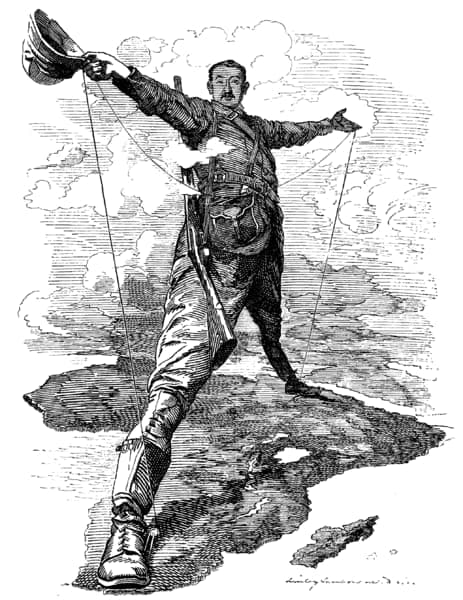
    Much to the great annoyance of both Argentina and Spain, some overseas territories are still ruled by Britain, but the vast majority of the once-expansive empire has long since ceased to be. At its height, the British Empire covered a quarter of the entire globe, but the status of the colonies varied greatly. Not all colonies were ruled equally; the so-called White Dominions of Australia, Canada, New Zealand, and South Africa were effectively self-governing states on an equal legal footing with the home nations. The high number of citizens with European ancestry apparently made them more capable of ruling themselves, while scant regard was ever paid to the indigenous populations of those nations. It wasn't until after the Second World War that the British Empire's breakup began in earnest. Exhausted and overstretched by the conflict, Britain was simply in no position to maintain a global empire. India's long and difficult march to independence finally came to an equally troublesome end with the 1947 partition of India and East and West Pakistan (later Bangladesh). Most of the African nations gained independence in the 1950s and '60s. The borders of many of these new nations were haphazardly drawn by officials with little care for cultural and linguistic ties. In the present day, many of these former subjects are members of the Commonwealth of Nations.

    87% upvoted
  8. 8

    The Mongol Empire Was Fractured By Power Struggles

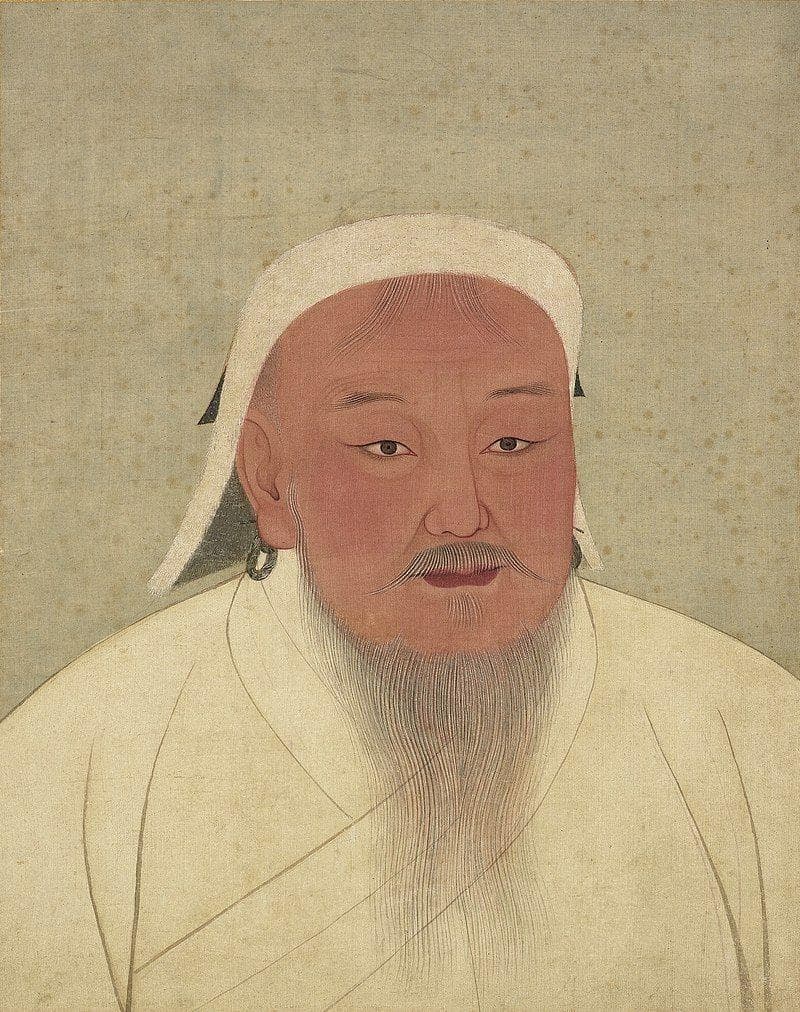
    Genghis Khan unified the Mongol tribes under a single banner in the 12th century. The Mongols' innovative tactics, supreme mobility, and a merit-based system of promotion meant they were light-years ahead of their opponents. Consequently, they conquered vast swathes of territory under Genghis Khan and his chosen successor, Ögedei - who might not have been the equal of his father, but was capable enough to not only hold onto the empire, but expand it. Ögedei's downfall, like his successors, would be alcoholism. Short reigns and civil wars weakened the overall authority of the khan and saw the empire fragment into four khanates. Although nominally the ruler of the entire empire, Genghis Khan's grandson Kublai's authority outside of his own considerable domains was limited. The split was formalized into four khanates upon Kublai's passing in 1294. The last of these successor khanates wasn't conquered until 1702.

    90% upvoted
  9. 9

    The Dissolution Of The Soviet Union Led To A Chaotic Decade

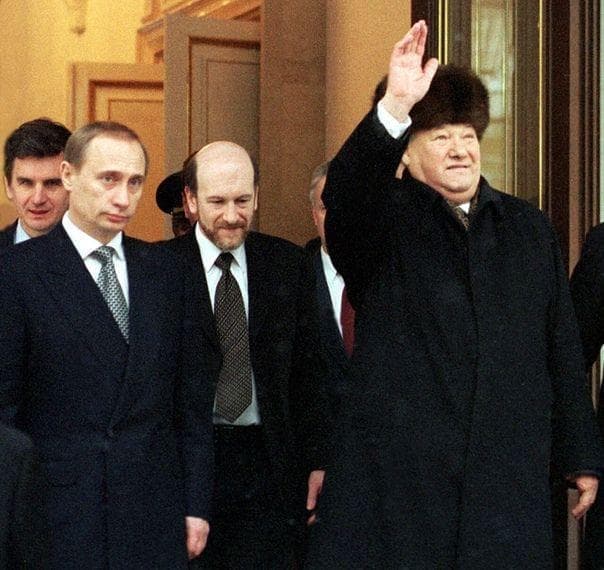
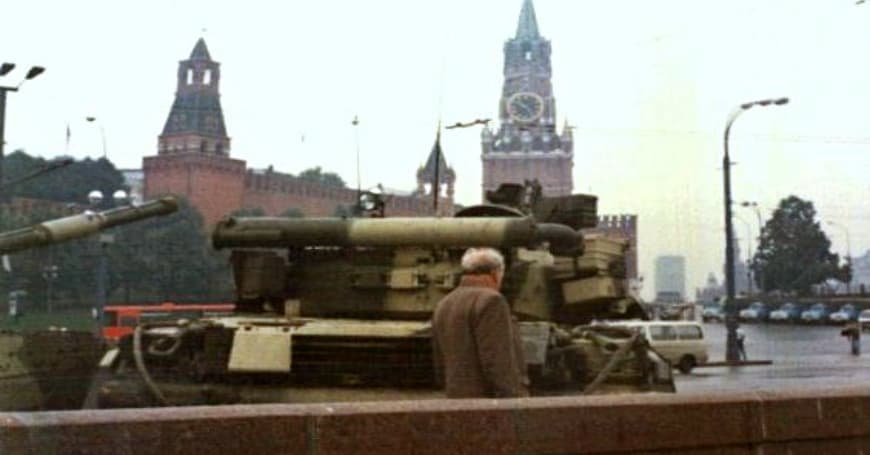
    The collapse of the USSR was decades in the making, but came rather suddenly in 1991. The immediate aftermath of the Soviet dissolution saw the formation of 15 nations, of which Russia was by far the largest and most populous. The Russian people were hopeful the fall of communism would immediately usher in a new era of freedom and blue jeans. Those hopes proved to be ill-founded. As was so often the case with Russian history, things were about to get a whole lot worse. The Wild '90s was a period of rampant corruption, soaring crime, and economic instability. Some robber-barons grew fabulously wealthy by seizing state assets for a fraction of their true value. But many more people were left unemployed and destitute by the collapse of the system. Years of savings were rendered worthless by the fluctuations of currency. As cynicism for the new order grew, Boris Yeltsin turned to the oligarchs to ensure his re-election and prevent the communists from returning to power in 1996. The ravages of the Wild '90s fostered a deep mistrust with the West, and in this climate of nationalism, Yeltsin's chosen successor, a little-known former KGB officer named Vladimir Putin, assumed control.

    86% upvoted
  10. 10

    The Umayyad Caliphate Was Almost Wiped Out In One Stroke

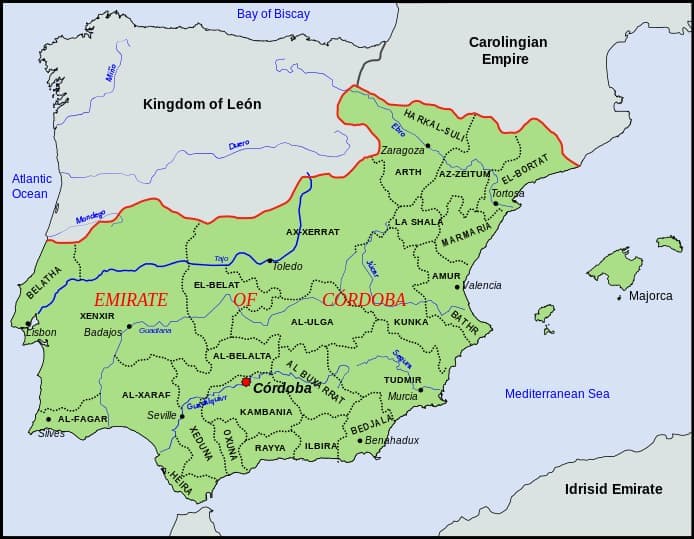
    Under the Umayyad Caliphate, the Muslim conquests reached their greatest extent, stretching all the way from Portugal to Pakistan. At the Battle of the Zab, the Umayyads were vanquished by the Abbasids in a shattering defeat that toppled the dynasty. The surviving members of the dynasty were lured out under promises of amnesty, only to be slain. Only one survivor managed to carry on the family. Abd al-Rahman, an Umayyad prince, escaped to Iberia after several years on the run. He established a new kingdom, with Cordoba as the capital. Over the course of some 25 years, he subjugated the other Muslim rulers in the area to become the preeminent ruler in the Iberian peninsula. His descendants ruled for another century before the Caliphate fractured into several smaller kingdoms.

    89% upvoted