Ancient Egypt
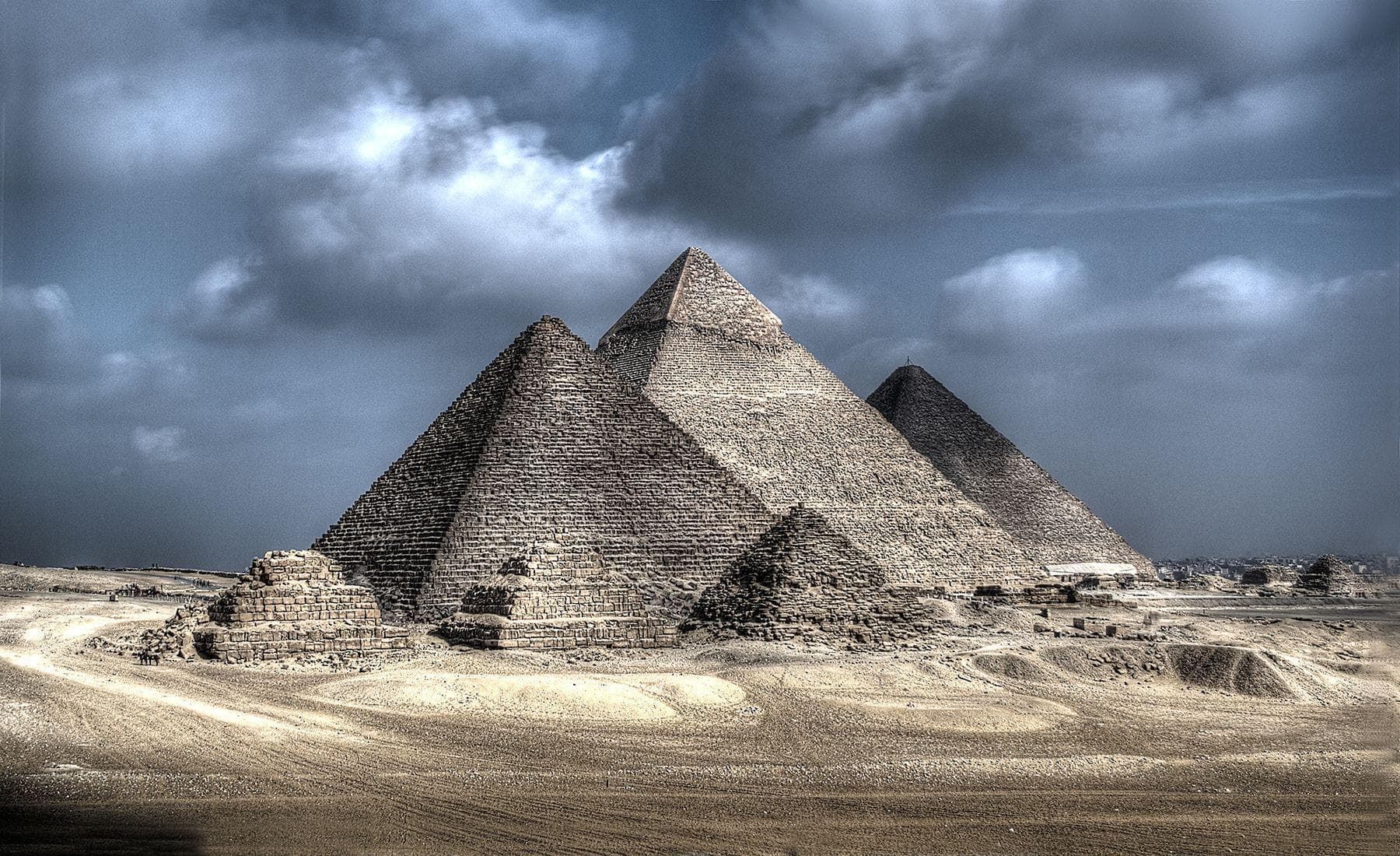
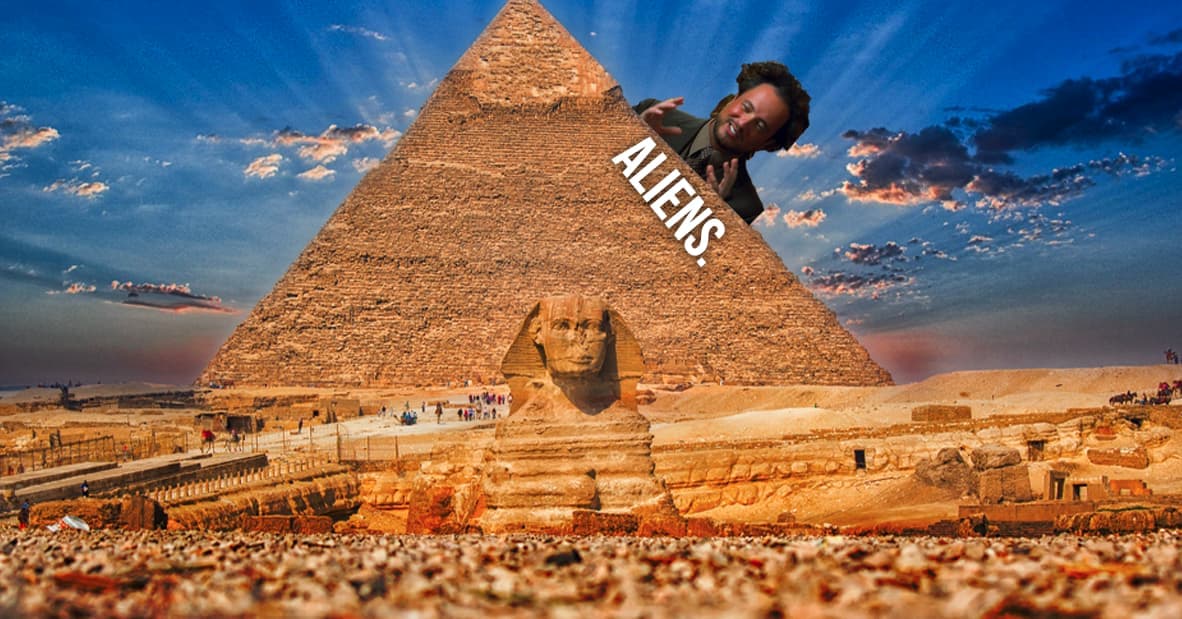
Mystery and intrigue have surrounded the ruins of Ancient Egypt for several millennia. Around 3,000 BCE, people began to congregate along the lower Nile River and soon created one of the greatest civilizations in human history. Their cultural output, their riches, and their engineering astounded the ancient world. The Egyptians boasted a complex hieroglyph writing system, developed a sophisticated mummification process, and created incredible monumental structures that have survived to this day. Some of Ancient Egypt's most well-known structures are the Pyramids of Giza - the largest of which, the Pyramid of Khufu, is the only remnant of the Seven Wonders of the Ancient World. It has a base of 756 feet, and when originally built, reached 481 feet in height. It was the tallest human-made structure for more than 3,000 years of recorded history. The immense Pyramid of Khufu is even more incredible when considering it was made by the precise placement of stones that could weigh more than 60 tons. Historians don't completely agree on how the Egyptians made the pyramids, or the size of the workforce required to build them, but there are many theories. Since the Egyptians did not have crane technology, some historians theorize the Egyptians used ramps. Others, however, claim this would be impractical; the stones would be too large, the ramps too long, and the workforce too small to do this in a timely manner. Instead of ramps, others believe the Egyptians developed a complex hydraulic system, as suggested by the intricate shafts in the pyramid's interior and the high water table inside the Pyramid of Khufu. Regardless of how the pyramids were made, the Ancient Egyptians were a highly advanced society and became the jewel of the ancient world, so much so that they became a target of envy and military domination.