Skip to content
maxnews
People

What Actually Happened To Historical Figures Who Were Exiled

Exiles. History is littered with the stories of people who, for a variety of reasons, were cast away from their homes and forced to live in foreign lands. Getting exiled was always a risk in the game of politics. Make the wrong enemy or fall from grace, and men and women who lived public lives could be banished by their opponents to get them out of the way. In the ancient world, many important historical figures were cast out of places like Athens and Rome, where citizens took banishment very seriously. The modern world continues to use exile as a political tool to push out dictators, overthrow governments, and silence inconvenient activists. Were exiles ever able to return home? For some, banishment was permanent. For others, it was temporary, and a chance to continue their work from afar. Some accepted their fate, others plotted revenge. Whether it was a final sentence or just one chapter in a person’s story, exile has featured in the lives of many historical figures.

Entries
13
Votes
1.8K
Updated
2 days ago

Tap upor downto vote. Your vote is added to Ranker's counts.

Voting identifies your browser with an anonymous fingerprint, stored only as a salted hash, to count one per visitor. Privacy

Source: Ranker, ranked by its voters.

  1. 1

    Napoleon Bonaparte Was Exiled Again, After The First Time Didn't Stick
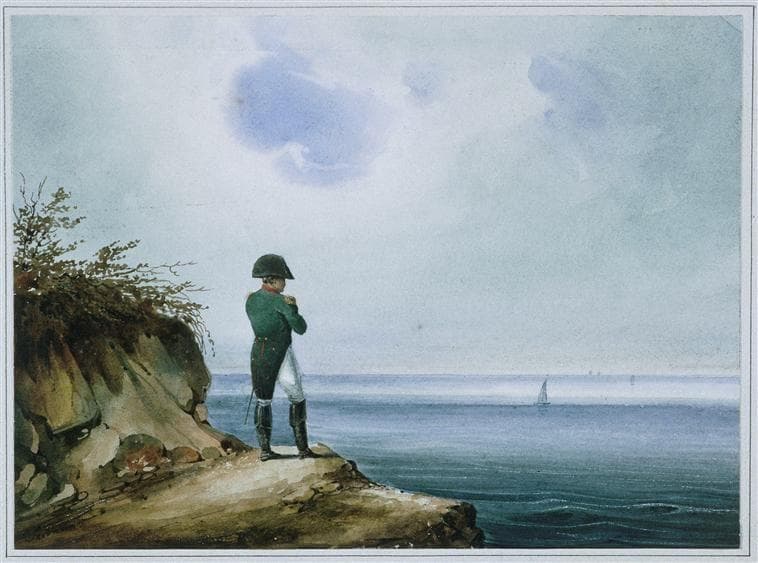
    In 1814, most of Europe breathed a sigh of relief: The decades-long French Revolutionary and Napoleonic Wars had finally ended, as Napoleon Bonaparte abdicated as emperor of France. He was then exiled to the island of Elba. Just 10 miles off the coast of the Italian peninsula, Elba was well connected to the continent. So connected, in fact, that Napoleon escaped after less than a year's residence and stormed his way back to France. During the so-called 100 Days, he scraped together what support and manpower he could to launch a brief comeback that ended with his defeat at the Battle of Waterloo in June 1815. Napoleon now faced another exile. This time, he was sent far, far away: to the remote island of St. Helena in the south Atlantic, where there was little hope he could ever return to Europe. As the British newspaper The Observer crowed in 1815: If the Island of [Capri] acquired celebrity by the residence of Tiberius, so the Islands of Elba and St. Helena will assume a local importance - one from being the first, the other the last scene of Napoleon's fall from the pinnacle of power to the solitude of captivity! While on St. Helena, Napoleon tended to his legacy by writing his memoirs. He also made the most of the limited social circle that surrounded him and received whichever visitors stopped on the island, including colonial officials and dignitaries. One person who was not a friend was Sir Hudson Lowe, St. Helena's British governor. Lowe provoked the ex-emperor's ire when he referred to Napoleon as “general," not “emperor.” Napoleon's stay on the damp, castaway island lasted less than six years. He passed in 1821 at the age of 51. Various theories attribute his demise to stomach cancer, severe stomach ulcers, or arsenic poisoning.
    93% upvoted
  2. 2

    Benito Mussolini Ousted Ethiopian Emperor Haile Selassie In The Years Leading Up To WWII

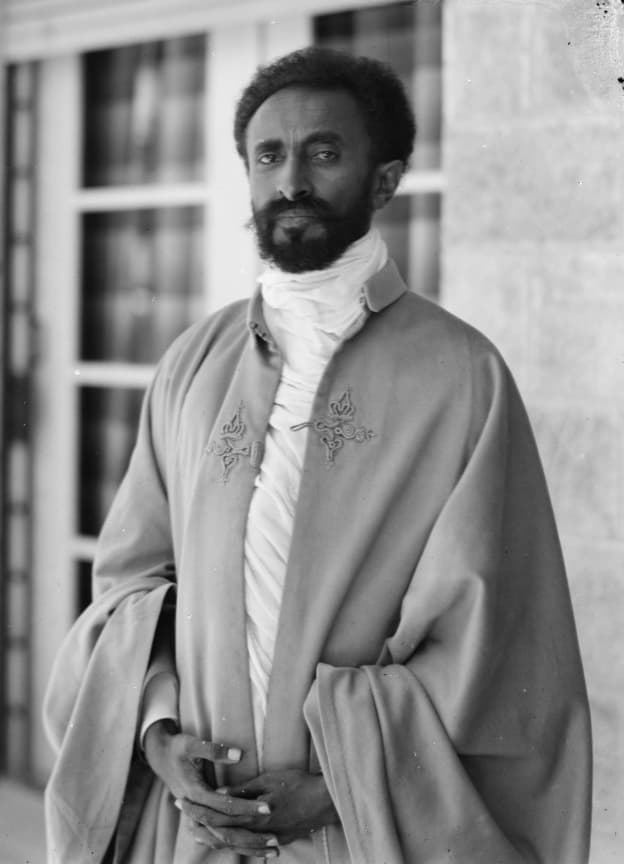
    On June 30, 1936, Emperor Haile Selassie of Ethiopia stood before the League of Nations and begged for help. Although Ethiopia was a sovereign country and member of the very organization that Selassie addressed, Italy's fascist dictator Benito Mussolini had invaded the nation several months earlier. Surely such unwarranted aggression should not stand, Selassie argued. The League had a moral duty to act and check Mussolini and his dangerous ambitions. His pleas fell on deaf ears - the impotent League did nothing, and Italy added Ethiopia to its fascist empire. Italy's successful invasion of the African country was only one of many invasions in the years leading up to WWII, when fascist countries felt emboldened to claim sovereign land they had no right to - and international bodies simply appeased them. Selassie's exile from Ethiopia began in May 1936, and he found a safe haven in Bath, England. As his grandson Prince Micheal Mekonnen shared with the BBC in 2016: He could not believe how [the people of Bath] embraced him and that was very emotional for him. Even in exile, Selassie continued to fight to regain his country. His perseverance paid off in 1941, when Ethiopian soldiers worked with the British to push Italian troops out of Ethiopia. Selassie could finally return home, where he spent his post-war years promoting African unity. Decades later, his authority was again undermined in 1974 when a military coup stripped him of power and confined him to his palace. He passed in 1975 at the age of 83.

    92% upvoted
  3. 3

    Themistocles Found Refuge Among The People He Had Defeated In Battle

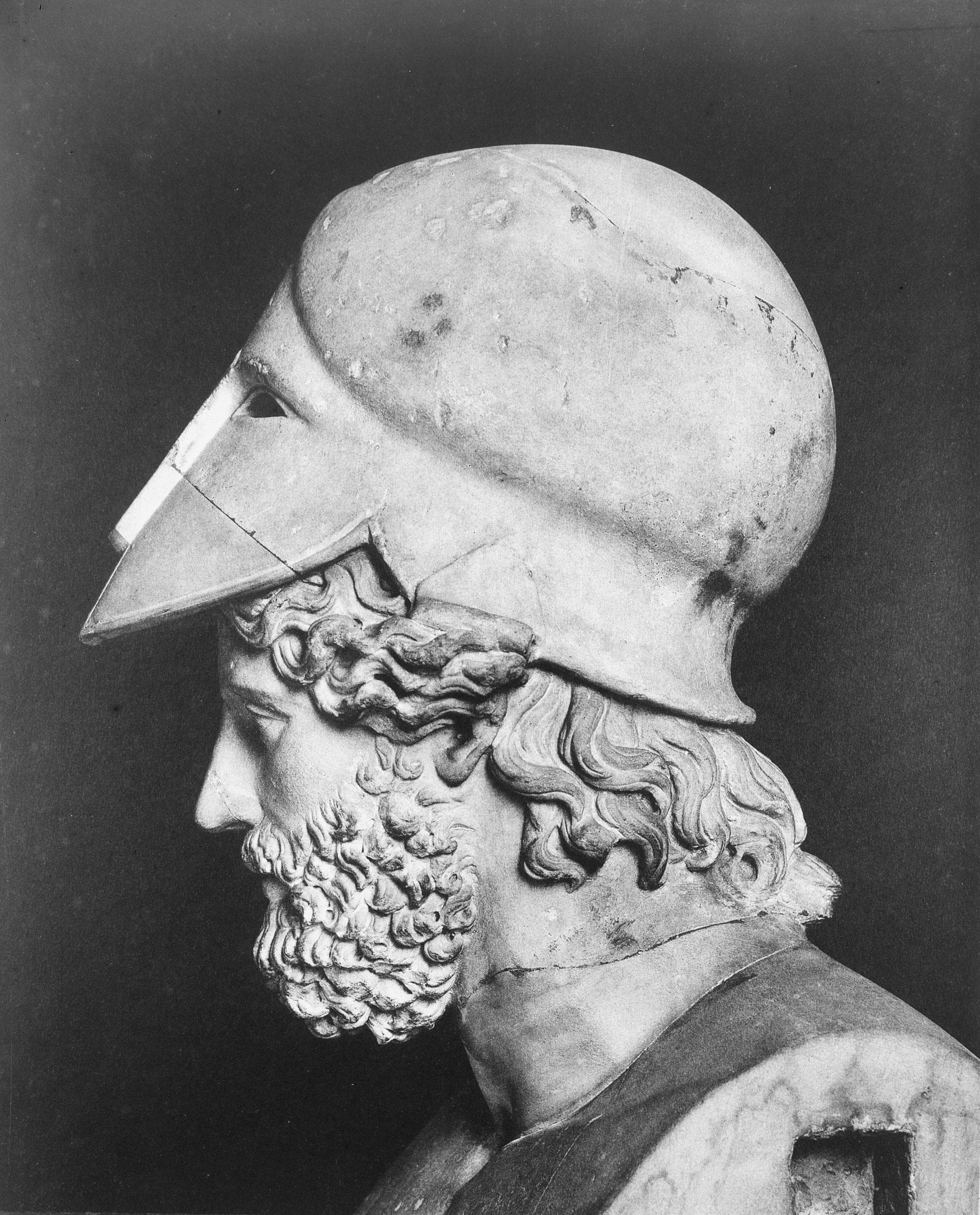
    By any measure, Themistocles was exactly the kind of person Athenians would praise: statesman, general, leader, victor. But he was also an opportunist. When the Persian Empire under the leadership of Xerxes invaded Greece in 480 BCE, Themistocles consolidated power and became the de facto leader of Athens. He made the most of it and successfully defeated the Persians. In the wake of war, Athenians apparently no longer viewed Themistocles in the same light. To them, he now appeared arrogant, and they feared he had become corrupt. So, they used an Athenian tradition to cut him down to size: ostracism, in which an Athenian had to leave the city for a decade. As the ancient writer Plutarch recounted: At length the Athenians banished him, making use of the ostracism to humble his eminence and authority, as they ordinarily did with all whom they thought too powerful, or, by their greatness, disproportionable to the equality thought requisite in a popular government. For the ostracism was instituted, not so much to punish the offender, as to mitigate and pacify the violence of the envious, who delighted to humble eminent men, and who, by fixing this disgrace upon them, might vent some part of their rancor. Where did Themistocles go? He ultimately ended up in the Persian Empire, where he offered his services to the king. Themistocles first asked for a year to prepare, and the king agreed. As the ancient historian Thucydides described: He employed the interval in making what progress he could in the study of the Persian tongue, and of the customs of the country. Arrived at court at the end of the year, he attained very high consideration there, such as no Hellene has ever possessed before or since… News of Themistocles's service under the Persian king outraged the Athenians, who then banned him from the city for life. When he passed around 459 BCE, he was serving as governor of Magnesia, far from Athens.

    94% upvoted
  4. 4

    Romulus Augustulus Got The Opportunity To Live In Comfortable Exile From 476 CE

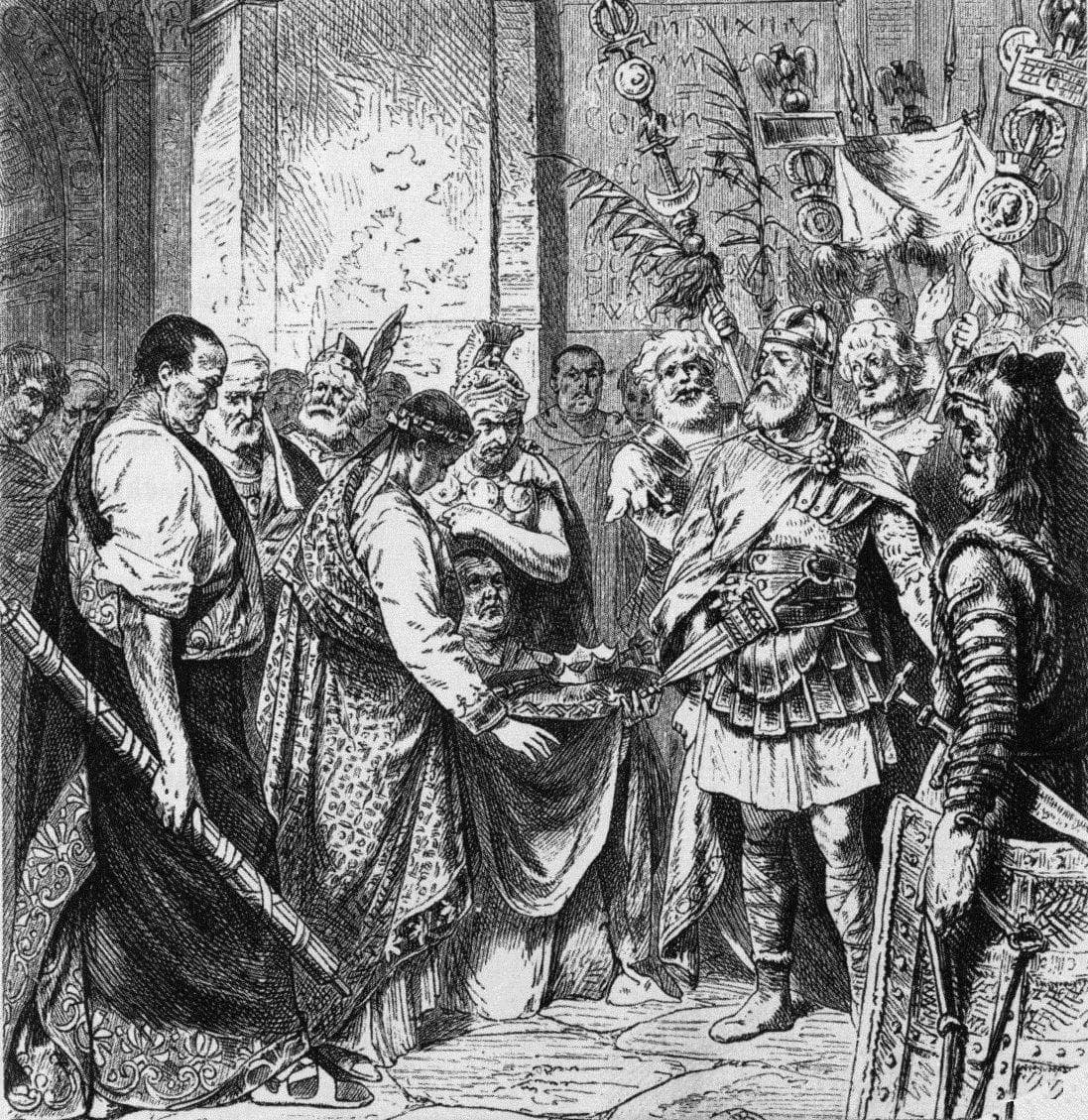
    In 285 CE, Emperor Diocletian split the Roman Empire in half: Rome would be the capital of the “Western” portion, while Byzantium (modern-day Istanbul) headed the “Eastern” portion. Romulus Augustulus is credited with being the last emperor of the Western half of the empire, although some scholars dispute this claim. Promoted to the throne in 475 by his father Orestes, a military commander, 10-year-old Romulus didn't really rule: It was his father's show. In 476, his 10-month reign came to an end when Odoacer, a Germanic general, successfully invaded Rome. He killed Orestes but reportedly was lenient with the young ex-emperor. Instead of taking the boy's life, Odoacer exiled Romulus to Campania in southern Italy and gave him a handsome annual pension that would have supported an incredibly comfortable lifestyle. Details are scarce, but he likely lived for another few decades in Campania. It's worth noting that, while the Western empire was now in Germanic hands, the Eastern empire in Byzantium - known as the Byzantine Empire - kept chugging along.

    93% upvoted
  5. 5

    Florence Exiled Dante Alighieri In The Midst Of Factional Conflict

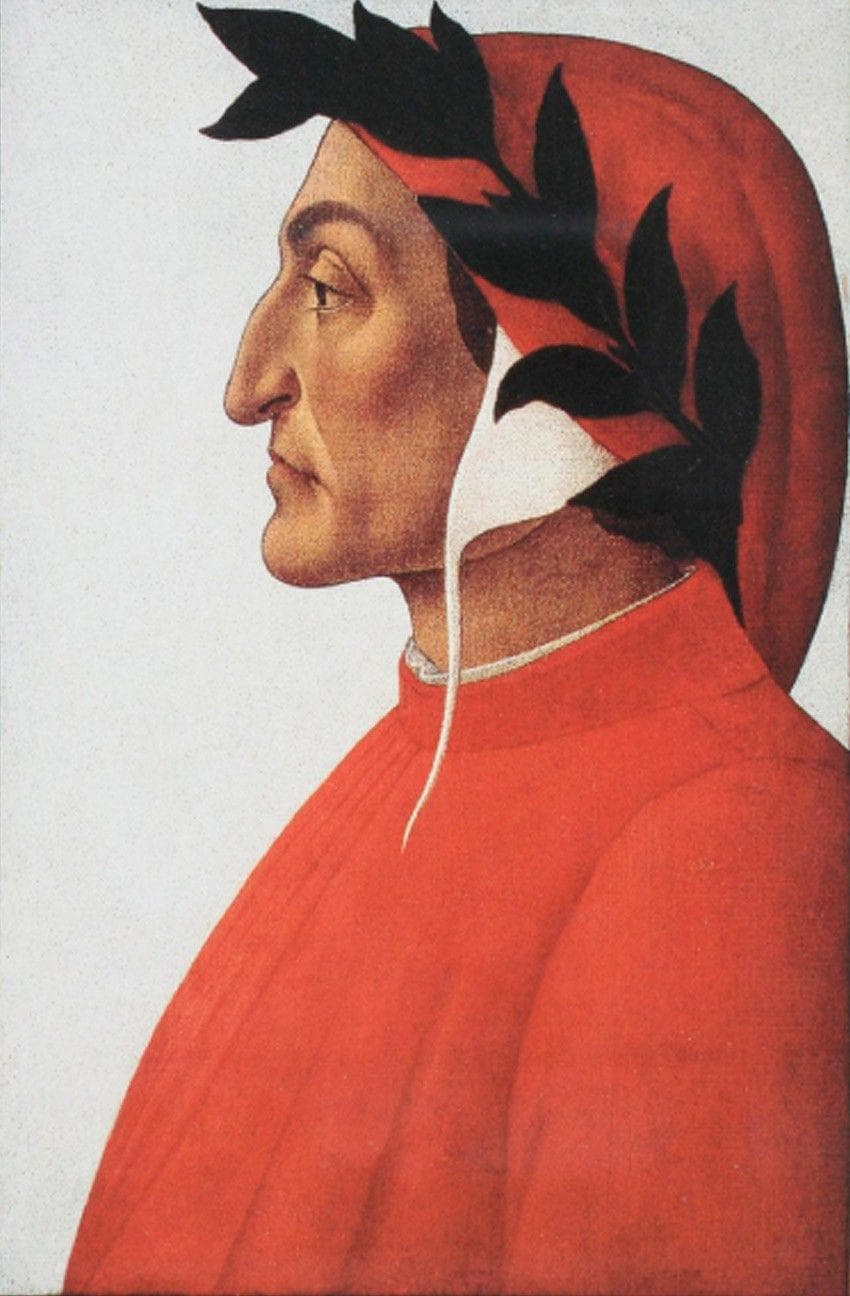
    Dante Alighieri, a proud son of Florence, is best remembered for writing The Divine Comedy, a classic trio of texts about his imagined descent into purgatory and hell - and his subsequent ascendance to paradise. But he was also deeply involved in Florentine politics. In the late 13th century, Florence was again torn over questions of sovereignty: How much influence should the Pope have over Florentine affairs? Dante was one of the statesmen who believed the Pope should have limited influence in the city. He refused to recant his beliefs or pay a fine. And so he was exiled in 1302, a punishment that was extended to a life sentence. Dante would never see his beloved city again. It was during his bitter exile from Florence that Dante wrote The Divine Comedy, in which he captures the eternal longing of an exiled Florentine to return home to Tuscany, where bread is baked without salt: You shall leave everything you love most dearly: this is the sorrow that the bow of exile shoots first. You are to know the bitter taste of others' bread, how salt it is, and know how hard a path it is for one who goes descending and ascending others' stairs. Dante passed in Ravenna in 1321, at the age of 56. In 2008, the city of Florence retracted his exile and cleared the poet's name.

    93% upvoted
  6. 6

    Augustus Kicked Ovid Out Of Rome For Unclear Reasons

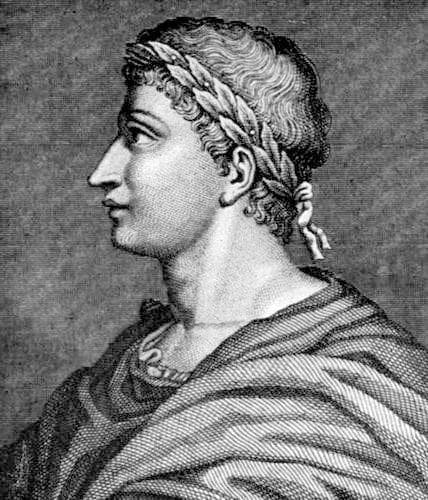
    The poet Ovid was one of the great writers of the Roman world. Born to an elite family in 43 BCE, he made a name for himself by composing poetry, including The Art of Love, something of an ancient seduction manual. Ovid's fortunes changed in 8 CE, when Emperor Caesar Augustus exiled him to Tomis, in what is today Romania. What caused the exile? While the details are scant, scholars only know that carmen et error ("a poem and a mistake") were the cause. In the subsequent centuries, researchers have tried to parse out what exactly happened. It's well known that Augustus initiated conservative, moralistic laws during his reign, and it's possible that something Ovid did, said, or wrote may have put him in conflict with them. As The Guardian reported: Experts believe the cause was probably a combination of three factors: that Ovid's erotic poetry was considered offensive, his attitude to Augustus was too disrespectful, and that he may have been involved in an unspecified plot or scandal. Unfortunately, scholars have yet to uncover any information that definitively proves any of these theories. Far from his friends and loved ones, Ovid was miserable in Tomis. He repeatedly wrote letters to friends in Rome, asking them to make petitions on his behalf to end his exile. He also used his alone time to write what would become his signature work: Metamorphoses, a collection of mythic poems. Ovid would never return to Rome. He passed in 17 or 18 CE.

    93% upvoted
  7. 7

    The US Deported Emma Goldman Due To Her Politics

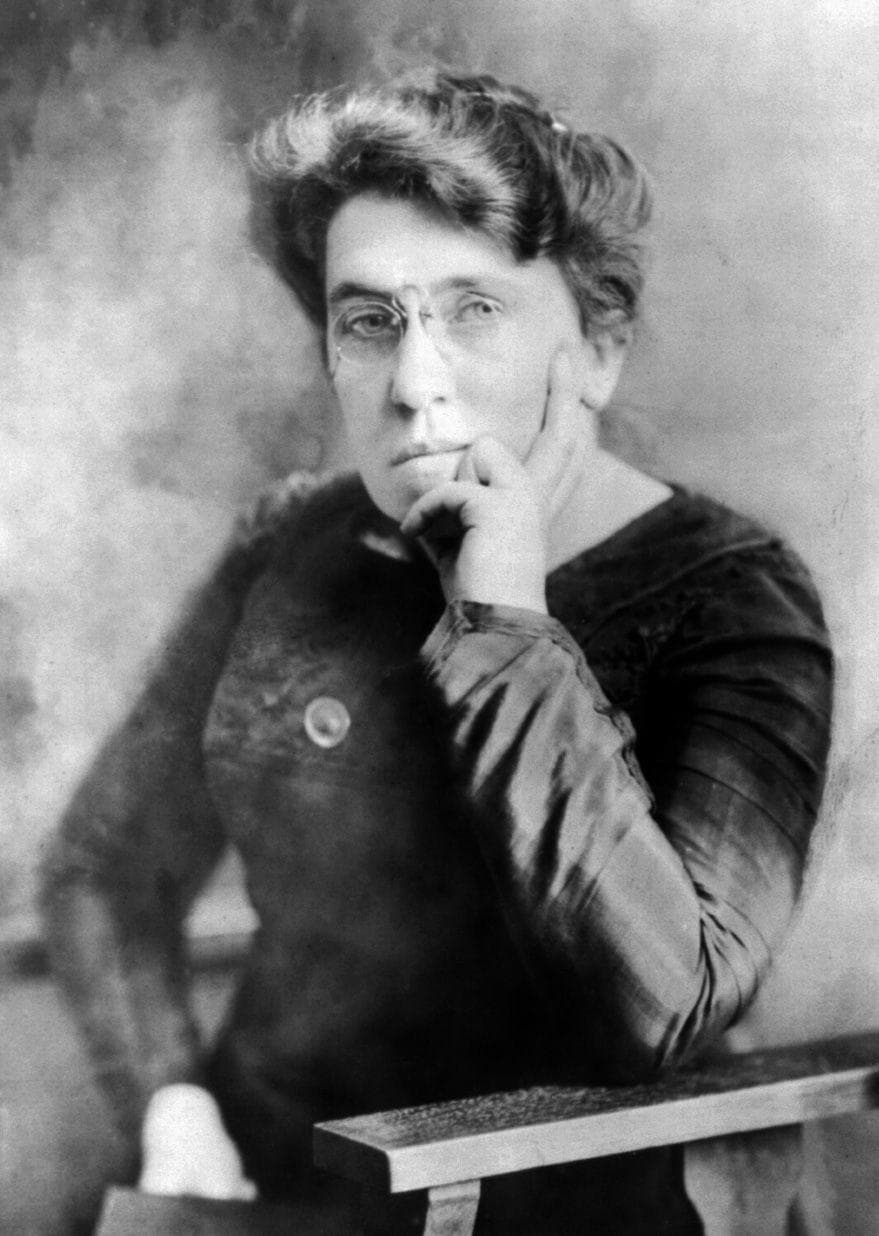
    Born in 1869 in the Russian Empire, 16-year-old Emma Goldman immigrated to the US to escape an arranged marriage and familial abuse. Her time in the US inflamed her political ideologies, and she came to embrace anarchism, women's rights, and workers' rights. By the turn of the 20th century, she had become a leading political activist. The start of WWI inspired Goldman to protest the military draft. Her stance made her a target of federal authorities like future FBI director J. Edgar Hoover, who labeled her anarchism a threat to the US. Authorities arrested her. In 1919, when xenophobia and a post-war “Red Scare” seeped into the groundwater of American life, the federal government brushed aside Goldman's claims of citizenship - she had married and divorced an American man shortly after immigrating - and deported her to Russia, which was then in the throes of revolution and civil war. Years later, she recounted how guards forced her onto a ship in New York that would carry her away from her adopted home: On the deck above us, I could hear the men tramping up and down in the wintry blast. I felt dizzy, visioning a transport of politicals doomed to Siberia, the étape of former Russian days. Russia of the past rose before me and I saw the revolutionary martyrs being driven into exile. But no, it was New York, it was America, the land of liberty! Through the port-hole I could see the great city receding into the distance, its sky-line of buildings traceable by their rearing heads. It was my beloved city, the metropolis of the New World. It was America, indeed, America repeating the terrible scenes of tsarist Russia! I glanced up - the Statue of Liberty! Goldman lasted in Soviet Russia for only a short time before she left in 1921. She would spend the last decades of her life traveling in Europe and Canada, speaking out on behalf of workers and against the rising tide of fascism in Europe. Although she never lived in the US again, she returned once in 1934 to deliver a speech in New York City. Goldman resided in the US again only in death. After she passed in Toronto in 1940, she was buried in Chicago.

    92% upvoted
  8. 8

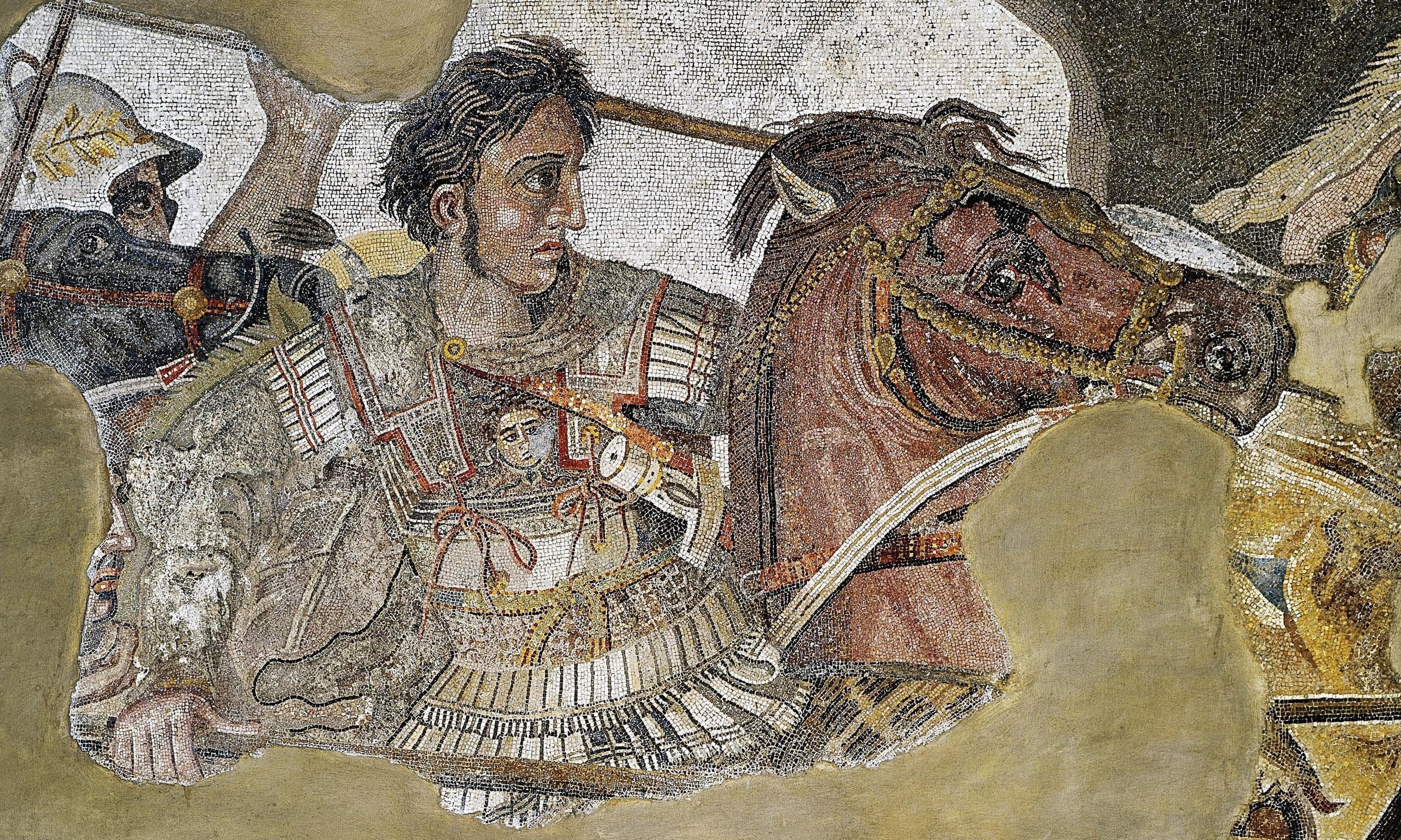
    Alexander The Great Left Macedonia With His Mother After Falling Out With His Father

    Before he gained his storied epithet, Alexander the Great was simply the son of Philip II of Macedon. Alexander's mother Olympias was not Philip's only wife; Philip practiced polygamy and wed a new wife whenever it was politically convenient. Sometime around 337 BCE, Philip took a new bride: a Macedonian woman named Cleopatra. (Not the famous pharaoh Cleopatra; she would be born in Egypt a few centuries later.) His upcoming nuptials pulled the court apart. Biographer Waldemar Heckel even speculates that Philip's infatuation with Cleopatra - who was by all accounts significantly younger than Philip - may have “embarrassed” Alexander. Matters only further inflamed during a toast after their wedding. The ancient writer Plutarch later claimed: Attalus, now, was the girl's uncle, and being in his cups, he called upon the Macedonians to ask of the gods that from Philip and Cleopatra there might be born a legitimate successor to the kingdom. At this Alexander was exasperated, and with the words, “But what of me, base wretch? Dost thou take me for a bastard?” threw a cup at him. Then Philip rose up against him, said: “Look now, men! Here is one who was preparing to cross from Europe into Asia; and he is upset in trying to cross from couch to couch.” After this drunken broil Alexander took Olympias and established her in Epirus, while he himself tarried in Illyria. Philip ultimately demanded that Alexander and Olympias return, and they - however reluctantly, one can imagine - obeyed his call.

    92% upvoted
  9. 9

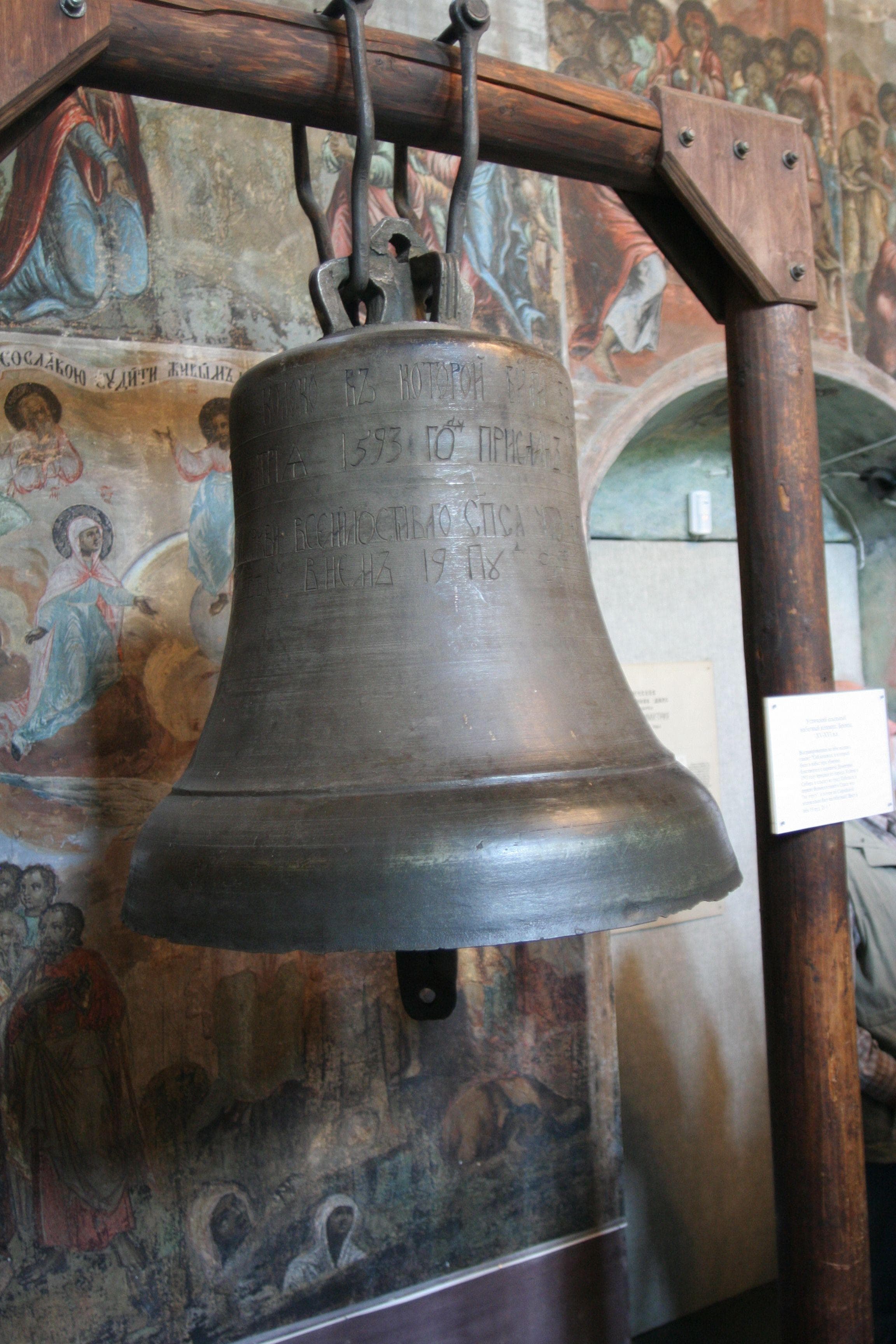
    Citizens Of Uglich, Russia, Exiled Their Great Bell To 'Punish' It For Ringing To Summon An Uprising

    As writer Elif Batuman explained in The New Yorker, the Russian Orthodox faith considers bells to be almost human: It was easy to grasp why such bells might be treated as living things. Russian bells are given names like Swan (for producing a swanlike cry), Bear (for rumbling unwieldiness), or Sheep (for a rattling or uneven tone). They ring with their “tongues,” hang by their “ears,” and have shoulders, waists, crowns, and skirts. They are considered to be capable of suffering, and even of a certain metallic obstinacy. In 1591, Russians' anthropomorphism of bells took on a whole new level when Dmitry, Ivan the Terrible's 8- or 9-year-old son, was mysteriously killed in Uglich, a town north of Moscow on the Volga River. Believing Dmitry had been assassinated, the boy's grieving mother Maria Nagaya and her associates rang the town's bell to call supporters to arms against her son's supposed killers. Once authorities managed to regain control of Uglich, roughly 300 rioters were executed, tortured, and/or thrown into prison. The bell itself was exiled from Uglich and sent more than 1,000 miles away to Tobolsk. It remained imprisoned in a cell until it received a pardon and returned to its home in Uglich in 1892.

    91% upvoted
  10. 10

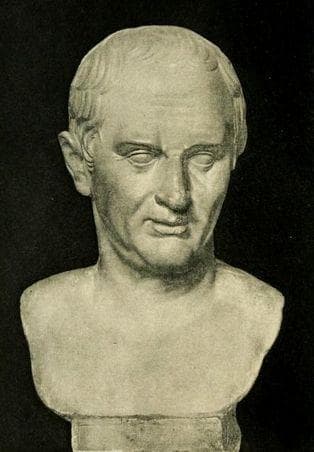
    Personal Politics Briefly Forced Cicero From Rome

    Being a statesman in ancient Rome brought many rewards - and plenty of risk. Cicero learned that the hard way when he butted heads with fellow statesman Publius Clodius Pulcher. In 62-61 BCE, Cicero played a role in a profanity trial against Clodius, who was accused of violating the women-only Bona Dea rite by secretly attending it in order to seduce a married lady. Cicero's evidence contradicted the alibi Clodius had given, thus demonstrating that Clodius had perjured himself. Although bribery acquitted Clodius, he never forgot Cicero's testimony. So when Clodius gained power as a plebeian tribune, he essentially forced Cicero into exile in 58 BCE. While exiled in Greece, Cicero wrote letters to his wife Terentia, who remained in Rome. In one letter, he spoke of his longing to reunite with her: What now? Shall I ask you to come - a sick woman, physically and spiritually exhausted? Shall I not ask then? Am I to live without you? Perhaps I should put it like this: if there is any hope of my return, you must build it up, and help in the campaign. On the other hand if all is over, as I fear, then come to me any way you can. Be sure of one thing: if I have you, I shall not feel that I am utterly lost. Terentia indeed remained a vocal supporter of her husband and campaigned in the hopes of ending his exile. Fortunately for them both, his banishment ended after little more than a year. By August 57 BCE, Cicero was back in Rome.

    89% upvoted