Skip to content
maxnews
People

What Actually Happened To Historical Figures' Kids

Students learn a ton about historical figures throughout school, but classes usually focus on the major cornerstone moments of these people's lives and their contributions to history. What about the smaller details, such as what happened to the children of historical figures? Many well-known historical people actually have family living today. Others had children who went on to contribute to history in their own, perhaps less noteworthy (but no less interesting), ways. From the mystery surrounding the disappearance of Aaron Burr's daughter to the princess who dedicated her life to being by Queen Victoria's side, the figures featured here were crucial parts of their parents' lives. However, their stories are likely nowhere to be found in history textbooks. Vote up the figures whose stories deserve to be told.

Entries
11
Votes
5.5K
Updated
2 days ago

Tap upor downto vote. Your vote is added to Ranker's counts.

Voting identifies your browser with an anonymous fingerprint, stored only as a salted hash, to count one per visitor. Privacy

Source: Ranker, ranked by its voters.

  1. 1

    Robert Todd Lincoln Was Saved By John Wilkes Booth’s Brother
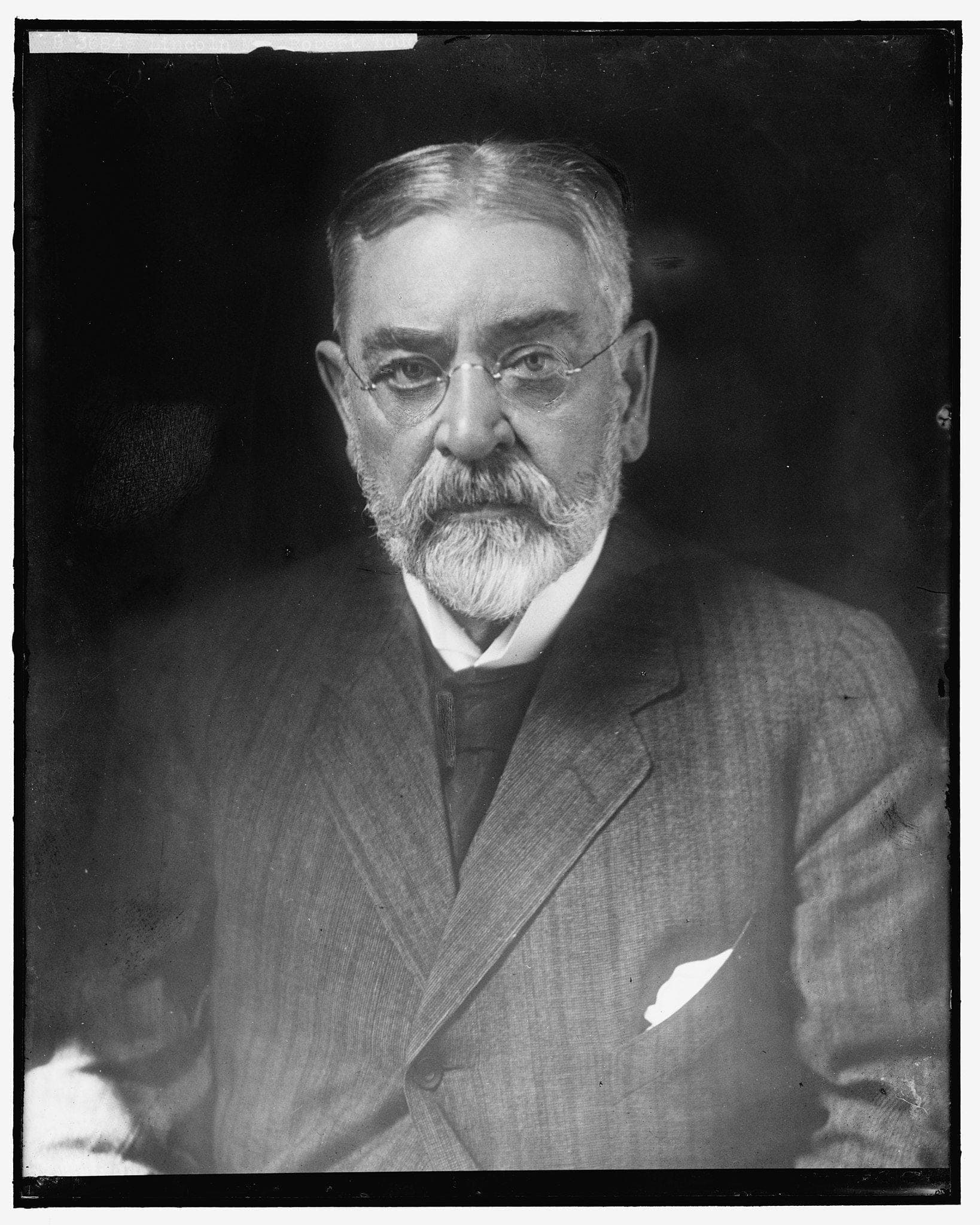
    Robert Todd Lincoln was the only one of Abraham Lincoln’s children to survive to adulthood. Consequently, he spent his entire life as “Abraham Lincoln’s son” and constantly struggled to construct his own identity - a sentiment he expressed himself. Understandably, as a Lincoln, he is inextricably linked to many historical events. Most of them, however, are coincidental. Shortly before the President was slain, Edwin Booth, John Wilkes Booth’s brother, saved Robert Lincoln from a serious train injury. Lincoln himself recounted the incident years later: The incident occurred while a group of passengers were late at night purchasing their sleeping car places from the conductor who stood on the station platform at the entrance of the car. The platform was about the height of the car floor, and there was of course a narrow space between the platform and the car body. There was some crowding, and I happened to be pressed by it against the car body while waiting my turn. In this situation the train began to move, and by the motion I was twisted off my feet, and had dropped somewhat, with feet downward, into the open space, and was personally helpless, when my coat collar was vigorously seized and I was quickly pulled up and out to a secure footing on the platform. Upon turning to thank my rescuer I saw it was Edwin Booth, whose face was of course well known to me, and I expressed my gratitude to him, and in doing so, called him by name. Lincoln was also closely linked to three presidential assassinations: He was at his father’s bedside when he perished; he was about to speak to President James Garfield when the latter was shot by Charles Guiteau in 1881; and he was on his way to the event where President William McKinley was shot when the shooting occurred. Lincoln’s proximity to each event led him to believe he was cursed. But a popular theory that he swore off presidential functions following McKinley’s demise is more historical myth than reality.
    97% upvoted
  2. 2

    Ben Franklin’s Son William Was A Loyalist In The American Revolution

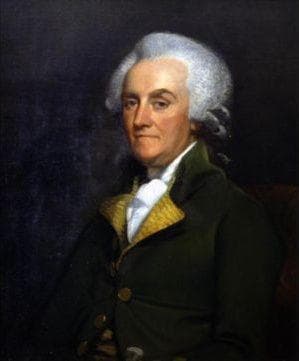
    Benjamin Franklin is almost synonymous with the founding of the United States; he was a prominent figure in the revolution who co-wrote the Declaration of Independence. As a central figure in the American Revolution, his life during the period was devoted to the rebels’ cause. Benjamin Franklin’s son, however, was entirely devoted to the Crown - he was a Loyalist. Benjamin and William Franklin were reportedly very close while William was a child and into his early adulthood. William was present for most of the major moments in Benjamin Franklin’s life, including the famous kite experiment. When William became governor of New Jersey, both father and son celebrated. This appointment separated them physically, however, then ideologically. When the fighting broke out and Benjamin Franklin was ultimately driven to join the colonists’ cause, William remained loyal to England. The younger Franklin even gave information on the revolutionaries to the British. But his messages were intercepted and he was swiftly imprisoned. William spent the rest of the conflict imprisoned, not even permitted to see his ailing wife before she passed, before being exiled to England after the fighting ended. Though he attempted to reconcile with his father later, Benjamin was uninterested, going so far as to leave him nothing of value in his will.

    95% upvoted
  3. 3

    Marie Antoinette's Children Were Locked In Towers

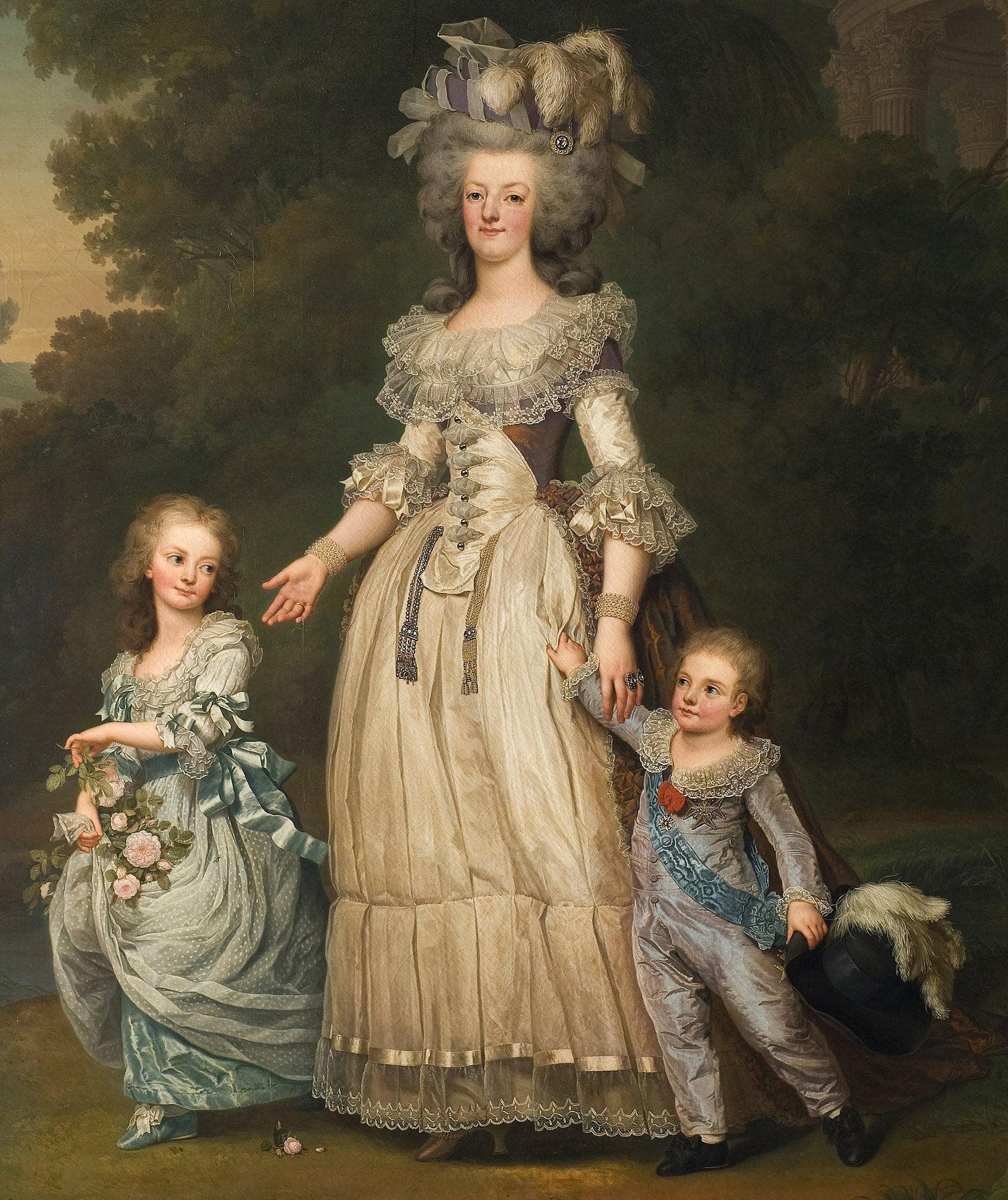
    In 1789, when Marie Antoinette and Louis XVI were taken from Versailles and imprisoned, they weren’t alone. Their two surviving children, Marie Therese and Louis-Charles, were with them. Louis-Charles suffered horribly while imprisoned. Eventually, he was forced to testify against his mother, directly leading to her execution. He remained a prisoner for years until his passing in 1795. Marie Therese was the only member of the royal family allowed to live. She was released in 1795 and sent to Austria. Over the next several decades, Marie Therese was at the center of France’s delicate political entanglement, often having to flee, then return to her home country. In 1830, her husband became King of France (Louis XIX) before abdicating less than half an hour later. So Marie Therese was the queen of France about 40 years after her parents were executed, if only for several minutes.

    95% upvoted
  4. 4

    Winston Churchill’s Daughter Sarah Was An Actor Who Served In WWII

    Although Winston Churchill’s life and legacy loom large in history, his children’s do not. His daughter Sarah Churchill, however, made a name for herself as both an actor and a member of the Women’s Auxiliary Air Force (WAAF) during WWII. Though she was never a major Hollywood star, Churchill had a stable stage career in London’s West End. Her big break came in 1951 when she appeared with Fred Astaire in A Royal Wedding. Although Churchill could have used her family name to catapult her to success and a life of relative comfort, she used her father’s influence to get away from the stage and screen and into the WWII effort. She wrote in her memoir, “I think the only time I asked my father to exert his influence on my behalf was, ironically, to get me out of the theater.” Winston Churchill was critical of her decision to join the WAAF. Churchill was a member of the Photographic Interpretation Unit, a demanding position that required her to comb aerial photographs searching for targets. Churchill also found herself at the center of some of WWII's major moments, accompanying and advising her father at events like the Yalta Conference.

    96% upvoted
  5. 5

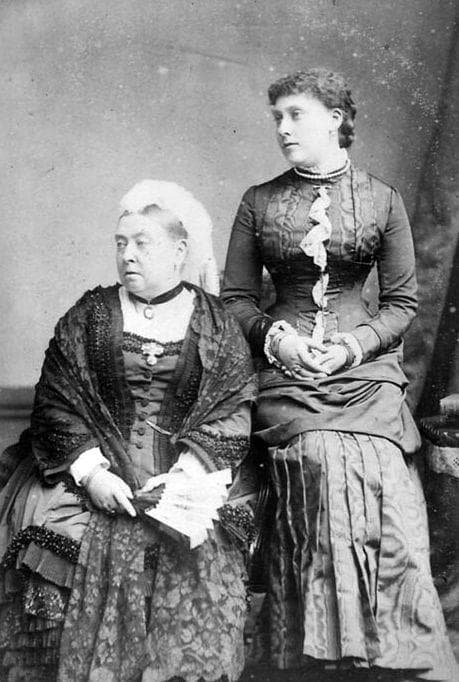
    Queen Victoria's Daughter Beatrice Transcribed Her Mother's Journals, Resulting In 111 Volumes

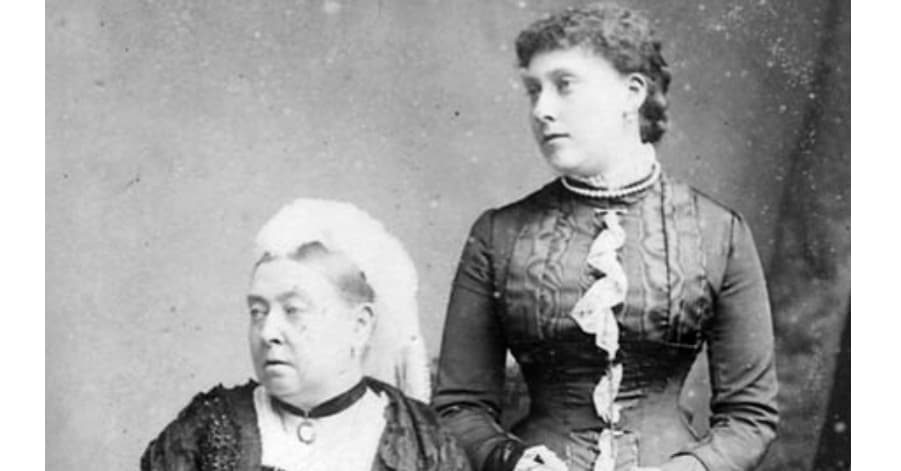
    Of all of Queen Victoria’s 15 children, she was perhaps closest to the youngest, Beatrice. As the princess grew older, she rarely left the queen’s side. She was the only one of the queen’s children to remain unmarried well into adulthood, and that may have been by design. Though the queen tried and failed to secure marriages for Beatrice, by the time she became engaged to Prince Henry of Battenberg, the queen was by all accounts reluctant to lose her most constant companion. In one account of the wedding ceremony, Victoria was described as looking “cross.” Despite her marriage, Beatrice remained close to the queen for the monarch’s entire life, reportedly even seeing her all but two days throughout her honeymoon. As the queen grew older, Beatrice took up a hugely significant job: She read to and wrote for the queen. After Victoria’s passing, Beatrice took on the task of editing her mother’s extensive journals, resulting in the 111 volumes historians and avid readers have access to today.

    92% upvoted
  6. 6

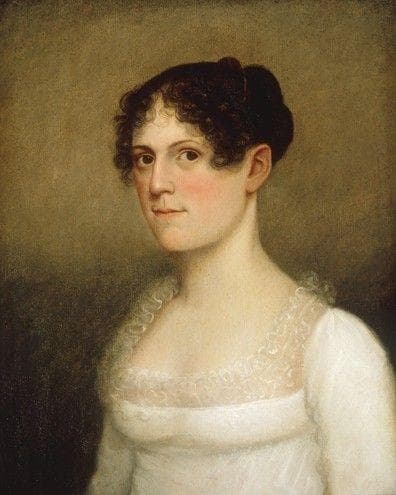
    Aaron Burr's Daughter, Theodosia, Was Lost At Sea

    Aaron Burr’s daughter was around for some of the moments that made her father famous. She was there as he was sworn in as vice president; he wrote her a letter the night before he felled Alexander Hamilton; and she was a critical part of his plan to establish a Western empire, the initiative that saw him charged with treason (he would have been emperor and Theodosia an empress). Yet although Aaron Burr is one of the most famous figures in American history, the fate of Theodosia is less known. After the birth of her first and only child, Theodosia Burr Alston never fully regained her health. Poor health, however, didn't take her life in 1812. Instead, she was lost at sea. In the midst of the War of 1812, Burr boarded a ship called the Patriot to visit her father. The journey should have taken just a couple of days, but the Patriot was sailing through dangerous waters, and after weeks of no news, it was clear something went wrong. The passengers could have been taken by enemy soldiers or pirates, or even got caught up in a winter storm. But as months went by, these scenarios became less and less likely. Decades later, several aging pirates confessed to taking the Patriot and the lives of all those on board. After such a long time, however, it was impossible to verify any claims. Amidst all of the questionable confessions, one story stands above the rest as a possible answer to the mystery: The Nag’s Head Portrait. In 1869, a doctor discovered the portrait in an old woman’s home. The woman revealed it was scavenged from a ship that washed ashore. The doctor then spent years trying to authenticate it, hoping to prove once and for all that Theodosia perished when the Patriot was wrecked in a storm. However, because it was 50 years later, authentication was impossible and the mystery lingers to this day.

    92% upvoted
  7. 7

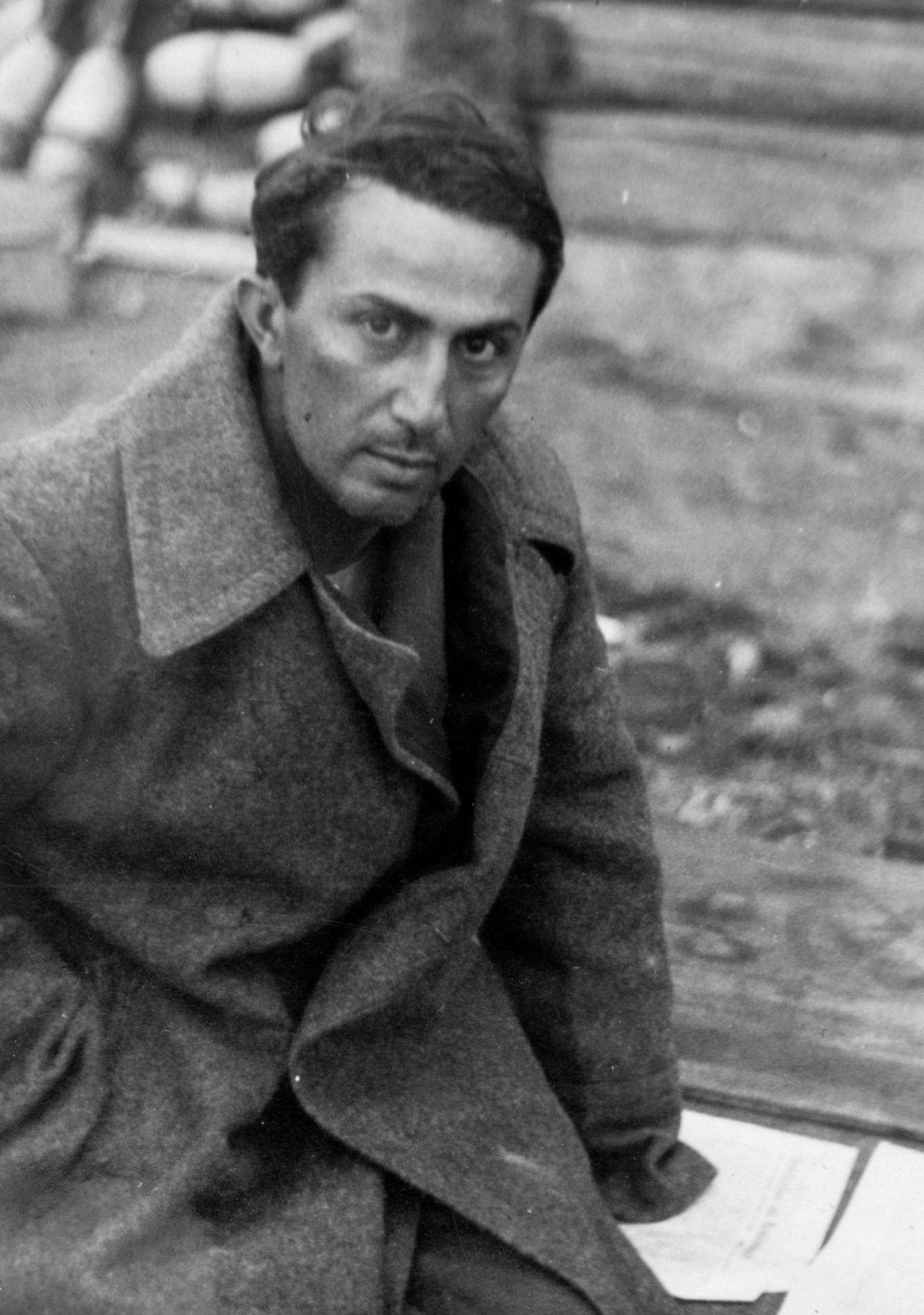
    Joseph Stalin's Son Yakov Was A Prisoner

    Joseph Stalin’s oldest son, Yakov Dzhugashvili, was raised by a relative and didn’t even meet his father until he was 14, so they weren’t exactly close. When WWII broke out, Stalin put no effort into protecting his son, instead insisting he join the Red Army Artillery and fight on the front lines. What happened next is the subject of debate. Dzhugashvili was either captured by the Germans or surrendered. A widely circulated story says Dzhugashvili was captured and did everything he could to resist the Germans’ efforts to use him as propaganda. In 2013, however, evidence began to circulate that Dzhugashvili actually surrendered. At one point, the Germans offered to trade Dzhugashvili to the Russians in exchange for a field marshal they had imprisoned. Stalin reportedly refused to trade his valuable prisoner in exchange for his son, who was simply a soldier. From that point on, Dzhugashvili held no value as a POW. Like the circumstances around his capture, Dzhugashvili’s demise is shrouded in mystery. In one account, Dzhugashvili threw himself at the electric fence surrounding Sachsenhausen concentration camp and was immediately shot. In another, Dzhugashvili was fired at by prison guards for refusing to obey orders.

    92% upvoted
  8. 8

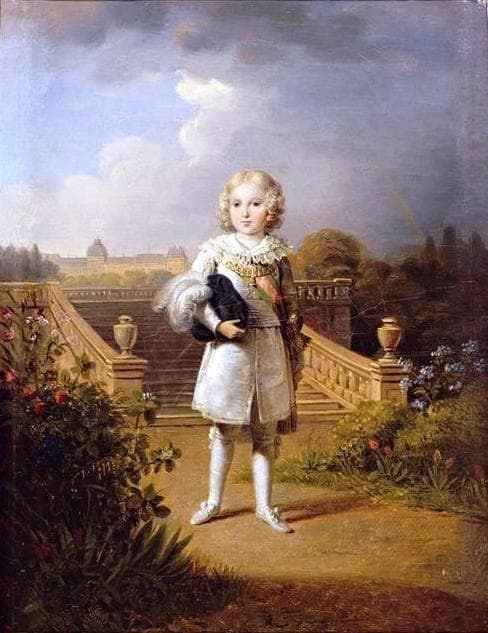
    Napoleon II Was Emperor Of France For 20 Days

    Napoleon’s reign and strained efforts to control France are well-documented in history texts, but a minor character in Napoleon’s story - his son - played an interesting role in Napoleon’s final push to rule France. Napoleon François Charles Joseph was Napoleon and Mary-Louise of Austria’s only son. After Napoleon’s first wife, Josephine, failed to provide him with an heir, their marriage was annulled and Napoleon was free to marry Mary-Louise (though Mary-Louise herself was not thrilled by the match). About a year after their marriage, Napoleon’s highly sought-after son was born. A few months later, he was baptized in an elaborate ceremony at Notre Dame. On April 4, 1814, Napoleon was forced to abdicate, and Napoleon II (who was just three years old at the time) started the first of two brief reigns as emperor of France. Days later, Napoleon wrote an act of abdication, giving up his and his descendants’ claims to the French throne. A year later, Napoleon returned to stake yet another claim to France. His efforts were short-lived, however, and he was defeated at Waterloo just months later. In a last-ditch attempt to ensure his legacy continued, he abdicated in favor of his son. Napoleon II’s second (and last) reign lasted just 20 days, though he was never actually recognized as emperor.

    92% upvoted
  9. 9

    Alexander Hamilton's Daughter Angelica Suffered A Mental Breakdown After Her Brother Died

    Thanks to the Broadway musical Hamilton, the life of Alexander Hamilton, and consequently his son Philip, are known by a wide audience. What the musical neglects, however, is Hamilton's seven other children, and how Philip’s untimely passing (from a duel where he used the same pistols and near the same location as his father would perish three years later) affected the rest of the Hamilton family. Angelica Hamilton, Philip’s younger sister, was particularly affected by the loss of her older brother. Once a spirited and bright young woman, Angelica suffered a mental breakdown after Philip’s passing. Though Alexander Hamilton did everything he could to ease Angelica’s suffering, her condition grew worse. For the next several decades, she would talk of Philip as if he were still alive and acted as if she were still a child. She was only sparingly lucid throughout the years until her passing at age 73. Angelica’s younger sister, Eliza, mused that her passing would be a welcome release after a lifetime of suffering, writing, “Poor sister, what a happy release will be hers. Lost to herself a half century!!”

    91% upvoted
  10. 10

    Henry VIII's First Son, Henry Fitzroy, Was Deemed Illegitimate But Almost Considered A Possible Heir

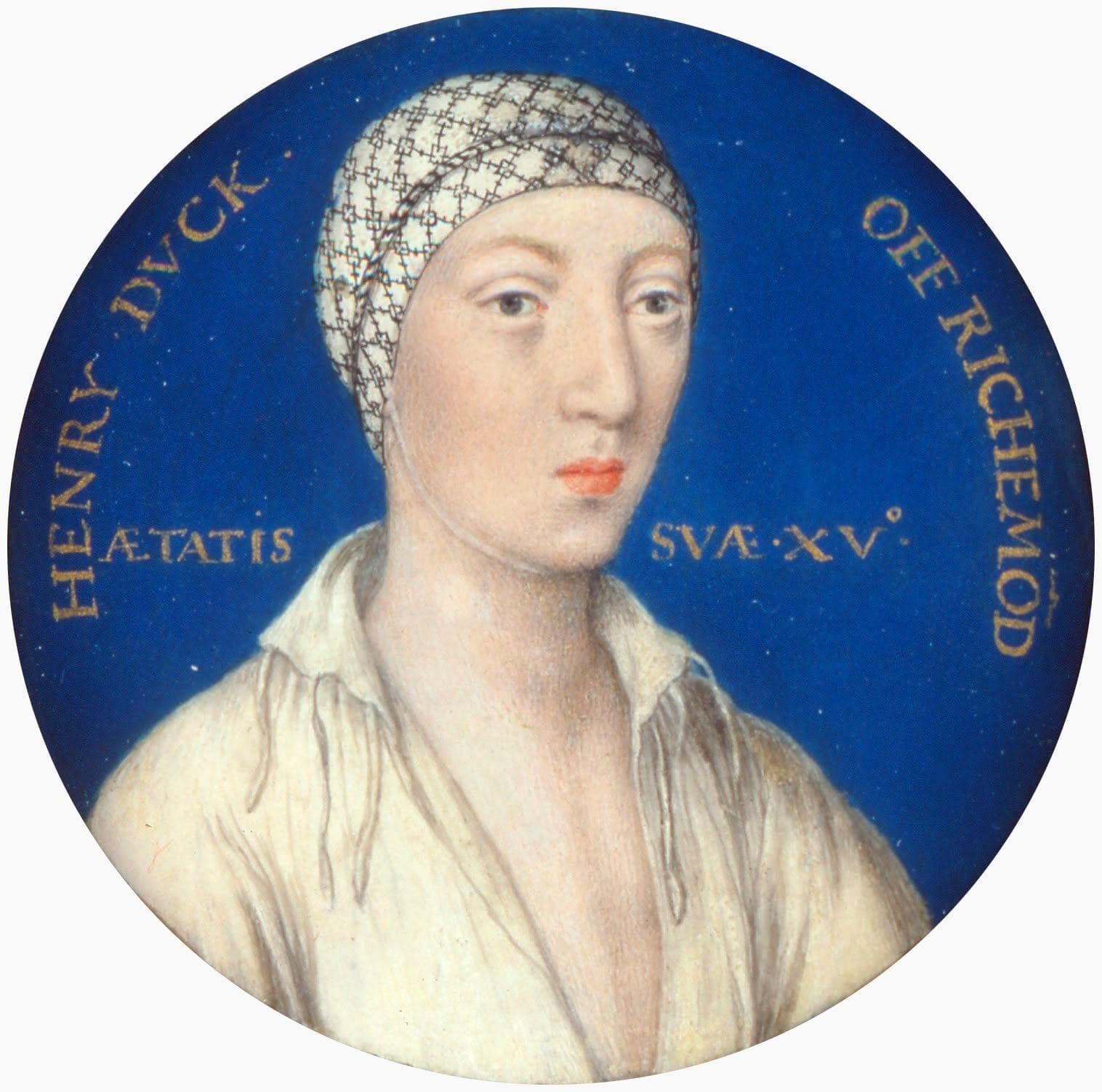
    Henry VIII’s need for a male heir - and repeated failed attempts to have one - was a dark cloud over most of his reign. But he did have a son, albeit an illegitimate one, before his third wife, Jane Seymour, gave birth to Prince Edward. Henry VIII’s mistress Elizabeth Blount gave birth to Henry Fitzroy in 1519. At the time, Henry VIII was still married to Catherine of Aragon, and the full extent of his succession issue was not yet realized. Fitzroy was the king’s first son, however, and the king was enamored with him. He bestowed countless lands and titles on him, and there were even whispers he might be made king of Ireland. The 1536 Act of Succession named Henry VIII’s daughters, the Princesses Mary and Elizabeth, illegitimate - the same status as Fitzroy. As the king had no legitimate son, there were serious discussions about naming Fitzroy his heir over his sisters (and future queens). But Fitzroy didn’t live long enough for this to be a real possibility; he died of consumption at age 17.

    89% upvoted