Skip to content
maxnews
Places & Travel

US Cities That Changed Their Names, And The Surprising Reasons Why

From the early inhabitants of the original 13 colonies, to the pioneers who moved West and South as America expanded, there was one common problem when it came to establishing new settlements: What would they name their city? Some US cities and towns were named after a founder, a nearby geological feature, or a place the settlers had come from, but others had very unusual names. And the city or town could end up being renamed, sometimes multiple times. Here are the stories about how some US cities got their original monikers, and the reason(s) why the name ended up being changed.

Entries
23
Votes
5.9K
Updated
yesterday

Tap upor downto vote. Your vote is added to Ranker's counts.

Voting identifies your browser with an anonymous fingerprint, stored only as a salted hash, to count one per visitor. Privacy

Source: Ranker, ranked by its voters.

  1. 1

    Hot Springs To Truth Or Consequences, NM
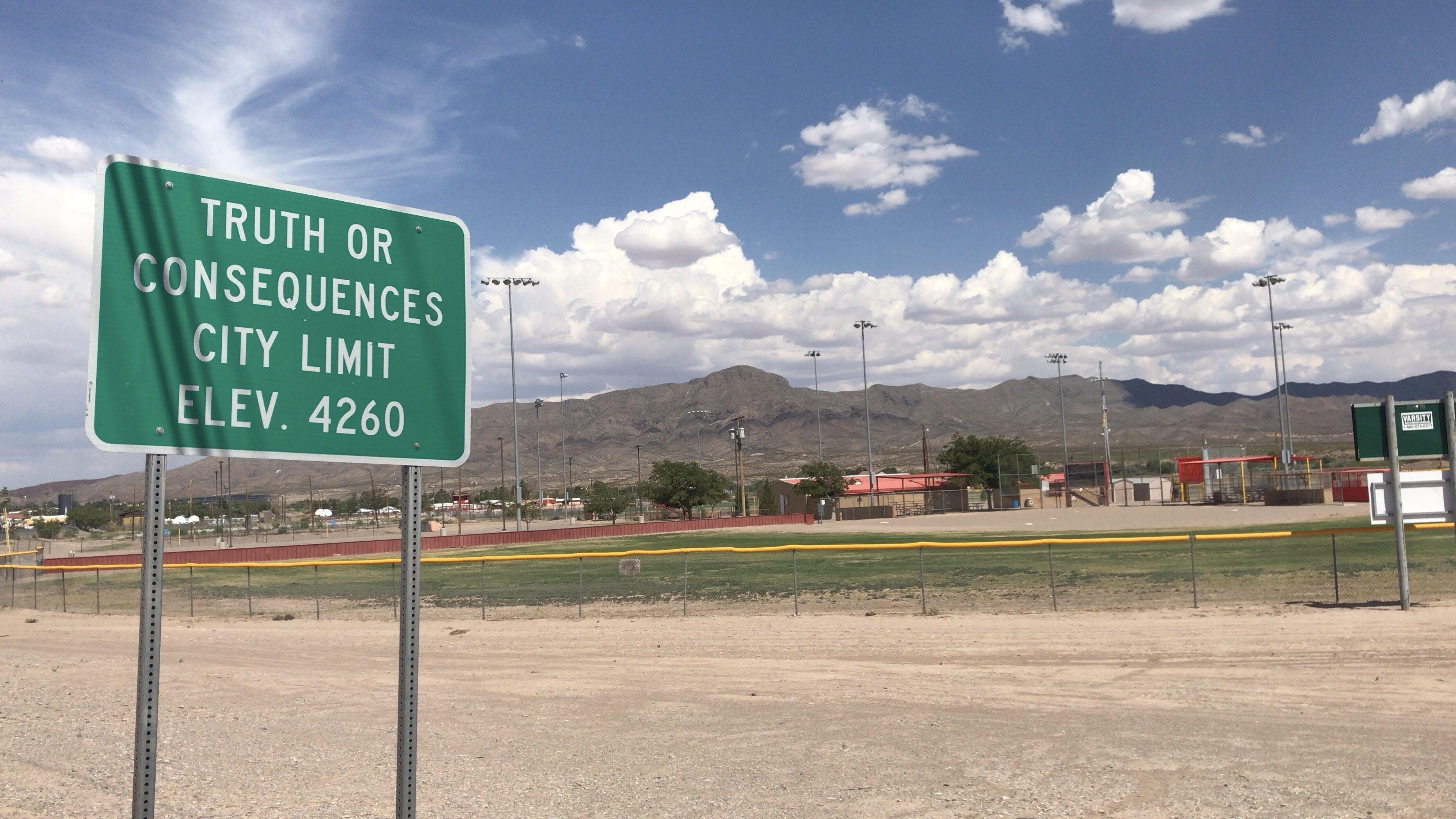
    “Truth or Consequences” was a long-running game show on both radio and television from the 1940s to the 1980s. When it was approaching its 10th anniversary, Ralph Edwards, the show's original host, asked staff to come up with an original way to celebrate this milestone. A suggestion was made to find an American town or city that would be willing to change its name to Truth or Consequences, then do the anniversary broadcast from that location. Several cities applied, but the winning application came from the small resort town of Hot Springs, NM. Originally called Palomas Hot Springs in 1882, the town was named for the area's many mineral hot springs thought to have healing powers. It was quickly shortened to just Hot Springs. Tourism was the main industry, but by 1950 the Hot Springs Chamber of Commerce was looking for a way to separate the town from all the other areas named Hot Springs in the United States. So when the New Mexico State Tourist Bureau informed them that the game show was looking for a town to change its name to Truth or Consequences, they jumped at the idea. A special election was held on March 31, 1950, and the name change passed by a vote of 1,294 to 295. Edwards and the show's crew flew into town, and on April 1, 1950, the game show did its 10th anniversary broadcast from the newly christened Truth or Consequences, NM. The event received a lot of publicity, although because the broadcast was on April Fools' Day, some believed the name change was a joke. Edwards developed a real bond with the New Mexico town. Before his passing in 2005 he returned to Truth or Consequences almost every year for its annual Fiesta, often bringing other celebrities with him. And the town honored the game show host by making April 1 “Ralph Edwards Day.”
    88% upvoted
  2. 2

    Losantiville To Cincinnati, OH

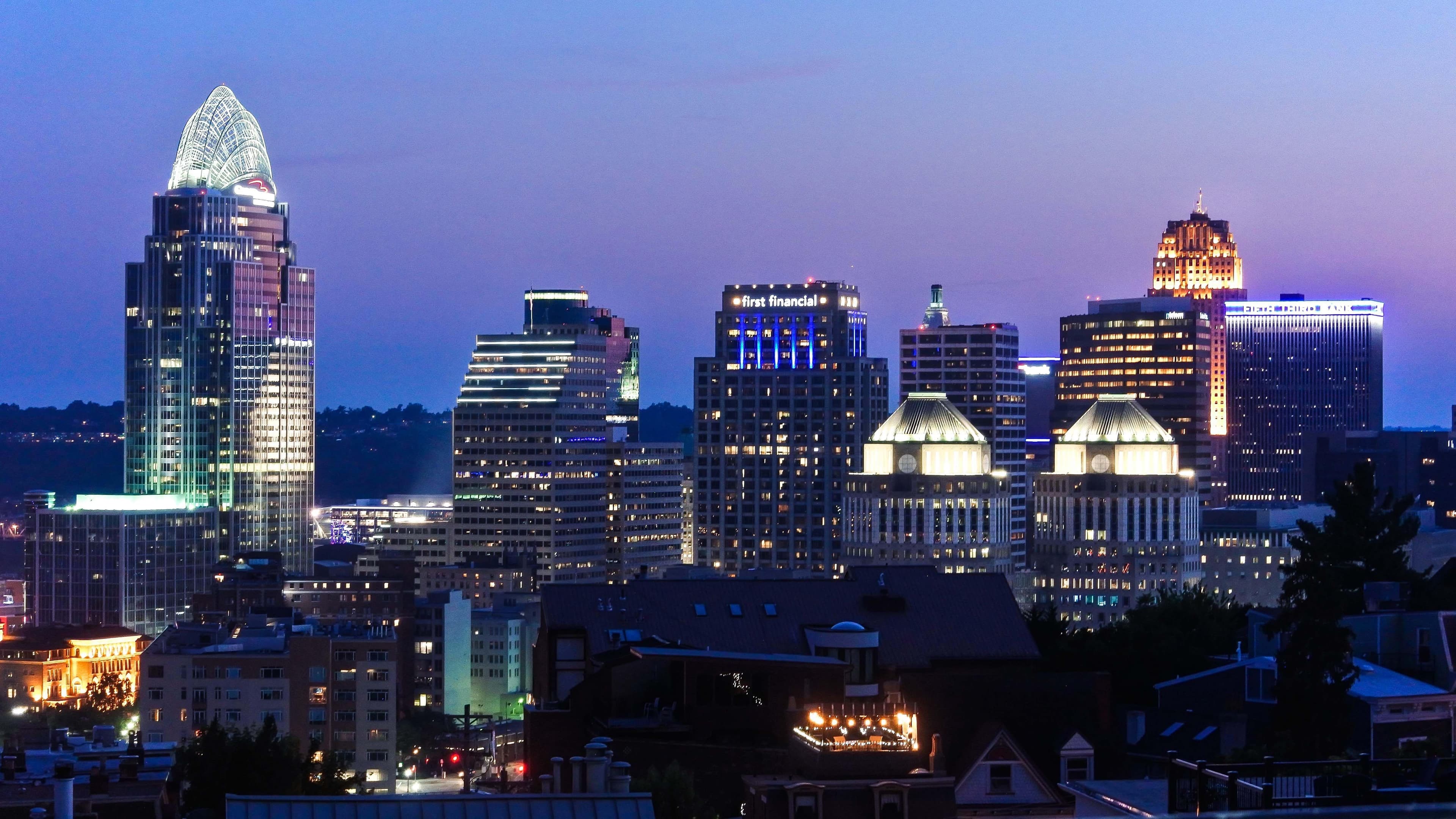
    Throughout its history, Cincinnati, OH, has been given flattering nicknames such as “Little Paris,” “Athens of the West,” and “Queen City of the West." It was given this last moniker in the early 19th century, when it was the capital of the Northwest Territories and the largest inland port in America. But it was given a less melodious name, Losantiville, when the settlement was built on land opposite the mouth of the Licking River. The name was derived by combining the first letter of the river's name; “os,” which is the Greek word for “mouth”; “anti,” which is Latin for “opposite”; and “ville,” which is French for “town.” According to one legend, Gen. Arthur St. Clair, the first governor of the Northwest Territories, was not happy with this name. He visited the settlement in 1790, and as soon as he stepped foot off the boat, allegedly exclaimed: What an awful name, damn it. Call it Cincinnati! A less colorful version of how the settlement became Cincinnati says the city is named after a group of American Revolution officers called the Society of Cincinnati. These men, who were all civilian soldiers eager to return to their regular lives once the conflict ended, were named after a fifth century BCE Roman soldier named Lucius Quintius Cincinnatus, who is said to have turned down the chance to become dictator after saving Rome from tyranny, instead choosing to return to his life as a farmer.

    89% upvoted
  3. 3

    Swilling’s Mill To Helling Mill To Mill City To East Phoenix To Phoenix, AZ

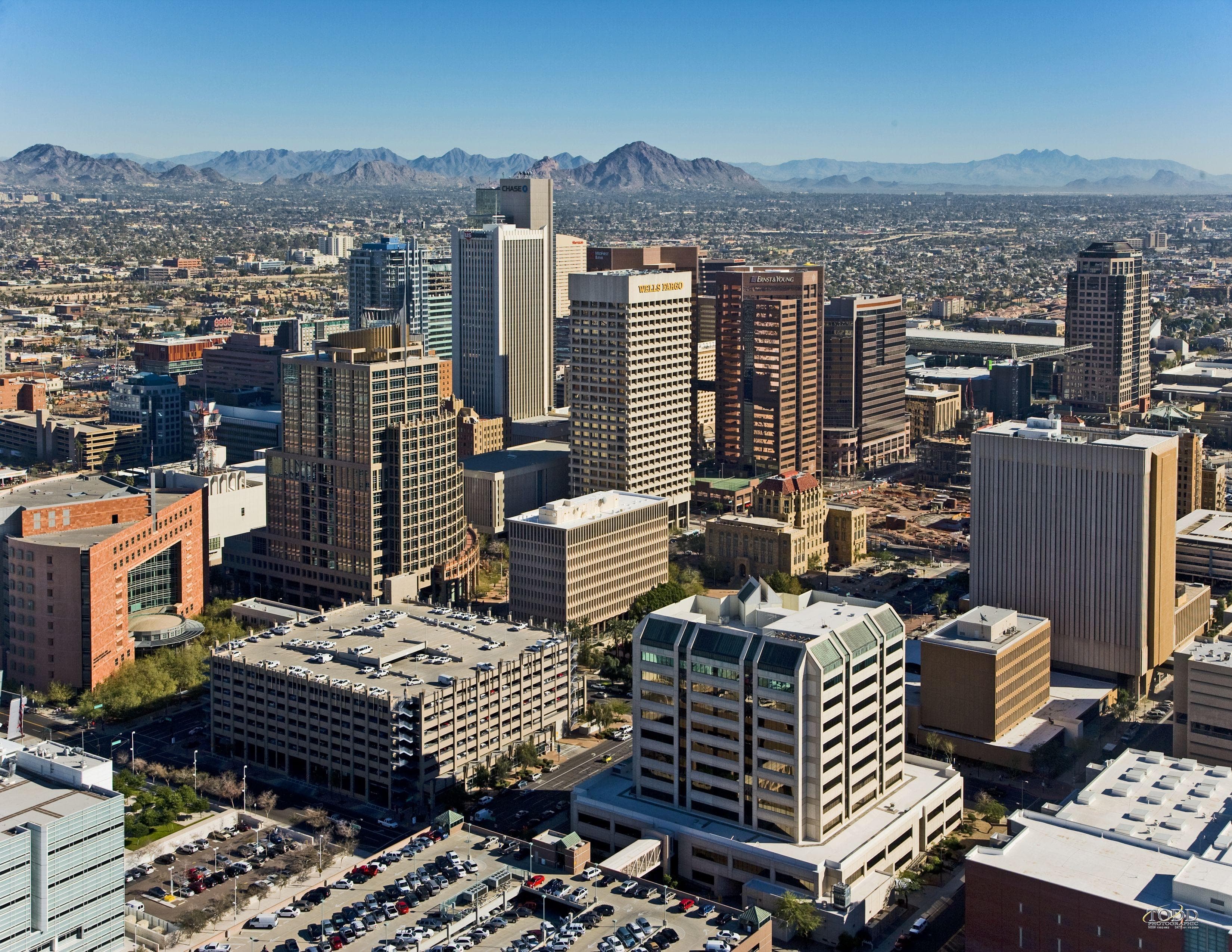
    At the conclusion of the Mexican-American War in 1848, Mexico ceded its northern territory to the United States. This land, which included the area that would eventually become Phoenix, AZ, became part of the New Mexico Territory, and all of its residents became US citizens. In 1863, the Arizona Territory was formed out of the western part of New Mexico Territory. Four years later, Civil War veteran Jack Swilling was living in the mining town of Wickenburg when he realized that the land in the Salt River Valley would make excellent land for farming if it only had a water source. He formed the Swilling Irrigation Canal Company, which began digging a canal. By 1868 a small settlement, named Swilling's Mill after its founder, had been built in the valley. The settlement's name changed several times during the first few months of its existence, going from Swilling's Mill to Helling Mill to Mill City. Swilling, who'd been a Confederate soldier, wanted to name the settlement Stonewall, after Stonewall Jackson, while other residents suggested the name Salina. But neither of these suggestions took. Finally, a man named David Duppa suggested the settlement be named Phoenix, as it was built on the ruins of a civilization built by the Indigenous tribes that had previously lived in the valley. Phoenix was officially recognized on May 4, 1868, when the Yavapai County Board of Supervisors formed an election precinct there. An official townsite was selected in October 1870. The town was incorporated in 1881.

    88% upvoted
  4. 4

    Canebreak To Terminus To Marthasville To Atlanta, GA

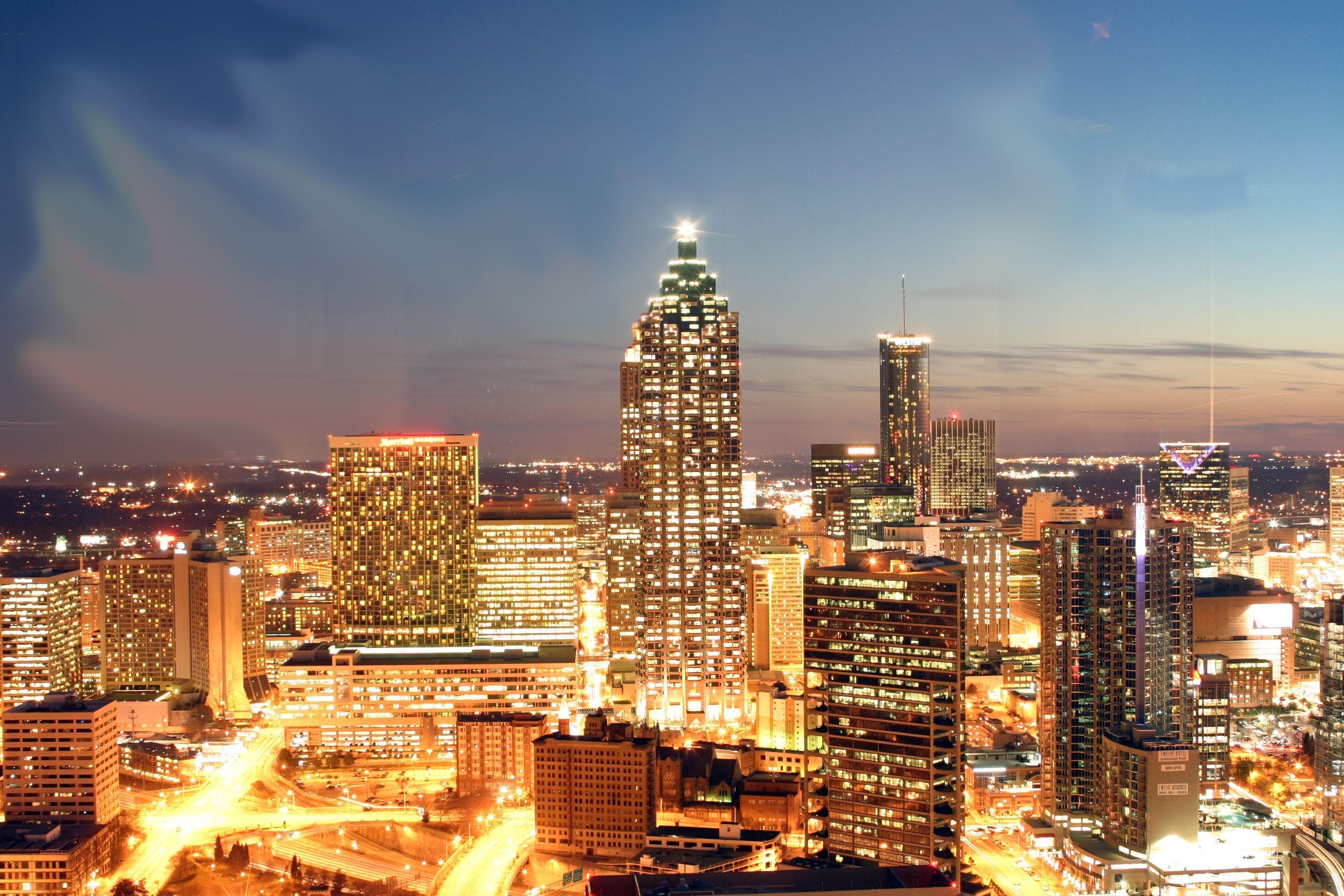
    For hundreds of years, the land that would eventually be the site of Atlanta, GA, was occupied by Indigenous people known as the Creek. In 1821 the Creek people were forced to cede their land to the US government, and in the following year white settlers began to move into the area. These earliest settlers called the area Canebreak (or Canebrake), but in 1837 Col. Abbott Hall Brisbane, chief engineer of the Western and Atlantic (W&A) Railroad, named the settlement Terminus, because the site marked the end point of the railroad line. However, Terminus was never the settlement's official name; from 1837 to 1842 it was also Deanville and Thrasherville. Other suggested names included Lumpkin (after former Gov. Wilson Lumpkin, who was the president of the W&A Railroad) and Mitchell (after Samuel Mitchell, who had provided the land on which the terminus was established). On December 23, 1842, the town was formally incorporated as Marthasville, named for Lumpkin's daughter Martha Atalanta. A few years later, it was suggested that the name should be changed to one that was both a nod to Lumpkin's daughter as well as to the railroad that had established the young city as a transportation hub in the Southern United States. Which is how, on December 29, 1847, Marthasville was officially incorporated as the city of Atlanta.

    88% upvoted
  5. 5

    Bronson To Kalamazoo, MI

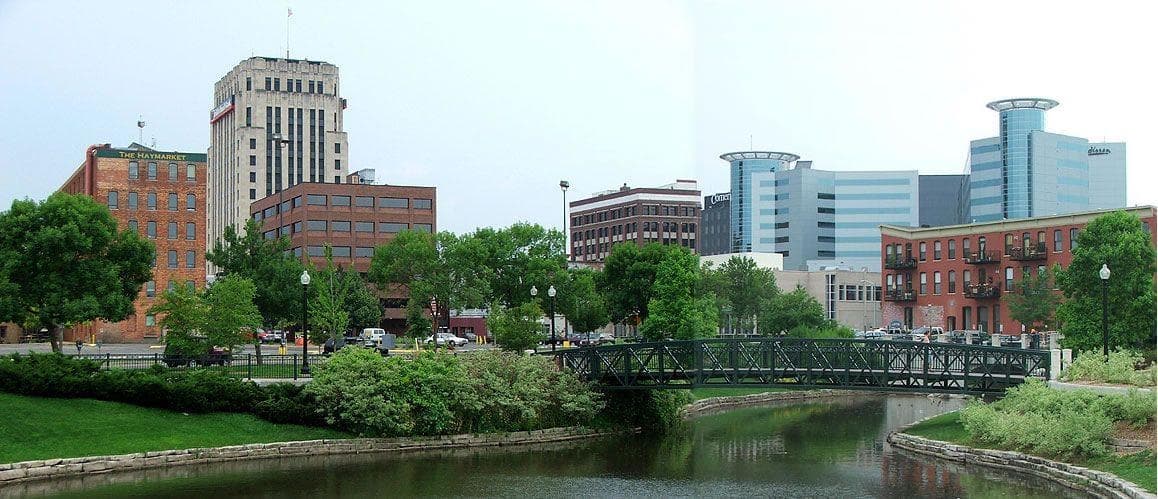
    Settler Titus Bronson arrived in southwest Michigan in June 1829, and in March 1831 recorded the first plot of land for the village of Bronson with the county's Register of Deeds office. But other settlers didn't like Bronson's beliefs; he was against alcohol, tobacco, gambling, and dancing. In March 1836 the town's name was successfully changed from Bronson to Kalamazoo, which led to Bronson leaving the area. There are conflicting stories about what Kalamazoo means. An atlas from 1823 identifies the river located on the eastern edge of the modern-day city as “Kikalemazo”; this is the first known mention of a word that is similar to Kalamazoo. The most widely accepted story concerning the name's origin is about a man named Fleet Foot, a member of the indigenous Potawatomi people. According to legend, he won his bride by running from the settlement to the river and back again before the water heating in a pot boiled away. This legend is the source of the following translations of Kalamazoo: “boiling pot,” “where the water boils in the pot,” “boiling water,” and "place where the water boils.” Other possible meanings include “mirage,” “reflecting river," and “stones seen in the water from which reflection looks like otters.” Yet another possible meaning of Kalamazoo, “smothered,” comes from a legend about a Native American who was nearly slain in a forest fire.

    89% upvoted
  6. 6

    Yerba Buena To San Francisco, CA

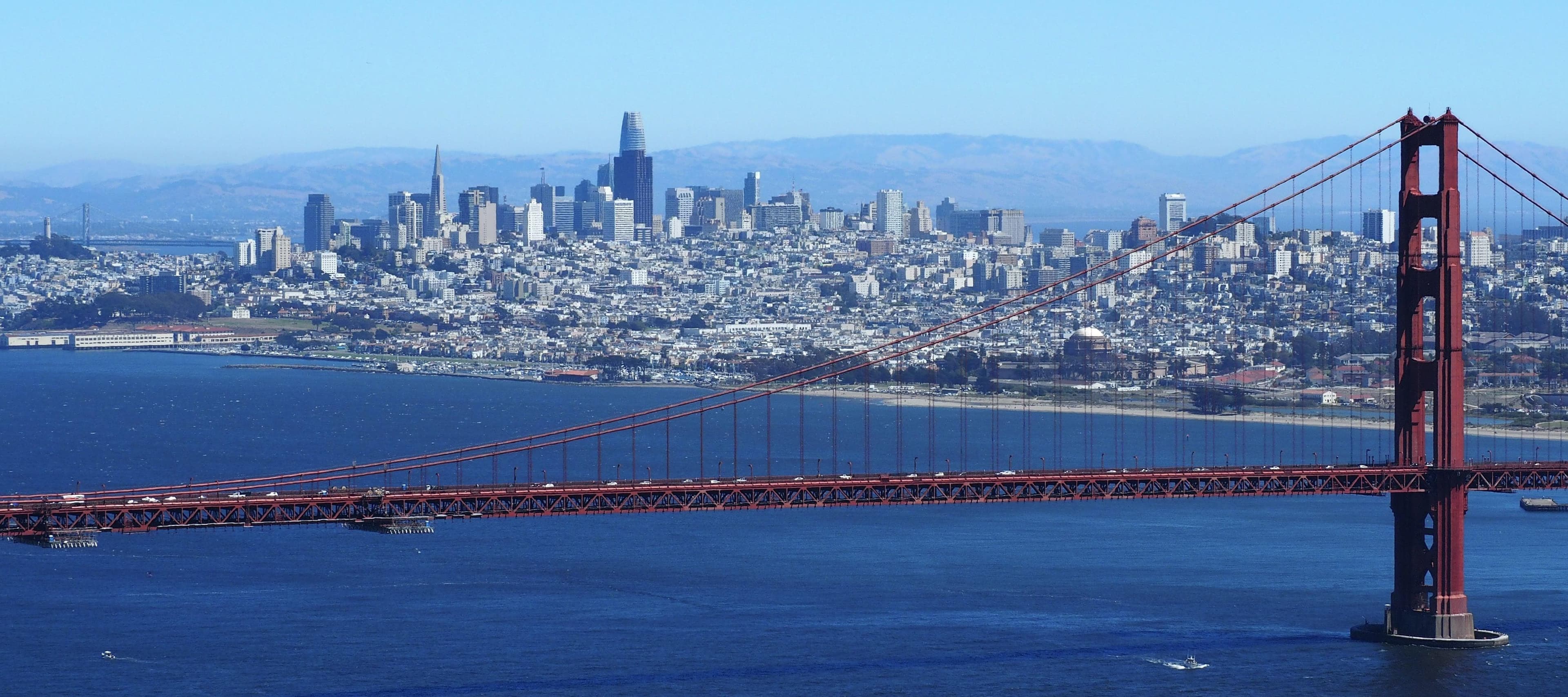
    Until 1848, San Francisco was under the control of first Spain, then Mexico. The first Spanish explorers arrived in San Francisco Bay in 1769 and claimed the nearby land as part of Las Californias Province of New Spain. In 1821, control of Alta California, which included land that would later be known as the site of San Francisco, passed from Spain to Mexico. Englishman William Richardson, who was determined to act as a liaison between Bay Area ranchers and the ships that would anchor in the bay, established his operation at Yerba Buena Cove in 1835. Yerba Buena, which translates to “good herb,” was a plant commonly found in the area. This settlement became known as simply Yerba Buena, and soon was the largest settlement in the Bay Area. The Mexican-American War broke out in 1846, and in July of that year US soldiers claimed Yerba Buena by raising an American flag in the town square. But the settlement's name change from Yerba Buena to San Francisco was apparently for financial reasons, not military ones. In January 1847, shortly after a nearby village attempted to call itself Francisca in an attempt to give it a strong connection to the San Francisco Bay and establish itself as the capital of the region, the mayor of Yerba Buena issued an ordinance that read: WHEREAS, the local name of Yerba Buena, as applied to the settlement or town of San Francisco, is unknown beyond the district; and has been applied from the local name of the cove, on which the town is built: Therefore, to prevent confusion and mistakes in public documents, and that the town may have the advantage of the name given on the public map; IT IS HEREBY ORDAINED, that the name of SAN FRANCISCO shall hereafter be used in all official communications and public documents, or records appertaining to the town. Following this move by San Francisco, the rival village had to settle for being named Benicia. In 1848 the Treaty of Guadalupe Hidalgo resulted in California becoming a territory of the United States; in 1850 it was admitted to the Union as a state.

    85% upvoted
  7. 7

    St. Jean du Vermilionville To Vermilionville To Lafayette, LA

    In 1824, US President James Monroe invited Gilbert du Motier, AKA the Marquis de Lafayette, to visit the United States. Du Motier was a hero in both the United States and his native France; during the American Revolution he had been the commander of Revolutionary troops at several battles, including the siege of Yorktown, and in France he'd played an important role in the French Revolution. Vermilionville, a small settlement in southwest Louisiana named for a nearby river, was founded in 1824. Jean Mouton, the settlement's founder, originally named it St. Jean du Vermilionville, but that was quickly shortened. When the Marquis de Lafayette came to America that same year, he made a stop in every state; when he was scheduled to come to Louisiana, he decided to came to Vermilionville. The parish the settlement was located in was named Lafayette, after the general. Residents in Vermilionville wanted to change the settlement's name after the general's visit, but were unable to because there was already a town in Louisiana named Lafayette, and at the time there was a rule that a state couldn't have two places with the same name. So Vermilionville had to keep its original name. The original Lafayette, LA, was located in what is known today as the Garden District of New Orleans. When it became a faubourg (neighborhood) of New Orleans after the city was incorporated in 1852, that opened the door for Vermilionville to change its name to Lafayette. However, it would be another 32 years - May 1884 - before the town officially changed its name, 60 years after the Marquis de Lafayette made his visit to Louisiana.

    87% upvoted
  8. 8

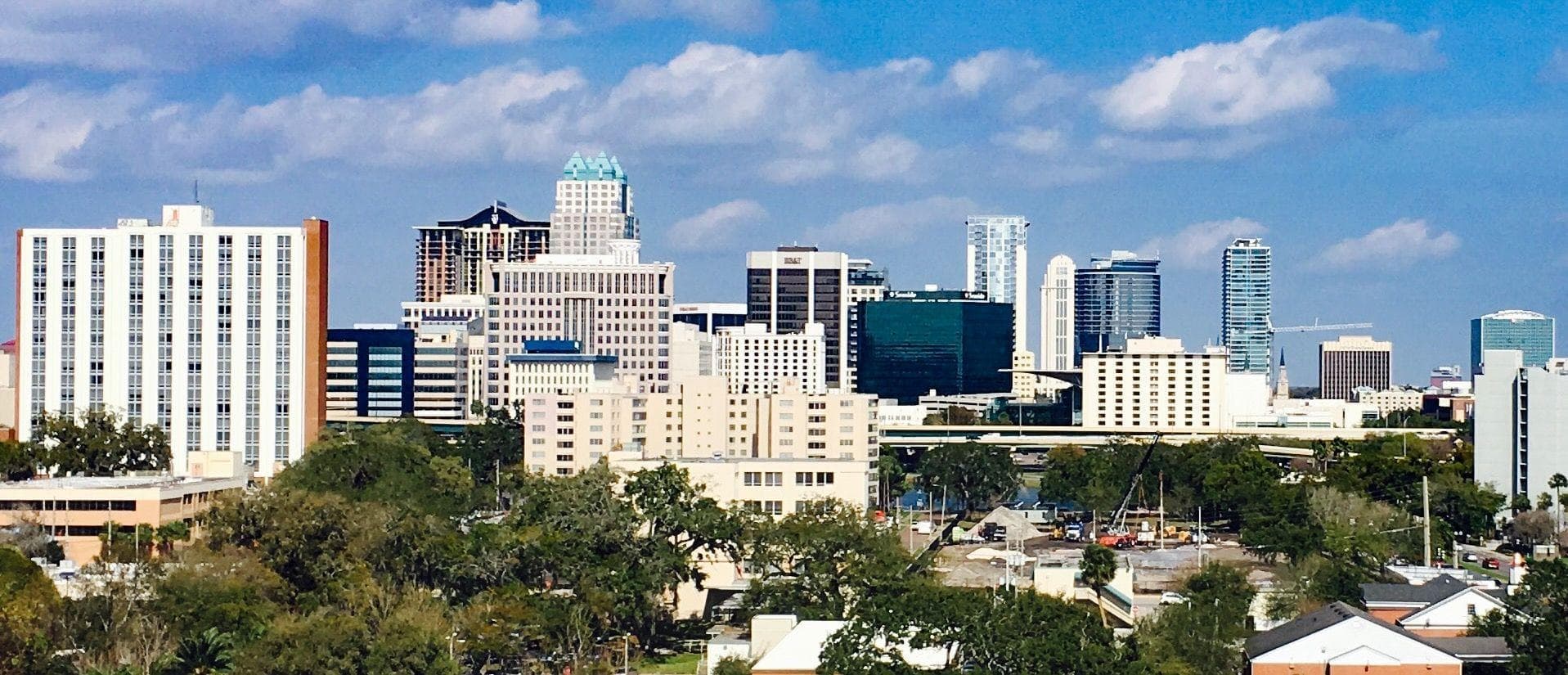
    Jernigan To Orlando, FL

    The Seminole Wars, a series of three wars in Florida between the US Army and the Indigenous people known as the Seminoles, took place from 1816 to 1858. During the second Seminole War (1835 to 1842), the US Army built Fort Gatlin to protect settlers from the Seminoles. By 1840, a small settlement had sprung up around the fort, located a few miles south of present-day Orlando, FL. It was named Jernigan, after the family who founded the settlement. The community expanded to the north, and in 1856 its name was changed from Jernigan to Orlando. When incorporated in 1875, Orlando had just 85 residents. There are several stories about how the town got its new name. Two involve Judge James Speer, who was heavily involved in getting Orlando named the county seat. One story says Speer named the town after a man who worked for him; the second suggested he was inspired by Orlando, a character in Shakespeare's play As You Like It. A third possibility is that the town was named after a man who was on his way to Tampa with a load of oxen but perished and was buried in the area. When people saw his grave, they'd say, “There lies Orlando.” The final theory is that the town was named after Orlando Reeves, a soldier who was killed during the Seminole Wars.

    86% upvoted
  9. 9

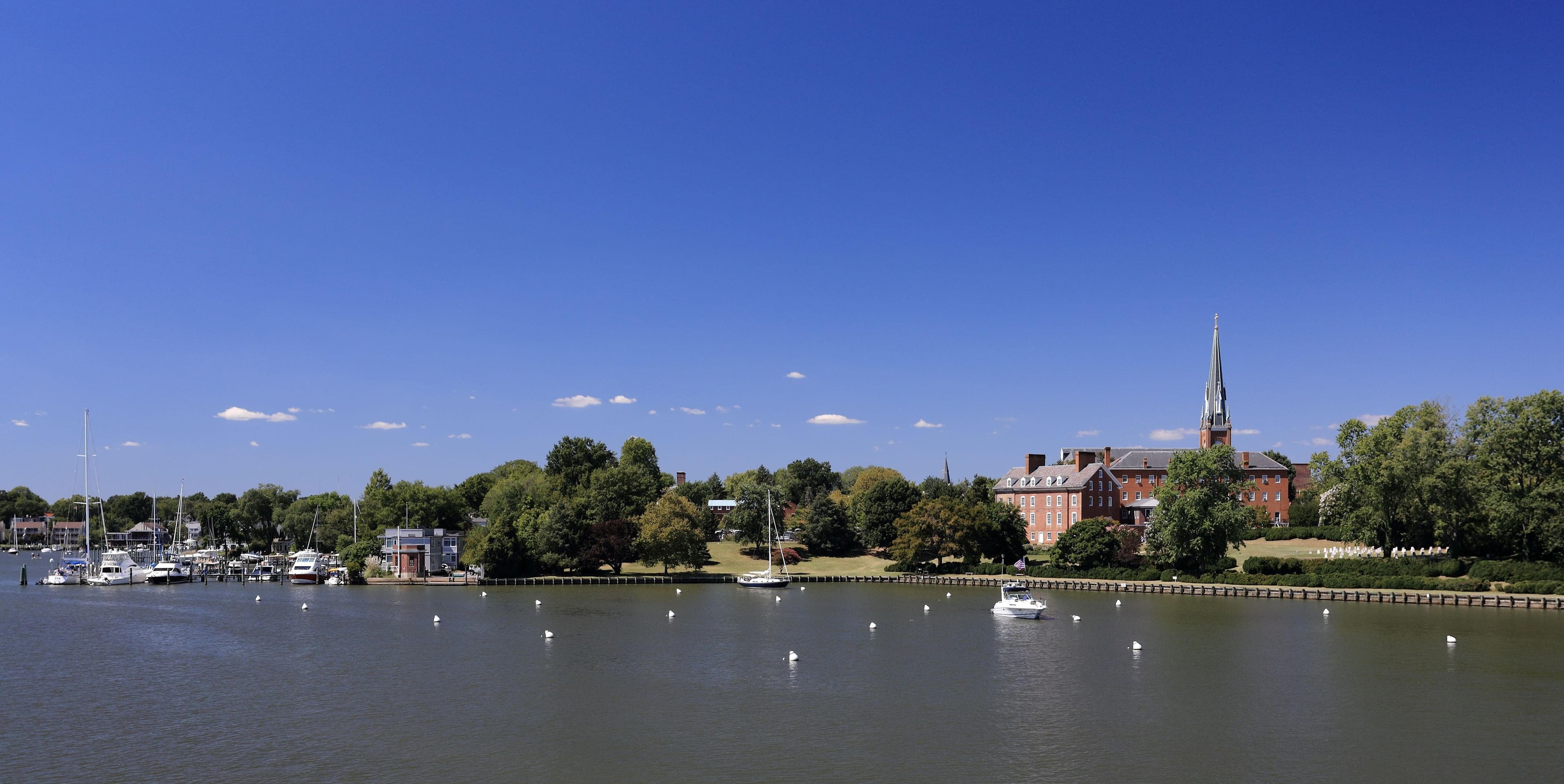
    Providence To Anne Arundel Towne To Annapolis, MD

    Nicknamed “the Athens of America,” Annapolis, located on Chesapeake Bay, is the capital of Maryland as well as the home of the US Naval Academy. Puritan settlers came to the area in 1649, building its original community on the northern shore of the Severn River; this settlement was called Providence. When the settlers later moved to the southern shore of the Severn River, the settlement they built there was known first as Town at Proctor's, then as Town at the Severn. In 1694 it was renamed Anne Arundel's Towne, after the late wife of Lord Baltimore. That same year, Sir Francis Nicholson, the third royal governor of the colony of Maryland, moved the colony's capital from St. Mary's City to Anne Arundel's Towne, then renamed the settlement Annapolis after Princess Anne, the heir to the English crown. Princess Anne became queen in 1702, and in 1708 she issued a charter that made Annapolis a city.

    87% upvoted
  10. 10

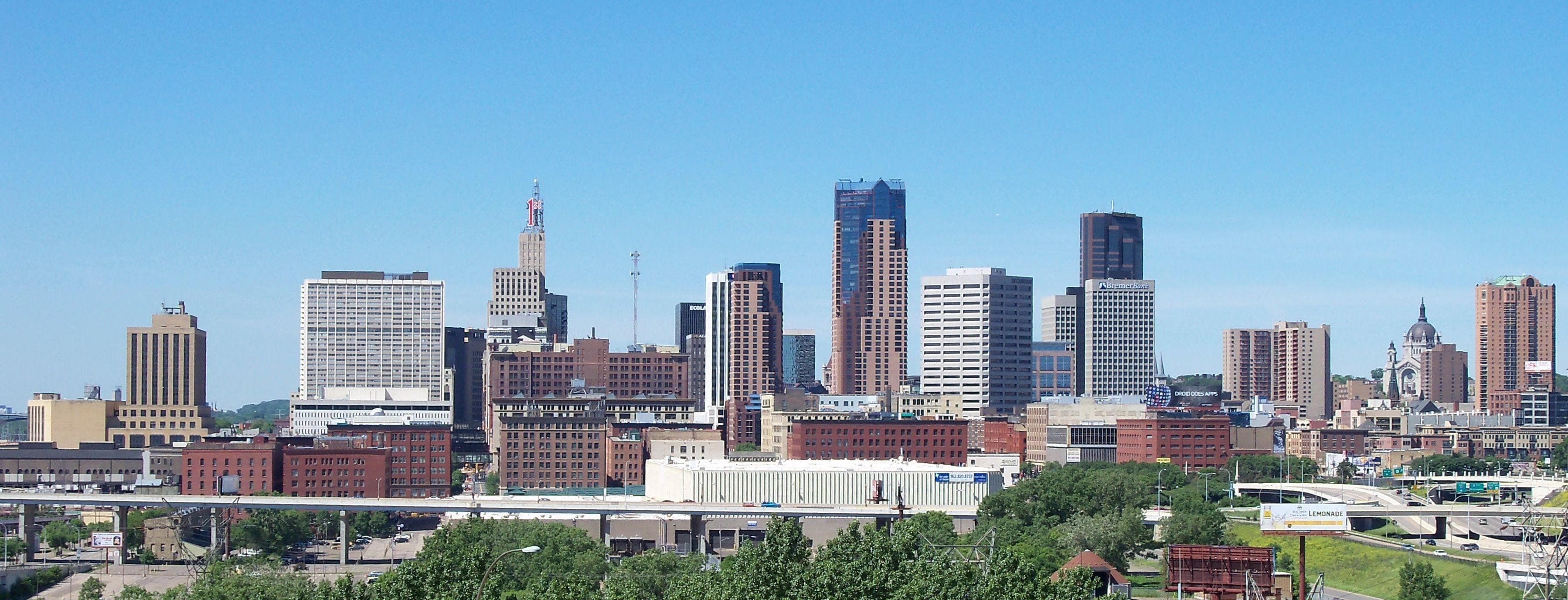
    Imnizaskadan To Pig’s Eye To Saint Paul, MN

    The land on which the city of St. Paul, MN, currently sits was first inhabited by Native Americans. In the 1600s, Mdewankton Dakota of the Sioux tribe came to the area after fleeing their ancestral home near Mille Lacs Lake to escape the advancing Ojibwe. They named their new home Imnizaskadan, or “little white rock.” In 1805, Army officer Zebulon Pike negotiated the transfer of 100,000 acres of Imnizaskadan from the Dakota; this land then became the site of Fort Snelling. In 1837, the US government negotiated a series of treaties with the Dakota that gave the government control of the rest of Imnizaskadan. Fort Snelling was established in 1819 in an attempt to establish American control of the fur trading industry. In 1838 Pierre “Pig's Eye” Parrant, a fur trader turned bootlegger, was the first white person to file a land claim, naming his settlement “Pig's Eye Landing.” Father Lucien Galtier, however, the first Roman Catholic priest in Minnesota, did not approve of this name. After establishing St. Paul's Chapel on the bluffs above the landing, he decided that the settlement's name should be changed to St. Paul, after the church he'd established. Matt Goff, a librarian and archivist, doubted the historical accuracy of the stories about Parrant and whether St. Paul had actually ever been named “Pig's Eye Landing.” In a 2021 article titled “ Not Everything You've Heard About 'Pig's Eye Parrant' Is True," Goff says that although historical evidence proves Parrant did make a land claim in 1838, St. Paul wasn't actually founded until 1840, which was after Parrant had established a settlement about 3 miles south of the area that would become known as downtown St. Paul. It was this settlement that became known as Pig's Eye. So the story of St. Paul once being known as Pig's Eye seems to be nothing more than a story. But this much is historical fact: Minnesota Territory was formally established in 1849, with St. Paul named its capital.

    83% upvoted