Skip to content
maxnews
Rankings

Unintentionally Haunting Historical Photos And What They Reveal About The Past

Sometimes, a photograph is meant to be unsettling or creepy. Others simply become unnerving with the gift of hindsight. And then there are haunting images that leave you feeling uneasy - whether they intend to or not. Throughout history, photos have captured people, places, and phenomena. Much of what has been caught in a moment lacks context and explanation, ultimately creating a space for that photo to not sit quite right. It may play on a phobia, feature a long-forgotten activity that defies modern comprehension, or just raise so many more questions than it could ever hope to answer. Unintentionally haunting historical photos may actually have that quality magnified because they were taken for completely non-haunting reasons. Understanding those reasons may make them less creepy. Then again, maybe not.

Entries
11
Votes
31.6K
Updated
2 days ago

Tap upor downto vote. Your vote is added to Ranker's counts.

Voting identifies your browser with an anonymous fingerprint, stored only as a salted hash, to count one per visitor. Privacy

Source: Ranker, ranked by its voters.

  1. 1

    A Pile Of Bison Skulls (1892)
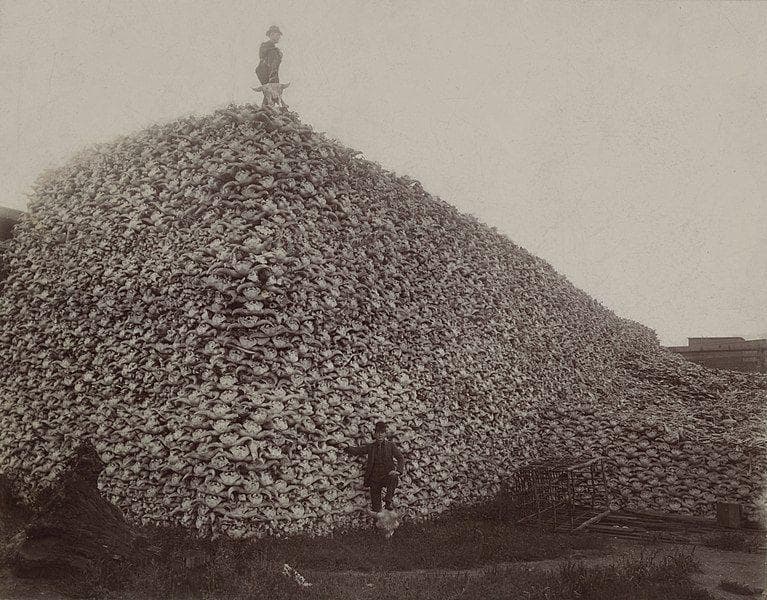
    Taken at the Michigan Carbon Works factory in Rougeville, the pile of bison skulls in this photo was slated to be processed and used in making products like bone glue, fertilizer, bone ash, bone char, and bone charcoal. The number of bison skulls is a testament to the prevalence of the animal in the US, as well as why that number fell so significantly. As many as 30-50 million bison existed at the start of the 1800s. By the 1880s, that number was in the thousands and, in 1902, fewer than 100 bison were left. Conservation efforts revitalized the bison population during the 20th century. According to the US Fish & Wildlife Service, bison were no longer under threat of extinction (as of 2016) due to conservation efforts and commercial herds of roughly 500,000 bison.
    80% upvoted
  2. 2

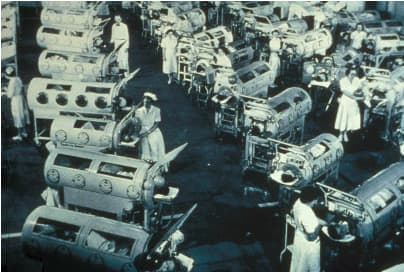
    The Iron Lung Ward Of A Hospital In California (1953)

    Poliomyelitis, often simply called polio, is a viral disease that traces to antiquity, but outbreaks during the 19th and early 20th centuries exacerbated fear of the affliction. American physician Jonas Salk developed a vaccine for polio in 1953, although it was not available for widespread use in the US until 1955. More than 100,000 cases of polio were reported in the US between 1950 and 1953, with 6,600 lives lost. There were few successful treatments for the disease when paralysis occurred, although injections, surgery, splints, and holistic approaches were all used to address its effects. When the iron lung was invented during the late 1920s, it offered respiratory support for individuals with polio-related chest muscle paralysis. Purchasing the machine for home care was cost-prohibitive (their size was also difficult to accommodate), but hospitals housed rows of the machines for patients.

    80% upvoted
  3. 3

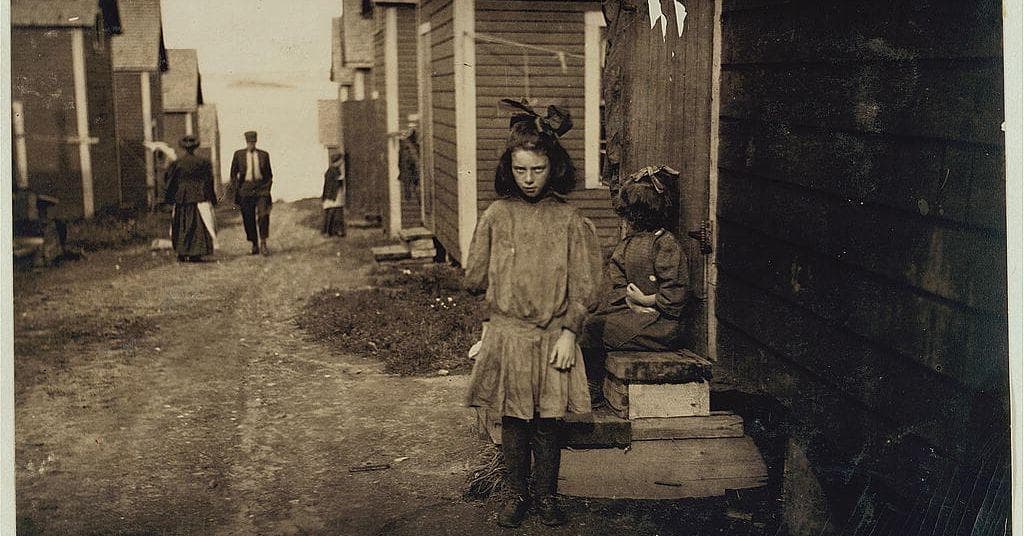
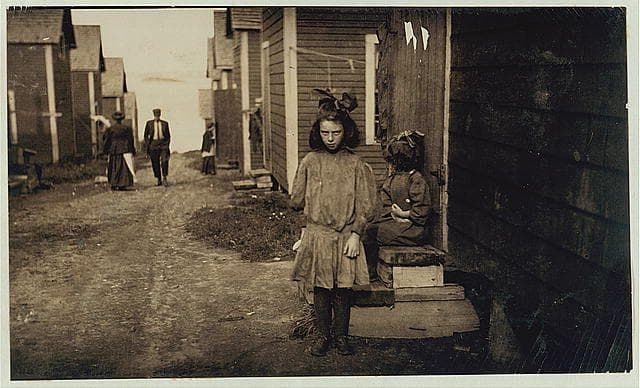
    A Young Factory Worker In Maine (1911)

    She's only 9 years old and, according to records, was a worker at a seafood canning company in Maine. Alongside other members of her family, Nan de Gallant spent long hours during the summer months hard at work. Despite this, she was described as “a spoiled child” in the photo's title. This may have been because her work in a factory was “irregular” instead of a daily happening. Child laborers Nan's age were not unusual. According to the US Bureau of Labor Statistics, “no less than 18 percent of all children ages 10-15 worked” from 1890 to 1910. In Maine specifically, a law banning children younger than 12 from working in manufacturing exempted the canning industry because it produced perishable goods. This law changed in 1911, but it's difficult to assess how many children actually stopped working.

    80% upvoted
  4. 4

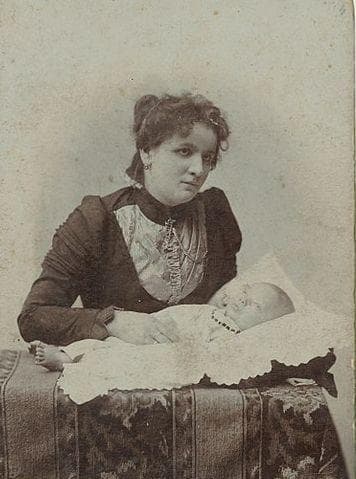
    A Young Mother And Her Deceased Infant (1901)

    The image of mother and child immortalizes both Otylia Januszewska and her recently deceased son, Aleksander. It also attests to the Victorian-era practice of taking post-mortem photos to honor the dead and express grief. Such photography was one form of the concept memento mori, or “remember you must die,” which has existed throughout history. During the Middle Ages, reminders of human mortality were incorporated into paintings. Ancient examples of memento mori include trinkets and other items featuring skeletons and the like. The development and increased accessibility of photography made the format ideal for incorporating into the grieving process. Not only reminders of death - the images also served to maintain connections with loved ones.

    80% upvoted
  5. 5

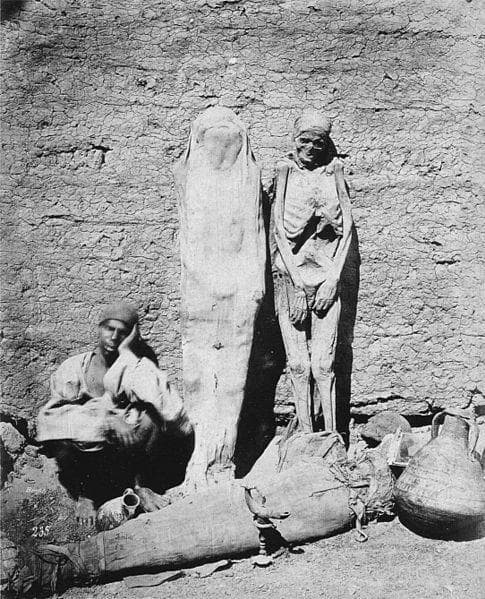
    A Sleeping Mummy Trader (1875)

    Egyptian mummies have always fascinated people, and in the Middle Ages, there was actually a market for mummified bodies. Merchants transported the specimens from Egypt to Europe, where they were used in a variety of ways. People often ground up mummies for medicinal purposes, a practice that was especially popular from the 12th through 17th centuries. At the time, people thought mummies were embalmed with bitumen - which wasn't true - so mummy remains were used to create “cures” for ailments of the lungs and digestive system, and to heal fractured bones. This practice declined by the 19th century, but the trade did not. As is seen here with the sleeping merchant, mummies were hot commodities for wealthy Europeans and Americans to display as a sign of wealth. There were even “unwrapping parties” held for entertainment and scientific endeavors alike. One party held by surgeon Thomas Pettigrew in Victorian England went like this: Following a lecture of Egyptian history and religion the lecturer and his assistants would gradually remove the textiles and other materials that encased the mummy. Fragments of the wrappings, pungent with resins and spices, were often passed around the audience along with the amulets and other artefacts encountered within them.

    80% upvoted
  6. 6

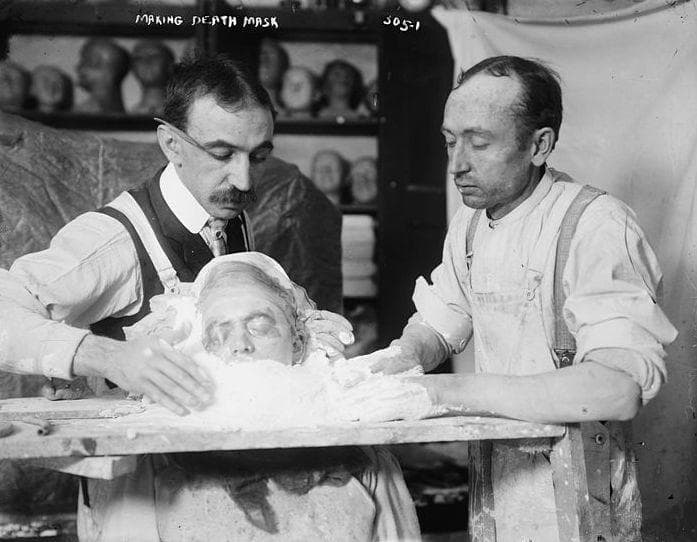
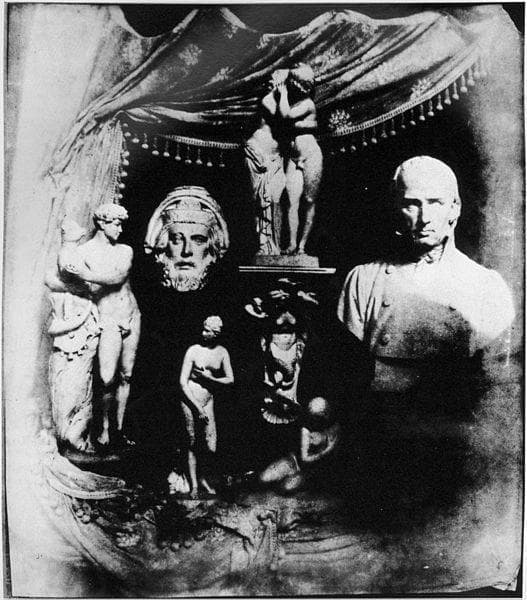
    Two Men Making A Death Mask (c. 1908)

    Made to capture the likeness of a deceased individual, a death mask was usually taken from a cast or impression of a corpse. Death masks like the elaborate ones in ancient Egypt were crafted for funerary purposes to facilitate one's journey through the afterlife. People in ancient Greece and Rome made statues and busts to capture an ancestor's likeness and, collectively, these served as the predecessors of death masks made in subsequent centuries. The difference between Egyptian masks and the others, however, was accuracy. Not idealized, death masks were as much a memento of the deceased as they were mechanisms for preserving that individual's legacy. Masks of prominent individuals such as Napoleon Bonaparte, Abraham Lincoln, and George Washington could be used to make statues and busts well after their lives ended.

    80% upvoted
  7. 7

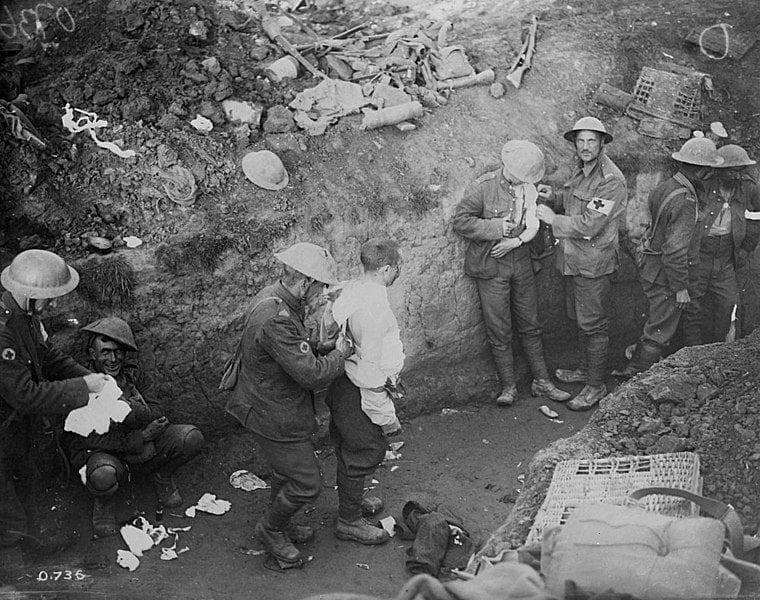
    Soldiers Receiving Medical Aid During WWI (1916)

    The facial expression of the soldier in the trench looking directly at the camera is among the images demonstrative of the so-called “thousand-yard stare" - he looks truly traumatized due to what he has experienced and seen on the battlefield. The expression “thousand-yard stare” has been associated with the work of LIFE correspondent and muralist Tom Lea during WWII. His painting of a US Marine with a distant, haunting look on his face represented what would later be called “battle fatigue.” During WWI, what amounted to battle fatigue was called “shell shock” and, during the later 20th century, became known as post-traumatic stress disorder.

    77% upvoted
  8. 8

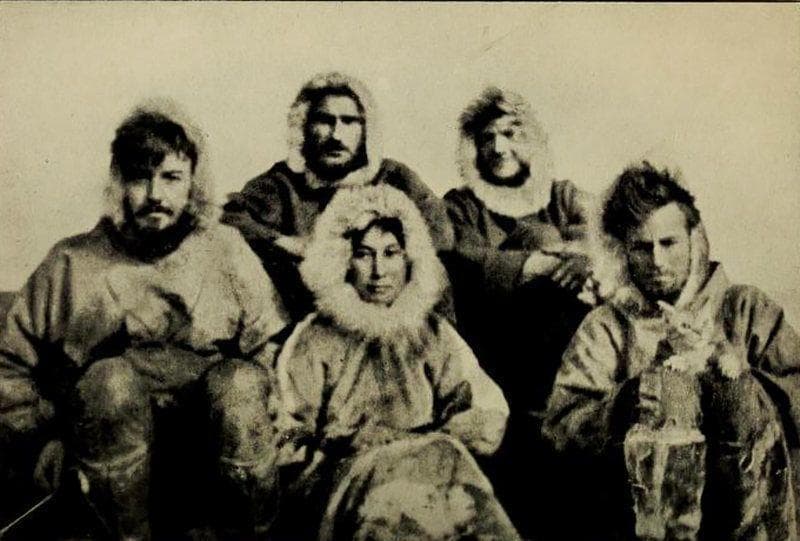
    The Wrangel Island Expedition Team (1921)

    The team that set out for Wrangel Island in 1921 included Canadian Allan Crawford and Americans Lorne Knight, Fred Maurer, and Milton Galle. They also had a kitten named Victoria (Vic) with them and were guided by a young Inuit woman named Ada Blackjack (nee Deletuk). Recruited by Arctic explorer Vilhjalmur Stefansson, the group set out for the remote Siberian island on September 9 and arrived one week later. Blackjack was supposed to recruit additional Inuits to settle on the island but failed to do so. She had been trepidatious about going to Wrangel Island, and once there, she was withdrawn and fearful of the men with her. When winter arrived, the group worked together, however, and were collectively disappointed when a promised relief ship failed to arrive during the summer of 1922. In January 1923, Crawford, Milton, and Maurer left their camp as the group increasingly struggled to survive. Knight had scurvy and stayed behind with Blackjack and Vic. Despite Blackjack's efforts to care for Knight, he passed in June 1923. The other three men were never seen again. Blackjack and Vic were the only members of the original team at the camp until August, when rescuer Harold Noice came to shore. By then, she had taught herself to fish, hunt, and survive in the Arctic. Of course, she and Vic left with Noice soon after he arrived.

    69% upvoted
  9. 9

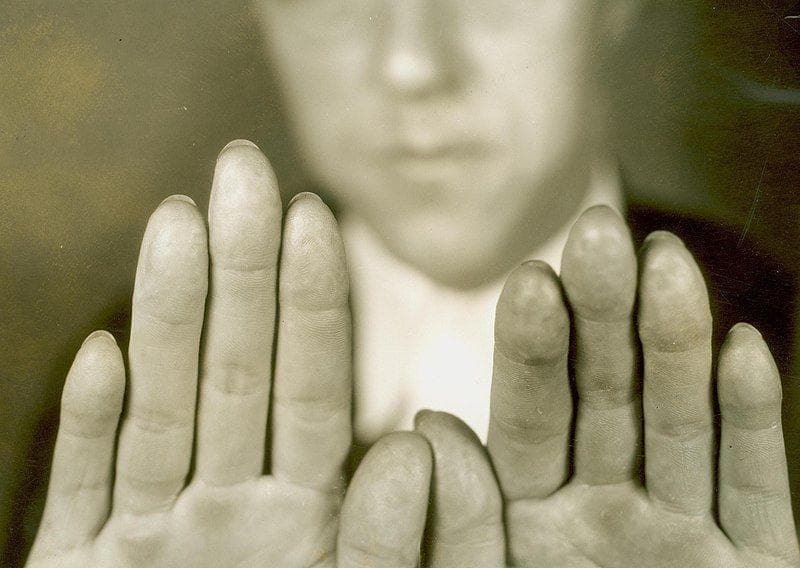
    Criminal Alvin Karpis's Fingertips (1936)

    Alvin Karpis was a career criminal who was nicknamed “Creepy” on account of his unnerving smile. During the 1930s, he was associated with the Barker gang and was involved in several high-stakes kidnappings. After he and his criminal cohort left fingerprints at two noteworthy kidnappings in 1933, Karpis had his fingerprints altered by Joseph “Doc” Moran, a physician who worked for the Chicago underworld. Moran performed cosmetic surgery on both Karpis and Fred Barker (son of Kate “Ma” Barker) in 1934. In addition to altering their noses, chins, and jaws, he performed a much less common procedure, according to historian William B. Breuer: Freezing their fingers with cocaine, he scraped them with a scalpel in an effort to distort their tell-tale fingerprints. It was all for naught for Karpis, however. In 1936, he was apprehended in New Orleans and later sentenced to life in prison. He spent more than 30 years in federal prisons - including Alcatraz - and was paroled in 1969.

    60% upvoted
  10. 10

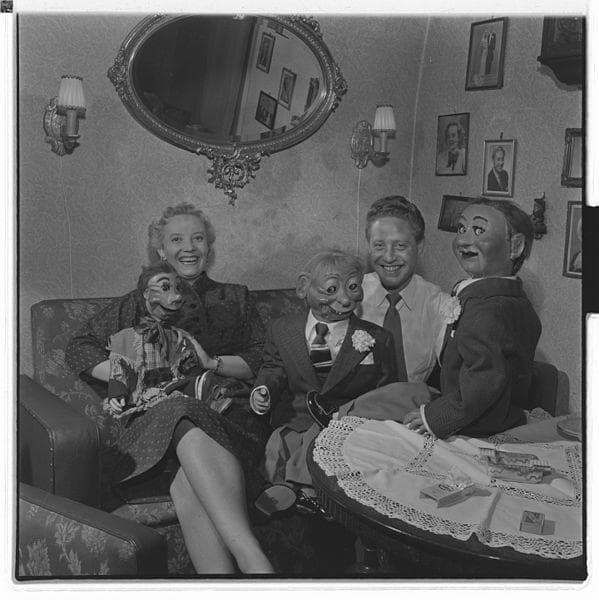
    Inger Jacobsen And Jackie Hein Bülow Jantzen (1954)

    What may appear to be an odd picture is perhaps another day in the life of singer Inger Jacobsen and her husband, Jackie Hein Bülow Jantzen (whose stage name was simply Jackie Bülow). Jacobsen was a popular singer in her native Norway - even representing her country in the Eurovision competition in 1962. Bülow, a native of Denmark, performed as a ventriloquist. During the mid-20th century, ventriloquism was especially popular in radio entertainment and on the emerging medium of television. Purportedly 400 full-time ventriloquists worked in the UK during the 1950s and '60s alone.

    57% upvoted