Skip to content
maxnews
Film

Underrated Movies About Real-World Villains

Fact is stranger than fiction - but what about a combination of the two? True crime movies about real people allow for the perfect storm, as real-world villains connect with the audience in ways that make the spine chill. After all, isn’t it more frightening to know something happening on screen is based on reality? There are a host of underrated movies featuring real-world villains that bring out the shudders. Quite often, these films are the result of the blood, sweat, and tears of actors and filmmakers who studied every finer detail about these controversial individuals in question. They might be uneasy to watch at times, considering the subject matter, but this shouldn't take anything away from their overall quality. So, let’s unearth these cinematic gems that deserve more of our attention and praise.

Entries
12
Votes
3.3K
Updated
6 hours ago

Tap upor downto vote. Your vote is added to Ranker's counts.

Voting identifies your browser with an anonymous fingerprint, stored only as a salted hash, to count one per visitor. Privacy

Source: Ranker, ranked by its voters.

  1. 1

    'The Last King of Scotland' (Idi Amin)

    The real-world figure: Uganda’s Idi Amin ruled his country with an iron fist that crushed anyone who opposed him. He rose to prominence in 1971 when he overthrew the government and instilled himself as the president of Uganda. As a cruel and vicious megalomaniac, Amin ruled for 8 years, where it’s suspected he ordered the execution of over 500,000 people during his reign. The dictator also orchestrated the expulsion of Asian citizens from the country and ran up the military budgets to astronomical amounts, which sent Uganda into an economic freefall for years. In 1979, Amin’s reign collapsed after Ugandan exiles and Tanzanian forces seized control of Kampala. The dictator hastily departed to Saudi Arabia, where he lived until his death and never faced punishment for his crimes. The movie: The Last King of Scotland merges fact with fiction, as it looks at Idi Amin’s (Forest Whitaker) reign of terror through the eyes of a Scottish doctor (James McAvoy). As a result, it blurs some of the historical accuracy of the events and who was really there, but it successfully showcases the brutal and unwavering nature of the dictator. Whitaker’s transformation into Amin takes the audience's breath away and resulted in him winning an Oscar for his stunning performance.

    84% upvoted
  2. 2

    'American Gangster' (Frank Lucas)

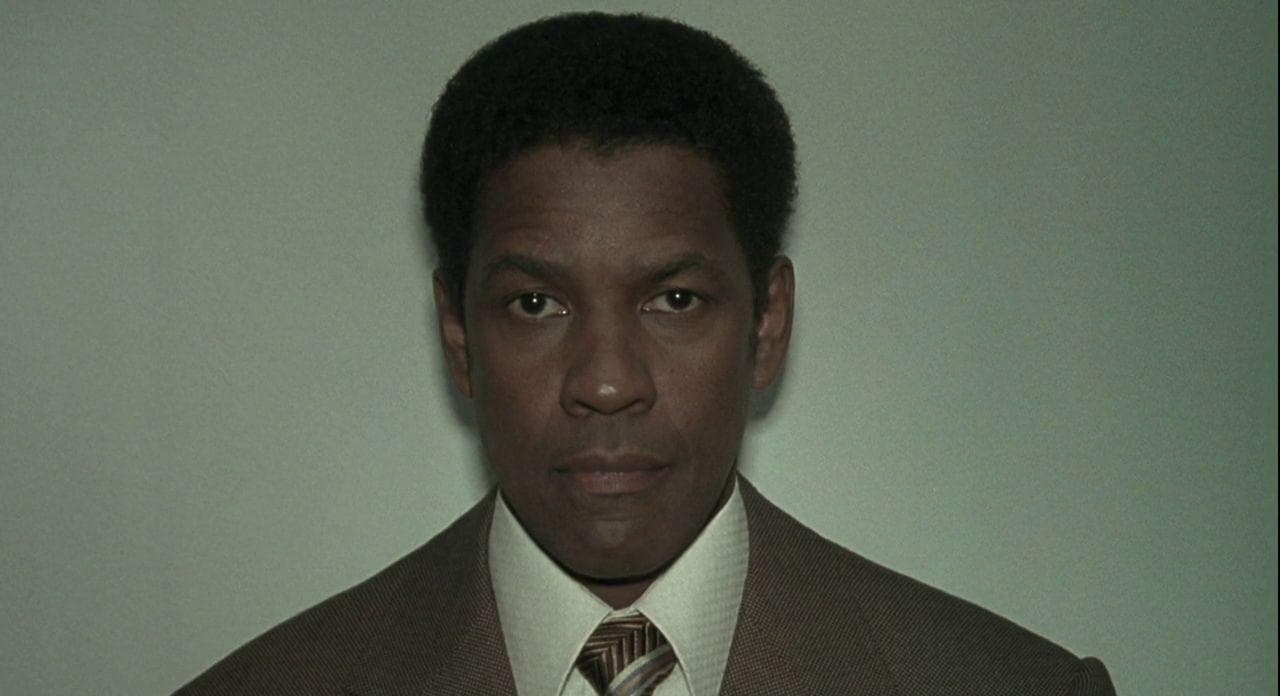
    The real-world figure: Frank Lucas dreamed of being mega-rich, and that’s exactly what he achieved before he was caught in 1975. In the ‘60s, Lucas created an empire of drug trafficking that sprawled across international waters all the way to Southeast Asia. Lucas understood that middlemen were the bottlenecks in every trade, so he cut them out and dealt directly with the supplier for his product: heroin. After Lucas was arrested, he turned informant and gave up the names of the pivotal people involved in this intricate web of crime, including police officers. The movie: American Gangster doesn’t only depict Frank Lucas’s time as a heroin kingpin, but also the impact of race and how Lucas’s rise to the top rattles the cages of the predominantly white mob. Having met the real-life Lucas as research for the part, Denzel Washington delivers a jaw-dropping tour de force, as he demonstrates a deeper understanding of not only the character arc but also the motives and drivers behind the man.

    83% upvoted
  3. 3

    'Monster' (Aileen Wuornos)

    The real-world figure: From an early age, serial killer Aileen Wuornos led a troubled life. She traded sexual favors as young as 11 and found herself on the wrong side of the law many times afterward. While working as a sex worker, Wuornos met Tyria Moore, whom she began a relationship with. Wuornos robbed and murdered seven of her male clients, claiming the acts were done in self-defense since they either assaulted or attempted to assault her. Eventually, Moore turned on her girlfriend after being offered immunity from prosecution, helping the police to obtain a confession out of Wuornos. In 2002, Wuornos was executed by lethal injection. Wuornos, though, was unrepentant until the bitter end, stating, “I killed those men, robbed them as cold as ice. And I'd do it again, too. There's no chance in keeping me alive or anything, because I'd kill again. I have hate crawling through my system." The movie: Directed by Patty Jenkins and starring Charlize Theron as Aileen Wuornos, Monster is a character study of a disturbed individual, following the crux of the real-life story. While it does try to paint a sympathetic picture of Wuornos in certain scenes - and how life has handed her a raw and unfair deal - it also confronts the reality that she is responsible for her actions, and there are consequences. Theron won an Oscar for her outstanding performance.

    82% upvoted
  4. 4

    'Black Mass' (Whitey Bulger)

    The real-world figure: James Joseph "Whitey" Bulger Jr. lived a dual life. Not only was he one of the most notorious and brutal Boston crime bosses of all time as he led the Winter Hill Gang, but he was also an informant for the FBI - which resulted in law enforcement turning a blind eye to many of his crimes throughout the years. Yet, Bulger experienced a complicated relationship with the city of Boston. While he laundered and extorted, he was also known to be kind to the people of his neighborhood. At the age of 89, while incarcerated and serving his time, Bulger was beaten to death in jail by multiple inmates in what was a suspected hit. The movie: While Black Mass showcases the harrowing violence of Whitey Bulger’s life and choices, it also tries to piece together the events that create a clearer image of the man who embraced a life of crime. Johnny Depp disappears into the guise of Bulger, taking influence from past surveillance and audio footage of the crime boss. According to the actor, he tried to speak with Bulger before production started, but he was turned down, so he chatted to the mobster’s attorney for guidance on Bulger’s mannerisms and personality.

    82% upvoted
  5. 5

    'Henry: Portrait of a Serial Killer' (Henry Lee Lucas)

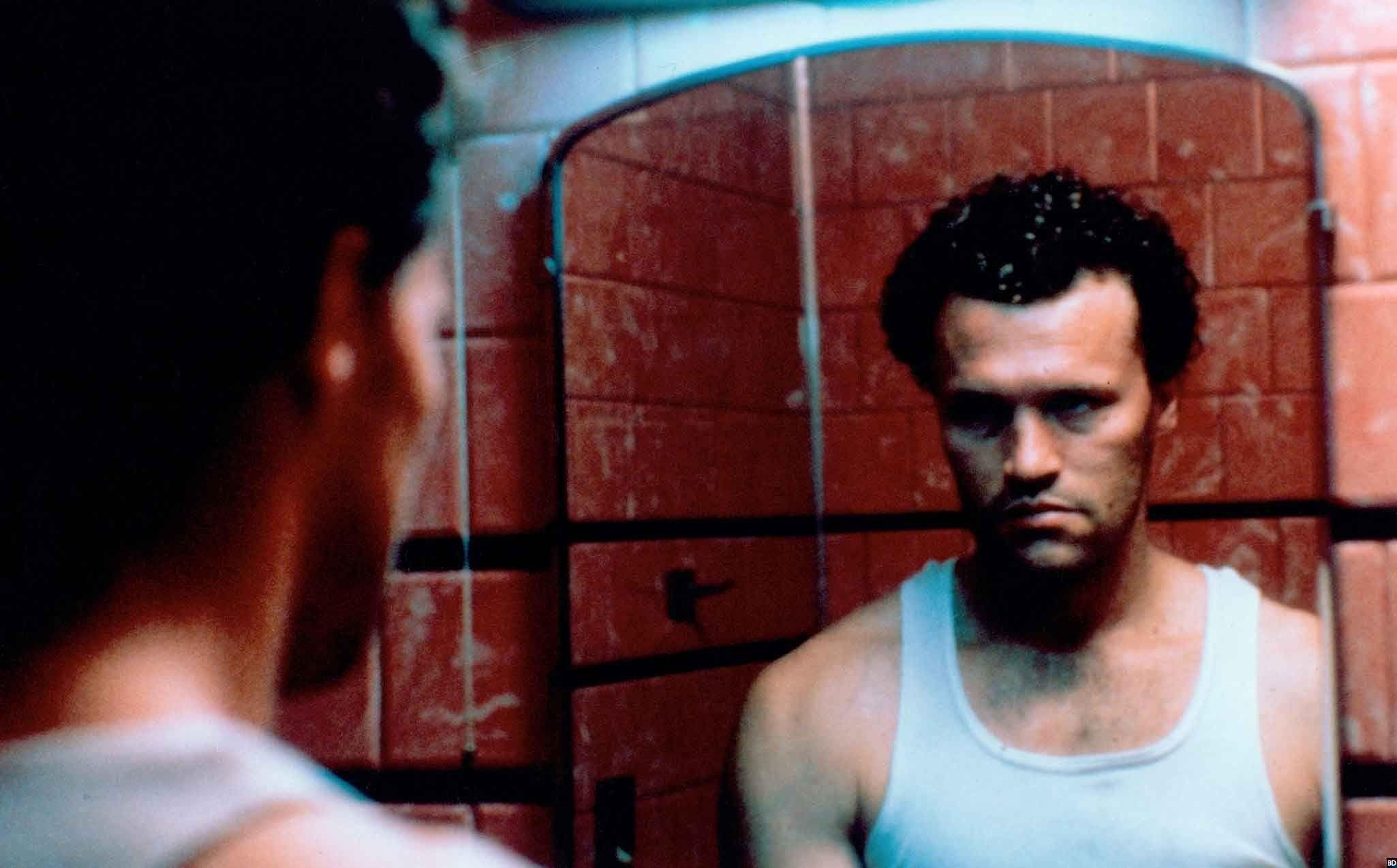
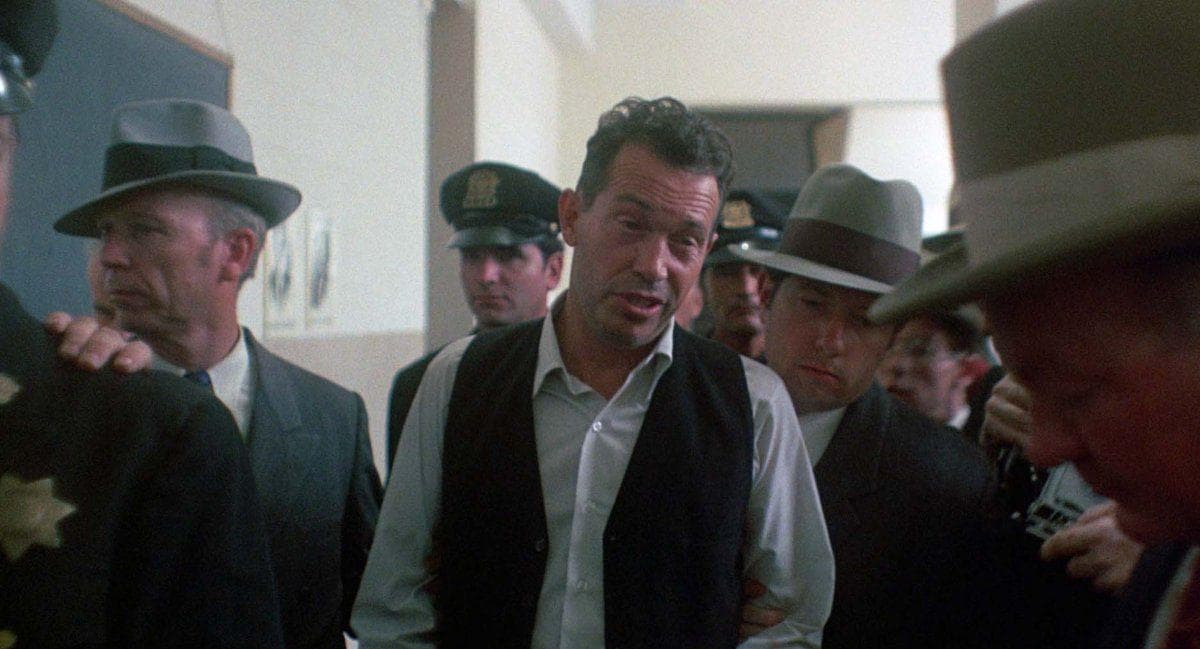
    The real-world figure: In every murder case, there’s a need for closure - for both the grieving families of the victims and the authorities. Henry Lee Lucas appeared to have provided it in droves, confessing to around 600 murders - including those of his mother, girlfriend, and landlord - and becoming the most prolific serial killer in history. However, a year after his confessions, Lucas retracted his statements, claiming the authorities plied him with hamburgers and milkshakes to confess to the killings. In the end, he was only convicted of 11 murders. No one knows for sure if Lucas killed more people and the officials used him as a scapegoat to close their unsolved cases. The movie: The John McNaughton-directed Henry: Portrait of a Serial Killer doesn’t leave anything up to interpretation, depicting Henry (Michael Rooker) as a brutal murderer who slaughters without remorse. However, Henry appears to have an honor code, where he hates to see sexual violence against women and will defend them. In the film, Henry lives with a friend and fellow murderer called Otis - which is similar to the real Henry Lee Lucas story as he did have a pal named Ottis Toole, who also confessed to crimes, then retracted his confessions. In this adaptation, though, Henry ends up murdering Otis - which didn't happen in real life - and there’s no doubt left in anyone’s mind that Henry commits the heinous crimes.

    81% upvoted
  6. 6

    'Extremely Wicked, Shockingly Evil and Vile' (Ted Bundy)

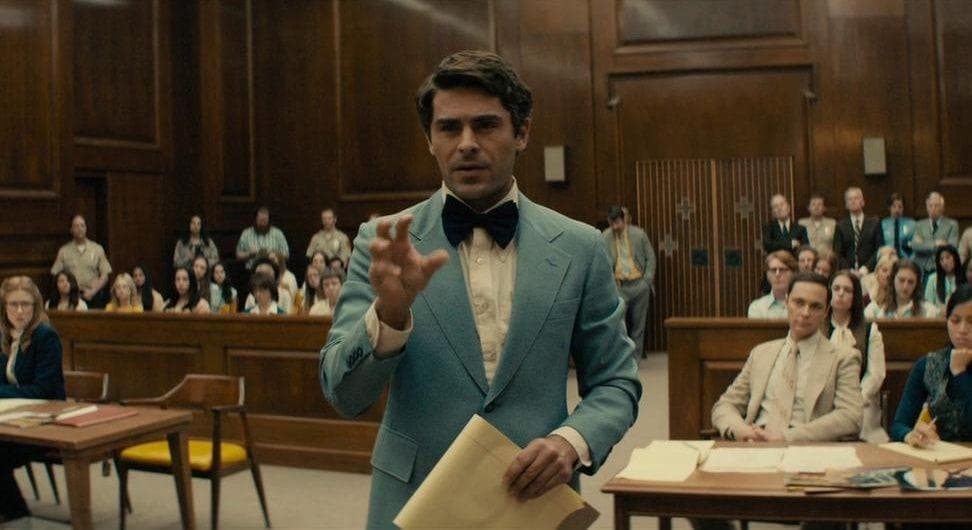
    The real-world figure: Utilizing his good looks and affable nature to get close to his victims, American serial killer Ted Bundy drove to depths of depravity that the world had never seen. In the 1970s, Bundy terrorized communities as he committed sexual assault, murder, and necrophilia on his victims. After his arrest, Bundy denied the charges for a decade, though he toyed with investigators and opened up about the thought process of a murderer from a third-person perspective. Finally, he confessed to 36 murders, with authorities presuming the real body count to be much higher. Bundy received the death sentence and was executed by electric chair in 1989. The movie: Joe Berlinger’s Extremely Wicked, Shockingly Evil and Vile avoids a potential gore-fest or romanticizing of the murders, choosing to focus on Ted Bundy’s (Zac Efron) mastery of manipulation and deceit. Told through the eyes of Bundy’s ex-girlfriend, Elizabeth Kendall (Lily Collins), it shows the damage Bundy causes to the victims' families and the people closest to him. What’s most chilling is how Bundy refuses to come clean to those he supposedly loves, even though he can see they need closure, too. Despite the overwhelming evidence, he continues to lie and deliberately leaves a seed of doubt he may be innocent in their minds.

    79% upvoted
  7. 7

    'The Iceman' (Richard Kuklinski)

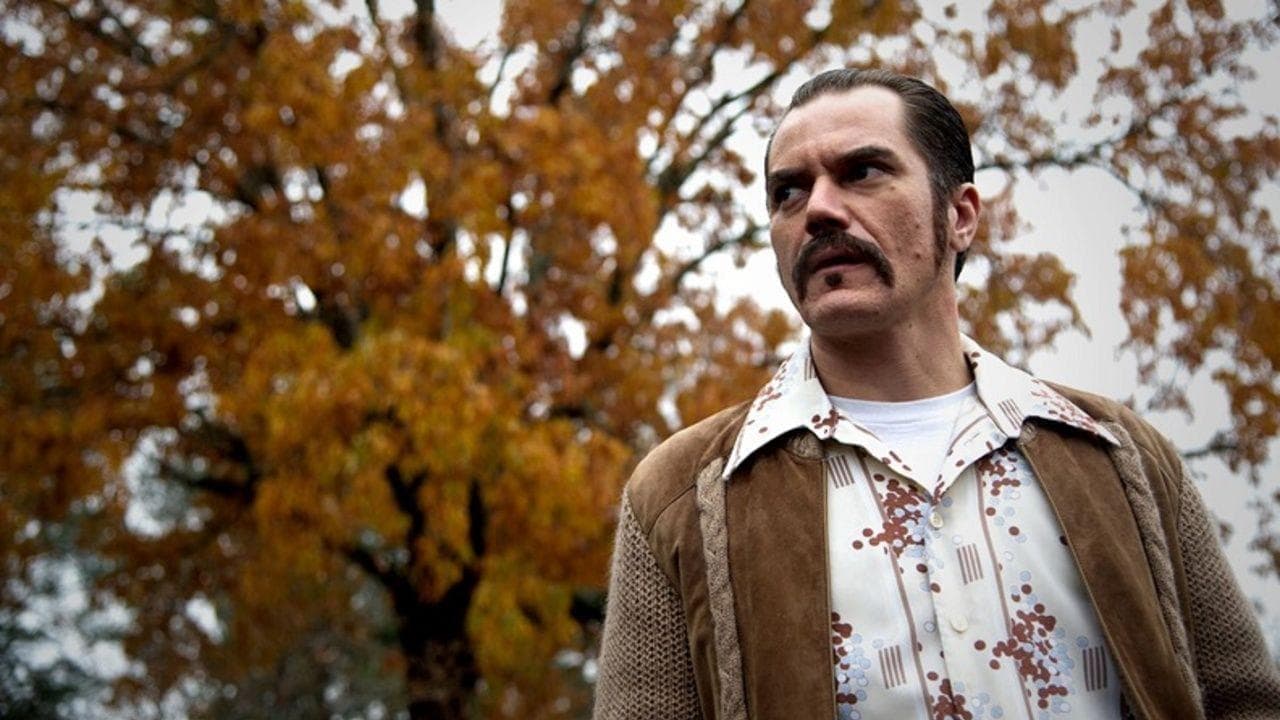
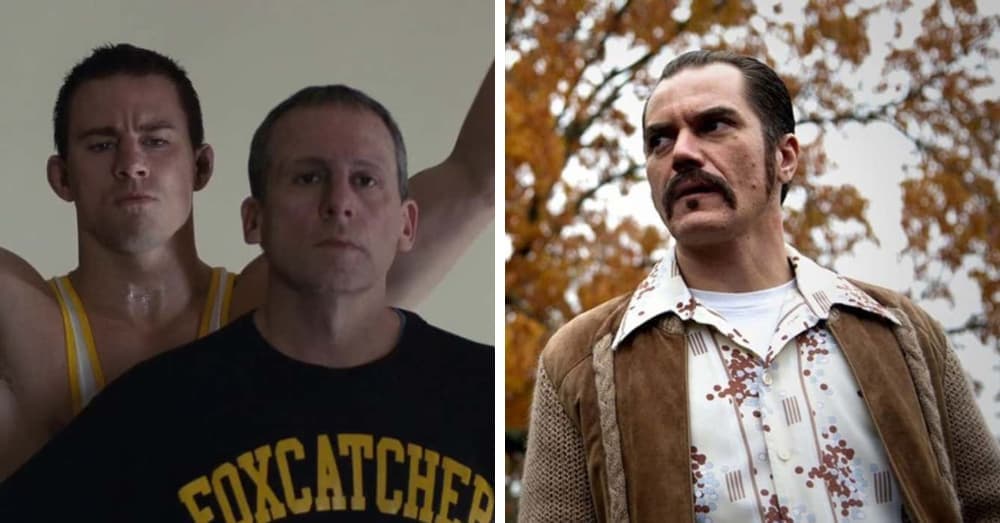
    The real-world figure: Richard "The Iceman" Kuklinski was a notorious hitman for the Genovese, DeCavalcante, and Gambino crime families. He began his killing career early in his teens, as he murdered his bully and disposed of the body. Kuklinski soon proved his worth to the crime underworld at the age of 18, becoming their go-to person due to his formidable size and cold, calculated methods. The Iceman moniker developed since he had a tendency to freeze his victims, ensuring their accurate time of death would be too difficult to determine. When he was eventually imprisoned, Kuklinski enjoyed discussing his hits, claiming to have murdered between 100 and 200 people in his life. He died in 2006 from an inflammation of the blood vessels, though he claimed to have been poisoned by his enemies. The movie: No, The Iceman isn’t the solo film for the X-Men’s chilly mutant; it’s all about Kuklinski. Michael Shannon plays the hitman with deadeye precision and ruthlessness here, never being shy of embracing the violent nature of the mob’s main man. The crime drama does a good job of hitting the pivotal beats of the real-life story, while also knowing when to heighten the tension with some creative license here and there.

    79% upvoted
  8. 8

    'Foxcatcher' (John du Pont)

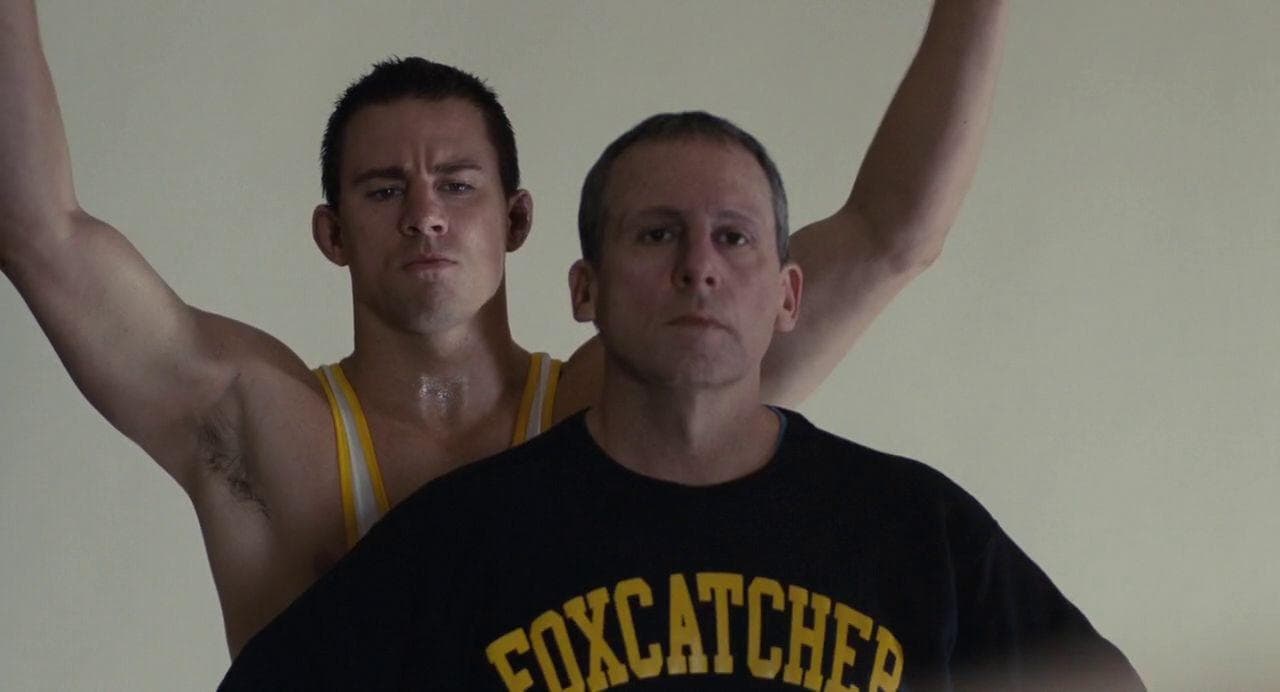
    The real-world figure: Convicted murderer John du Pont was part of one of the wealthiest families in America. He hit the headlines for the right reasons when he invested over $3 million in the sport of wrestling and ran one of the most prestigious training camps in the world. Through this, du Pont attracted two Olympic gold medalist brothers, Mark and Dave Schultz, to the fold. Mark was chosen to lead Foxcatcher, but he didn’t like the way du Pont spoke to or treated him. Tensions reached a breaking point and Mark wanted out, so du Pont installed Dave as the new leader of the pack. In 1988, du Pont lost his mother and began to show signs of losing touch with reality, becoming increasingly paranoid and irrational with Team Foxcatcher. Unfortunately, this all came to a head in 1996 when he drove to Dave’s house, pulled out a gun, and killed him in cold blood. The movie: In Foxcatcher, Steve Carell's du Pont is portrayed as an eccentric character, much like the real person was. However, the story teases moments of benevolence throughout before eventually showing his true nature in the final act. Artistic license is taken to condense and add more drama to the story, including the hint of a sexual relationship between du Pont and Mark - something that angered the real-life Mark Schultz. Carell received praise and an Oscar nomination for his performance as du Pont.

    80% upvoted
  9. 9

    'All Good Things' (Robert Durst)

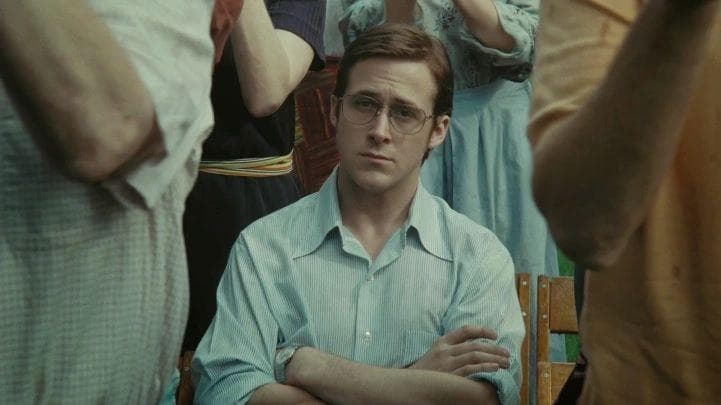
    The real-world figure: For nearly three decades, Robert Durst avoided the long arm of the law, even though he was linked to deaths and disappearances. The son of a real estate tycoon was initially a suspect in the disappearance of his wife and the murder of a close friend, but there wasn't enough evidence for a conviction on both counts. Durst was eventually arrested for the death of a man, whom he admitted to dismembering and putting in a dumpster, before being acquitted due to the lack of forensics. When evidence emerged from the documentary series The Jinx: The Life and Deaths of Robert Durst, Durst was finally arrested and sentenced for the murder of his friend. Shortly thereafter, he was charged for his wife’s disappearance, but the trial never happened since Durst passed away. The movie: Loosely based on Robert Durst’s life, All Good Things changes the lead character’s name to David Marks (Ryan Gosling) but keeps the real estate heir part and other similarities intact. The film tries to fill in the gaps about what leads to Marks’s wife’s disappearance, as well as the murders Marks finds himself as a suspect. Ironically, Durst loved the film and reached out to the director Andrew Jarecki, which eventually led to The Jinx documentary series that provided the evidence needed to put Durst away for good.

    80% upvoted
  10. 10

    'Dillinger' (John Dillinger)

    The real-world figure: John Dillinger was arguably the greatest bank robber of all time and the bane of law enforcement agencies. Leading the Dillinger Gang in the 1930s, he and his crew robbed banks and police arsenals, while also leading several jailbreaks. Dillinger himself was arrested numerous times and managed to escape from prison like some kind of Harry Houdini. Due to his legendary escapades, Dillinger became extremely popular with the media, and many stories were exaggerated about his exploits. Dillinger didn't manage to outrun the grim reaper, though, as he was shot and killed by the Bureau of Investigation agents after he tried to escape them in 1934. The movie: John Milius’s Dillinger isn’t interested in trying to find a compassionate angle for John Dillinger (Warren Oates). It takes the approach of presenting the legendary feats of an infamous criminal. While it might be impressive to see how Dillinger evades the law and pulls off crimes of the century, the film doesn’t leave any doubts he’s the bad guy of this story.

    79% upvoted