Skip to content
maxnews
Television

TV Comedies And Dramas With The Exact Same Premise - But Drastically Different Execution

Art is hardly ever wholly original, and that's okay. Artists commonly borrow ideas from each other, or coincidentally come up with similar ideas at the same time. As a result, it isn't uncommon to see two similar television shows pitted against one another, or to see programs forced to make drastic changes from their initial season in order to separate themselves from the pack of competitors. Execution is everything, though, and it's amazing how a near-identical concept can be taken in vastly different directions. In that spirit, here are some TV comedies and their dramatic counterparts that shared the exact same premise, but managed to pull it off with wildly different - but successful - tones.

Entries
15
Votes
2.2K
Updated
6 days ago

Tap upor downto vote. Your vote is added to Ranker's counts.

Voting identifies your browser with an anonymous fingerprint, stored only as a salted hash, to count one per visitor. Privacy

Source: Ranker, ranked by its voters.

  1. 1

    'Psych' And 'The Mentalist' Both Have Fake Psychics Solving Crimes
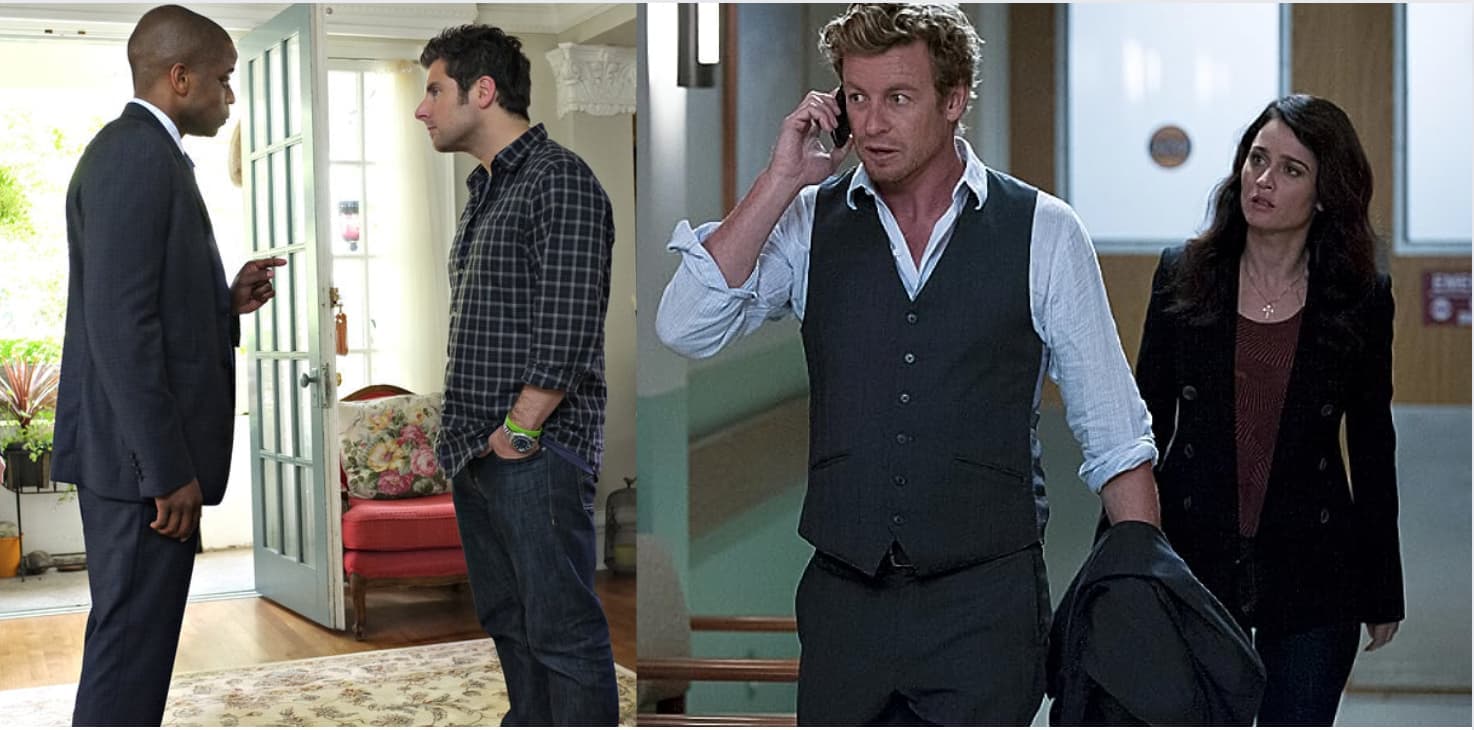
    Television has long loved detective shows, especially when they have a unique gimmick. Two shows popped up with a similar gimmick around the same time - the fake psychic. First came Psych, centering on Shawn Spencer (James Roday), who passes off his preternatural observation skills as psychic powers while assisting the Santa Barbara Police department. Though technically a comedy-drama with an hour-long runtime, the humor is a major emphasis here, especially in Shawn's buddy dynamic with Gus (Dulé Hill). In 2008 came the possible-copycat show, The Mentalist. Despite a very similar conceit, with lead character Patrick Jane (Simon Baker) using his skills from being a former fake psychic stage performer to help solve crimes, the show feels distinct from Psych by leaning far more into the dramatic. Jane is driven by a tragic yet noble quest to catch the serial killer who murdered his wife and daughter. Both shows make effective use of their tonal differences, and both achieved popularity during their concurrent runs - though perhaps with a bit of resentment on Psych's part.
    89% upvoted
  2. 2

    'Weeds' And 'Breaking Bad' Both Feature Parents Selling Drugs To Support Their Families

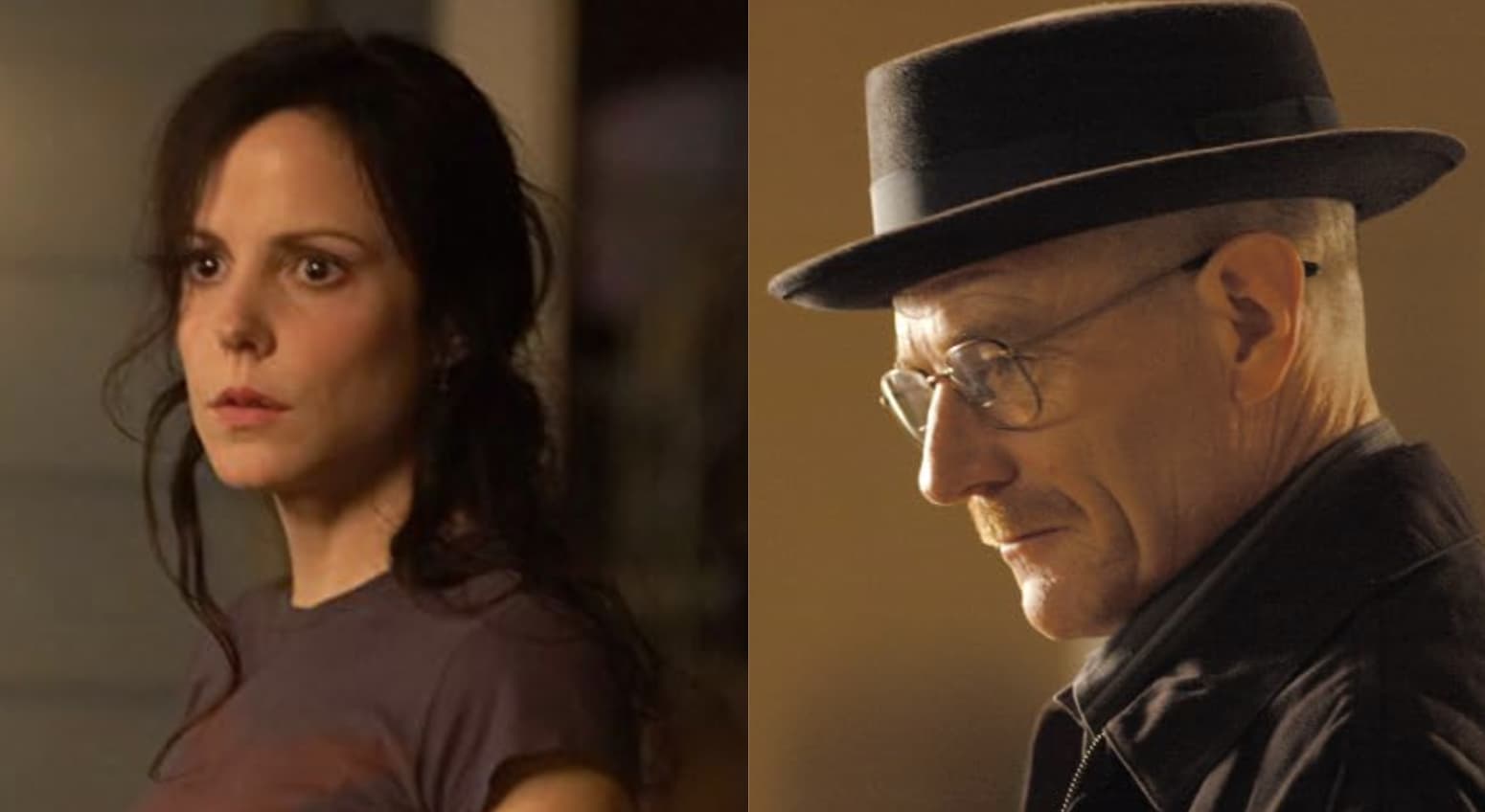
    Suburbanites who take deep-dives down the drug dealing rabbit hole? Check. Decent parents driven to do increasingly more morally dubious things in an effort to keep their illicit business afloat, all because they’re desperate to provide for their families? Double check. Weeds and Breaking Bad have a shockingly similar basis - similar enough that the debut of the former a few years earlier almost stopped Breaking Bad from getting made. Fortunately, the creators and network execs were confident that the two shows could milk that concept for opposite tones. Weeds is more comedic by far, balancing out some basic drama in the life of Nancy Botwin (Mary-Louise Parker) by deriving humor in the uncomfortable situations she finds herself in while balancing her marijuana sales business with caring for her children. On the other hand, Breaking Bad takes an unlikely protagonist, terminally ill chemistry teacher Walter White (Bryan Cranston), and puts him though all the darkest aspects of the New Mexico methamphetamine trade, examining his own darker impulses along the way.

    84% upvoted
  3. 3

    'Scrubs' And 'Grey's Anatomy' Take Different Tones On The Daily Lives Of Doctors

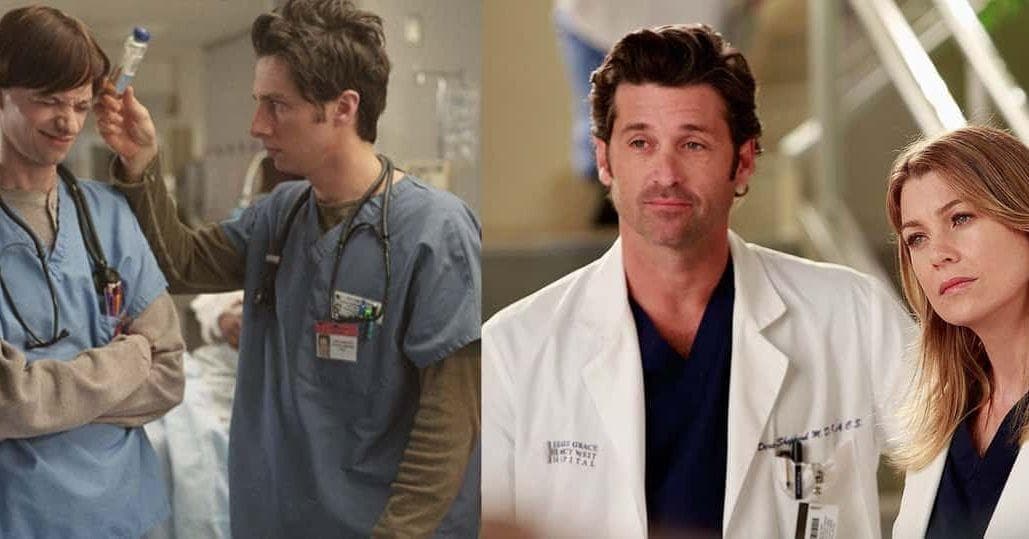
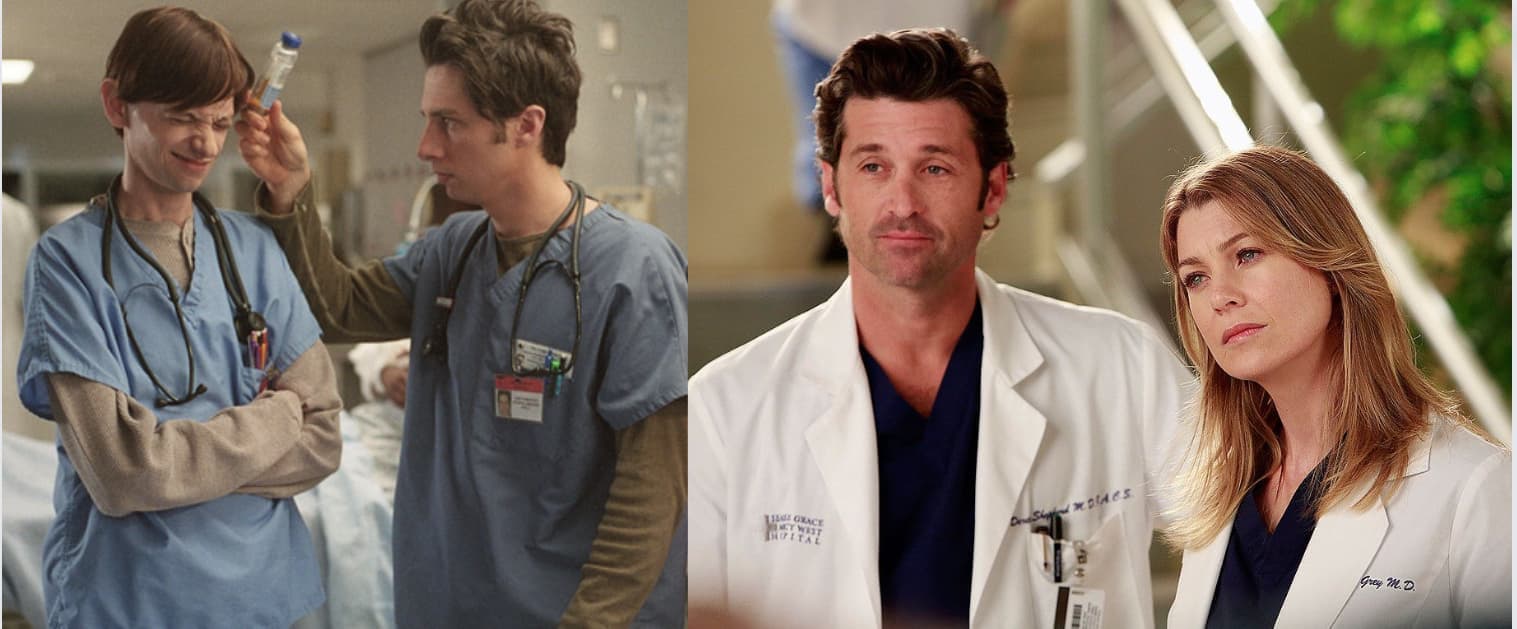
    Scrubs and Grey’s Anatomy both managed to become early 2000s pop cultural phenomenons on their own terms, despite sharing a number of structural similarities. Shonda Rhimes's Grey’s Anatomy carved out a space in the medical programmer niche as a steamy, romance-infused soap, with storytelling priorities fell firmly on the side of relationship issues between its central team of doctors (rather than disease-of-the-week mystery like House). Scrubs is also highly concerned with the inner workings of its team of young medical professionals, with a heavy emphasis on the romance, albeit in a far more humorous fashion. The half-hour runtime also sets it apart, aiming to deliver consistent laughs through slapstick gags and voiceover narration by J.D. (Zach Braff) rather than high-tension melodrama like Grey's.

    81% upvoted
  4. 4

    'Brooklyn Nine-Nine' Lets The Cops Have More Fun Than 'NYPD Blue'

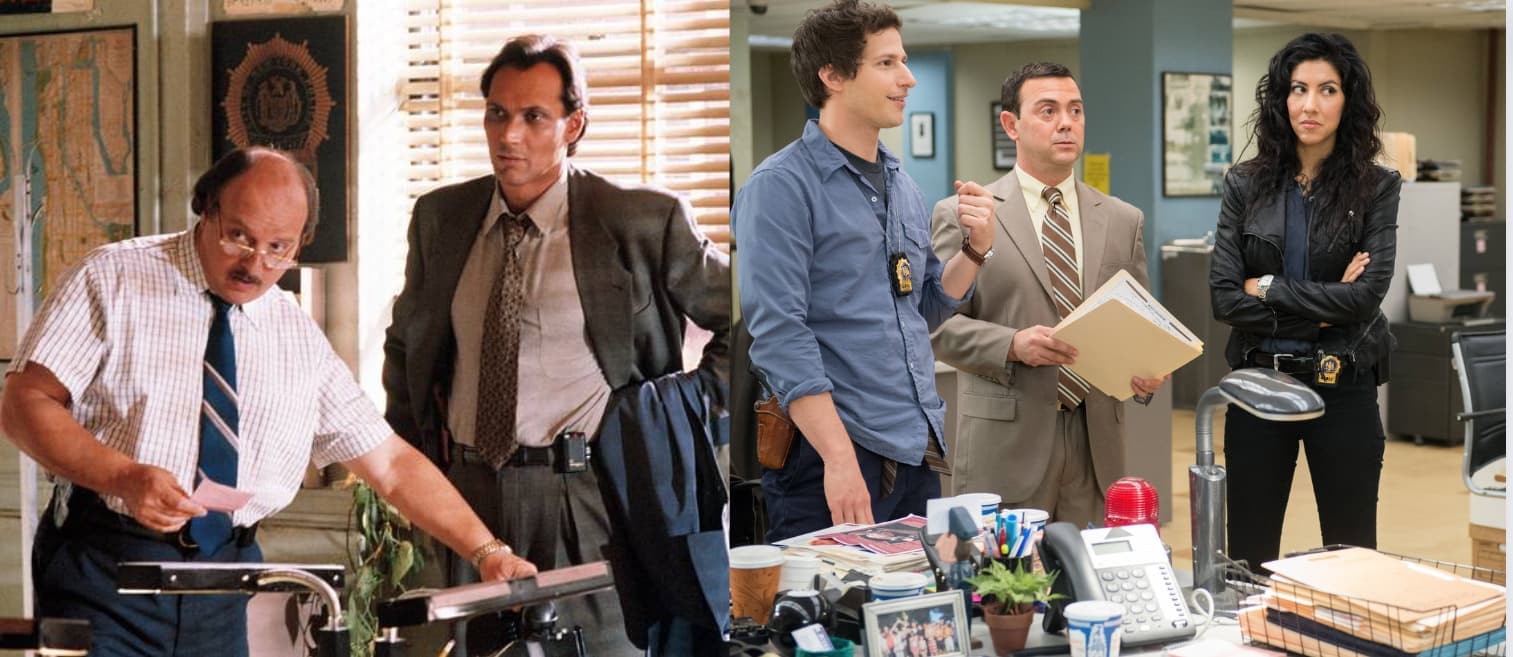
    The cop drama is a TV standby that’s existed almost as long as television itself, and the 1993-2005 hit NYPD Blue is about as stellar an example of the art form as can be found. In many ways a predecessor to equally lauded programs like The Shield and The Wire, NYPD Blue pulls no punches in its committed dramatic storytelling. With 261 episodes in total, it held the crown for ABC's longest-running primetime drama for several years (until surpassed by Grey's Anatomy). Shaking up that classic format, there's the 2013 sitcom Brooklyn Nine-Nine. Taking the basic police procedural format but twisting it to sitcom conventions, the show features goofy detective Jake Peralta (Andy Samberg) bucking against his rule-stickler new captain Raymond Holt (Andre Braugher), among a zany ensemble. It's all about punchlines rather than punches, at times almost feeling like a parody of modern cop-drama formula of NYPD Blue.

    80% upvoted
  5. 5

    'Interview with the Vampire' And 'What We Do in the Shadows' Feature Interviews With Two Very Distinct Brands Of Bloodsucker

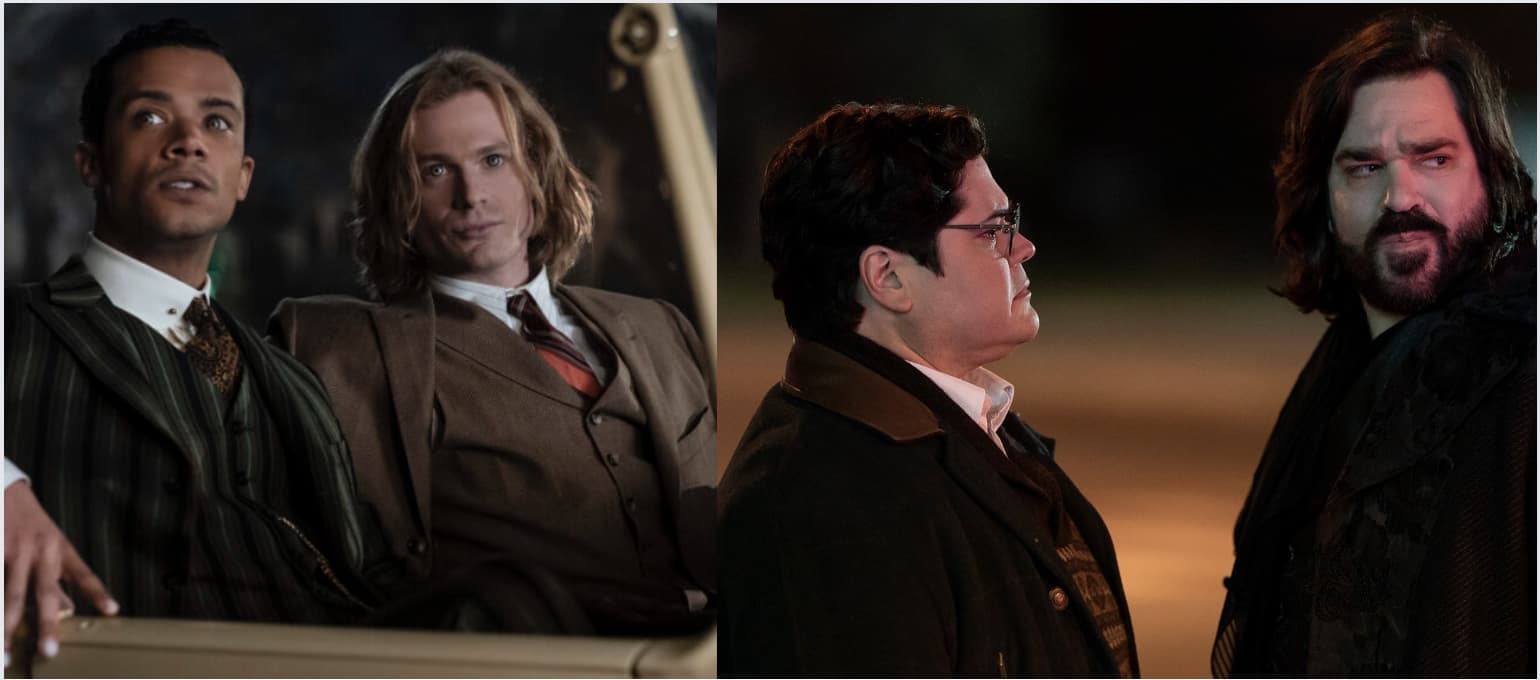
    AMC's Interview with the Vampire, the latest adaptation of Anne Rice's long-running fictional universe, examines the life of the vampire Louis de Pointe du Lac (Jacob Anderson), especially as it intersects with the older and more enigmatic vampire Lestat (Sam Reid). The show builds off the popularity of the novels and previous film adaptations, finding new drama in a fresh backstory for Louis as a Black man from New Orleans, plus more explicit focus to the romantic relationship between the two men. Another explosive film-to-TV adaptation of the early 2020s is FX's What We Do in the Shadows, an adaptation of an identically titled film, created by comedy kings Taika Waititi and Jermaine Clement. Likewise “interviewing” vampires, the sitcom is ostensibly a documentary following four vamps who live together on Staten Island - Nandor (Kayvan Novak), Nadja (Natasia Demetriou), Laszlo (Matt Berry) and Colin Robinson (Mark Proksch) - along with their human familiar, Guillermo (Harvey Guillen). Both of these shows clearly revere their source material, and use it for great effect in their respective genres.

    75% upvoted
  6. 6

    'Gilligan's Island' And 'Lost' Both Follow Groups Trapped On A Mysterious Island

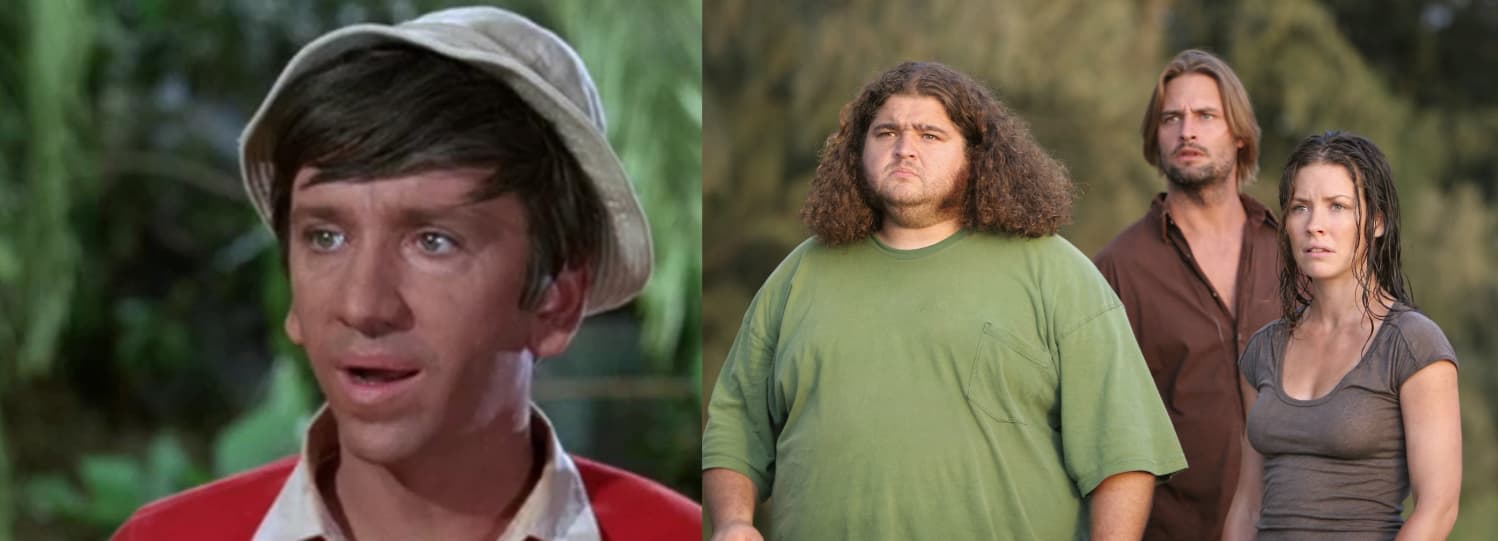
    The 2004-2010 ABC hit Lost blew the minds of viewers everywhere upon its release, with its focus on “mystery box” storytelling style that unwound and rewound myriad plot threads in an existentially fraught grab-bag of science fiction and conspiracy thriller tropes. But most importantly, more than the cryptic string of numbers or the Smoke Monster, Lost is about the relationships between a group of disparate personalities, which is played for drama to great effect. Sound familiar? That's because the classic 1964-1967 sitcom Gilligan’s Island has the exact same premise, but played for laughs rather than drama. The ensemble cast frequently attempted to escape the island, with those attempts failing very often due to the involvement of Gilligan (Bob Denver). What could be a bleak situation - and would be, in reality - is made hilarious by taking it to a goofy extreme, as the castaways never lose their spirit to keep trying to get off the island. Just as Lost had a major impact on dramas that came after it, Gilligan's Island influenced many sitcoms that followed, thanks to its smart mix of slapstick and character-centric humor.

    73% upvoted
  7. 7

    'The Great' And 'Catherine the Great' Bring The Royal To Life With Opposite Treatments

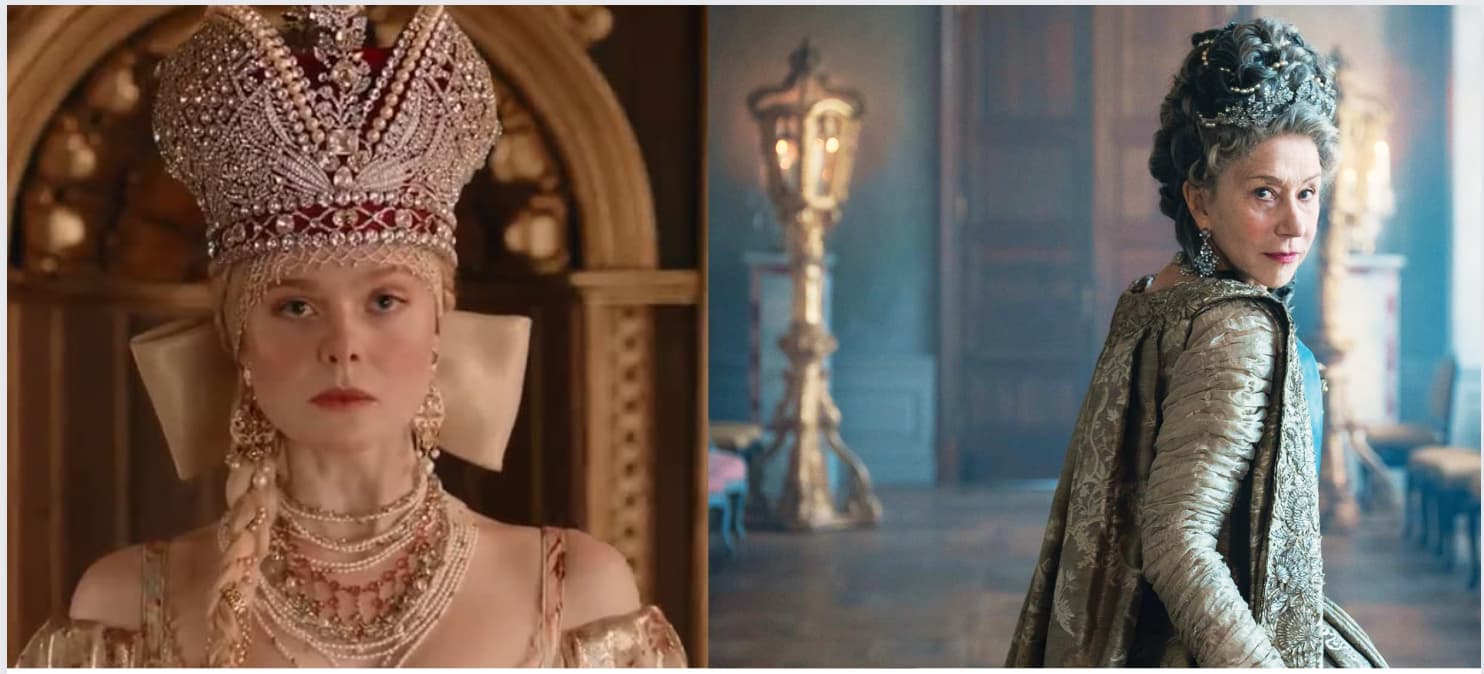
    The historical television drama has long lived in the minds of viewers as something reserved, prestigious, and maybe even a little stuffy. HBO and Sky Atlantic's Catherine the Great fits squarely into that mold, with Helen Mirren playing the titular Russian empress with all of the requisite dignity, grace, and power that one might expect from a staid but respectable historical drama. For the more sardonic, chaotic, and irascible approach to that same subject, Hulu's The Great turns the period drama into period antics. With its cheeky subtitle An Occasionally True Story, this version stars Elle Fanning as Catherine and Nicholas Hoult as Peter III, her husband whom she plots to overthrow. Playing freely with the facts for the sake of irreverence, this version is full of absurdist wit, political satire, and anachronism to craft Catherine's story into a gonzo dark comedy.

    81% upvoted
  8. 8

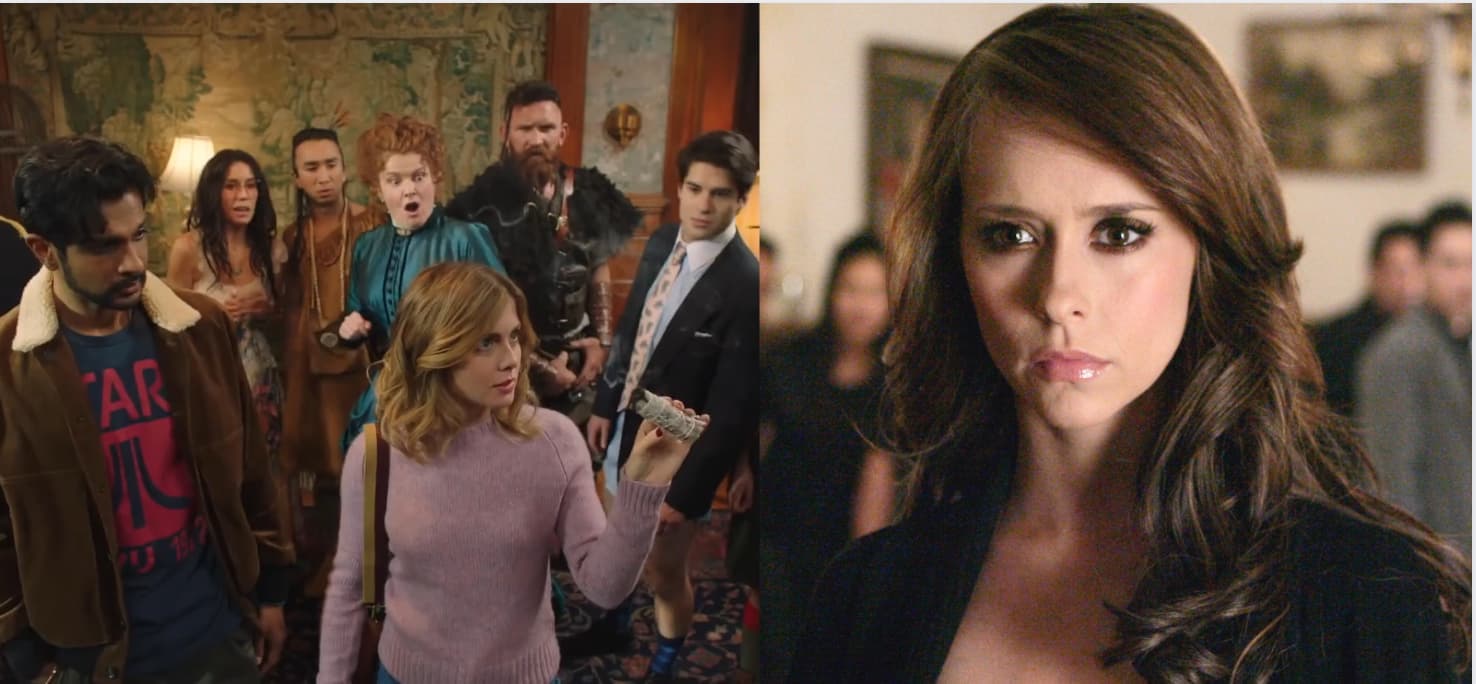
    'Ghosts' And 'Ghost Whisperer' Both See Women Helping Spirits Solve Problems - Some More Serious Than Others

    Ghosts, a US adaptation of an identically titled British television comedy, found itself a minor hit on CBS upon its 2021 debut thanks to its humorous depiction of a couple who discover the house they inherited is haunted when Sam (Rose McIver) gains the ability to see and hear ghosts after a near-death experience. Rose and her husband Jay (Utkarsh Ambudkar) attempt to continue their plans to turn the house into a bed and breakfast without disturbing the charming and eclectic ensemble of ghosts (who all hail from different historical periods) too much. Where Ghosts has the living helping the dead with minor quibbles, Ghost Whisperer came before it to focus on much more serious topics. Protagonist Melinda Gordon (Jennifer Love Hewitt) likewise can see and hear spirits, but she uses this ability to help the individuals deal with “unfinished business” so that they may find peace and move on. The magical take on a case-of-the-week format features sadder stories and greater drama, taking the fantastical premise in a less goofy, but still emotional direction.

    71% upvoted
  9. 9

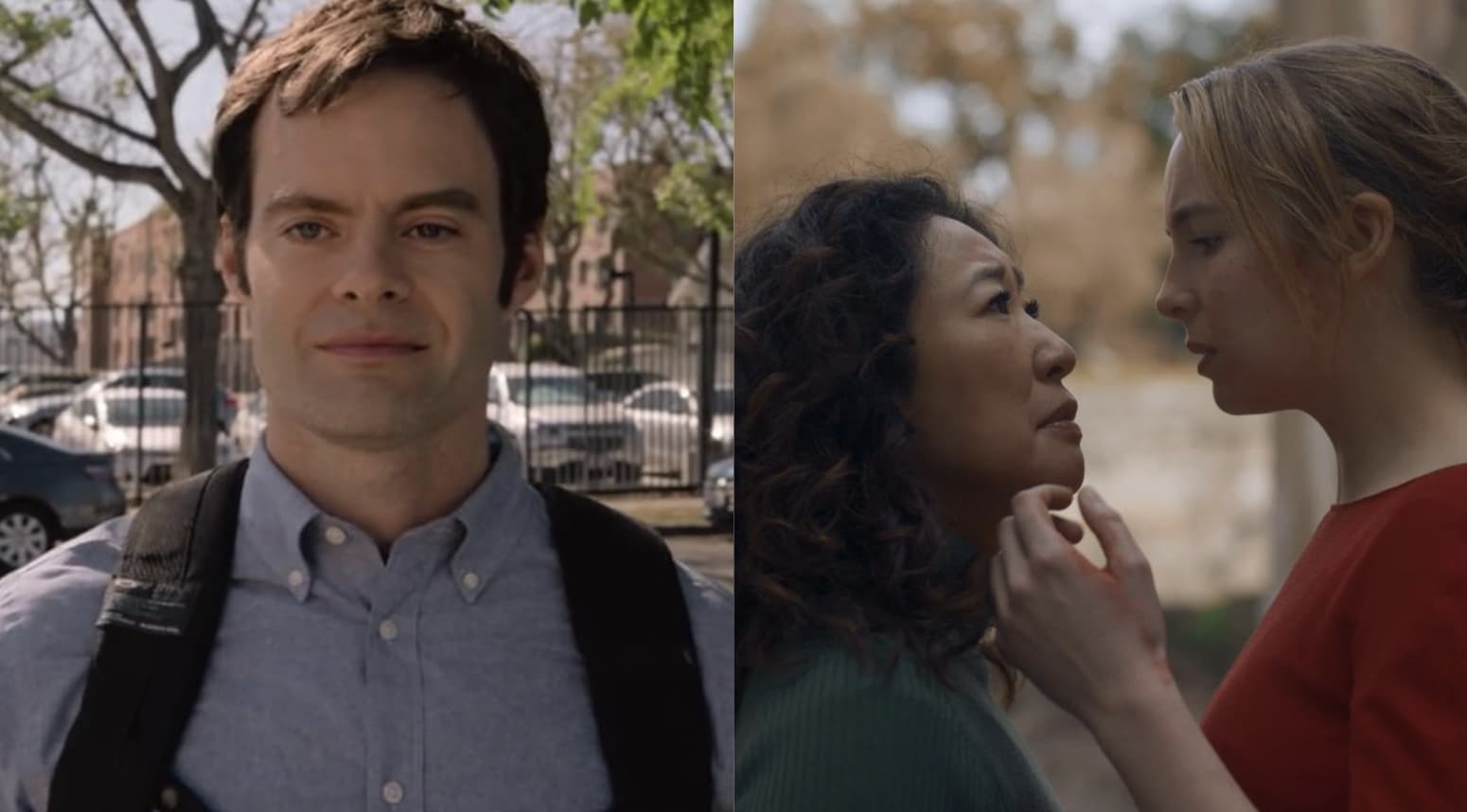
    'Barry' And 'Killing Eve' Are Both About Assassins Quiet-Quitting

    If Bill Hader's masterpiece of a program, Barry, doesn't entirely stick to the sitcom formula suggested by its half-hour runtime, one still can't deny that it finds plenty of bleak humor even in its dark moments. As Barry Berkman (Hader) attempts to put his life as a hitman behind him, embracing acting under the tutelage of Gene Cousineau (Henry Winkler), he meets plenty of goofy criminals and bizarre non-sequitur situations that provide chuckles in between kills. Meanwhile, Killing Eve turns a very similar premise into an hour-long drama, centering another bored assassin, Villanelle (Jodie Comer). Much like Barry, Villanelle yearns for fulfillment and connection that her job as a killer can't provide, leading her to strike up a playful cat-and-mouse game - and eventually, an erotic, romantic rivalry - with MI6 agent Eve Polastri (Sandra Oh). Oddly enough, Barry and Killing Eve aired their first episodes only two weeks apart from each other, on March 25 and April 8, 2018, respectively. This concurrent timing didn't hinder either show, though - both actors who play the central assassins won Emmys for their performances in 2019 (Hader for Lead Actor in a Comedy, and Comer for Lead Actress in a Drama).

    77% upvoted
  10. 10

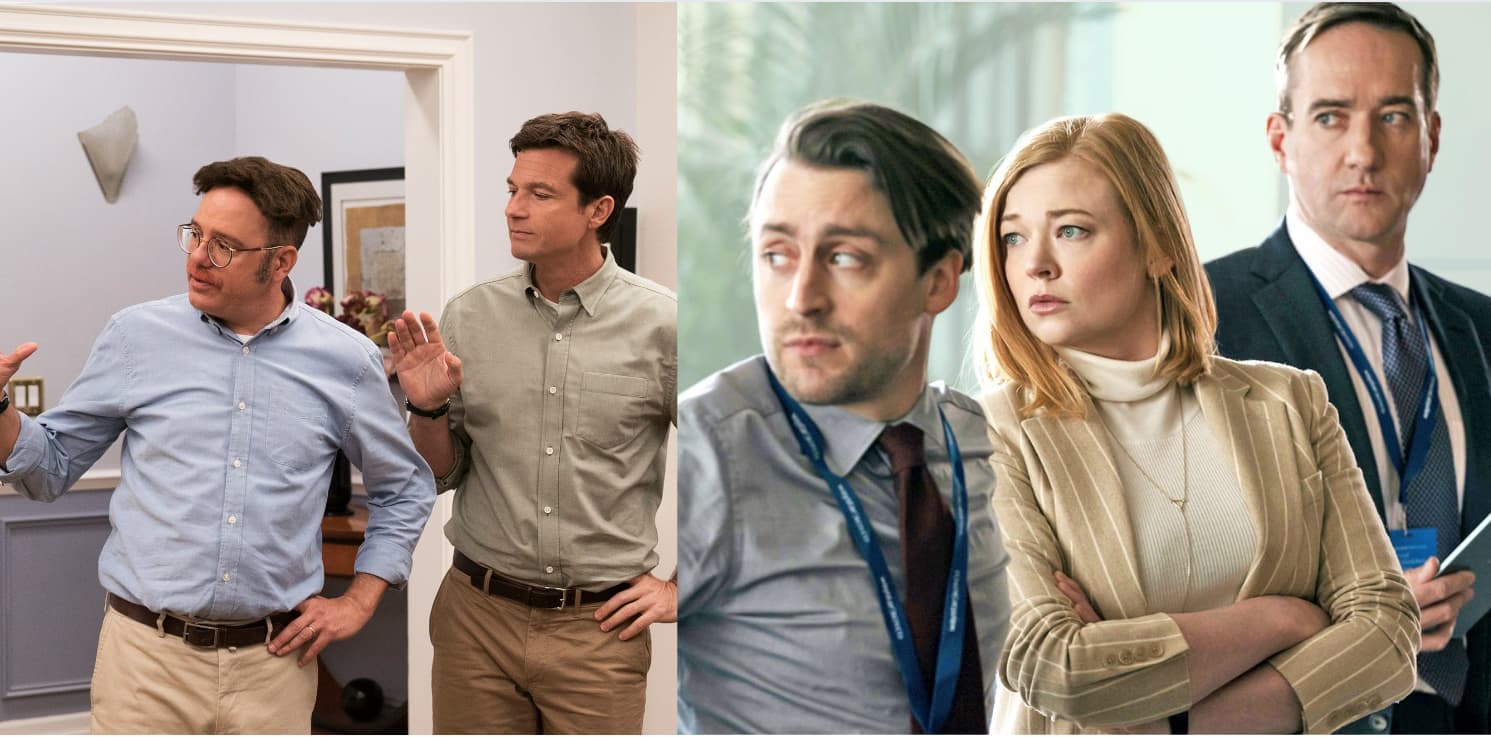
    'Arrested Development' And 'Succession' Both Feature Rich Siblings Fighting Over Who Inherits The Family Business

    Arrested Development was a cult hit of a sitcom, under-appreciated during its original 2003-2005 run, but with a retroactive fanbase that had it revived on Netflix 10 years later. The documentary-style filming features rapid-fire jokes while centering on Michael Bluth (Jason Bateman) and his siblings Gob (Will Arnett), Lindsay (Portia de Rossi), and Buster (Tony Hale), as they attempt to salvage their family real estate company - and fight over who gets control of the company finances - after their father, George Sr. (Jeffrey Tambor) ends up in jail. A near-identical premise kicks off Succession, one of the defining dramas of the early 2020s. Though there's a decent dose of comedy in the Roy siblings' vicious verbal takedowns of each other, the endless fight between Kendall (Jeremy Strong), Roman (Kieran Culkin), and Shiv (Sarah Snook) over who will take over as CEO from their father Logan (Brian Cox) certainly has far more tragedy in the end. The sociopathy of the mega-wealthy is on full display in Succession, and the characters certainly make much colder and less humorous choices than those of Arrested Development do.

    76% upvoted