Skip to content
maxnews
Rankings

Things You (Probably) Didn't Know About Digimon

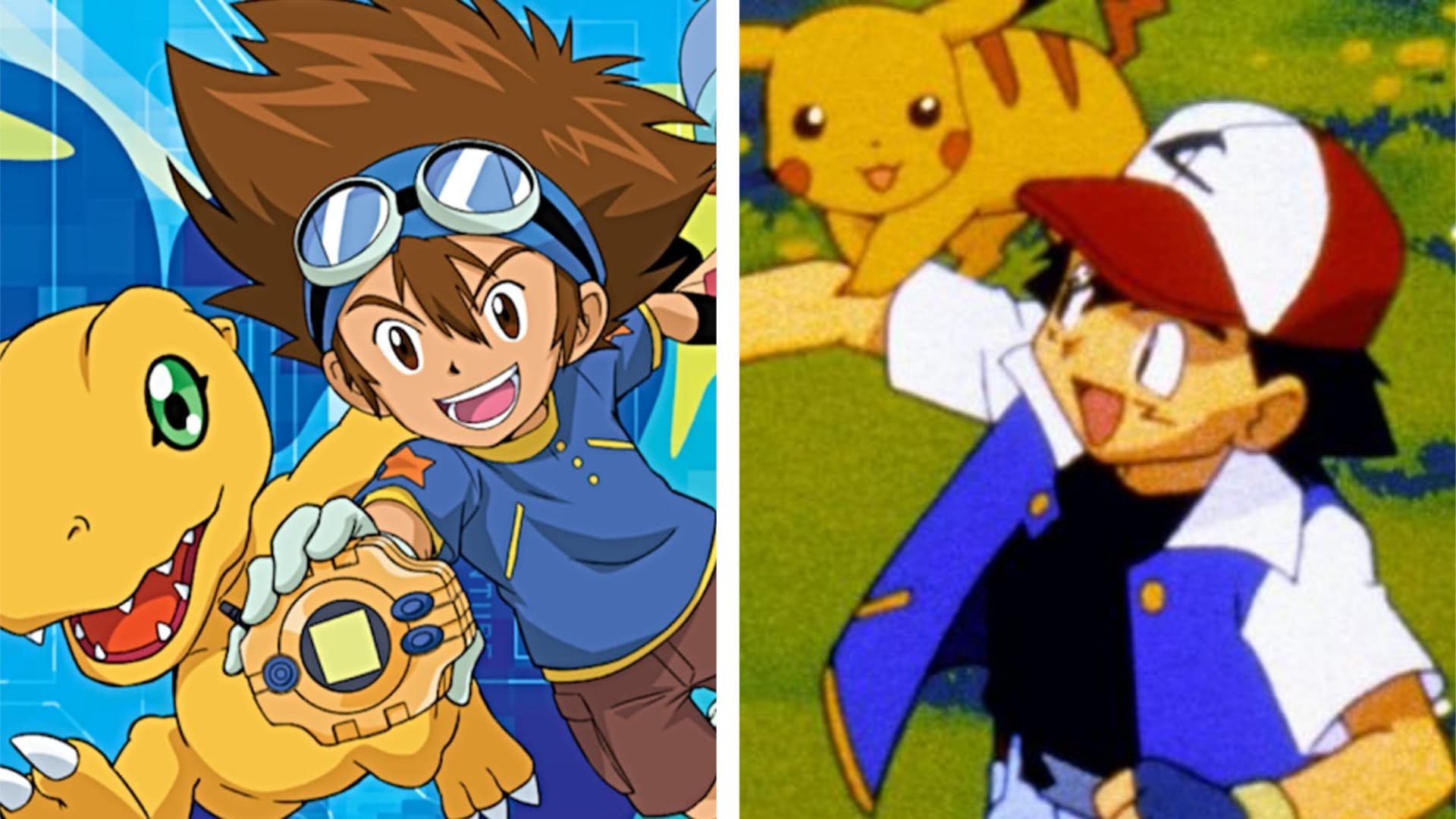
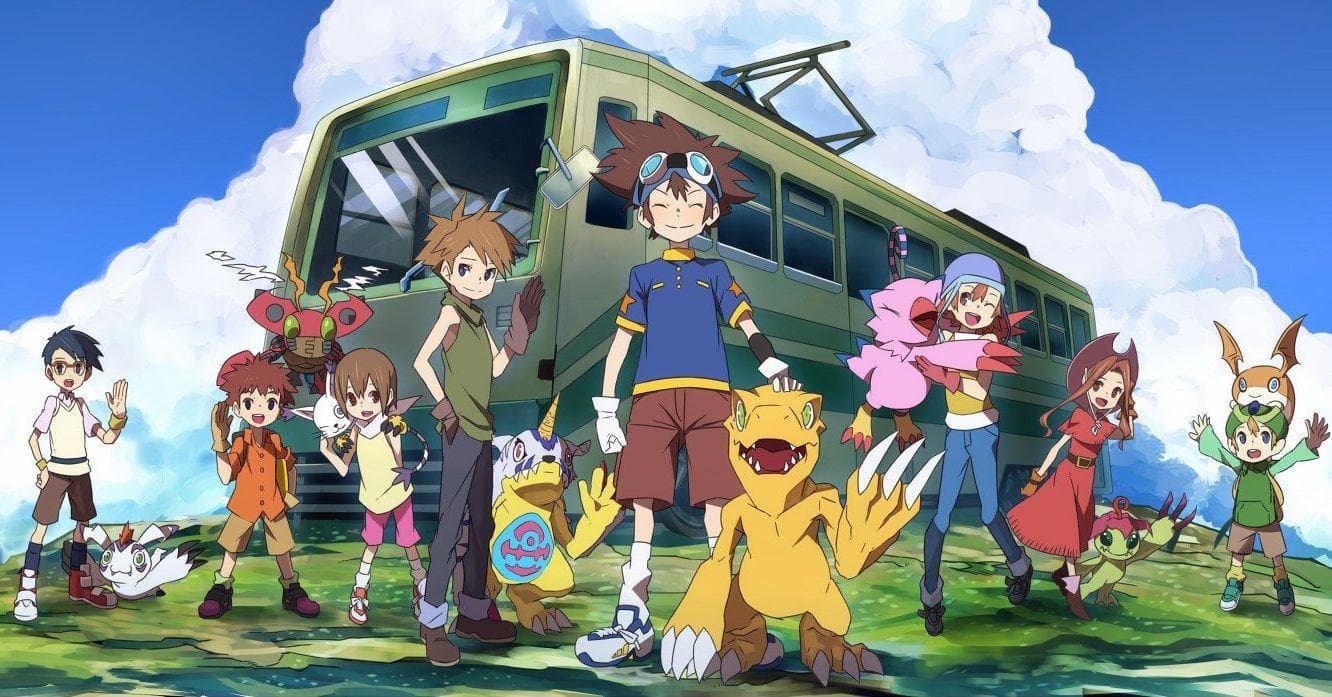
While it isn't as well known these days, Digimon is one of the oldest multimedia franchises of its kind, and it has a ton of fans. There's a good reason for that; it's a fun, engaging, and detailed series of cartoons, video games, movies, and more that has been drawing in fans for more than two decades. While plenty of people support the series, it's often overshadowed by Pokémon. While that's probably never going to go away, it isn't as if Digimon is small in comparison. Digimon has been around since 1997, and it's become a massive multimedia franchise. It certainly has its fans, but few know everything about it - and there's a lot to know! As of May 2022, there have been nearly 500 episodes across nine seasons, 20 films, 11 Manga series, a Collectable Card Game (CCG), 60 video games, and a plethora of comic books. It's not easy following all of that, so there are plenty of things you (probably) don't know about Digimon. This list highlights some of the more interesting aspects of the franchise, with a focus on general tidbits of information most fans may not know. Take a look at them below, and if you find something about Digimon you didn't already know, give it an upvote before you go!

Entries
15
Votes
3K
Updated
yesterday

Tap upor downto vote. Your vote is added to Ranker's counts.

Voting identifies your browser with an anonymous fingerprint, stored only as a salted hash, to count one per visitor. Privacy

Source: Ranker, ranked by its voters.

  1. 1

    Digimon Was Created To Be Tamagotchi For A Male Audience
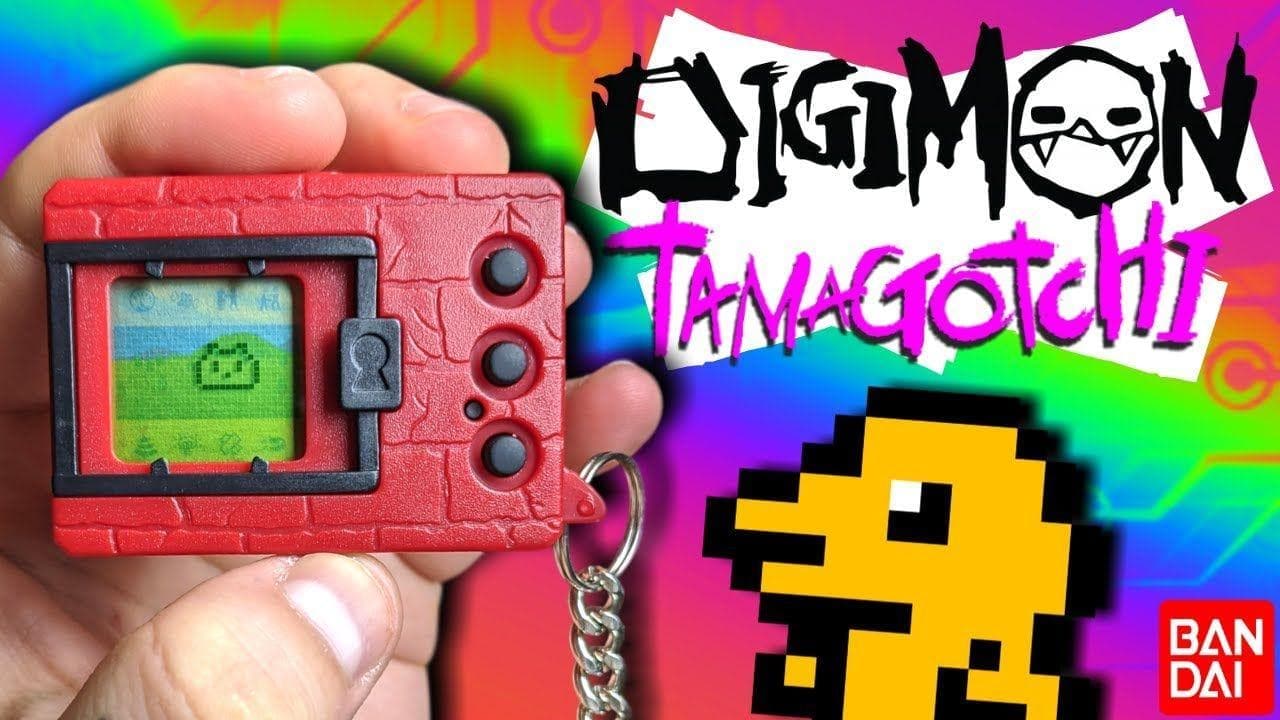
    The Digimon we all know and love today is very different from the design and concept when it was first created. Initially, Digimon was influenced by Tamagotchi, but with the goal of marketing the small electronic devices to a male audience. Tamagotchi was dominated by female users, and Bandai wanted to sell something similar to boys. The first versions of Digimon were almost identical to Tamagotchi, but with some notable exceptions. Digimon were designed to be monsters, hence the name Digital Monsters. People would care for them in the same manner as Tamagotchi, but with a more masculine edge. Before long, the concept changed and it integrated fighting. As this evolved, it became the core mechanic that would make the first video game, Digimon World, successful. After that, Digimon Adventure hit the world's television sets, and people soon forgot that it all started out with small electronic monsters.
    93% upvoted
  2. 2

    The Anime Was Originally Intended To Have 54 Episodes Designed To Promote A PlayStation Game

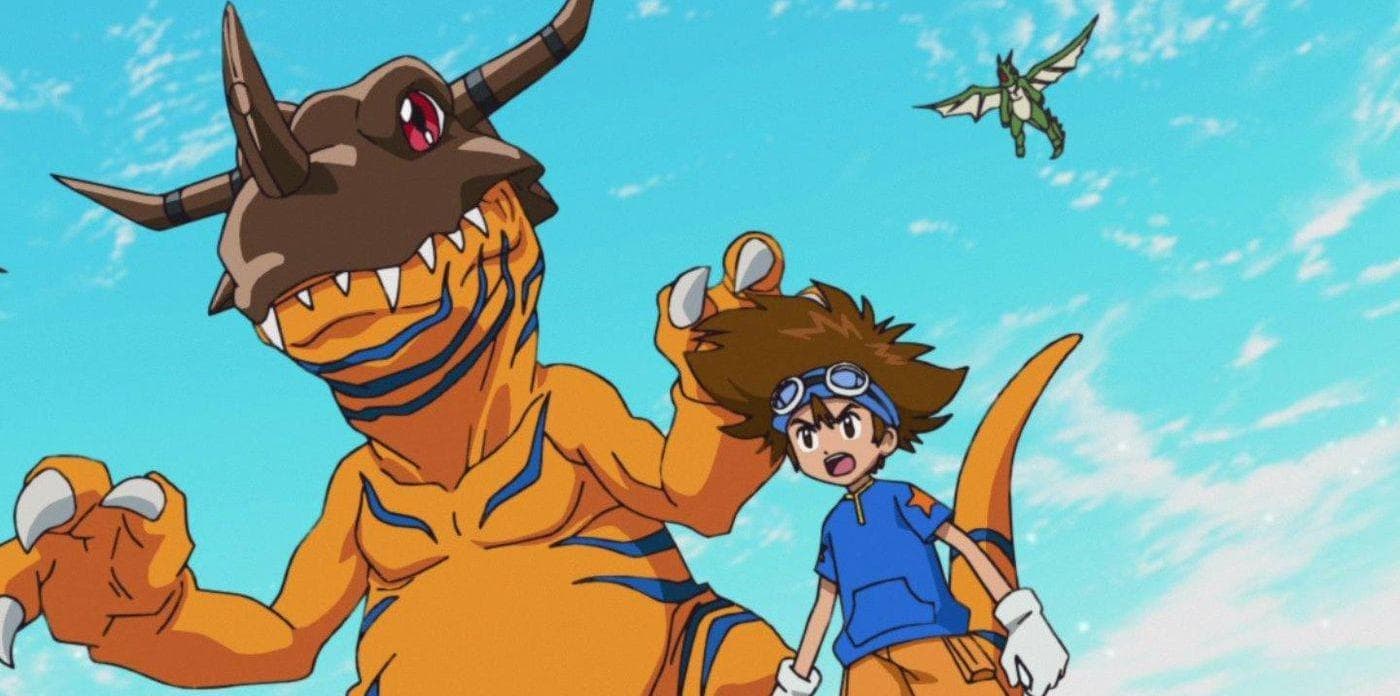
    The most common way anime is produced doesn't match the way Digimon Adventure came into the world. More often, anime is based on a popular manga series, and the animation is often done while the comics are still being published. It's far less common for a game with minimal storytelling elements to inspire a new anime, but that's how the Digimon franchise got started in animation. Initially, the series was meant only to have 54 episodes, and they would be used to help promote the video game Digimon World on the PlayStation. The episodes were released, and fans absolutely loved them. It was decided to expand on the series and push the story into new, previously unconsidered ways to create more episodes. Since that decision was made, a series that began with only 54 episodes has expanded to just shy of 500.

    95% upvoted
  3. 3

    Akiyoshi Hongo Isn't Truly The Creator Of Digimon

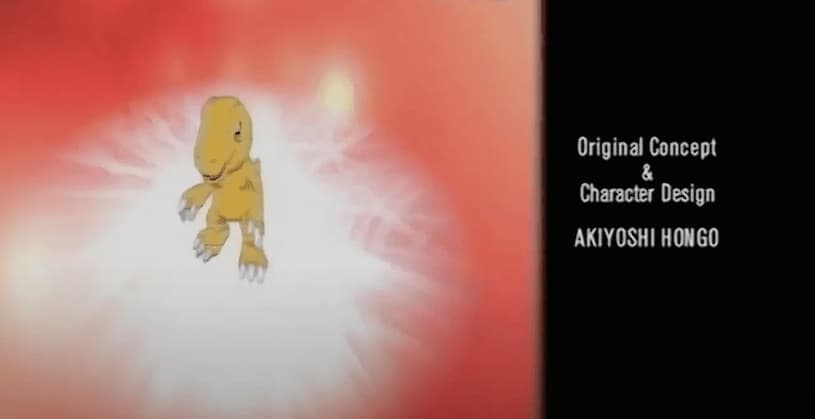
    If you're a fan of Digimon Adventure, you've likely seen Akiyoshi Hongo's name printed on the screen as the person responsible for the original concept and character design. The interesting thing about this is that Akiyoshi Hongo isn't the franchise creator, and he doesn't even exist. Believe it or not, nobody is 100% clear on who came up with the idea, and Digimon technically has three creators. Akiyoshi Hongo is a pseudonym for the three original creators: Aki Maita, Hiroshi Izawa, and Takeichi Hongo. They each played a part in bringing Digimon to life, with Maita being one of the two people responsible for making the first Tamagotchi. Izawa was the author of the first Digimon manga, while Hongo was the marketing director at Bandai. Each of them contributed to the creation of Digimon, so the trio is represented by the pseudonym, who is also given the copyright credit for the franchise.

    95% upvoted
  4. 4

    Digimon Was More Popular Than Pokémon For A Hot Minute

    You can rarely bring up Digimon without someone mentioning its more popular competition, Pokémon. That's fair because, while neither franchise influenced the other, they are remarkably similar. As a result, they both occupy the same facets of the marketplace, with numerous toys, comics, cartoons, films, and video games introduced around the same time. Each franchise fought for dominance, but in the end, Pokémon was left standing over Digimon with much more cash in its proverbial pockets. It wasn't always like that, and for a hot minute, Digimon was more popular than Pokémon. When both franchises had animated series airing in the United States, they were tracked by Nielsen Media Research. For a moment, albeit a brief one, Digimon tracked more than Pokémon. In May 2000, Digimon Adventure ranked higher with children aged 2-11 over Pokémon: Adventures on the Orange Islands.

    92% upvoted
  5. 5

    Myotismon's Fog Is Based On Real-World Events In Odaiba

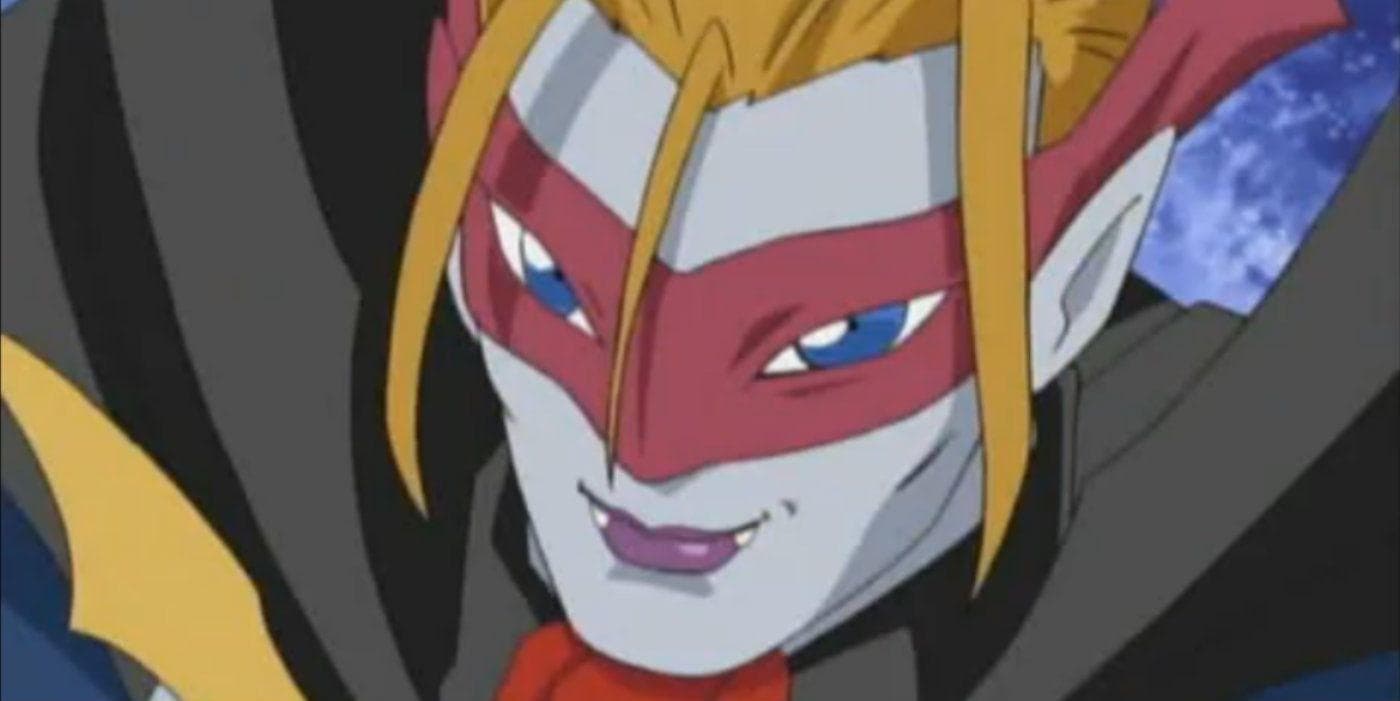
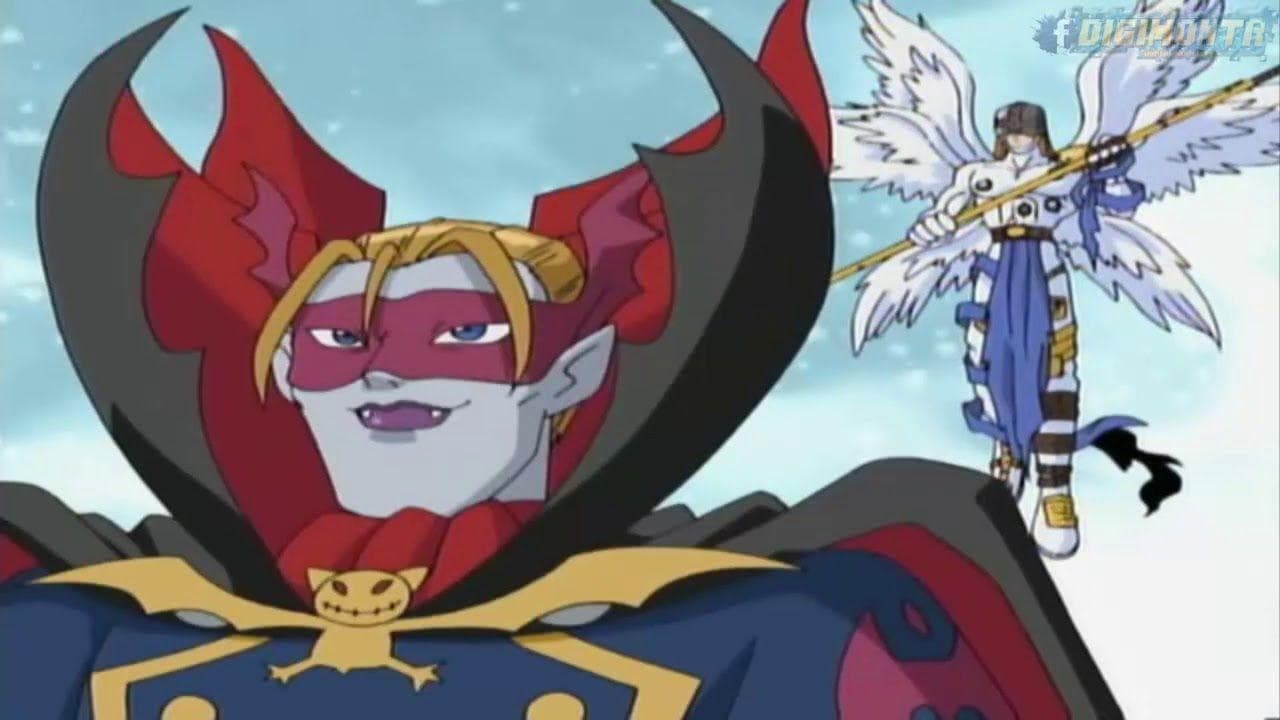
    In the second half of the first season, the villain Myotismon covered the entire island of Odaiba in fog. This produced an eerily creepy vibe for several episodes, and the resulting story was all the better for it. The event was used to bring Kari's DigiDestined powers to life, and while it was a great story arc on the show, its inspiration wasn't the best in the world. While researching for the series, a group of Digimon writers got together and traveled to Odaiba. Unfortunately, the whole place was blanketed in a thick fog that limited visibility to only a meter or two in any given direction. When they all returned home, they decided to use the experience for the upcoming story arc involving Myotismon, so the whole thing was a life + lemons = lemonade experience.

    94% upvoted
  6. 6

    Digimon Is One Of The Highest-Grossing Media Franchises Of All Time

    When most people think of the highest-grossing media franchises of all time, they probably consider things like the Marvel Cinematic Universe, Star Wars, and Pokémon without giving much thought to Digimon. While all of those franchises are massive and worth billions upon billions of dollars, Digimon is no slouch. It definitely finds its way toward the top of any list ranking valuable franchises. Pokémon may take the top spot on the list with well over $100 billion in total revenue, but Digimon is still on the list. Since hitting the market in 1997, Digimon has managed to gross more than $6.4 billion. When you add it up and compare it to Pokémon, which is often the case, the latter beat the former by more than $100 billion. Regardless, $6.4 billion isn't chump change, and it places Digimon above other popular franchises, including Ice Age, Tamagotchi, Shrek, and Friends, among many others.

    93% upvoted
  7. 7

    The Second Season Went Off The Rails Due To A Dispute Among The Writers

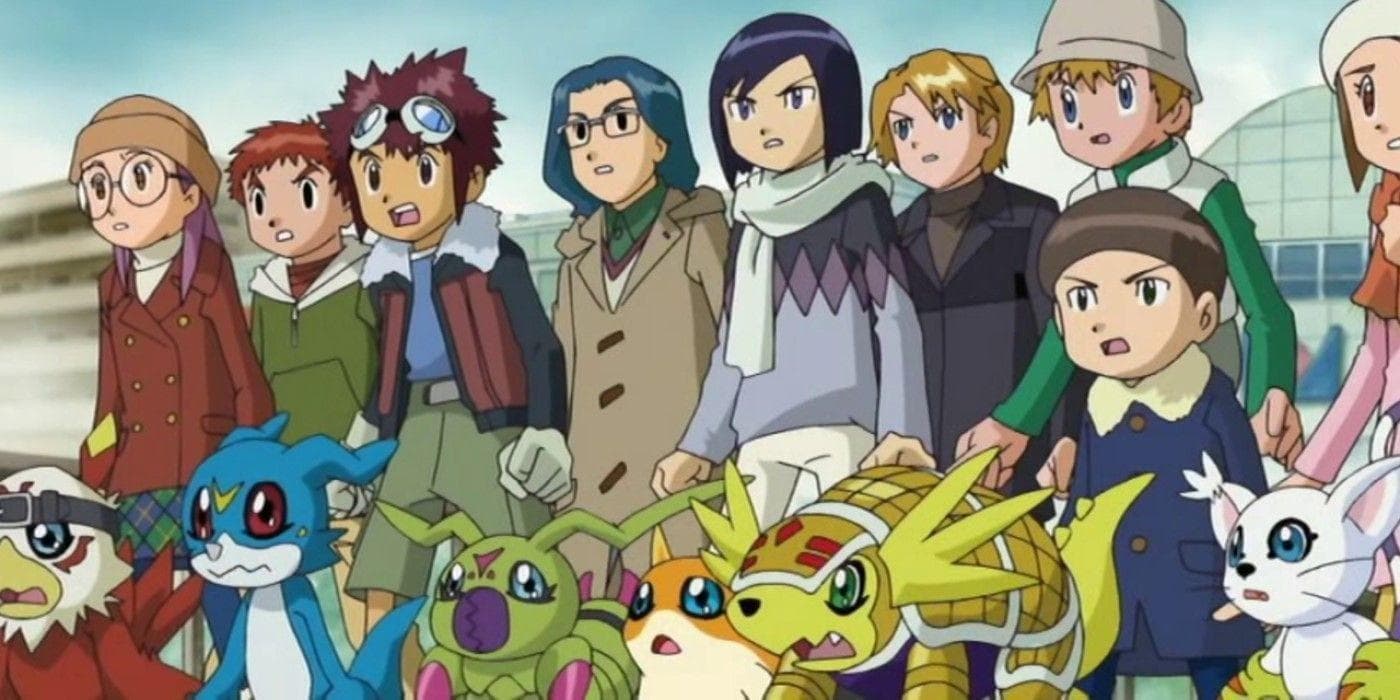
    The first season of Digimon Adventure told a cohesive story that concluded in a nice, neat way, leaving no need to make additional seasons. Of course, that didn't happen, as the series' success with fans pushed the showrunners to continue developing the story into new seasons. The second season isn't as cohesive as the first, and the main reason for this is the writers had trouble agreeing on several story ideas. Disputes among the writing staff led to a number of episodes that can only be described as "filler." That wasn't the only problem with Season 2, as it also left a lot of plot elements dangling with no resolution. The disputes among the writers resulted in a season that began with a clear direction. Still, it ultimately went off the rails as plots were left abandoned without any explanation whatsoever. This left the second half of the season filled with filler episodes that did little to advance the plot.

    94% upvoted
  8. 8

    The Series Has Several Theological References

    You might not think that a series about kids taking their digital monsters around to fight one another (an oversimplification, to be sure) has no reference or allegory to any religion, but you'd be wrong! In fact, there are several references made throughout the franchise to a number of different theologies, though many might not have noticed them while watching the series if they weren't familiar with those religions. The evil Digimon Myotismon returned to the real world in a very specific moment: the sixth second of the sixth minute of the sixth hour. This is a reference to the number 666, known as the Mark of the Beast in the Book of Revelation in the Christian Bible. Baihymon is a representation of Byakko, a creature from Japanese folklore known as the celestial white tiger. Additionally, Indramon takes inspiration from the Hindu Storm God, Indra. Those are only a few examples of many spread throughout the franchise.

    93% upvoted
  9. 9

    'Digimon: The Movie' Consists Of Three Unrelated Specials Edited Together

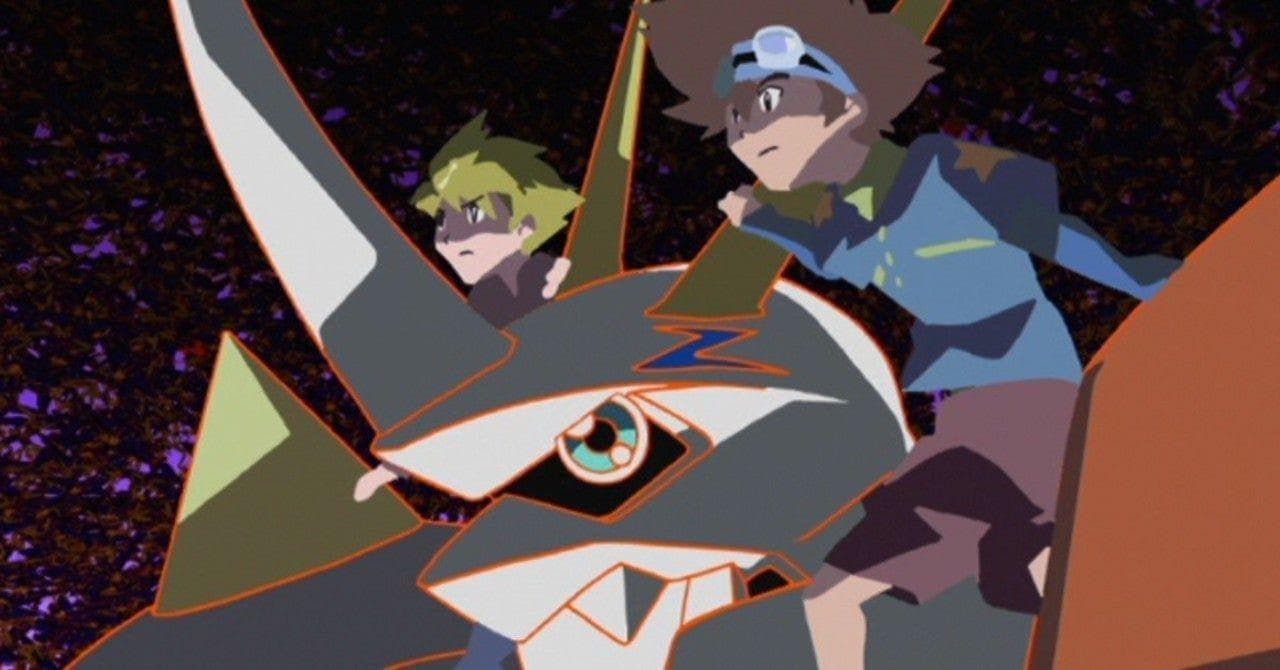
    Three years after Digimon was introduced, Saban Entertainment produced a film adaptation of the anime, but it's not like most feature films. In order to make the movie, Bandai took scenes from three disparate Japanese short films, cut them into pieces, and stitched them back together into a single 88-minute film. The movie consists of footage from Digimon Adventure, Digimon Adventure: Our War Game, and Digimon Adventure 02: Digimon Hurricane Landing!! / Transcendent Evolution!! The Golden Digimentals. The end result is Digimon: The Movie, and it was marginally successful, managing to make more than three times its budget. Of course, that only amounted to a total worldwide gross of $16 million. In order to make the cut work, more than 40 minutes of footage was taken out of the three films, which had new dialogue written and recorded. This significantly changed the plot, making it into a cohesive storyline that would have made almost no sense had they done the edit without altering anything else.

    91% upvoted
  10. 10

    9/11 Influenced The Episode 'My Sister's Keeper'

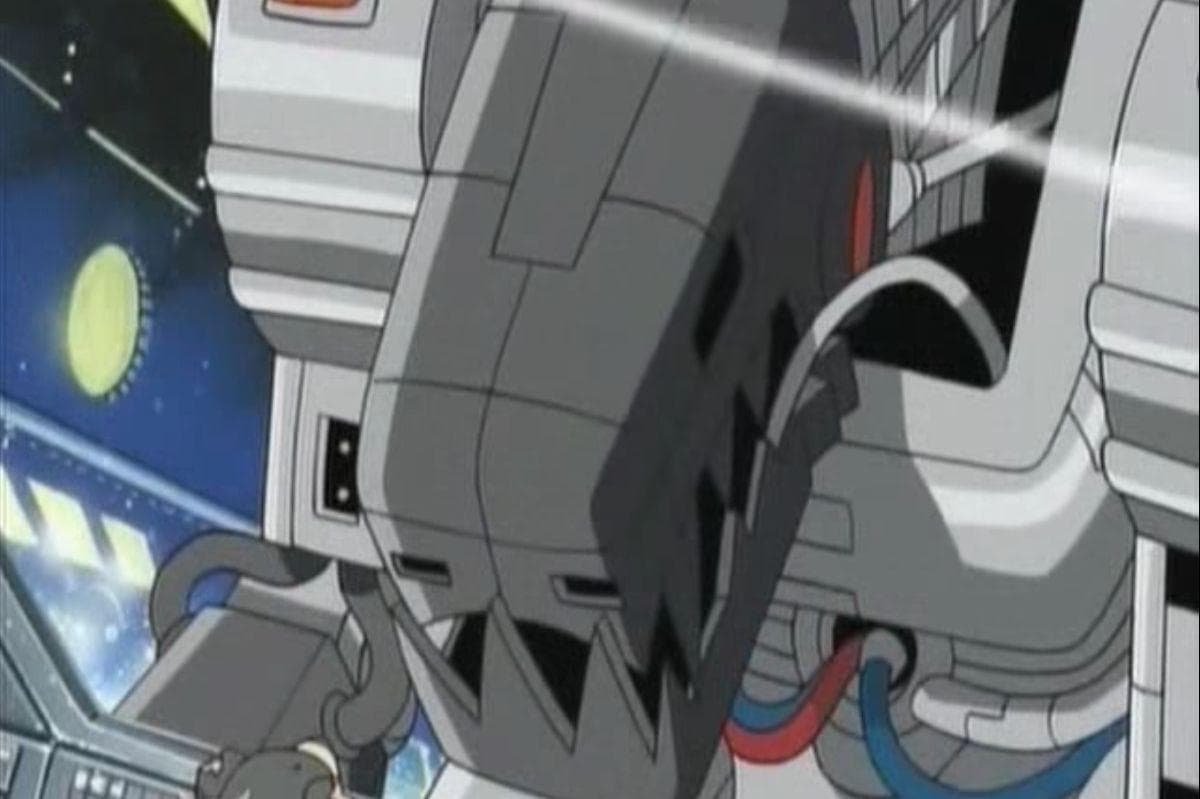
    The 9/11 attacks on the United States were the most impactful events to occur in/to the country in decades. Most equated 9/11 to events like the Japanese strike on Pearl Harbor and other watershed moments in history that necessitated massive domestic and foreign policy changes. The US went to war and remained in that state for two decades, so saying it had an impact is a bit of an understatement. 9/11 also influenced various media companies, which pushed them to make changes to products and franchises. Spider-Man had to edit out images of the World Trade Center towers before it could be released, and Digimon Adventure similarly had to make a change to one of its episodes. In the episode "My Sister's Keeper," a giant dinosaur Digimon called Machinedramon threatened a large city. Initially, a scene depicted Machinedramon firing its cannon to take out a large building, but this was edited out entirely because of what happened on 9/11.

    92% upvoted