Skip to content
maxnews
Rankings

Things That Were Terrifyingly Bigger In Prehistoric Times

Living in the 21st century certainly has its perks – deoderant, Snapchat, Beyoncé, and the list goes on. Fortunately for us, we're aren't doomed to roam any prehistoric era, when not getting mauled and eaten by a saber-tooth tiger was the most success a person could ask for on any given day. One of the biggest benefit of the modern age would have to be the lack of gargantuan – and sometimes carnivorous – prehistoric animals. Creatures of land, sky, and sea were all significantly larger back then, and although most of these age-old giants have some distant relative still living today, they're not necessarily what you would expect. Check out the list below for things that were terrifyingly bigger in the prehistoric era.

Entries
17
Votes
0
Updated
yesterday

Tap upor downto vote. Your vote is added to Ranker's counts.

Voting identifies your browser with an anonymous fingerprint, stored only as a salted hash, to count one per visitor. Privacy

Source: Ranker, ranked by its voters.

  1. 1

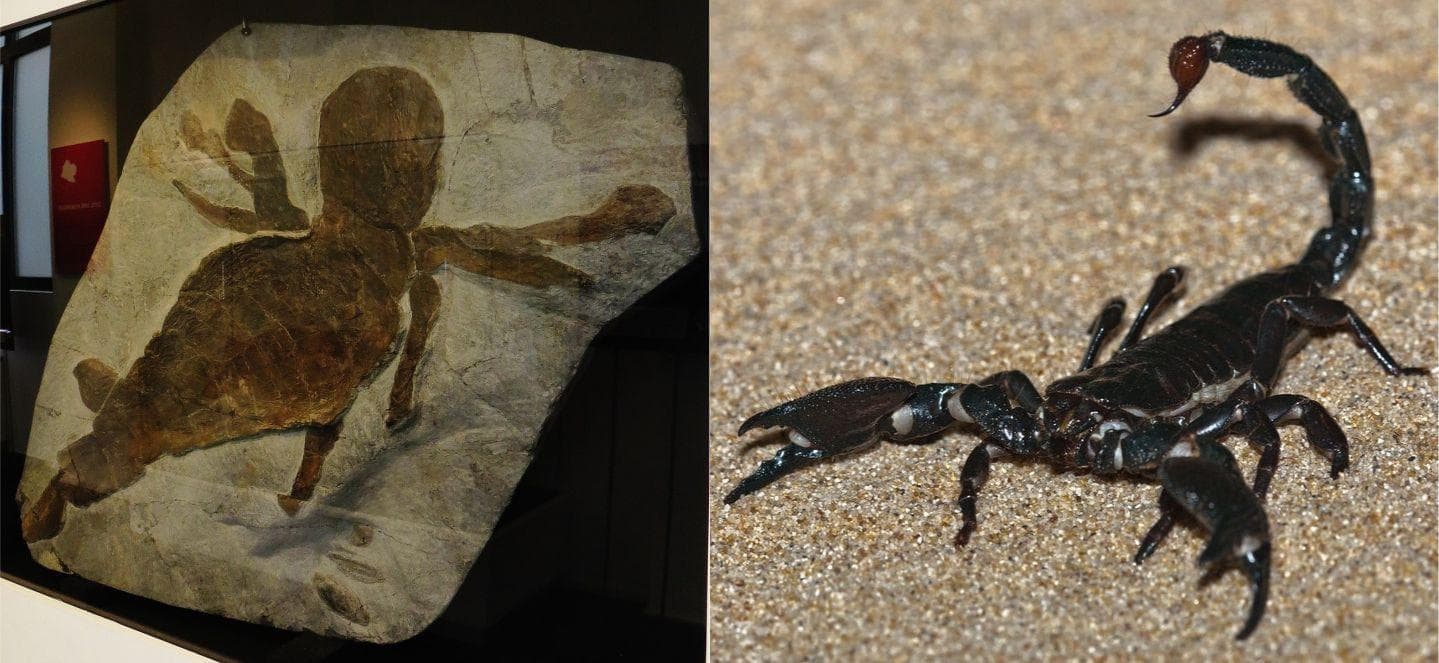
    Scorpion

    Known as J. rhenaniae, this giant sea scorpion was an ancient relative of modern-day land scorpions, and obviously much bigger. A top predator in its time, this beast had claws with large, sharp teeth to grasp and hold slippery fish. As such, these creatures resided only in the water, and for good reason. Although their bodies were huge, their legs were flimsy, and any attempt to go on land would lead to a huge collapse. The biggest one on record measures over eight feet in length and likely devoured anything in its path, even members of its own species. What’s scarier than a giant sea scorpion? A giant cannibalistic sea scorpion.

    0% upvoted
  2. 2

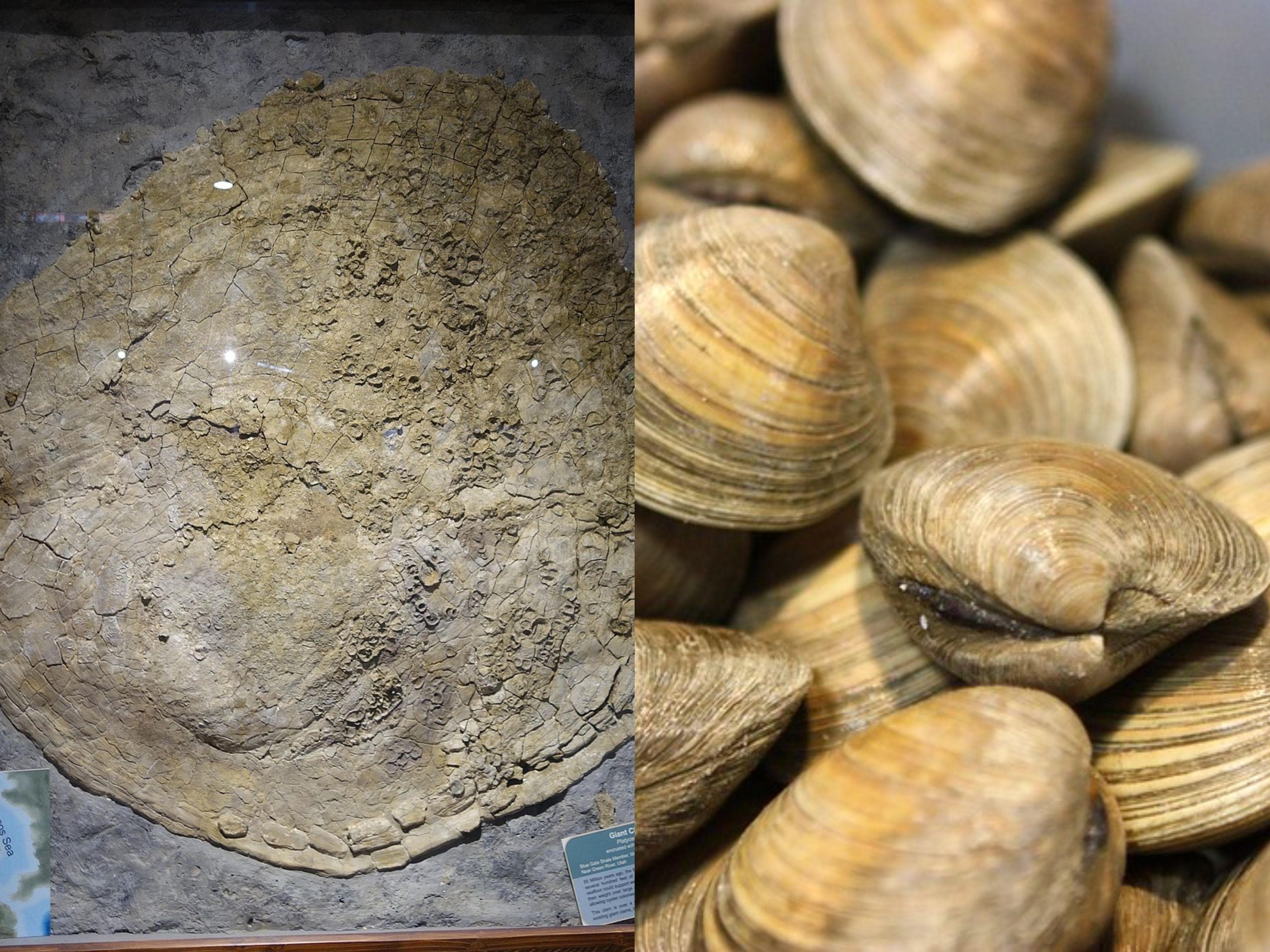
    Clam

    Few would consider the modern clam scary, unless it's pitted against its giant prehistoric relative. Scientifically named the platyceramus, the giant clam could reach over nine feet in diameter. Anything that has the capacity to open up and swallow you whole is frightening. Luckily, the platyceramus was only found deep underneath the sea.

    0% upvoted
  3. 3

    Rat

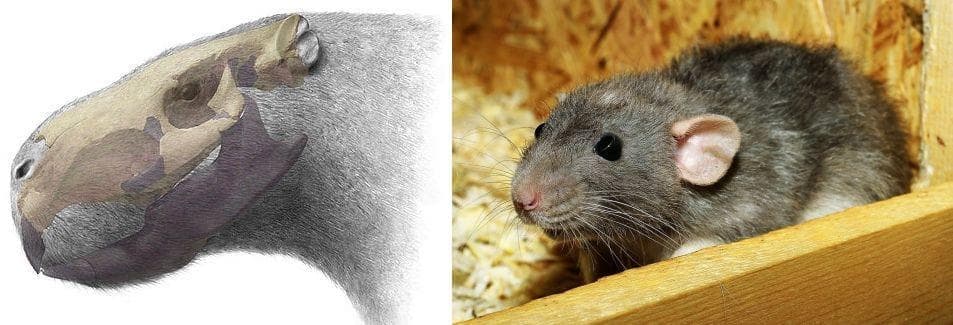
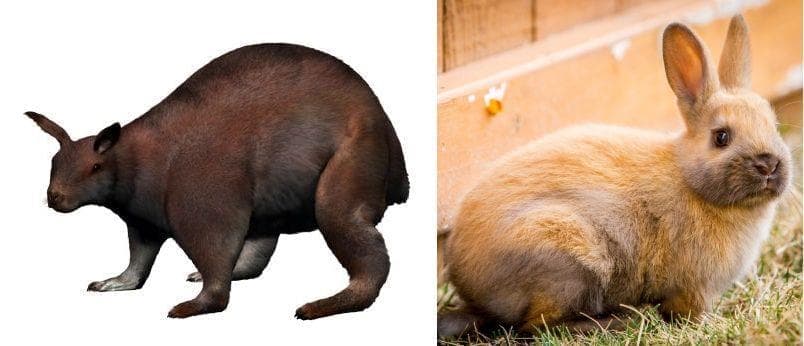
    Instead of a small, furry creature loitering around your dumpster, imagine a ten-foot-long, 2,200-pound monster of a rat that could comfortably fend off saber-toothed cats and meat-eating birds. That’s the story of the Josephoartigasia monesi, an ancient, bull-sized relative of the rat and the world’s largest recorded rodent. This creature most likely fed on aquatic plants and fruits because of the shape of its teeth and lived in South America with an abundance of similar creatures. So next time you get scared by a rat, remember that dealing with a small rat is far preferable to dealing with its ancient brethren.

    0% upvoted
  4. 4

    Sloth

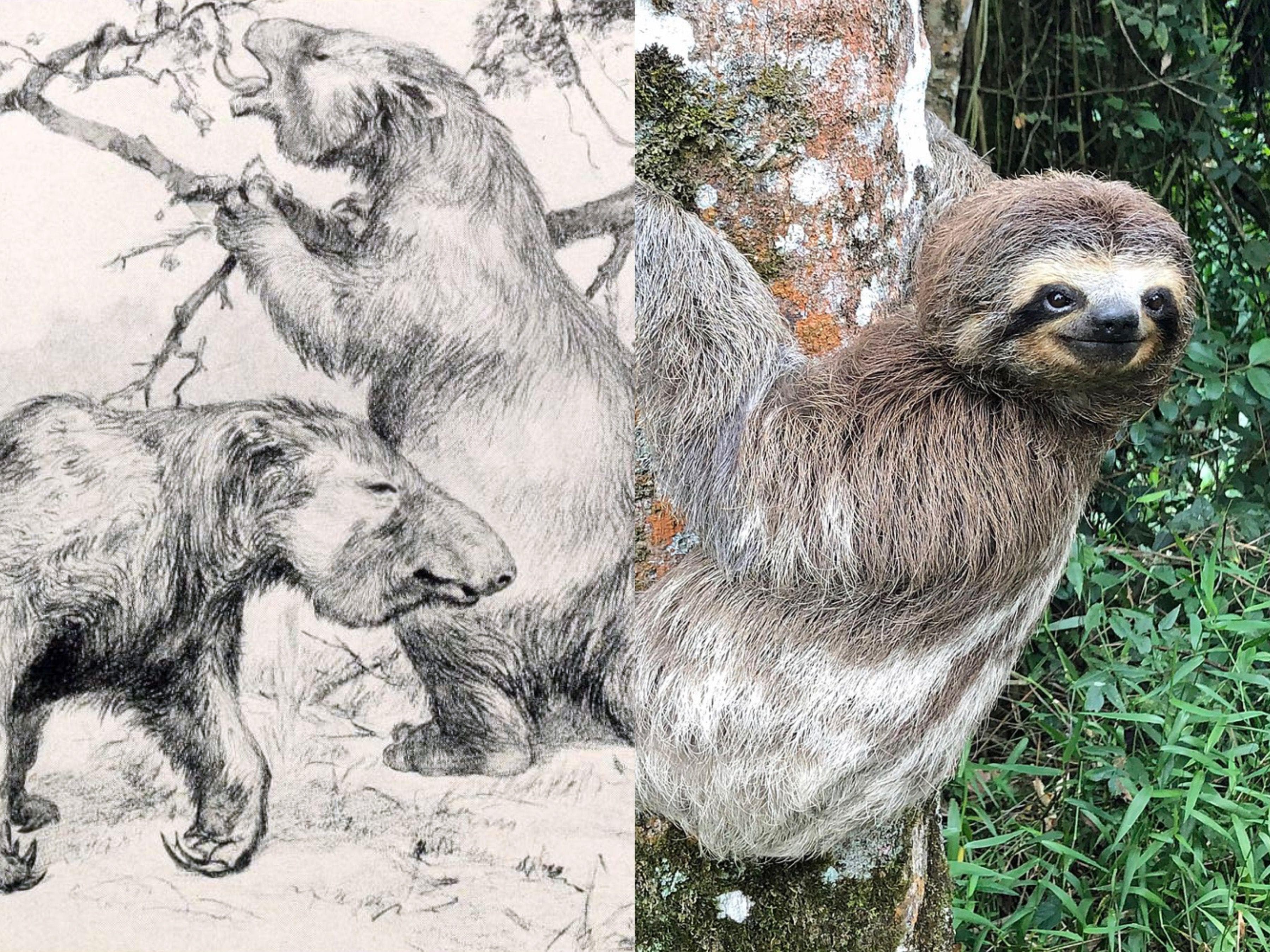
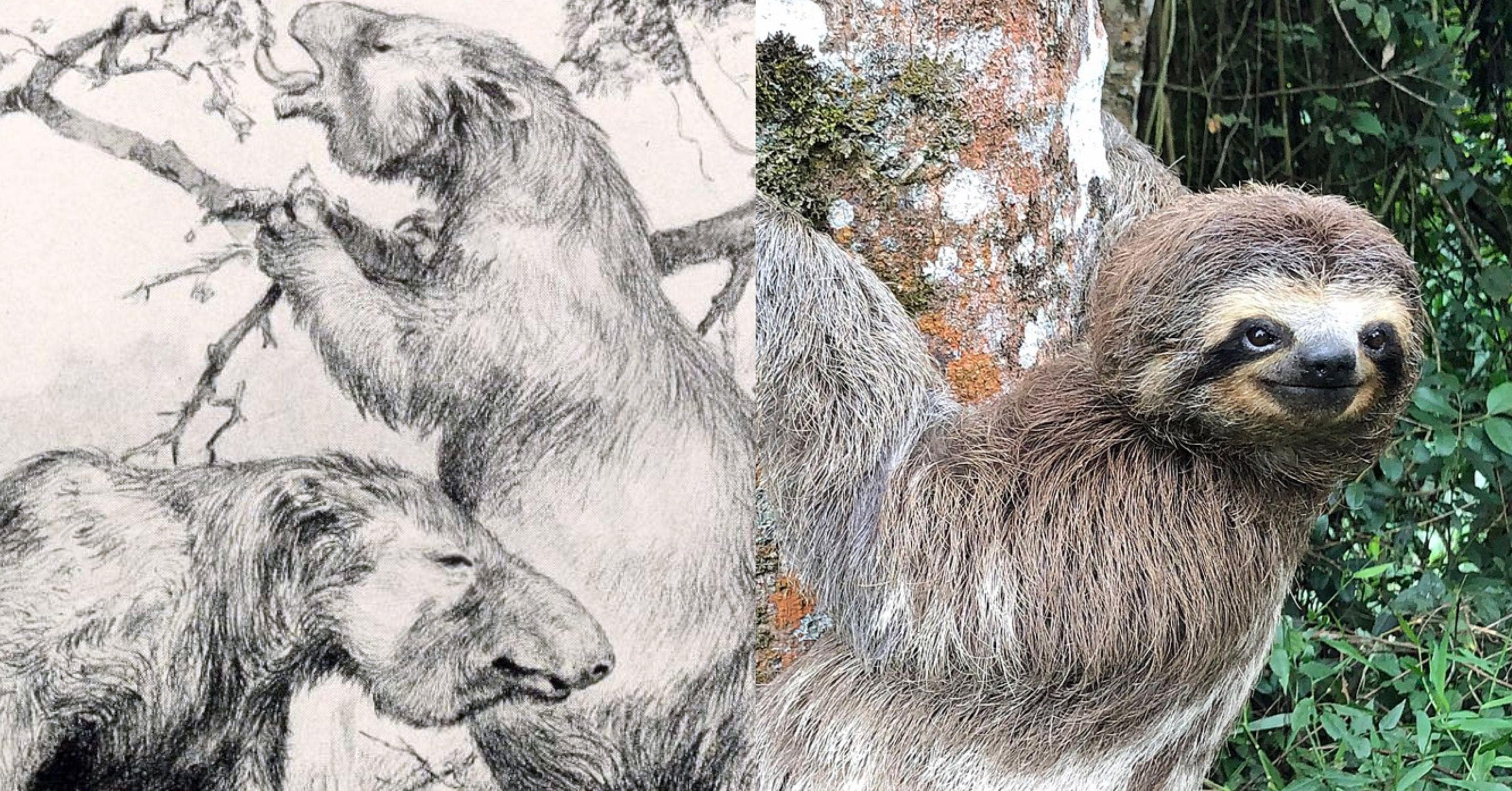
    Today's sloths are silly, lovable creatures. They move slowly and they’re oddly shaped, but maybe we wouldn’t laugh at them so much if we were familiar with their ancient relatives. The mighty megatherium was one of the most famous giant mammals to have existed on earth after the extinction of the dinosaurs. When walking on all fours, the megatherium could reach a length of almost 20 feet and could stand on its hind legs to reach a monstrous 13-foot height. Traditionally, research indicates that the megatherium was an herbivore, but some insist that the giant sloth also ate meat and scavenged the bodies of other dead animals, scaring other creatures away.

    0% upvoted
  5. 5

    Ape

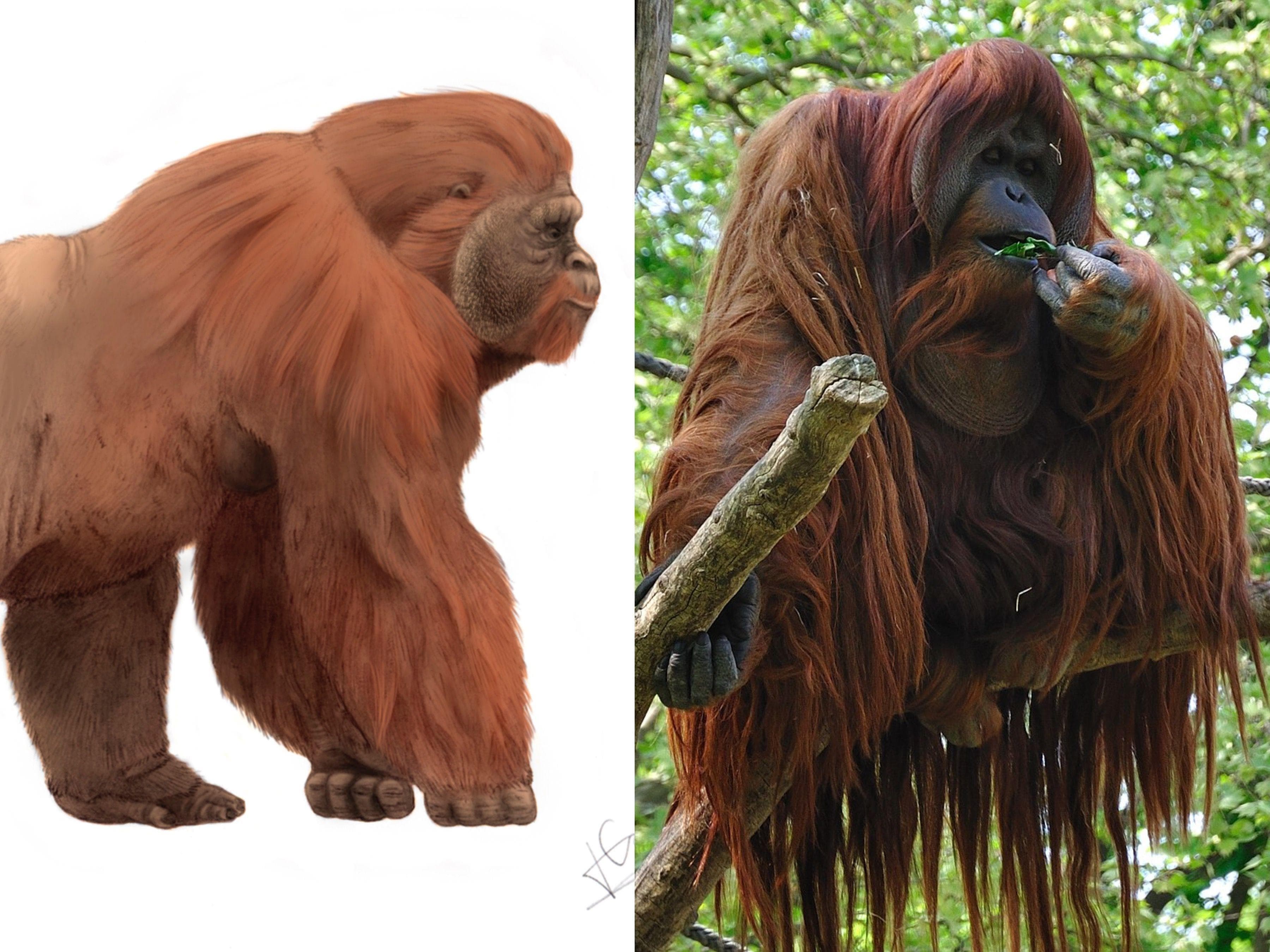
    Giant primates are scary enough, but they're nothing compared to the gigantopithecus. Closer in appearance to current imaginings of Bigfoot, this creature stood close to ten feet tall and was known to exist in China, India, and Vietnam. Their diets consisted largely of bamboo, which ultimately became their downfall. Deformed fossils suggest that this creature was severely malnourished, and thus went extinct.

    0% upvoted
  6. 6

    Fish

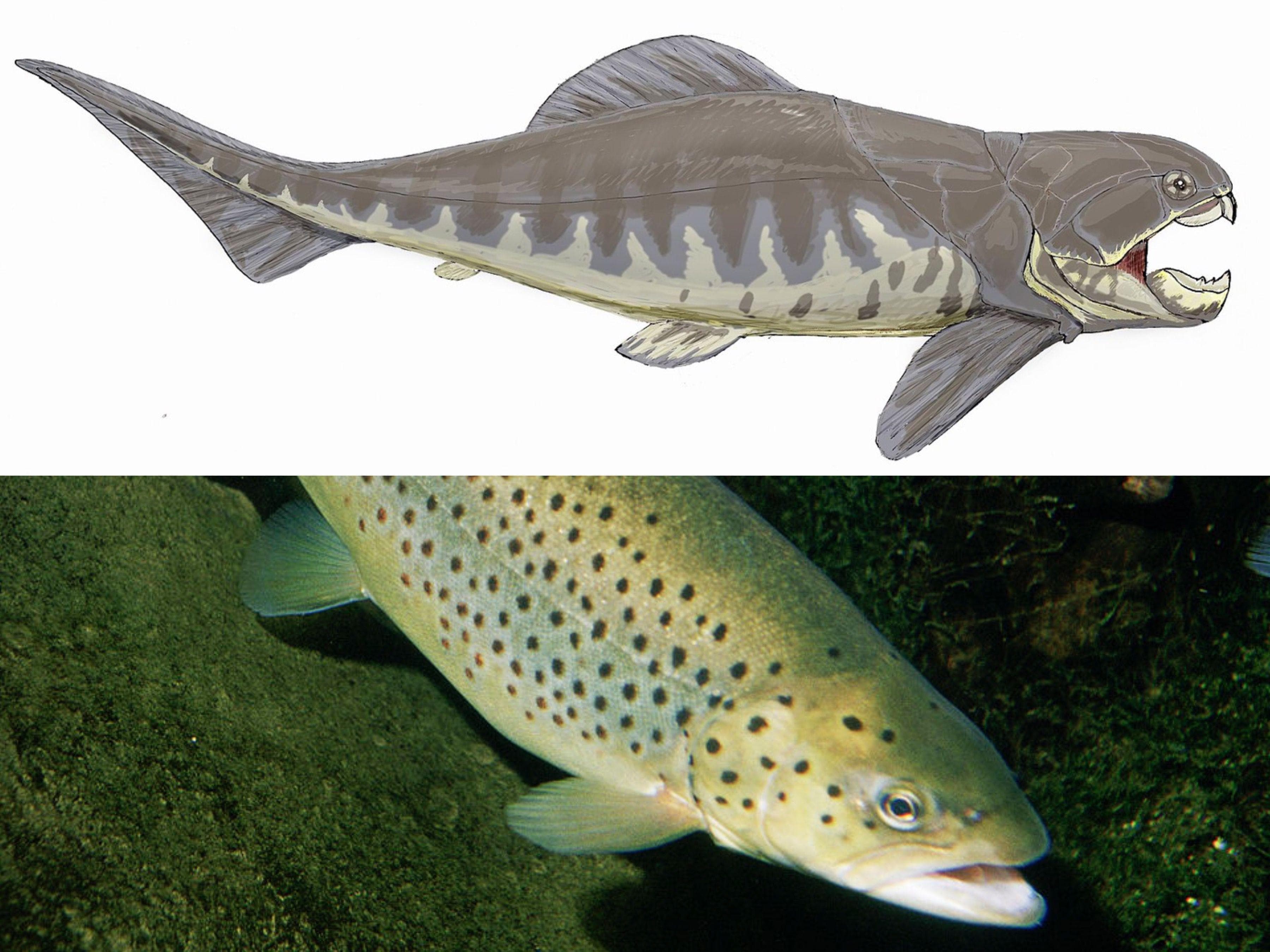
    Hardly a bright, colorful fish you'd see in a fish tank, the dunkleosteus was a fish that ruled the seas with ferocity and brute strength. As an apex predator, this creature could reach up to 30 feet in length and was able to devour anything that could fit in its jaws. Because of its unmatched power, the only thing the dunkleosteus had to fear were other members of its own species.

    0% upvoted
  7. 7

    Bird

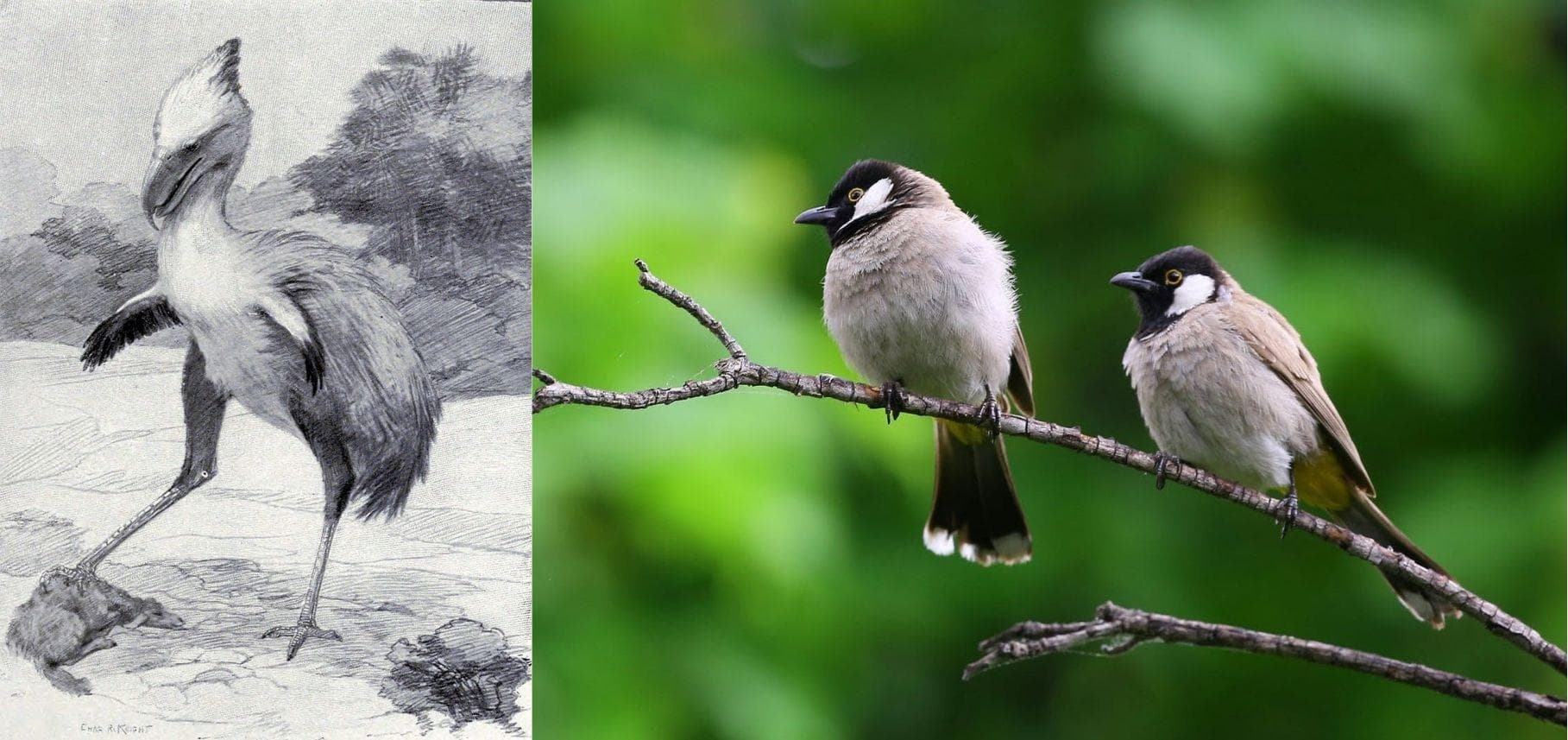
    Don’t laugh, but in prehistoric times, a giant, flightless bird was one of the largest, most lethal predators around. The phorusrhacos was a big bird with tiny wings, both equipped with sharp hooks for grabbing their prey. What they lacked in wingspan, they made up for in leg strength; they could easily chase down smaller creatures and dispatch them with their powerful beaks and talons.

    0% upvoted
  8. 8

    Monitor Lizard

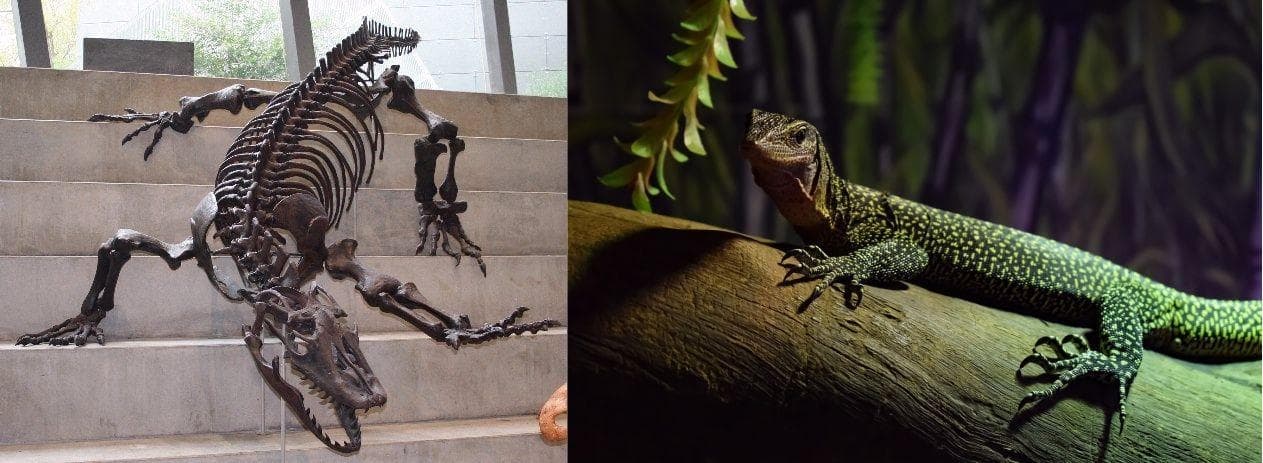
    Modern-day monitor lizards today are huge, dangerous, and frightening, but we're actually pretty lucky – their prehistoric relatives were even bigger, more dangerous, and ten times as scary. Known as Varamus priscus, these creatures weren’t necessarily fast, but they knew how to utilize their assets for close-quartered killing. Their serrated teeth made for deadly bites, and a strong tail could put Indiana Jones’s whip to shame. Reaching lengths of over 21 feet, we’re lucky these things aren’t still alive today.

    0% upvoted
  9. 9

    Bear

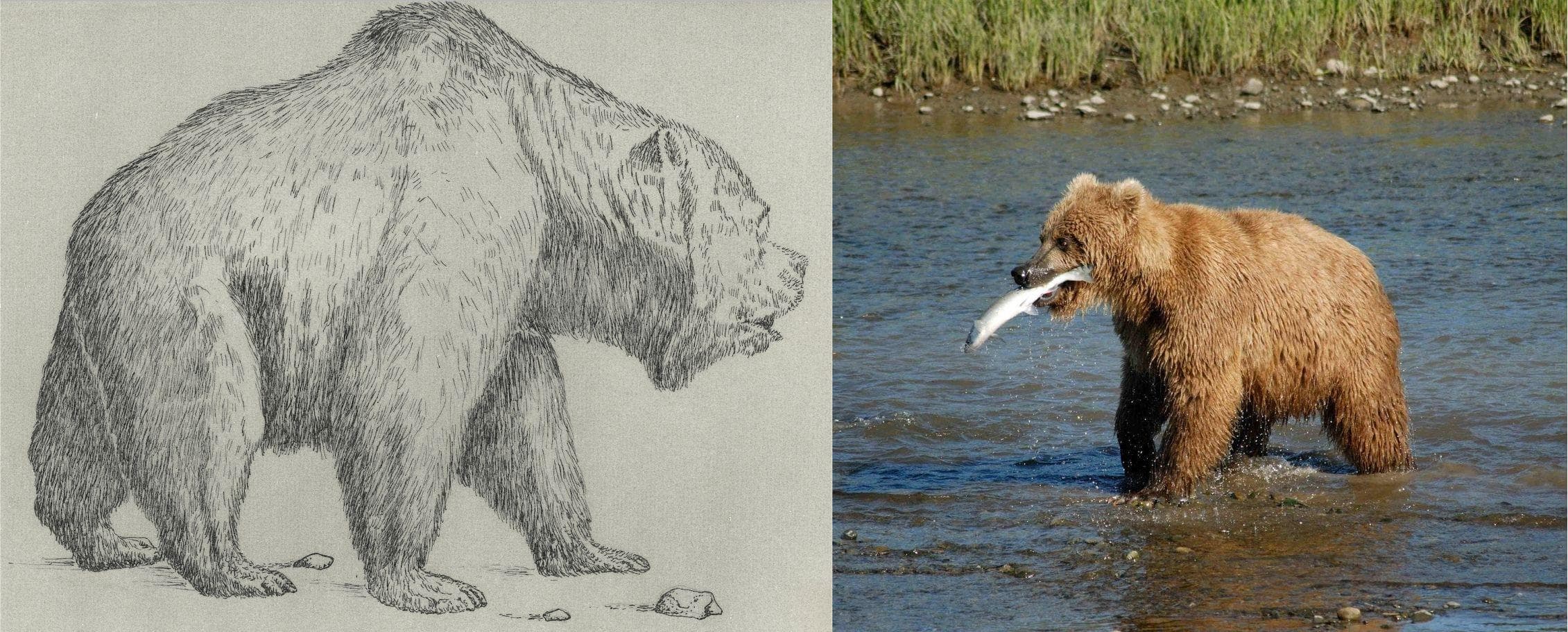
    The arctodus is the prehistoric relative of the modern-day bear. Everything that makes us fear bears in today’s time was amplified tenfold millions of years ago. They were bigger, their reach was longer, they had a more powerful bite, and they ate practically everything in sight. Research suggests that the arctodus was possibly the largest carnivorous animal in its time period since dinosaurs went extinct. Although they weren’t afraid to kill and eat their prey, the arctodus relied mainly on scavenging the corpses of dead animals.

    0% upvoted
  10. 10

    Crocodile

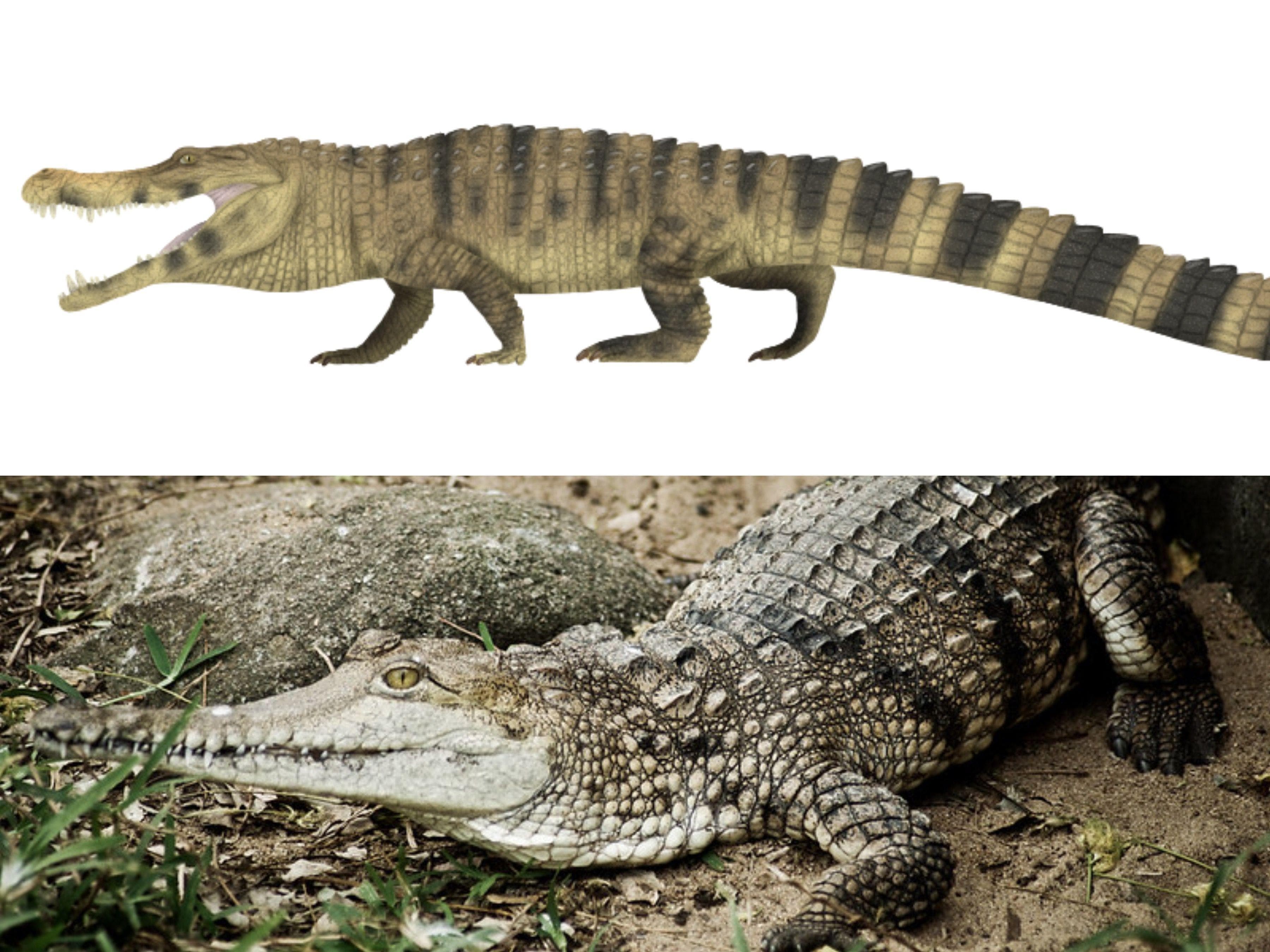
    Although the lack of a complete fossil makes determining the exact size of the prehistoric deinosuchus (literal translation: "terrible crocodile") difficult, skull fragments and teeth have helped researchers estimate that these ancient beasts were massive, at times reaching up to 40 feet in length. The deinosuchus lived during the time age of the dinosaurs and was one of the most feared predators of its day. Its land- and sea-based hunting abilities made the deinosuchus extremely dangerous, and fossils suggest that these creatures took on types of tyrannosaurs, thought to be the apex predators of that time period.

    0% upvoted