London's 'Great Stink' Lived Up To Its Name
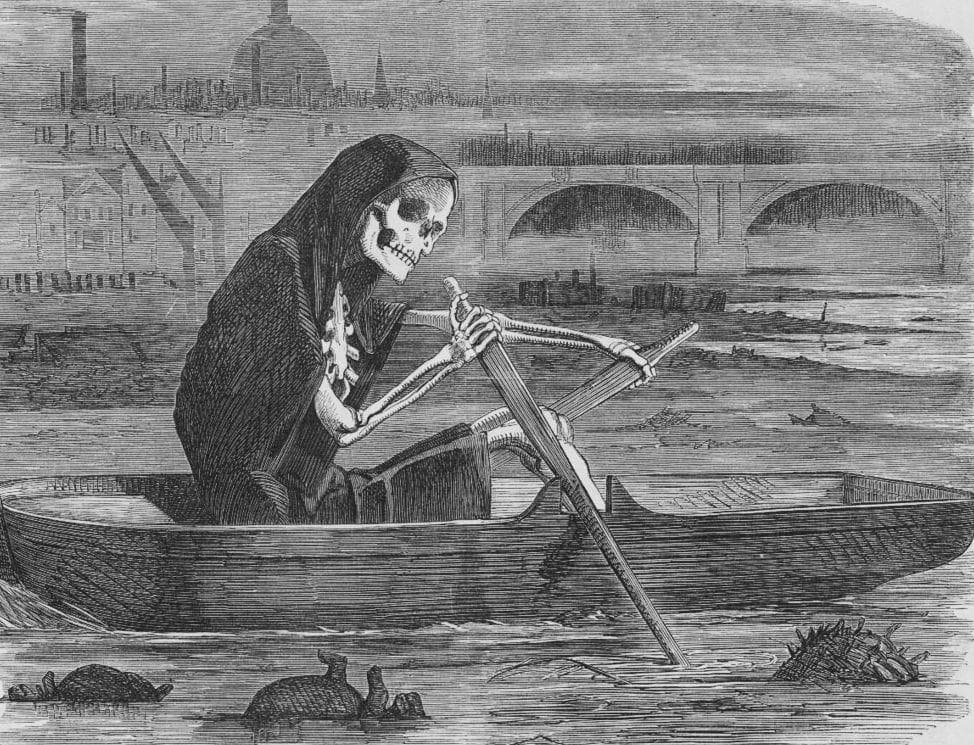
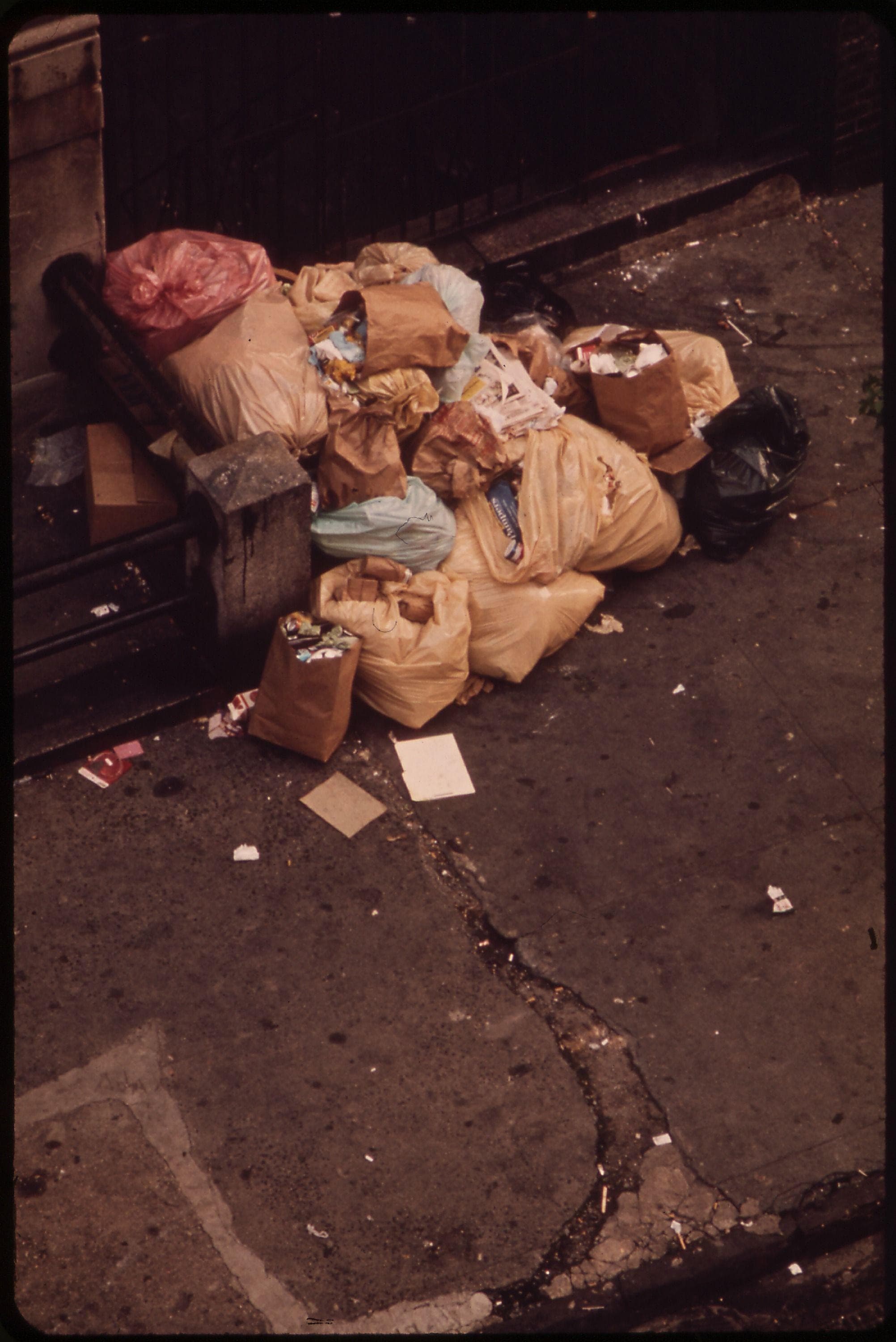
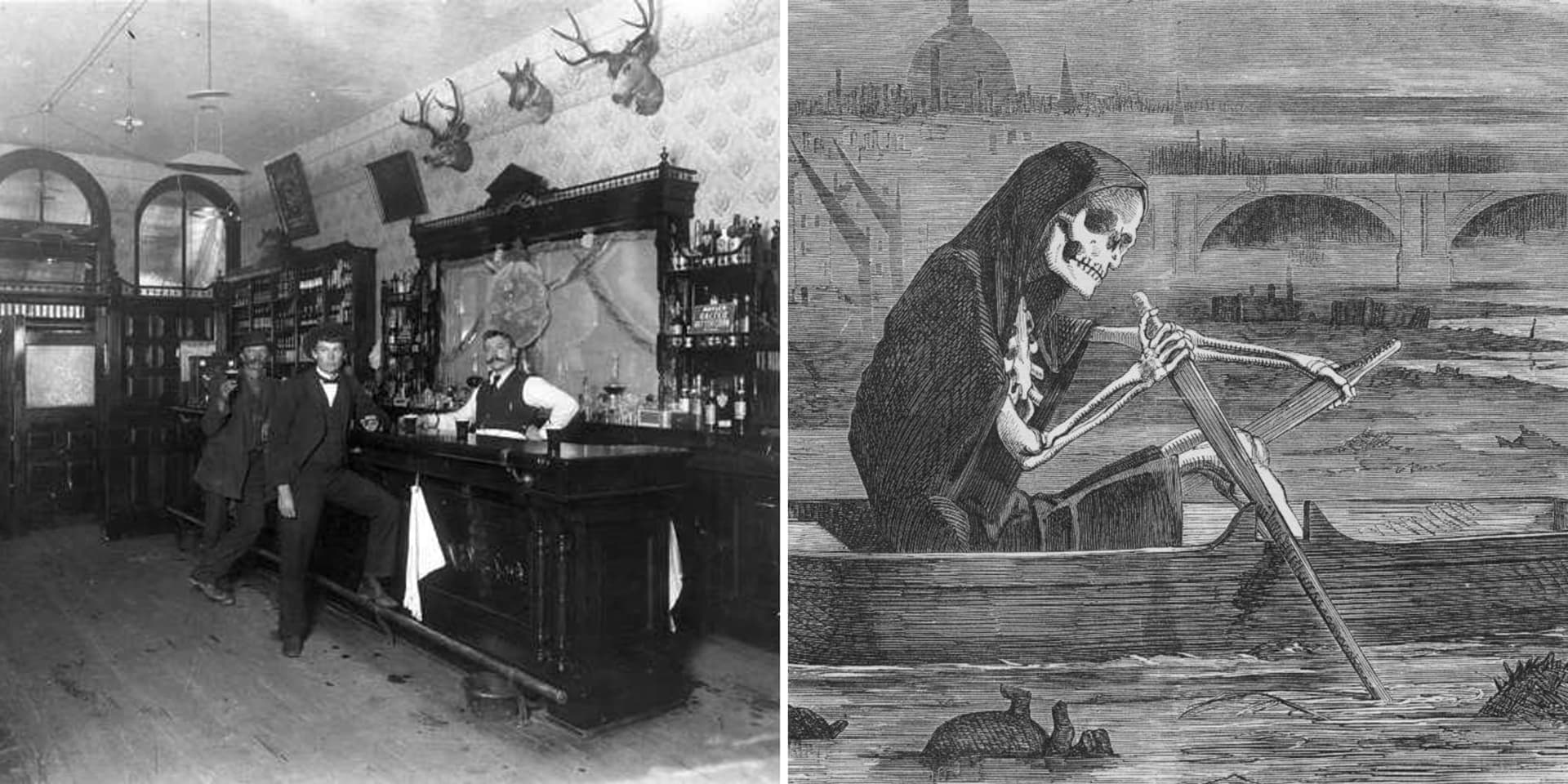
The “Great Stink of 1858” came from the River Thames which, by that time, was rife with human, animal, and industrial waste. The presence of dead animals and a lack of sanitation contributed to the odor when a heatwave stuck the city during the summer months. As early as 1834, the realities of how poor the water in Thames was received notice from the likes of humorist cleric Sydney Smith who said, He who drinks a tumbler of London water has literally in his stomach more animated beings than there are men, women and children on the face of the globe. Accounts of the "Great Stink" years later from observers like Charles Dickens attested to its putrid nature. He said, I can certify that the offensive smells, even that short whiff, have been of a most head-and stomach-distending nature. It was also described as “a pestiferous and typhus breeding abomination” and credited for ending “gentility of speech” because “it stinks, and whoso once inhales the stink can never forget it and can count himself lucky if he lives to remember it.” The mention of typhus highlighted the continued presence of the miasma theory, a belief that the smell was causing disease. Diseases like typhus and cholera were actually spread because people were still using water from the Thames to drink and wash. After Dr. John Snow tested his theory along those lines in 1854, it became clear that cholera and the loss of life from it was due to the poor water quality. That, combined with the reality that the smell didn't discriminate by social class or influence, including members of Parliament, prompted efforts to clean up the city due to the odor several years later and ultimately led to the building of a new sewer system in the city.