Skip to content
maxnews
Rankings

The Weirdest Rules Of The Hays Code

You've probably heard the expression, "They don't make them like they used to." When that comes to the movies, that figure of speech likely refers to a specific time - 1930 through 1968, to be exact. During that span, most films had to adhere to the Motion Picture Production Code, otherwise known as the Hays Code. What was the Hays Code? It was a set of moral guidelines, thought to ensure that audiences only consumed appropriate entertainment. Old Hollywood scandals from the 1920s had painted Tinseltown and the abusive studio system as a place of crime and sin, and political pressure spurred executives to take action. Something had to be done to rein in the morally bankrupt Hollywood machine, and a Presbyterian elder named Will H. Hays seemed to offer a solution. His system of "don'ts" and "be carefuls" soon morphed into an official code. By 1930, several major studios agreed to the new set of rules. Beyond being strict, the Hays Code was downright bizarre. Strange rules in old Hollywood outlined how men and women could interact, forbid dancing, and even limited funny portrayals of religious figures. The weirdest rules in the Hays Code read like parody, but they influenced Hollywood for years. It's both entertaining and intriguing to consider how the Hays Code changed movies.

Entries
13
Votes
0
Updated
8 hours ago

Tap upor downto vote. Your vote is added to Ranker's counts.

Voting identifies your browser with an anonymous fingerprint, stored only as a salted hash, to count one per visitor. Privacy

Source: Ranker, ranked by its voters.
  1. 1

    One Foot On The Floor During Bedroom Scenes

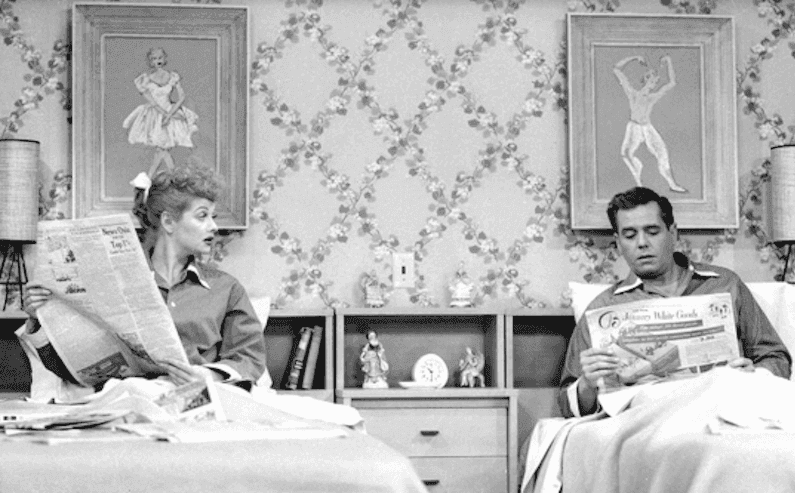
    When it came to depicting men and women in the bedroom, the Hays Code offered filmmakers two options. They could have the couple sleeping in separate twin beds, like the wholesome, sexless partners the audience supposedly clamored for. Or, they could show the couple sleeping in the same bed, with one caveat: the woman had to have one foot on the floor for the duration of the scene. Presumably, this was to reassure viewers that no racy acts were about to occur.

    0% upvoted
  2. 2

    No White Slavery

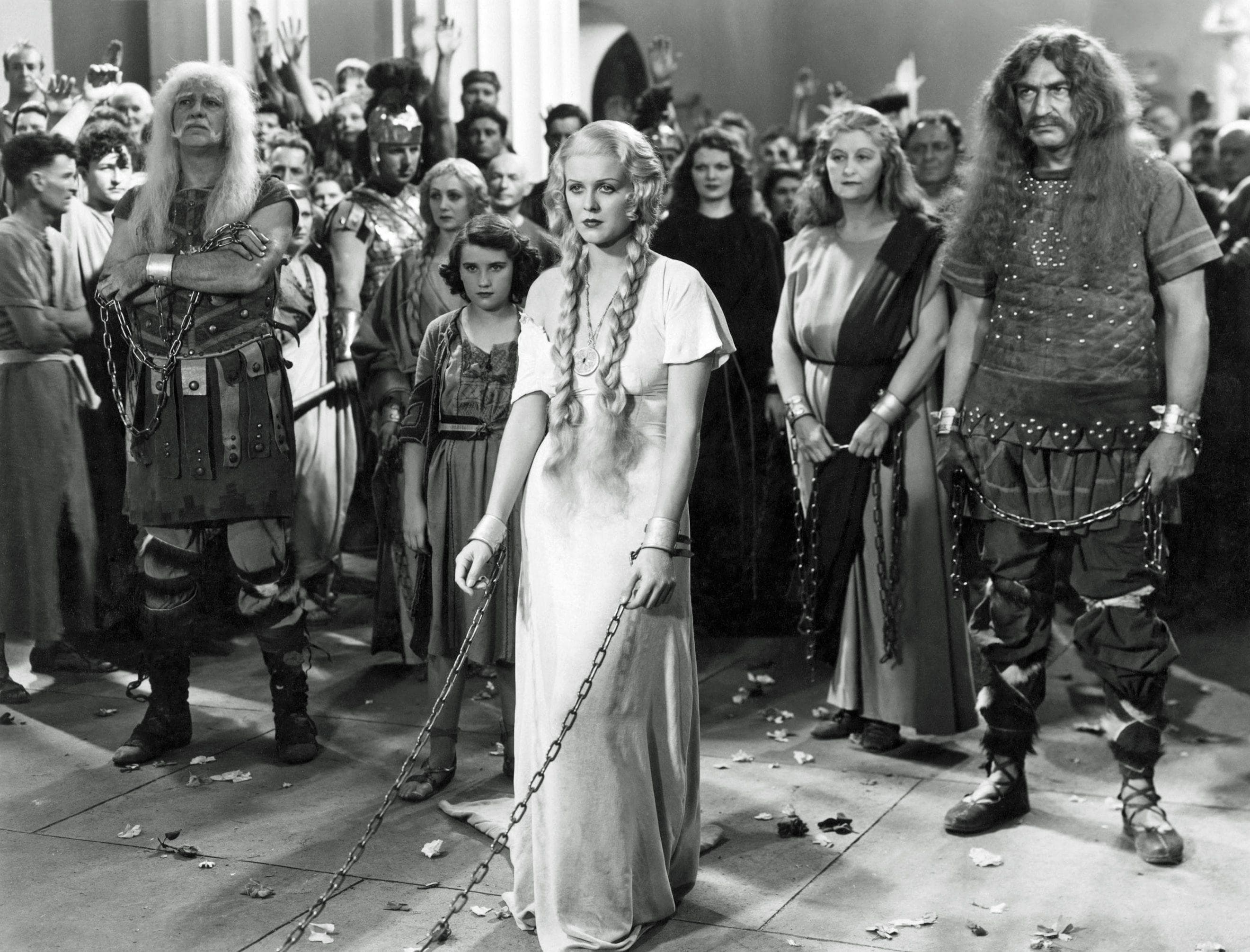
    The Hays Code says, "White slavery shall not be treated" - though, curiously, the rule comes under the heading of "Sex." No mention is made of the enslavement of any other race.

    0% upvoted
  3. 3

    No Silhouettes Of Nudity

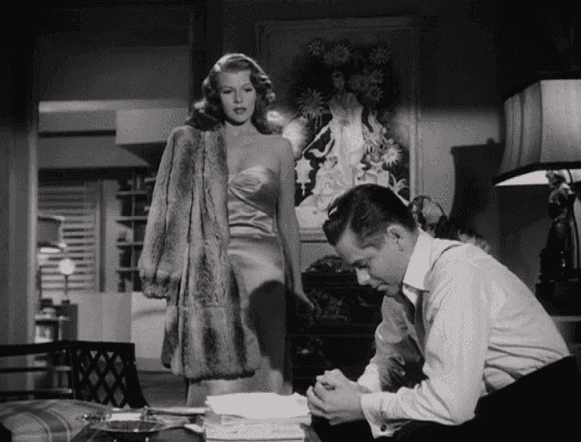
    Nudity is still heavily regulated in movies. But in the days of the Hays Code, not even a hint of bare skin could be shown. That extended to silhouettes of nude bodies, too. The Code primly noted, "Transparent or translucent materials and silhouette are frequently more suggestive than actual exposure." Undressing was a no no as well - scenes in which a character changed outfits could only be included when "essential to the plot."

    0% upvoted
  4. 4

    No Glamorous Safe-Cracking

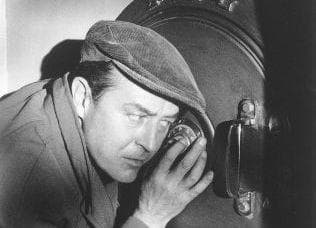
    Per the Code, criminal activities that included safe-cracking were not to be glamorized under any circumstances. Why? The Hays Code authors were apparently worried about giving audiences ideas; the rule appears under a section beginning, "[Crimes against the law] shall never be presented in such a way as to throw sympathy with the crime as against law and justice or to inspire others with a desire for imitation."

    0% upvoted
  5. 5

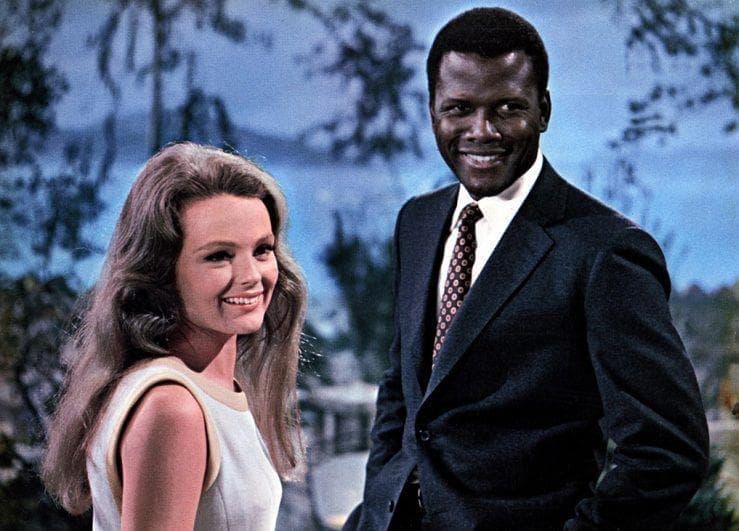
    No Interracial Realtionships

    None of the Hays Code has aged well, but it's particularly cringe-inducing to read its sections on race. The document called relationships between Black and white people "miscegenation" - in itself a queasily outdated word - and forbid studios from showing them on screen. Fortunately, movies like Guess Who’s Coming To Dinner (1967) managed to get one over on the Code enactors.

    0% upvoted
  6. 6

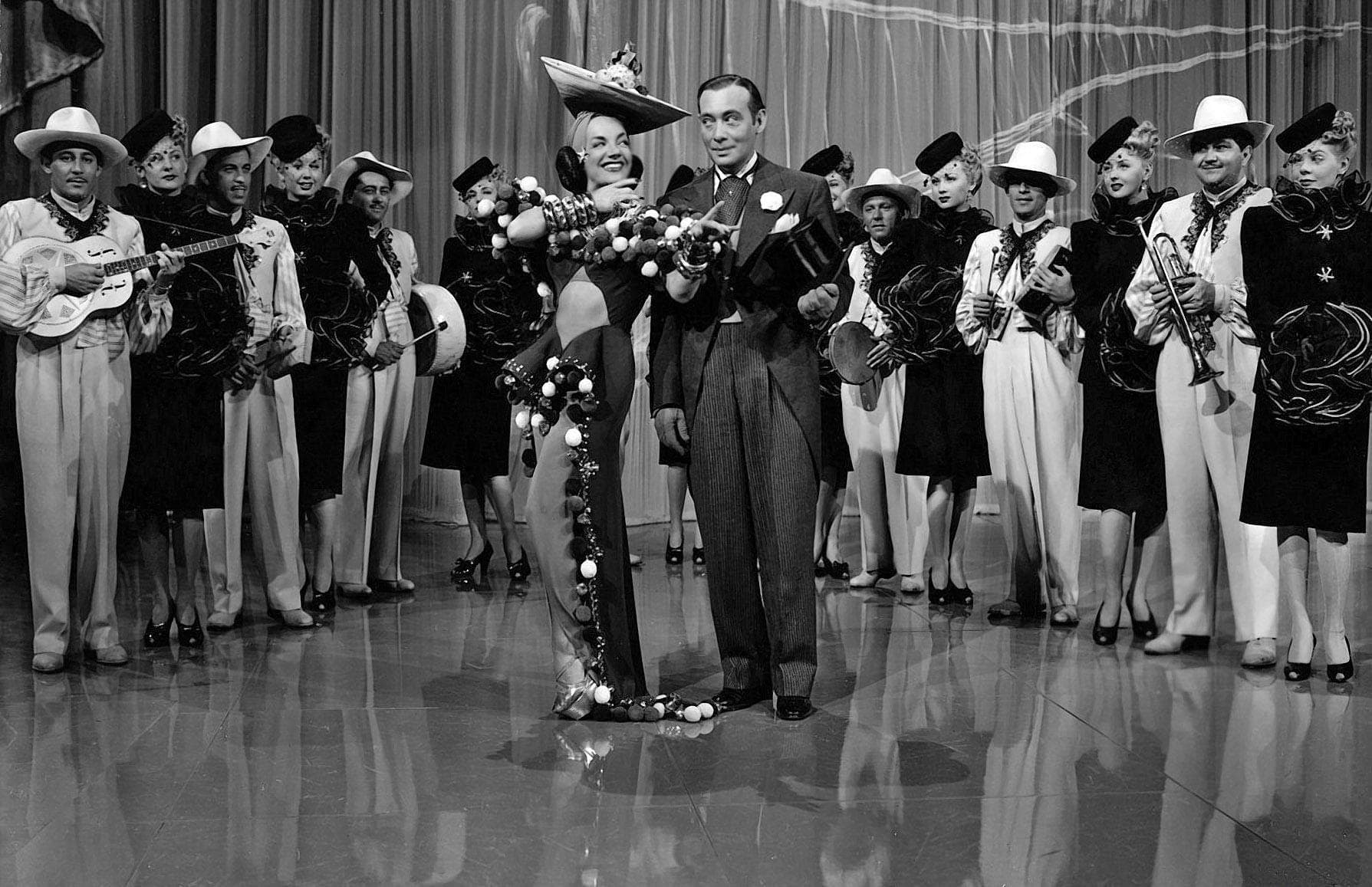
    Indecent Dances Are Forbidden

    Dance was a tricky subject for the Hays Code; dance was recognized as "an art" and "a beautiful form of expressing human emotions," but it was also condemned for being capable of "represent[ing] sexual actions, whether performed solo or with two or more." Ultimately, the Code forbid "indecent" dances featuring "movement of the breasts [or] excessive body movements while the feet are stationary."

    0% upvoted
  7. 7

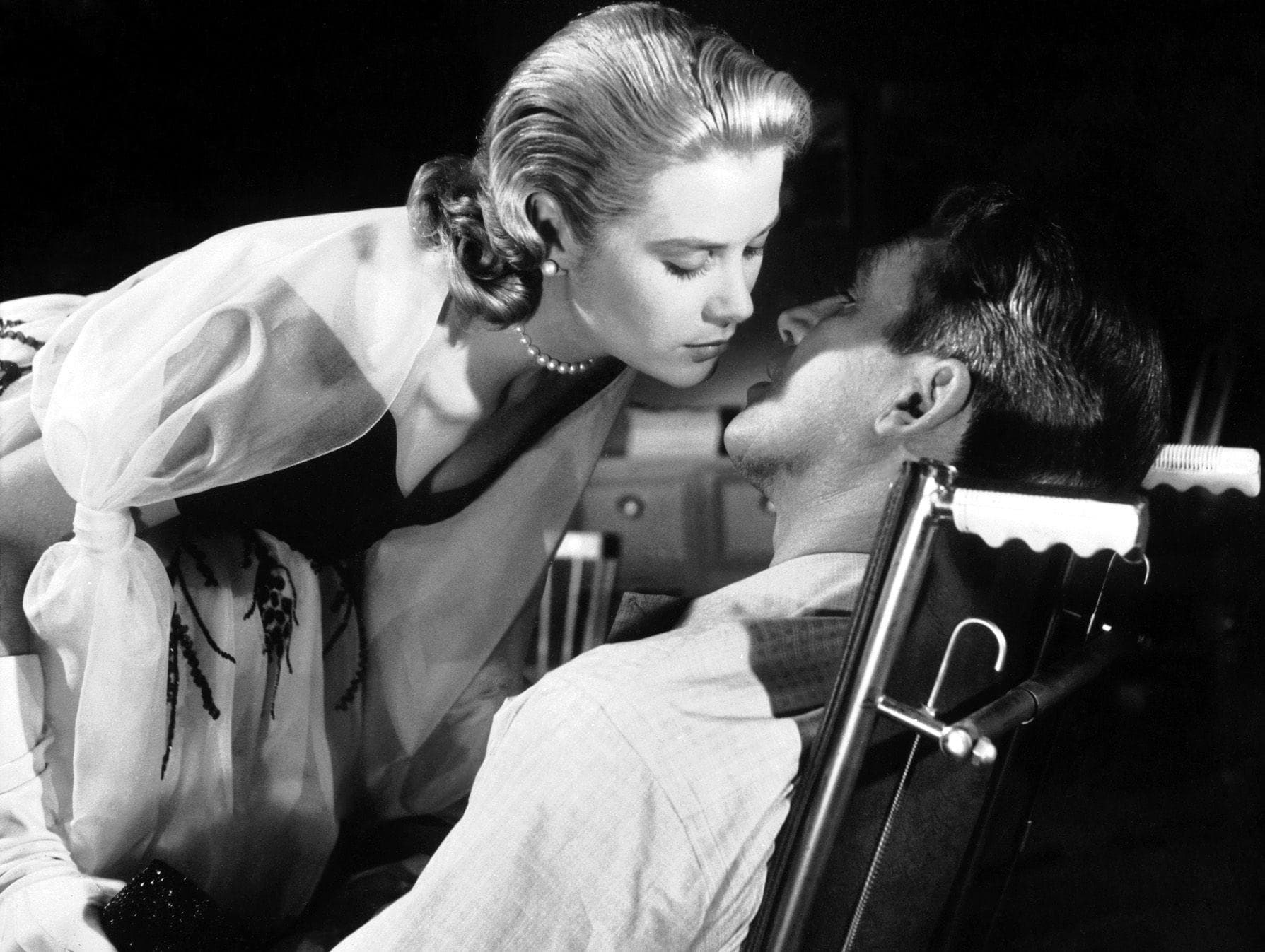
    No Lustful Kissing

    There's a reason why vintage movies feature seemingly dry, close-mouthed kisses. The Hays Code prohibited "excessive and lustful kissing," apparently so that the scenes wouldn't could "stimulate the lower and baser element." Oddly, it doesn't define what qualifies as "excessive" or "lustful."

    0% upvoted
  8. 8

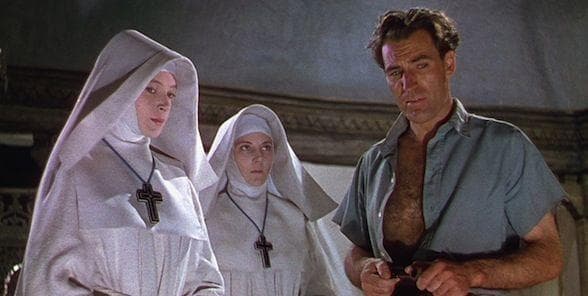
    No Funny Religious Figures

    The Hays Code was overtly religious in its construction, so perhaps it's not surprising that it banned all negative depictions of faith from the silver screen. Priests, ministers, nuns, and clergymen had to be portrayed as honorable so as to prevent "the lowering of the audience's respect" for religion.

    0% upvoted
  9. 9

    No First Night Scenes

    Given the Hays Code's obsession with morals, you would think they might give some leeway to portrayals of passion between appropriately married couples. But even that was considered too racy - the Code forbid "First Night" scenes. In general, "the treatment of bedrooms must be governed by good taste and delicacy" in approved films.

    0% upvoted
  10. 10

    No Branding Animals

    It's a safe bet that audiences don't want to see more realistic depictions of animal cruelty on screen. However, the Hays Code's oddly specific ban on branding also applied to human beings; it was a "repellent subject."

    0% upvoted