Skip to content
maxnews
Rankings

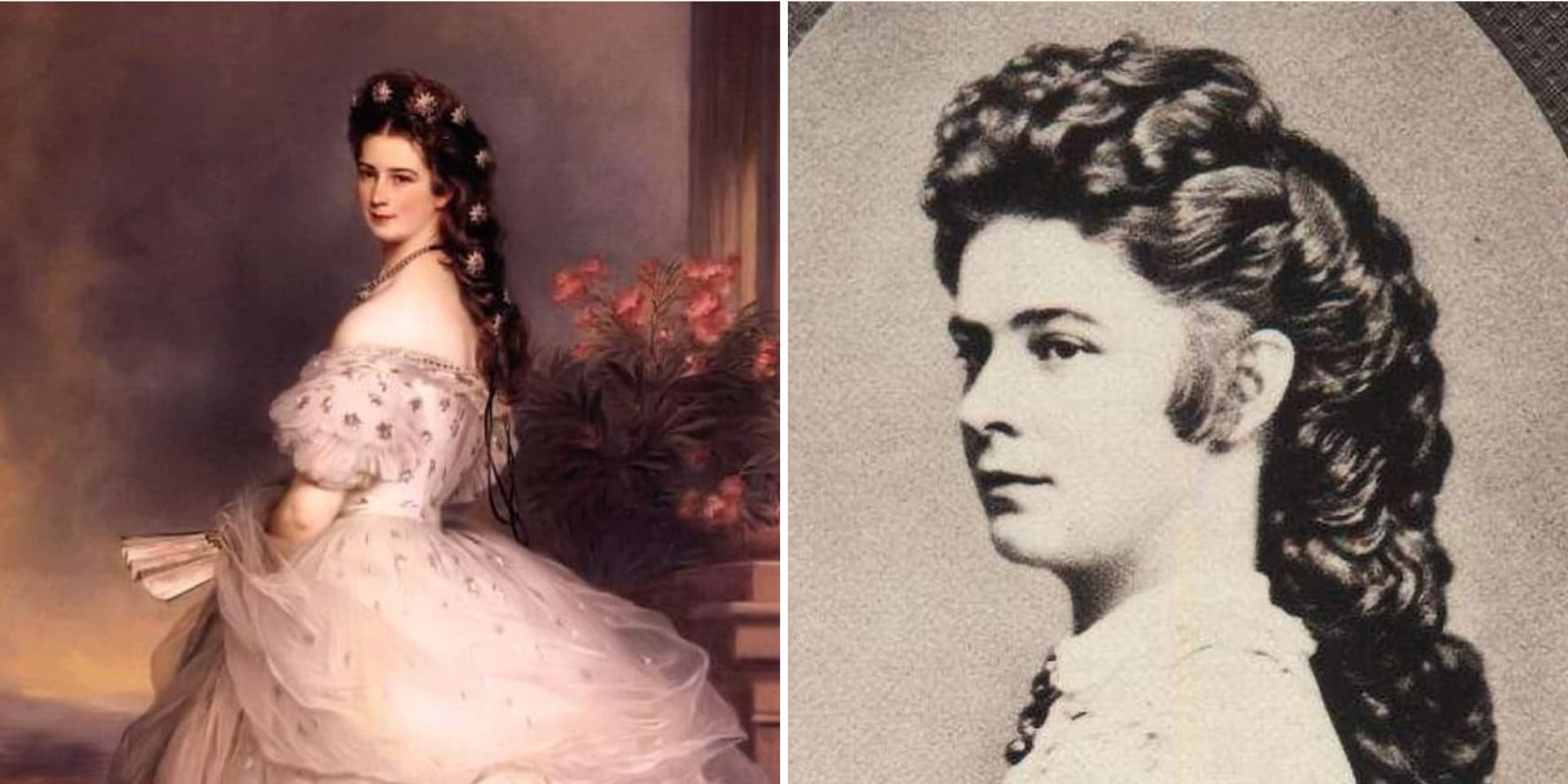
The Tragic Life Of Elisabeth Of Austria

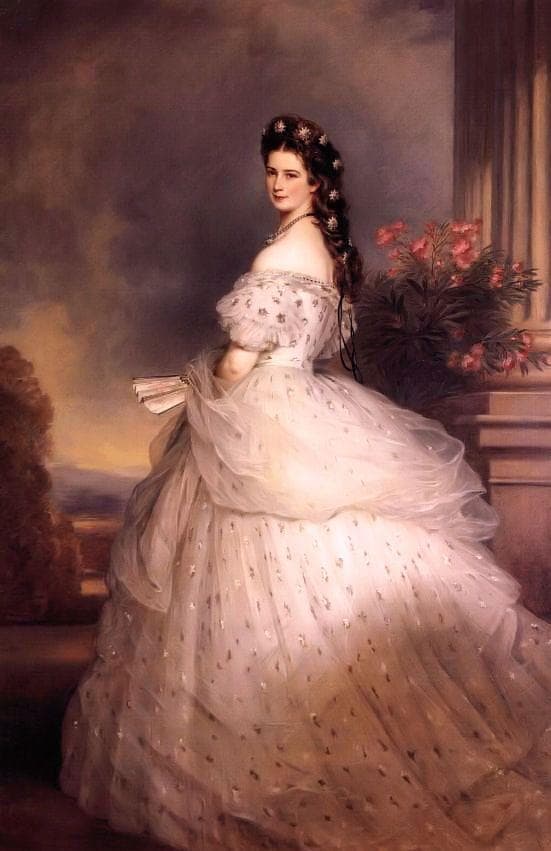
Elisabeth of Austria was one of the most powerful monarchs of the 19th century. Remarkably beautiful, Elisabeth, nicknamed Sisi, defied Austrian court traditions. She traveled often and became a beloved figure in both Austria and Hungary. Elisabeth was very concerned with her looks; she engaged in strange beauty rituals and aggressive exercise routines. Elisabeth's iconoclastic ways resulted in her bizarre death at the hands of an anarchist.

Entries
13
Votes
0
Updated
yesterday

Tap upor downto vote. Your vote is added to Ranker's counts.

Voting identifies your browser with an anonymous fingerprint, stored only as a salted hash, to count one per visitor. Privacy

Source: Ranker, ranked by its voters.

  1. 1

    Elisabeth Married Her First Cousin, Emperor Franz Josef
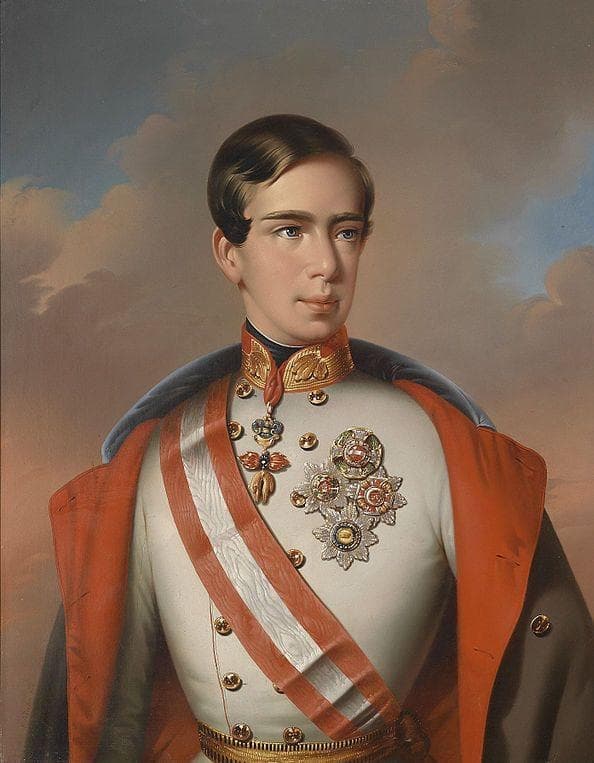
    Elisabeth of Austria's mother and aunt decided her future from an early age. Princess Ludovika and Princess Sophie were ambitious, aristocratic sisters from Bavaria's ruling Wittelsbach family. They wanted their children to marry influential men in the ruling class. Princess Ludovika had two daughters, Elisabeth and Helene. Princess Sophie had a son, Austrian Emperor Franz Josef. Sophie arranged for Franz Josef, Elisabeth, and Helene to meet. Both women intended for 23-year-old Franz Josef to court and marry Helene, Princess Ludovika's eldest daughter. But Franz Josef was more interested in the 15-year-old Elisabeth. He married Elisabeth only eight months after their first meeting, on April 24, 1854.

    0% upvoted
  2. 2

    Her Mother-In-Law Took Control Of Her Children And Mercilessly Taunted Elisabeth

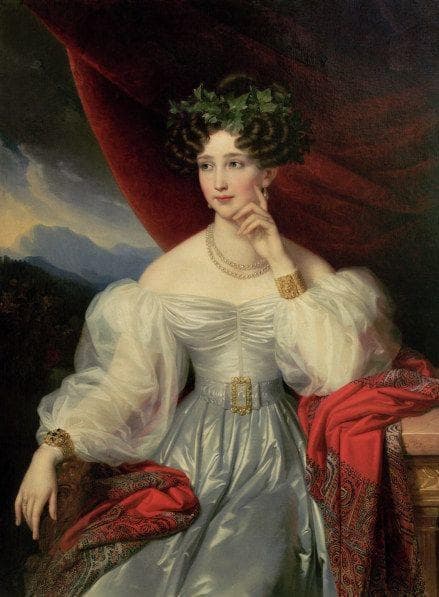
    Elisabeth's mother-in-law, Princess Sophie, was domineering and manipulative. Sophie took charge of Elisabeth's children's upbringing. She supervised their day-to-day and didn't allow them much contact with Elisabeth. Elisabeth and Franz Josef named their first child Sophie. She was christened at the behest of her grandmother without Elisabeth's input. In 1857, during a visit to Hungary, two-year-old Sophie and her infant sister Gisela, became ill, and the older child ultimately died from what was probably typhus. Elisabeth's mother-in-law used the incident to further strengthen her control of Gisela's upbringing, which estranged Gisela from her mother. Princess Sophie also routinely and savagely upbraided her daughter-in-law because she produced only female children. She wanted a son and heir to the Austrian throne. Eventually, Elisabeth gave birth to Crown Prince Rudolf.

    0% upvoted
  3. 3

    Elisabeth Used To Sleep With Meat On Her Face

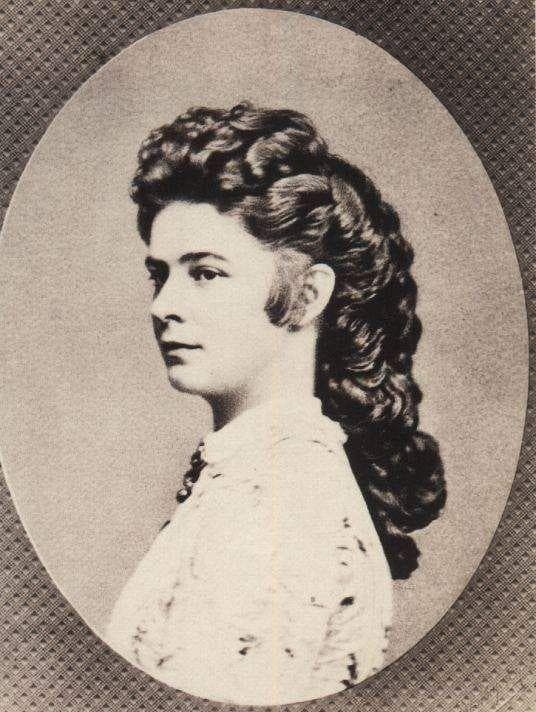
    Elisabeth was obsessed with her appearance, and she implemented some bizarre beauty techniques. She seldom ate meat, living mostly on dairy and eggs. Her regimen included daily workouts with gym equipment as well as equestrian and fencing exercises. Even a slight weight gain brought on days of fasting - her weight got as low as 96 pounds, which is very thin for a woman who was 5'8". Elisabeth placed high value on her remarkably long hair and spent nearly three hours per day caring for it. She wore no makeup, opting instead for creams made of whale oil, wax, and rosewater. She slept with raw meat and crushed strawberries on her face and soaked her nightclothes in vinegar in an attempt to preserve her tiny waist. Elisabeth had a secret staircase installed in one palace so that she could secretly binge in the royal kitchen without anyone's knowledge.

    0% upvoted
  4. 4

    Elisabeth's Son Took His Own Life

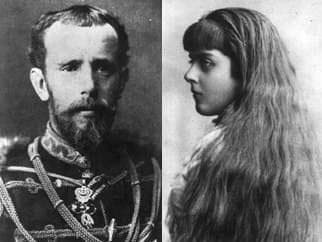
    Elisabeth's son, Crown Prince Rudolf, was a progressive thinker with an outlook similar to that of his mother. Initially, he embarked on the life of a traditional crown prince; he got married in his early twenties to a member of the Belgian royal family and fathered a daughter in 1883. But Rudolf grew tired of marriage and the constraints imposed by the royal Austrian lifestyle. He attempted and failed to have his marriage officially annulled. He began numerous adulterous affairs and drank heavily. In 1888, Rudolf allegedly took up with a seventeen year old noblewoman named Mary Vetsera. The pair were found dead on January 30, 1889 at the Crown Prince's hunting lodge at Mayerling. Historians are unsure whether Rudolf took his own life because was ordered by Franz Josef to end the affair, or if he was depressed and unstable. Their cause of death remains murky. Rudolf received a special dispensation from the Vatican and was deemed “mentally unbalanced.” He was ultimately allowed to be buried in the Hapsburgs' Imperial Crypt in Vienna.

    0% upvoted
  5. 5

    Rudolph's Death Set The Stage For World War I

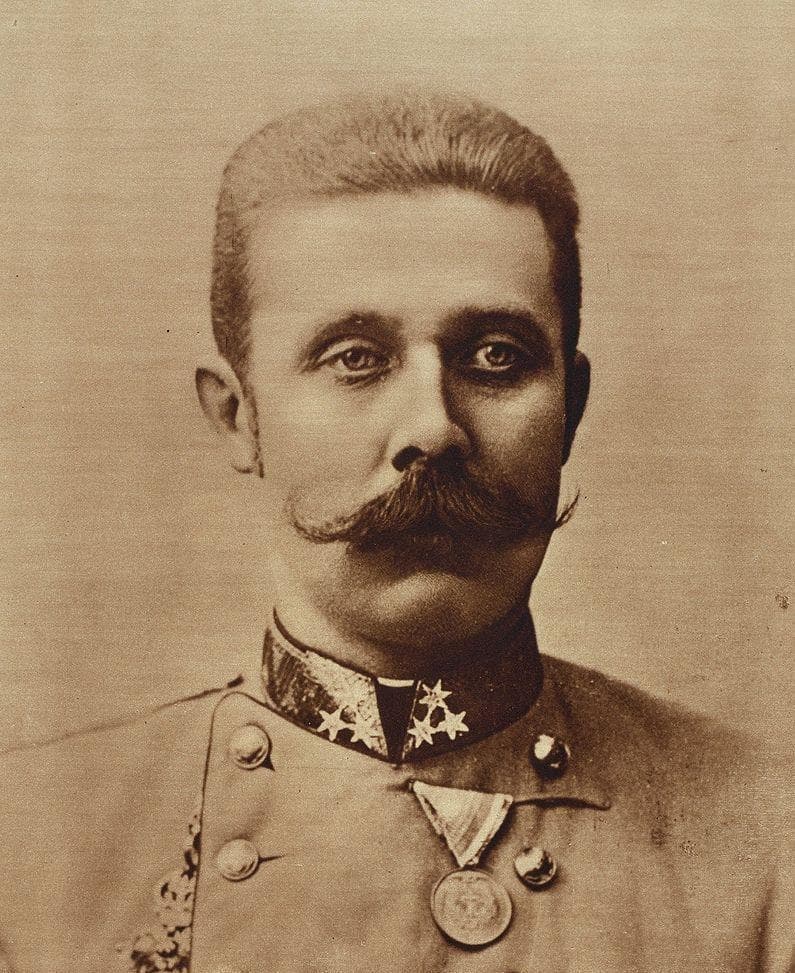
    The death of their son put a massive strain on Elisabeth and Franz Josef's marriage. Elisabeth spent the rest of her life traveling, largely absent from the imperial court. Had Rudolf assumed the throne after his father's abdication, the progressive prince would have likely ended Austria's alliance with Germany as well as Kaiser Wilhelm II. The move would have precluded the possibility of full-scale war in Europe. As a result of Rudolf's death, Franz Josef's nephew Franz Ferdinand eventually became the heir apparent to the Austrian throne. Franz Ferdinand's assassination in 1914 set off the events that triggered World War I.

    0% upvoted
  6. 6

    Elisabeth's Husband, Franz Josef, Might Have Given Her A Venereal Disease

    Franz Josef had a roving eye for other women and engaged in several affairs during his time as emperor. Scholars believe that Franz Josef transmitted a venereal disease to Elisabeth. It explains Elisabeth's mysterious illnesses, prolonged absences from the Viennese court, and refusal to have any more children. Elisabeth eventually gave birth to another daughter in exchange for a guarantee from her husband that he would crown her Queen of Hungary in June of 1867.

    0% upvoted
  7. 7

    She Was Close Friends With King Ludwig of Bavaria, Who Also Led A Difficult Life

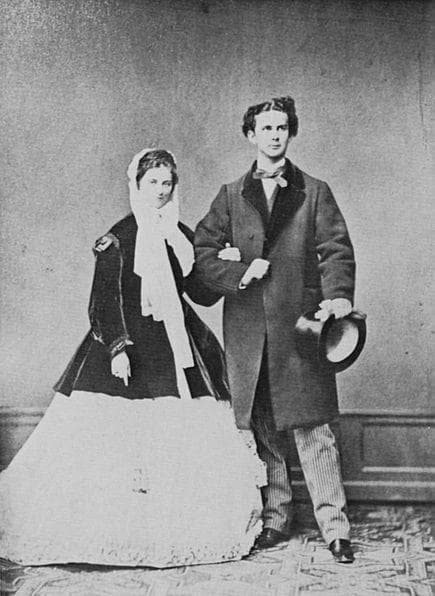
    Elisabeth and her cousin Ludwig, the eventual king of Bavaria, were quite close. Both achieved royal prominence early in life: Elisabeth was the Empress of Austria at 17, and Ludwig II became the King of Bavaria at 19. Under pressure to marry, Ludwig proposed to Elisabeth's sister, Sophie Charlotte, in January of 1867. But Ludwig ultimately called off the engagement in October of 1867. Ludwig never became engaged again and was very likely gay. After bankrupting the state of Bavaria with his grandiose castles, Ludwig was deposed by a government-led coup d'etat. He died three days later, on June 13, 1886, after drowning in a Bavarian lake. Elisabeth was deeply distraught over the death of her cousin; it was one of many tragedies that befell her later in life.

    0% upvoted
  8. 8

    Elisabeth Was Assassinated By An Italian Anarchist On the Streets Of Geneva

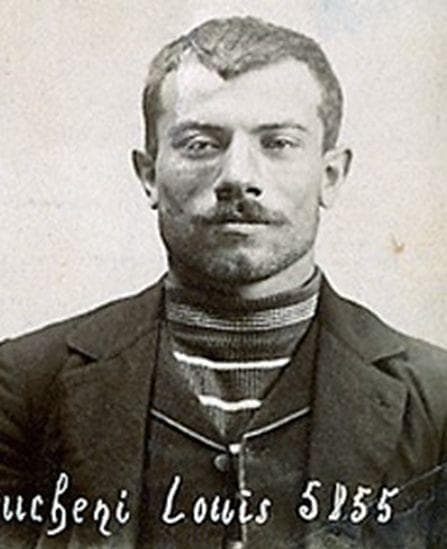
    By 1898, the Empress Elisabeth only spent a few weeks out of the year in Vienna, opting instead to travel around Europe. In September of that year, Elisabeth planned to take a steamboat across Lake Geneva to Montreux. Elisabeth left her hotel for the short walk along the lake to the ship's boarding area. Italian anarchist and fanatic Luigi Lucheni stalked Elisabeth and discovered she was staying at the hotel Beau-Rivage. He approached the unprotected empress, appeared to stumble, and braced himself by leaning on Elisabeth. He stabbed her with an industrial file attached to a wooden handle, penetrating her heart and lungs. Because of Elisabeth's extremely tight corset, however, she didn't feel pain from the wound and successfully made her way to the ship. A few minutes after the craft's departure, Elisabeth collapsed and died. Authorities immediately arrested Lucheni, placed him on trial, and gave him a life sentence. He hanged himself in 1910.

    0% upvoted
  9. 9

    Elisabeth Would Not Allow Photographs

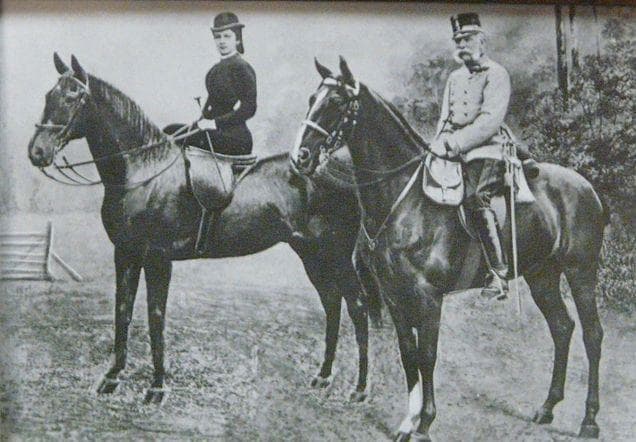
    Despite her renowned beauty and dedication to maintaining her looks, Elisabeth refused to sit for portraits or allow formal photographs beginning at the age of 32. She was famous for riding on horseback or walking in public with a fan or parasol covering her face to prevent people from photographing her.

    0% upvoted
  10. 10

    Elisabeth Was Extremely Popular In Hungary

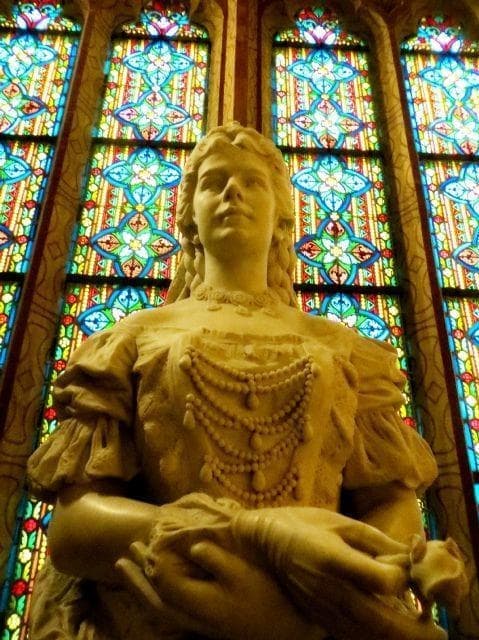
    Hungary was historically oppressed in the Austria-Hungary empire. In 1848, after popular uprisings in Hungary threatened Austrian rule, Franz Josef instituted harsh reprisals against the Hungarian people, which further damaged relations between the two regions. Elisabeth was sympathetic to Hungary, likely encouraged by her (possibly romantic) relationship with Count Gyula Andrassy, a Hungarian populist leader. After Austria's defeat at the hands of Prussia in 1867, Elisabeth convinced her husband that improved relations with Hungary and expansion into the Baltic states could reestablish Austria as a European power. Franz Josef and Elisabeth were officially crowned King and Queen of Hungary in 1867. Andrassy was named as the prime minister of the Hungarian part of the dual state. The union set off a period of stability and economic prosperity in the region. Elisabeth became extremely popular, and even today, she's revered in Hungary - numerous Hungarian memorials and statues are dedicated to her memory.

    0% upvoted