Skip to content
maxnews
Rankings

The Tale of The Japanese Author Who Botched A Coup D'etat And Committed Seppuku

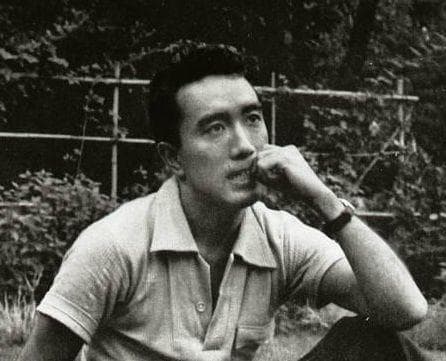
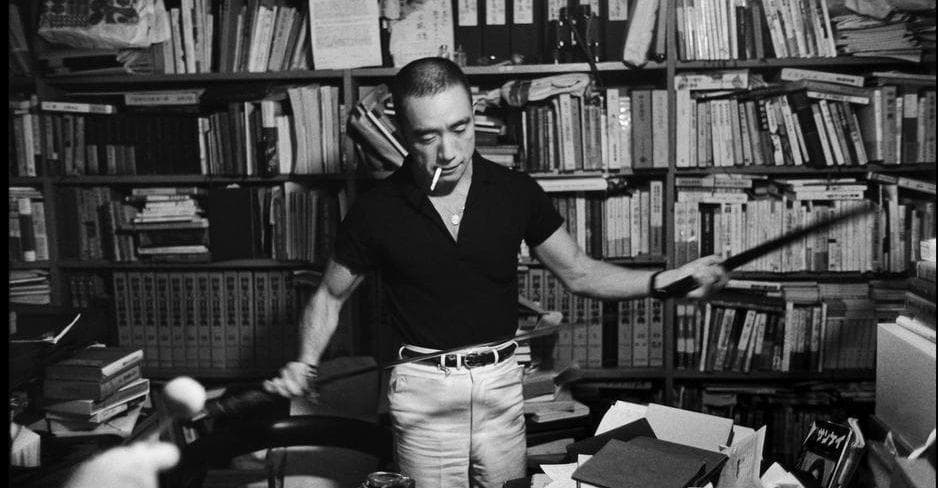
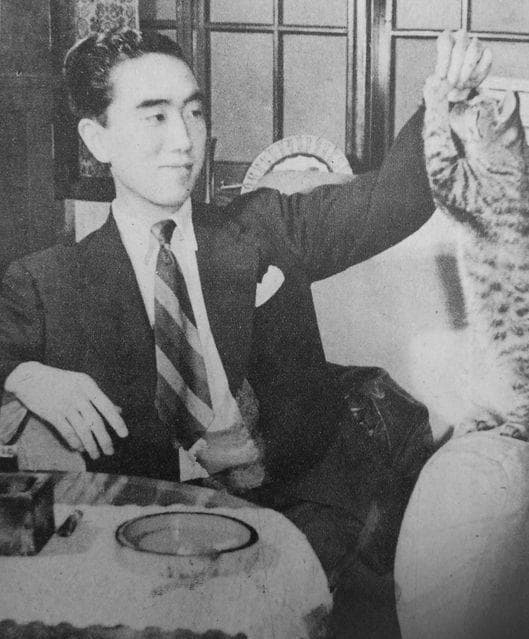
Far from your everyday crazy person who pines for notoriety, Yukio Mishima was one of the most influential authors of post-war Japan. And here's fact number one you didn't know about him: Yukio Mishima is a pen name. His given name is Kimitake Hiraoka and he was born in 1925. By the time he died in 1970, Mishima was as famous as he was prolific, achieving international acclaim for his novels and plays. So how, exactly, does a successful writer come to commit public seppuku? It may come as no surprise Mishima was a deeply conflicted writer. Many of his works, such as Temple of the Golden Pavilion, were tragic tales. In that novel, a monk becomes so obsessed with the Golden Pavilion in Kyoto he decides to burn it down to free himself of its beauty. It's a dark, disturbing book that presents a world largely devoid of hope and meaning. In one scene, a drunk American soldier pays the protagonist two cartoons of cigarettes to stomp his pregnant Japanese girlfriend's stomach as a means of inducing a miscarriage. These crazy Yukio Mishima stories illustrate the complex life of a great author who, like so many troubled artists, ended in suicide. The true motives behind Mishima's seppuku remain a mystery, but these facts provide clues to what he was really trying to accomplish with that last, grand gesture.

Entries
15
Votes
0
Updated
3 days ago

Tap upor downto vote. Your vote is added to Ranker's counts.

Voting identifies your browser with an anonymous fingerprint, stored only as a salted hash, to count one per visitor. Privacy

Source: Ranker, ranked by its voters.

  1. 1

    He Committed Seppuku Following A Failed Coup
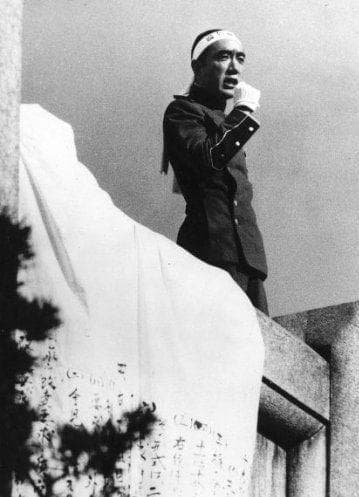
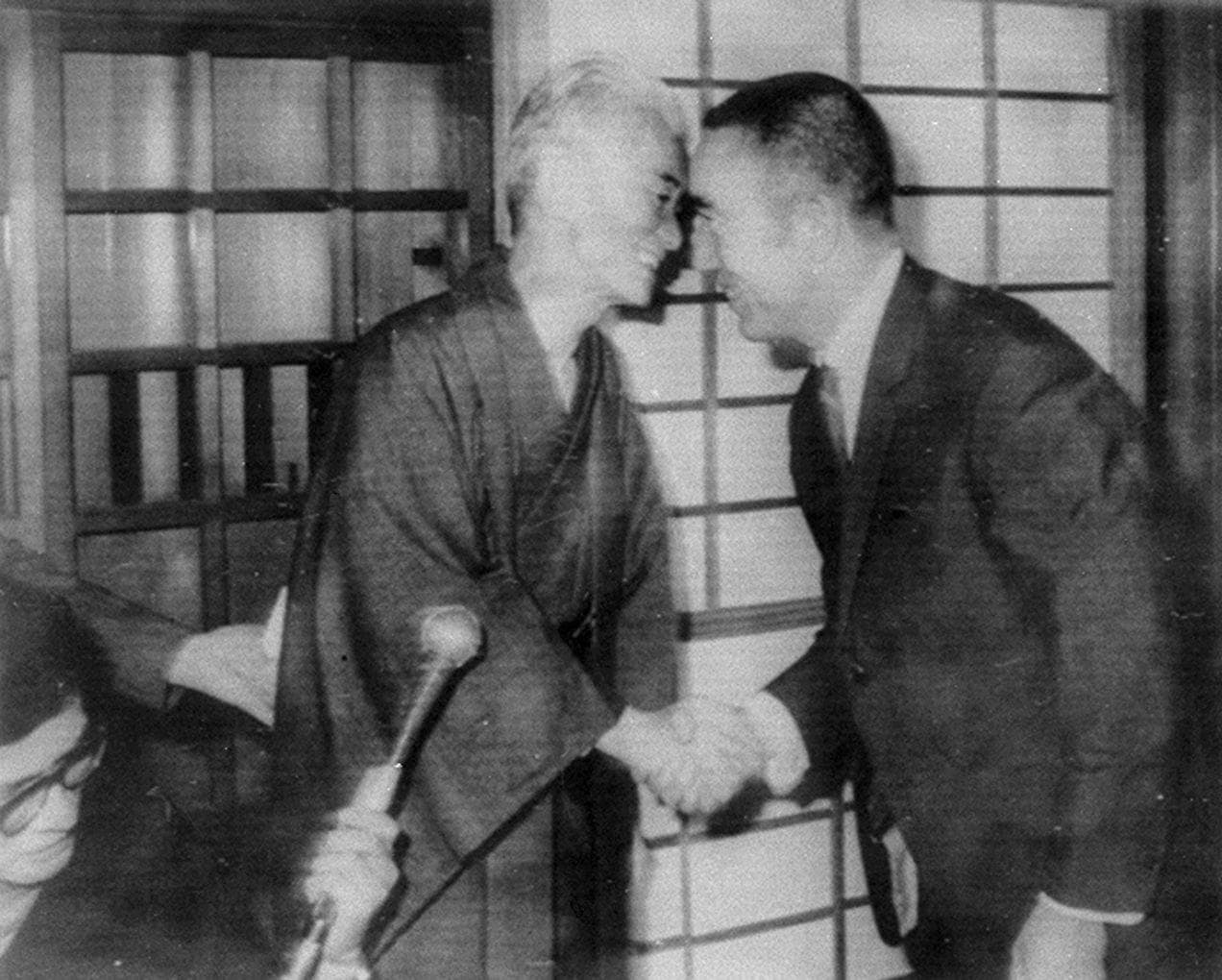
    On November 25, 1970, a series of events unfolded in Japan that later became known as the Mishima Incident. With four students from his private militia, the Tatenokai (Shield Squad; more on that later), 45-year-old Yukio Mishima visited the eastern headquarters of the Japanese Self Defense Force in Tokyo. There, he and his squad attempted a coup d'etat. They tied up the commandant, barricaded his office, and issued a list of demands. The first demand was for the garrison to gather outside the main building, so Mishima could deliver a speech from the balcony of the commandant's office. In this speech, he implored the Self Defense Force to rise up, throw out the Western-imposed constitution, and restore the emperor to his divine station. He was met with boos and jeers, and only finished seven minutes of a planned 30-minute oration before giving up. Having failed his mission, Mishima went back into the commandant's office to commit seppuku. Also known as harakiri (disemboweling), this method of ritualized suicide involves cutting open your stomach with a sword. You're assisted by a kaishakunin, who finishes the job by decapitating you after you've disemboweled yourself. In Mishima's case, the kaishakunin failed several times, and a second member of the Tatenokai had to take over to finish the job. The failed kaishakunin then committed seppuku, with the second Tatenokai member again assisting. The three living Tatenokai members surrendered and were arrested.
    0% upvoted
  2. 2

    He Formed A Right-Wing Militia To Protect Traditional Japanese Values

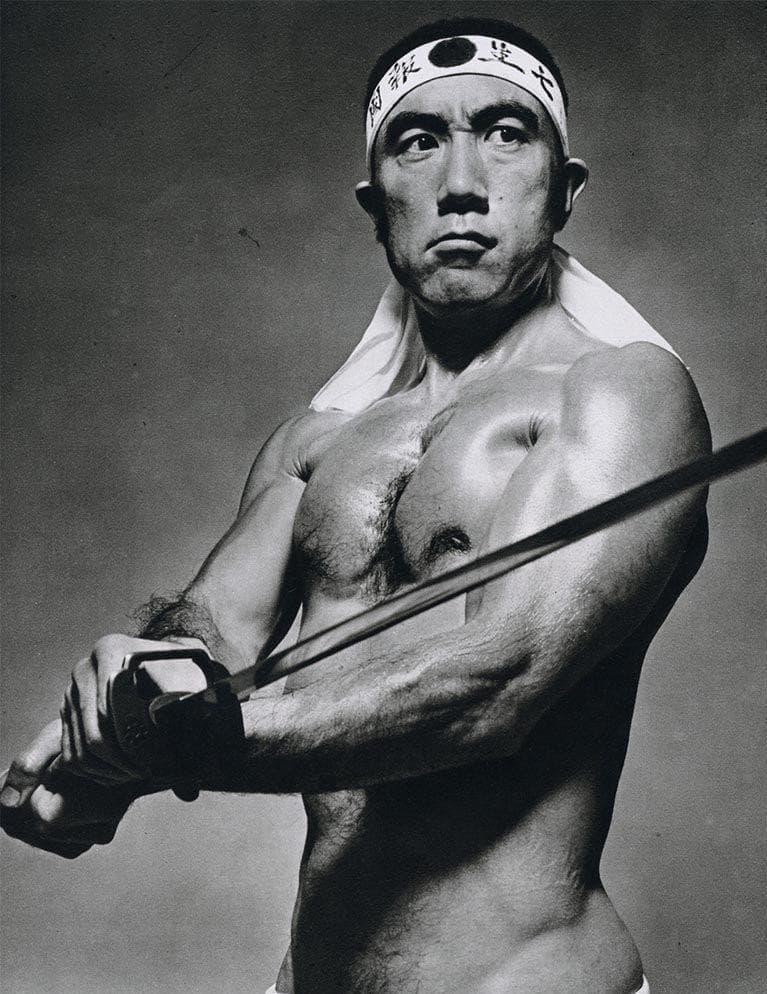
    Partly as a reaction to the leftist siege of Tokyo University, Mishima created the Tatenokai (Shield Society) in 1968. He gathered right-wing students at odds with the leftist student movement and created a private "spiritual" army. Its purpose was to "oppose communism, maintain the national spirit, and defend the emperor." The group followed the bushido (samurai) code and trained rigorously. Due in part to Mishima's celebrity, the group was allowed to train with the Japanese Self Defense Force. Top brass viewed the militia as a valuable political tool and largely agreed with Mishima's ideals. Mishima was even allowed to fly a fighter jet. In March 1977, seven years after Mishima's suicide, four members of Tatenokai took a dozen hostages at the Japan Federation of Economic Organizations to denounce big business. The hostages were released unharmed after a protracted stand-off with police.

    0% upvoted
  3. 3

    He Wrote An Autobiographical Novel About A Closeted Homosexual

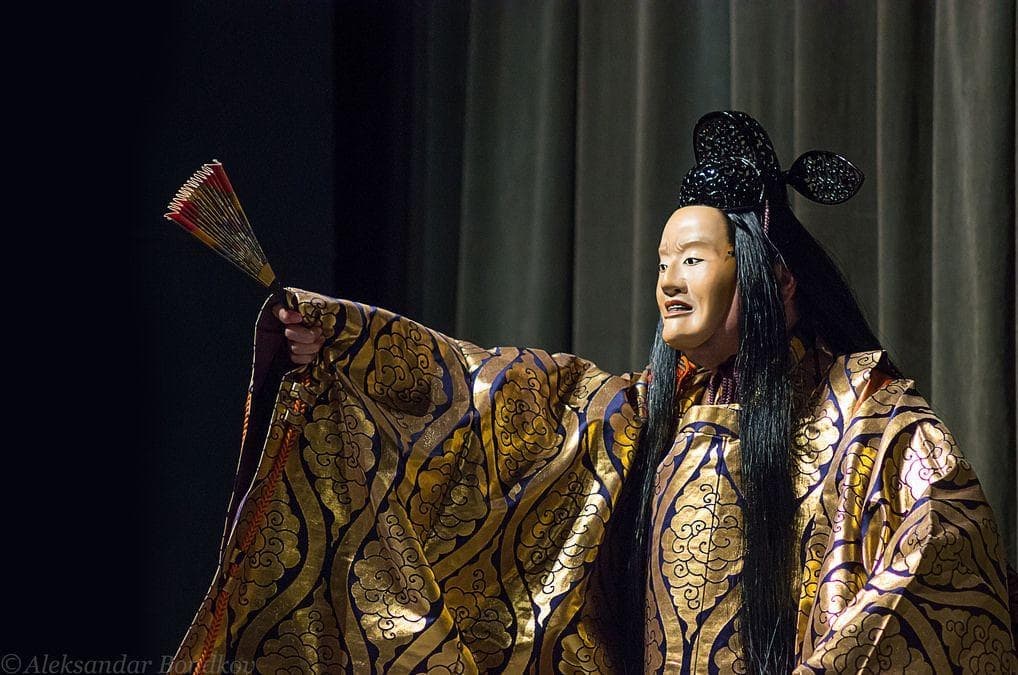
    Yukio Mishima was married to a woman and had two children, yet was keenly interested in homosexuality, and may well have been gay. Many consider his novel Confessions of a Mask to be autobiographical. The book is about an adolescent boy, Kochan, who is attracted to men and adopts an alternate persona to hide his homosexuality. Among other things, Kochan courts a woman to avoid speculation about his sexuality. Some suspect Mishima's own marriage was more for respectability than love. His prenuptial demands for his wife were simple: she must respect his privacy, not interfere with his writing or bodybuilding, and be shorter than him (he was super short - 5'1"). Mishima also spent a great deal of time frequenting Tokyo's gay bars, supposedly while researching his novel. His later involvement in kabuki and Noh Theater introduced him to many onnagata (men who play women), some of whom he became close friends and, purportedly, lovers. One of Mishima's American friends, academic and writer Faubion Bowers, recounts that Mishima told him a love affair with such an actor was boring because it was just like being with a woman.

    0% upvoted
  4. 4

    His Grandmother Kidnapped Him As An Infant

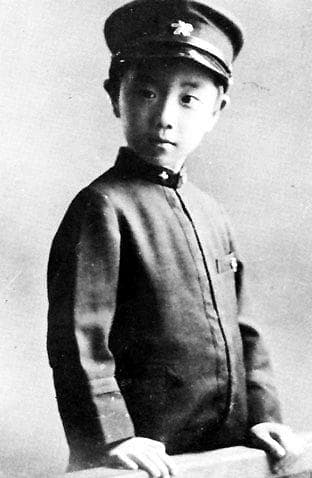
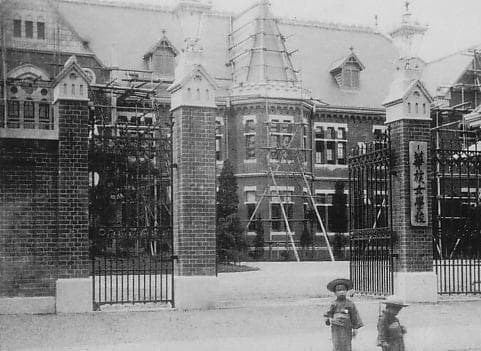
    When Mishima was only a few weeks old, he was essentially kidnapped by his grandmother, Natsuko Hiraoka. She was the granddaughter of Matsudaira Yoritaka, the daimyō of Shishido in Hitachi Province, and was raised in the aristocratic lifestyle. Through Yorikata, Mishima was a direct descendent of Tokugawa Ieyasu, the first shogun of the Tokugawa shogunate and one of the most important figures in the history of Japan. Mishima learned much of his reverence for traditional Japanese values and history from his grandmother. He also learned about his family's direct ties to esteemed leaders and warriors, which no doubt influenced his interest in samurai and militarism. Despite his military heritage, Mishima lived a relatively sheltered life with Yoritaka, who was prone to violent outbursts. Mishima was not allowed to play with other boys, participate in sports, or even go out in the sunlight. He spent most of the time isolated with his ailing grandmother until she relinquished him back to his parents at age 12, pretty much because she was dying.

    0% upvoted
  5. 5

    He Killed Himself To Defy The Emperor

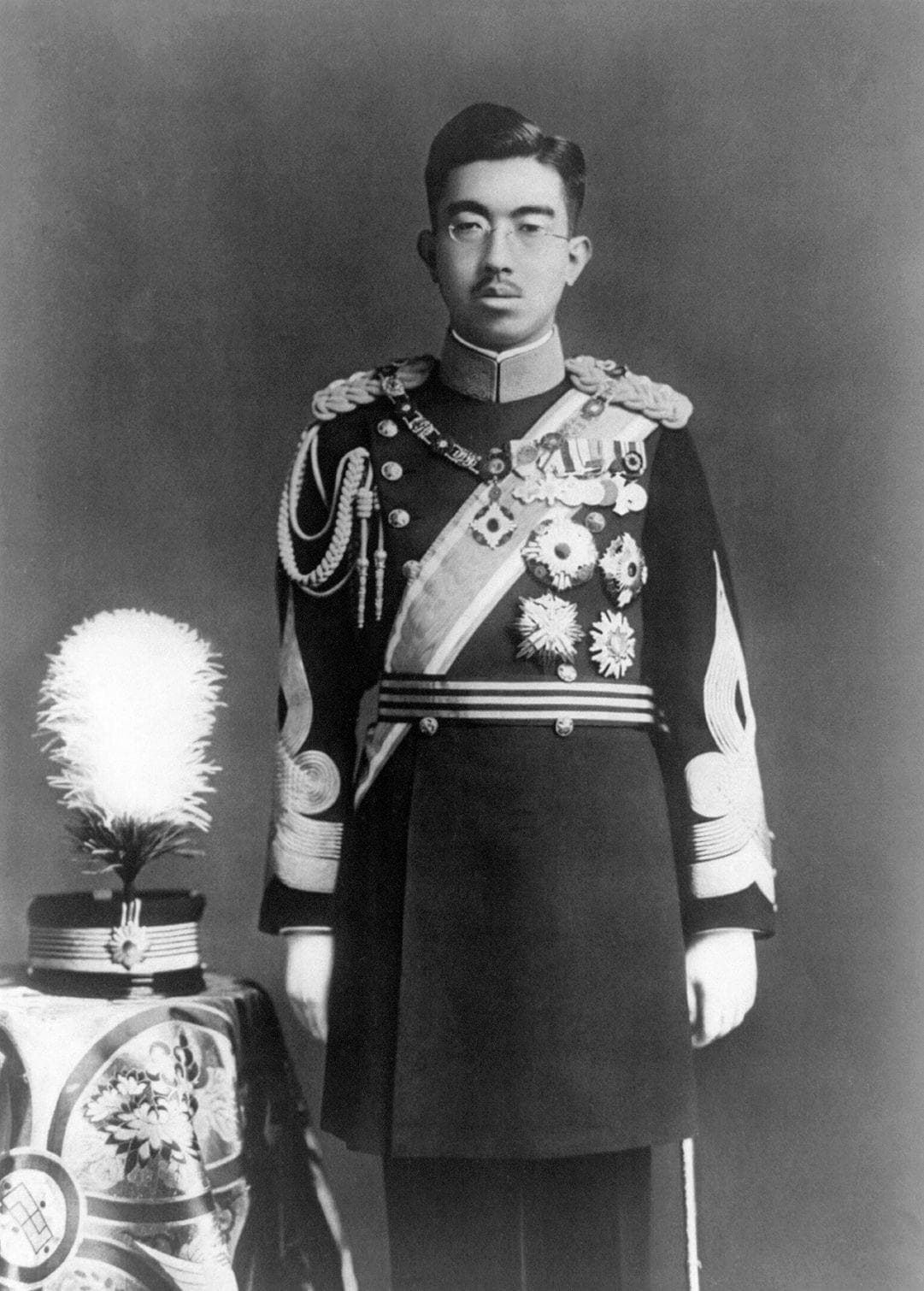
    Despite fervently believing the Japanese emperor should be revered as a deity, Mishima was critical of Hirohito. In particular, Mishima was deeply upset Hirohito renounced his divinity, and thought such an action meant millions of Japanese soldiers died in vain. Mishima's criticism was manifest in his poem, Voices of the Heroic Spirits. The poem concludes: "Those who soared in the sky have broken wings while termites mock immortal glory. In days like that, why would His Majesty become an ordinary man?" Akio Kimura, a Japanese professor and cultural critic, sees Mishima's suicide as an act of defiance against Hirohito, writing: "Mishima spoke for those who had died for the emperor believing that he was God. By killing himself, Mishima reenacted the sacrificial death for the emperor during World War II, and by so doing criticized Emperor Hirohito for betraying those who had died for him believing in his divinity. Mishima’s suicide is still regarded as a major event in the history of Japanese nationalism; it was an attempt to revive the nationalism before and during World War II. At the same time, however, it included a criticism against Hirohito—who failed to meet his people’s need for something worth dying for."

    0% upvoted
  6. 6

    He Took Up Bodybuilding At 30

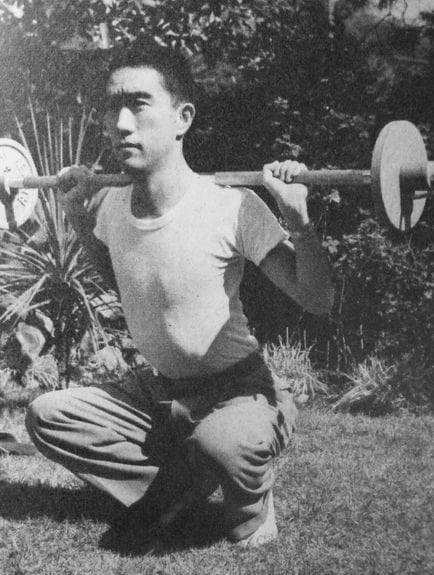
    Mishima decided to take up bodybuilding at 30, a hobby that lasted him the rest of his life. He was fascinated by physical beauty and rejected the aesthetics of intellectualism. He thought an ugly body was disgraceful, and seemed somewhat ashamed of the weak body of his youth. In his own words: "The muscles that I thus created were at one and the same time simple existence and works of art; they even, paradoxically, possessed a certain abstract nature. Their one fatal flaw was that they were too closely involved with the life process, which decreed that they should decline and perish with the decline of life itself.” Mishima contrasted that which came from words, his lifeblood as a writer, with that which can only be attained through physical action. His book Sun and Steel chronicled his transformation from a bookish boy to a strong man of action. In it, he wrote: "For me, beauty is always retreating from one's grasp: the only thing I consider important is what existed once, or ought to have existed. By its subtle, infinitely varied operation, the steel restored the classical balance that the body had begun to lose, reinstating it in its natural form, the form that it should have had all along."

    0% upvoted
  7. 7

    He Committed Seppuku In Two Of His Movies

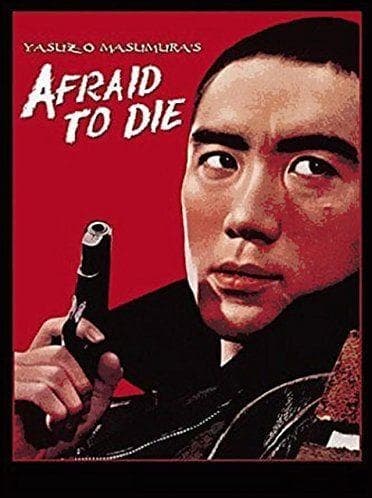
    In addition to his prolific literary career and sideline as a right-wing militia hobbyist, Mishima acted in five movies, and even sang in one. In an eerily prophetic coincidence, Mishima's character commits seppuku in two of his films. The 1966 short film Patriotism, which was co-directed and written by Mishima, based on his own short story, is about Lt. Shinji Takeyama (Mishima) and his wife, Reiko. After participating in the failed coup d'etat in 1936, the two commit seppuku. Exactly like Mishima himself did after a failed coup. Three years later, in director Hideo Gosha's (Three Outlaw Samurai, Sword of the Beast) Hitokiri, a film about a ronin who aligns with a local clan only to find himself being turned into a killing machine, Mishima once again committed seppuku on screen.

    0% upvoted
  8. 8

    He Built Kamikaze Planes During World War II

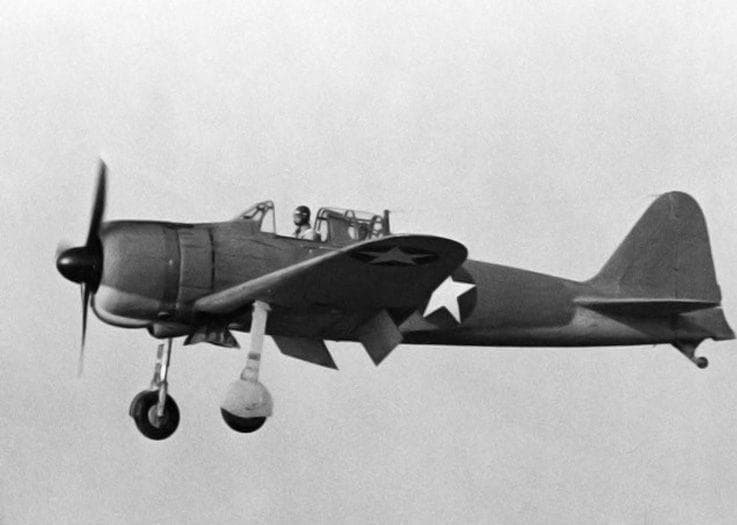
    Toward the end of the war, students from Tokyo University were sent to work in a military factory. There, Mishima and his fellow law students manufactured airplanes for kamikaze pilots when they weren't busy dashing to the air raid shelter as American bombers made passes. The experience no doubt had a profound impact on Mishima. In Confessions of a Mask, he wrote: "This great factory worked on a mysterious system of production costs: taking no account of the dictum that capital investment should produce a return, it was dedicated to a monstrous nothingness. No wonder then that each morning the workers had to recite a mystic oath. I have never seen such a strange factory. In it all the techniques of modern science and management, together with the exact and rational thinking of many superior brains, were dedicated to a single end: Death. Producing the Zero-model combat plane used by the suicide squadrons, this great factory resembled a secret cult that operated thunderously–groaning, shrieking, roaring."

    0% upvoted
  9. 9

    He Practiced The Kendo Swordfighting Technique

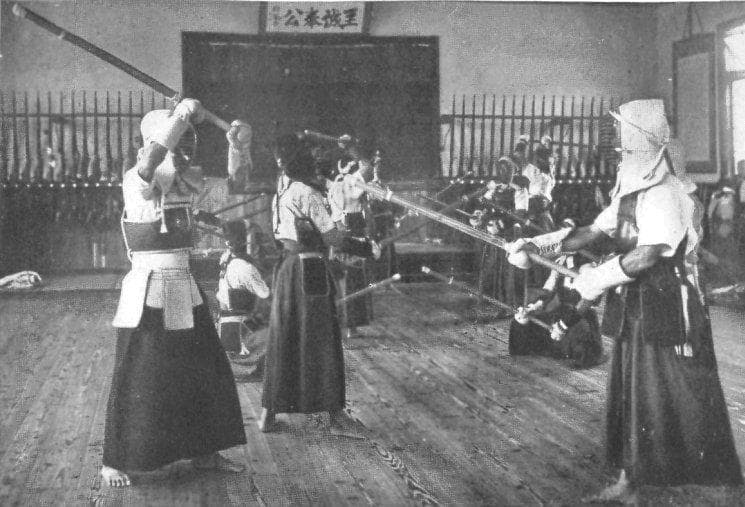
    In 1958, Mishima began studying kendo, the Japanese martial art of swordsmanship. He practiced kendo twice a week for the rest of his life. Students of kendo (literally "the way of the sword") use bamboo swords and body armor. In 1970, Mishima participated in a goodwill match during the 1st World Kendo Championships. Not long after his death, in 1970, Sports Illustrated ran an article by Mishima on kendo, in which he stated "[kendo] makes me what I am." He admitted to disliking the sport as a child, when he was forced to take part at school, but loving it as an adult. As he explained (using the Japanese word for Japan - Nippon): "This sound is the cry of Nippon itself buried deep within me... a cry that present-day Nippon is ashamed of and desperately tries to suppress, but it breaks out, shattering all prescience. It is something bound up with the memories that are dark, something that recalls the flow of new-shed blood." In a televised interview, he spoke of seeking "real experience of the border between life and death" through kendo.

    0% upvoted
  10. 10

    His Father Held Him Against Passing Trains To Toughen Him Up

    Mishima's father was a harsh military disciplinarian in every sense of the words. When Mishima returned from his grandmother's care at age 12, he was weak and sickly, so his father decided to toughen him up. Among other things, this meant holding Mishima against speeding trains as they passed. A high civil servant with serious notions of masculinity, Mishima's father tore up his son's manuscripts because he thought they were feminine. He also raided his son's room without warning, looking for evidence of Mishima's attraction to the effeminate art of literature. Luckily, Mishima's mother was supportive of his writing. She read everything he came out with, hiding it from Mishima's father. After Mishima graduated with a law degree from the University of Tokyo in 1948, his father helped him get a job in the banking division of the Japanese Ministry of Finance. Mishima worked there for less than a year before quitting to pursue writing full time.

    0% upvoted