Skip to content
maxnews
People

The Most Lavish Dowries In History

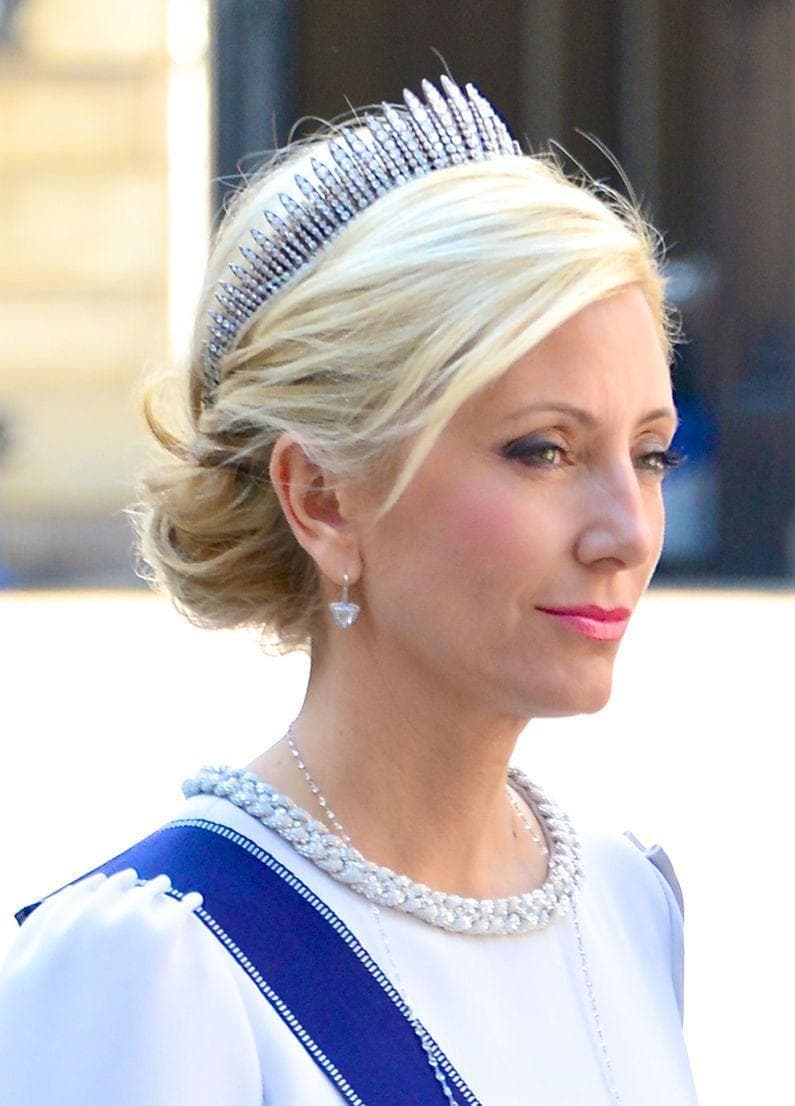
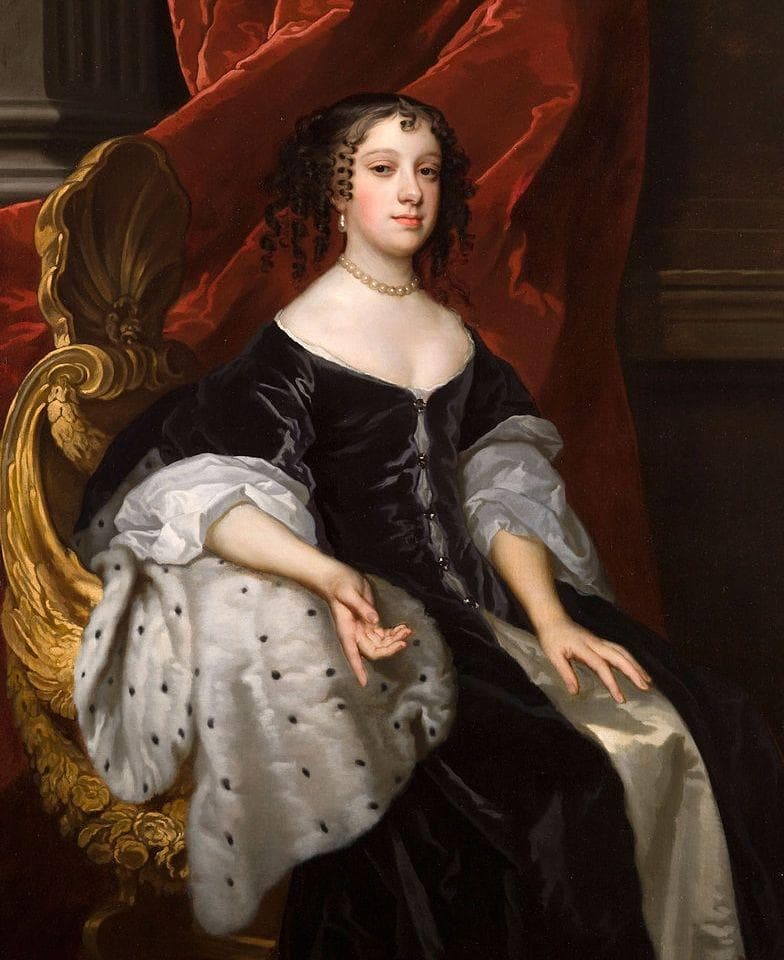
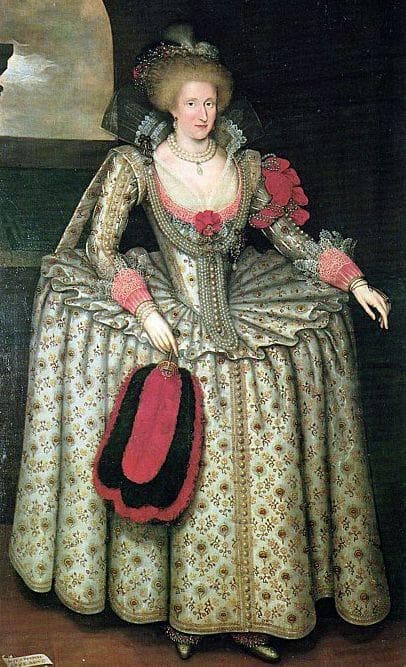
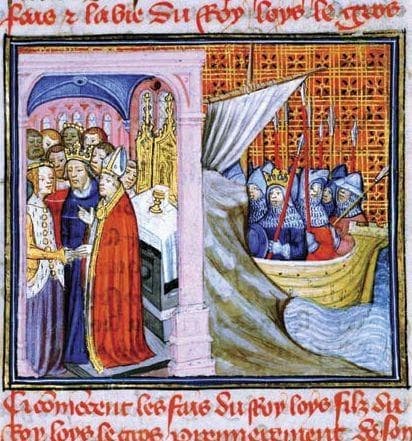
Throughout history, wealthy people – like many notable kings – had extravagant weddings. For these inestimably costly ceremonies, pre-celebration festivities often included very lavish dowries on behalf of the new brides. Sometimes, these nuptials that involved famous dowries took place between weird royals – like uncles and nieces and already closely related cousins. But who had the biggest dowry in history? A fair number of medieval and early modern princesses and archduchesses were given lots of land as their dowries, and their husbands wed them for the promise of significant revenue from these properties. Sometimes, these territories were so vast they're nearly unthinkable. For example, Eleanor of Aquitaine brought the rulership of most of southwestern France – her duchy of Aquitaine – to both of her husbands. Anne of Denmark wed Eleanor's descendant, James VI of Scotland/I of England, and brought the Orkney Isles with her. But was this the biggest dowry in the world? Other wives have brought a ton of cash with them to their newly minted husbands. Modern-day royal Marie-Chantal, Crown Princess of Greece, apparently brought $200 million to her husband, while Portuguese princess Catherine of Braganza gave her spouse, Charles II of England, trading rights all over the world.

Entries
16
Votes
6K
Updated
2 hours ago

Tap upor downto vote. Your vote is added to Ranker's counts.

Voting identifies your browser with an anonymous fingerprint, stored only as a salted hash, to count one per visitor. Privacy

Source: Ranker, ranked by its voters.

  1. 1

    Violante Visconti Got Gold And Five Cities When She Married
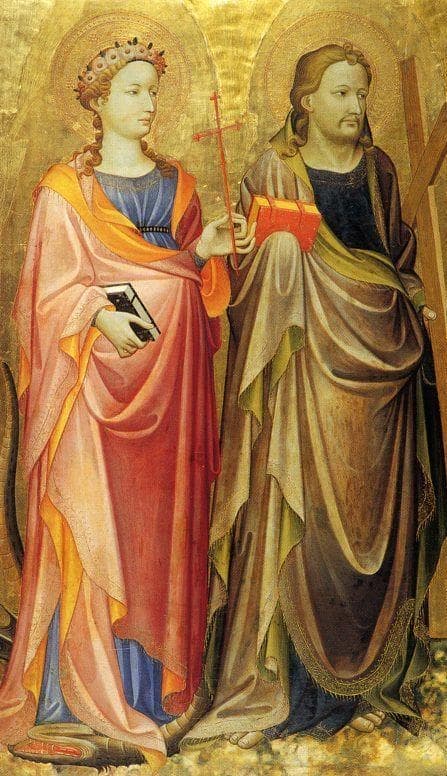
    Edward III of England and his wife, Philippa of Hainault, had several sons, which proved problematic when it came to inheritance and sparked the Wars of the Roses. Their second surviving son, Lionel of Antwerp (he was born in modern Belgium) married twice: first to an Irish noblewoman and then to an Italian princess named Violante Visconti, daughter of the lord of Milan. They were married in 1368, when Lionel journeyed to Italy to collect his bride. Her dowry cost Violante's dad two million gold florins, as well as a number of towns, castles, and cities in Italy to go to her and her husband. Their wedding banquet reportedly fed more than 10,000 people. Just five months after their marriage, Lionel died and the English refused to give back much of Violante's dowry, leading to conflict between her family and the English.
    96% upvoted
  2. 2

    Mary Tudor, Queen Of France's Dowry Was A Fine Paid To Her Brother

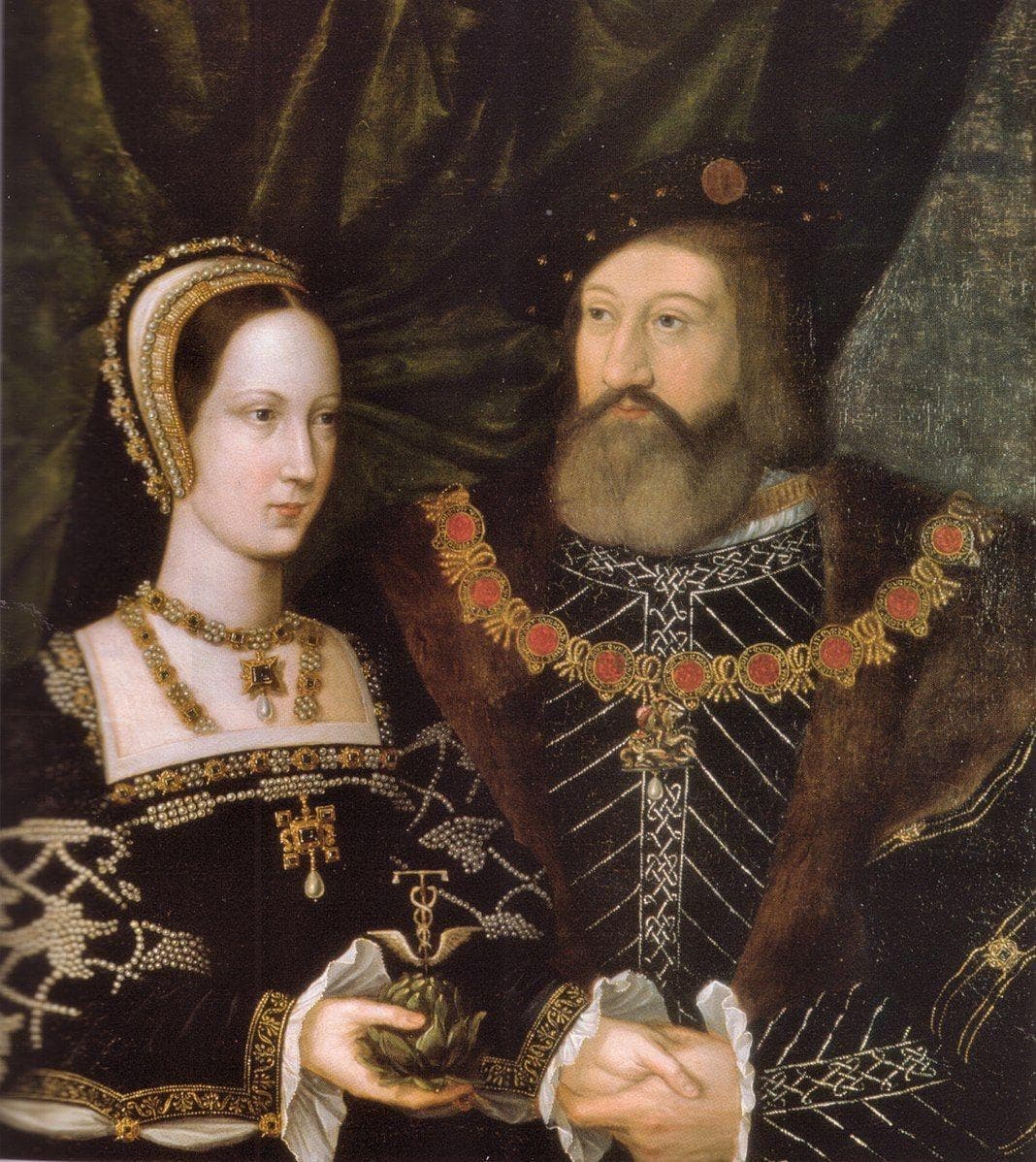
    Henry VIII's sister Mary Tudor's dowry can really best be understood as more of a fine than a gift. After her marriage to France's King Louis XII ended as a result of his demise, Mary Tudor did the unthinkable: she married a man named Charles Brandon for love, and she did so without asking her brother's permission. When Henry VIII found out about the clandestine nuptials, he was furious, and he levied a fine against his sister that roughly corresponded to the dowry from her first marriage plus interest. Henry VIII required the couple to return all of the dowry from Mary's first marriage, and he took the famous Mirror of Naples jewel from them. Henry also required the couple to pay a fine of £24,000 (£11,610,000 today) in yearly instalments of £1,000 (£484,000).

    94% upvoted
  3. 3

    Chinese Magnate Wu Duanbiao Gave His Daughter A $150 Million Dowry

    In 2013, Chinese billionaire Wu Duanbiao didn't skimp on his daughter Xu's dowry. In total, her trousseau was valued at over £100 million (which would've been around $155 million at the time). Its contents? A little bit of everything, including luxury cars, bank notes, and tons of real estate ranging from villas to storefronts to mansions. The lucky bride's wedding took place over eight days, and her father bestowed the many presents upon her over the course of the celebration. How did this ceramics magnate afford everything? Who knows. His finances were kept private outside of his previous year's salary, which was just £12,000.

    95% upvoted
  4. 4

    Modern-Day Princess Marie-Chantal Miller Got $200 Million From Her Dad

    As daughter of luxury goods billionaire Robert Miller, Marie-Chantal Miller was already rich, but she got more so by marrying a prince in exile. That man was Pavlos, Crown Prince of Greece, son of the ousted King Constantine and Queen Sophia. Marie-Chantal wasn't royal, but she was super rich and hobnobbed with the highest society worldwide, so this match was a no-brainer. When Pavlos and Marie-Chantal married in 1995, she got a $200 million dowry from her dad, just like her two sisters Alexandra (who married a German prince) and Pia (who wed a Getty heir). The Miller family also hosted a giant pre-wedding reception for their little girl, which involved 1,300 guests. The royal wedding reception itself involved a tent shaped like the Acropolis, and the bride's pearl-encrusted wedding dress reportedly cost more than $200,000.

    92% upvoted
  5. 5

    Catherine Of Braganza Gave England International Trade Rights

    The Portuguese Princess Catherine of Braganza brought quite the dowry with her when she was engaged to marry King Charles II of England and Scotland. Not only did she allegedly introduce forks and oranges to the Brits, but she also brought $500,000 and a few major ports – Tangier, Mumbai, and Morocco – under British control. In case that wasn't enough, she also brought rights to trade with Portuguese colonies all over the world. Sadly, she didn't have any kids that survived with Charles, but England sure benefited.

    93% upvoted
  6. 6

    Anne Of Denmark Brought Some Big Islands

    Before he became King James I of England, King James VI of Scotland, as he was then known, wed Princess Anne of Denmark. The two didn't always get along – Anne was reportedly into fun things like court entertainment that the rest of James's Scottish court looked down on. Stories say she also killed his favorite dog in a hunting accident. But Anne's dowry was extraordinary. It technically included the northern Orkney isles, helping round out what would become modern Scotland, although some Danes disputed the validity of this gift. She also brought hundreds of thousands of pounds with her.

    94% upvoted
  7. 7

    Eleanor Of Aquitaine Brought Half Of France With Her

    Medieval France wasn't a united country; it was divided into a bunch of individual duchies ruled by independent dukes, over whom the king of France held only nominal power. One such duchy was the wealthy Aquitaine – AKA most of southwestern France – upon which the Capetian dynasty of French kings had often cast covetous eyes. When Duke William X of Aquitaine named his eldest daughter Eleanor as his heiress (and died soon thereafter), King Louis VI (AKA "Louis the Fat") of France quickly snatched her up to marry his son and heir, the eventual Louis VII (who was super-religious, since he grew up in a monastery), in 1137. Eleanor united Aquitaine with Louis's territory, which was mostly just located around Paris. They stayed together for some times, but Eleanor was unhappy, and she never gave Louis a son. Once they split in 1152, Louis had to give back Aquitaine, but Eleanor soon married again – to Louis's arch-rival Henry Plantagenet, the Duke of Normandy and later England's King Henry II.

    93% upvoted
  8. 8

    Grand Duchess Maria Alexandrovna of Russia Got A Lump Sum And The Jewels Of The Romanovs

    The daughter of Russian Emperor Alexander II and his first wife Empress Maria Alexandrovna, Maria Alexandrovna brought a great deal of wealth to her marriage with Queen Victoria's son Alfred, Duke of Edinburgh. Still, despite Maria Alexandrovna's immense wealth, Queen Victoria was not particularly happy with the match, writing that although she blessed their marriage, she did so "with a very heavy heart." Regardless of Queen Victoria's feelings on the nuptials, Emperor Alexander II sent his daughter down the aisle and into her new life in style. For her dowry, he gave 100,000 pounds (a massive sum in 1873), and he granted her another 32,000 pounds a year to live on. Not satisfied with just giving his daughter money, Emperor Alexander is also said to have granted her many precious jewels from the Romanov line, including ones worn by Catherine the Great. And he didn't just gift things to his daughter. Alexander named a ship after his new son in law and made him honorary chief of a Russia Guards regiment.

    92% upvoted
  9. 9

    Catherine Of Aragon's Dowry Lasted Through Two Marriages

    Catherine of Aragon married Arthur Tudor, Prince of Wales, in 1501, bringing with her a sizable dowry of 200,000 escudos. However, Arthur died in 1502, and only half of that bridal money had been paid to the English crown. Normally, it would be considered a bit outré for a king to marry his dead brother's widow - but with the promise of more riches to come, how could Henry VIII resist? The marriage was settled, and Catherine became the first of Henry's many wives. Just how much was Catherine's dowry worth? Historians estimate that her fortune would have been worth approximately £100,000 at the time, the equivalent of a whole year's income for the English government. It's difficult to say how that would stack up in terms of modern U.S. dollars, but rest assured, it's enough to comfortably retire on.

    91% upvoted
  10. 10

    Austrian Princess Margaret Of Austria Almost Gave Up Chunks Of France

    A highly desirable match, Margaret of Austria had one broken betrothal and two marriages. It was her potential contribution to her first marriage (the one that didn't happen) that's truly astounding. At just three years old, she was betrothed to marry Charles VIII, King of France; as a child of the last heiress of the great dukes of Burgundy, her dowry was to include the vast territories of Artois, Burgundy, Auxerre, and more. She also had to come live at his court as a child as part of the arrangement. It's no wonder the King of France wanted Margaret for himself—but the match was eventually quashed in favor of others, and Charles had to give back these lands.

    93% upvoted