Skip to content
maxnews
Politics & History

The Most Corrupt Presidents In US History, Ranked

The President of the United States is an esteemed position respected worldwide, but not all US presidents have been created equal. Numerous Commanders-in-Chief in American history have broken rules, defied orders, rejected norms, and openly violated laws. As a result, some Presidents of the United States fall into a category one might call “corrupt.” They created controversies, were surrounded by scandal and, at times, found themselves mired in legal proceedings. The presidents most associated with corruption all had their own circumstances with which to contend and their actions unfolded in very different ways. Even the most beloved of American presidents are not without their critics. Abraham Lincoln is at the top of the list of best US presidents, while George Washington isn't close behind. They're not tainted by corruption, however, and certainly don't have the same association with impropriety and illegality as the presidents listed here. So, within the presidents accused of - and proven to be guilty of - corruption, it's up to you to decide which ones were the worst.

Entries
9
Votes
29.3K
Updated
3 hours ago

Tap upor downto vote. Your vote is added to Ranker's counts.

Voting identifies your browser with an anonymous fingerprint, stored only as a salted hash, to count one per visitor. Privacy

Source: Ranker, ranked by its voters.

  1. 1

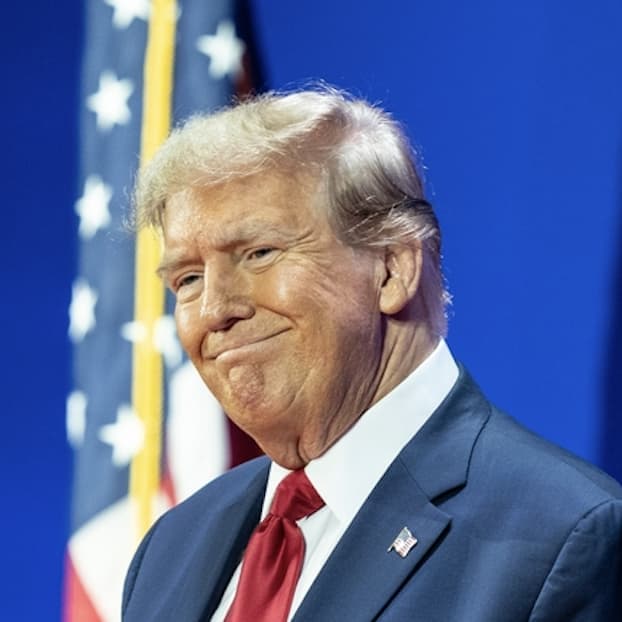
    Donald Trump

    Years: 2019, 2021, 2025 Context: President Donald Trump was impeached twice during his first term in office. In 2019, he was impeached for abuse of power and obstruction of justice related to election interference. The first article read: Using the powers of his high office, President Trump solicited the interference of a foreign government, Ukraine, in the 2020 United States Presidential election. The second article explained that Trump “directed the unprecedented, categorical, and indiscriminate defiance of subpoenas” related to the investigation into election interference. Trump was acquitted in the first trial but was became the first US president to be impeached twice in 2021. Charges against him revolved around the protests and riots that took place in Washington, DC, on January 6, 2021. Trump was charged with inciting an insurrection related to his claims that he had not lost the presidential election the previous November. Trump won a second term as US president in 2024. In the interim, he'd been convicted of 34 felonies for falsified business records. Trump's second term began with multiple executive orders as well as the use of an unofficial agency called the Department of Government Efficiency. He also deported immigrants accused of gang activity and defied an order by the US Supreme Court prohibiting the removal of a man named Kilmar Armando Abrego Garcia in the process. When Qatar offered Trump a gift of a luxury airplane in May 2025, legal scholars and other observers noted that it violated the Foreign Emoluments Clause in the US Constitution: No Person holding any Office of Profit or Trust under them, shall, without the Consent of the Congress, accept of any present, Emolument, Office, or Title, of any kind whatever, from any King, Prince, or foreign State. Outcome: The first impeachment trial of Trump began in January 2020 and ended on February 5, 2020. He was acquitted “by 52 votes to 48 on one count, and 53 votes to 47 on the other.” Only one article of impeachment was passed by the US House of Representatives on January 14, 2021, but when the vote took place less than a month later, the vote was 57 to 43, not guilty. The two-thirds majority was not reached.
    71% upvoted
  2. 2

    Richard Nixon

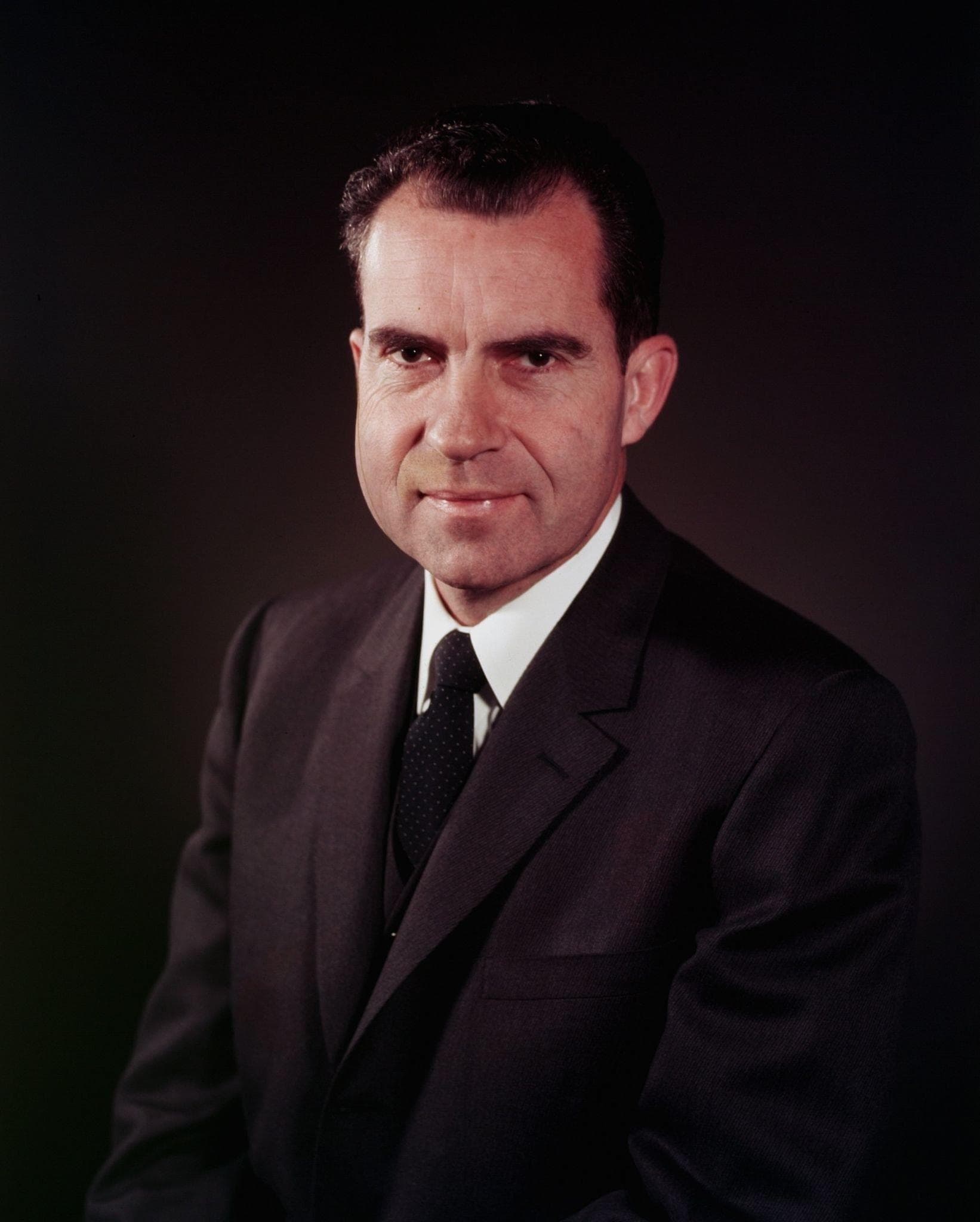
    Years: 1972-1974 Context: In June 1972, a group of men broke into the headquarters of the Democratic National Committee at the Watergate Hotel. They planted listening devices as part of the effort to get Richard Nixon re-elected as President of the United States. Nixon was, in fact, re-elected, but his administration immediately tried to cover-up the break-in as well as conceal any evidence of their involvement. The investigation into the burglary led to charges against Nixon aides G. Gordon Liddy and James W. McCord Jr., as well as the resignations of staffers H.R. Haldeman and John Ehrlichman as well as Attorney General Richard Kleindienst. White House lawyer John Dean was fired and he later told investigators the President was involved. Nixon and the White House continued to try to avoid culpability, even deleting recordings of conversations in the Oval Office to do so. By the end of 1973, Nixon went on the defensive, declaring, “I am not a crook,” but transcripts of White House recordings led to three articles of impeachment being drawn up against Nixon in July 1974. Outcome: Nixon resigned the presidency before he officially faced impeachment. His resignation on August 9, 1974, was the first in the history of the presidency. At the time, Nixon said: I have never been a quitter. To leave office before my term is completed is abhorrent to every instinct in my body. But as President, I must put the interest of America first. It was unclear what would happen to Nixon in terms of charges and legal action, but his former Vice President Gerald Ford used his presidential powers after succeeding Nixon to pardon him on September 8, 1974.

    72% upvoted
  3. 3

    Andrew Johnson

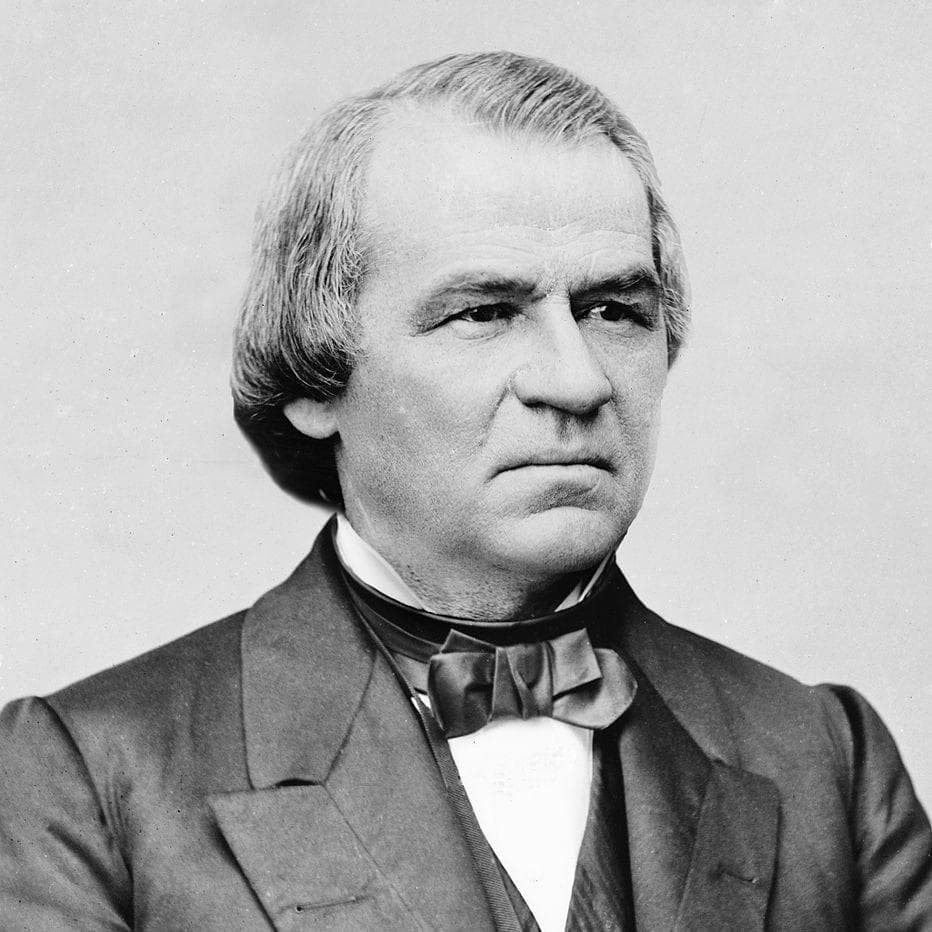
    Year: 1868 Context: For the first time in the history of the United States, a presidential impeachment was initiated in February 1868. President Andrew Johnson was charged with “high crimes and misdemeanors” for removing Edward Stanton from his post as Secretary of War. Stanton's firing was a violation of the Tenure of Office Act that had been passed by Congress in March 1867. It stated that anyone who had been appointed to an office with the Senate's approval could only be removed with their approval. The Senate didn't concur with Stanton's removal, so Johnson was breaking the law. There was more going on than just one appointment. Resentment between government factions in the aftermath of the American Civil War permeated the government. Johnson's pardons of numerous former Confederate officials and military personnel were extremely controversial. Regardless, the House of Representatives adopted 11 articles of impeachment and voted on them on February 24, 1868. Once impeached by the House, Johnson's charges were sent to the US Senate. Outcome: Johnson's impeachment trial in the US Senate began in March 1868 and lasted for nearly three months. Chief Justice of the US Supreme Court Salmon B. Chase oversaw the proceedings as arguments for and against Johnson's removal took place. The first vote - on just article eleven, the one that most directly charged Johnson with disregarding the Constitution and “unlawfully devising and contriving" to avoid the Constitution and other laws - took place on May 16. Johnson was acquitted by a 35 to 19 vote, just one shy of the two-thirds majority needed to convict. The rest of the articles were voted on on May 26, and Johnson was again acquitted by the same vote count.

    71% upvoted
  4. 4

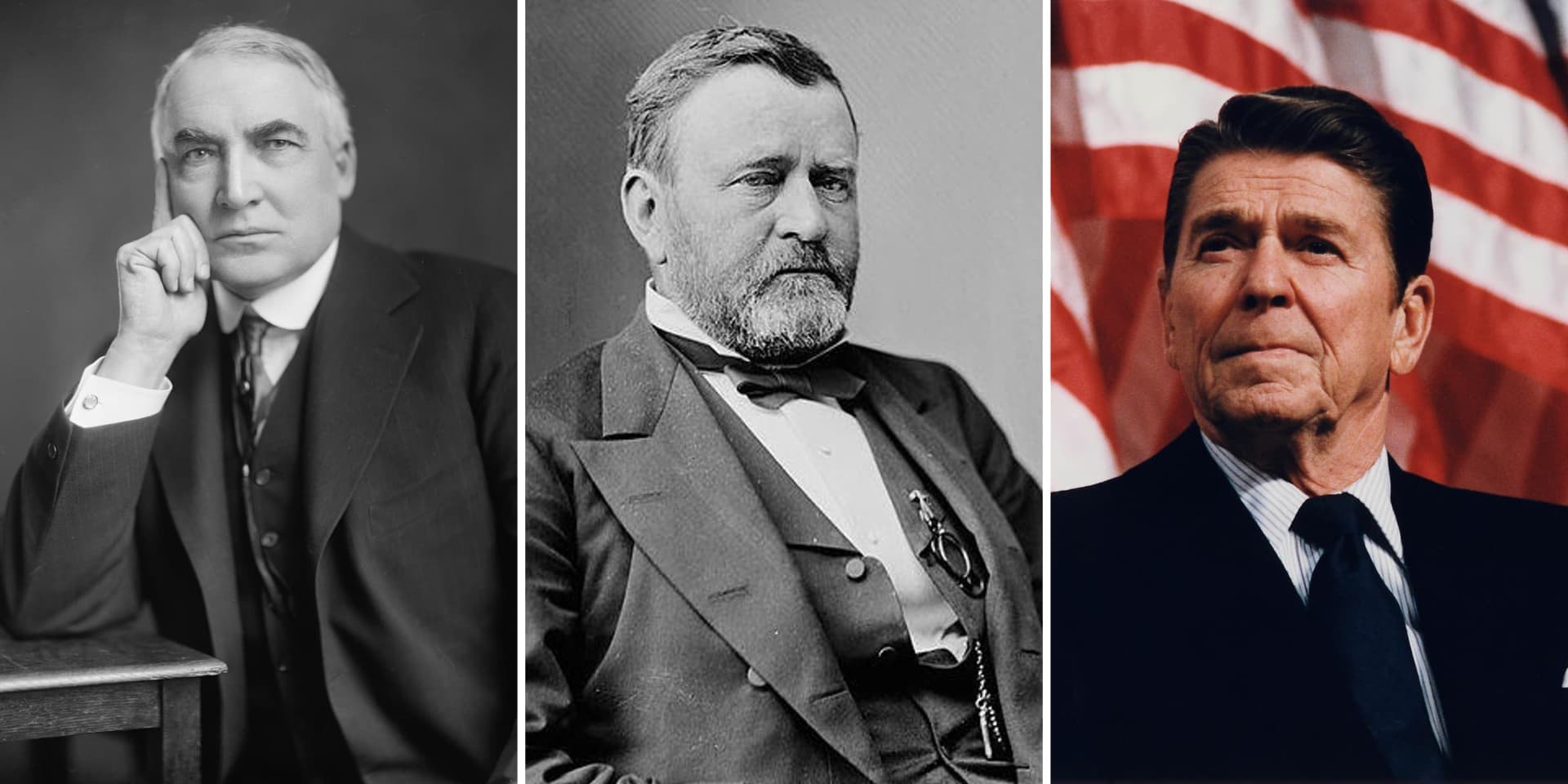
    Warren G. Harding

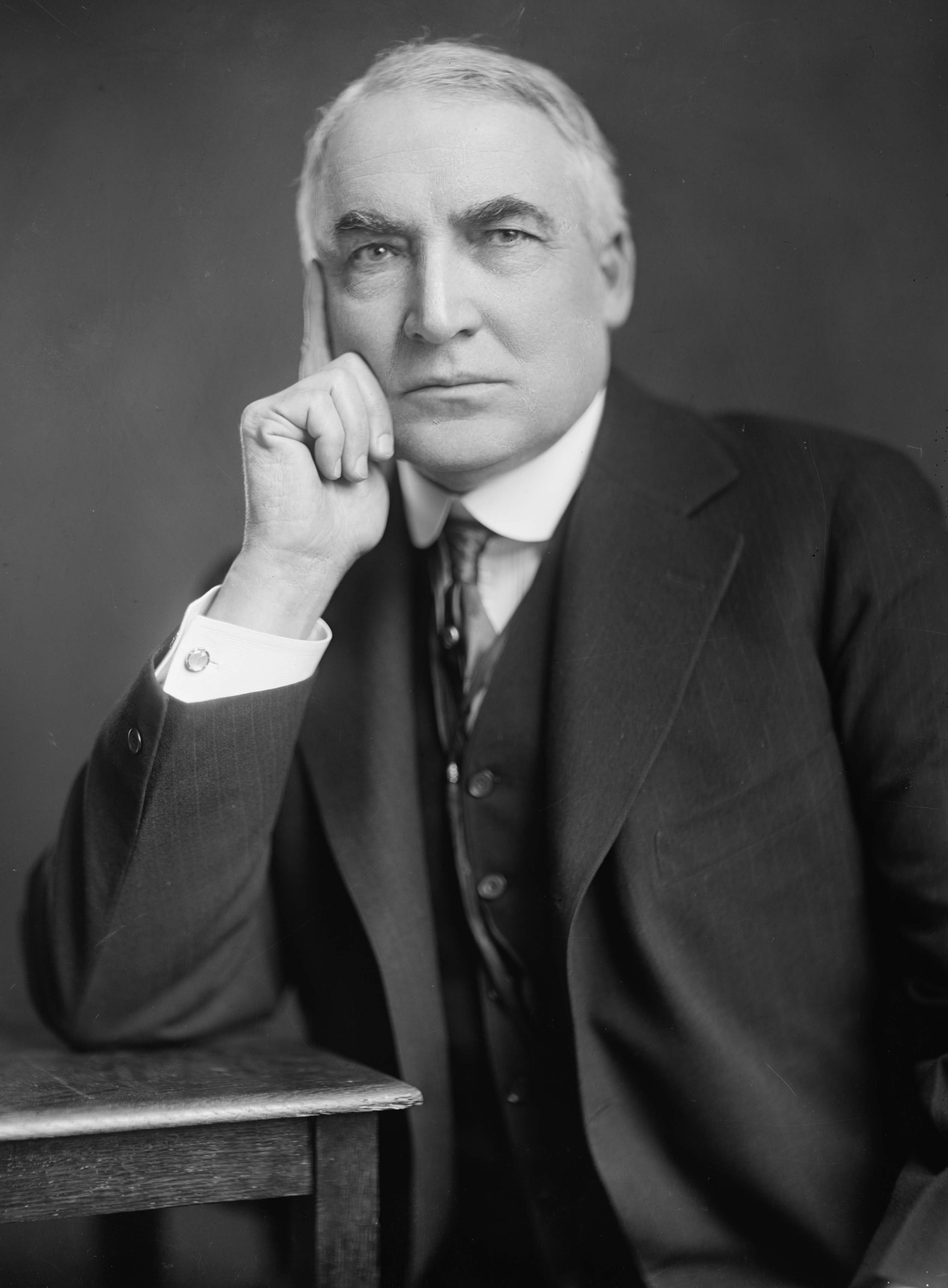
    Years: the 1920s Context: Numerous scandals occurred related to President Warren G. Harding and his administration, the best-known of which is the Teapot Dome Scandal. From the beginning of his term in office, however, Harding appointed friends and associates to federal positions regardless of their qualifications. He also hid mistresses and fathered a child out of wedlock. With respect to Teapot Dome, Harding's Secretary of the Interior Albert Fall leased oil reserves in Teapot Dome, WY, and in other locations in California, to major oil companies without taking bids for the leases. Fall did so in exchange for bribes from those companies' owners. Fall's actions were investigated by Congress after the media exposed the deals. Senator John B. Kendrick was also approached by representatives from other oil companies about the illegal deals. While Harding was dead by the time the investigation was complete - and when Fall became the first Cabinet member to go to prison for actions taken while in office - his legacy was forever tarnished by the scandal. That wasn't where controversy ended in the Harding administration, however. Harding's Attorney General Harry M. Daugherty, while never convicted of any offenses, was a questionable choice due to his reputation for backroom political deals. He was implicated in Teapot Dome but was rumored to have been connected to a bribery scandal involving bootleggers. Additionally, Harding established the Veterans' Bureau and his first head of the agency, Charles R. Forbes, was later convicted of "conspiracy to defraud the government in the building of hospitals for Veterans." Outcome: Harding passed away while in California on a tour of the American West on August 2, 1923. At that point, the scandals in his administration were generally unknown, but when they were revealed after his death, his legacy was forever tarnished.

    72% upvoted
  5. 5

    Andrew Jackson

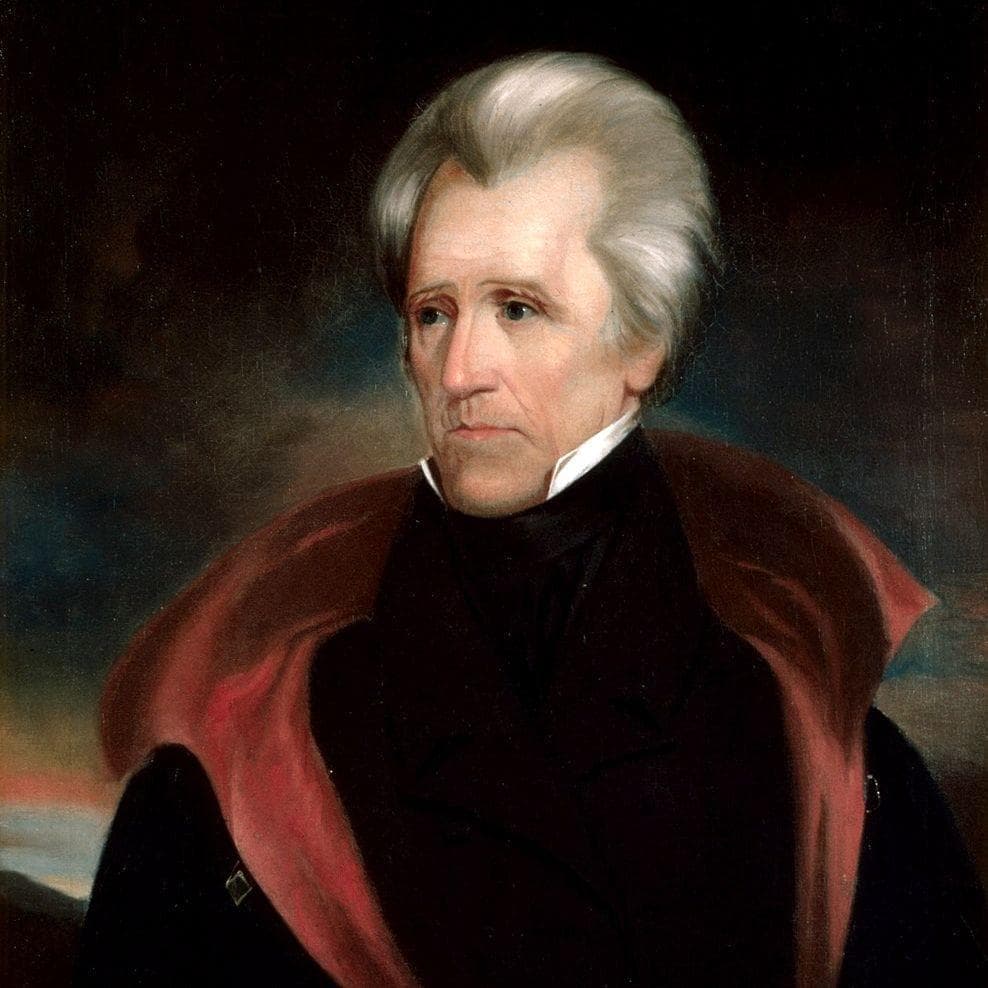
    Years: 1829-1837 Context: Andrew Jackson cried foul after he lost the 1824 election, but took office after a decided victory in 1828. It wasn't long after he did that the wives of his Cabinet members and Vice President John C. Calhoun (the so-called Petticoats) deemed Margaret “Peggy” Eaton, wife of Secretary of War John Eaton, too subpar in reputation and morality to be in their company. The Petticoat Affair carried over to the husbands, specifically exacerbating the tensions in the Cabinet and between Jackson and Calhoun. Jackson's decision-making was also criticized, having appointed Easton who was necessarily linked to his purportedly unseemly wife. The fight over the charter renewal of the Second Bank of the United States in 1832 led to its closure under Jackson's watch. Jackson didn't trust banks and thought the centralized Bank had too much power, so he was victorious in the end, but the waning years of the Bank (the charter ended in 1836) contributed to the Panic of 1837. One of most controversial moves by Jackson was his reaction to the US Supreme Court's decision in Worcester v. Georgia (1832). The Court ruled that Georgia laws seizing Indigenous lands violated federal legislation. Jackson was said to have responded: John Marshall has made his decision, now let him enforce it. The extent to which the decision was ignored is debated, but a lack of acknowledgement of the order resulted in the forced removal of Cherokee Indians from Georgia. Outcome: Jackson's adherence to his own values and ideas resulted in scandals and controversies that contributed to his very complicated legacy. He was not immune to taking sides, notably supporting Easton to such an extent that several members of his Cabinet resigned.

    70% upvoted
  6. 6

    Bill Clinton

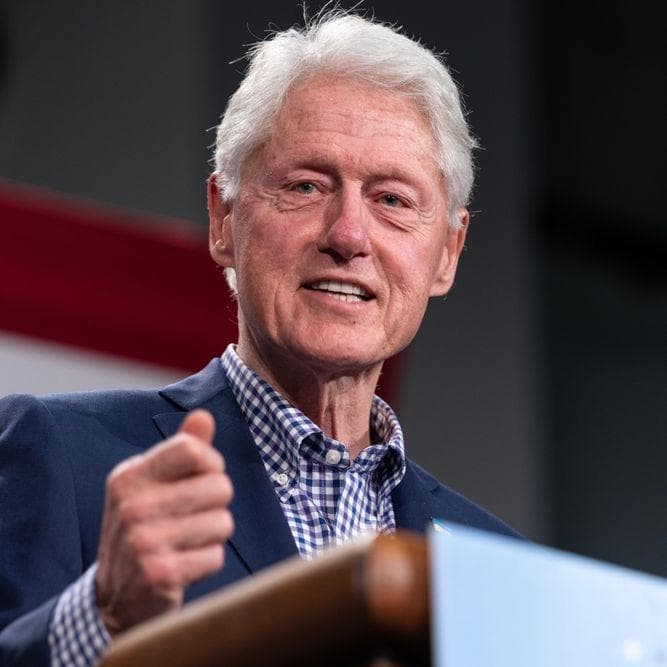
    Years: 1998-1999 Context: On December 19, 1998, the US House of Representatives voted on two articles of impeachment for President William Jefferson Clinton. Clinton was accused of sexual harassment by Paula Jones and, during that trial, he had denied any romantic involvement with White House intern Monica Lewinsky. Lewinsky asserted the same in an affidavit for Jones's lawyers, but it became clear later that they had been involved. At the time, Kenneth Starr was investigating the Clintons' business dealings in Arkansas related to a failed real estate investment. Known as the Whitewater Scandal, Starr was the one who brought Lewinsky forward with the promise of immunity to reveal that Clinton had lied. When Clinton spoke to prosecutors, this time he admitted to having an affair with Lewinsky. These were the foundation of the matters that led to Clinton's charges. Clinton's impeachment trial began in January 1999 and was overseen by Supreme Court Chief Justice William Rehnquist. Outcome: On February 12, 1999, the US Senate voted on the articles of impeachment against Clinton. The required two-thirds majority were widely missed on both counts with votes of 45 to 50 and 50-50. The entirety of Clinton's involvement with scandals left a mark on his legacy, but neither he nor his wife, Hillary, were ever found guilty of wrongdoing.

    50% upvoted
  7. 7

    Ronald Reagan

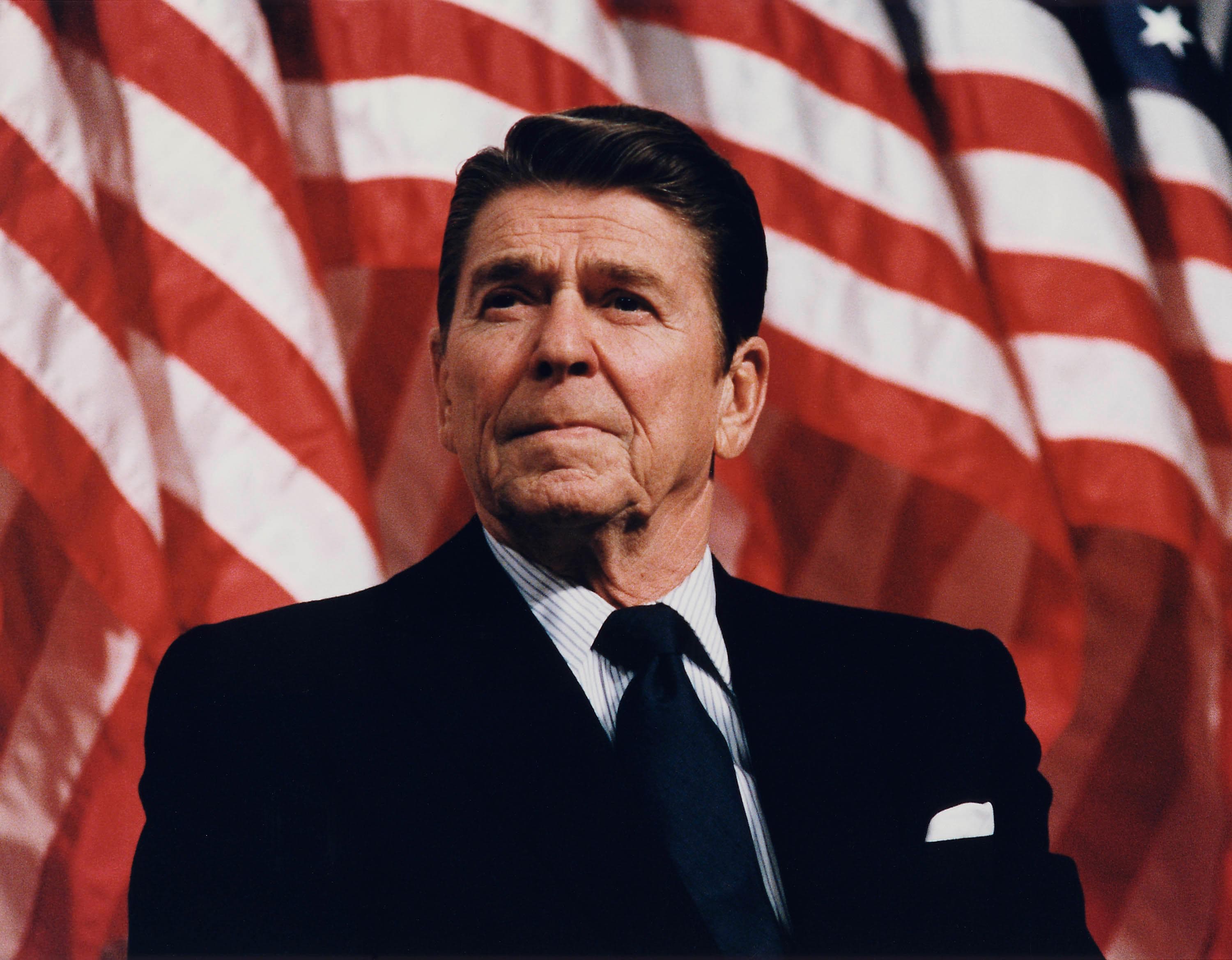
    Years: 1984-1987 Context: The Iran-Contra Affair involved an agreement between the United States and Iran for the latter to buy weapons to use in its ongoing war with Iraq. At the time, the US also sought to support anti-Communist efforts in Central America, specifically the Contras in Nicaragua. The Contras were in a struggle against the Sandinistas (supported by Cuba) for control of the country. The US used the money it received from selling weapons to Iran to back the Contras. The problematic part of an agreement with Iran was the embargo against the country that was in place in the US. It was also complicated by the American hostages in Lebanon held by Iranian terrorists. President Ronald Reagan only agreed to sell the weapons to Iran if the hostages were released. This went in the face of Reagan's promise to never negotiate with terrorists. An investigation into the weapons deal by Attorney General Edwin Meese discovered that millions of dollars reportedly paid by the Iranians were unaccounted for. Lieutenant Colonel Oliver North from the National Security Council admitted that the missing funds had been diverted to the Contras. He indicated he had the support of the President but had no verification of this fact. Outcome: There was no evidence of Reagan's involvement in Iran-Contra, but multiple members of his administration were charged with crimes related to the scandal. Oliver North, for example, was convicted on three felonies including altering and destroying National Security Council documents. National Security Advisor Robert McFarlane plead guilty to four counts of withholding information from Congress, while John Poindexter (who replaced Robert McFarlane during the Reagan years) was found guilty of five felonies including obstructing Congress. President George H.W. Bush pardoned six individuals involved with Iran-Contra, including Former Secretary of Defense Caspar Weinberger. He never stood trial for felony charges of perjury and obstruction of justice as well. After Iran-Contra, Reagan's reputation fell among the American populace. He went on national television in 1987 and said he took “full responsibility” but was angry about the “activities undertaken without my knowledge.”

    47% upvoted
  8. 8

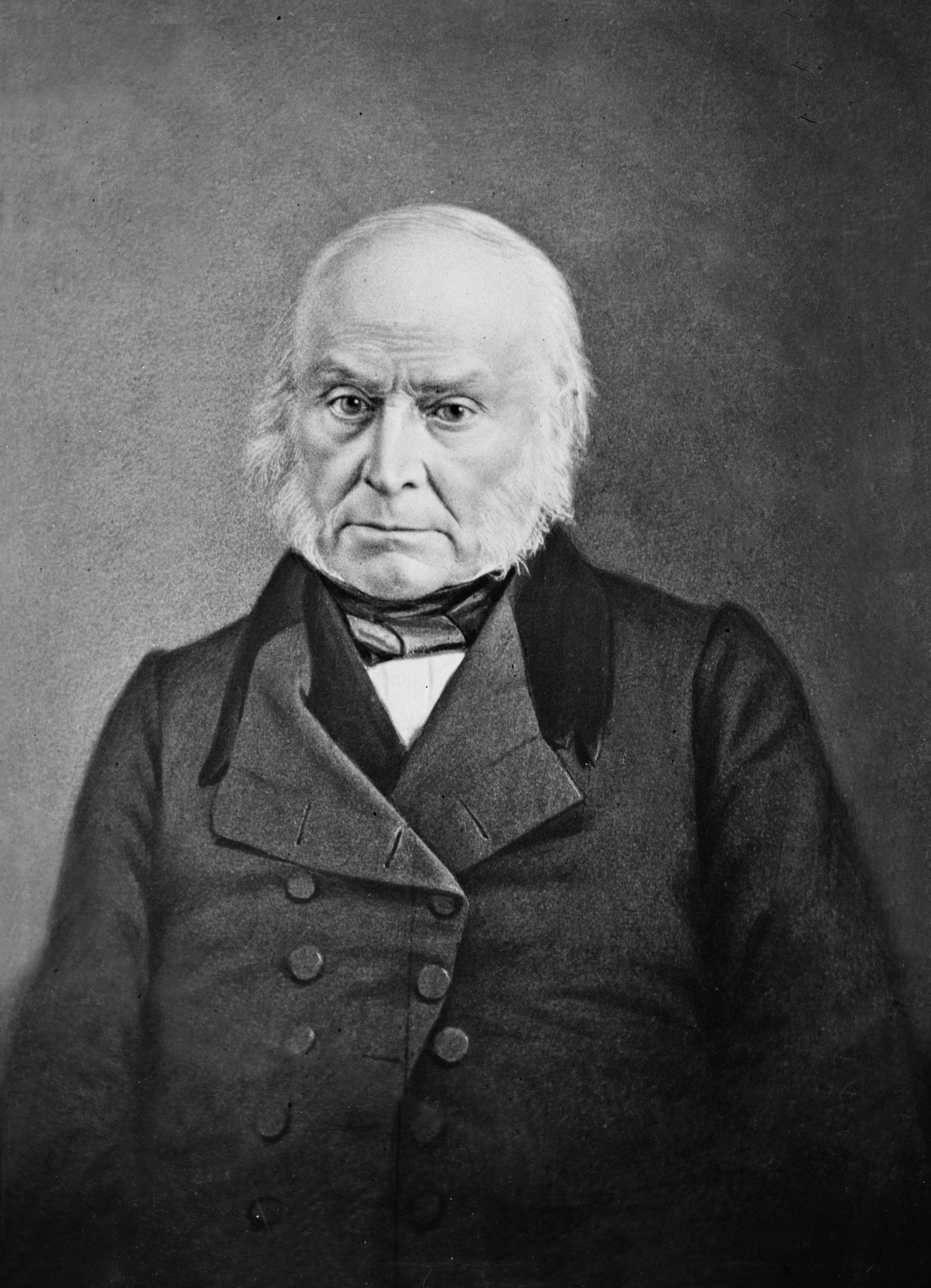
    John Quincy Adams

    Years: 1824 and 1825 Context: When the outcome of the presidential election of 1824 culminated in an unclear outcome, John Quincy Adams entered into what would be dubbed the “Corrupt Bargain” to pave his way to the White House. Adams was one of five candidates alongside John C. Calhoun (the then Secretary of War who later withdrew to run for Vice President), Henry Clay (Speaker of the House of Representatives), Andrew Jackson (military hero and US senator), and William Crawford (incapacitated due to a stroke). Only Adams, Jackson, and Crawford were on the national ballot on account of a provision in the Twelfth Amendment. According to the popular vote, Jackson won with just over 150,000 votes. Adams was second with roughly 113,000 votes. The electoral vote also placed Jackson at the top of the heap with 99 in contrast to Adams's 84 electoral college votes and the 41 electoral votes cast for Crawford. Clay, while not technically a candidate, received 37 electoral votes. No one had the required 131 votes to be declared the President of the United States. As a result, it was up to the House of Representatives to decide the outcome. Outcome: As Speaker of the House, Clay detested Jackson and set out to champion Adams for the presidency. Clay lobbied for Adams and, while neither of the men admitted to any sort of a deal or bargain, Adams won and made Clay his Secretary of State soon after. Adams was elected as President of the United States on February 9, 1825. Calhoun had easily received enough votes for the vice presidency. With cries of corruption still echoing across the United States, Jackson's supporters galvanized and helped elect him President of the United States four years later.

    44% upvoted
  9. 9

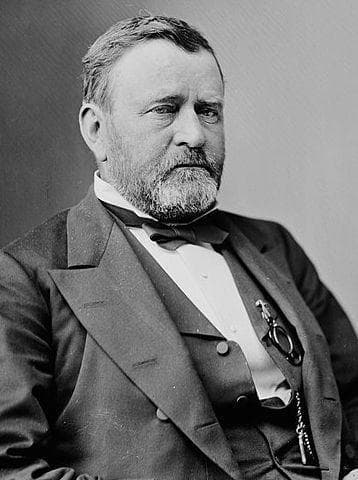
    Ulysses S. Grant

    Years: 1869, 1872-1876 Context: The presidency of Ulysses S. Grant was plagued by scandal from the outset. In 1869, Grant's association with the “Gold Ring” - investors who tried to manipulate the price of gold on the New York Gold Exchange - tied him to what would ultimately be “Black Friday” on Wall Street on September 24, 1869, and a subsequent economic crisis. In 1872, a corruption ring in the New Your Custom House, the manipulation of postal contracts, and a move by several members of Congress to receive a bonus for previous terms rocked Grant's administration. Two years later, a group in the White House conspired to start a war against Indigenous groups in the Black Hills to get mining rights, while Grant's Secretary of War William Anthony Richardson hired former Union General John B. Sanborn to collect unpaid taxes outside of official channels for their own gain. More scandal rocked Grant's tenure as president in 1875 when his Attorney General George H. Williams and his Interior Secretary Columbus Delano were accused of taking bribes. Perhaps the most scandalous year of Grant's administration, however, was 1876. The Whisky Ring involved numerous government officials who worked with whiskey makers to evade national taxes, and both his War Secretary WIlliam Belknap and his Secretary of the Navy George Robeson were accused of extortion and bribery. One more scandal involving Orville Babcock, his private secretary, revolved around attempting to conceal corruption within Washington. Outcome: Grant was later called “the most corrupt President who ever sat in the chair of Washington,” but his biographers were more inclined to point out that Grant was not an experienced politician when he took office. Rather, he was “pitted against the keen, shrewd, practiced manipulators of public affairs.” While there is likely some truth to the fact that Grant trusted the wrong people and was a victim of the circumstances around him, he was not without fault. Never implicated himself, Grant did appoint many of the individuals involved in wrongdoing.

    35% upvoted