Skip to content
maxnews
Rankings

The Largest Empires In History, By The Numbers

What are the largest empires in history? That question is much more loaded than it may first appear to be. There's no single metric by which the size or influence of any empire is measured. As a result, there can be several answers to such a question. It's all in how you look at it. The biggest empires in terms of land is generally considered to be the British Empire. But, when the population enters the conversation, several dynastic lines from Asia truly reign supreme. Then, there's influence. If one were to assess which empire left the biggest genetic imprint on history, Genghis Khan and his Mongolian legacy are still very much among us. Leadership, like that of Genghis Khan or someone like Alexander the Great in his vast Macedonian Empire, are also fair to consider. Culturally, groups like the Umayyads and the Persians made their own contributions, muddying the waters even more when trying to decipher which empire was the biggest. And, what about timespan? Egyptians ruled for thousands of years and, arguably, the Roman Empire continued through the Byzantine Empire and well into the 14th century. Collectively, these factors make determining the biggest world empires a challenge. But, by looking at land and population at an empire's peak, it's possible to get clarity about just how much influence an empire really had. Below you will find the dates each of the largest empires existed, when they peaked, and the amount of land they controlled (out of the 57 million square miles on Earth) when they were at their biggest. Then, you'll find out exactly why they ultimately came to an end.

Entries
9
Votes
0
Updated
2 hours ago

Tap upor downto vote. Your vote is added to Ranker's counts.

Voting identifies your browser with an anonymous fingerprint, stored only as a salted hash, to count one per visitor. Privacy

Source: Ranker, ranked by its voters.
  1. 1

    The British Empire

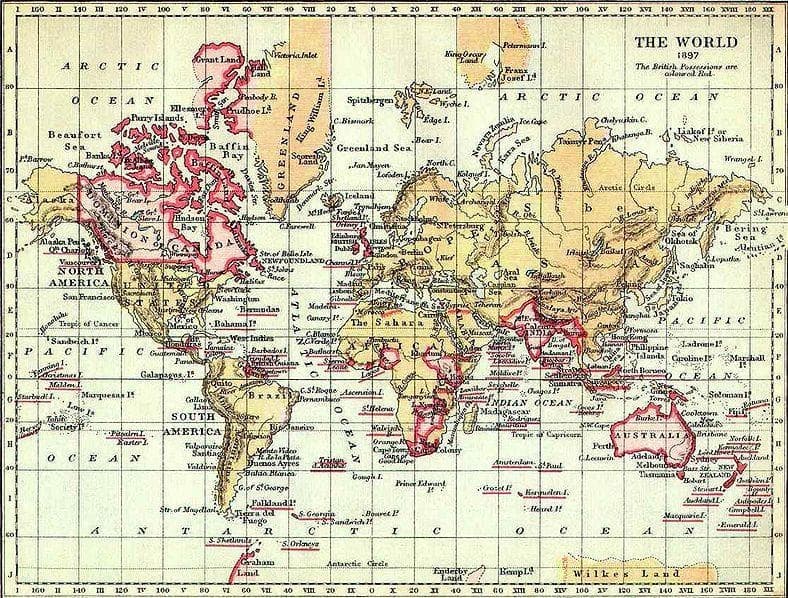
    Years: c. 1496 to 1997, with its peak in 1919-1920 Square Miles: 13.71 million (the British dominated the sea, as well) Percentage Of The Planet: 24.1% Population At Its Peak: About 500 million people Why It Collapsed: The peak of the British Empire after World War I was followed by its demise in the aftermath of World War II. Weakened militarily and economically, the British Empire struggled to maintain influence and control over its colonies. Independence movements in India, Ghana, and Malaya during the 1940s and 1950s were followed by the systematic decolonization of British lands worldwide. When the British returned Hong Kong to Chinese control in 1997, it marked the essential end of the Empire upon which the sun once never set. That said, Britain still controls islands and territories around the world.

    0% upvoted
  2. 2

    The Mongol Empire

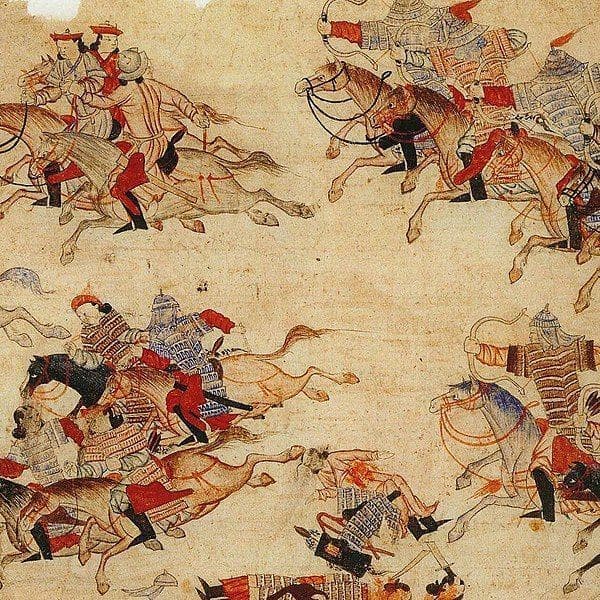
    Years: 1206 to 1368, with its peak in 1270 or 1309 Square Miles: 9.27 million Percentage Of The Planet: 15.8% Population At Its Peak: Over 100 million people Why It Collapsed: When Genghis Khan died in 1227, his expansive empire was divided among four of his male heirs. Continued growth of Mongol domination over Eurasia continued, but in-fighting and struggles over succession ultimately weakened their overall hold. Disease also contributed to the Mongol downfall, with the plague ravaging large areas under their control. After the Yuan Dynasty, established by Genghis Khan's grandson, Kublai Khan, collapsed in 1368, it was essentially the end of what had once been the largest contiguous empire the world has ever seen. Despite the end of Mongol rule, Genghis Khan's legacy endures. Scientists estimated in 2003 that there were no fewer than 16 million male descendants of the medieval warrior living at that time.

    0% upvoted
  3. 3

    The Russian Empire

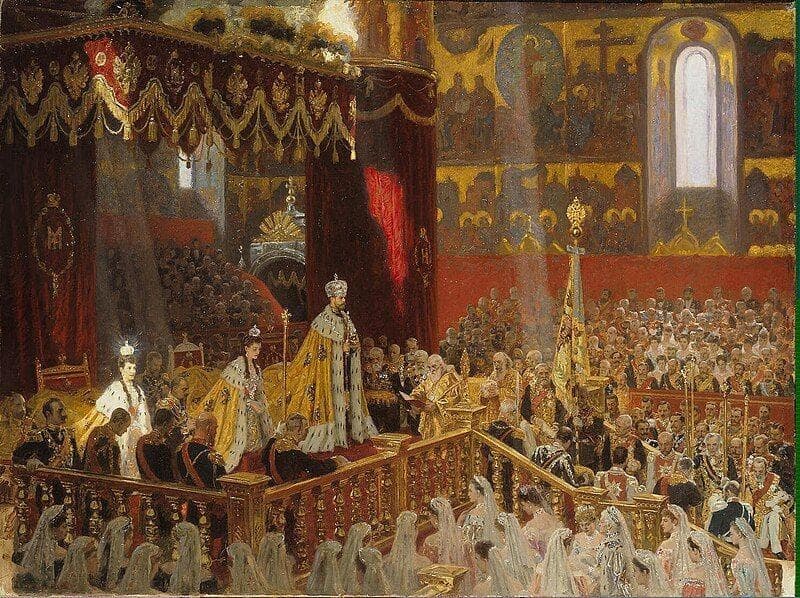
    Years: 1721 to 1917, with its peak c. 1895 Square Miles: 8.8 million Percentage Of The Planet: 15.4% Population At Its Peak: Roughly 126 million people Why It Collapsed: The end of the Russian Empire came with the abdication of Emperor Nicholas II on March 15, 1917. While his abdication ended the Romanov dynasty and coincided with the start of the Russian Revolution, the decline of the empire began decades earlier. Ineffective leadership, the events of WWI, and overall social and economic instability in the expansive yet mostly rural Russian empire essentially reached its breaking point in 1917. When Russia entered into the Treaty of Brest-Litovsk in 1918 and withdrew from WWI, it was because the new leader, Vladimir Lenin, had come to power with heavy support from poor, war-weary Russians.

    0% upvoted
  4. 4

    Qing Dynasty

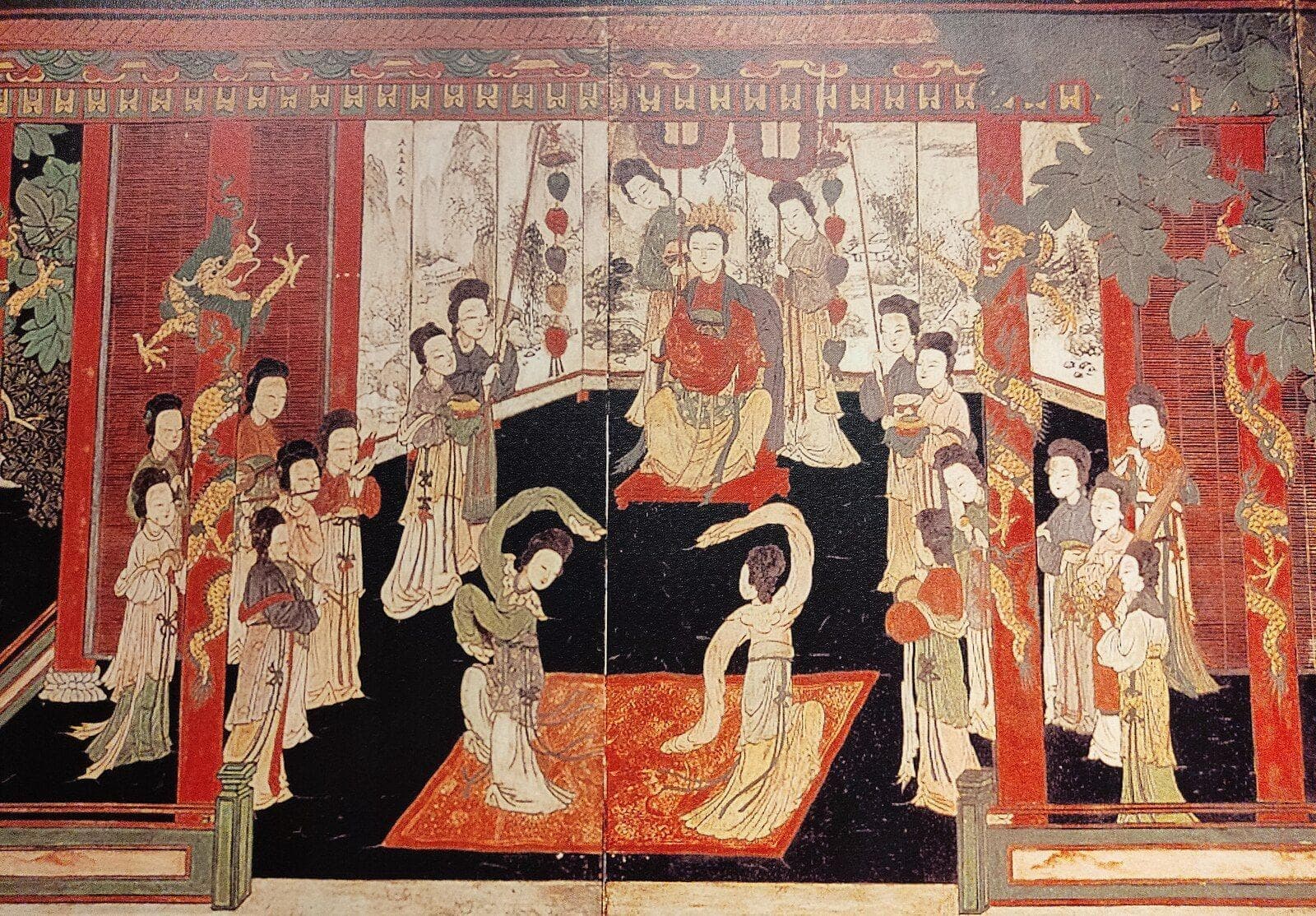
    Years: 1644-1912, with its peak in c. 1790 Square Miles: 5.68 square miles Percentage Of The Planet: 10% Population At Its Peak: c. 430 million people Why It Collapsed: The demise of the Qing dynasty came after years of failed reforms, natural disasters, and revolution. In 1898, the Guangxu Emperor's Hundred Days' Reforms movement aimed to institute a constitutional monarchy in China. Additional changes to the educational system, economic policies, and military practices were met with staunch opposition from conservatives. Empress Dowager Cixi led a coup d'etat, exiling and executing the reformers in the process. Drought and famine exacerbated discontent among the peasant population, contributing to the Boxer Rebellion of 1899 to 1901. Chinese opposition to foreign, imperialistic, and Christian influences ultimately failed but the efforts also weakened the Qing government still further. Another set of reforms was introduced by Cixi in 1901 - many of which echoed the ones that had failed just a few years earlier - but the subsequent uprising in 1911 sealed the fate of the Qing dynasty. The abdication of Emperor Puyi in 1912 set the stage for the establishment of the Republic of China.

    0% upvoted
  5. 5

    Spanish Empire

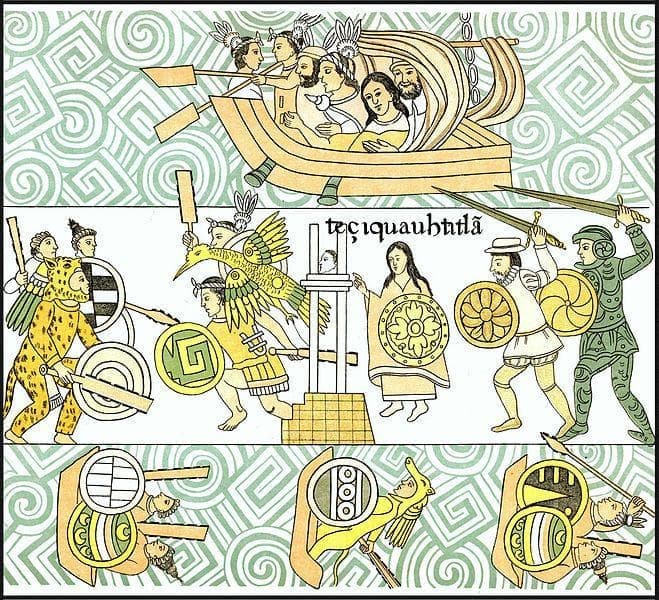
    Years: 1492-1968, with its peak in 1810 Square Miles: 5.29 million Percentage Of The Planet: 9.3% Population At Its Peak: 18.8 million c. 1760 Why It Collapsed: Spain's imperial dominance in the Americas, in the Pacific, and in parts of Europe was undone by outside forces as well as internal strife. During the early 1800s, independence movements in the Americas drove out the Spanish administration while intervention by the United States pushed the once-dominant global power out of areas such as the Philippines by the end of the 19th century. Arguably, the loss of the Philipines in 1898 marked the end of one phase of imperial Spain. It wasn't until 1968, however, that Spain's last African colony, Equatorial Guinea, claimed independence. The cultural legacy of the Spanish Empire remains very much intact. Hundreds of millions of people speak Spanish worldwide, while Catholicism has 1.375 billion adherents around the globe.

    0% upvoted
  6. 6

    Islamic Caliphate

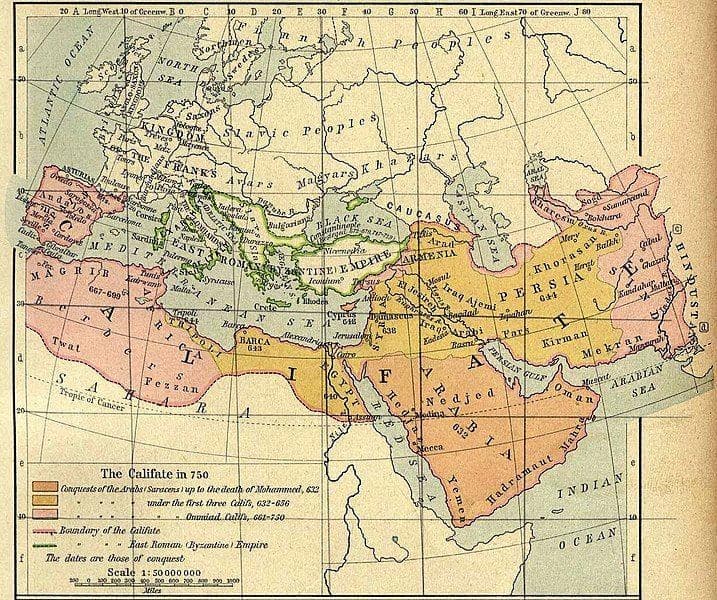
    Years: 661-750 CE (Umayyad), 750-1258 CE (Abbasid), with a peak between 720 and 750 CE Square Miles: 4.29 million Percentage Of The Planet: 7.5% Population At Its Peak: 62 million Why It Collapsed: The Umayyad Caliphate was overthrown by the Abbasids in 750, and while the Umayyads sought refuge in Iberia, their usurpers continued to dominate southwest Asia, the Middle East, and North Africa. The nature of Islamic rule was such that religion and politics were indistinguishable, but the expansion of the Abbasid realm weakened unity in the political sphere. By 1258 CE, outside incursions - namely when the Mongols sacked Baghdad - pushed the Abbasids into Egypt. From that point forward, the Abbasids had little influence outside of a small area, marking the end of the caliphate.

    0% upvoted
  7. 7

    Roman Empire

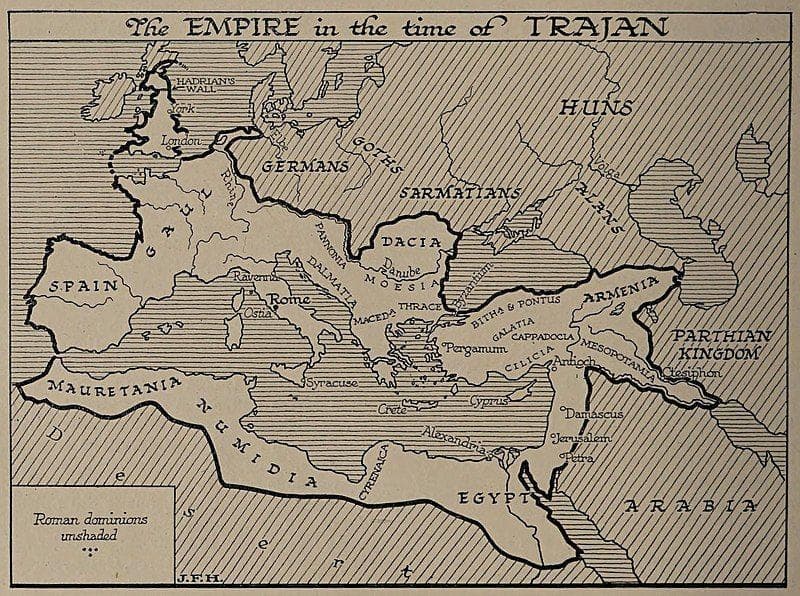
    Years: 27 BCE-476 CE, with its peak c. 117 CE Square Miles: 1.93 million Percentage Of The Planet: 3.4% Population At Its Peak: 60 to 130 million people Why It Collapsed: Arguably, the Roman Empire didn't collapse but rather shifted to the Eastern Mediterranean as the Byzantine Empire - which lasted until 1453 CE. But, the traditional date for the so-called “fall” of the Western Roman Empire is 476 CE when the Germanic leader Odoacer deposed Roman Emperor Romulus Augustulus. Rome had been on the decline for decades, if not centuries, by 476 CE. Diocletian's efforts to reorganize the Empire during the late 3rd century resulted in the Tetrarchy, but splitting the large Roman world into pieces wasn't enough. Invasions and internal struggles brought on by corruption and in-fighting led to the demise of the larger Roman world. The Roman Empire wasn't as big as some other empires in terms of land, but Romans did oversee nearly one-third of the world's population. The cultural influence of the Romans remains massive, with language, infrastructure, religion, art, and legal principles among the lasting legacies.

    0% upvoted
  8. 8

    Achaemenid Empire

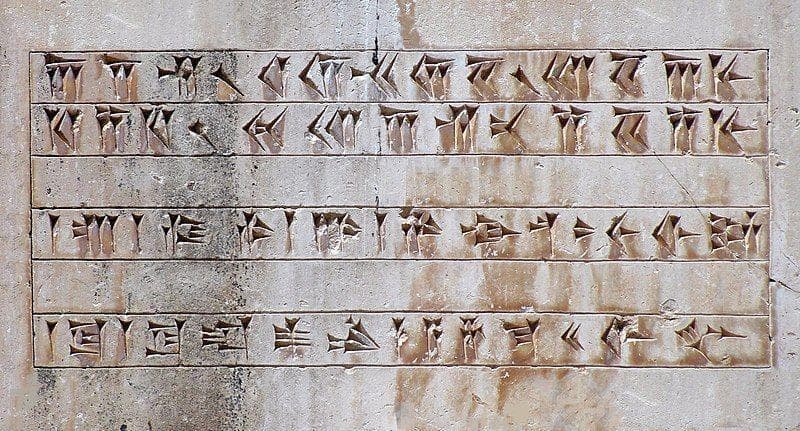
    Years: 550-331 BCE, with its peak c. 500 BCE Square Miles: 2.12 million Percentage Of The Planet: 3.7% Population At Its Peak: 30 to 35 million Why It Collapsed: When the Achaemenid Empire reached its height, it became the largest empire the world had ever known. According to some estimates, 44% of the world's population was ruled by the Achaemenids. Established by nomadic Persians, the Acaemenids were led by Cyrus the Great, Darius the Great, and Xerxes, among others, as they expanded from modern-day Iran eastward into India and westward into Anatolia and Egypt, ultimately stopped by the Greeks under Xerxes in 480 CE. Invasions by enemies, namely Macedonian Alexader the Great, sealed the fate of the Persian Achaemenids. In 330 CE, Darius III was murdered by his own men. Described by Arrian as “the feeblest and most incompetent of men” militarily, Darius III's commanders and friends reportedly “struck him down and left him and made their escape with 600 horsemen.” Alexander then completed his conquest of Persia.

    0% upvoted
  9. 9

    The Mughal Empire

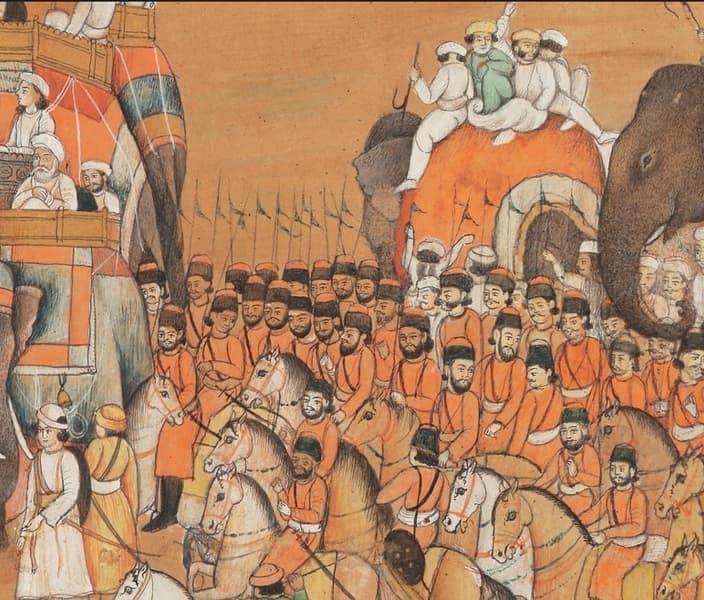
    Years: 1526-1857, with its peak c. 1690 Square Miles: 1.54 million Percentage Of The Planet: 2.7% Population At Its Peak: 100 to 150 million people Why It Collapsed: The size of the Mughal Empire was not as dominating as many large empires in history, but the number of inhabitants in the region more than made up for that. At its height of power, the Mugal's oversaw 24% of the world's population. The Mughals were Muslim, but ruled large numbers of Hindus. They were also descendants of the Mongols, the group from which their name derived. The ebbs and flows of the Mughal Empire reflected changes in leadership and ultimately proved to be its end. Regional powers asserted more and more authority during the 17th and early 18th centuries while outside forces like the Persians encroached into their territory. The Mughals remained in India until 1857 when they were driven out by the British but had become ineffectual as early as 1739.

    0% upvoted