Skip to content
maxnews
Rankings

The Favorite Foods Of History's Most Notorious Leaders

Finding out someone's favorite food is an oddly intimate thing to learn. A person's food choices may reveal a lot about them by unveiling aspects of their upbringing, shining a light on their comfort-food go-tos, and revealing whether or not they prefer sweet or savory dishes. When it comes to food favorites enjoyed by some of history's most notorious leaders, there are several surprises that show up, too. The number of infamous leaders who leaned into foods they ate in their youth or regional fare tied to what they considered home offers a lot of information about these men. The chefs, friends, and family members who talked about what these men ate and preferred similarly opens a door into how their power changed them - and how it didn't. Many of the matches between dictators and their favorite foods may not seem obvious, only deepening one's fascination with the leader in the process.

Entries
13
Votes
0
Updated
8 hours ago

Tap upor downto vote. Your vote is added to Ranker's counts.

Voting identifies your browser with an anonymous fingerprint, stored only as a salted hash, to count one per visitor. Privacy

Source: Ranker, ranked by its voters.

  1. 1

    Joseph Stalin: Satsivi
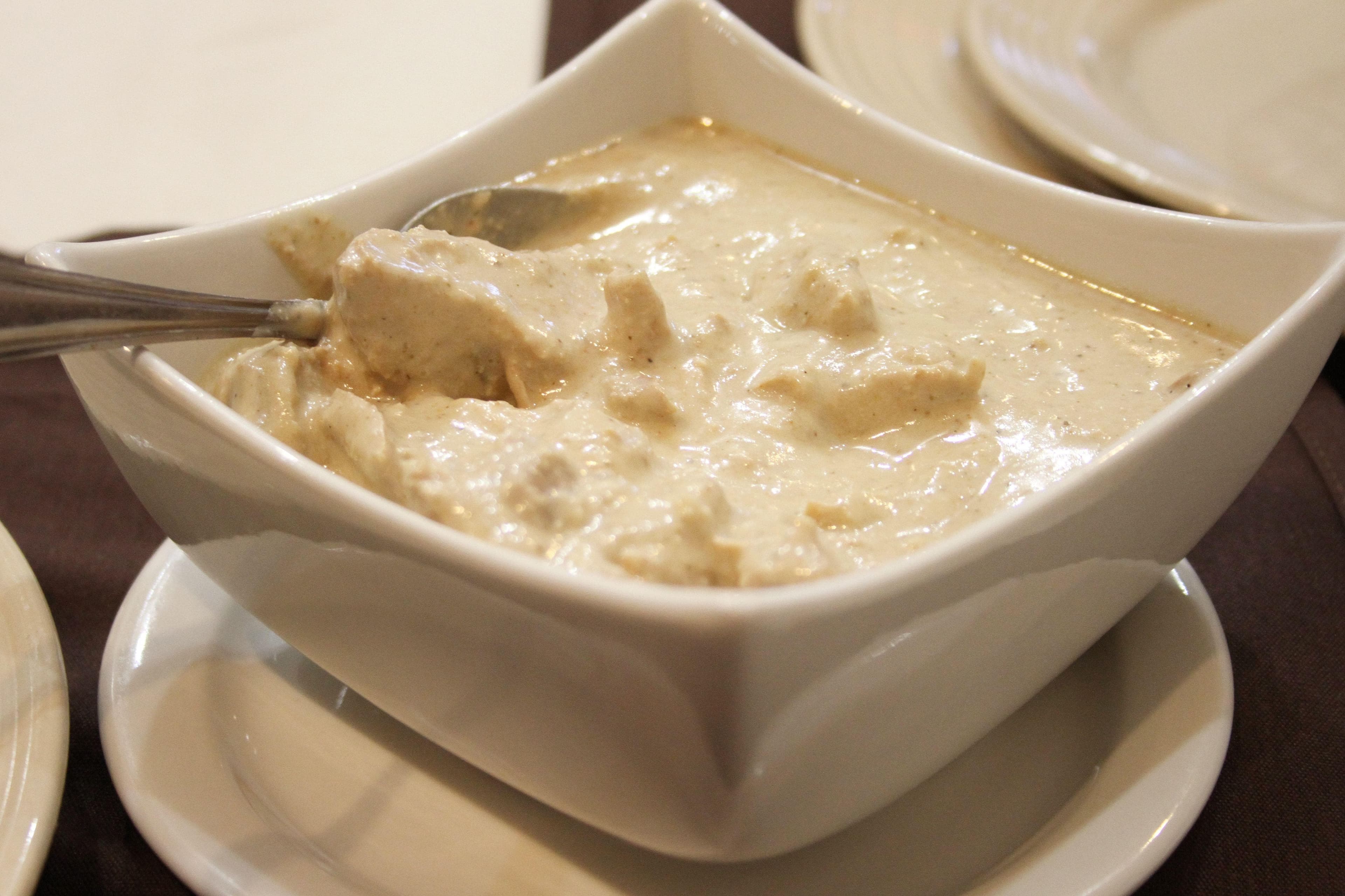
    Joseph Stalin's successor as the leader of the Soviet Union, Nikita Khrushchev, once wrote, I don't think there has ever been a leader of comparable responsibilities who wasted more time than Stalin did just sitting around the dinner table eating and drinking. Stalin did enjoy dinner parties as a way to relax. He often imbibed wine from his native Georgia, ever-proud of his heritage. He was also fond of drinking games, essentially making sure his dinner companions got drunk - perhaps more of a game to him than anyone else. Stalin did eat at his dinner parties, with his personal and favorite chef Spiridon Putin (grandfather to Vladimir Putin) making Georgian food for evening meals. As an avid hunter Stalin enjoyed eating the results of his efforts in the form of barbecue kebabs (shashlyks) or shchi - meat soup. The traditional Georgian dish satsivi was one of Stalin's favorites, however. The dish included boiled chicken in a sauce made out of walnuts, onions and garlic with white vinegar, coriander, red pepper, marigold, and cinnamon. Cloves were included, too, and once it was cooked, the satsivi was allowed to cool before it was eaten.
    0% upvoted
  2. 2

    Adolf Hitler: Stuffed Squab

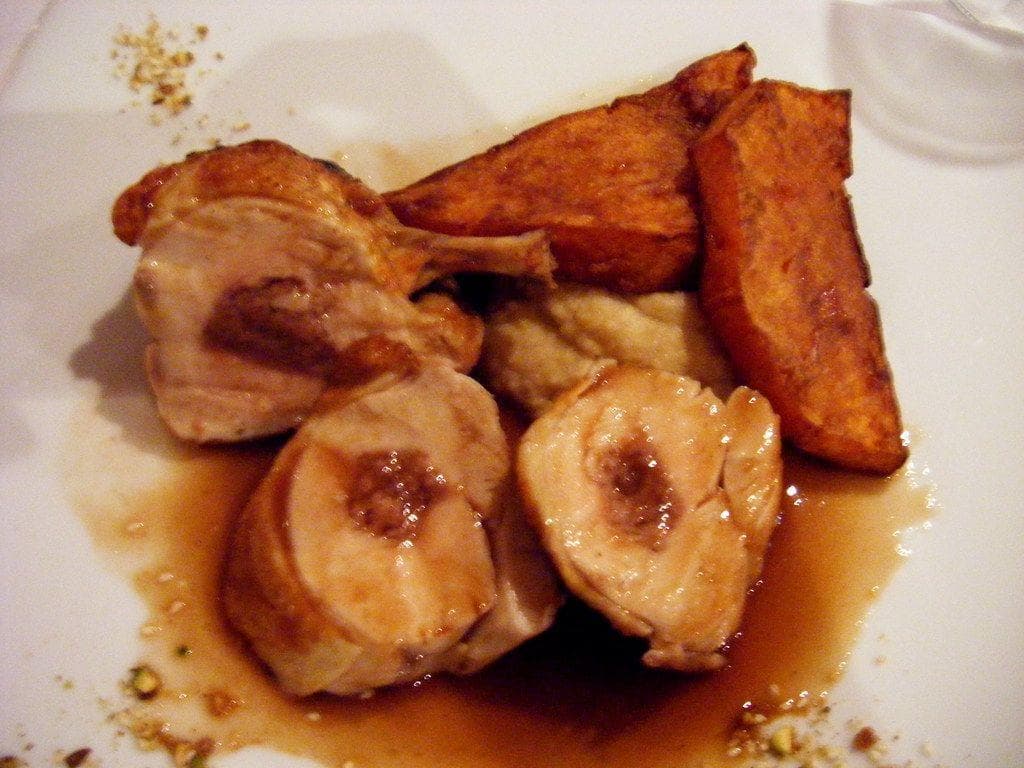
    Despite the popular notion that Adolf Hitler was a vegetarian, this wasn't a consistency in or a dominating feature of his diet. Hitler's favorite foods included meats, with "squab, liver dumplings, caviar, and succulent trout in butter sauce" at the top of the list. In 1964, British chef Dione Lucas wrote, I do not mean to spoil your appetite for stuffed squab, but you might be interested to know that it was a great favorite with Mr. Hitler, who dined at the hotel [in Hamburg] often. Let us not hold that against the fine recipe, though. In Dictators' Dinners: A Bad Taste Guide To Entertaining Tyrants, a recipe for stuffed squab in line with that of Lucas offers a look at what the Führer enjoyed so much. Squabs were stuffed with a mixture of chicken livers, squab liver, mushrooms, garlic, and butter. Lemon juice and seasoning, as well as cooked tongue and pistachio nuts, were added, with a bit of sugar sprinkled on, too. The meat was roasted and, when the squab was cooked, a lightly whipped cream with chopped truffle and tarragon was added.

    0% upvoted
  3. 3

    Mao Zedong: Hong Shau Rou

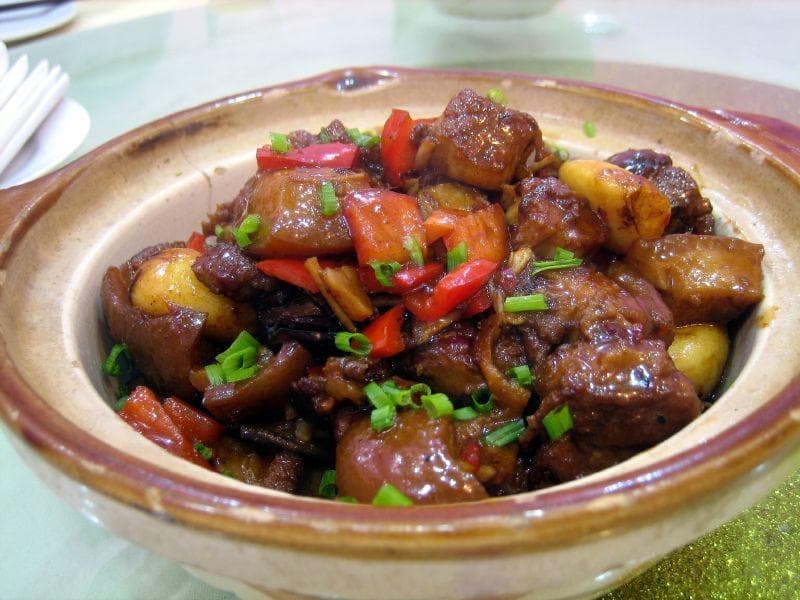
    Mao Zedong famously declared war on China's "Four Pests" - sparrows, rats, flies, and mosquitoes - only to facilitate a massive ecological disaster that led to famine and starvation across China. Mao didn't experience the struggles that his fellow Chinese individuals did, although he did give up meat for a short time during the "Three Years of Hardship" (1959 to 1961). This was likely more of a health-related decision, however. Mao enjoyed dishes like the seventeen "special fish and prawn dishes" developed by his personal chef alongside soups, vegetarian meals, and pork. It's actually pork with which he is most closely associated, as he was devoted to the Hunan dishes he enjoyed in his home province. Hong shau rou - or red braised pork belly - was Mao's favorite dish. It's often called Chairman Mao's pork belly or something comparable and, according to Mao's nephew Mao Anping in 2007, Men eat it to build their brains... and ladies to make themselves more beautiful. To make Mao's pork, one starts by partially cooking a pork belly before cutting it into cubes. A mixture of peanut oil, sugar, rice wine or sherry, ginger, anise, red chillies, and ginger is slowly added while the meat is returned to heat. Once it's cooked, it's taken out of the sauce, which is then put back on the heat and reduced before soy sauce and sugar are added. The meat and sauce are reunited, and the mixture is then served over rice. Mao's hong shau rou is different from more traditional versions like one might find in Shanghai because it doesn't use as much soy sauce.

    0% upvoted
  4. 4

    Francisco Franco: Lacón Con Grelos

    Spanish dictator Francisco Franco held power for decades. During that time, Franco made numerous laws that applied to food and food production, including legislation during the 1950s and 1960s that required restaurants to provide workers affordable lunches as well as to present three-course lunch options to tourists. Early in his tenure, as Spain rationed food during the late 1930s, Franco was said to have dined very well on stew made with "chunks of chorizo... black pudding... [and] fillet of hake... with a selection of cheese and fruit." Franco reportedly liked fish and meat alike and was a fan of a Galician dish called lacón con grelos - pork shoulder and turnip greens. As a native of the Galician part of Spain, Franco's preference for traditional cured pork boiled with turnip tops was ironic given his efforts to deter regional food in Spain. Because regional stews could potentially have "strange flavors that might put off tourists," Franco advocated for tortillas to be served instead. Researcher Maria Reyes Baztan explained, During Franco’s dictatorship, the promotion of national cuisine in general was an important element of the nationalising agenda and was seen as an important national symbol. His obsession with promoting everything that was Spanish and purely national turned the tortilla into one of the most celebrated and popular dishes of Spanish gastronomy. To make lacón con grelos, one took a cured pork shoulder and soaked it in cold water for about a day. It was then boiled, and the turnip greens were added and cooked down. Potatoes and chorizo were added next, and the mixture simmered until being served.

    0% upvoted
  5. 5

    Josip Broz Tito: Zagorski Štrukli

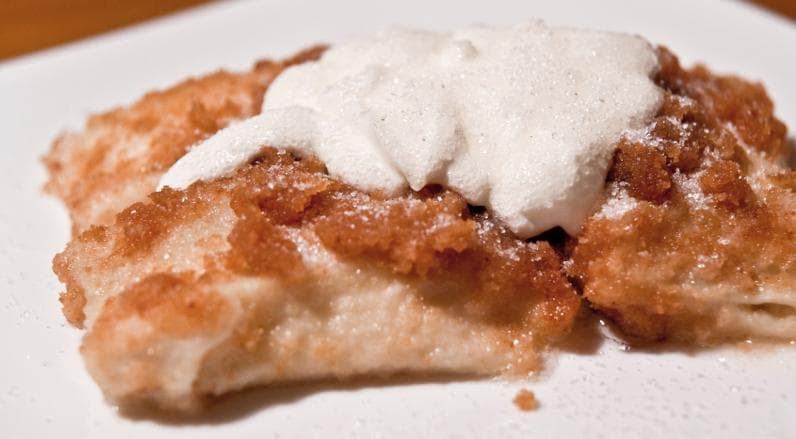
    Once the leader of Yugoslavia, Josip Broz Tito was a native of the Zagorje region. As a result, he had an affinity for Zagorski Štrukli, a pastry filled with cottage cheese. Additionally, as his former kitchen aide Smilja Petojevic put it, Tito liked meat on the bone. He was a true gourmet, but he liked simple things, too. The recipe for Zagorski Štrukli is straightforward, and the outcome is a dish that is versatile and satiating. The dough combines flour, egg, oil, vinegar, and water, while the filling is made out of eggs, butter, cheese (ricotta, cottage, or feta), and sour cream. Zagorski Štrukli can be baked or boiled, depending on one's preference. There were limitations as to what Tito could eat, explained his former banquet chef, Sava Vukoev: "Tito was diabetic, and I was in charge of making sure he didn't eat something he shouldn't." That said, Tito had one dish he wouldn't eat, having once refused snails when served them in his final years of life.

    0% upvoted
  6. 6

    Fidel Castro: Turtle Soup Or Suckling Pig

    According to one of Fidel Castro's former chefs, Erasmo, the Cuban dictator "always ate the same things as the average Cuban." Erasmo, who went to culinary school as a result of Castro's patronage, remained devoted to the former leader when he spoke with author Witold Szablowski. Szablowski expressed doubt, noting that average Cubans had no choice but to stand in line and wait for rotten food after the collapse of the Soviet Union. According to Szablowski, Castro's favorite recipe was one for suckling pig. Per Erasmo, a suckling pig is "an animal that has been fed only on its mother's milk." Erasmo then explained how he prepared it: You gut the piglet, but you leave the skin, head, and tail. Then you marinate it for twenty-four hours in a mojo criollo sauce: to make this, you squeeze orange juice and add a drop of olive oil, chopped parsley, crushed garlic, and of course some demi glace. You press the meat in a special gridiron to roast well on all sides, and you steep it in the sauce. For the first hour you roast it at a temperature of 150 degrees (400 degrees Fahrenheit) and for the second at 180 degrees (360 degrees Fahrenheit). Then you open the oven and baste the piglet's skin with lard to make it brown well. Findel liked to eat it with baked plantains. Additional insight into Castro's eating habits was offered by the dictator's one-time confidant, Celia Sánchez: Fidel likes plain, nourishing food, especially turtle soup. He hates anything fancy. Turtle soup - not mock turtle soup - was made out of turtle meat, flour, and butter with celery, onions, garlic, and other seasoning added. After the concoction simmered, eggs might be added before it was served with salt and pepper. Castro may have liked to have ice cream after completing this soup, especially since he seems to have been obsessed with dairy. He drank milkshakes daily and even tried to genetically engineer a cow - the Ubre Blanca - to make more milk than average cows.

    0% upvoted
  7. 7

    Benito Mussolini: Raw Garlic Salad

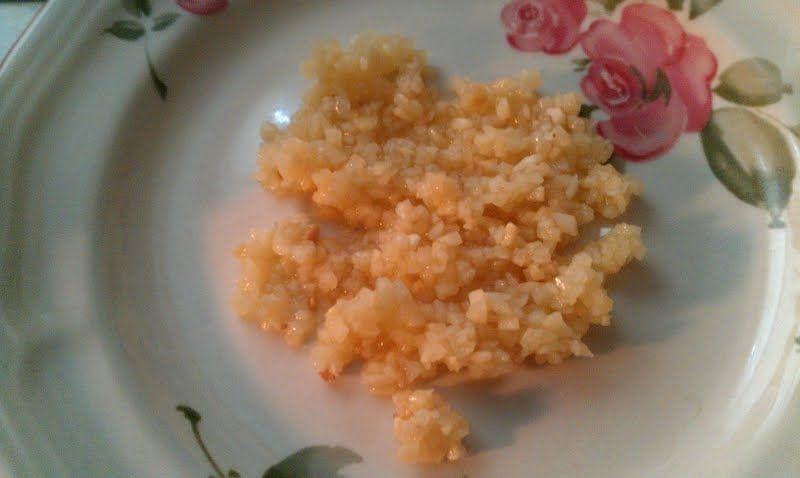
    In 1928, Benito Mussolini penned a poem about bread. Aptly called Il Pane, the poem was part of his effort to make bread - a relatively humble food - a dish full of nationalist pride eaten on what were called national bread days. The poem read as follows: Italians! Love bread, heart of the home, savor of the repast, joy of health; Respect bread, sweat of the brow, pride of labor, poem of sacrifice; Honor bread, glory of the fields, fragrance of the earth, feast of life; Do not waste bread, richness of the fatherland, sweetest gift of God, most holy reward of human toil. As important as bread was, Mussolini preferred vegetables to it - and to most other foods. He liked veal, was known to enjoy fish and pigeon, and was inclined to eat at home, with everyone else dining in his presence to be seated before he arrived. Mussolini's favorite food was raw garlic, and he reportedly ate so much of it that it seeped through his pores. By her own account, his wife, Rachel, refused to sleep in the same bed with him because the odor was so bad. Raw garlic was the main ingredient of Mussolini's favorite salad. It was simply a mix of garlic, oil, and lemon. At a typical meal, Mussolini and his dining companions would enjoy dessert, often a cake called ciambellone. Baked in a ring shape, ciambellone included flour, eggs, sugar, milk, oil, lemon, pudding yeast, and aniseed liqueur.

    0% upvoted
  8. 8

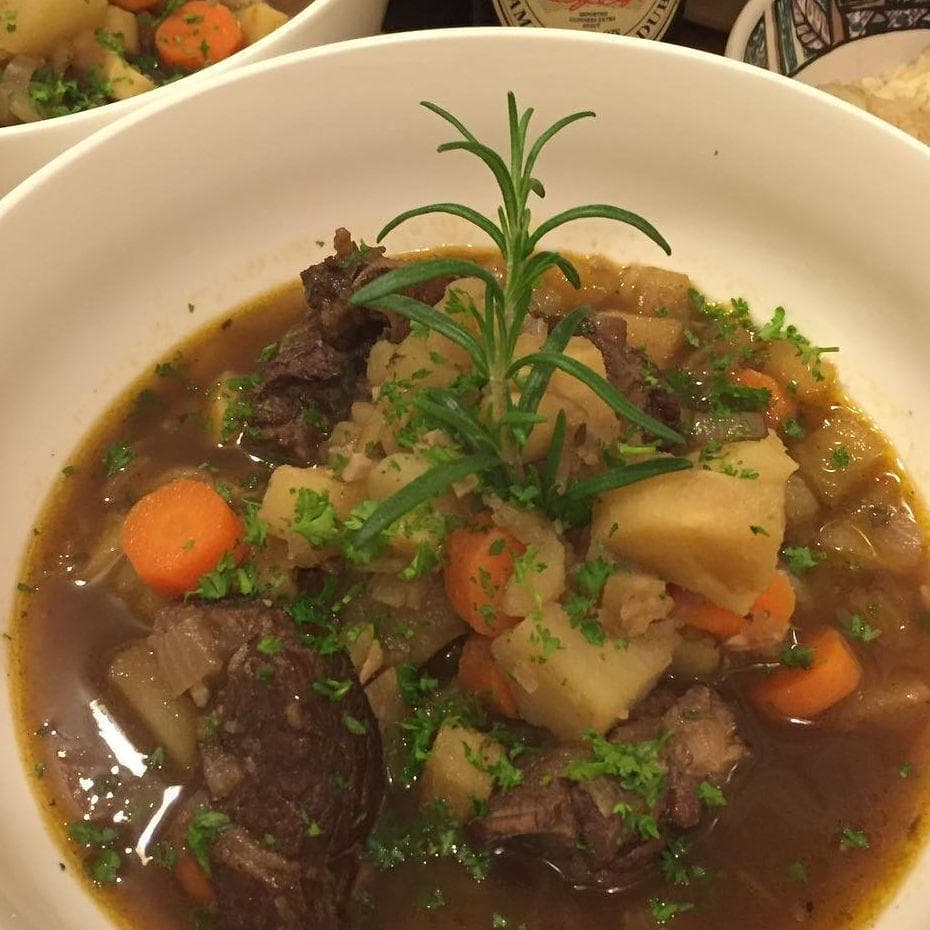
    Augusto Pinochet: Asado De Cordero

    Augusto Pinochet was at the head of the Chilean army and ultimately became a military dictator in 1973. After losing power in the 1990s, Pinochet remained in charge of the army in Chile until 1998. That year, Pinochet was arrested while in London, only to later be allowed passage back to Chile on medical grounds in 2000. It was while Pinochet was under house arrest in England that journalist Christina Lamb met with him. She had tea with the former dictator as a reporter with the Sunday Telegraph. As she looked around his modest surroundings, Lamb noted that "his favorite lamb stew" was being served for lunch. The lamb stew that Pinochet enjoyed was likely asado de cordero, a traditional Chilean stew with lamb, garlic, salt, and oil. The meat was usually roasted on a spit before being incorporated into a stew. Stew was something that wasn't reserved for lamb, however. According to chef Coco Pacheco, Pinochet once walked into his restaurant and ordered "the caudillo de congrio, a stew made of conger eel," which was a favorite in Chile.

    0% upvoted
  9. 9

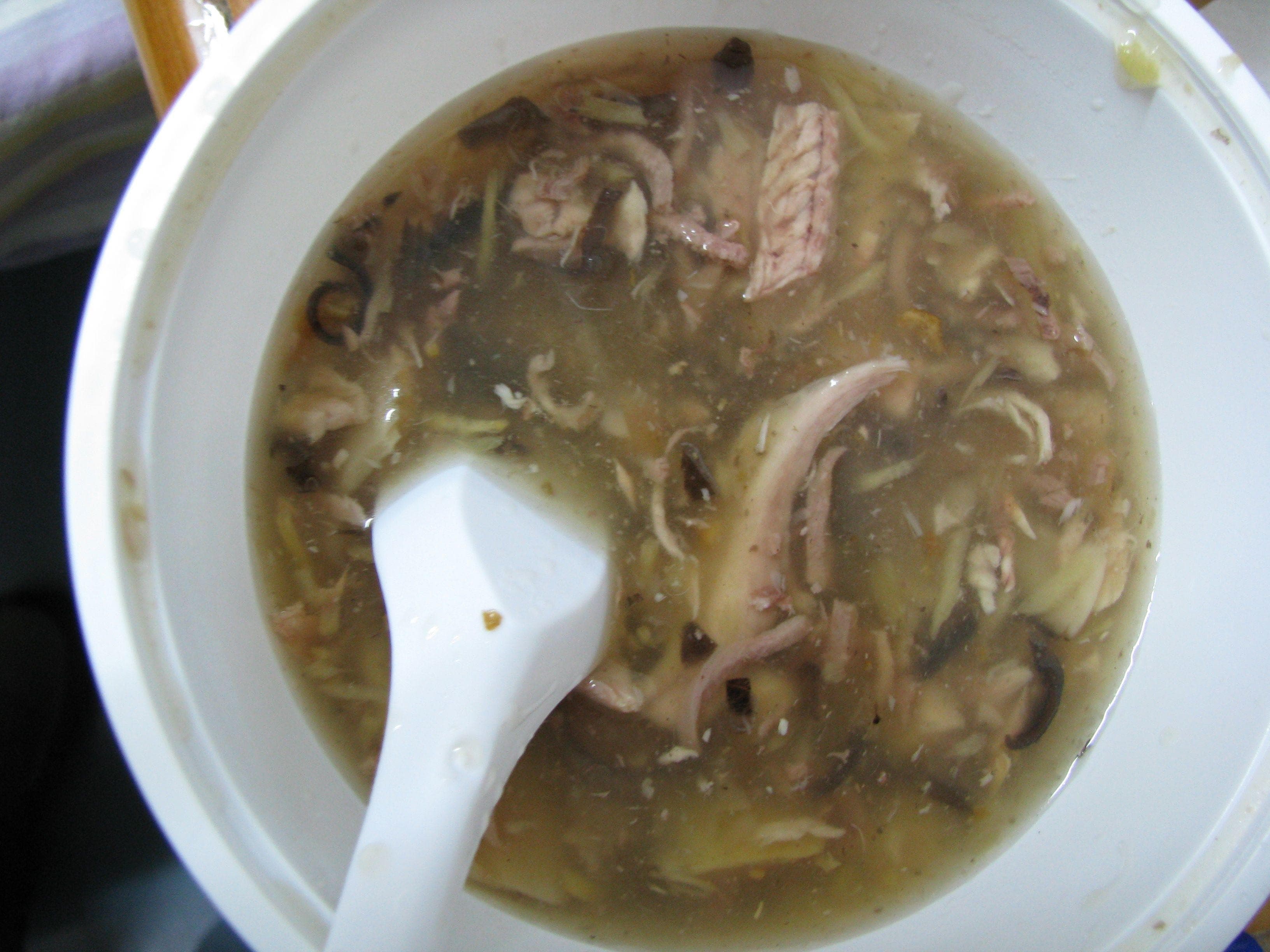
    Pol Pot: Cobra Stew Or Black Chicken Stock

    As peasants starved in Cambodia due to limited rice rations, Pol Pot dined on snake, boar, and venison alongside fruit and wine. Pol Pot took over Cambodia in 1975 and only held power for four years. Despite this, as many as 1.5 million people died under his leadership of the Khmer Rouge. Pol Pot was the son of a farmer and reportedly liked "simple country food." This corresponds to his affinity for foods like snake and boar. In 2000, a cook in the town of Pailin told The Guardian: I cooked cobra for Pol Pot... First, kill the cobra. Then cut off its head and hang it on a tree for the poison to dry in the sun, away from the children. Collect the snake blood in a cup and serve it with white wine. Chop the cobra into little pieces and mash it into a pulp with a handful of peanuts. Add boiling water, bitter leaf of the vine, the herb of the lemon grass and yellow ground ginger. Simmer for one hour. Serves one. The single serving was apparently because Pol Pot didn't like to share. In 2017, to highlight the contrast between Pol Pot's dining experience and others under the Khmer Rouge, a food stall In Phnom Penh began offering porridge made of fish, vegetables, and rice alongside a second bowl of food - a porridge that would have been offered by the Khmer Rouge: "a thin gruel with salt on the side." In his book How to Feed A Dictator, Witold Szablowski offered an alternative dish that was purportedly Pol Pot's favorite. It was chicken broth made, per the dictator's chef, by "boiling a deboned black chicken in a pot, then removing the bird and adding slices of melon. Pol Pot ate only the flavored stock."

    0% upvoted
  10. 10

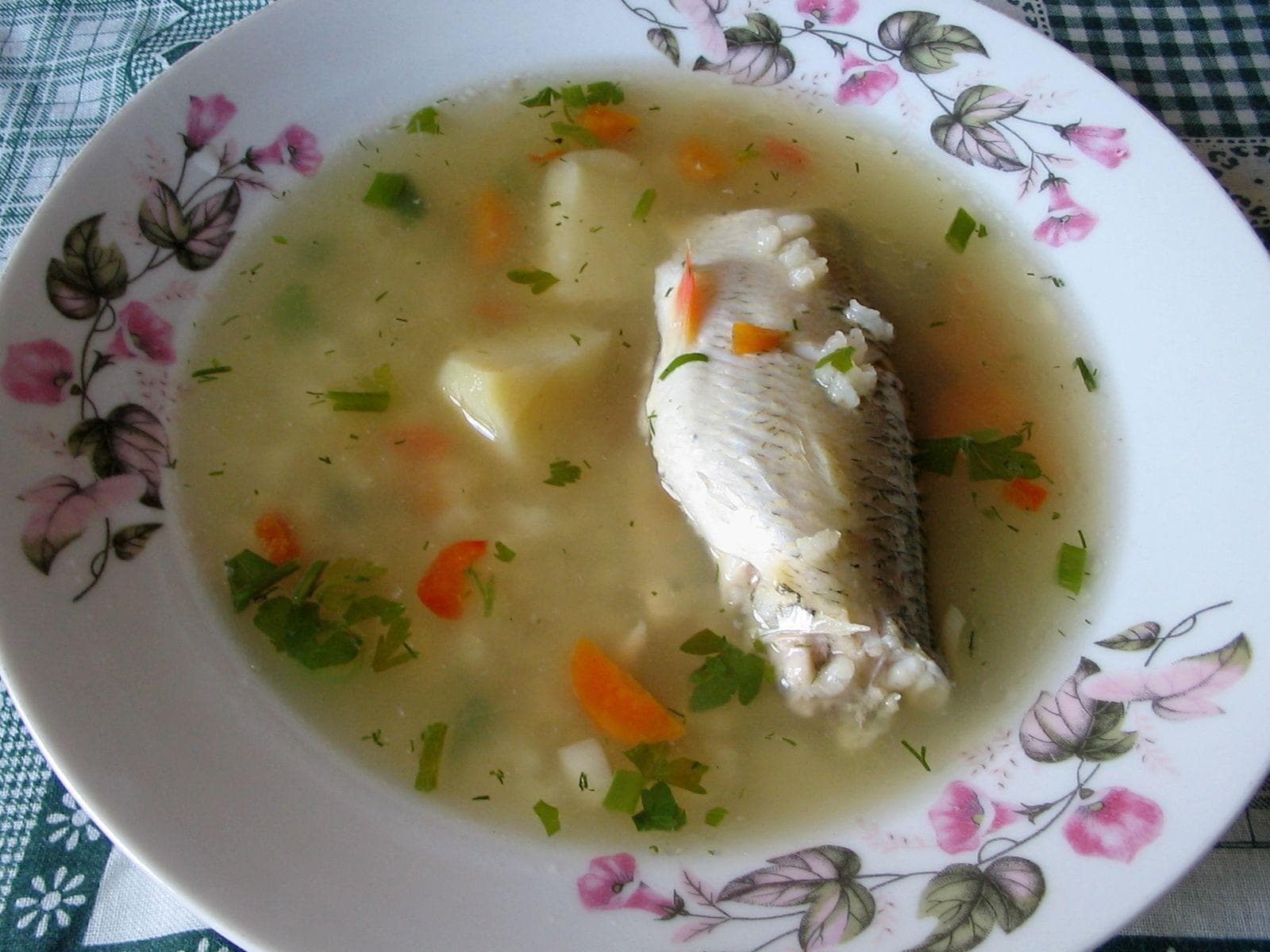
    Saddam Hussein: Thieves' Fish Soup

    There are various indications about what Saddam Hussein's favorite food actually was, but according to the Iraqi dictator's former chef, Abu Ali, Thieves' Fish Soup was something Hussein loved. Ali cooked for Saddam during the Iraq-Iran. Ali would, at times, be enlisted by Hussein to gather ingredients so he could make food for his men, often burning the food in the process. According to Ali, Saddam called it Thieves’ Fish Soup because apparently Tikrit’s local thieves used to make it. We use the oiliest fish, gattan, for this soup. But I know you can make it with other fish, salmon or cod. He then described how to make the dish: First you cut the fish into inch-long pieces; then you coat it in flour. You put some onion and a dash of oil at the bottom of the pot. You fry the onion, then place a layer of fish on top. You sprinkle it with parsley. Then you add a layer of tomatoes. Then a layer of dried apricots. Then tomatoes again. Then fish again. Then a layer of almonds. Then fish again. As you arrange the layers, it’s important for the onion to remain at the bottom. And for the soup to include garlic, parsley, almonds, apricots, and tomatoes. You can also add a few raisins. Then you wait until the water from the fish and vegetables you’ve added has evaporated. When you hear a hissing sound, which means there’s no water left, you pour hot water from the kettle over it all, until you’ve covered the top layer. After pouring in the water, you cook it for another fifteen to twenty minutes. Finally, you can add a little turmeric. I’m the only person on earth who knows how to make it the way Saddam Hussein liked it. Fish was ultimately the food that led to Saddam Hussein's downfall. While in hiding, intelligence agents were led to him thanks to his love of masgouf, a popular fish dish in Iraq. As explained by Eric Maddox, a former Army Intelligence Officer, Saddam ate this fish every single day, and because the U.S. invaded Iraq, he couldn't go to the fish store. He actually built a fish pond. Two men getting fish from the pond were captured and interrogated as to Hussein's whereabouts. That, as Maddox put it, "took us over the hump."

    0% upvoted