Skip to content
maxnews
Rankings

The Fascinating Story Behind The Girl With The Mohave Tattoo

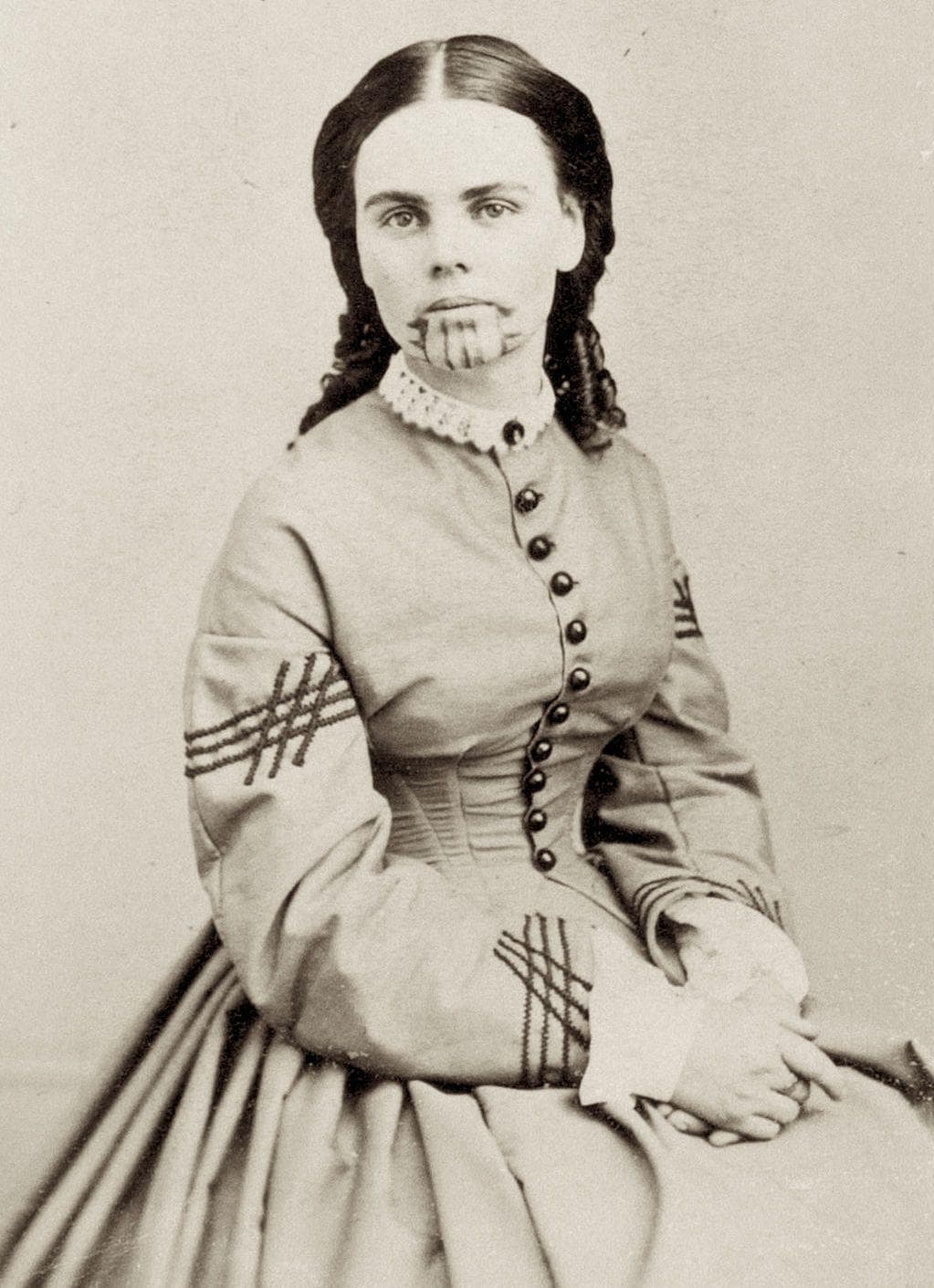
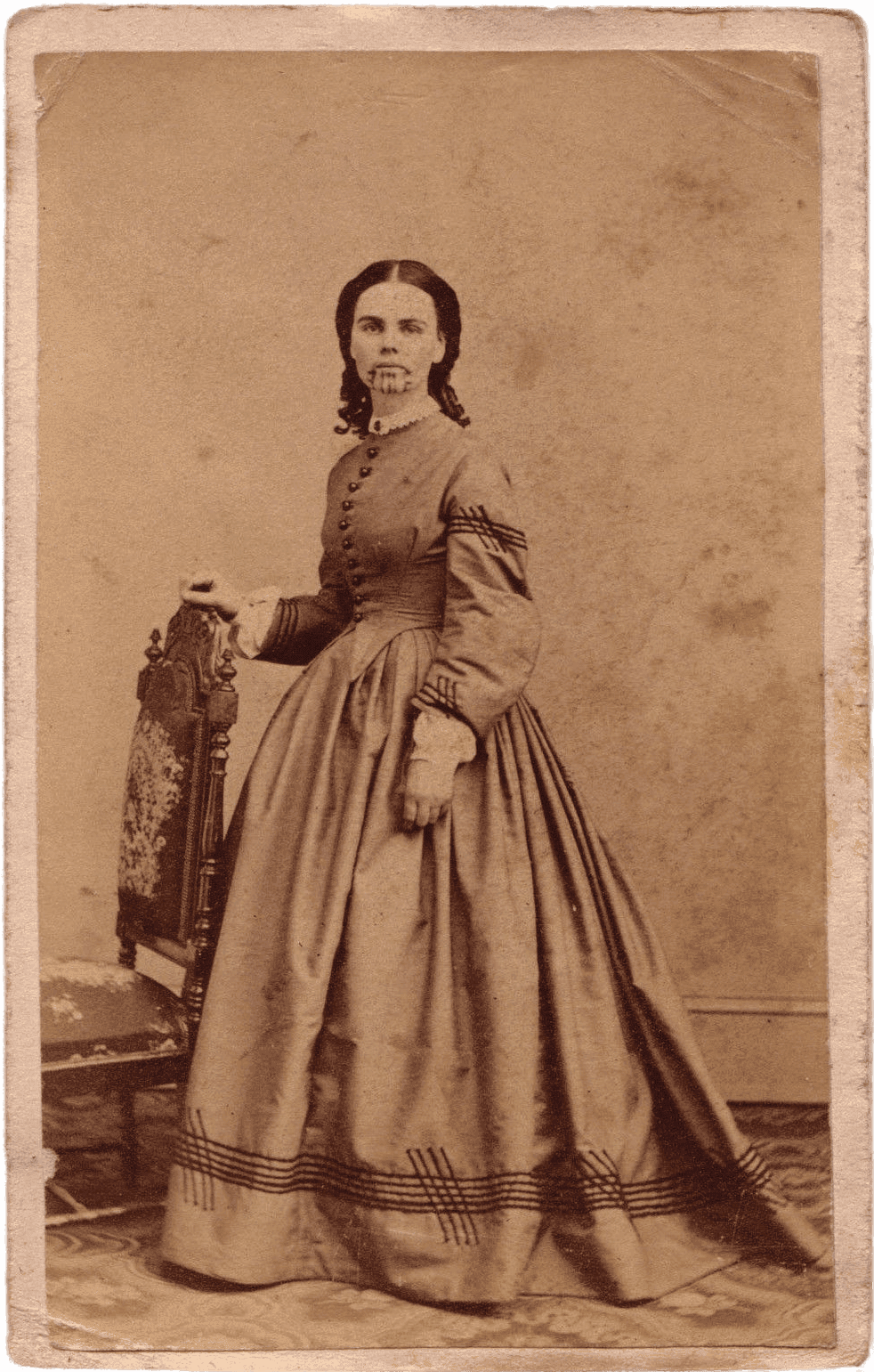
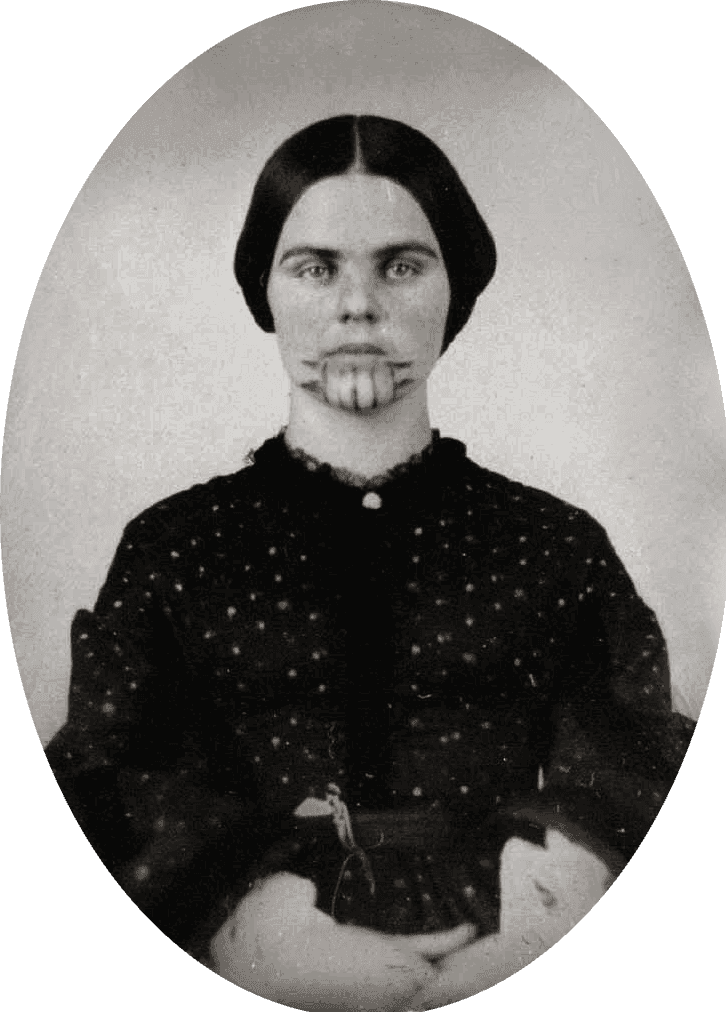
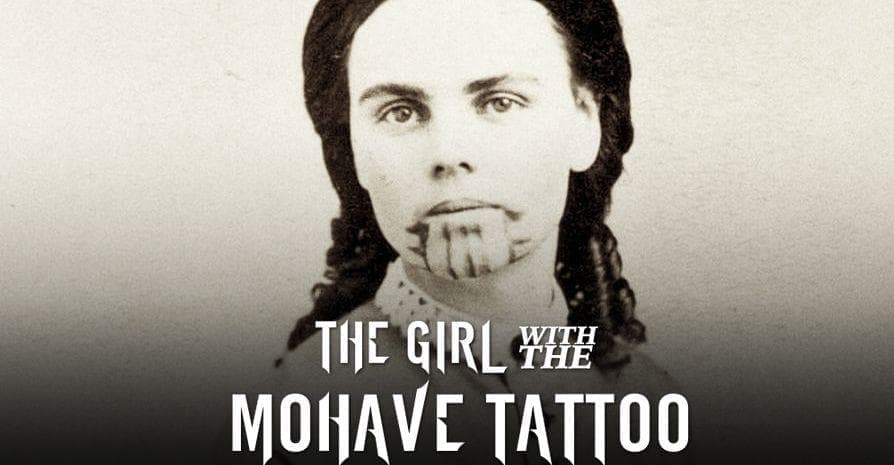
In 1856, a 19-year-old girl named Olive Oatman caused a big stir in Arizona. The daughter of white settlers who were murdered on their way to California, she emerged from years of being a captive of the Mohave tribe with a striking and distinctive blue tattoo on her chin. So who was Olive Oatman, and how did she come to live with the Mohave? Her story is one of extreme tragedy that also captures the incredible strength of the human spirit. The American public was fascinated by Olivia Oatman, and the stories of her time as a captive continue to spark interest to this day. Her journey from desert pioneer to orphaned Native American captive left lasting marks on her that went much deeper than a tattoo; it was said that she carried around a Mohave staple, a jar of hazelnuts, for the rest of her life to remind her of her experiences.

Entries
12
Votes
0
Updated
yesterday

Tap upor downto vote. Your vote is added to Ranker's counts.

Voting identifies your browser with an anonymous fingerprint, stored only as a salted hash, to count one per visitor. Privacy

Source: Ranker, ranked by its voters.

  1. 1

    At The Time, The Desert Was A Place Of Extreme Conflict Between Settlers And Native Americans
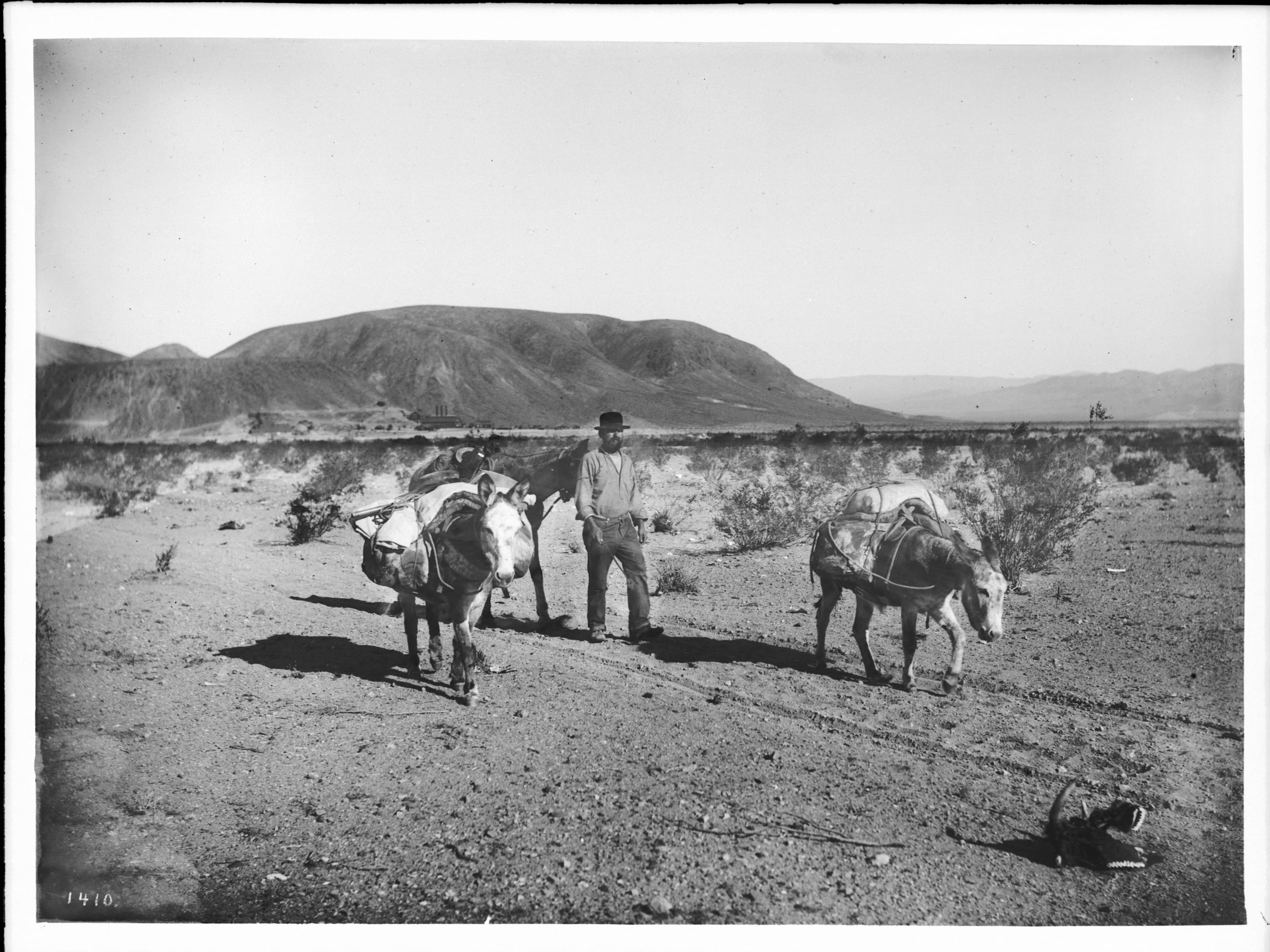
    In the days of the Oregon Trail, travelers headed West were exposed to serious danger, but many of them packed up and left the East anyway. Along with the enticing Gold Rush, there was another promise drawing settlers across the continent: the Mormon holy lands in Utah and California. With so many white travelers crossing through Native American tribal lands in the plains and desert, it was only a matter of time before conflicts started to arise. There were numerous reports of settlers clashing with natives, usually over issues stemming from lack of resources in a part of the country where water and food was already scarce.

    0% upvoted
  2. 2

    Most Of Olive's Family Were Killed In A Raid

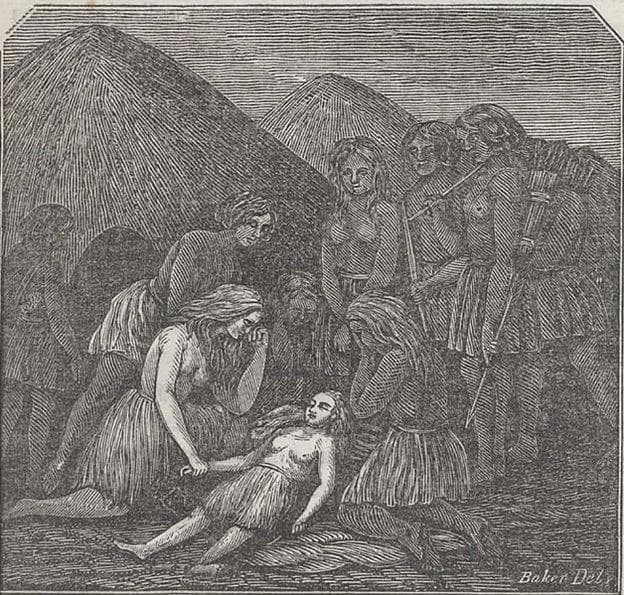
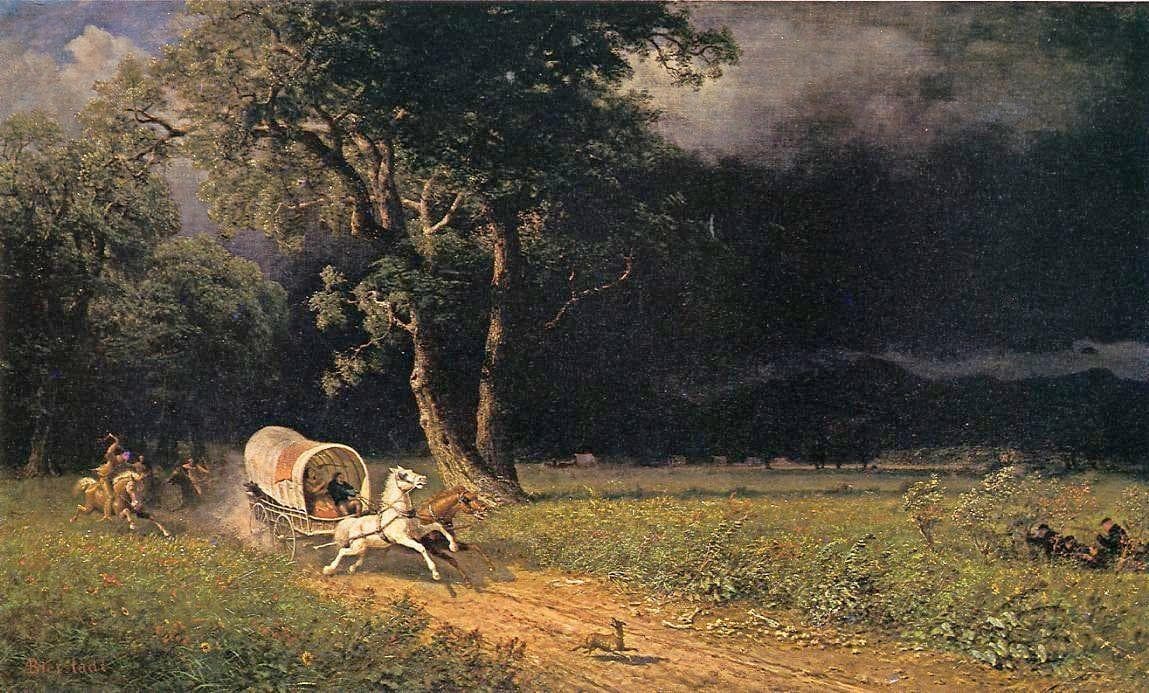
    In 1850, the Oatman family—Royce, Mary, and their seven children—were making their way from Illinois to Missouri to join up with fellow Mormons. They were members of a branch of the Mormon faith called Brewsterites, who believed that the true Mormon gathering place was in California rather than Utah. While on the extremely dangerous Westward trail in Arizona, they were separated from the other families traveling with them and attacked. A group of Native Americans slaughtered the Oatman family, killing both parents and four of the seven children. Olive's 15-year-old brother Lorenzo was wounded and left for dead, while she and her sister Mary Ann managed to survive mostly unharmed.

    0% upvoted
  3. 3

    Olive Oatman And Her Younger Sister Were Kidnapped By The Yavapai

    Although Olive initially identified her kidnappers as Apaches, it is much more likely that the tribe was one of the Yavapai sub-groups. Historians have used clues like how much and how far they traveled as well as what they ate to determine their course, but it's unlikely that the name of the tribe made any difference to 14-year-old Olive and seven-year-old Mary Ann at the time. After the sisters were taken away, they spent a full year living as slaves among the Yavapai.

    0% upvoted
  4. 4

    They Were Traded To The Mohave Tribe, Where They Were Given Their Tattoos

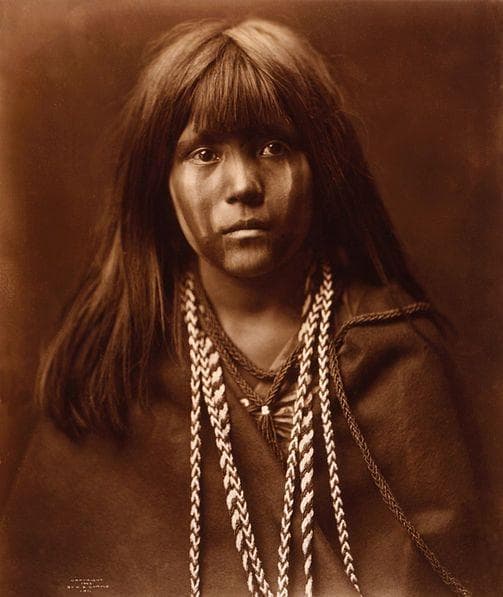
    After a year as slaves, Olive and Mary Ann were traded to the Mohaves. They lived a much better life with their new captors, not as slaves but more like adopted tribal members. That's where Olive received the tattoo that she would carry for the rest of her life. Some claim that the tattoos marked them as slaves, but in reality, tattooing of this nature was a Mohave tradition and it may have been done to the girls to signify their membership in the tribe.

    0% upvoted
  5. 5

    Olive And Mary Ann Had Opportunities To Escape, But Didn't

    The two girls seem to have assimilated well among the Mohave, blending in with their new adopted family and forming strong bonds with their new mother and sister. They were treated far better than they were with the Yavapai, and were no longer used as slaves. When a group of around 200 white surveyors came and spent a week with the Mohave, they had many chances to reveal their identities and escape back to white settlements, but they didn't. Some believe that they remained silent because they thought the new family they had had grown accustomed to was all they had left in the world.

    0% upvoted
  6. 6

    Mary Ann Died While In Captivity With The Mohaves

    Although the two girls lived a relatively comfortable life with the Mohaves, the desert was never without its dangers. In 1855, a drought swept through the region. The resulting famine took the lives of many Mohaves and Mary Ann. Sho would have been around 10 years old.

    0% upvoted
  7. 7

    Olive Was Rescued In A Trade And Released Back Into Settler Life

    Soon after Mary Ann passed away, there were rumors that a white girl was living among the Mohave. Once word got out, the white settlers tried to get Olive back by negotiating a trade with the tribe. The tribe wanted to keep her and Olive wanted to stay, but eventually the Mohave gave in to their fear of the US government and negotiated. The government got Olive as well as her adopted Mohave sister Topeka in exchange for some blankets, beads, and a horse. Olive cried as she parted ways at Fort Yuma with the only sister she had left.

    0% upvoted
  8. 8

    Olive Eventually Reunited With Her Brother

    The 15-year-old Lorenzo may have been left for dead back in 1850, but he somehow survived the attack on his family with a nasty head wound. He eventually made it back to the other families that had stayed behind at the village of Maricopa Wells. The fellow settlers helped him return to the scene of the attack, and they gave his family as close to a proper burial as they could. Lorenzo never stopped looking for Olive and Mary Ann, and when Olive was released in 1856, the two siblings were finally reunited. They met up in the nearby town of Fort Yuma, and the event made it to the national headlines. They moved to Oregon soon afterward and lived together until Olive met and married a Texas rancher.

    0% upvoted
  9. 9

    A Book Was Published About Her Life In Captivity, Which Paid For Olive And Lorenzo's Education

    When she was released by the Mohave, Olive became a celebrity. Everyone wanted to know her story and how she had survived her years among the Native Americans. An author named Royal B. Stratton wrote a book about her and Mary Ann's experience titled Life Among the Indians. It made enough money to pay for Olive and Lorenzo's education, and Olive went on tour, lecturing about her experience to promote the book. She met her eventual husband, John Brant Fairchild, while on tour.

    0% upvoted
  10. 10

    Her Family Were Reburied Several Times Before Being Given An Official Site And Marker

    Although Lorenzo Oatman was able to double back after the raid and bury the bodies of his family, they were moved years later. Some historians believe that they were buried a total of three times. Oddly enough, when researchers discovered the graves they found one extra body, an unknown male that has not been identified.

    0% upvoted