Skip to content
maxnews
Rankings

'The Extractor' Was A Painful Miracle Of Medieval Medicine That Saved A Prince's Life

John Bradmore isn't a familiar name to most people, but he accomplished the seemingly impossible in 1403 CE. As the court physician to King Henry IV of England, Bradmore was sent to treat the monarch's son, the future Henry V, after the latter was injured at the Battle of Shrewsbury. Bradmore developed a new medical instrument to extract part of an arrow from Henry's face. The story of how Bradmore crafted the device (and then drove it into Henry's head) is a fascinating glimpse into medieval medicine as well as a reflection of the multifaceted talents of surgeons during the Middle Ages. What Bradmore came up with was innovative and likely altered the trajectory of English history.

Entries
5
Votes
0
Updated
yesterday

Tap upor downto vote. Your vote is added to Ranker's counts.

Voting identifies your browser with an anonymous fingerprint, stored only as a salted hash, to count one per visitor. Privacy

Source: Ranker, ranked by its voters.

  1. 1

    Henry, Prince of Wales, Was Wounded By An Arrow At The Battle of Shrewsbury
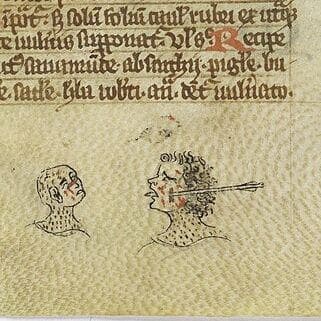
    On the morning of July 21, 1403 CE, King Henry IV of England and members of the noble Northumbrian Percy family sent intermediaries back and forth to try to reach terms. As forces led by both men readied themselves for battle near Shrewsbury, it became clear that the monarch and the rebels would not avoid a fight. Henry “Harry Hotspur” Percy led the rebel troops, while King Henry IV and his 16-year-old son, Prince Henry of Wales, commanded royal forces. The battle started late in the afternoon and was notable for the first use of English longbowmen fighting one another on English soil. By the end of the day, Hotspur was dead, and King Henry IV's position as monarch was secure. Prince Henry, however, had been struck in the face by an arrow. According to sources, The Prince, then fighting his first battle, was shot in the face by an arrow: boy though he was, he did not falter, but with courage beyond his years, disregarding his wounds, cheered on his troops to vengeance.
    0% upvoted
  2. 2

    John Bradmore Treated Prince Henry Several Days After The Battle

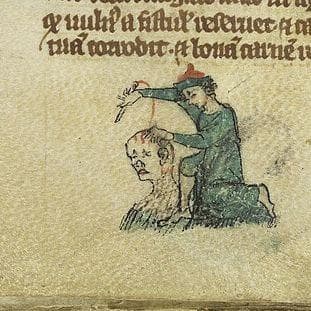
    It's not entirely clear when London surgeon John Bradmore first came to King Henry IV's attention, but around 1399 CE, he likely treated the monarch's pavilioner, William Wyncelowe, for an abdominal wound. Wyncelowe had tried to take his own life, ruptured his intestines in the process, and Bradmore spent 80 days nursing him to health. By the time Bradmore arrived at Kenilworth Castle, where Prince Henry had been taken, the arrow wound in his head been open for days. In Bradmore's account from Philomena, his medical treatise, he wrote about what happened before he arrived: [Prince Henry was] struck in the face with an arrow beside the nose on the left side. This arrow penetrated from the side, and the head of the arrow, after the shaft was extracted, stood firm in the back part of the bone of the head six inches deep… Diverse, skilled healers came to this castle, saying that they wanted to extract the head of the arrow with portions and other cures, but they failed. Bradmore then assessed the wound and started treating the future king: At the start I used small tents to probe the wound: made from the pith of an older elder, as long as the wound was deep, dried out and tightly sewn into a clean linen cloth. These tents were saturated in rose-infused honey. Afterwards I made the tents larger and longer and thus continued, ever enlarging these tents until I had a width and depth of the wound that pleased me.

    0% upvoted
  3. 3

    Once Prince Henry's Wound Was Open, Bradmore Inserted His Newly Crafted Tool

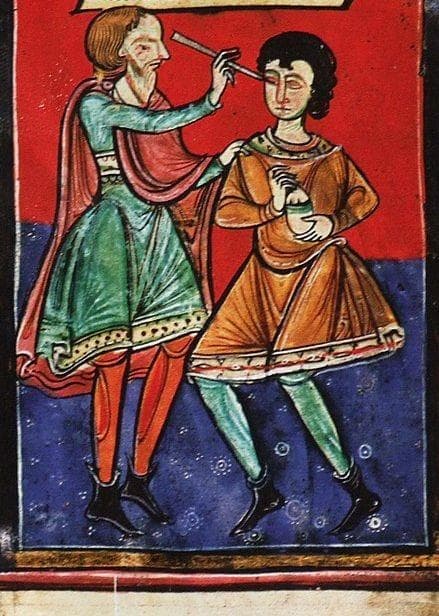
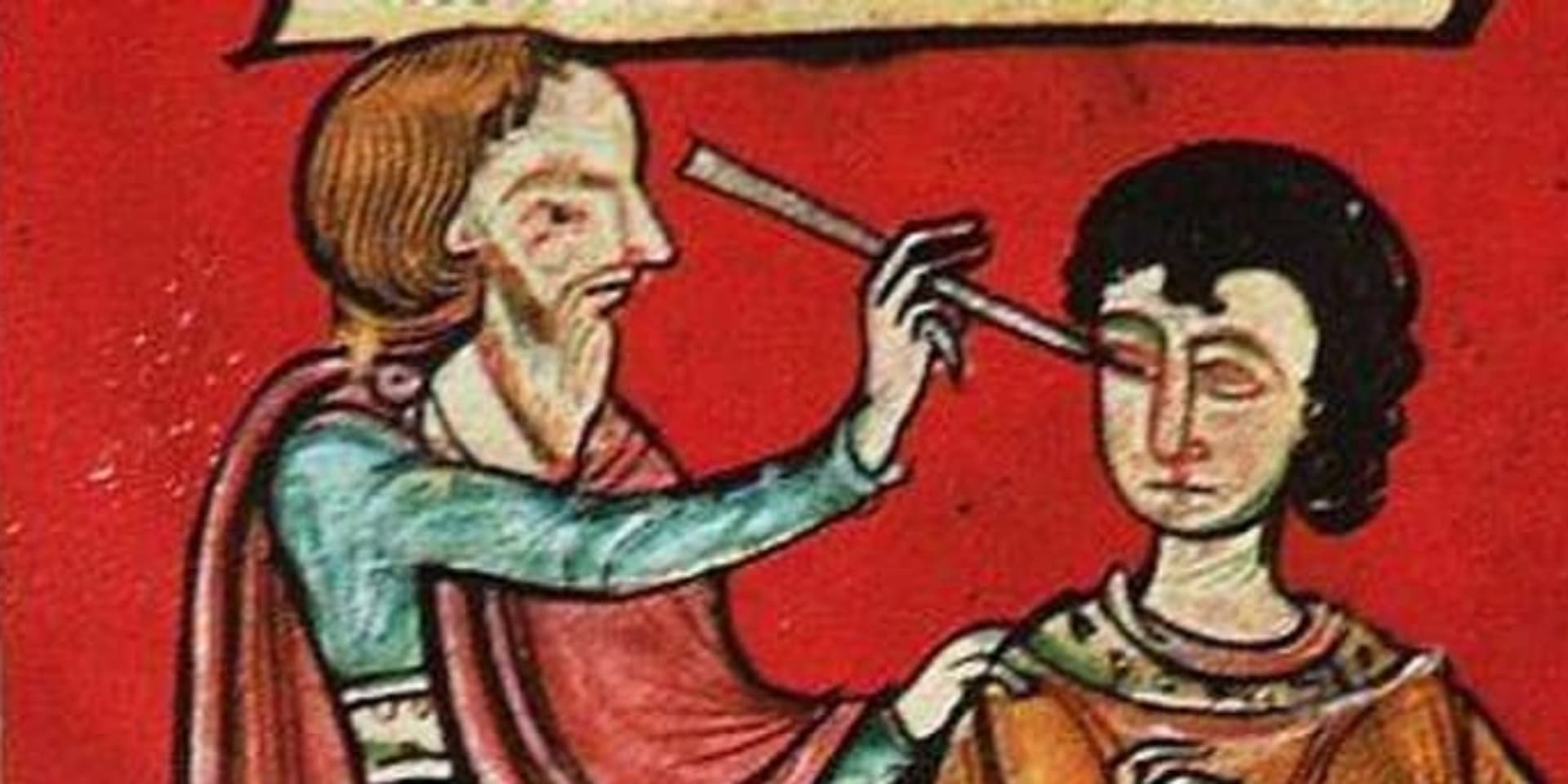
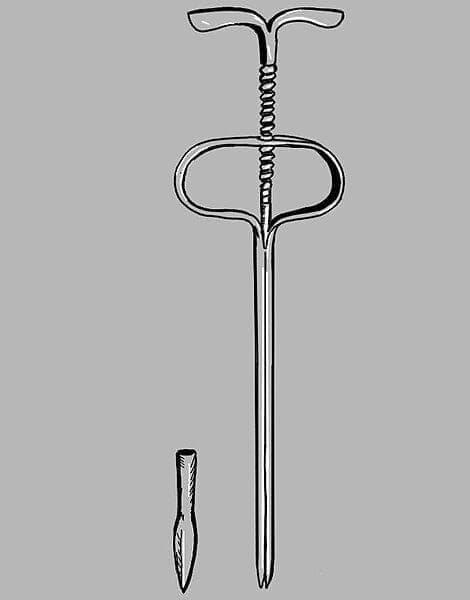
    Widening the wound in Prince Henry's face was necessary for Bradmore to extract the arrow firmly lodged in the bone. Bradmore had to invent a tool to insert into the hole in Henry's face and extract the arrowhead. He explained in Philomena, After the wound had become so dilated and so deep that in my mind I was certain the tents had reached the bottom, I prepared new tongs, small and hollow, the size of an arrow, and a screw that passed through the middle of the tongs. The end of the tongs were threaded inside and out; likewise the end of the screw that passed through the middle of them was threaded around in the manner of a screw so that it held better and more strongly. Once the tongs were in position (having followed the “path of the arrow's penetration"), he ”inserted the screw in the middle." After that, The tongs entered the socket of the arrowhead. Then, wiggling it to and fro, little by little - with the aid of God - I extracted the arrowhead. Honey was an antiseptic and was often used for medicinal purposes during the Middle Ages.

    0% upvoted
  4. 4

    The Gaping Wound In Prince Henry's Head Was Vulnerable To Infection So Bradmore Had To Keep It Clean

    The men watching John Bradmore remove the arrowhead from Prince Henry's head were relieved by what the surgeon accomplished, but it was essential for the wound to stay clean to ensure Henry V's survival. Bradmore was aware of this and, using white wine, “cleansed the wound and put in new tents of flax fibers saturated in a cleanser." Bradmore's medical treatise is very descriptive in describing the concoction he used: Take white breadcrumbs and boil in clean water and strain through a cloth. Then take a sufficient amount of barley flour and honey and boil it all over a slow fire until it has thickened. Afterward add sufficient terebenthine, and the cleaning ointment is created. By applying flax fibers “saturated in the ointment” every two days, remained clear of infection for 20 days. Then, additional ointments were used to stimulate flesh and prevent any spasms that could disrupt healing.

    0% upvoted
  5. 5

    Bradmore's Treatment Of Prince Henry Was Successful But One Key Question Remains Unanswered

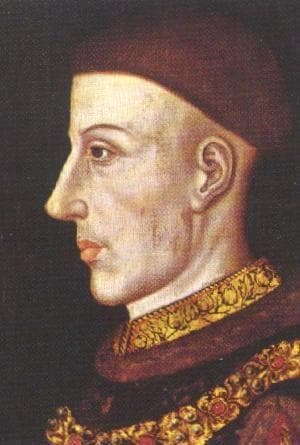
    It remains unclear if Bradmore was referring to Henry's right or his own right, something that has been speculated upon for centuries. One clue could be the lack of paintings of Henry that show his right side, thought to be because he may have had a scar. Regardless of what side of his face is shown in paintings and other artwork, however, there's rarely much - if any - notion of a scar. There were observers who called Henry's likely scar a “marke of his manhood” as they associated it with heroism and maturity alike. William Shakespeare has Henry V apologize for the “poor and untempering effect of my visage” in Henry V. The play also includes Henry stating, When I come to woo the ladies, I fright them.

    0% upvoted