Skip to content
maxnews
Books & Publications

The Best Science-Fiction Authors Of All Time

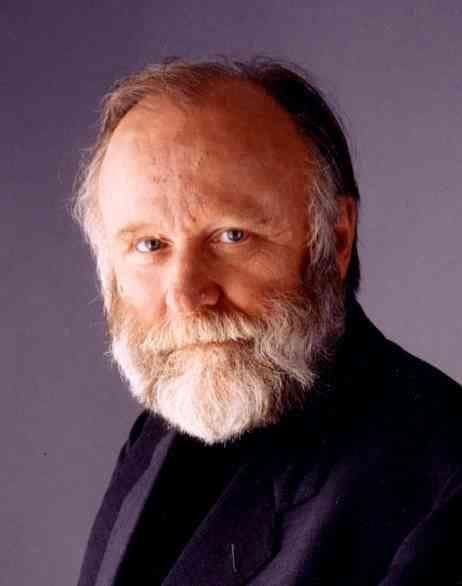
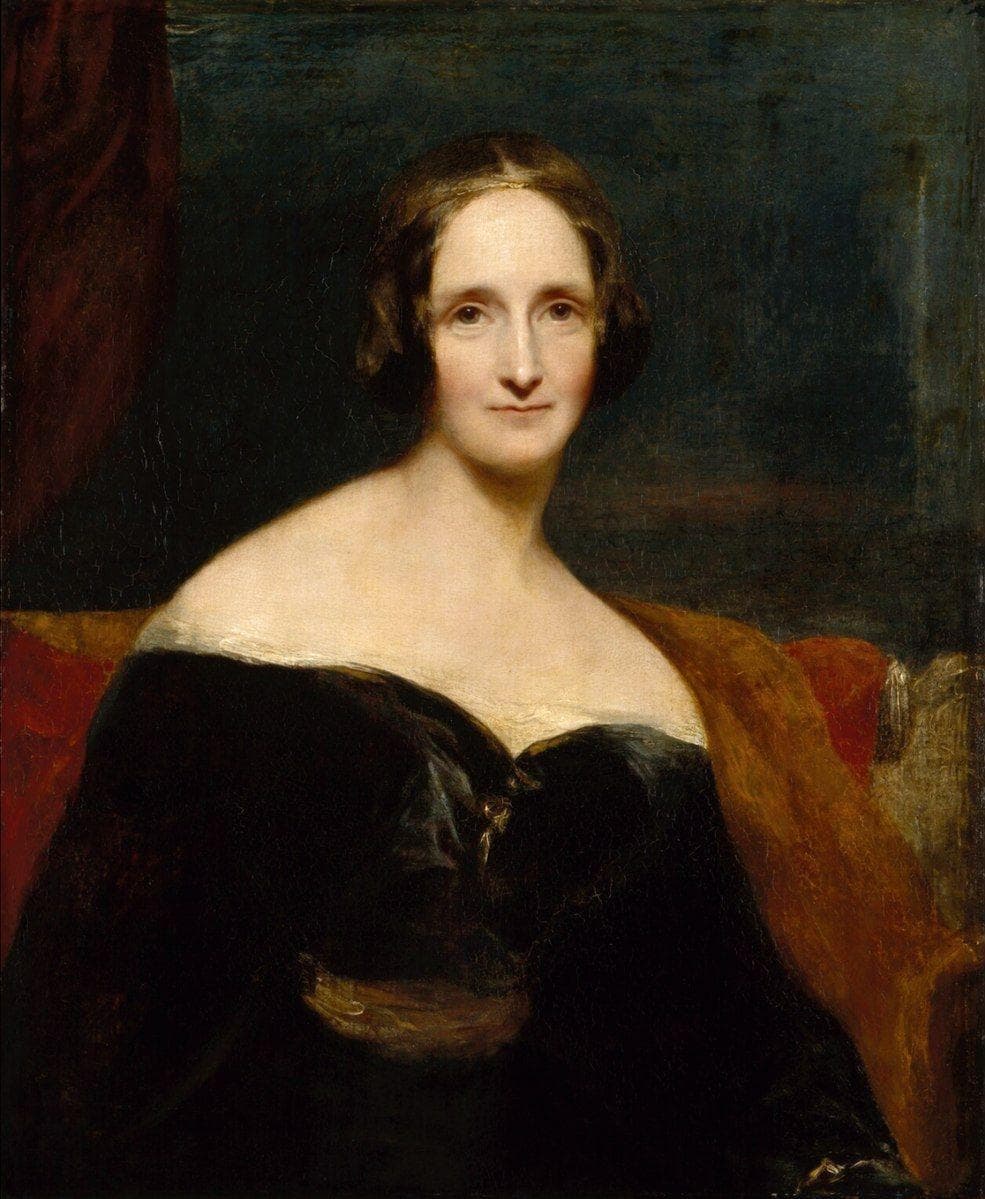
Science fiction literature offers readers a glimpse into alternate realities, distant futures, and technological wonders that stretch the boundaries of what's possible. The most influential science fiction authors have not only entertained millions with their imaginative tales but have also predicted technological innovations, sparked scientific advancement, and posed profound questions about humanity's place in the universe. Get ready to explore the minds that have given us incredible worlds, advanced technologies, and thoughtful reflections on humanity’s future. This list is about the greatest science fiction authors of all time. These writers have pushed the boundaries of imagination, crafting tales that not only entertain but also challenge our understanding of reality itself. Take Isaac Asimov, whose works like Foundation and I, Robot have become cornerstones of the sci-fi genre, influencing countless others with their intricate plots and philosophical questions about artificial intelligence and human destiny. Then there's George Orwell, whose dystopian masterpiece 1984 continues to resonate as a chilling projection of authoritarianism and surveillance. And who could forget Arthur C. Clarke, the visionary mind behind 2001: A Space Odyssey, a novel that expanded our wonder about space exploration and contact with extraterrestrial intelligence. Each of these authors has left an indelible mark on the genre, transforming how we think about the future. Their works continue to be adapted into films, television series, and video games, introducing new audiences to classic stories of space exploration, dystopian societies, and technological revolution. As science advances and society evolves, the prophetic insights offered by science fiction's greatest minds become increasingly relevant, making their contributions to literature more valuable than ever. Now it's your chance to contribute. Scroll through our list and vote for your favorite sci-fi authors. Your choices will help determine who truly stands out as the titans of science fiction writing. Whether you admire Asimov's groundbreaking ideas, Orwell's haunting predictions, or Clarke's profound sense of wonder, your vote is essential in celebrating the best science fiction authors of all time. So crack open a book, get lost in otherworldly adventures, and let's find out which author tops the list. FAQ • Who is considered the father of science fiction? While Jules Verne and H.G. Wells are often called the "fathers of science fiction," Mary Shelley's Frankenstein (1818) is widely regarded as the first true science fiction novel. Verne pioneered scientifically plausible adventure stories, while Wells introduced social commentary. The title varies depending on whether one emphasizes scientific accuracy, social themes, or the genre's formative works. • What are the major subgenres of science fiction literature? Science fiction encompasses numerous subgenres, including hard science fiction (scientifically rigorous works like those by Arthur C. Clarke), soft science fiction (focusing on social sciences, like Ursula K. Le Guin's works), cyberpunk (William Gibson's tech-noir futures), space opera (epic adventures like Frank Herbert's Dune), dystopian fiction (cautionary tales like Ray Bradbury's Fahrenheit 451), and military sci-fi (combat-focused stories like Robert Heinlein's Starship Troopers). • How have science fiction authors influenced real-world technology? Science fiction authors have profoundly influenced technology development. Arthur C. Clarke conceived geostationary satellites decades before their creation. Isaac Asimov's Three Laws of Robotics guide modern AI ethics. William Gibson's "cyberspace" concept inspired internet developers. Neal Stephenson's Snow Crash influenced virtual world creators. Engineers at companies like NASA, Google, and Apple regularly cite science fiction as inspiration for innovations, creating a feedback loop between imaginative fiction and technological reality.

Entries
165
Votes
175.7K
Updated
21 hours ago

Tap upor downto vote. Your vote is added to Ranker's counts.

Voting identifies your browser with an anonymous fingerprint, stored only as a salted hash, to count one per visitor. Privacy

Source: Ranker, ranked by its voters.
  1. 1

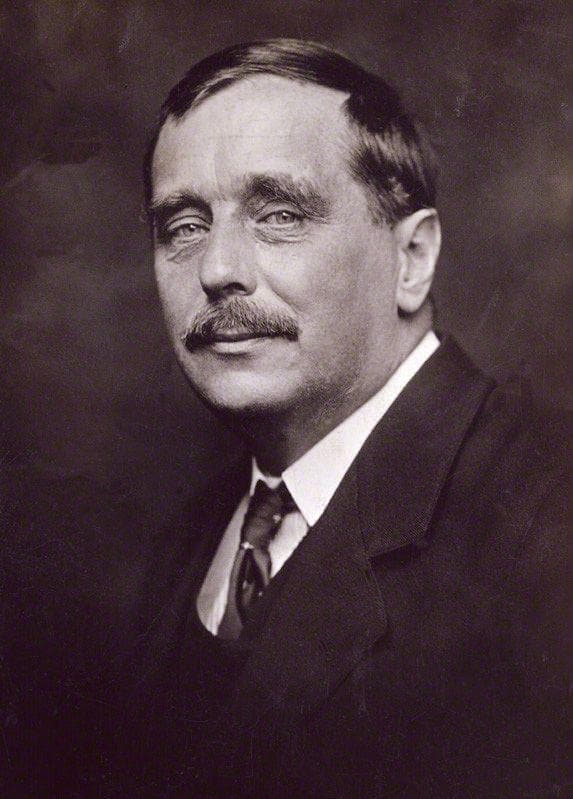
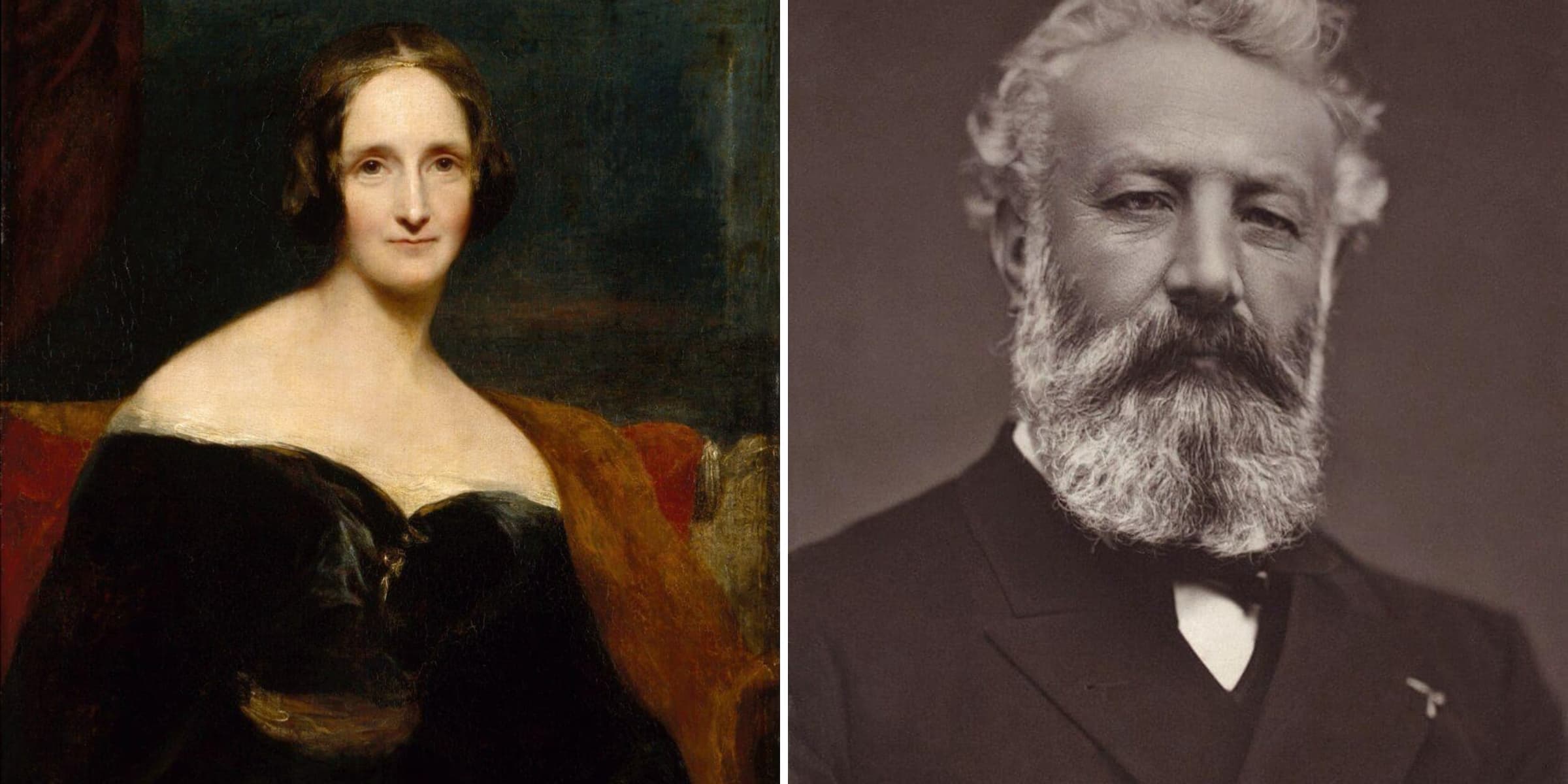
    H. G. Wells

    H.G. Wells was an English writer, often hailed as one of the "fathers of science fiction." His groundbreaking works, including The War of the Worlds, The Time Machine, and The Invisible Man, introduced readers to new scientific concepts and imaginative worlds. Wells combined thrilling narratives with social commentary, exploring themes of human evolution, technology, and societal structures. His predictions about future advancements and their potential consequences were remarkably prescient, earning him admiration beyond literary circles. With his keen insight and inventive storytelling, Wells' contributions to science fiction continue to resonate, establishing him as a towering figure in the genre's history.

    77% upvoted
  2. 2

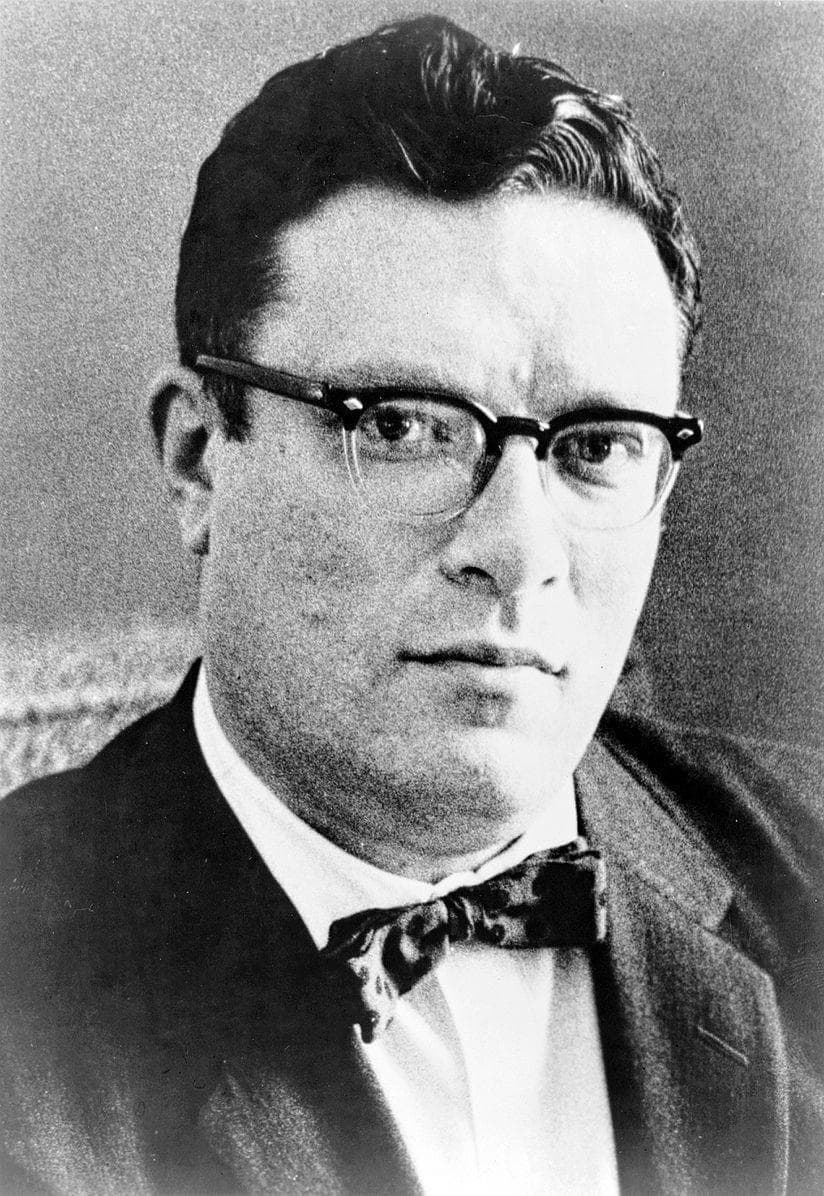
    Isaac Asimov

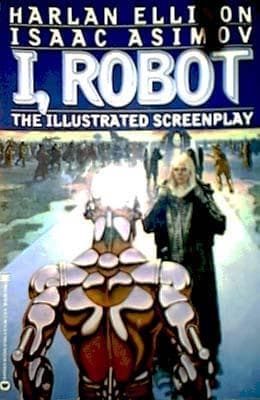
    Isaac Asimov was a prolific science fiction writer and biochemist, best known for his Foundation series and Robot series. His works are celebrated for their meticulous attention to detail, deep philosophical questions, and expansive world-building. Asimov's Three Laws of Robotics have become a cornerstone in discussions about artificial intelligence. Beyond fiction, he wrote extensively on popular science, making complex topics accessible to the general public. With over 500 books and numerous essays to his name, Asimov's influence stretches far beyond science fiction, cementing his legacy as one of the greatest minds in literature and science.

    77% upvoted
  3. 3

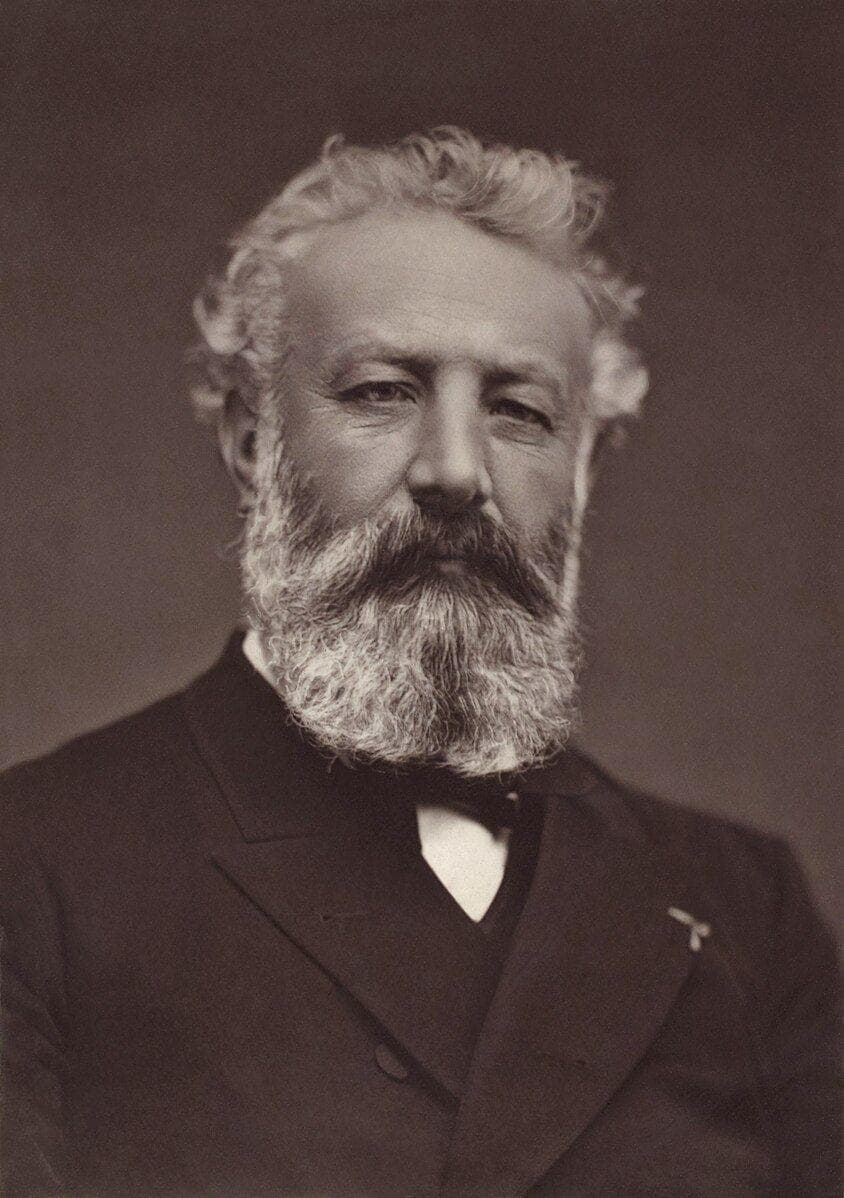
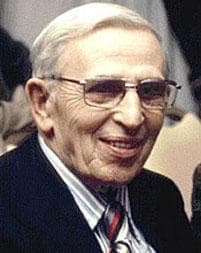
    Jules Verne

    Jules Verne was a pioneering French writer, widely regarded as a founding figure of science fiction. Famous for his adventurous and technologically imaginative novels, such as Twenty Thousand Leagues Under the Sea, Journey to the Center of the Earth, and Around the World in Eighty Days, Verne's works combined meticulous scientific research with fantastical storytelling. His visionary ideas about submarines, space travel, and airships were ahead of their time, captivating readers and inspiring future scientists and explorers. Verne's unique blend of education and entertainment has left a lasting legacy, making him a timeless icon in both literature and science fiction.
    77% upvoted
  4. 4

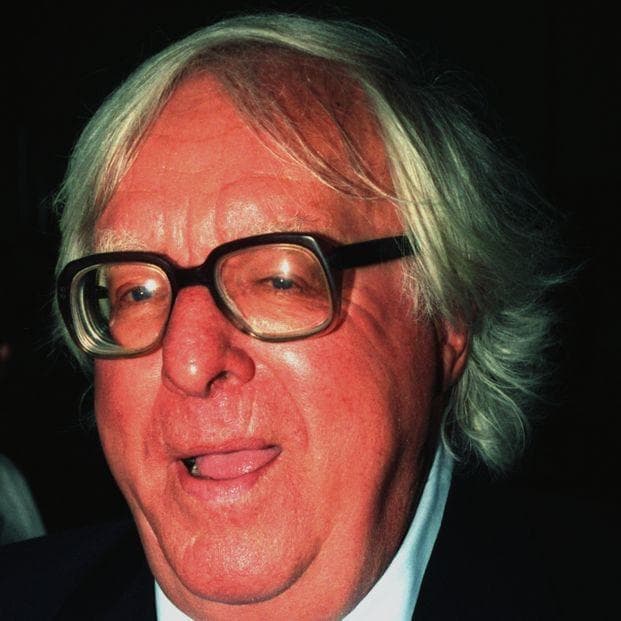
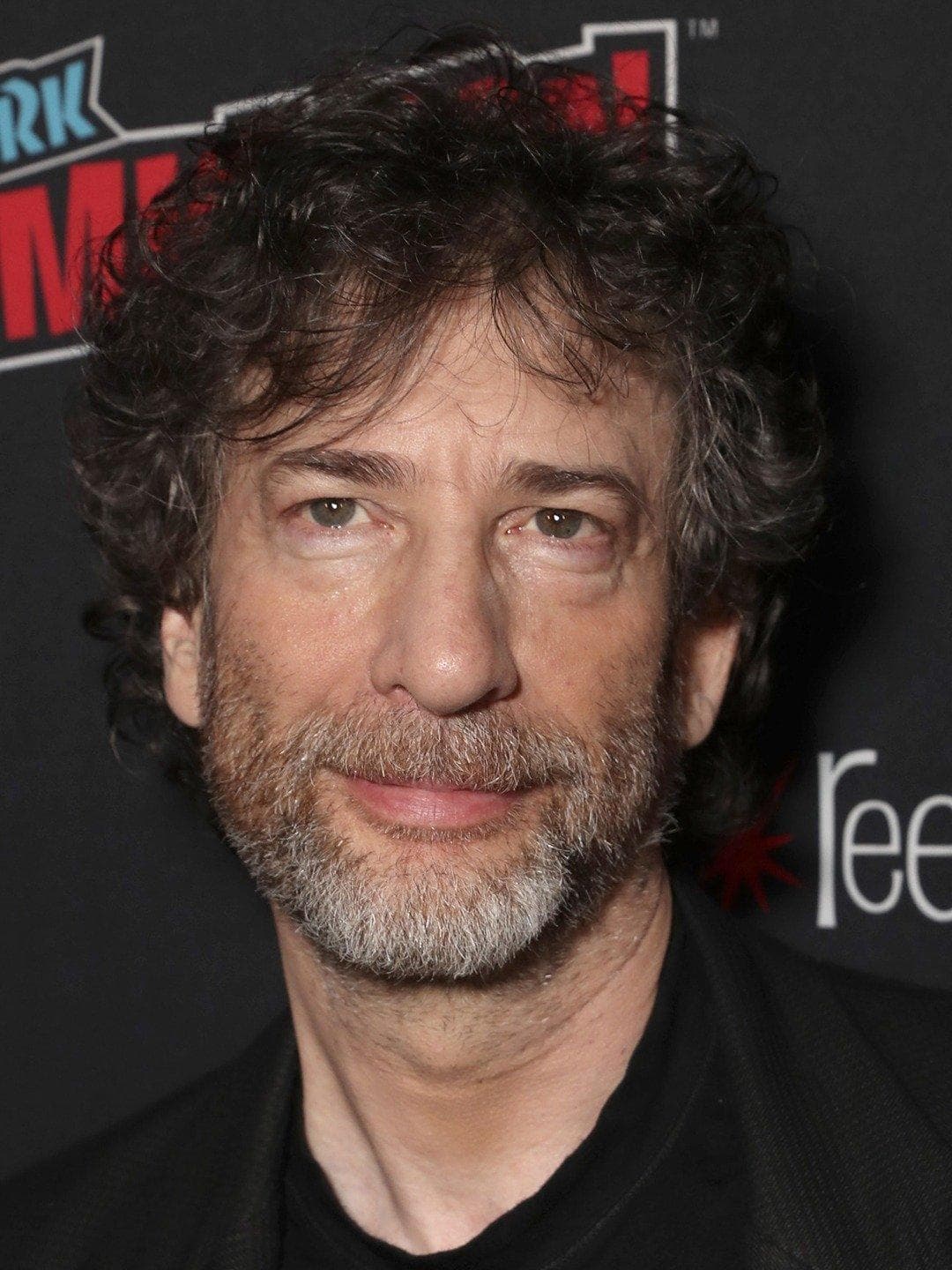
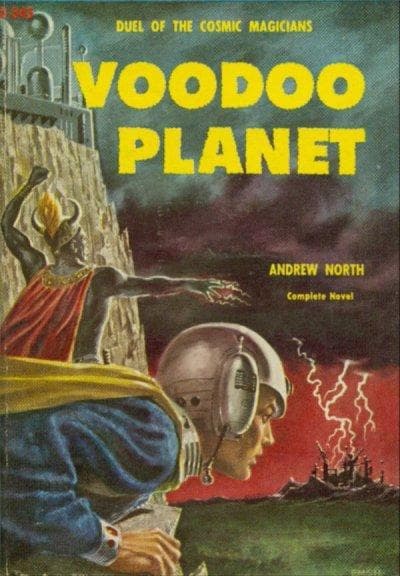
    Ray Bradbury

    Ray Bradbury was a masterful American author whose works transcended science fiction, touching on themes of human experience, imagination, and societal issues. Best known for his dystopian novel Fahrenheit 451, which explores the dangers of censorship, and The Martian Chronicles, a poetic reflection on colonization and human nature, Bradbury's writing is distinguished by its lyrical prose and profound depth. His stories often carried a nostalgic longing and a cautionary message about the future. Over his prolific career, Bradbury published hundreds of short stories, novels, and plays, leaving an indelible mark on literature and inspiring countless readers to dream and question.
    77% upvoted
  5. 5

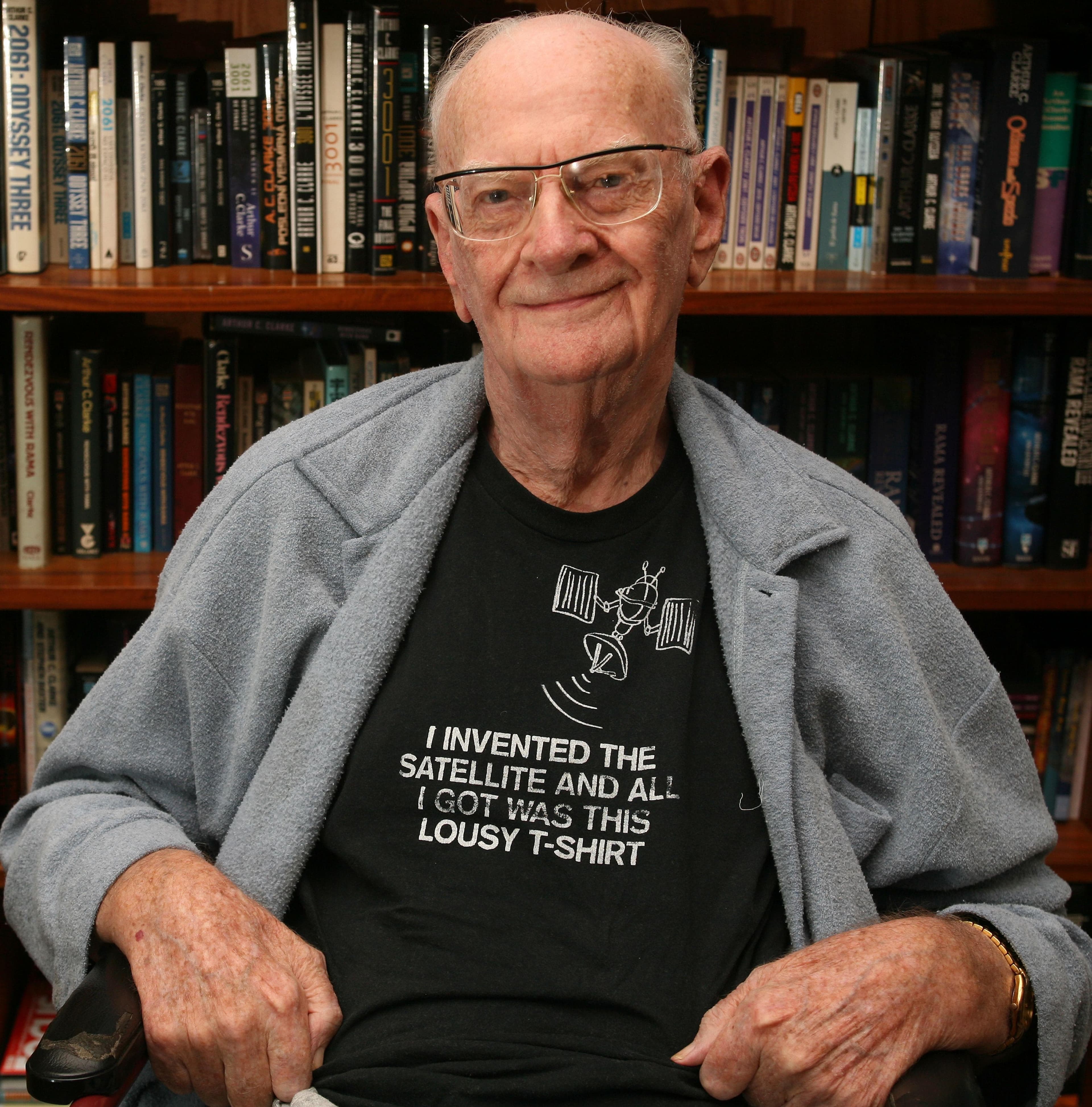
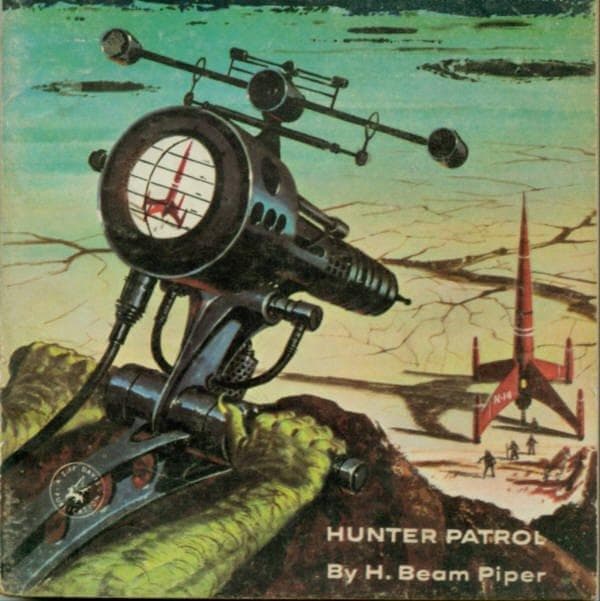
    Arthur C. Clarke

    Arthur C. Clarke was a British science fiction writer, futurist, and inventor, best known for his novel 2001: A Space Odyssey, and its subsequent film adaptation directed by Stanley Kubrick. His works often explored space exploration, advanced technology, and the future of humanity. Clarke's scientific precision and visionary ideas, such as the concept of geostationary satellites for telecommunications, earned him immense respect in both the literary and scientific communities. With numerous novels, short stories, and non-fiction works to his name, Clarke's influence remains profound, shaping the genre and inspiring generations to look to the stars with curiosity and wonder.
    77% upvoted
  6. 6

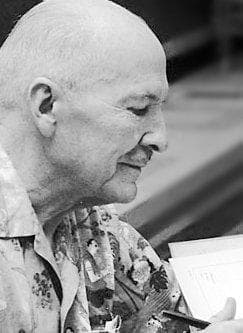
    Robert A. Heinlein

    Robert A. Heinlein was a pioneering American science fiction writer, often dubbed the "dean of science fiction writers." Known for his novel Starship Troopers and the groundbreaking Stranger in a Strange Land, Heinlein's work pushed the boundaries of the genre, tackling complex themes like individualism, sexuality, and social organization. His storytelling blended speculative science with compelling character studies, influencing both the literary world and pop culture. Heinlein's ideas about future technologies and societies were visionary, making him a foundational figure in science fiction. His extensive body of work continues to inspire and provoke thought among readers and writers alike.

    77% upvoted
  7. 7

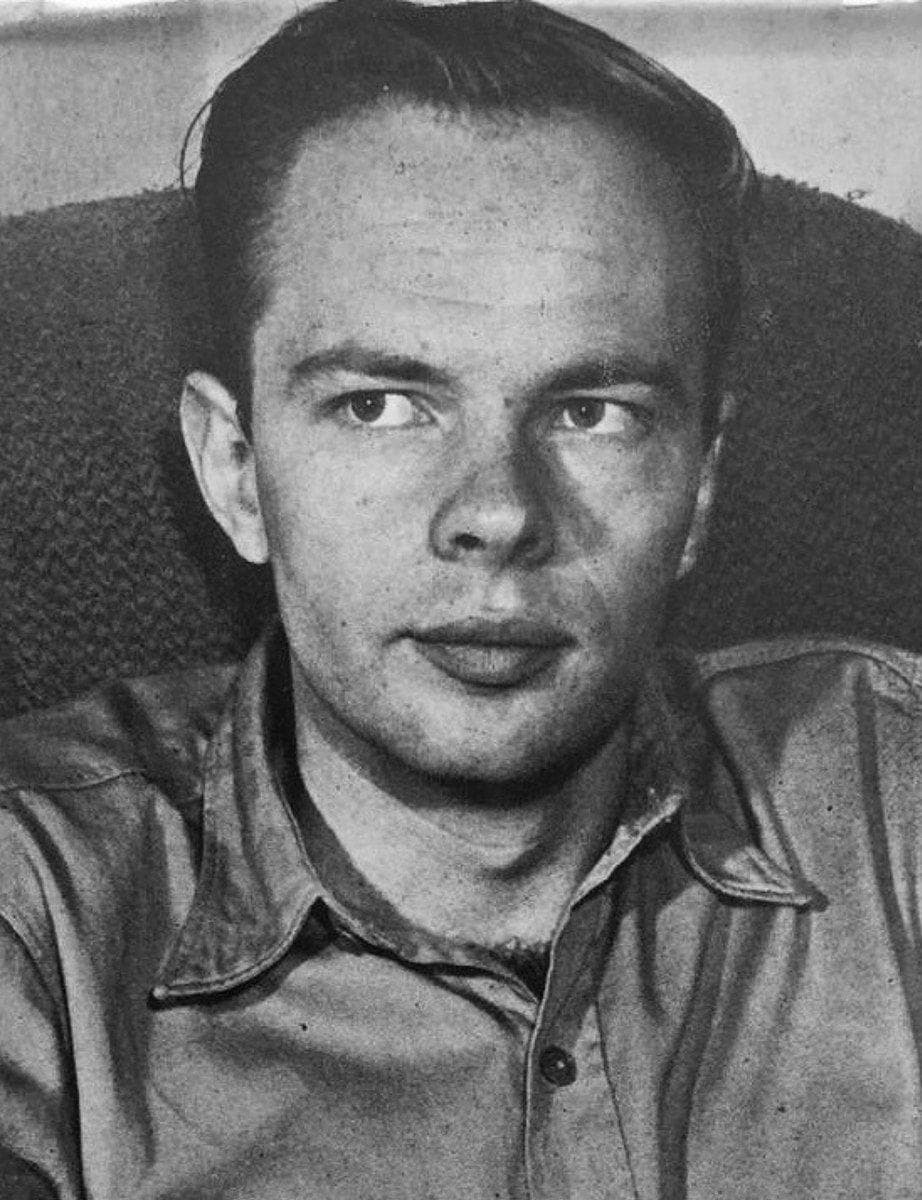
    Philip K. Dick

    Philip K. Dick was an American science fiction writer whose works explored themes of altered states, reality, and human perception. Best known for his novel Do Androids Dream of Electric Sheep?, which inspired the film Blade Runner, his stories often dealt with dystopian futures, corporate dominance, and existential questions. Dick's innovative narratives, like The Man in the High Castle and A Scanner Darkly, blurred the lines between reality and illusion, challenging readers' perceptions. His prolific output included 44 published novels and over 120 short stories. Dick’s unique vision and philosophical depth have made him a lasting influence in science fiction and popular culture.

    76% upvoted
  8. 8

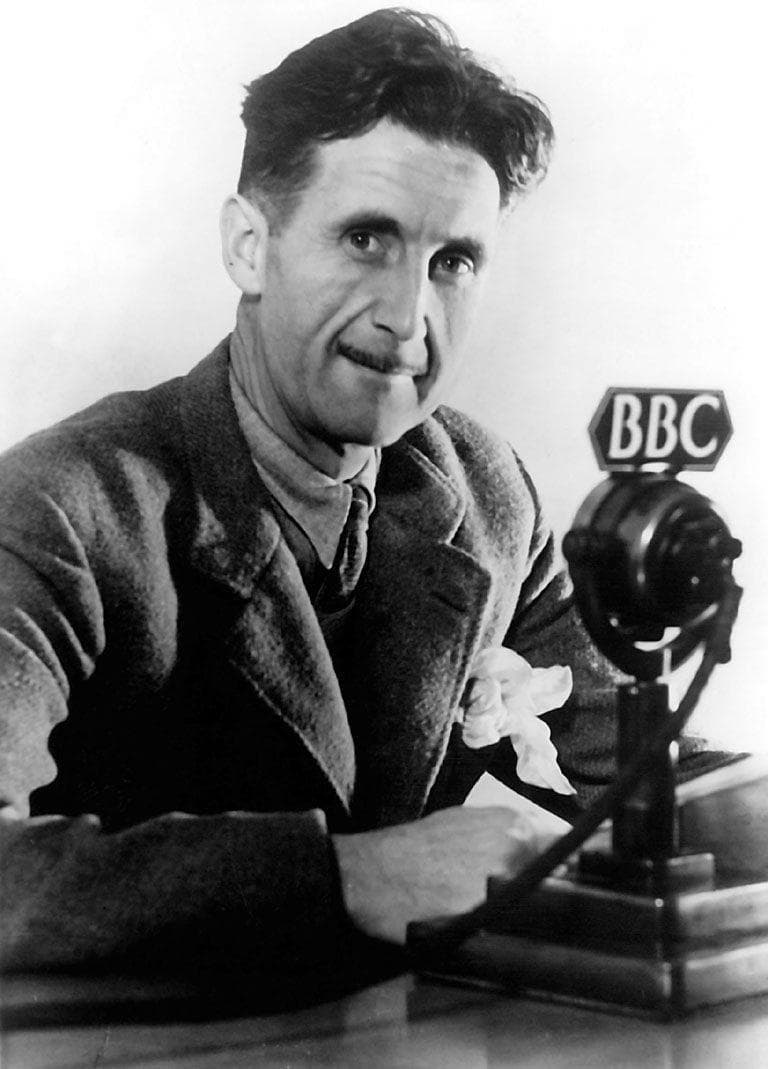
    George Orwell

    George Orwell, born Eric Arthur Blair, was an English writer known for his critical examinations of totalitarianism, social injustice, and political corruption. His seminal works, 1984 and Animal Farm, offer stark, dystopian views of oppressive regimes and the loss of individual freedoms. Orwell's clear, direct prose and keen insight into the mechanics of power and propaganda have solidified his position as a key figure in 20th-century literature. Beyond fiction, Orwell was also a prolific essayist, exploring themes of poverty, war, and politics. His thought-provoking narratives continue to resonate, serving as powerful warnings and reflections on contemporary society.

    75% upvoted
  9. 9

    Ursula K. Le Guin

    Ursula K. Le Guin was an American author renowned for her profound contributions to science fiction and fantasy. Her groundbreaking works, such as The Left Hand of Darkness and The Dispossessed, challenged conventional norms and explored themes of gender, politics, and social structures. Le Guin's storytelling was distinguished by its poetic prose, deep philosophical insights, and richly imaginative worlds. Her Earthsea series remains a beloved staple in fantasy literature. A winner of multiple Hugo and Nebula Awards, Le Guin's influence extends beyond genre boundaries, making her a pivotal figure in literature. Her works continue to inspire and provoke thought across generations.

    73% upvoted
  10. 10

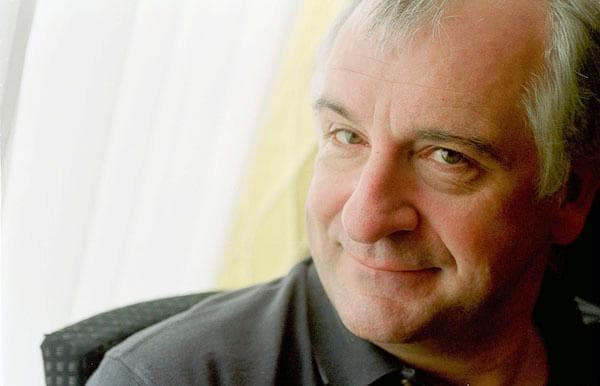
    Douglas Adams

    Douglas Adams was a British author and humorist best known for The Hitchhiker's Guide to the Galaxy series. Blending science fiction with satire, Adams' work follows the misadventures of Arthur Dent, who hitchhikes through space after Earth's destruction. Originally a radio series, Hitchhiker's evolved into novels, a TV series, and a film, captivating audiences with its wit and absurdity. Adams' unique comedic style and imaginative storytelling made complex scientific concepts accessible and entertaining. Beyond Hitchhiker's, he wrote Dirk Gently's Holistic Detective Agency, further showcasing his talent for combining humor with speculative fiction. Adams' work remains influential, celebrated for its cleverness and creativity.

    73% upvoted

65 more entries are on Ranker.