Skip to content
maxnews
Rankings

The Best Mike Flanagan Adaptations Of Stephen King Projects, Ranked By Fans

Mike Flanagan spent years proving that Stephen King books don't have to lose their emotional core when they jump from the page to the screen. Horror fans know that adapting King usually results in either unhinged camp or completely missed points, but Flanagan approaches the material with deep reverence for character psychology. He understands how King builds fear out of genuine human grief and personal guilt rather than cheap jump scares. From trapped lake houses to haunted Colorado hotels, the director treats the author's words like holy text while still finding clever ways to make the stories work visually. Readers who grew up dog-earing paperbacks finally found a filmmaker who values the weird, tender humanity tucked inside King's most terrifying nightmares. Every project in this creative partnership tackles a completely different corner of the author's massive back catalog. Whether turning an unfilmable psychological bedroom trap into a gripping survival story or squaring the circle between Stanley Kubrick and the novel sequel to The Shining, Flanagan consistently finds the right emotional angle. He isn't afraid to step away from straight horror either, translating quiet existential novellas into cosmic celebrations of human life. Even classic high school tragedies get modern updates under his direction to show how these stories stay relevant across decades. Horror fans and King devotees came together to vote on which of these screen interpretations hits the hardest, creating the definitive ranking of Flanagan's King catalog.

Entries
4
Votes
123
Updated
3 days ago

Tap upor downto vote. Your vote is added to Ranker's counts.

Voting identifies your browser with an anonymous fingerprint, stored only as a salted hash, to count one per visitor. Privacy

Source: Ranker, ranked by its voters.

  1. 1

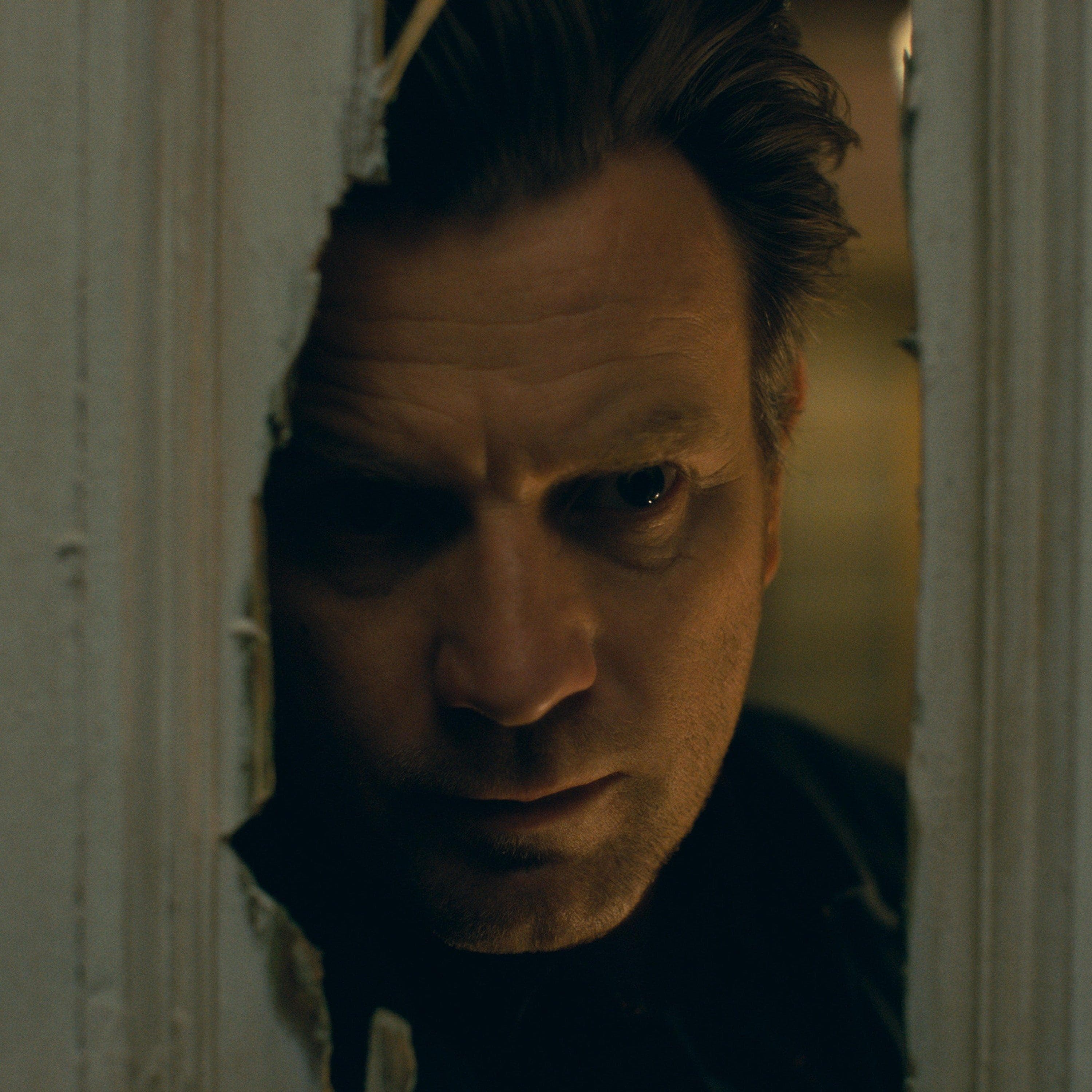
    Doctor Sleep

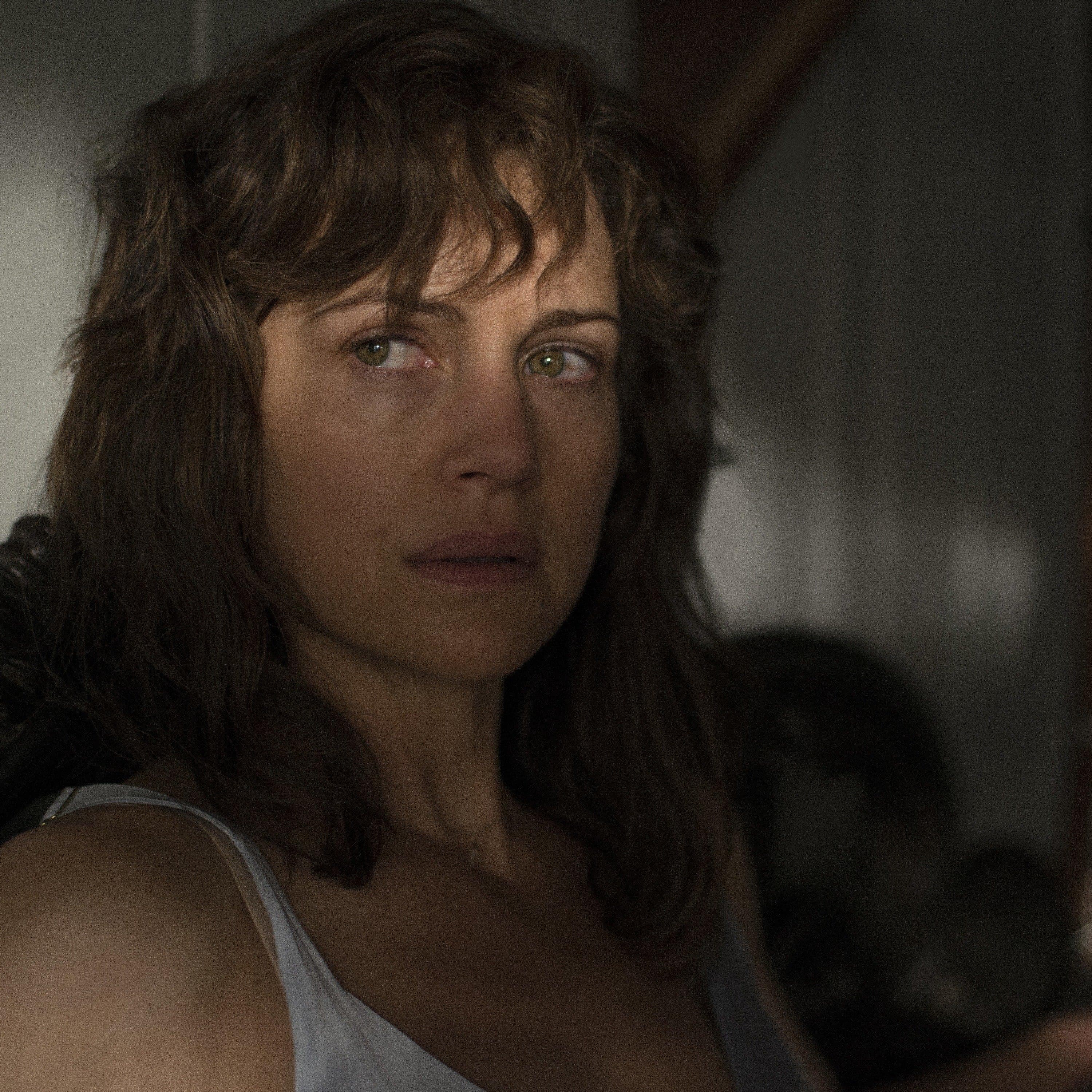
    Stephen King’s original work: Published in 2013, Doctor Sleep is the sequel to The Shining. Decades after the Overlook Hotel events, adult Dan Torrance struggles with alcoholism (mirroring his father Jack) while trying to suppress his psychic “shining.” He eventually finds sobriety through AA, settles in a New Hampshire town, and works at a hospice, using his abilities to comfort the dying (earning the nickname “Doctor Sleep”). He forms a psychic bond with Abra Stone, a young girl with an extraordinarily powerful shine. They are targeted by the True Knot, a nomadic group of quasi-immortal beings who feed on the “steam” (psychic essence) released when children with the shining are tortured and killed. Their leader is the charismatic, sadistic Rose the Hat. The story builds to a confrontation involving the True Knot and the remnants of the Overlook’s power. How Mike Flanagan adapted the story: Flanagan’s film deliberately bridges King’s novel and Stanley Kubrick’s 1980 film The Shining (which King disliked). He recreates iconic Kubrick imagery and sets while preserving the novel’s character arcs, especially Dan’s addiction and recovery. Key changes include keeping the Overlook standing (it was destroyed in the book), returning Dan and Abra there for the climax, and having Dan sacrifice himself to destroy the hotel and its ghosts, giving Dan a redemptive ending closer to what King originally wanted for Jack Torrance. Some supporting characters and plot threads (including certain uses of “infected steam”) are condensed or altered, and the True Knot’s violence is intensified. King approved of the hybrid approach.
    93% upvoted
  2. 2

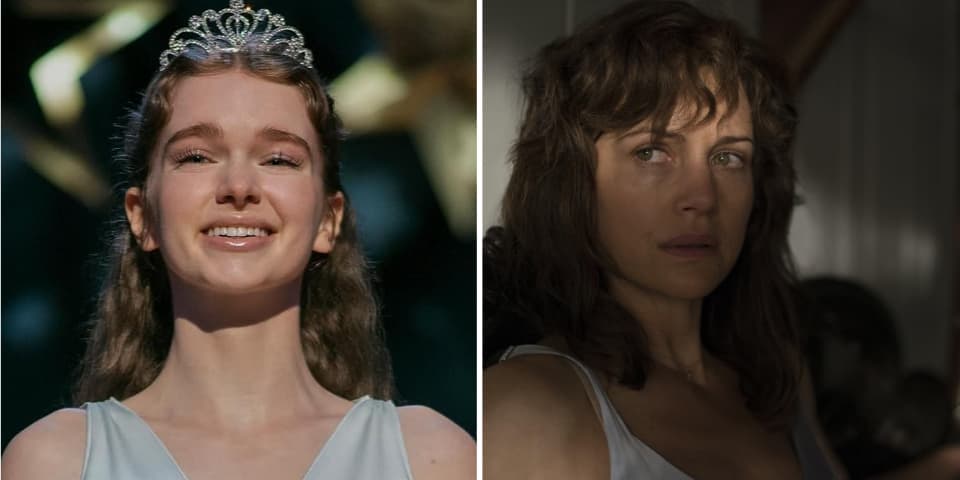
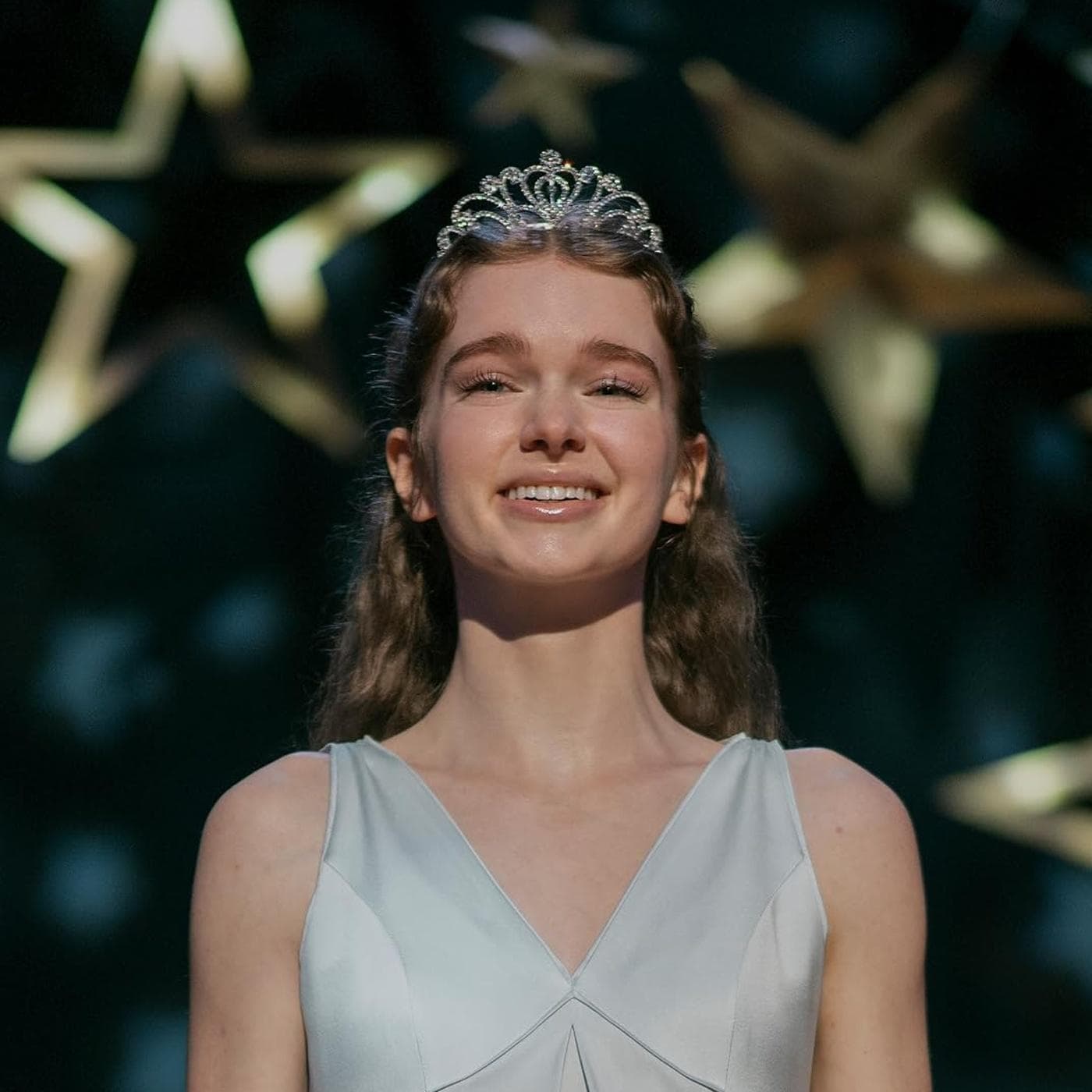
    Carrie

    Stephen King’s original work: King’s 1974 debut novel follows Carrie White, a socially isolated high-school girl in the small Maine town of Chamberlain. Raised by her violently religious, abusive mother Margaret, Carrie is bullied at school. After her first period in the gym shower (which she does not understand), the other girls (led by Chris Hargensen) torment her. Carrie discovers she has powerful telekinetic abilities. Sue Snell feels guilty and persuades her boyfriend Tommy Ross to take Carrie to the prom. Chris and her boyfriend Billy Nolan rig the prom-queen vote and dump pig’s blood on Carrie. Enraged, Carrie locks the gym, sets it ablaze, and then destroys much of the town with her powers. She returns home, confronts and kills her mother, and dies from her injuries. The novel uses a documentary-style framing of reports and survivor accounts. How Mike Flanagan adapted the story: Flanagan’s eight-episode Prime Video series is a deliberate reinvention rather than a straight retelling. It is set in 2026 and incorporates modern high-school realities (social media/cyberbullying, active-shooter drills, metal detectors). Carrie has been homeschooled and isolated until her father’s recent death forces her into public school. Margaret is portrayed with more complexity and genuine (if warped) love and protectiveness rather than pure hatred. The series expands the idea (hinted at in the novel) of a larger network of gifted women/psychics; Carrie survives the prom night events (a major departure), and the story explores her place in that wider world. Supporting characters receive significantly more development across the longer runtime. Stephen King served as an executive producer and supported the changes.

    83% upvoted
  3. 3

    Gerald's Game

    Stephen King’s original work: Published in 1992, Gerald’s Game is a claustrophobic psychological horror novel. Jessie Burlingame and her husband Gerald travel to a remote Maine lake house for a sexual “game” involving handcuffs. When Jessie objects and Gerald ignores her, she kicks him; he suffers a fatal heart attack and dies, leaving her handcuffed to the bed in an isolated house with almost no chance of rescue. Over the next day or so, she battles dehydration, a stray dog that begins feeding on Gerald’s body, hallucinations (including multiple internal voices representing different parts of her psyche), and repressed memories of childhood sexual abuse by her father during a solar eclipse. A mysterious figure she calls the “Space Cowboy” (later revealed as a real serial killer/necrophile named Raymond Andrew Joubert) appears. Jessie eventually frees herself through extreme physical means and later confronts the reality of what happened. How Mike Flanagan adapted the story: Flanagan’s Netflix film is remarkably faithful to the core premise and emotional arc while making practical cinematic adjustments. He streamlines the multiple internal voices into primarily a rational version of Jessie herself and a taunting hallucination of Gerald, making the psychological conflict clearer on screen. The setting is updated slightly (Viagra is present; a cell phone sits just out of reach), and Jessie remains clothed in a slip rather than fully nude for most of the runtime. The eclipse flashback and childhood trauma remain central. The “Space Cowboy”/Moonlight Man is retained and confirmed as real. The ending is tightened: instead of a long letter to her old friend Ruth, Jessie writes to her younger self, emphasizing healing from trauma. King praised the adaptation.

    80% upvoted
  4. 4

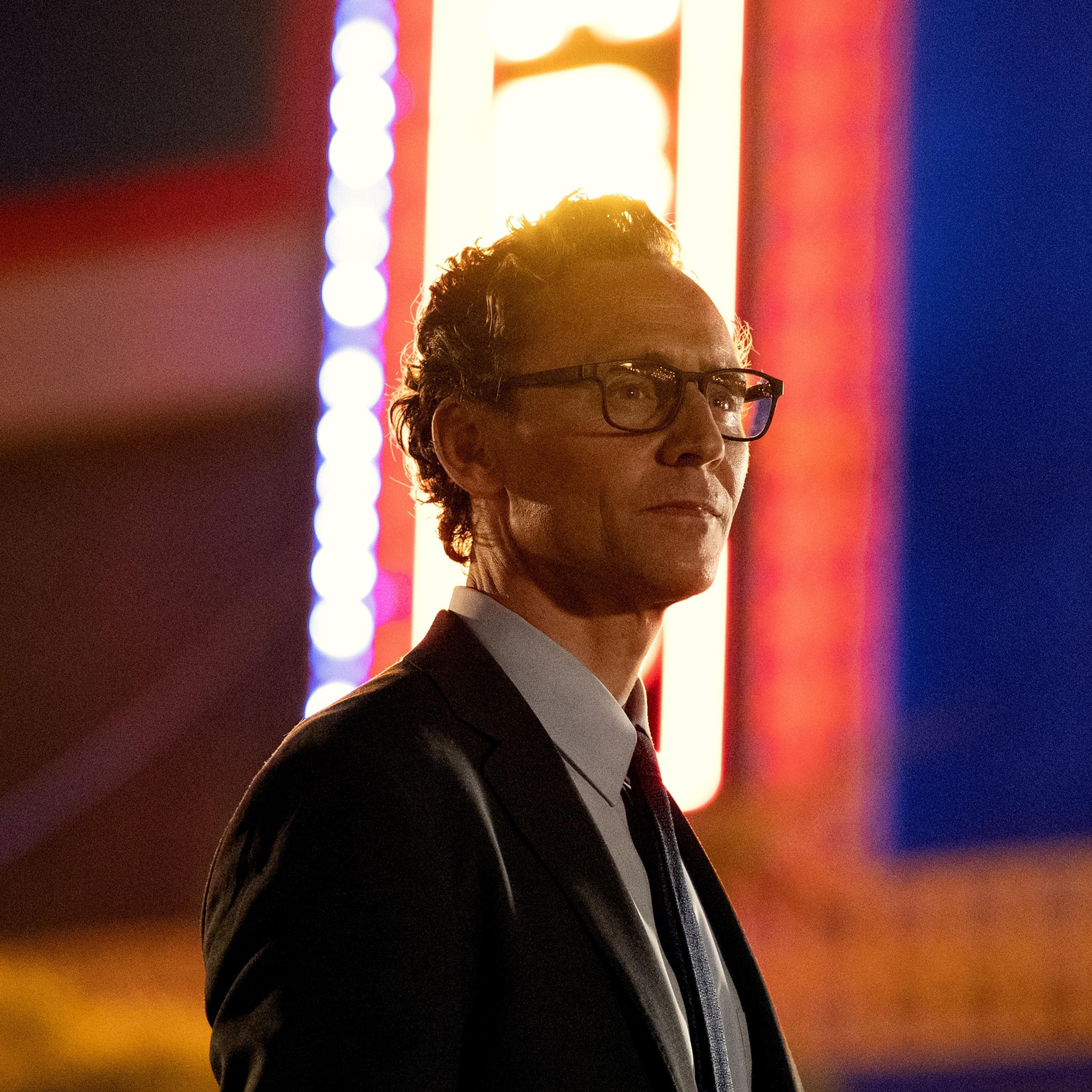
    The Life of Chuck

    Stephen King’s original work: Published as a novella in the 2020 collection If It Bleeds, "The Life of Chuck" is a non-horror, life-affirming speculative story told in reverse chronological order across three acts. It follows ordinary accountant Charles “Chuck” Krantz. Act III shows the world collapsing (internet failure, natural disasters, stars disappearing) while mysterious messages thank Chuck for “39 great years.” It is revealed that the apocalypse is the death of Chuck’s personal universe as he dies at 39 from a brain tumor. Act II centers on a spontaneous, joyful public dance with a street drummer and a stranger. Act I explores Chuck’s childhood after his parents die in a car crash; he is raised by his grandparents, discovers dancing, confronts a forbidden cupola in their house that shows visions of the future (including his own deathbed), and absorbs the idea (from Walt Whitman) that “I contain multitudes.” The story argues that every ordinary life holds an entire universe of meaning. How Mike Flanagan adapted the story: Flanagan’s film is highly faithful to the reverse structure, tone, and central theme that an ordinary life is cosmically significant. He expands secondary characters with monologues and emotional depth (especially grandfather Albie, played by Mark Hamill), makes some supporting figures female, and strengthens visual and thematic connections across the acts so that people from the “apocalypse” sequences reappear as real people Chuck encountered in life. The people inside Chuck’s collapsing universe are portrayed as echoes of real individuals from his life rather than purely fictional constructs. Dance sequences are given more cinematic weight. The result is a warm, philosophical drama that stays true to King’s optimistic humanism while making the material fully cinematic.

    69% upvoted