Skip to content
maxnews
Television

The 17 Best Anime Like Ascendance of a Bookworm

Ascendance of a Bookworm follows MC Urano Motosu, a girl obsessed with literature whose life is tragically cut short right before she can fulfill her greatest desire…becoming a librarian. Like with most isekai anime, Urano is reincarnated into another world, where she finds herself in a medieval setting in the body of a sickly five-year-old. Before checking out our ranked recommendations for Ascendance of a Bookworm, let's talk about what make these anime similar on the whole. The most obvious are the themes of isekai and reincarnation, where heroes find themselves waking up in a new world or body, but that's only the tip of the iceberg. Anime like Ascendance of a Bookworm will also often have female protagonists, focus on brains over brawn, and tell similar stories where a character is starting from scratch in their quest to build or create something they're passionate about. Here you'll find out not only why these anime are similar to Ascendance of a Bookworm, but also why they're different! If you've seen any of these anime, make sure to vote on them to help shape the list for future readers who want to find their next series.

Entries
15
Votes
376
Updated
2 days ago

Tap upor downto vote. Your vote is added to Ranker's counts.

Voting identifies your browser with an anonymous fingerprint, stored only as a salted hash, to count one per visitor. Privacy

Source: Ranker, ranked by its voters.

  1. 1

    That Time I Got Reincarnated as a Slime
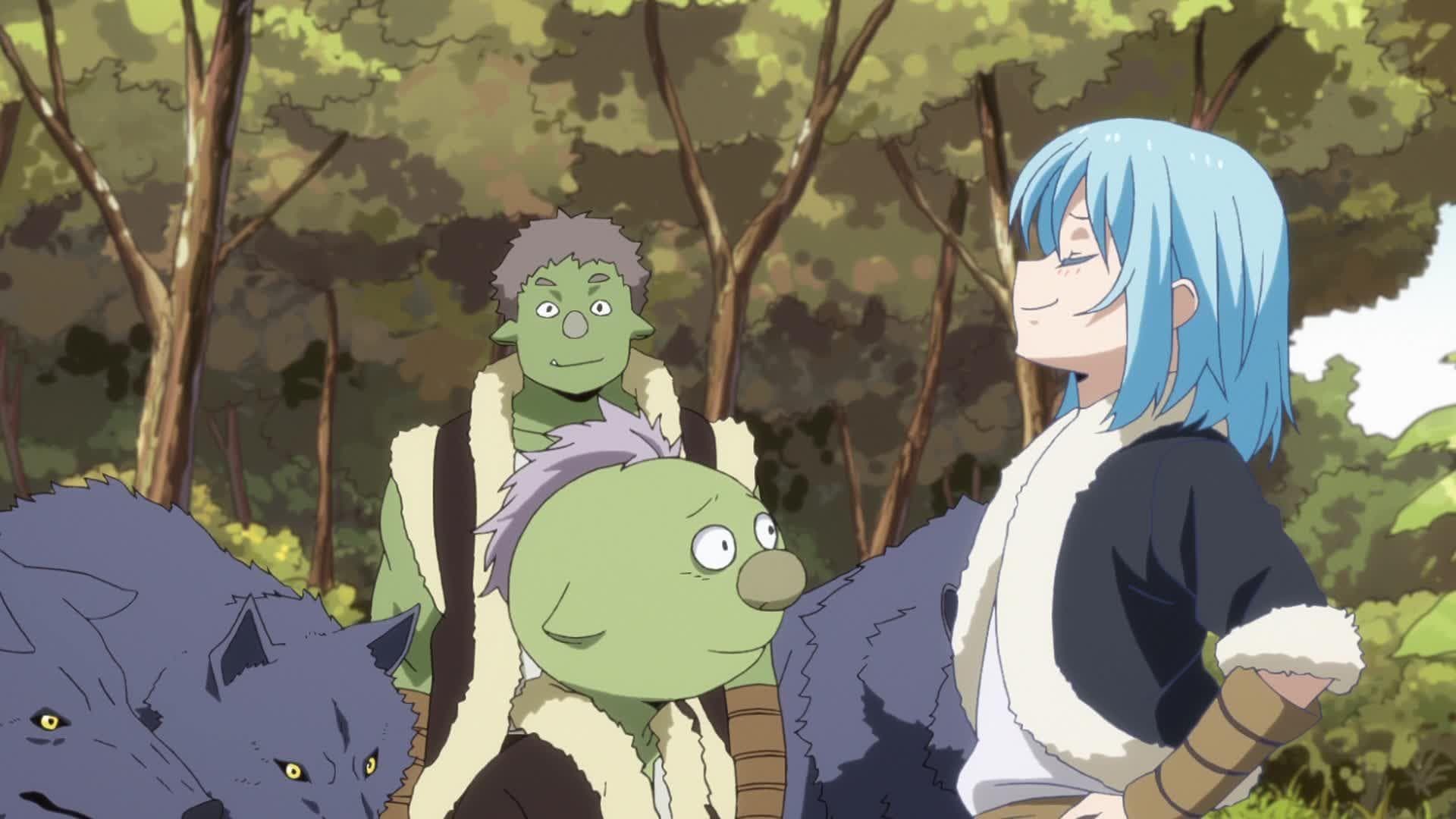
    • Japanese Name: Tensei shitara Slime Datta Ken • Creator: Fuse • Demographic: Shonen • Studio: 8bit • Air Date: 2018 • # Episodes: 48 (Ongoing as of 2024) Plot Summary: When Satoru Mikami took his final breath in the streets of Tokyo, he had no idea he'd be reborn in a fantasy world—and as a slime, no less. Named Rimuru Tempest by the storm dragon Veldora, this squishy protagonist proves that it's not just hard shells that can make a mark on the world. With newfound powers and an ever-expanding roster of quirky characters rallying behind him, Rimuru oozes through challenges with both grace and slippery finesse. It's one part political intrigue, two parts monster community-building, and a generous dollop of slime-based humor. Why It's Similar: That Time I Got Reincarnated as a Slime shares with Ascendance of a Bookworm the theme of being thrust into an unfamiliar world where knowledge from their past lives grants them unique advantages. While Myne leverages her literacy to navigate her new reality, Rimuru uses his previous human experience combined with his newfound abilities to unite various species under his leadership. Contrasts: Slime's MC Rimuru quickly amasses abilities that make him a formidable figure in his new world, which contrasts sharply with Myne's physical weakness and vulnerability. The series also delves into nation-building and large-scale political alliances, diverging from Myne’s localized efforts to spread literacy. Furthermore, the tone of Slime often leans towards humor and lightheartedness, even when addressing conflicts, whereas Bookworm maintains a more serious atmosphere as it explores the challenges of Myne’s illness and social barriers.

    80% upvoted
  2. 2

    By the Grace of the Gods

    • Japanese Name: Kami-tachi ni Hirowareta Otoko • Creator: Roy • Demographic: Shonen • Studio: Maho Film • Air Date: 2020 • # Episodes: 12 Plot Summary: Ryoma Takebayashi's uneventful, lonely life ends quietly in his sleep, only to be reborn as a child in a world where gods take an active interest in his welfare. With slimes as companions and a penchant for domestic magic more than high-stakes battles, Ryoma opens a laundry service instead of seeking out dungeons. It's a tale of simple living and slime husbandry where the daily grind is less about grinding levels and more about finding new uses for gooey friends. Why It's Similar: Both feature protagonists who are reincarnated into another world with unique skill sets—Myne with her vast knowledge about books and Ryoma with his affinity for taming slimes. They both start new lives with support from powerful beings—Myne from her family and patron, Ryoma from deities themselves—and focus on peaceful day-to-day activities rather than epic battles. Contrasts: By the Grace of the Gods leans more towards leisurely paced storytelling with an emphasis on domestic life and everyday magic use. In contrast to Myne’s quest to become a librarian against all odds, Ryoma’s journey is less about overcoming adversity and more about enjoying life’s simple pleasures through his interactions with slimes.

    81% upvoted
  3. 3

    My Next Life as a Villainess: All Routes Lead to Doom!

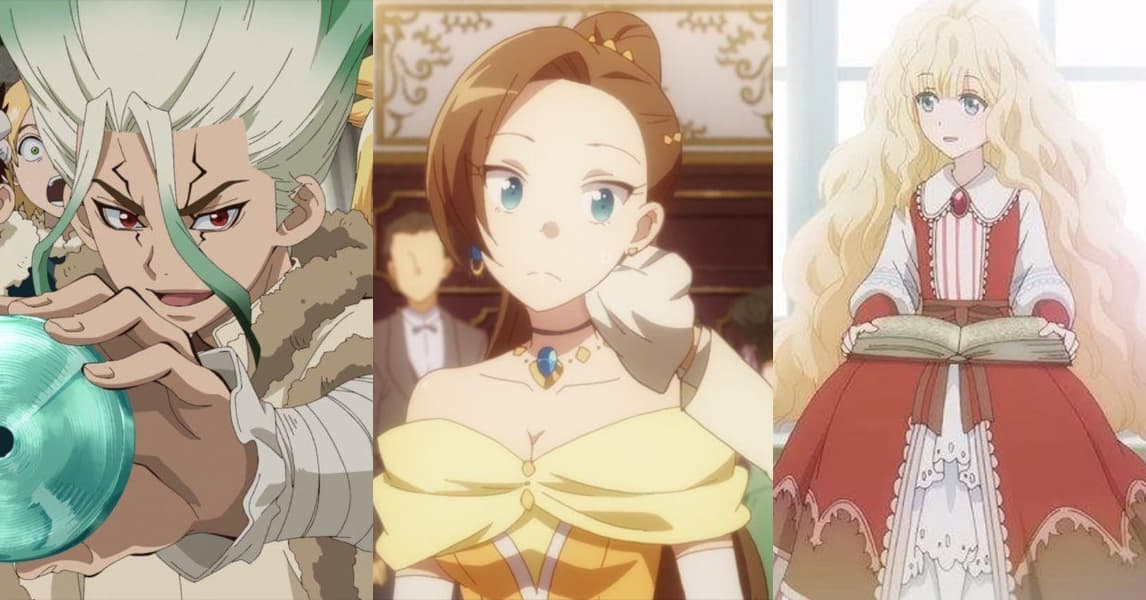
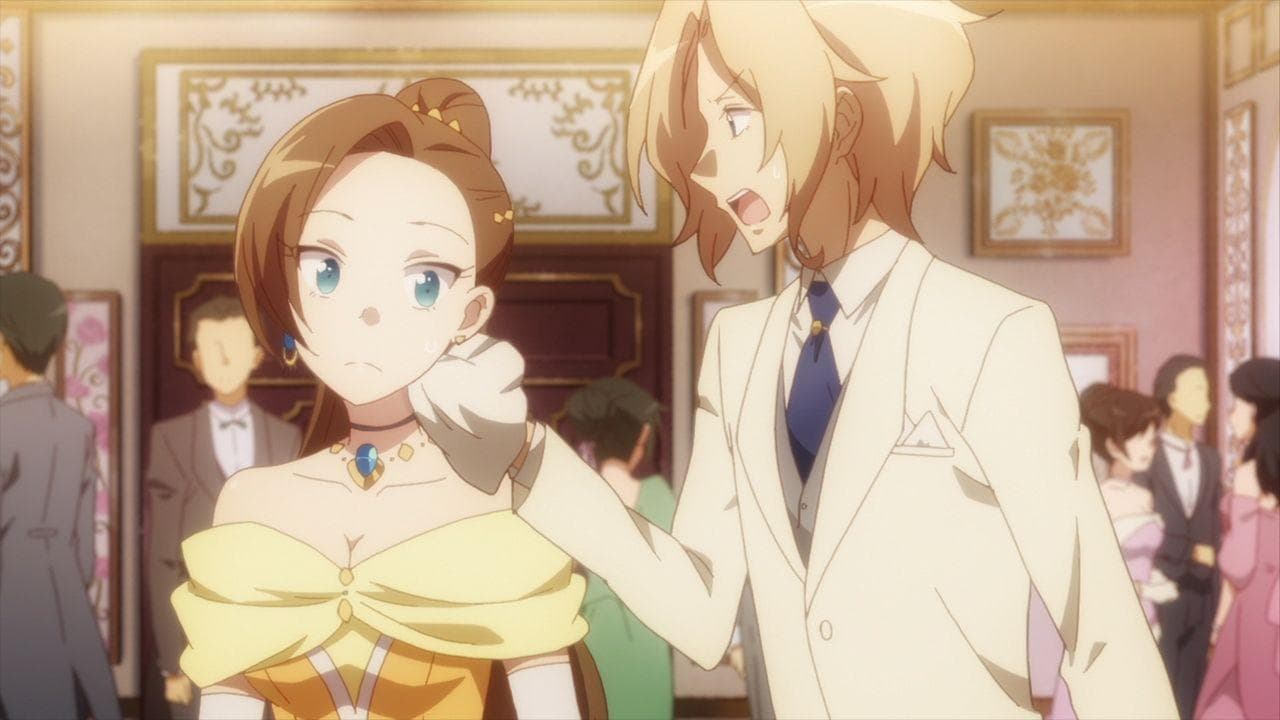
    • Japanese Name: Otome Game no Hametsu Flag shika Nai Akuyaku Reijou ni Tensei shiteshimatta... • Creator: Satoru Yamaguchi • Demographic: Shoujo • Studio: Silver Link. • Air Date: 2020 • # Episodes: 12 Plot Summary: Katarina Claes is your average noblewoman in a romantic fantasy game—except she's actually just high school student reincarnated into the world of her favorite otome game. With the twist being that she's not the heroine but rather the villainess who faces doom in every ending of the game. Armed with memories of her past life and knowledge of her fated calamities, Katarina uses her wits and charm to avoid disaster and rewrite her destiny. She navigates social relationships, potential romances, and comical misunderstandings while trying to prevent any outcome that leads to her ruin. Why It's Similar: Both anime feature female protagonists who are reborn into another world with prior knowledge from their previous lives. These characters use their unique insights to navigate challenges in their new settings—Urano Motosu with creating books in an era without them and Katarina Claes by sidestepping potential downfalls scripted for her character in the game world. Each show offers an engaging take on personal growth and societal impact within their respective worlds. Contrasts: While both feature female leads navigating a new world, Katarina's story unfolds through the lens of humor and parody within the framework of an otome game, focusing on romance and comedic misunderstandings. In contrast, Myne's story is grounded in her earnest quest for books and is more dramatic, dealing with the harsh realities of her fragile health and social status. Moreover, My Next Life as a Villainess employs a reverse harem trope that shapes its character dynamics differently than the community-centric relationships in Bookworm.

    78% upvoted
  4. 4

    Saving 80,000 Gold in Another World for my Retirement

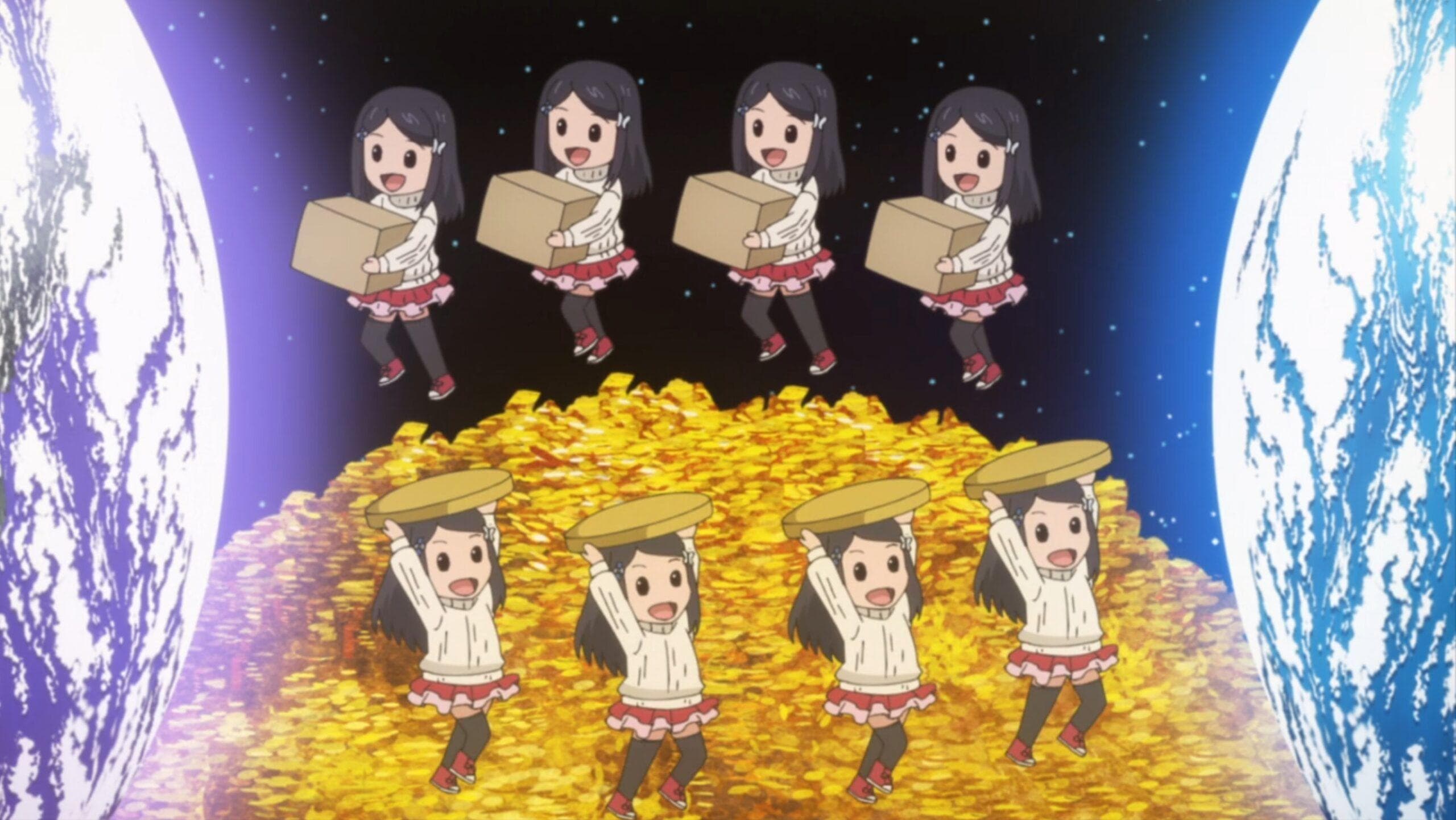
    • Japanese Name: Rougo ni Sonaete Isekai de 8-manmai no Kinka wo Tamemasu • Creator: FUNA • Demographic: Shonen • Studio: To be announced (as of knowledge cutoff) • Air Date: 2023 • # Episodes: 12 Plot Summary: What's a girl to do when she gets isekai'd into another world with the financial acumen of a seasoned investor? For Mitsuha Yamano, the answer is clear: amass enough gold to retire comfortably before even thinking about slaying dragons or toppling kingdoms. With her modern understanding of economics and canny business sense, Mitsuha embarks on a quest not for glory or power but for cold hard cash—and 80,000 gold coins worth at that. Watch as she juggles currencies across worlds like a Wall Street trader with a penchant for medieval markets. It's less about heroic escapades and more about exchange rates in this tale of fiscal fantasy. Why It's Similar: Both anime share the central theme of utilizing contemporary knowledge in an old-world setting. Both protagonists leverage their unique skills from their previous lives—Myne with books and Mitsuha with money—to achieve their goals. They're pragmatic heroines who use intellect over brute strength to navigate their new environments. Contrasts: The focus of Saving 80,000 Gold on economic strategy and personal financial gain presents a different angle compared to Bookworm, which centers on cultural enrichment through literature. Additionally, while both stories involve crafting and commerce, Saving 80,000 Gold leans more toward entrepreneurship and cross-world trade as opposed to Myne's community-based impact through her love for books.

    77% upvoted
  5. 5

    The Saint's Magic Power is Omnipotent

    • Japanese Name: Seijo no Maryoku wa Bannou Desu • Creator: Yuka Tachibana • Demographic: Josei • Studio: Diomedéa • Air Date: 2021 • # Episodes: 12 Plot Summary: Sei Takanashi was just an ordinary office worker when she was summoned to a new world as a saint—a role apparently up for grabs because the kingdom couldn't decide between her and another girl. Opting not to wait around for royal recognition, Sei starts whipping up potions and cosmetics with magical benefits that would leave any beauty guru in awe. As it turns out, her creations are not only top-notch but also packed with so much healing magic that they practically scream "overqualified." While navigating her newfound abilities and the attention they bring, Sei might just find that love is the most potent magic of all. Why It's Similar: Both Myne and Sei use their knowledge to better themselves and the society around them—Myne through literature and Sei through magic-infused remedies. They both carve out their own niche in these new worlds despite societal expectations, focusing on personal growth while subtly shaping their respective societies through their specialized talents. Contrasts: The Saint's Magic Power is Omnipotent sets itself apart from Bookworm through its use of overt magical elements and the premise of being recognized as a saint, which introduces an immediate sense of status and power for the protagonist, Sei. This contrasts with Myne's more gradual rise from her low social standing due to her knowledge and innovation in bookmaking. While both protagonists improve their new worlds with unique abilities, Sei's story involves less struggle against personal limitations and more exploration of her newfound magic within a society that initially undervalues her.

    75% upvoted
  6. 6

    How a Realist Hero Rebuilt the Kingdom

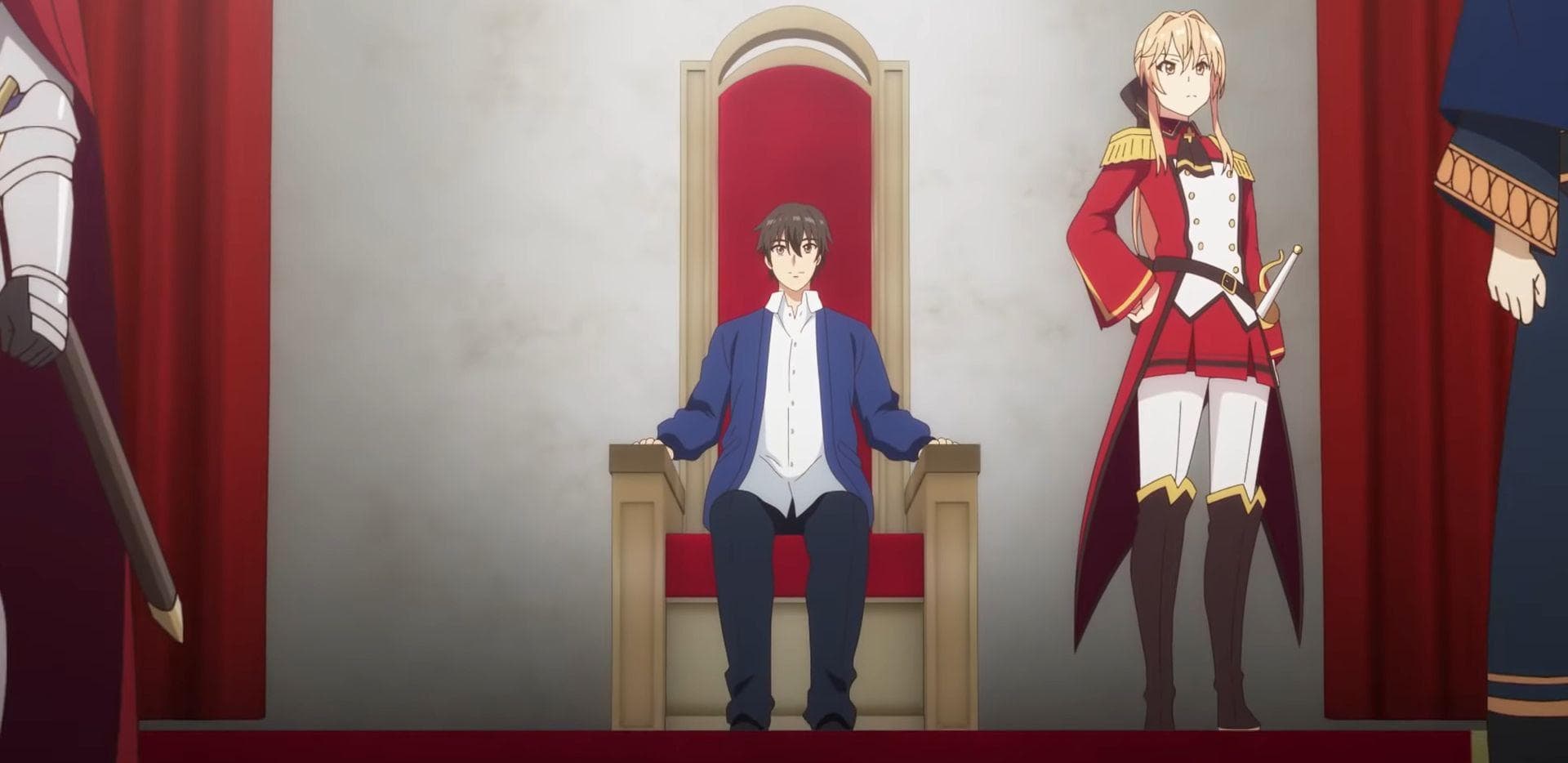
    • Japanese Name: Genjitsu Shugi Yuusha no Oukoku Saikenki • Creator: Dojyomaru • Demographic: Seinen • Studio: J.C.Staff • Air Date: 2021 • # Episodes: 26 Plot Summary: When Kazuya Souma is summoned to another world to be a hero, he decides to tackle this role with a clipboard and spreadsheet rather than sword and shield. Armed with his political science background and rational thinking, Souma begins restructuring the kingdom's economy, social systems, and infrastructure—essentially becoming the isekai equivalent of a civic engineer on steroids. It's less about dungeon raiding and more about policy debates in this tale where bureaucracy is king and paperwork might as well be considered spellcasting. Why It's Similar: How a Realist Hero Rebuilt the Kingdom shares Bookworm's theme of using modern knowledge to make significant societal changes in another world. Like Myne's literary contributions, Souma applies his analytical skills to improve governance and reform an entire kingdom. Contrasts: Unlike Myne’s focus on books and literacy, Souma deals with macro-level issues like economics, politics, and administration. The tone of Realist Hero often leans towards discussions on governance strategy rather than the more personal journey of Myne overcoming her physical limitations while pursuing her love for books.

    74% upvoted
  7. 7

    Dr. Stone

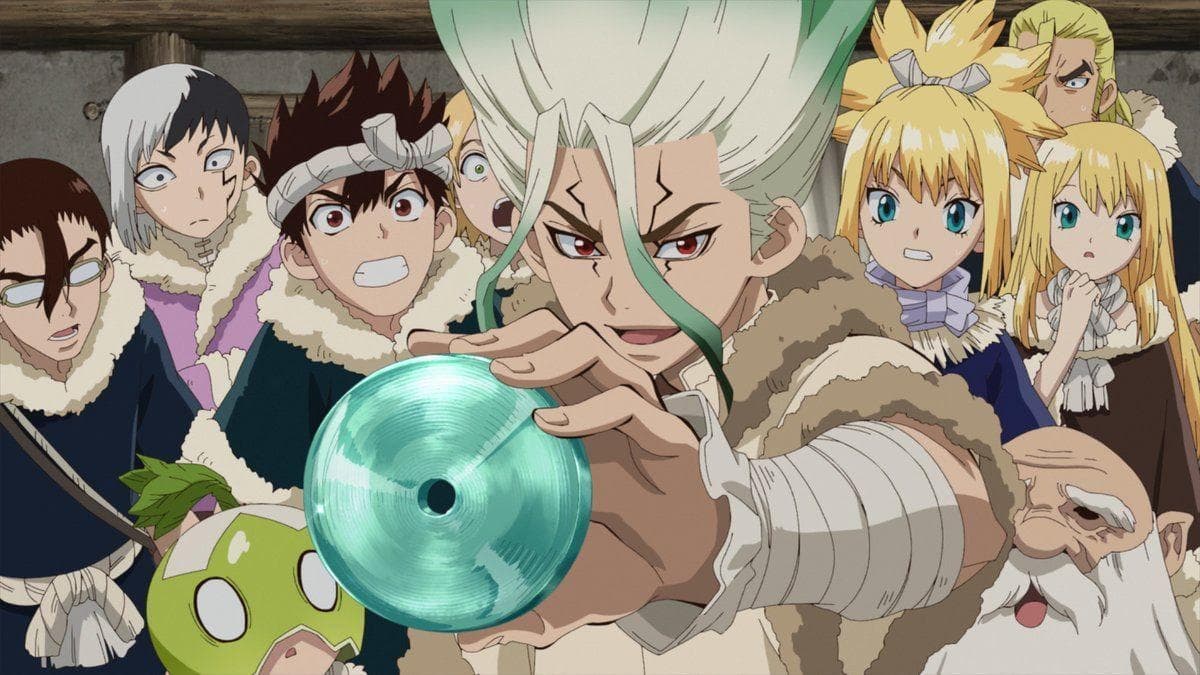
    • Japanese Name: Dr. Stone • Creator: Riichiro Inagaki, Boichi • Demographic: Shonen • Studio: TMS Entertainment • Air Date: 2019 • # Episodes: 50+ (Ongoing as of 2024) Plot Summary: Humanity's clock gets abruptly reset to the Stone Age thanks to a mysterious, petrification-light-show-extravaganza, leaving high school science whiz Senku Ishigami and his brawny friend Taiju Oki as two of the first un-rockified humans. With Senku's brain that could give Wikipedia an inferiority complex and Taiju's muscles that could make a boulder feel soft, they set out to reboot civilization using nothing but science and audacious amounts of enthusiasm. It's basically a crash course in survivalist chemistry with a side of sparkling stone statues and DIY civilization-building shenanigans. Why It's Similar: Like Senku's obsession with science, Urano Motosu is similarly obsessed with literature and reading. Both anime have isekai themes, although Ascendance of a Bookworm fits the theme a bit more since Urano wakes up reincarnated while Senku still exists in the same world he knew before the petrification event. Both anime see the protagonist trying to progress humanity in some way, whether creating books or inventing things. Contrasts: The tone of Dr. Stone is more action-packed and focused on collective survival, contrasting with the intimate portrayal of Myne's life and her individual struggles against societal constraints and her health issues. Additionally, Dr. Stone features male protagonists who wield physical strength alongside intellectual prowess, whereas Bookworm centers around a female lead whose primary strength comes from her knowledge and determination.

    72% upvoted
  8. 8

    Arte

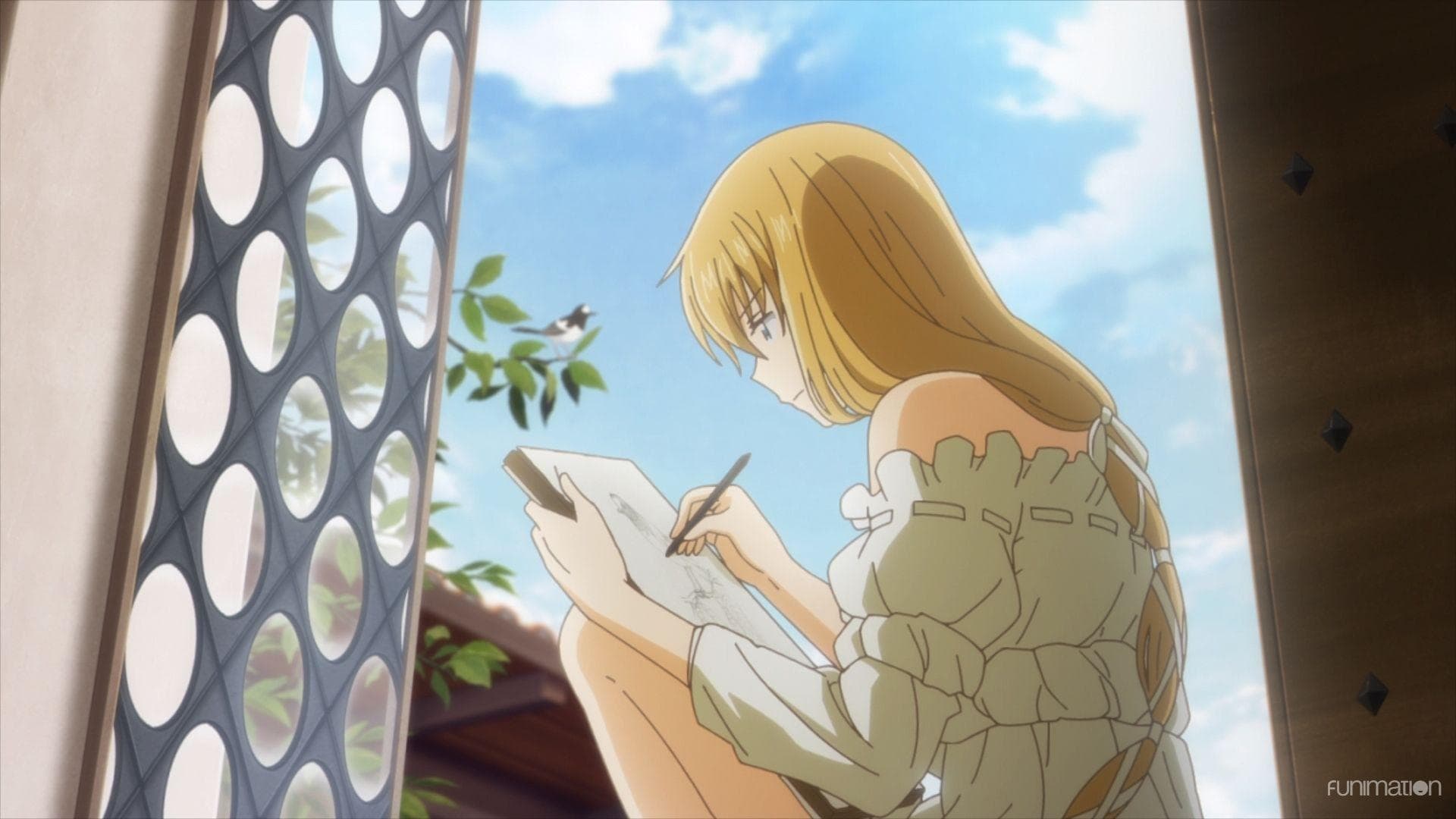
    • Japanese Name: アルテ • Creator: Kei Ohkubo • Demographic: Seinen • Studio: Seven Arcs • Air Date: 2020 • # Episodes: 12 Plot Summary: In the bustling streets of 16th century Florence, a young noblewoman named Arte faces not the plague but a societal malady of underestimation due to her gender. With dreams of becoming an artist in a world that sees her passion as mere folly for a lady of her standing, Arte cuts off her flowing locks as a symbol of shedding societal expectations. She embarks on an artistic apprenticeship that challenges both her skill and resolve. Forget about "paint by numbers," because Arte is determined to sketch out her destiny with bold strokes and prove that talent isn't confined by tradition. Why It's Similar: Both anime feature strong-willed female protagonists who defy the rigid social norms of their respective historical settings. Myne overcomes obstacles to bring literacy to the masses, while Arte strives to carve out her place in the male-dominated art world. They share themes of perseverance, personal growth, and challenging the status quo through their dedication to their crafts. Contrasts: While Bookworm incorporates magical elements within its story, Arte remains firmly grounded in historical realism without fantasy components. Additionally, Arte deals more directly with gender roles and societal expectations related to career paths during the Renaissance period, offering viewers an inspiring tale set against the backdrop of real-world history rather than an alternate fantasy universe.

    76% upvoted
  9. 9

    Parallel World Pharmacy

    • Japanese Name: Isekai Yakkyoku • Creator: Liz Takayama • Demographic: Shonen • Studio: Diomedéa • Air Date: 2022 • # Episodes: 12 Plot Summary: Kanji Yakutani's life as a pharmaceutical researcher comes to an abrupt end due to overwork, but fate prescribes a second dose of life—this time in a world where medical knowledge is medieval at best. Reincarnated as Falma de Médicis, a child prodigy with divine healing powers and pharmaceutical expertise that would make modern-day pharmacists bow down in reverence, he decides to overhaul the archaic medical practices. Armed with his trusty mortar and pestle and an encyclopedic knowledge of medicine that could put any health compendium to shame, Falma takes on the daunting task of dragging the healthcare system of this new world kicking and screaming into the modern age. It's like watching House M.D. with magic potions instead of MRI machines. Why It's Similar: Parallel World Pharmacy resonates with Ascendance of a Bookworm through its protagonist who brings advanced knowledge from their previous life into a less developed world. Where Myne revolutionizes bookmaking in her new medieval-like society, Falma aims to reinvent the pharmaceutical landscape with his 21st-century expertise. Both characters are driven by noble intentions and face societal challenges that test their resolve and creativity. They must navigate their worlds' constraints while making significant contributions to society's advancement through their specialized skills. Contrasts: Parallel World Pharmacy often takes a more lighthearted approach to addressing the challenges of healthcare and medicine compared to the more serious undertones surrounding Myne's struggle with her health and societal position. Additionally, while both protagonists are reincarnated into another world, Falma’s story involves direct divine intervention and clear-cut magical abilities that facilitate his objectives, contrasting with Myne’s reliance on pre-existing knowledge and sheer determination in a world where magic is limited and not initially at her disposal.

    71% upvoted
  10. 10

    Knight's & Magic

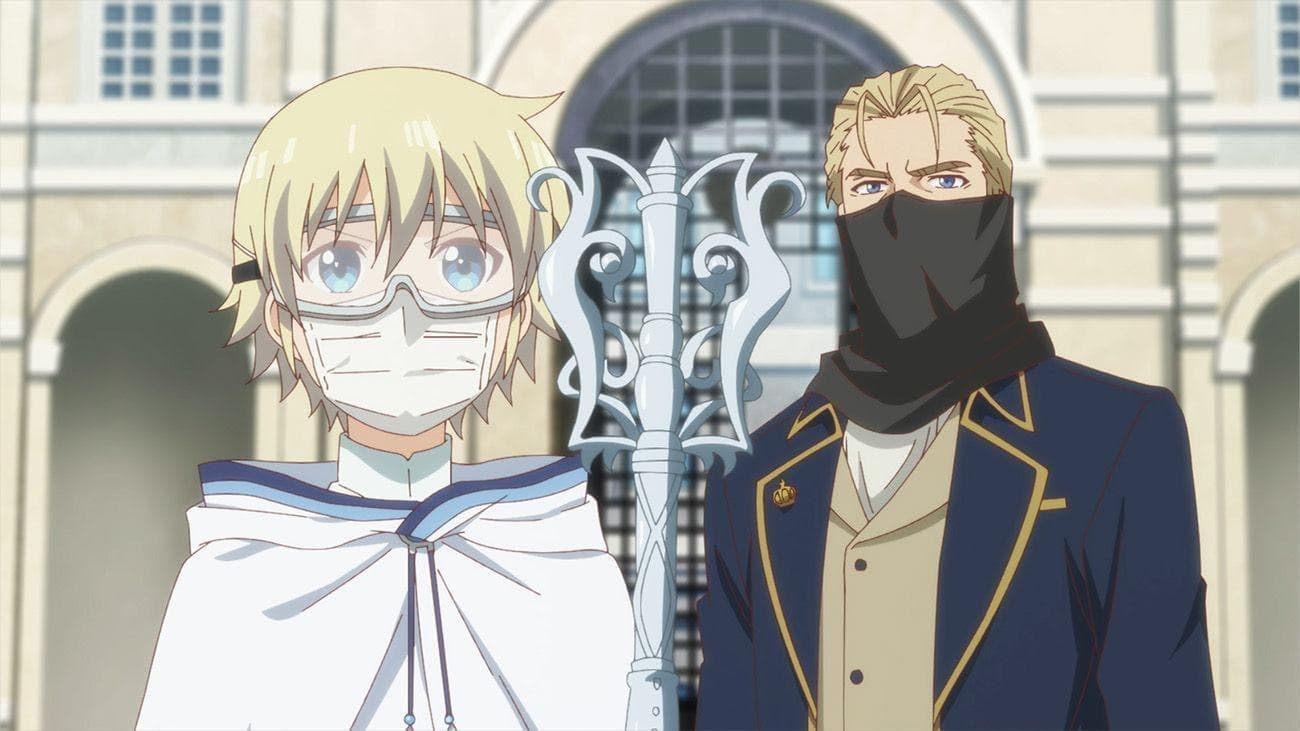
    • Japanese Name: Knights & Magic • Creator: Hisago Amazake-no • Demographic: Seinen • Studio: 8bit • Air Date: 2017 • # Episodes: 13 Plot Summary: When it comes to getting isekai'd, few can claim they've hit both hobbies: mechs AND magic. Tsubasa Kurata—a software engineer and die-hard mecha otaku—finds himself reborn in an alternate world that blends high fantasy elements with giant robots known as Silhouette Knights. As Ernesti Echevalier (or Eru), he sets out with childlike glee to pilot these behemoths not just on screens but in real knightly skirmishes. The series fuses spellcasting with gear-tinkering as Eru innovates like a cross-dimensional Elon Musk if he had been raised by wizards. Why It's Similar: Like Bookworm, Knight's & Magic showcases reincarnation into another world where prior knowledge gives the main character an edge—Myne uses her literacy skills while Ernesti applies his mecha expertise. Both anime follow their protagonists pursuing their passions: Myne for books; Ernesti for Silhouette Knights. Contrasts: While Ascendance of a Bookworm focuses on slower-paced societal integration through literacy empowerment within medieval-like settings without advanced technology, Knight’s & Magic delivers fast-paced action sequences centered around mecha combat within its fantasy realm.

    63% upvoted