Skip to content
maxnews
Games

The 15 Best Games to Play After 'Resonance: A Plague Tale Legacy'

If the eerie and emotionally grounded journey of Resonance: A Plague Tale Legacy leaves room for further exploration of narrative-driven action-adventure experiences, this curated selection of games extends those same atmospheric sensibilities into a range of different worlds and systems. Across historical settings, psychological landscapes, and surreal reinterpretations of reality, each entry emphasizes immersive storytelling, environmental detail, and character-focused design. From stealth-heavy survival narratives to psychologically charged explorations of identity and perception, these games reflect the same blend of tension, cinematic presentation, and thematic depth that define modern narrative action experiences. These experiences span grounded depictions of human struggle in harsh historical or post-apocalyptic conditions to more abstract and experimental interpretations of consciousness, memory, and morality. Some prioritize stealth and resource-driven survival within oppressive environments, while others shift toward choice-driven storytelling or supernatural systems that reshape how space and combat are understood. Whether through fragmented storytelling structures, psychological horror frameworks, or myth-infused action design, each game contributes a distinct perspective on vulnerability, agency, and transformation within interactive worlds.

Entries
15
Votes
1
Updated
10 days ago

Tap upor downto vote. Your vote is added to Ranker's counts.

Voting identifies your browser with an anonymous fingerprint, stored only as a salted hash, to count one per visitor. Privacy

Source: Ranker, ranked by its voters.
  1. 1

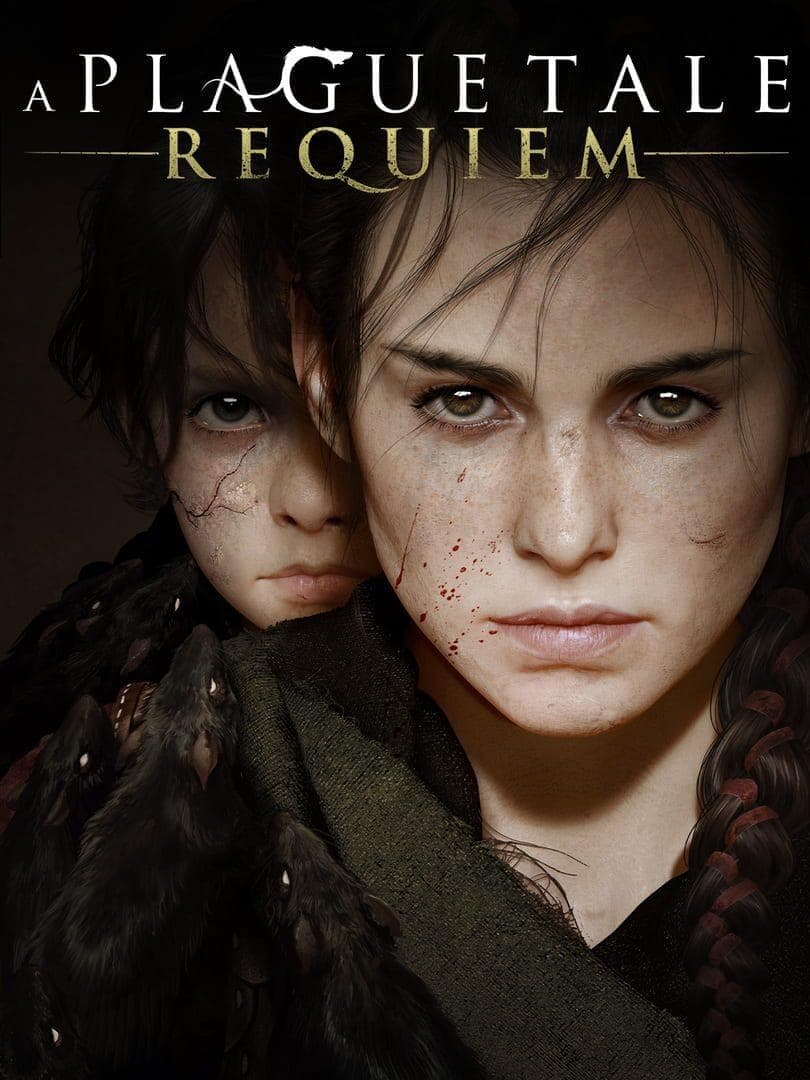
    A Plague Tale: Requiem

    Why you'll like this game: The sequel expands environmental scale and emotional intensity through larger, more varied regions and heightened systemic threats. It deepens the interplay between stealth, resource scarcity, and supernatural elements while pushing cinematic presentation further. The orchestral score and detailed animation work together to create a heavier, more operatic sense of consequence in every encounter. What the game is about:

    100% upvoted
  2. 2

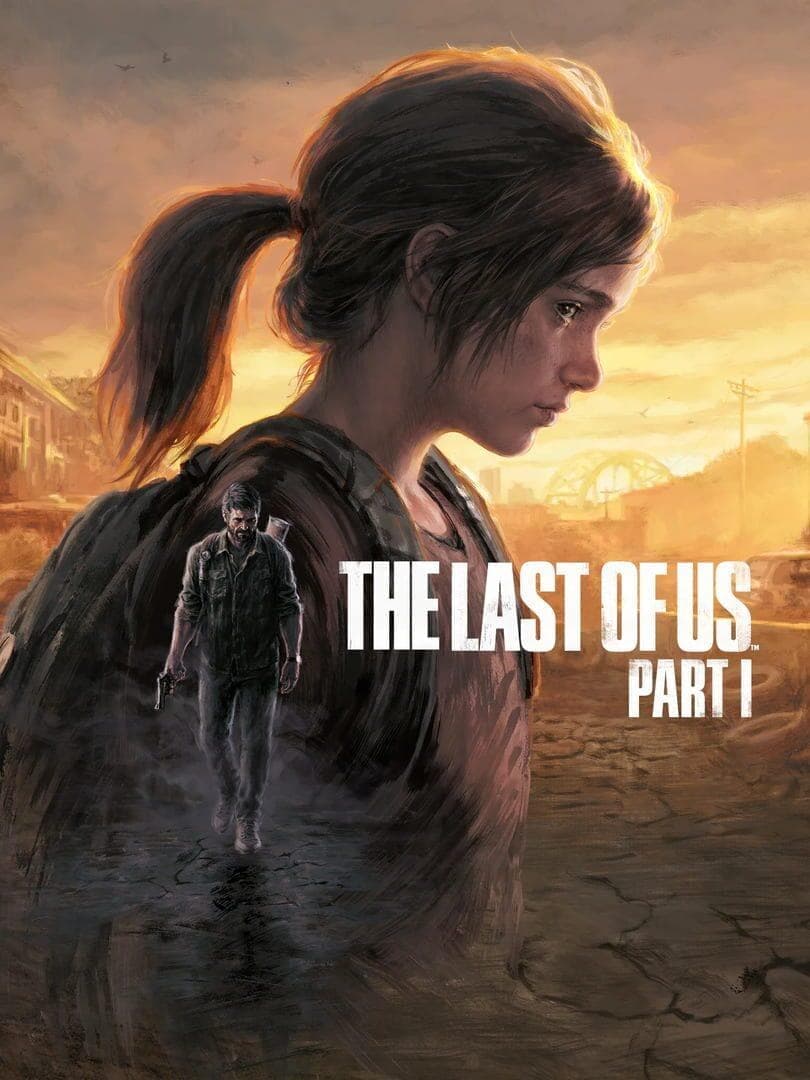
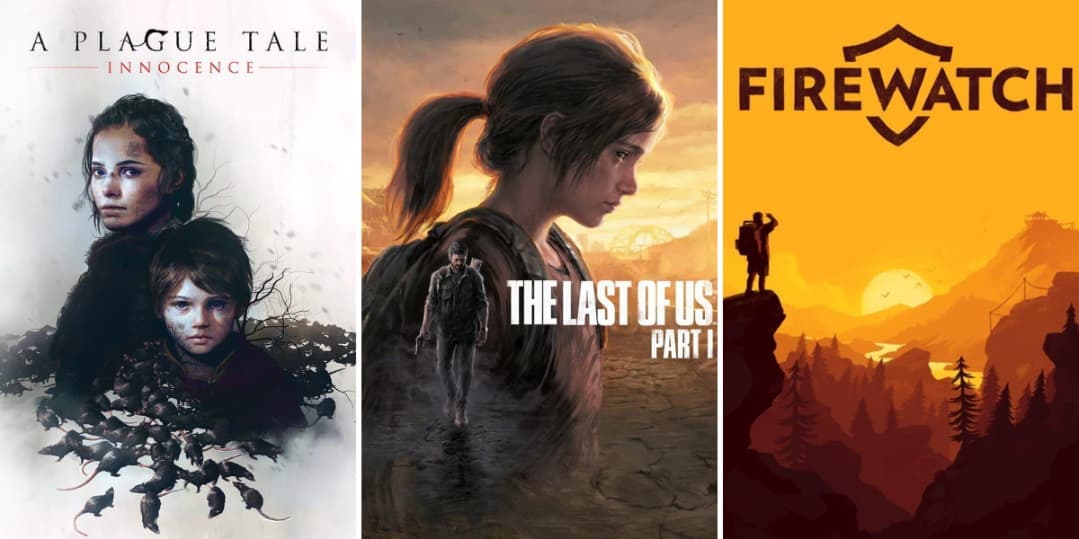
    The Last of Us Part I

    Why you'll like this game: This remake refines a survival narrative framework centered on intimate character relationships shaped by harsh conditions. Gameplay blends stealth, crafting, and controlled combat encounters that emphasize scarcity and positioning. Its cinematic direction and grounded performances create a tightly controlled emotional rhythm throughout exploration and conflict. What the game is about:

    100% upvoted
  3. 3

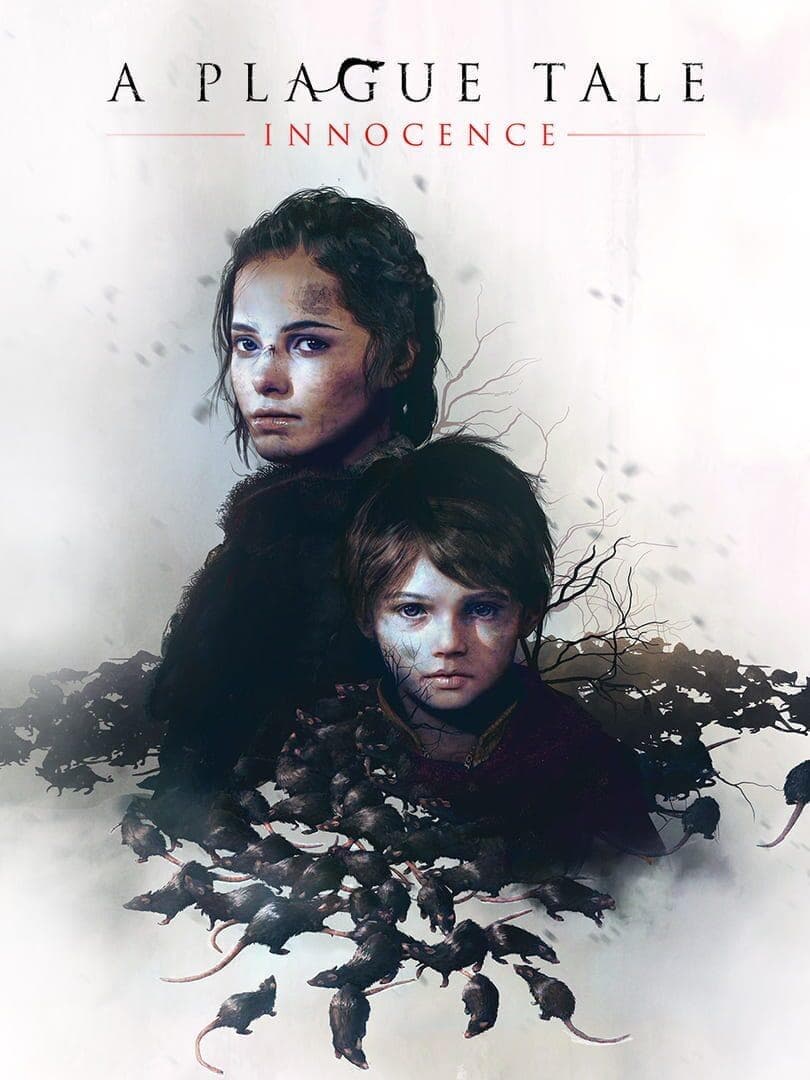
    A Plague Tale: Innocence

    Why you'll like this game: This game emphasizes grounded survival mechanics where stealth, sound, and light become essential tools for navigating oppressive environments. Its focus on human vulnerability, familial bonds, and overwhelming external threats creates a tone that aligns closely with narrative-driven adventure design. The attention to environmental storytelling and tactile interaction with the world reinforces tension without relying heavily on combat systems. What the game is about:

    91% upvoted
  4. 4

    Hellblade: Senua's Sacrifice

    Why you'll like this game: The experience is built around psychological immersion, using audio design and visual distortion to simulate fractured perception. Combat is minimal but weighty, reinforcing internal struggle rather than power fantasy. Its presentation merges mythological imagery with deeply personal psychological themes, creating a constant tension between reality and perception. What the game is about:

    90% upvoted
  5. 5

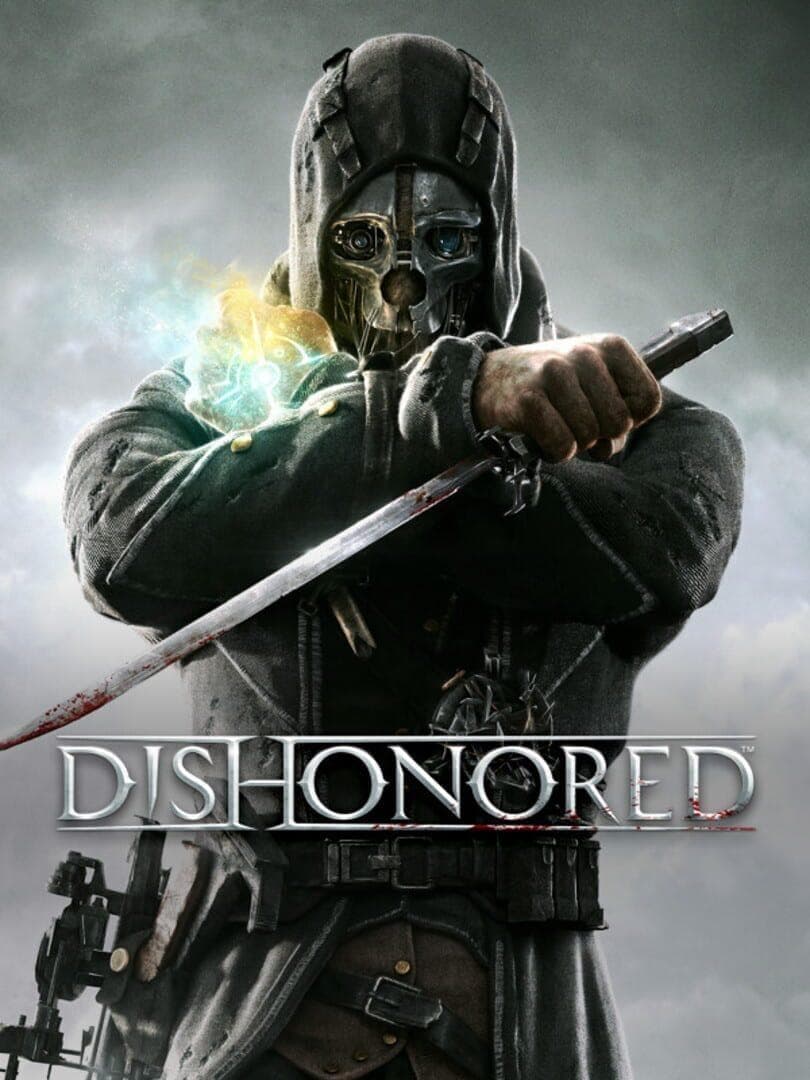
    Dishonored

    Why you'll like this game: This immersive sim prioritizes player agency through flexible stealth and supernatural abilities that reshape encounters. Level design encourages experimentation, offering multiple paths and solutions rather than linear progression. Its stylized industrial world blends political intrigue with moral consequence systems that influence narrative tone. What the game is about:

    88% upvoted
  6. 6

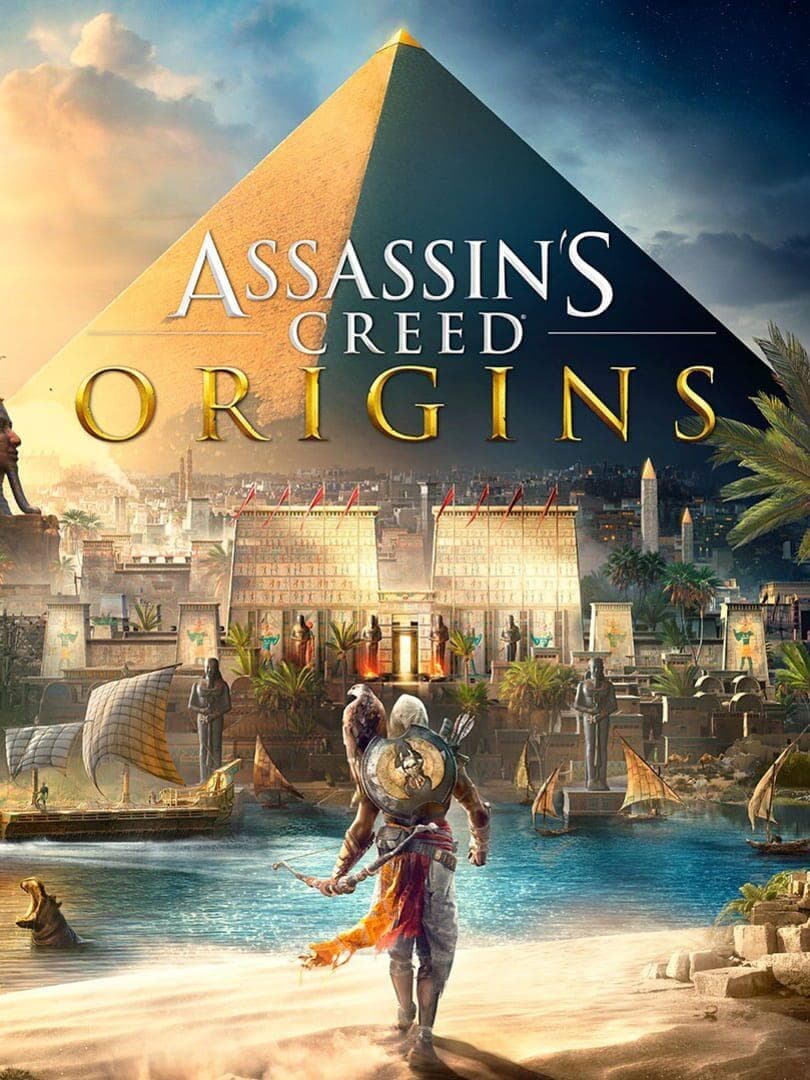
    Assassin's Creed Origins

    Why you'll like this game: Building on systemic design, this entry introduces more complex environments and enhanced traversal mechanics. Players can approach objectives through layered stealth, aggressive powers, or non-lethal manipulation of systems. The art direction and world-building emphasize decay, power imbalance, and architectural storytelling. What the game is about:

    86% upvoted
  7. 7

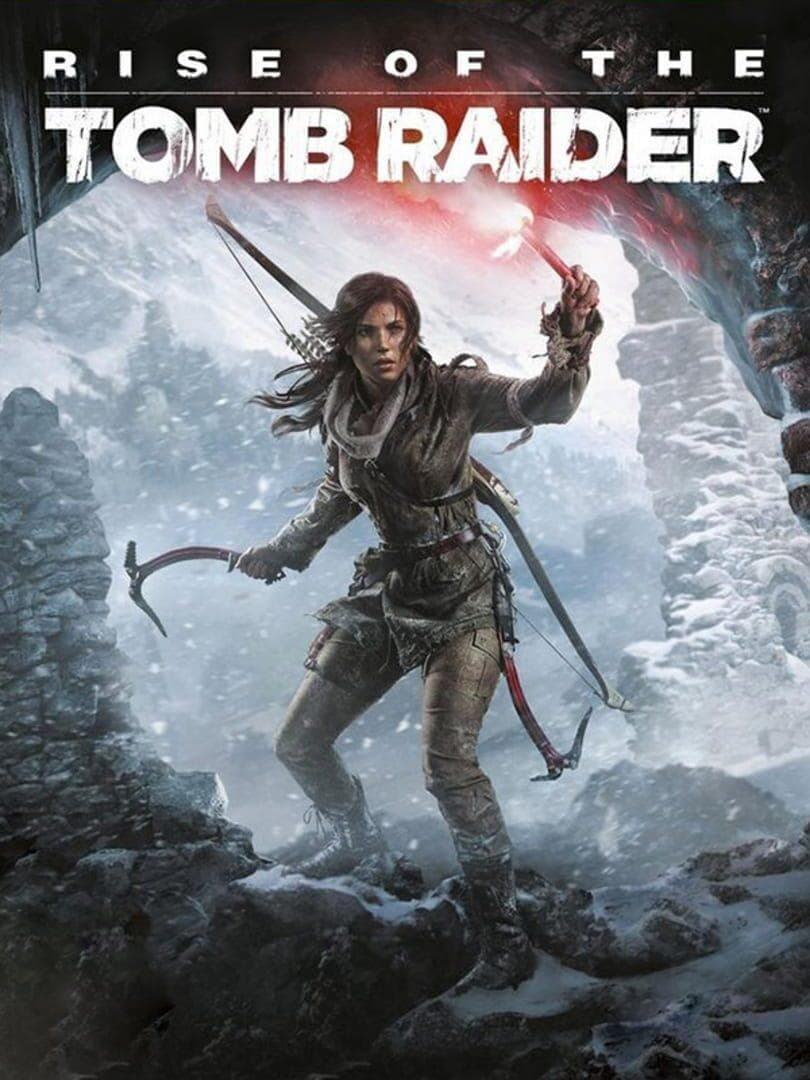
    Rise of the Tomb Raider

    Why you'll like this game: This entry expands environmental puzzles and survival mechanics while introducing more systemic exploration tools. Cold-weather survival and resource management add pressure to traversal and combat decisions. The pacing alternates between quiet exploration and high-intensity set pieces. What the game is about:

    75% upvoted
  8. 8

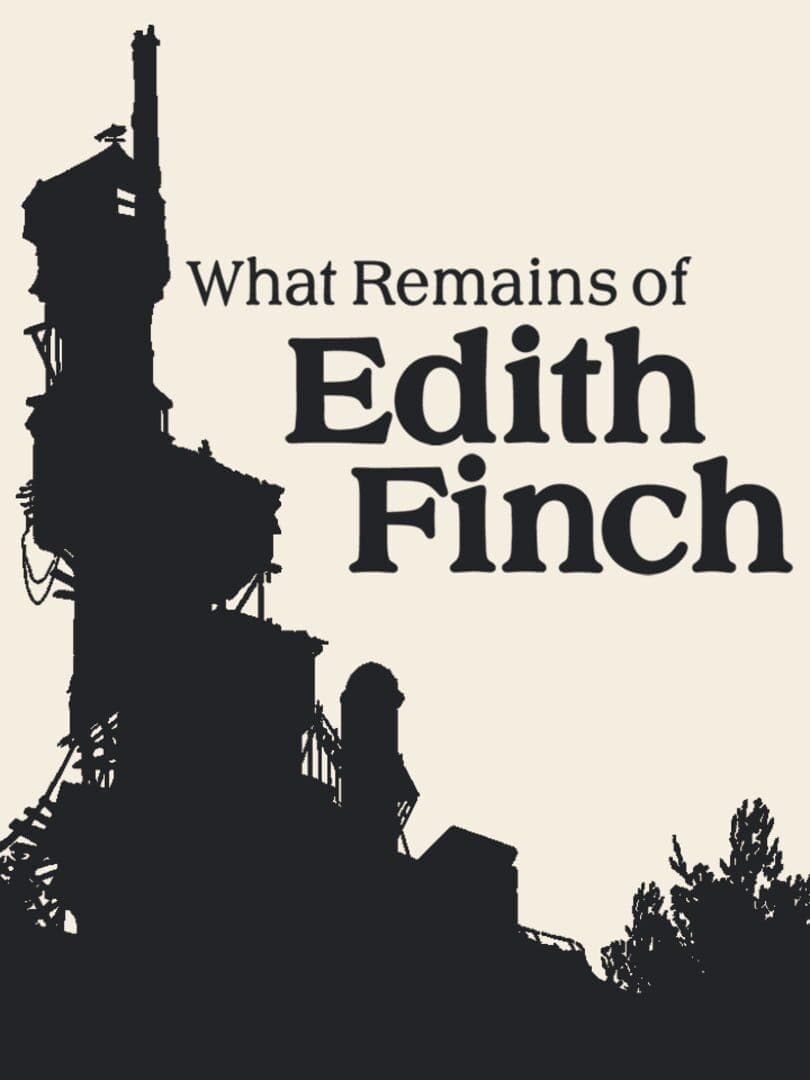
    What Remains of Edith Finch

    Why you'll like this game: The experience uses fragmented storytelling structures where each segment experiments with different interaction styles. Environmental design becomes narrative language, turning ordinary spaces into symbolic representations of memory and loss. Its focus on perspective shifts and thematic variety creates a deeply interpretive exploration of family history. What the game is about:

    69% upvoted
  9. 9

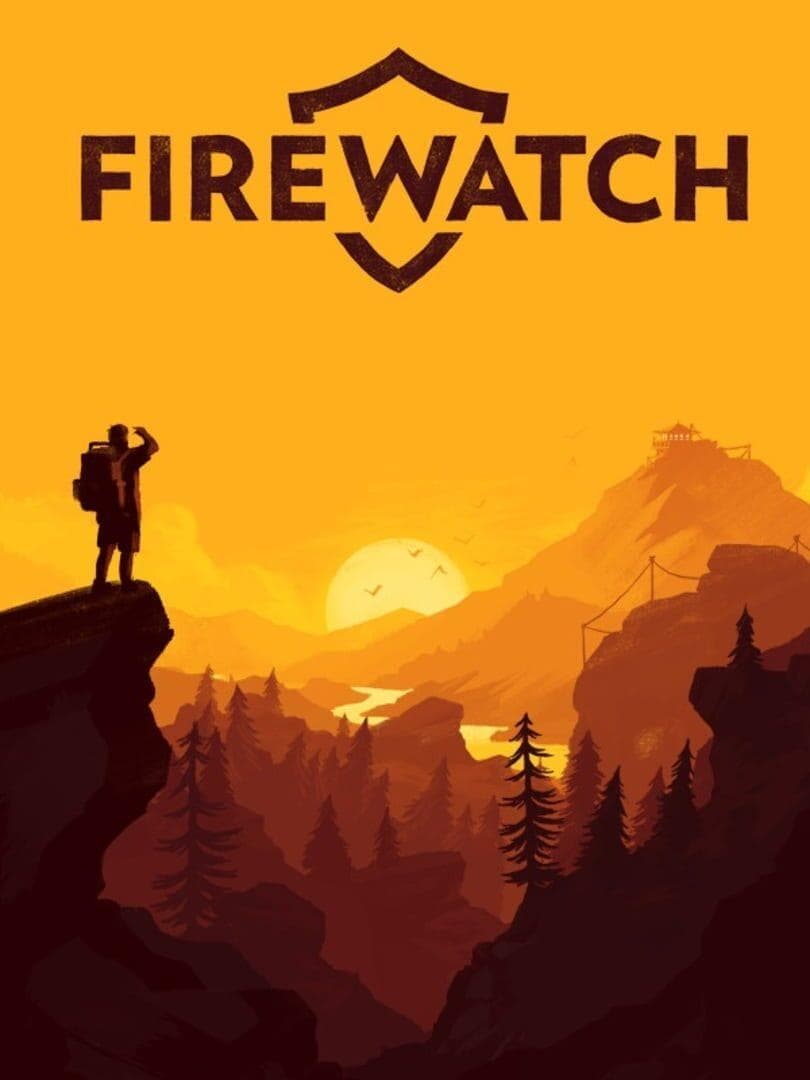
    Firewatch

    Why you'll like this game: Set in an isolated wilderness, the game builds its experience around dialogue-driven exploration and environmental observation. Visual design emphasizes natural color palettes and shifting light to reinforce emotional tone. The narrative structure relies on gradual unfolding of personal connection through radio communication and discovery. What the game is about:

    70% upvoted
  10. 10

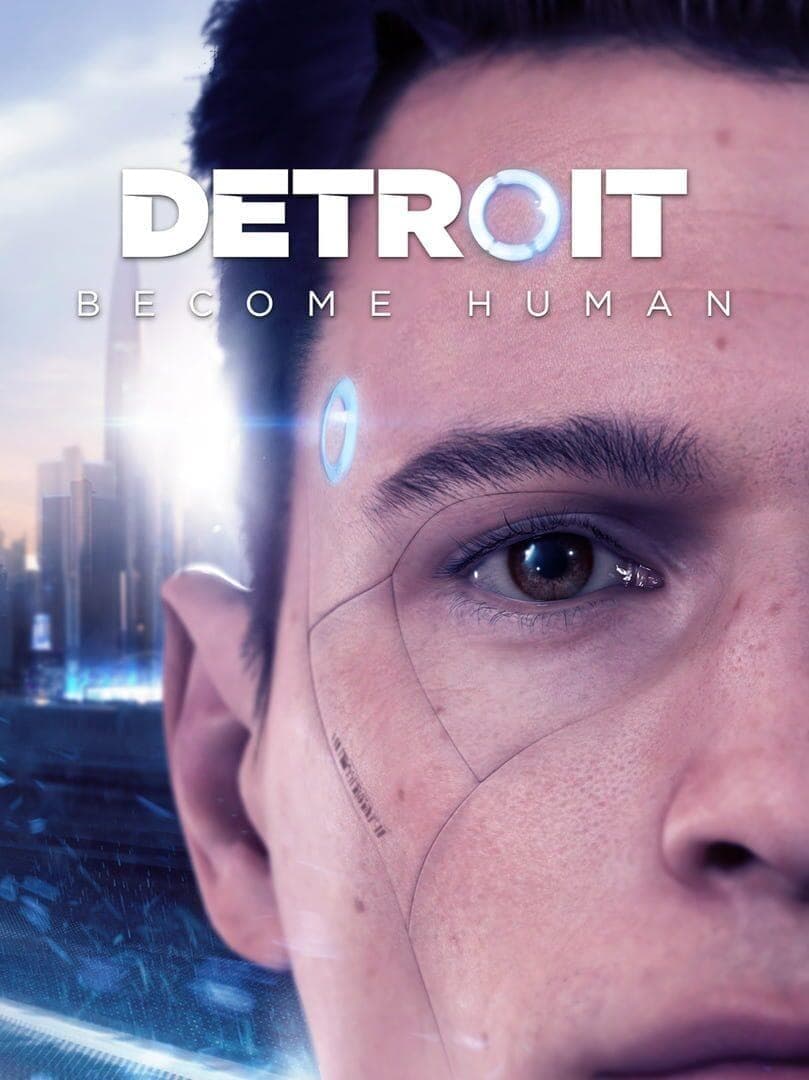
    Detroit: Become Human

    Why you'll like this game: This interactive narrative focuses on branching decision systems where player choice directly shapes multiple intersecting storylines. Presentation emphasizes cinematic framing, facial animation technology, and performance-driven storytelling. Themes of identity, autonomy, and societal structure are explored through multiple perspectives. What the game is about:

    80% upvoted