Skip to content
maxnews
Sports & Games

The 12 Sneakiest Loopholes In Sporting History, Explained

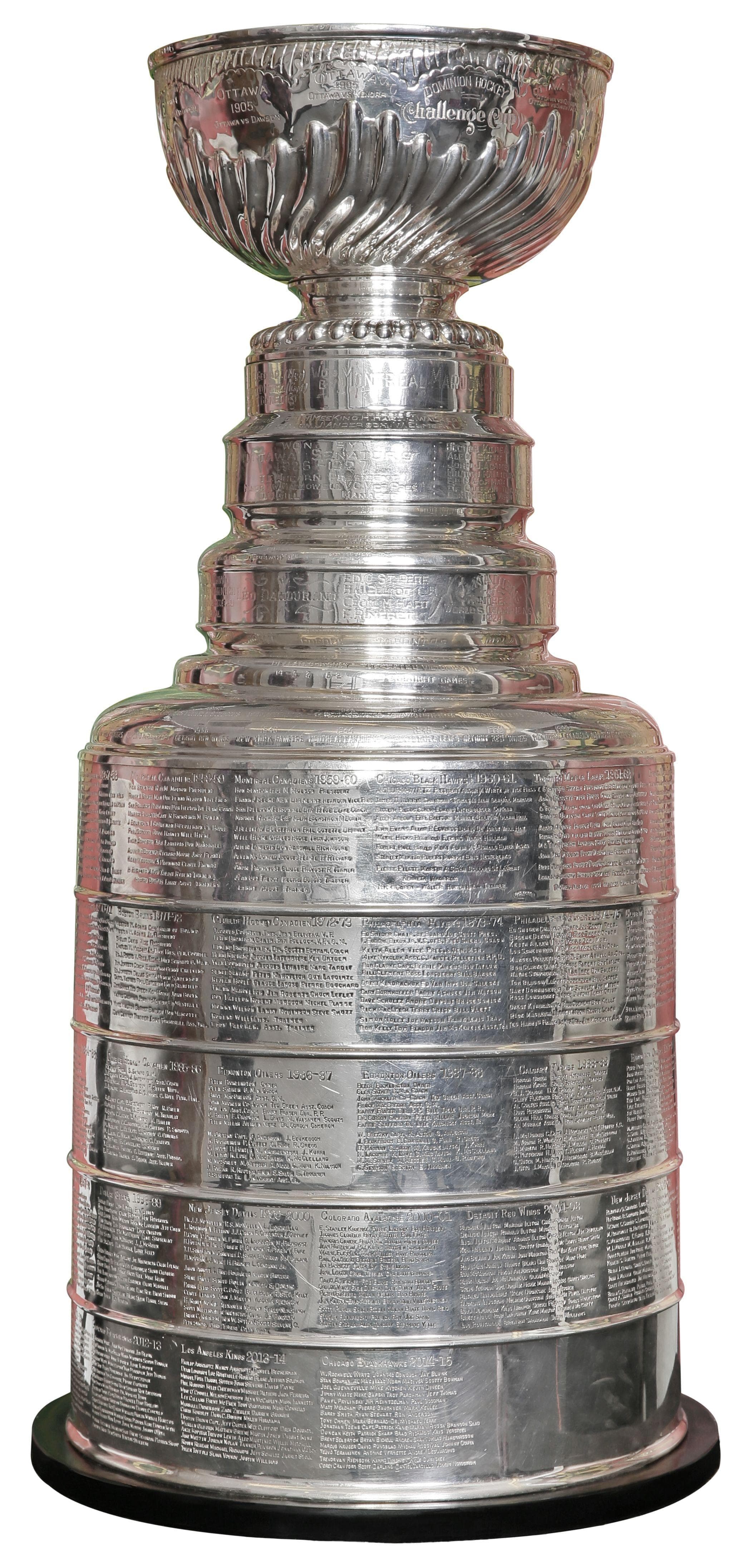
The well-known adage, “If you aren't cheating, you aren't trying” has been applied to all kinds of sports over the years. Many of the rules have loopholes that a clever player or coach can utilize to their best advantage. Players like Lester Hayes and coaches like Roger Neilson have forced leagues to modify or entirely change rules. The opposition might call these tactics sneaky or underhanded, but they don't always actually break the rules, just bend them. And even when they do break them, the penalty may be pretty light. For example, did the Cleveland Cavaliers care about being fined $150,000 in return for getting to work out future superstar LeBron James when he was a high school junior? Of course, as Marty McSorley and the Los Angeles Kings discovered the 1993 Stanley Cup Finals, not playing by the rules can backfire on you bigtime if your deception is discovered. Below are some of the more memorable times that a player or team has found loopholes in or otherwise tried to manipulate the rules. .

Entries
12
Votes
4.9K
Updated
yesterday

Tap upor downto vote. Your vote is added to Ranker's counts.

Voting identifies your browser with an anonymous fingerprint, stored only as a salted hash, to count one per visitor. Privacy

Source: Ranker, ranked by its voters.

  1. 1

    Roger Neilson Is Personally Responsible For Three Rule Changes In The NHL
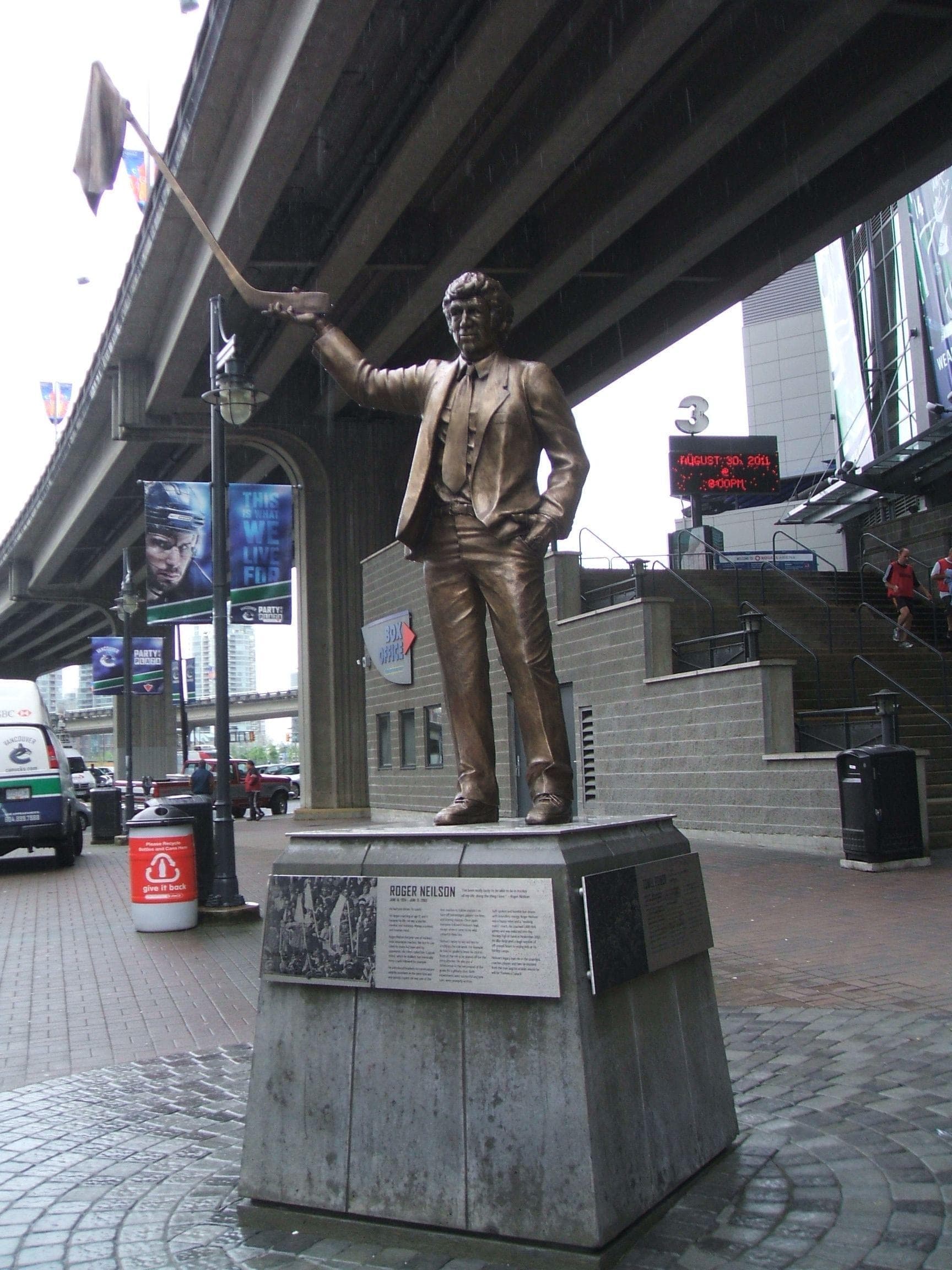
    Roger Neilson is a member of the Hockey Hall of Fame. He was a head coach for eight different NHL teams - the Toronto Maple Leafs, Buffalo Sabres, Vancouver Canucks, Los Angeles Kings, New York Rangers, Florida Panthers, Philadelphia Flyers, and Ottawa Senators in a career that spanned four decades (1977 to 2002). Although he never won a Stanley Cup, he was known as an innovator - he earned the nickname “Captain Video” because of his use of videotape to analyze other teams and was the first to use headsets to communicate with his assistant coaches. But he was also known for finding loopholes in the rules that he could exploit to his team's advantage. In fact, Neilson's actions were responsible for the NHL making multiple changes to its rules. The first of these had to do with the “too many men on the ice” rule. When Neilson was still coaching in the minor leagues, he once faced a situation in which his team was winning by one goal late in the game but was down two men, playing in a 5-on-3 situation. Knowing that no more penalties could be called against his club, Neilson would put an extra skater on the ice every 10 seconds, forcing the refs to blow the action dead. The rule was quickly changed so that if a team got called for too many men on the ice in a 5-on-3 situation in the last two minutes of regulation or in overtime, the opposing team would be given a penalty shot. The second rule had to do with penalty shots. The NHL rule stated that the team facing a penalty shot could only have one defender on the ice in that situation. But the rule did not specifically state that the defender had to be a goaltender. Nor was there a rule about the defender having to stay in the net. So instead of a goaltender, Neilson would send a defenseman out on the ice and have him attack the player attempting the penalty shot, as it is difficult to get around a defender and get off a good shot in a one-on-one situation. This rule was changed so that teams must use a goalie in net when facing any penalty shots. The third rule had to do with goaltenders being pulled. In the course of a game, a goaltender may leave the ice in order to put another attacker on. This, of course, would leave the net wide open. But the rule book said nothing about the goaltender having to take his goaltending stick with him if he left the ice. So Neilson would have his goalie leave his stick lying across the goal crease, limiting the opponent's ability to score. This rule was changed; now a team is awarded a goal if a shot hits the goaltender's stick in this situation.
    87% upvoted
  2. 2

    West Germany And Austria Stopped Playing During a 1982 World Cup Match

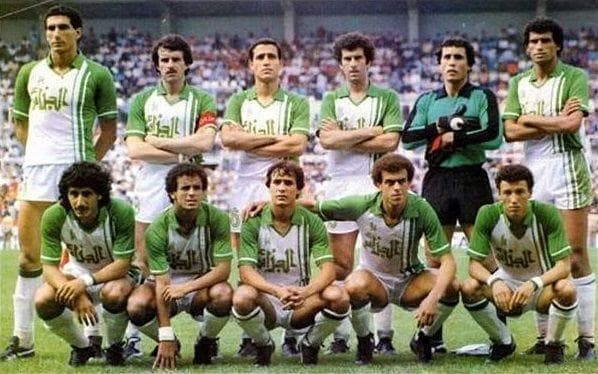
    FIFA introduced a new rule for the 1986 World Cup that resulted in the final matches of the third round in the group stage of the tournament being played simultaneously. This rule was prompted by what happened during a match between West Germany and Austria in the same round of the 1982 World Cup. With group rivals Algeria (pictured) on 4 points after three games, Germany and Austria knew a 1-0 win for the Germans in the final group match would be enough to allow both teams to advance. In a match later dubbed the "Nichtangriffspakt von Gijón" or the “Non-aggression pact of Gijón,” West Germany took a quick 1-0 lead on a goal by Horst Hrubesch. Soon, the game ground to a halt, with both teams simply passing the ball back and forth around midfield, neither looking to take the ball from its opponent or to try and score. The fans at the game were angry, some even waving money at the players, seemingly implying that the game had been fixed so that both would advance to the next round. Even the t.v. commentators for the two were upset. German analyst Eberhard Stanjek refused to comment on the game any longer. Austrian commentator Robert Seeger called out the poor play and told viewers to turn off their television sets. The match ended in a 1-0 victory for West Germany, the Algerian Football Association was furious. They lodged a protest with FIFA, which was denied. The West German officials, meanwhile, said nothing to defend themselves. A 2010 Bleacher Report article on the match quoted West German manager (coach) Jupp Derwall as having said "We wanted to progress [to the next round of pay], not play football."

    84% upvoted
  3. 3

    The Edmonton Oilers Served The Opposition Decaf During The 1984 Stanley Cup Finals

    The Edmonton Oilers were an NHL dynasty in the 1980s, with an all-star line-up the Oilers appeared in six Stanley Cup Finals in eight seasons, winning five. After losing in straight games in 1983 to the NY Islanders, the Oilers lined up against the Islanders again the following year. according to a Hockey Hall of Famer, the underdog Edmonton team may have gained an unfair advantage by plying its opponent with decaf coffee. Remember, there were no energy drinks or supplements readily available to pro athletes in the early 1980s. In 2003 hockey Hall of Famer Denis Potvin, a star defenseman on that Islanders' team, recalled to The Hockey News that a former Oiler player told him years later the team had deliberately replaced the regular coffee in the visitors' locker room with decaf.in Games 3, 4, and 5 of the series - all of which were played in Edmonton. [Coffee] was our only high back then. We were there for seven or eight days – who knows the little mischievous actions done by the Edmonton Oilers. That’s the story of the ’84 final. Edmonton won all three of those contests and ended up claiming the franchise's first-ever Stanley Cup by defeating the Islanders in the series four games to one.

    81% upvoted
  4. 4

    Lester Hayes’s Sticky Hands Forced A NFL Rule Change

    Lester Hayes was a defensive back in the NFL from 1977 to 1986, playing his entire career with the Oakland/Los Angeles Raiders. In 1980 Hayes was named the NFL's Defensive Player of the Year after recording 13 interceptions (plus five more in the postseason). Hayes possessed plenty of natural ability, but it turned out that he had gained a competitive advantage by using Stickum. Hayes was a rookie when he was introduced to the substance by Raiders' star receiver Fred Biletnikoff. As the former defensive back recalled in a 2007 interview with ESPN, the receiver walked up to him before his first preseason game and put some Stickum on his fingers before walking away. [Biletnikoff said], ‘Try that, rookie.' I thought that Fred had put axel grease in my hands. Hayes was just one of several players who used Stickum. In his case, Hayes slathered the substance over his hands, wrists, and arms in order to help him hold onto and disrupt opposing receivers, as well as to hold onto potential interceptions. As former linebacker Ted Hendricks told ESPN, even Hayes's teammates felt he overdid the use of the Stickum: “You practically had to pry the ball loose from him whenever he got his hands on it.” Hayes helped the Raiders win Super Bowls XV and XVIII. But in 1981 the NFL banned the use of Stickum and similar adhesive products. The league named Hayes as one of the players whose use of the substance had contributed heavily to the rule change. Hayes played for another six seasons after this ban, but - perhaps not coincidentally - never again had more than four interceptions in a season. In 2004 Hayes told the Houston Chronicle that when he was able to use Stickum: I could catch a football behind my back on one knee. It was tremendous stuff.

    80% upvoted
  5. 5

    The 1981 Australian Cricket Team Snatched Victory By Bowling Underarm

    In 1981, the Australian and New Zealand cricket teams faced off in the best-of-five final of the World Series Cup and split the first two matches. The third match was played on February 1, 1981. Entering the final over, New Zealand needed to score 14 to tie the match, and 15 to win it. Greg Chappell, the captain of the Australian team, selected his younger brother Trevor to bowl the final over. New Zealand cut into the deficit but still needed to score six on the final ball in order to tie the match. It was at that point that Greg Chappell instructed his brother to bowl the ball underhanded. Which he did, forcing the batter, Brian McKechnie, to play the ball in a defensive manner. Australia won the match, but the large crowd booed the Australian team off the field, for, although bowling underhanded was technically legal, it was not seen as being in the spirit of fair play. The reaction was harsh. Ian Chappell, the older brother of Greg and Trevor and a former cricketer himself, was broadcasting the match. When he saw what was planned, he yelled. “No, Greg, no. You can’t do that!” Richie Benaud, a former Australian national team captain turned commentator for Channel 9 (Australia), said it was “one of the worst things I have ever seen done on a cricket field.” Robert Muldoon, who was then the Prime Minister of New Zealand, angrily commented that it was the “most disgusting incident” in the history of cricket that he could remember and added that: It was an act of true cowardice and I consider it appropriate that the Australian team were wearing yellow. Even Malcolm Fraser, Australia's own Prime Minister at the time, was upset, calling Chappell's decision “contrary to all the traditions of the game.” And of course, the New Zealand team was furious. In response to the incident, the International Cricket Council banned underarm bowling, except if both teams agreed to allow it prior to the start of the match.

    74% upvoted
  6. 6

    Bubba Wells Fouled Dennis Rodman Six Times In Under Three Minutes

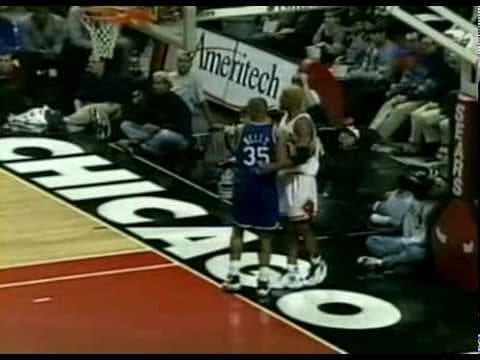
    The strategy of intentionally fouling players who are suspect at free throws is nothing new in basketball, in the 1960s this strategy was often used against superstar center Wilt Chamberlain - a player who once averaged more than 50 points per game in a season, but who was a notoriously bad free-throw shooter. Opposing players would chase Chamberlain around the floor as the big man attempted to avoid being fouled. Shaquille O’Neal was so frequently targetted that the strategy became known as “Hack-a-Shaq”. One of the biggest proponents of the stratagem was Don Nelson. But it was in a December 1997 game between Nelson's Dallas Mavericks and the Chicago Bulls that Mavericks' forward Bubba Wells made his way into the NBA record books. Following Nelson's instructions, Wells intentionally fouled Bulls' forward Dennis Rodman six times in the course of just 2:43 of game action - giving Wells the NBA record of fouling out of a game in the shortest amount of time. Nelson's strategy backfired on him as Rodman made nine of the 12 free-throw attempts and the Bulls won the game. The NBA later again altered the rules involving off-the-ball fouls. Beginning with the 2016-17 season, the rule that gave the offensive team one free throw and possession of the ball was expanded to cover the final two minutes of each quarter (and any overtimes). Still, the strategy continues to be utilized outside of those restrictions to this day.

    73% upvoted
  7. 7

    During Game 2 Of 1993 Stanley Cup Finals, Montreal Scored A Game-Tying Power-Play Goal After Refs Sent Marty McSorley To Penalty Box For Having A Stick With An Illegal Curve In It

    In 1993, the Montreal Canadiens faced the Los Angeles Kings for the Stanley Cup. The Canadiens were looking for their 24th Stanley Cup title in franchise history, while the Kings had never played for the NHL championship before. The Kings won Game 1 of the best-of-seven series. And it looked like they would take a 2-0 lead; they led Game 2 by the score of 2-1 with less than two minutes remaining in regulation. However, Montreal head coach Jacques Demers asked the officials to measure the stick of Kings' defenseman Marty McSorley. The stick was found to have a curve in it that exceeded the legal amount according to NHL rules. McSorley was given a two-minute penalty, giving Montreal a 5-on-4 advantage. Demers then pulled Montreal goaltender Patrick Roy in exchange for a sixth attacker. Eric Desjardins scored on the ensuing power play, tying the contest with 1:13 left in regulation. Then Desjardins scored again early in overtime, giving the Canadiens an unlikely win and evening the series at 1-1. Montreal then went on to take the next three games, capturing the Stanley Cup.

    66% upvoted
  8. 8

    Milwaukee Manager Craig Counsell Pulled His Starting Pitcher After One Batter In Game 5 Of The 2018 NLCS

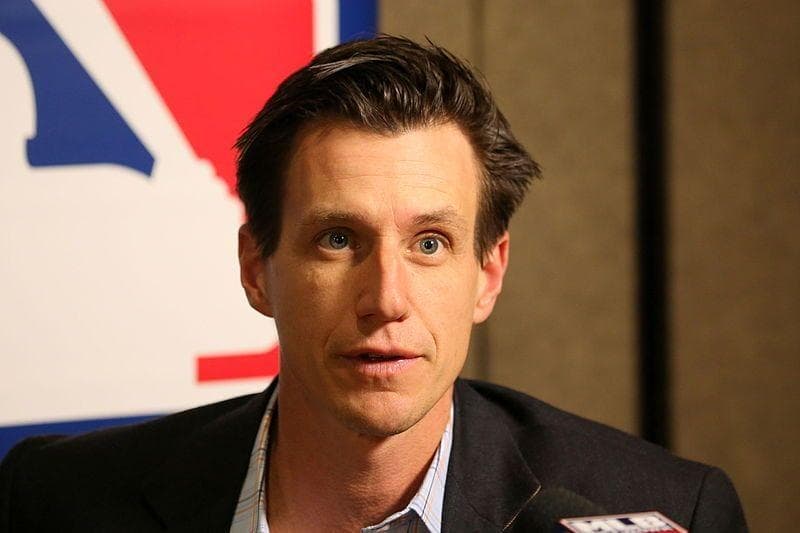
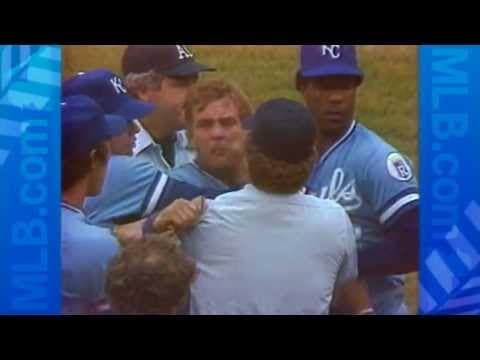
    In 2018 the Los Angeles Dodgers and the Milwaukee Brewers met in the National League Championship Series (NLCS). The best-of-seven series was tied 2-all when the teams met for Game 5 on October 17. Milwaukee manager Craig Counsell (pictured) named left-hander Wade Miley as the Game 5 starter, only to pull him for right-hander Brandon Woodruff after Miley walked the Dodgers' first batter of the game on five pitches. When Miley started Game 2, the Dodgers put all right-handed hitters in the lineup - in general, right-handed batters have more success against left-handed pitchers than right-handed hitters do - so when Counsell pulled this fast switch in Game 5, the thought was that he was hoping to catch the Dodgers off guard, forcing their right-handed batters to face a righty. But according to Fox Sports' reporter Tom Verducci, Los Angeles manager Dave Roberts seemingly anticipated Counsell's move; he put two of the Dodgers' best left-handed hitters in the starting lineup. As Sports Illustrated's Emma Baccellieri reported, the idea of having a starting pitcher be used as a kind of decoy had been done in a postseason contest once before in history; in Game 7 of the 1924 World Series, Washington Senators' manager pulled a right-handed starter, Curly Ogden, for left-hander George Mogridge after Ogden faced just two batters. The Senators ended up winning the game - and the World Series. Counsell himself, meanwhile, had tried a similar bait-and-switch tactic earlier in the season; in a September game versus the St. Louis Cardinals the manager had left-hander Dan Jennings, who had only ever been a relief pitcher during the course of his career in the majors, start the game. Jennings faced just one batter before being replaced. Whatever the motives behind Counsell's Game 5 strategy, the plan didn't work. The Dodgers won the contest - and went on to take the NLCS in seven games.

    64% upvoted
  9. 9

    LeBron James's Workout For The Cleveland Cavaliers Flouted NBA Rules

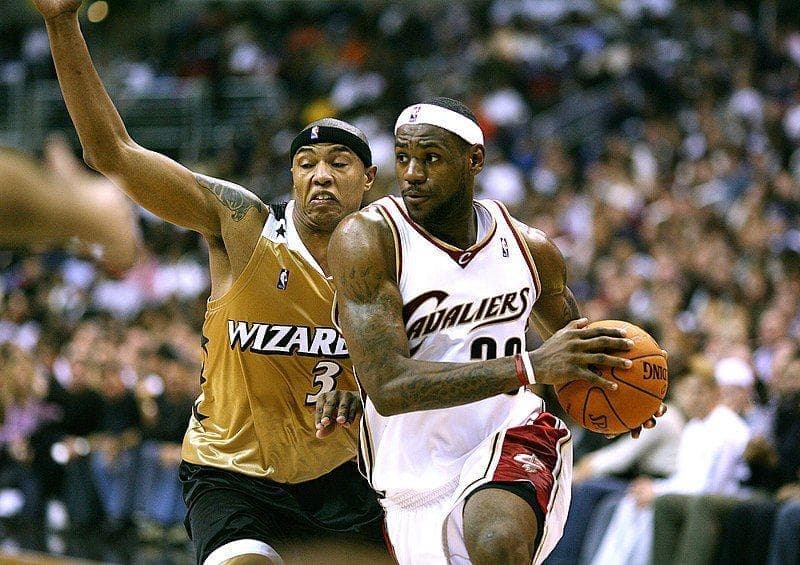
    On May 22, 2002, John Lucas, the head coach of the NBA's Cleveland Cavaliers, invited several players to participate in an informal workout. While most of the participants were local college or free agent professional players, the star of the workout was a high school junior named LeBron James. Just three months earlier James had made the cover of Sports Illustrated, anointed as “The Chosen One,” suggesting that he would be the next NBA superstar. A proclamation that came true -as of 2022, the consensus is that James is one of the Top 5 players in NBA history; he has scored the second-most career points of any player (behind only Kareem Abdul-Jabbar) and won four NBA titles (in 10 total NBA Finals appearances). But back in May 2002, James was still a little more than one year away from becoming the overall #1 pick in the 2003 NBA Draft. He had been known to NBA and college coaches and players for a few years; in fact, as a high school sophomore, he had been invited to take part in a pickup game in Chicago where he had faced off against NBA stars such as Michael Jordan, Paul Pierce, Penny Hardaway, and Ron Artest. Chris Daniels, an adviser to the James family, and Eddie Jackson, who was a father figure to the HS basketball star, were the ones who arranged for James to be able to work out against college and NBA players while he was still in high school. As Daniels explained in a May 2022 Andscape article: I put together a game plan when [James] was in the ninth grade, and one of the big things was getting him in the gym with NBA guys. I wanted LeBron to see what NBA guys looked like. And I wanted NBA guys to see him because he was ready. So the next year after Chicago, I wanted him to play against some NBA guys in Cleveland so he could size himself up against them. I knew Eddie could get it done because he has a way with people, plus he told me he knew [John] Lucas. But as a high school junior, James was not eligible for the 2002 Draft. So his participation in that workout landed Lucas and the Cavaliers in hot water with the NBA. As an AP article pointed out, the NBA rules stated: Teams may not directly or indirectly have or engage or attempt to have or engage in any discussion, communications or contact whatsoever with any player who has remaining intercollegiate basketball eligibility or is otherwise ineligible to be selected in such draft. The NBA ended up fining the Cavaliers $150,000 and suspending Lucas for the first two games of the 2002-03 season. But since the club ended up drafting James the following summer, the franchise might not have cared all that much about the punishment.

    63% upvoted
  10. 10

    The Jacksonville Jaguars And Carolina Panthers Jumped Ahead Of The Minnesota Vikings In The 2003 NFL Draft

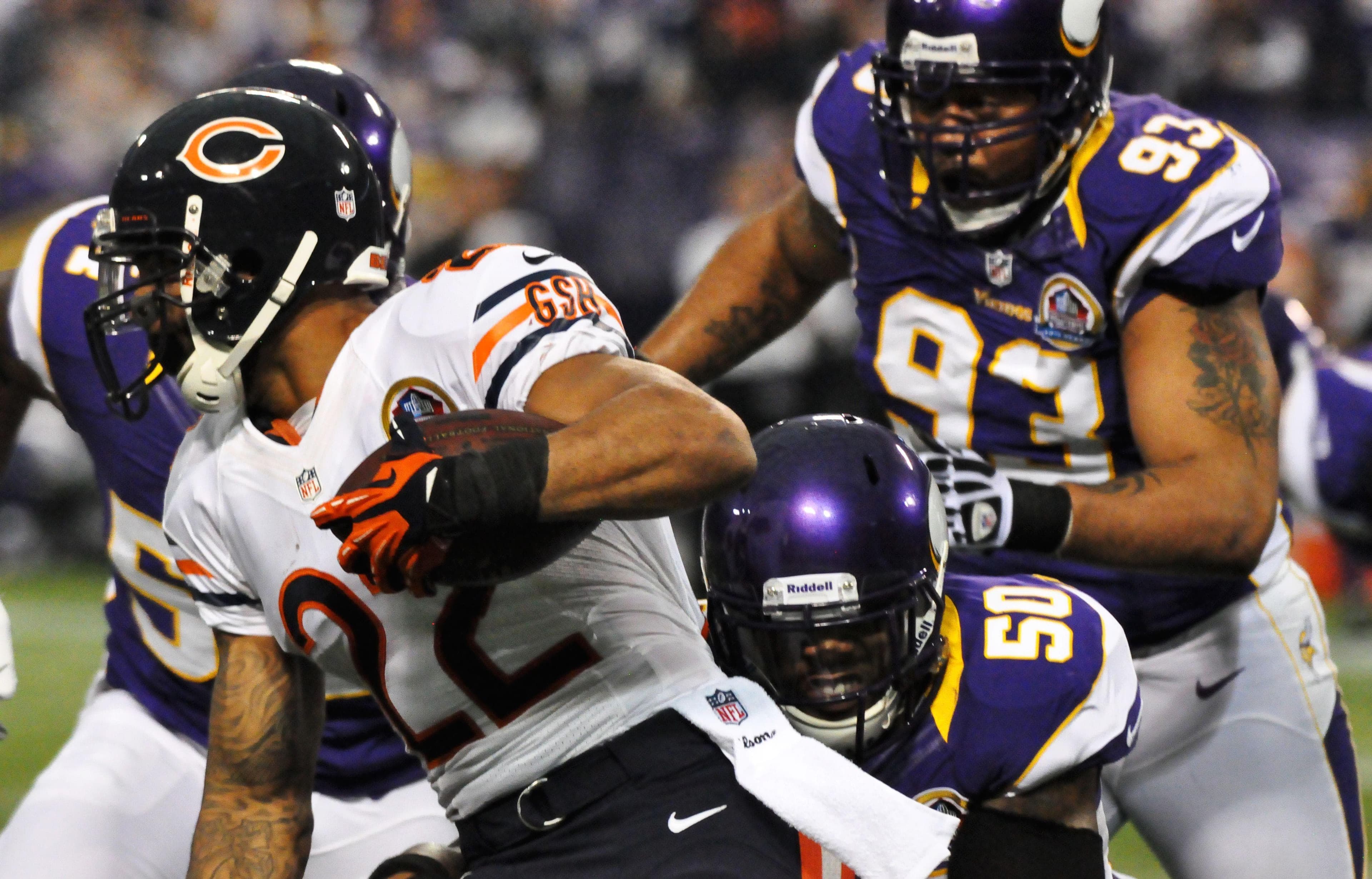
    in 2003 the Minnesota Vikings held the seventh pick in the NFL Draft. At the time, the rule was that a team had 15 minutes to make its pick and relay the information to a specific league official - in this case, Joel Bussert - who then gives the information to the NFL commissioner for the official announcement. While on the clock the Vikings were simultaneously discussing trade proposals with three different teams - Baltimore, Jacksonville, and New England. Minnesota officials finally decided on a trade with Baltimore that would allow the Ravens to move up to the Vikings' spot in the draft, where they would pick quarterback Byron Leftwich. In return for moving down to the #10 slot, Minnesota would receive picks in the fourth and sixth rounds. The Vikings claimed that they turned in the trade proposal to Bussert with about 32 seconds left on the clock. But the NFL said that it did not receive confirmation of the trade proposal from the Ravens. For their part, Ravens' officials claimed that they had tried to call in the trade to the league officials, but no one answered the phone. As Baltimore G.M. Ozzie Newsome later explained to the A.P. A deal is not a deal until I talk to Joel Bussert, and I never talked to Joel Bussert. In the confusion, the 15-minute time limit for making a draft pick expired, forcing the Vikings to “pass.” Under NFL rules, the Vikings could still make their pick at any time. But before they could do so, both the Jacksonville Jaguars and the Carolina Panthers, who held the eighth and nine picks, respectively, jumped in front of Minnesota - the Jaguars ended up taking Leftwich at No. 7, while the Panthers selected offensive tackle Jordon Gross at No. 8. Then the Vikings finally made their selection, picking defensive tackle Kevin Williams. Unsurprisingly, Minnesota head coach Mike Tice was not happy about the screwup, telling ESPN: "I'm p*ssed. There is no other way I can put it.” In the end, selecting Williams worked out well for the Vikings; he played 11 seasons for the franchise, earning six Pro Bowl selections.

    60% upvoted