Skip to content
maxnews
Film

The 12 Most Gorgeous Horror Movies Ever Made

Horror has been a popular film genre for more than 100 years. Many fans check out the latest horror flick for a simple reason: Horror is exciting. A reliable, run-of-the-mill horror film offers startling jump scares, nauseating gore, and/or disturbing plot developments that stick with the viewer long after the credits roll. Because of this, some believe horror can only offer cheap thrills. On the contrary, plenty of horror films offer up a visual experience on par with anything else in cinema. Here are a few horror films that have no business being as gorgeous as they are.

Entries
12
Votes
5.4K
Updated
yesterday

Tap upor downto vote. Your vote is added to Ranker's counts.

Voting identifies your browser with an anonymous fingerprint, stored only as a salted hash, to count one per visitor. Privacy

Source: Ranker, ranked by its voters.

  1. 1

    Sleepy Hollow

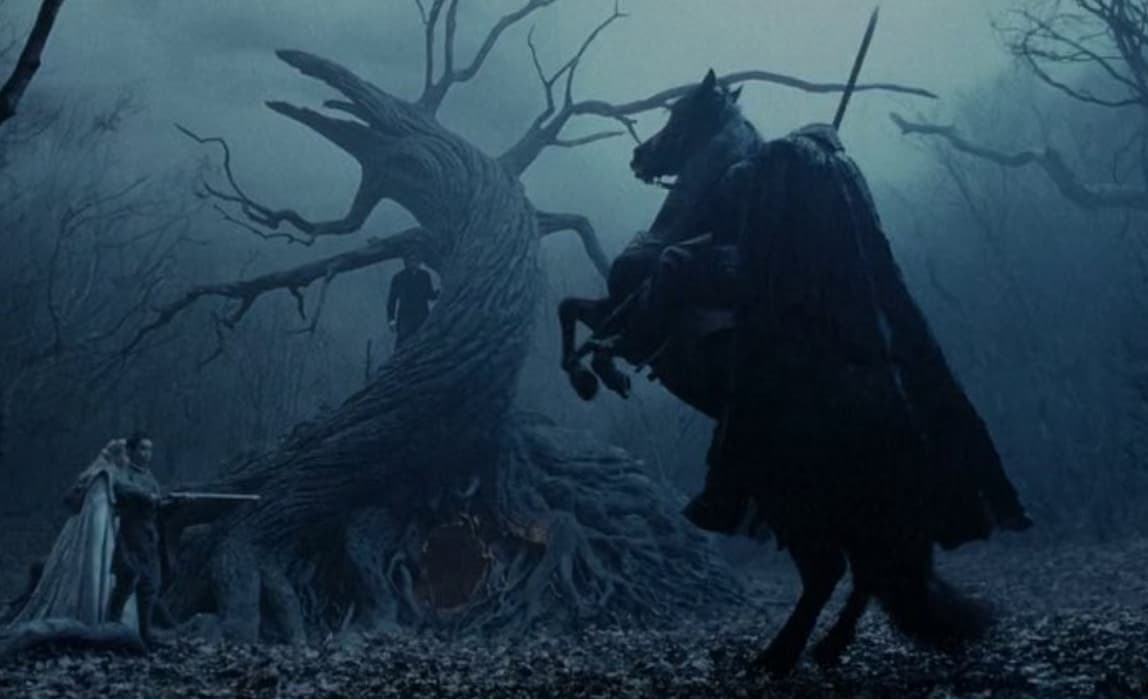
    Washington Irving's short story “The Legend of Sleepy Hollow” has been retold dozens of times since it was first published in 1820. By the time Tim Burton adapted it in 1999, the story of Ichabod Crane's ill-fated journey through the woods had essentially become an American fable. When designing the film, Burton lit his sets with monochromatic light and used a desaturated color scheme. This not-quite black-and-white theming gave the film an eerie, fairytale-like vibe.

    91% upvoted
  2. 2

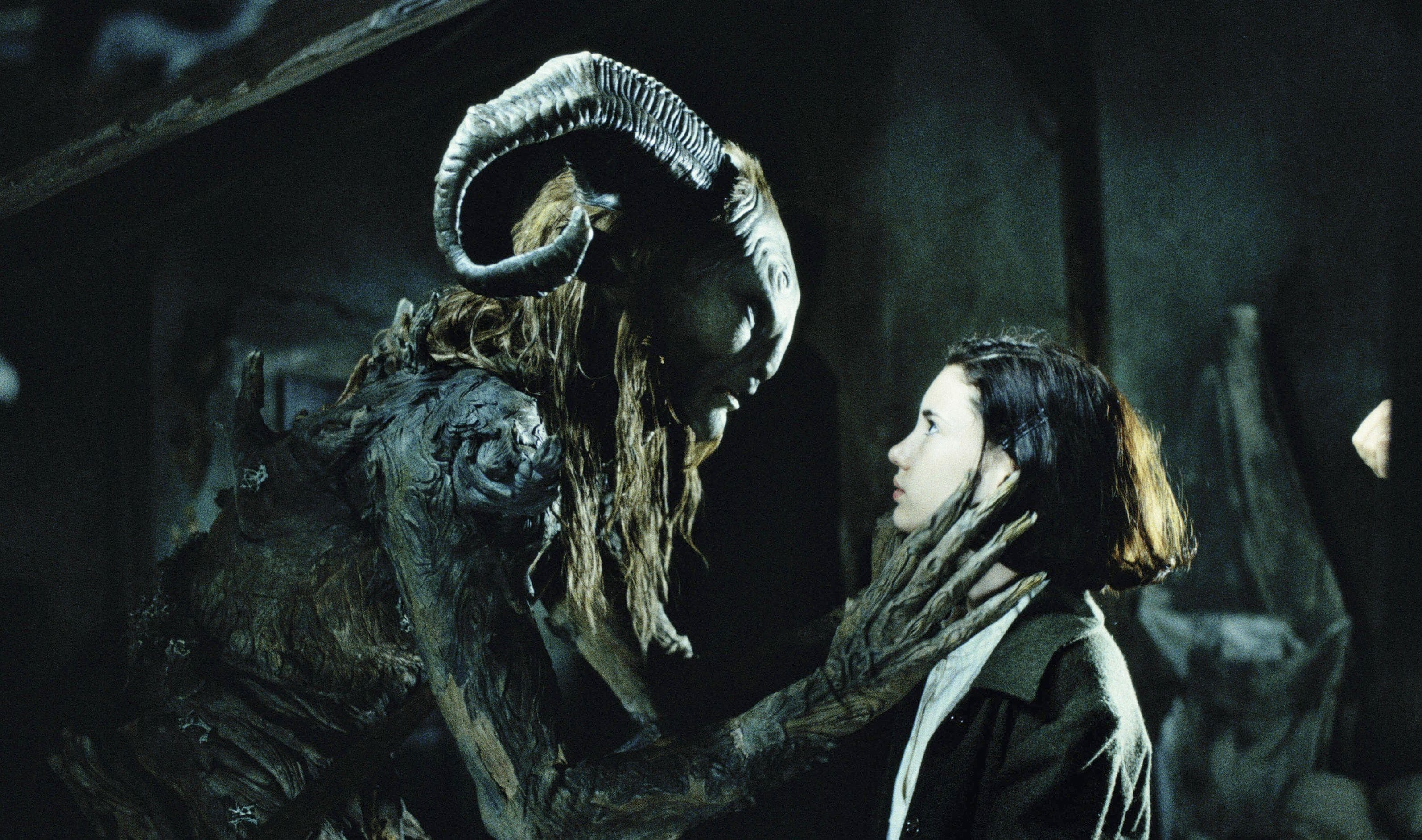
    Pan's Labyrinth

    Pan's Labyrinth combines classical mythology with 20th-century Spanish politics to create a modern-day fairytale. Guillermo del Toro's 2007 film centers on a girl named Ofelia, whose home is commandeered by soldiers from the fascist Franco regime shortly after WWII. As Ofelia adjusts to her new reality, she discovers a lush fantasy world populated with fantastical creatures, such as the faun Pan, who guides her along her journey. Always a skilled colorist, del Toro casts the fantasy sequences in warmer, earthier colors, while presenting the real-world sequences in colder, sterile ones.

    91% upvoted
  3. 3

    Crimson Peak

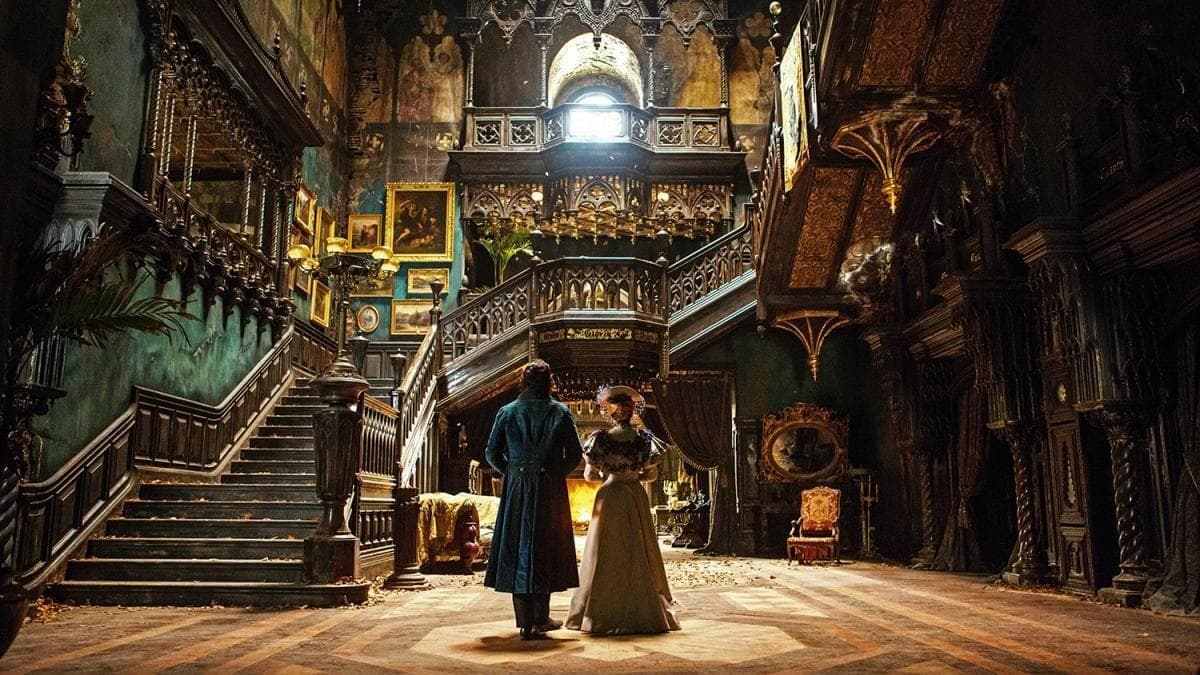
    One contemporary horror director known for their distinct visual style, and particularly their use of character and set design, is Guillermo del Toro. Crimson Peak is del Toro's 2015 take on a classic gothic horror story. In it, Mia Wasikowska stars as a young woman who travels to a remote Victorian mansion with her new husband and begins having visions of the grotesque ghosts of its former inhabitants. One staple of the horror genre is the use of the color red; it often represents (or sometimes literally is) blood, gore, and violence. In Crimson Peak, del Toro uses a seeping red clay that oozes into the mansion's halls, foreshadowing the events to come. The film's setting, Allerdale Hall, was completed in six months, with del Toro personally supervising the construction.

    88% upvoted
  4. 4

    The Cell

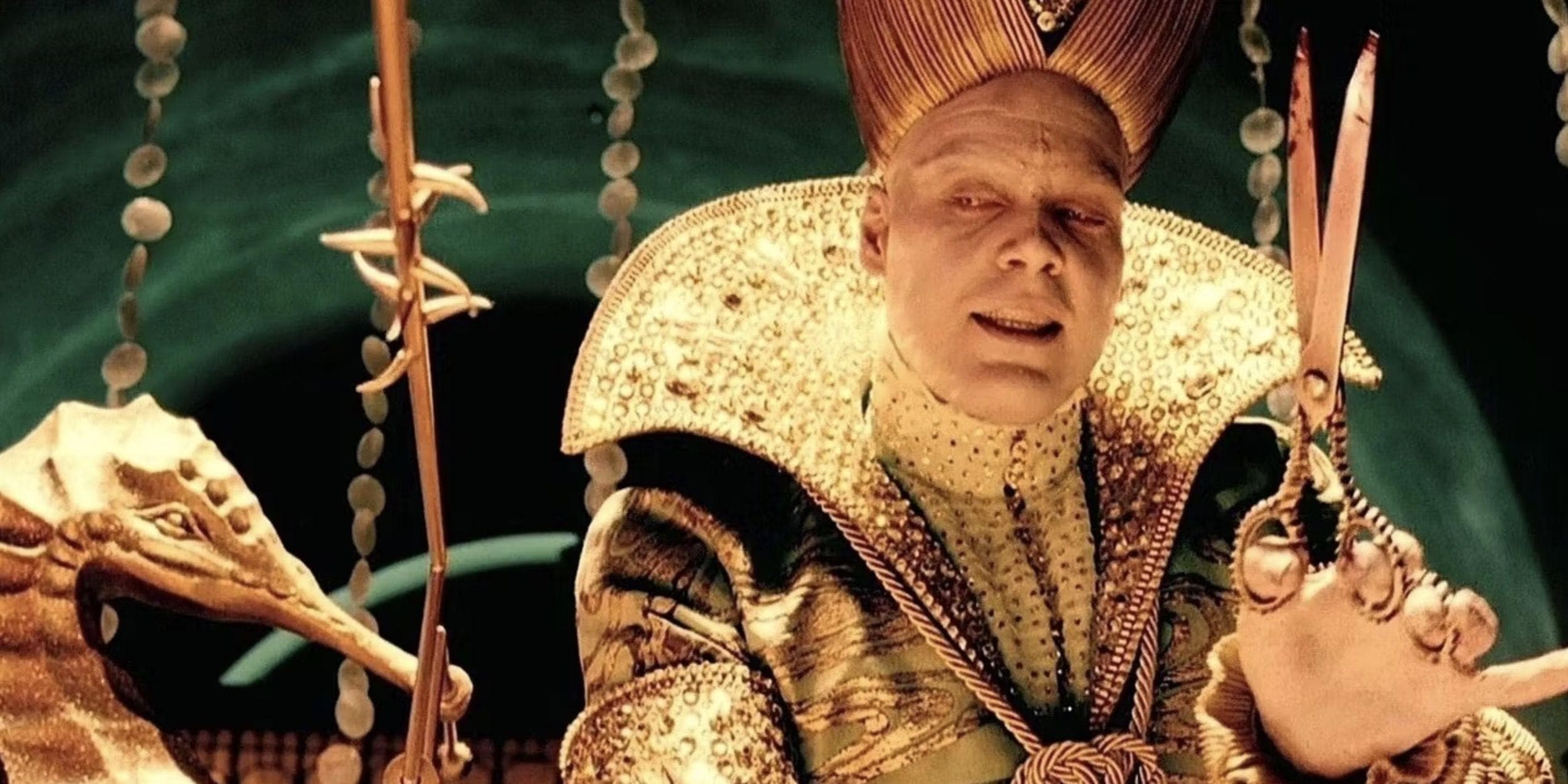
    In the 2000 movie The Cell, Jennifer Lopez stars as a child psychologist who's tasked with entering the mind of Carl Rudolph Stargher, a serial killer afflicted with a virus that leaves him in a coma. Hidden somewhere inside his mind is his latest victim, whom he's kidnapped but hasn't yet killed. Much of the film takes place within Stargher's mind, which is locked in a dreamlike state. While The Cell's story isn't much to write home about, it offers up a visual feast of surreal landscapes, outlandish costumes, and out-of-this-world makeup effects. Tarsem Singh directed the film and went on to direct other aesthetically fascinating films like Mirror, Mirror and The Fall.

    83% upvoted
  5. 5

    Suspiria

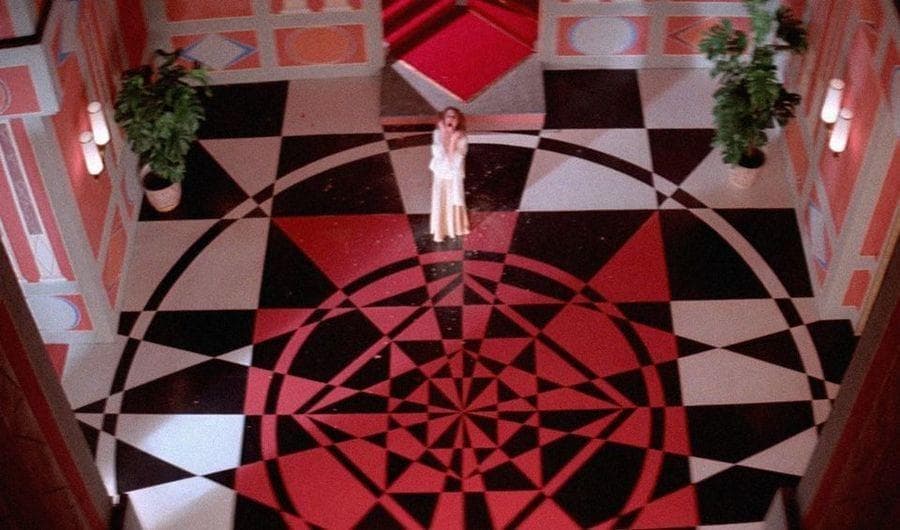
    Suspiria is Dario Argento's 1977 masterpiece about a young woman named Suzy (Jessica Harper) who attends a German ballet school that's home to a coven of black-magic users who commune with evil spirits. As with Argento's other films, Suspiria is all about color, specifically red. On one level, all that redness foreshadows the violence Suzy experiences. But the film is drenched with color to such an unrealistic degree, it creates a strange, unsettling effect, mirroring Suzy's surreal, horrific experience. One of Argento's influences was German expressionism, specifically the 1920s German expressionist film The Cabinet of Dr. Caligari - another worthy entry on this list.

    82% upvoted
  6. 6

    Midsommar

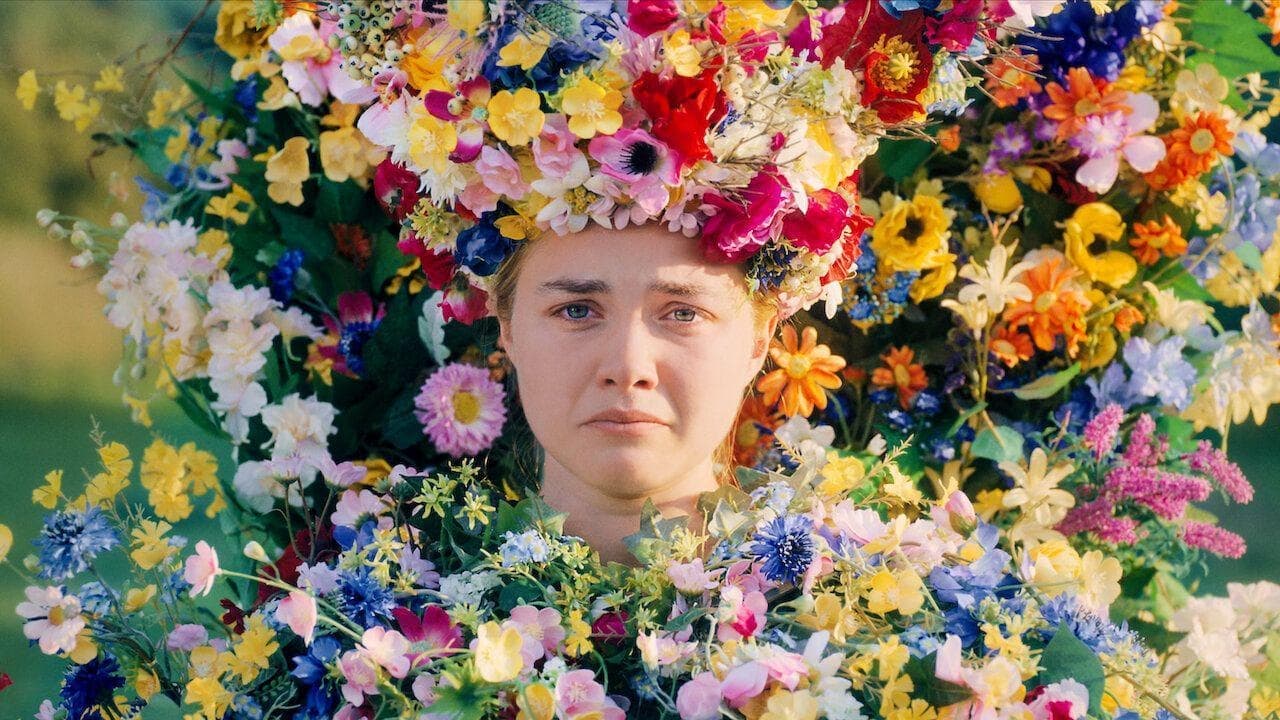
    Ari Aster's second feature film, Midsommar, follows a group of self-centered American grad students who stay with the Hårga, an old-fashioned rural community living on a commune in Sweden. Soon, the students discover that the commune's seemingly idyllic exterior hides a brutal reality: Not only do they conduct human sacrifices, they're willing to kill anyone who threatens their way of life, or even their values. Besides the film's characteristic use of bright daylight and blooming flowers, one of Midsommar's most striking features is its use of folk art. The Hårga's community is adorned with paintings of their legends and rituals - many of which foreshadow the fates of the grad students. “It’s like the script for the movie in image form,” said Swedish artist Ragnar Persson, who created the artwork. He was inspired by murals painted on 1800s Swedish farming villages, which were used to pass along knowledge about the community's fertility rituals.

    80% upvoted
  7. 7

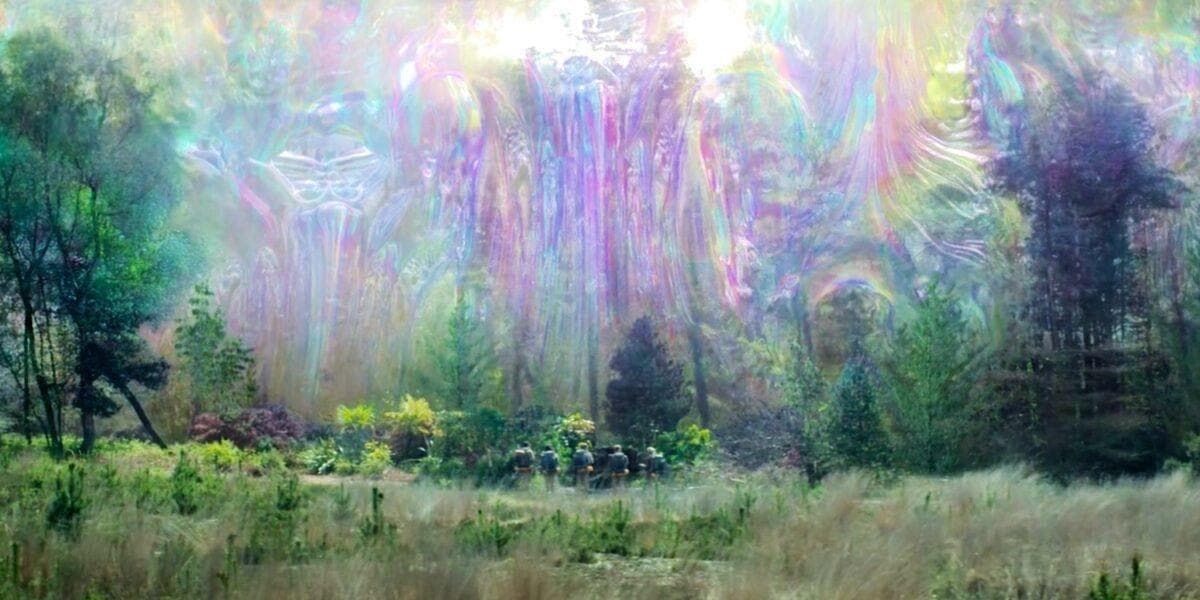
    Annihilation

    Creature features can, in fact, push the envelope artistically, and a movie like Annihilation proves it. The 2018 film stars Natalie Portman as a biologist and ex-soldier who joins a team of researchers to enter a mysterious area called “The Shimmer." The Shimmer is a reality-bending region surrounding a recently crashed meteor, and it's home to all sorts of nasties, like giant mutant crocodiles and human-plant hybrids. Director Alex Garland and visual effects supervisor Andrew Whitehurst were inspired to take a scientific approach to their sci-fi, using real-world biology as the basis of their designs. In particular, Whitehurst used "electron-microscope imagery of cells, a lot of mathematical practical shapes, a lot of reference imagery of things like lichens, spores, and mold growing."

    79% upvoted
  8. 8

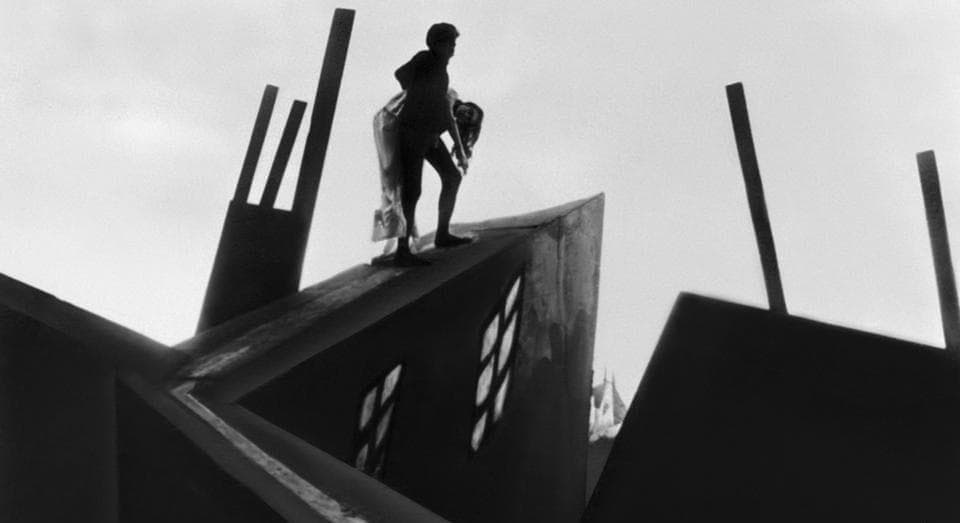
    The Cabinet of Dr. Caligari

    The 1920 German silent horror film The Cabinet of Dr. Caligari is undoubtedly an all-time horror classic. In it, a deranged hypnotist uses his abilities to coerce a sleepwalker to commit murders - and in one of cinema's greatest (and first) twist endings, the film's narrator turns out to be a mental patient himself. Many of the film's sets were painted in the style of German expressionism, an art movement that arose in the wake of WWI. Known for its surreal aesthetic and exaggerated colors, German expressionism was the perfect motif to depict the main character's disturbed mental state.

    75% upvoted
  9. 9

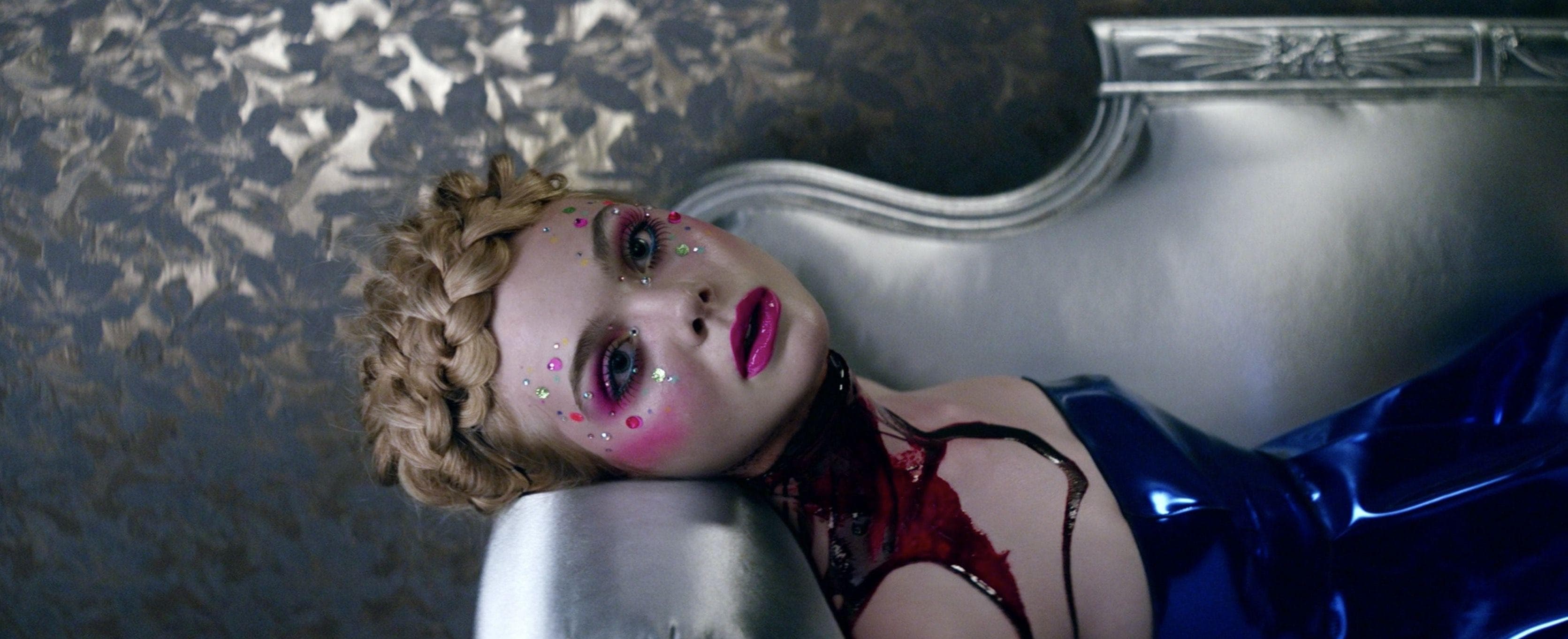
    The Neon Demon

    The Neon Demon is a deceptively simple retelling of the story of Narcissus. On the surface, it's a tale as old as time: A small-town teen moves to the big city - in this case Los Angeles - to pursue fame and fortune, only to find herself stuck in a world of sordid exploitation. Director Nicolas Winding Refn and Director of Photography Natasha Braier gave a lengthy interview to American Cinematographer, in which they explained several of their stylistic choices. “The first shot of a movie defines the style," Refn said. In this case, it's a shot of the main character Jesse (Elle Fanning) sprawled on a couch in makeup for a modeling shoot, but motionless as if she were dead. Winding Refn and Braier composed many shots as if they were static images, reflecting the main character's job as a photography model.

    73% upvoted
  10. 10

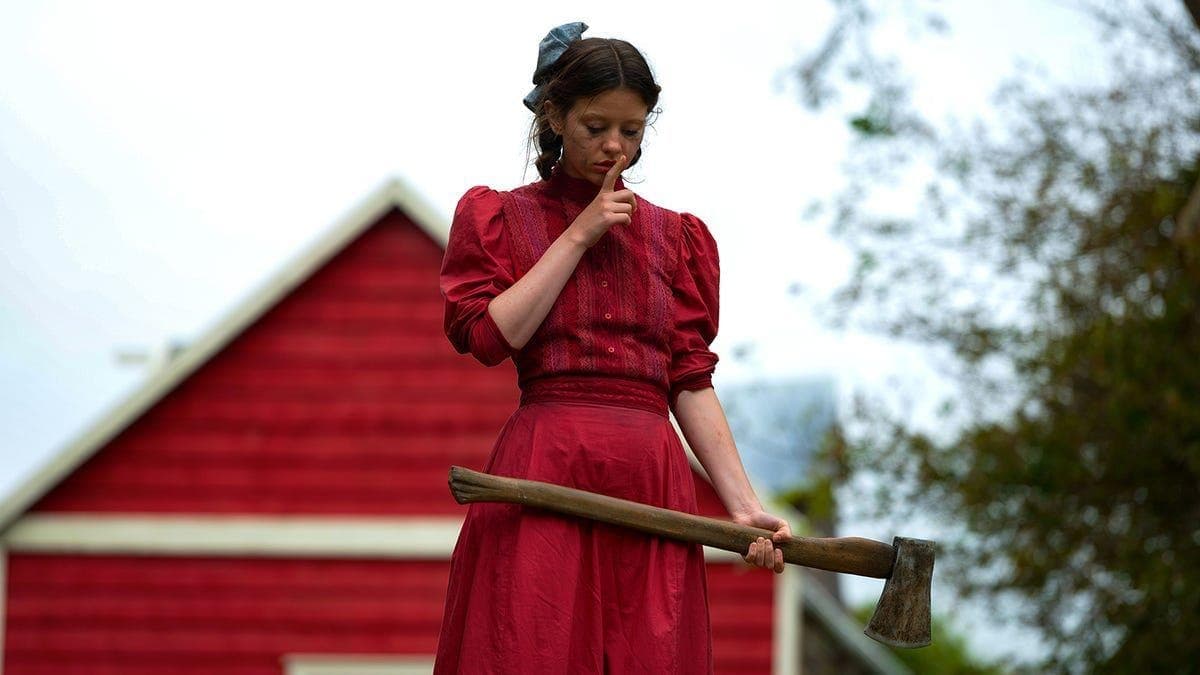
    Pearl

    Pearl is the second of Ti West's two-part film series released in 2022. It tells the backstory of the eponymous Pearl, the villain of the first film, X. Set in the aftermath of the 1918 influenza epidemic, Pearl is a twisted coming-of-age story about a young woman from a small town who's stuck caring for her ailing parents. But Pearl's dreams of Hollywood stardom ultimately lead her down a path of destruction. Without spoiling either movie, the events of Pearl lead her to become the person she is in X. Like X, Pearl is heavily stylized. In this case, West used the media of Pearl's time as inspiration. The film is rife with references to the early Hollywood films that inspire Pearl. West was especially inspired by early Disney films - from the music to the shot composition to the colors, and more. “I just felt like Pearl has this sort of naiveté that matches a Disney movie, except it’s much darker and more demented," West explained.

    72% upvoted