Pac-Man
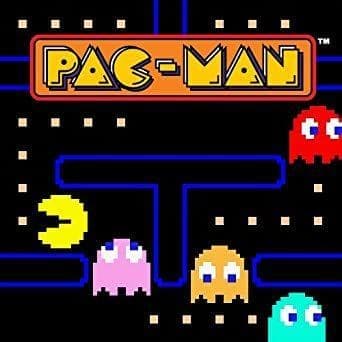
Pac-Man is arguably one of the most iconic video games of all time, and it all started in the 80s. The game's simple yet addictive gameplay, cute graphics, and catchy music made it an instant hit with gamers around the world.
77% upvoted
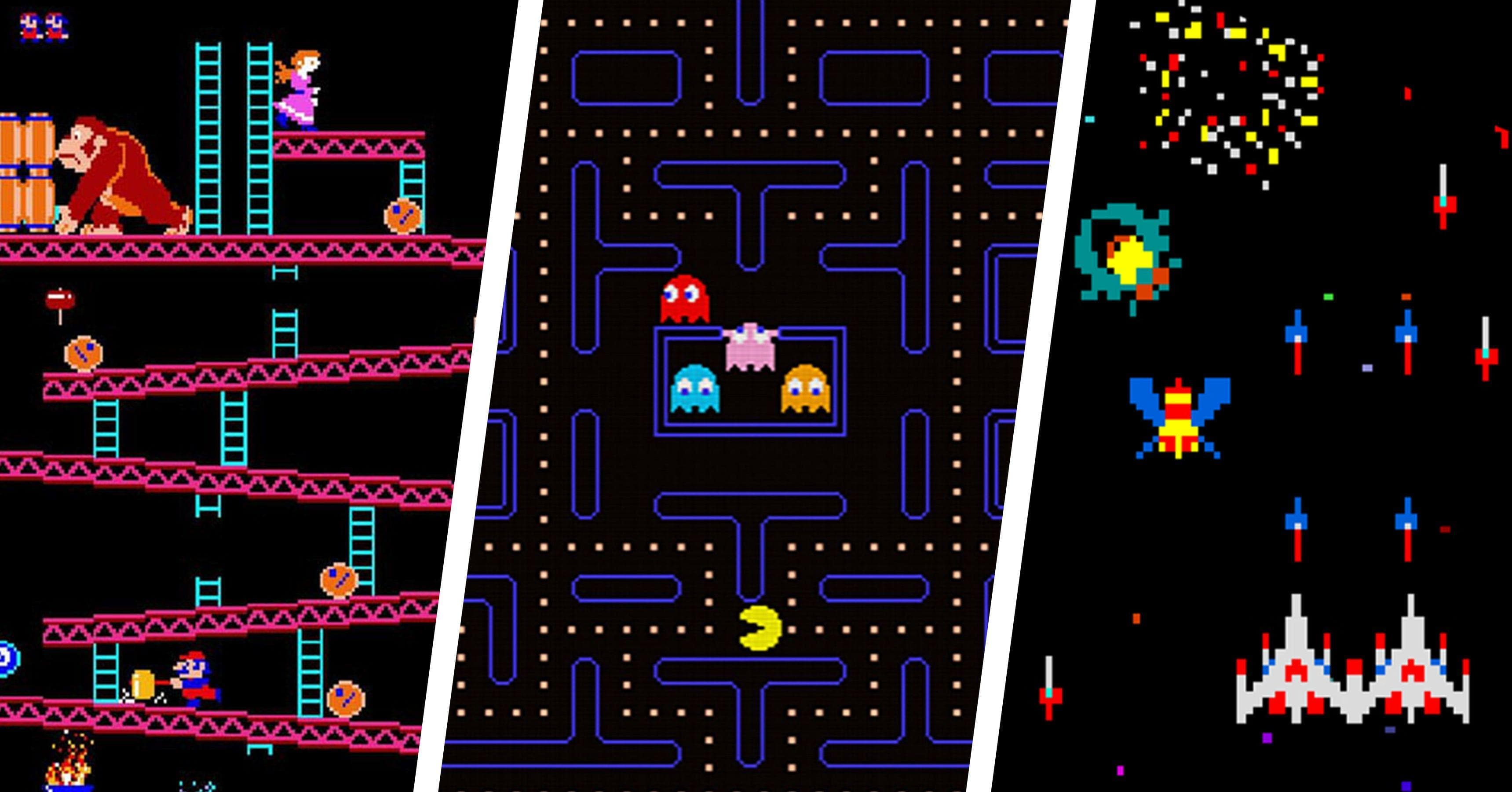
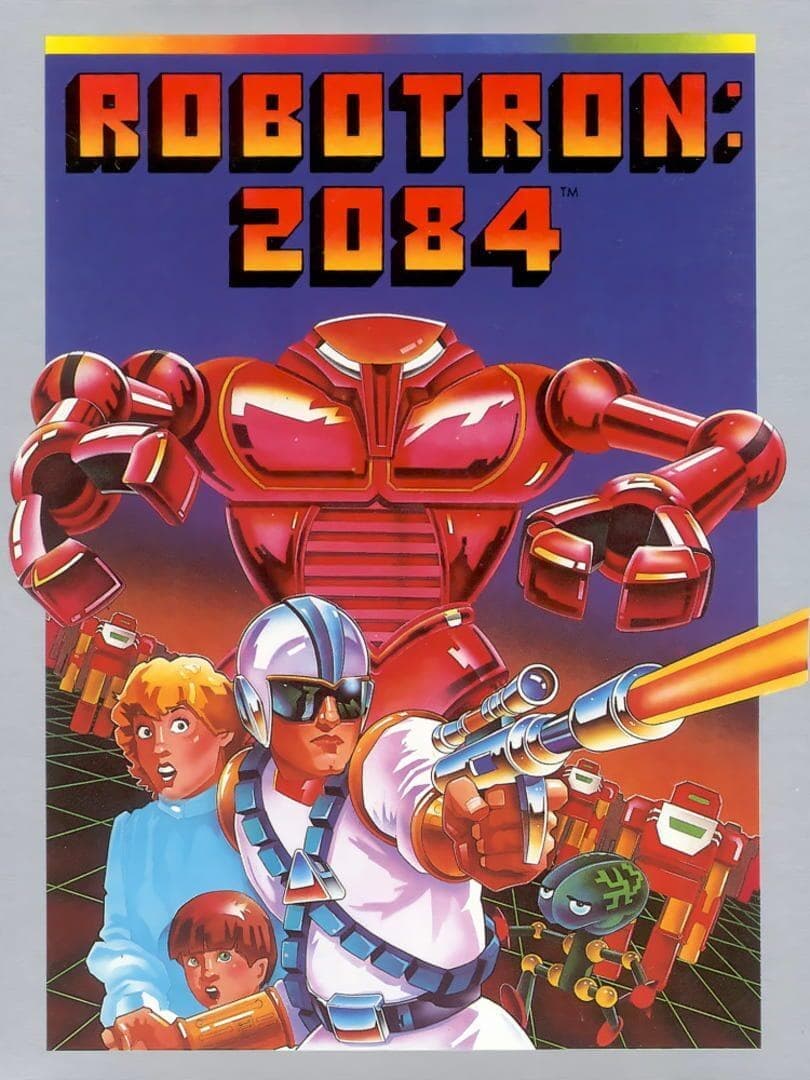
The 1980s transformed dimly lit arcades into cultural temples where digital heroes were born and gaming legends made their mark. Neon cabinets housing now-iconic titles like Pac-Man, Donkey Kong, and Galaga lined the walls, each beckoning players with distinctive sounds and hypnotic attract modes. These quarter-powered experiences weren't just games—they were social hubs where friendships formed around high score competitions and shared gaming tips. What made these classics endure far beyond their arcade heyday was their perfect balance of accessibility and challenge. The simple "easy to learn, difficult to master" philosophy turned casual players into dedicated fans. Whether navigating mazes as a hungry yellow circle, hopping across busy highways as a determined frog, or defending Earth from pixelated alien invaders, these games created the fundamental blueprints for gameplay mechanics that continue to influence modern video games today. Step back into the neon glow of the 80s arcade scene, where the clink of quarters and the blips of digital battles defined a gaming golden age. This era introduced us to an iconic cast of characters, from power-pellet chomping heroes to spaceship pilots dueling in the cosmos. The 80s arcade games were not just about high scores; they were cultural touchstones that captivated players and secured their place in digital history. Among these timeless classics, Pac-Man gobbled its way into our hearts with its maze-running, ghost-dodging gameplay that still echoes in the world of gaming today. Not to be outdone, Galaga invited sharpshooters to defend against waves of alien forces, offering the thrill of the space battle in every pixelated volley. Our list celebrates these legendary 80s arcade games and more, each offering a unique escape into worlds of imagination and challenge. Get ready to relive the joystick joys and button-mashing victories that defined a decade. Whether you're an old-school gamer or a curious newcomer, these games continue to resonate, reminding us why the 80s still rule the arcade roost. FAQ • What was the first commercially successful arcade video game? While Pong (1972) was the first commercially successful arcade video game, Space Invaders (1978) is credited with launching the golden age of arcade gaming that flourished throughout the 1980s, generating over $2 billion in quarters by 1982. • Which 80s arcade game holds the record for highest-grossing game of the era? Pac-Man holds the title of highest-grossing arcade game of the 1980s, having earned an estimated $2.5 billion in quarters by the 1990s. With over 400,000 cabinets sold worldwide, the game's simple yet addictive gameplay made it a cultural phenomenon that extended beyond gaming into merchandise, a TV show, and even a hit song. • Why were 80s arcade games designed to be so difficult? 80s arcade games were intentionally designed with escalating difficulty for two key reasons: to limit play time per quarter (ensuring profitable turnover) and to create competition among players via high score tables. Games like Defender, Robotron, and Ghosts 'n Goblins became notorious for their challenge, but this difficulty curve also created a skilled community of players and contributed to the memorable, adrenaline-fueled arcade experience. • How did arcade controls influence modern gaming controllers? The arcade control schemes of the 1980s directly shaped modern gaming controllers. The four-way and eight-way joysticks used in games like Pac-Man and Ms. Pac-Man evolved into the D-pad found on console controllers. Games with multiple action buttons like Street Fighter II necessitated the multi-button layout now standard on all controllers. Even specialized controls found their way home—racing wheels, flight sticks, and light guns all began in arcades before becoming home gaming peripherals.
Tap upor downto vote. Your vote is added to Ranker's counts.
Voting identifies your browser with an anonymous fingerprint, stored only as a salted hash, to count one per visitor. Privacy
Source: Ranker, ranked by its voters.
Pac-Man is arguably one of the most iconic video games of all time, and it all started in the 80s. The game's simple yet addictive gameplay, cute graphics, and catchy music made it an instant hit with gamers around the world.
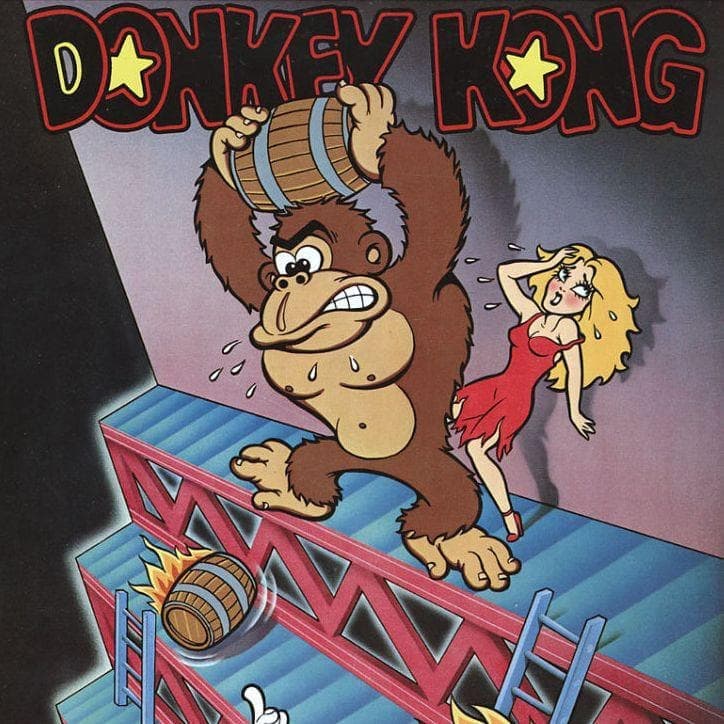
Donkey Kong was one of the most popular video games of the 80s, and for a good reason. It was a simple game with a straightforward objective: rescue the princess from the clutches of the big bad gorilla. But it was also incredibly addictive, with challenging levels that required precision and skill to navigate.
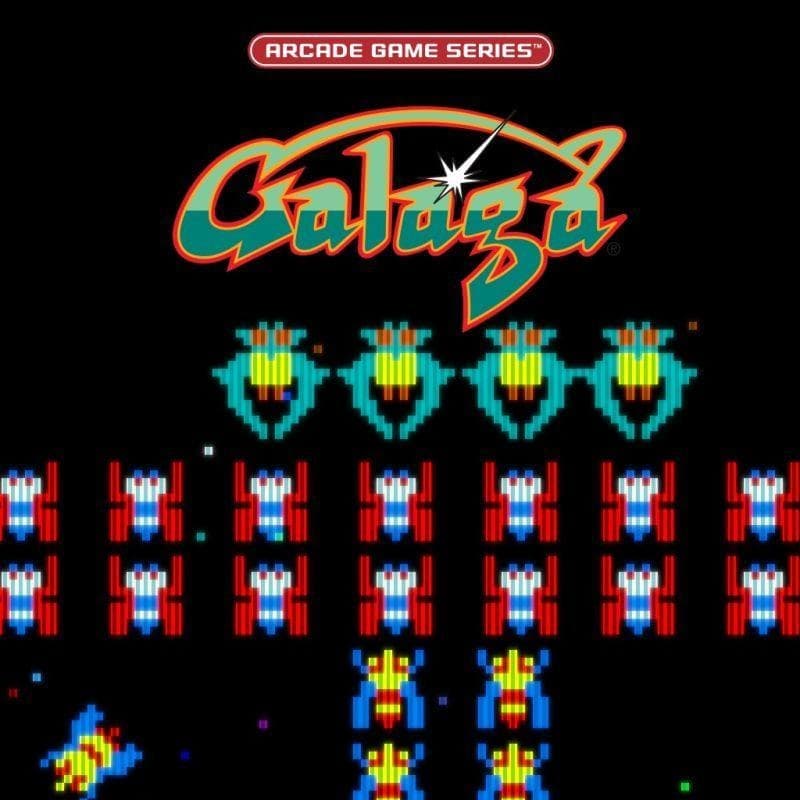
Galaga was another 80s classic that is still remembered fondly by many gamers. It was a space-themed game that required players to shoot down waves of alien invaders while avoiding their fire. What made Galaga so special was the variety of enemies and the patterns they followed, which made each level a unique challenge.
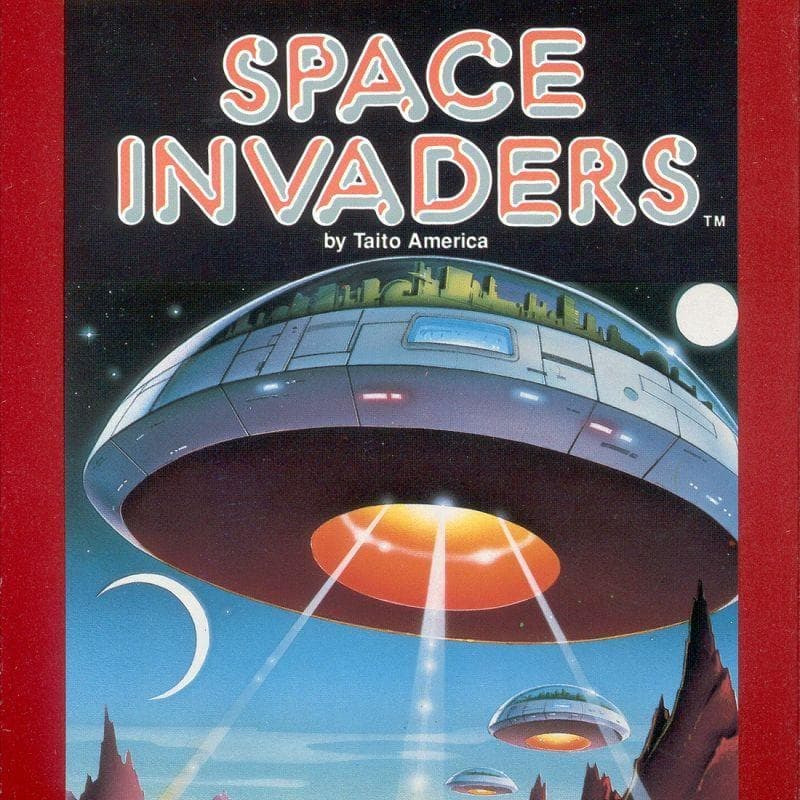
Space Invaders was one of the earliest and most popular arcade games of the 80s. It was a simple game that required players to shoot down waves of invading aliens while avoiding their fire. The game's graphics were basic but effective, and its challenging gameplay kept gamers coming back for more.
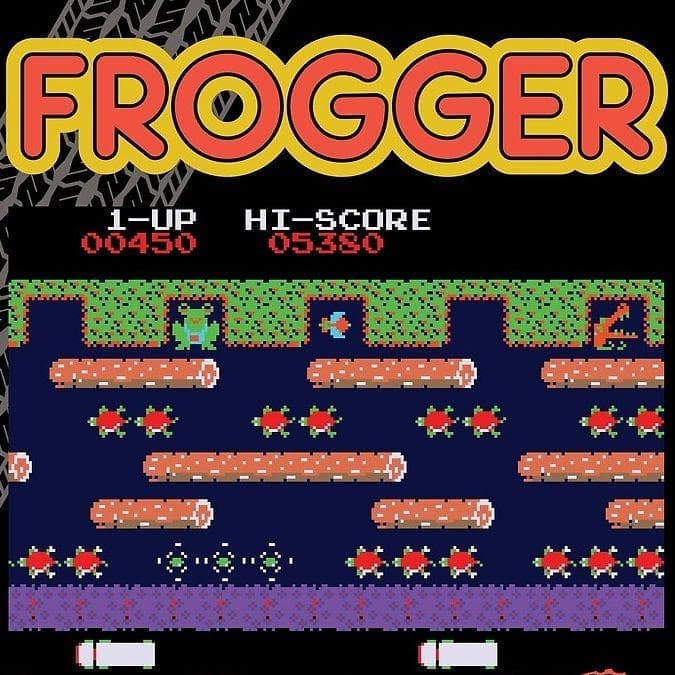
Frogger was a unique game that required players to guide a frog across a busy road and river. The game was highly strategic as players had to time their moves and avoid obstacles like cars along the way.
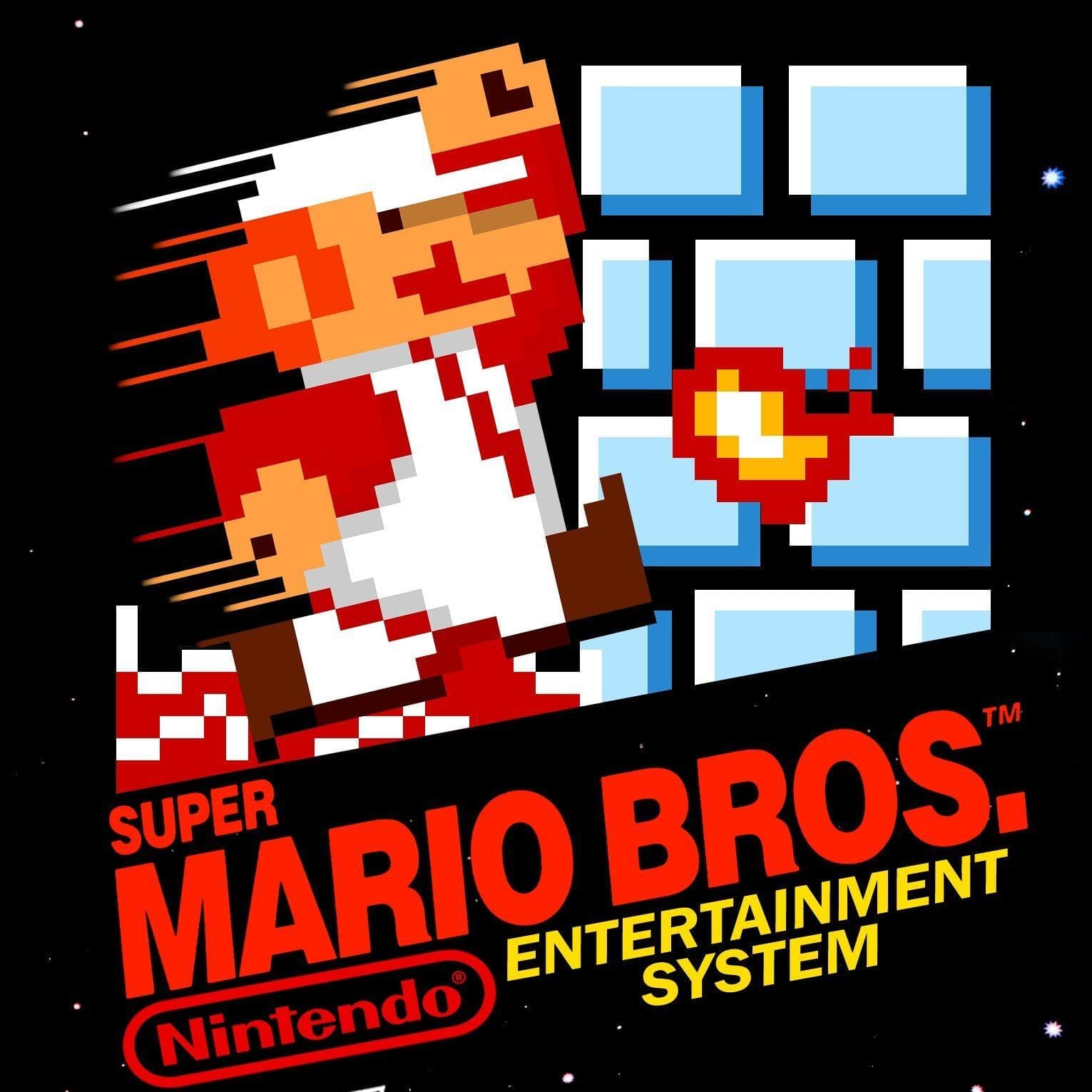
Super Mario Bros. is one of the most beloved video games of all time. Players had to navigate a series of levels, jumping over obstacles and defeating enemies along the way.
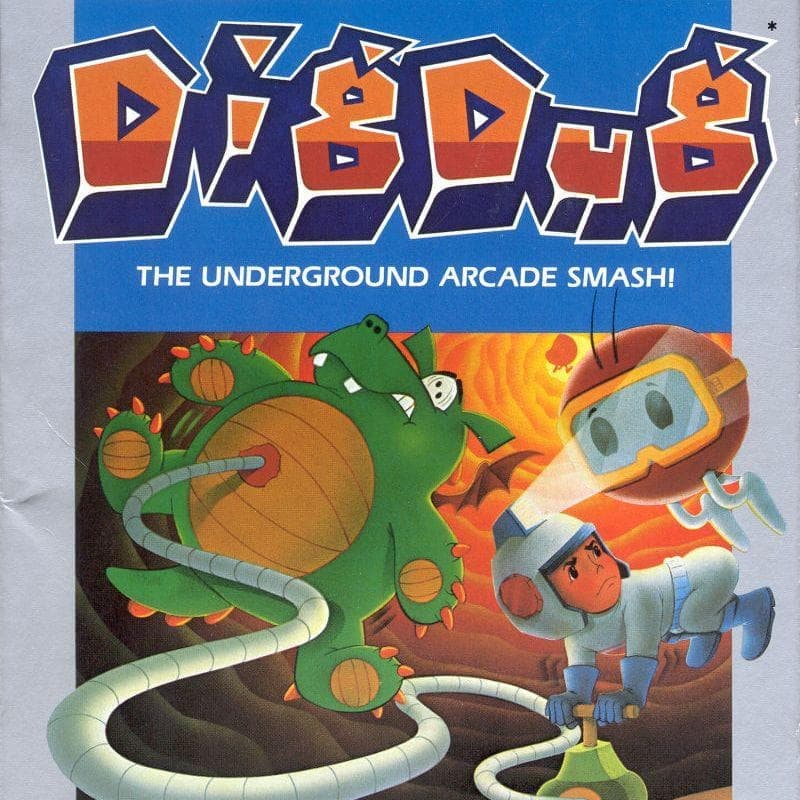
Dig Dug was a unique game that combined elements of platformers and puzzle games. Players had to dig through the earth to reach their targets while avoiding or defeating enemies. It was a game that required both skill and strategy, and it was known for its colorful graphics and catchy music.
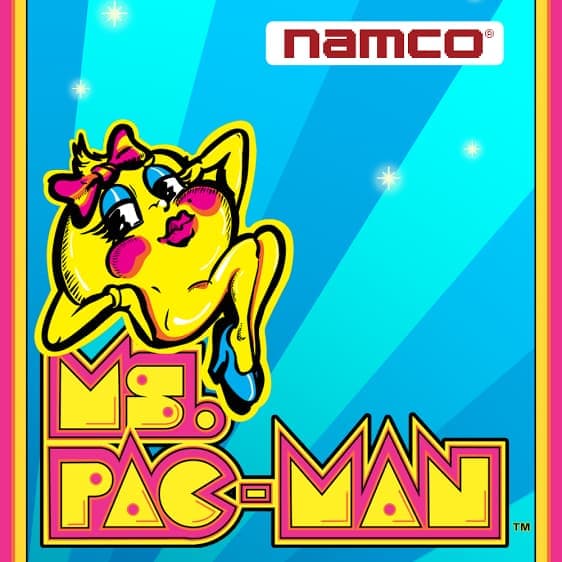
Ms. Pac-Man was a sequel to the original Pac-Man game that proved to be even more popular than its predecessor. Ms. Pac-Man also introduced new mazes and enemy behavior, keeping the game fresh and exciting.
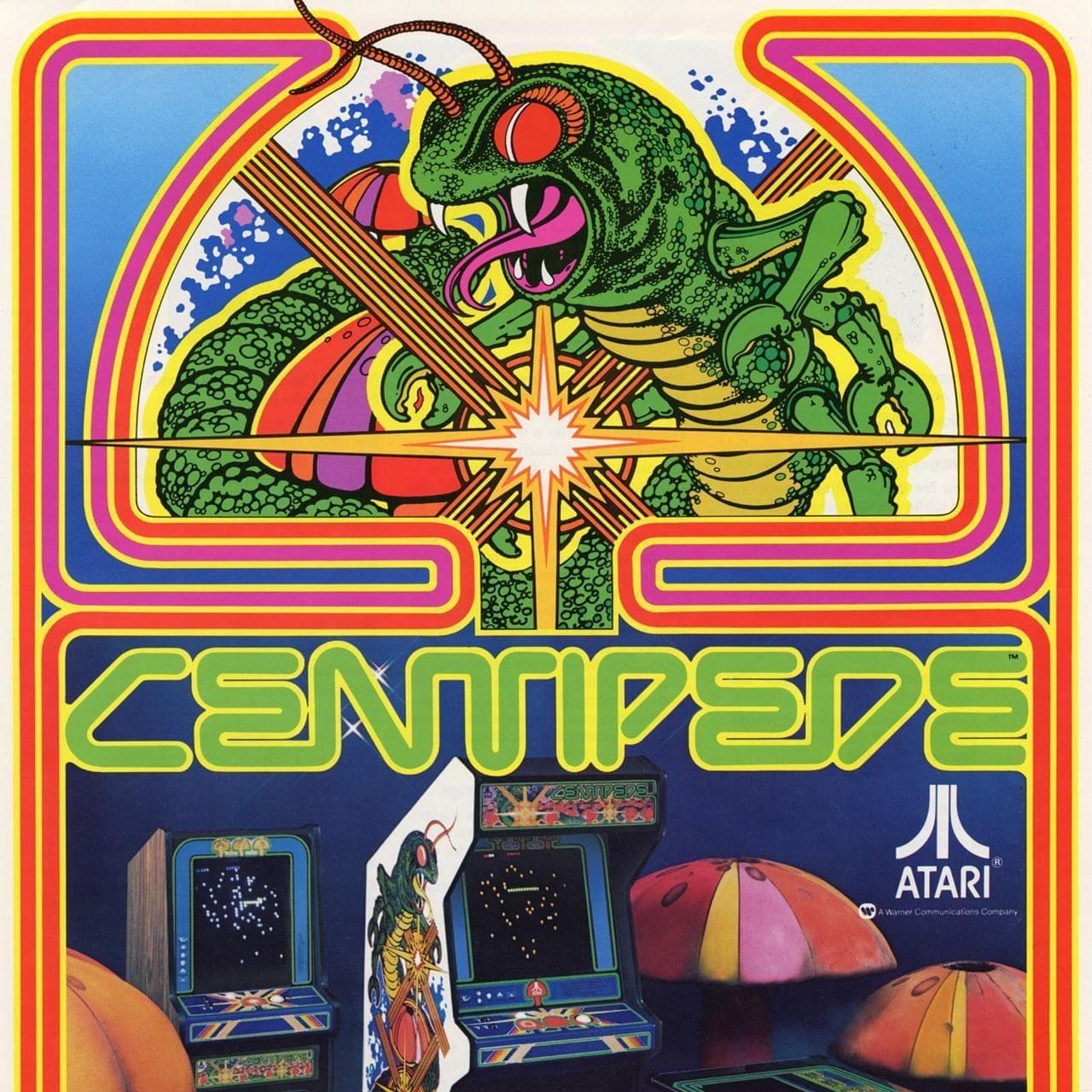
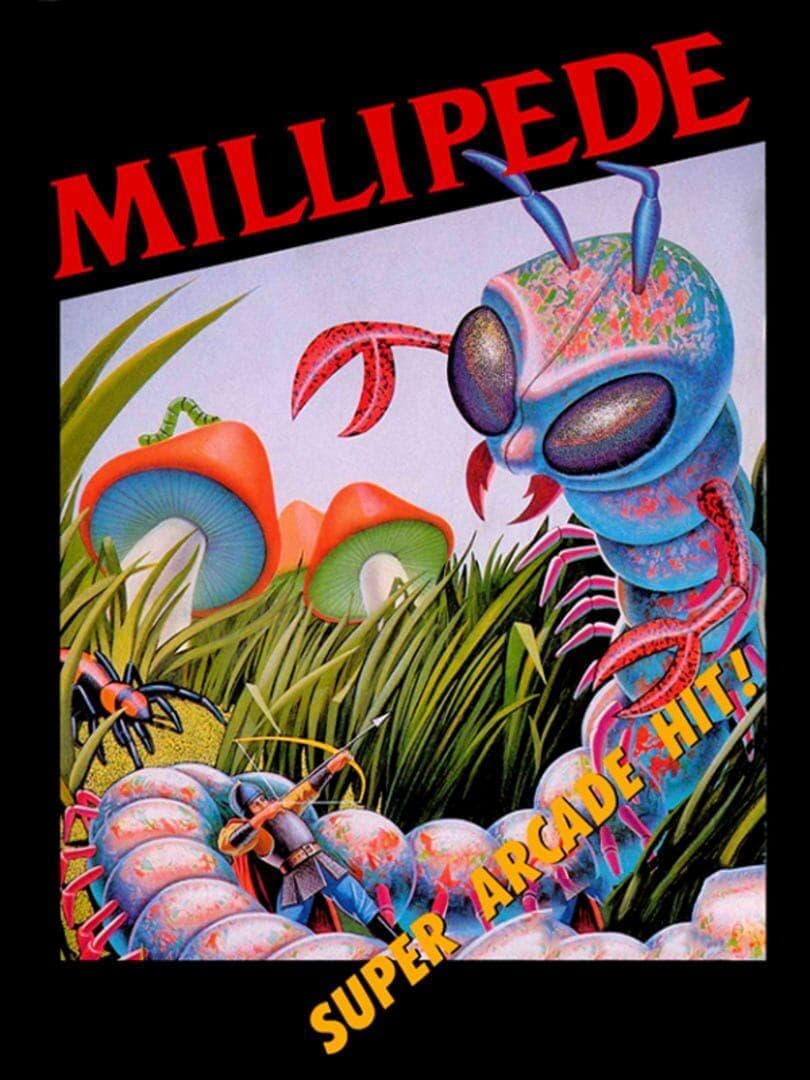
Centipede was a classic arcade game that tasked players with shooting down a giant centipede while avoiding other insects and obstacles. It was another game with simple yet addictive gameplay, and it required a combination of quick reflexes and strategic thinking.
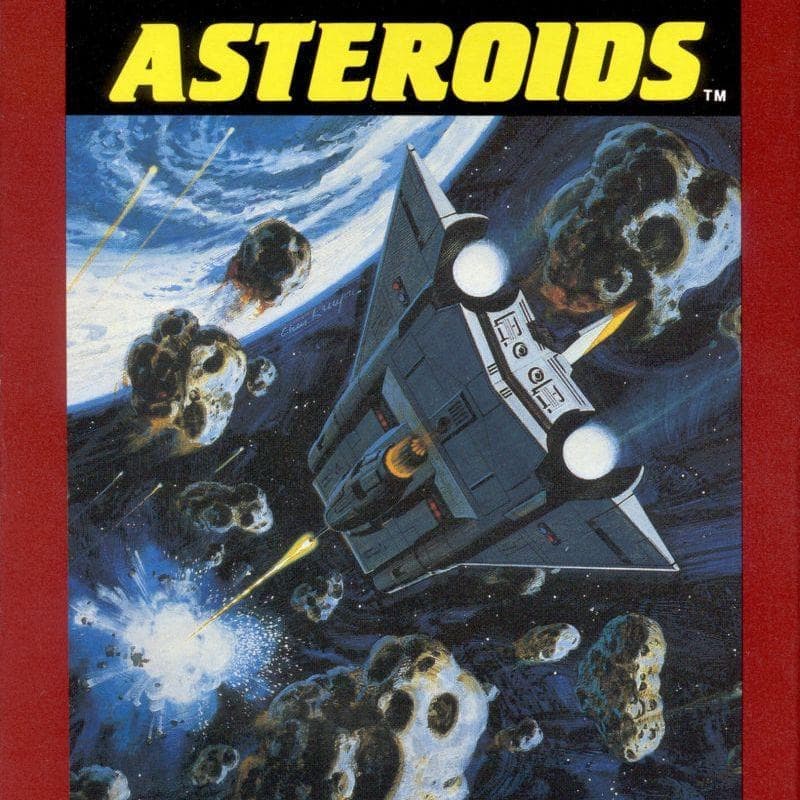
Asteroids was a classic arcade game with players shooting down asteroids while avoiding enemy ships. The game's popularity was such that it was eventually ported to home consoles, where it continued to be a favorite.
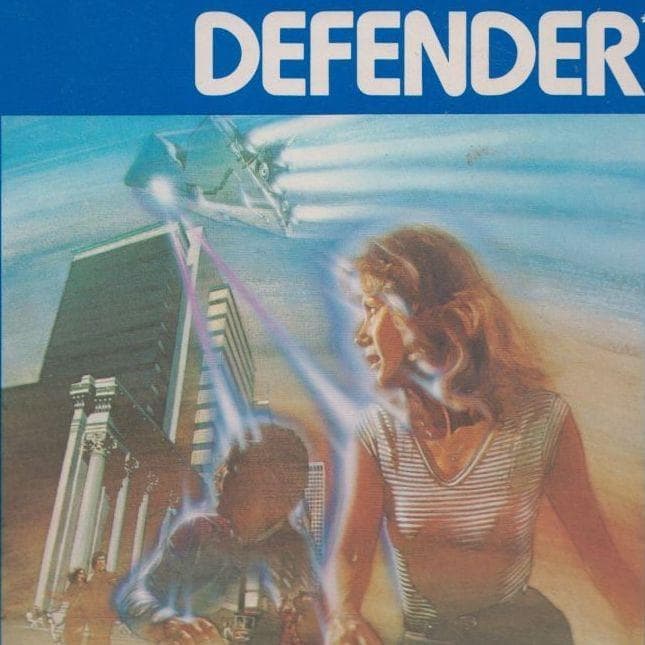
Defender was a fast-paced space shooter that required players to protect humanoids from alien attackers. It was a game that required quick reflexes and strategic thinking, as players had to juggle multiple objectives at once.
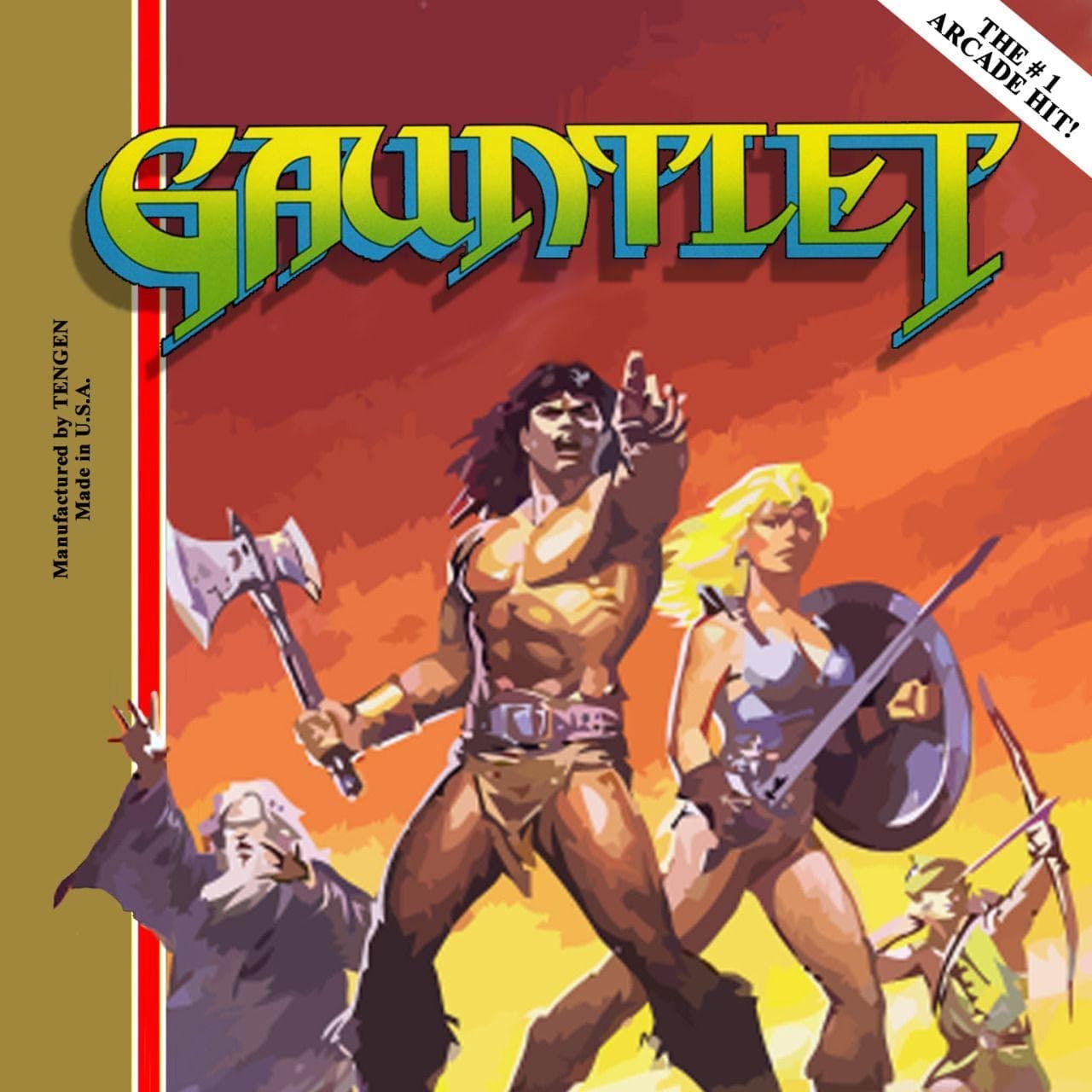
Gauntlet was a classic dungeon-crawler game that required players to battle through hordes of enemies and collect treasure. The game's innovative co-op gameplay, memorable characters, and catchy sound effects contributed to its enduring popularity.
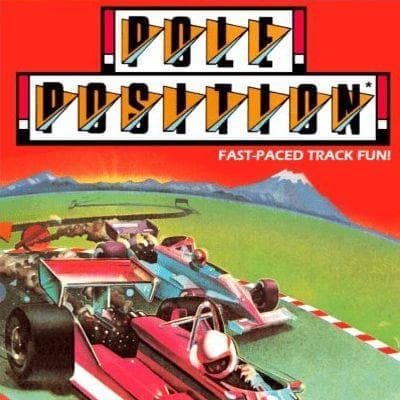
Pole Position was one of the first racing games to use 3D graphics, and it quickly became a favorite among gamers.
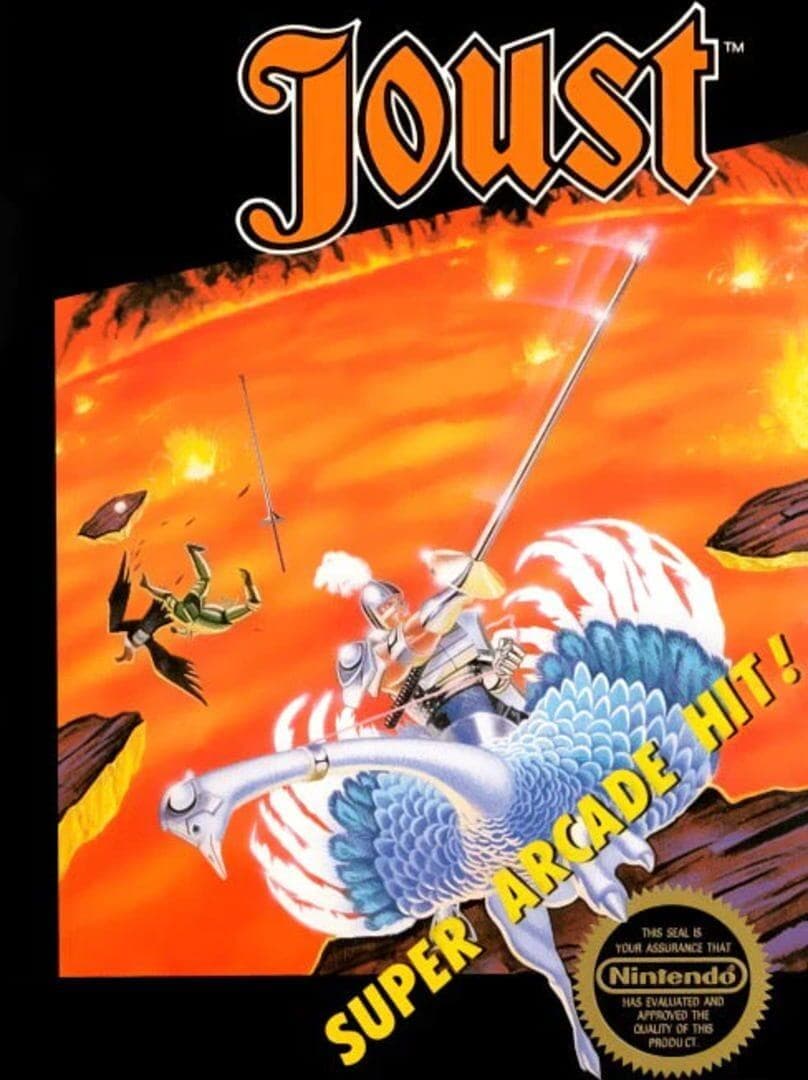
Joust was a unique game that required players to ride flying ostriches and defeat their opponents by hitting them from above. The game's colorful graphics and unique concept helped it stand out from other games at the time.
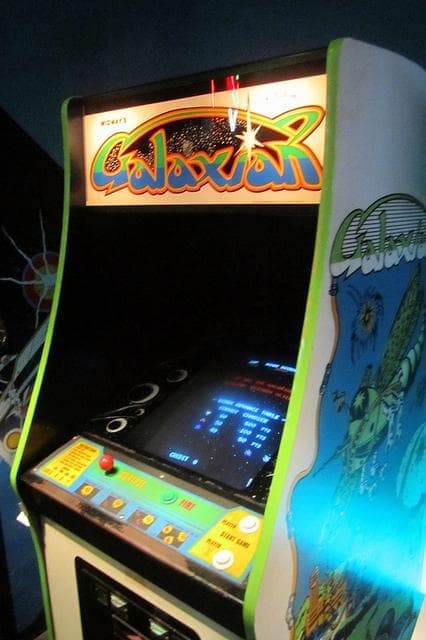
Galaxian was a classic space shooter that required players to battle through waves of alien ships while avoiding their fire.
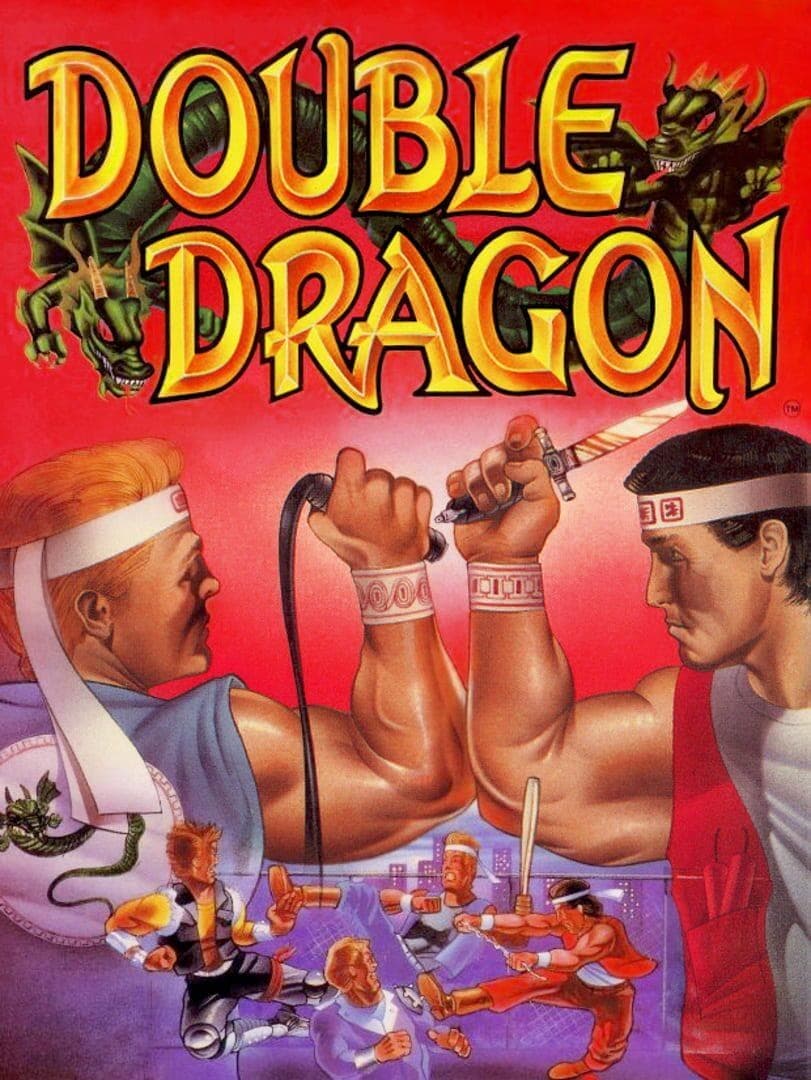
Double Dragon was a popular beat 'em up game that allowed players to control one of two brothers, battling their way through levels filled with enemies.
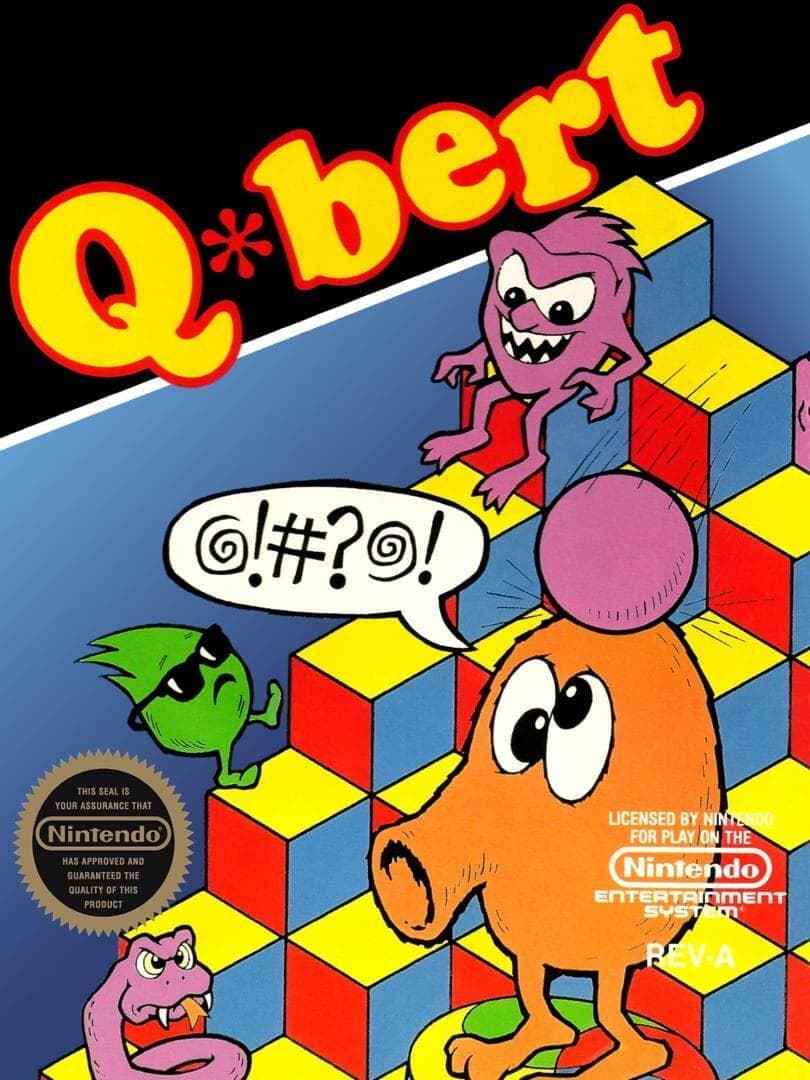
Q*bert was a unique game that required players to hop around a pyramid-shaped platform, changing its colors while avoiding enemies. The game was known for fun gameplay, and catchy sounds that gamers loved, and gamer's parents were annoyed by.
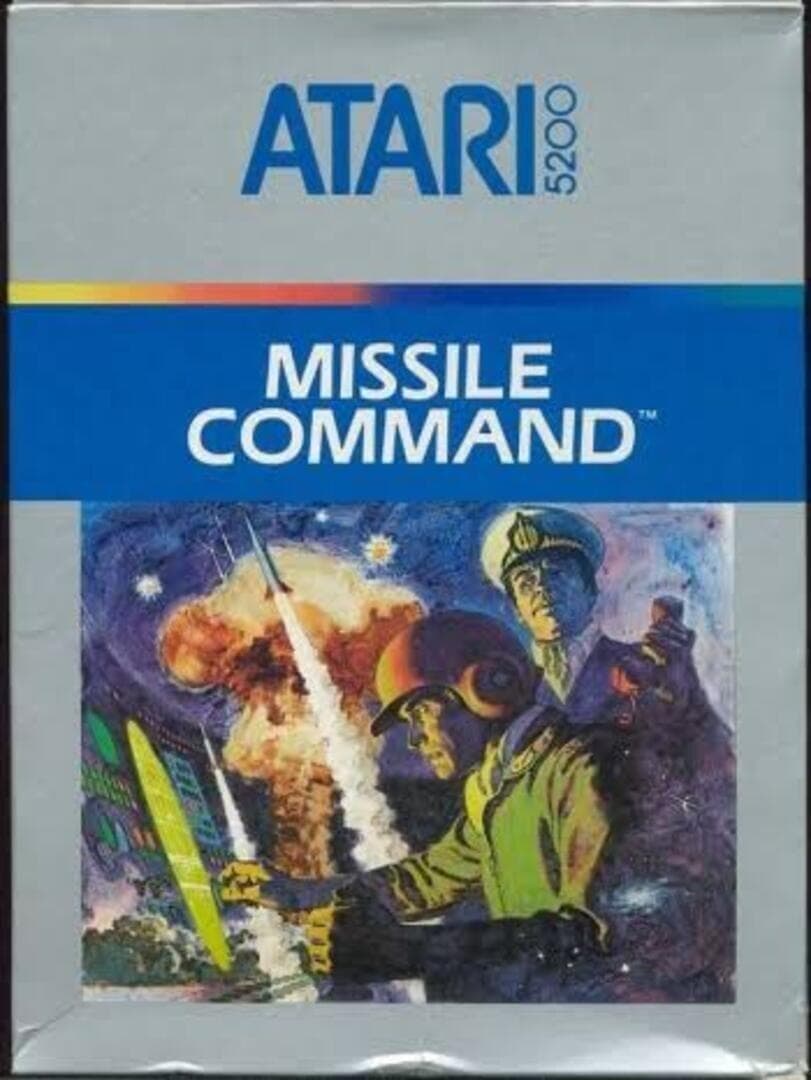
Missile Command was a classic game that tasked players with defending their cities from an onslaught of missiles. Players had to aim and fire their own missiles to intercept the incoming ones, all while managing their resources and defending their cities.
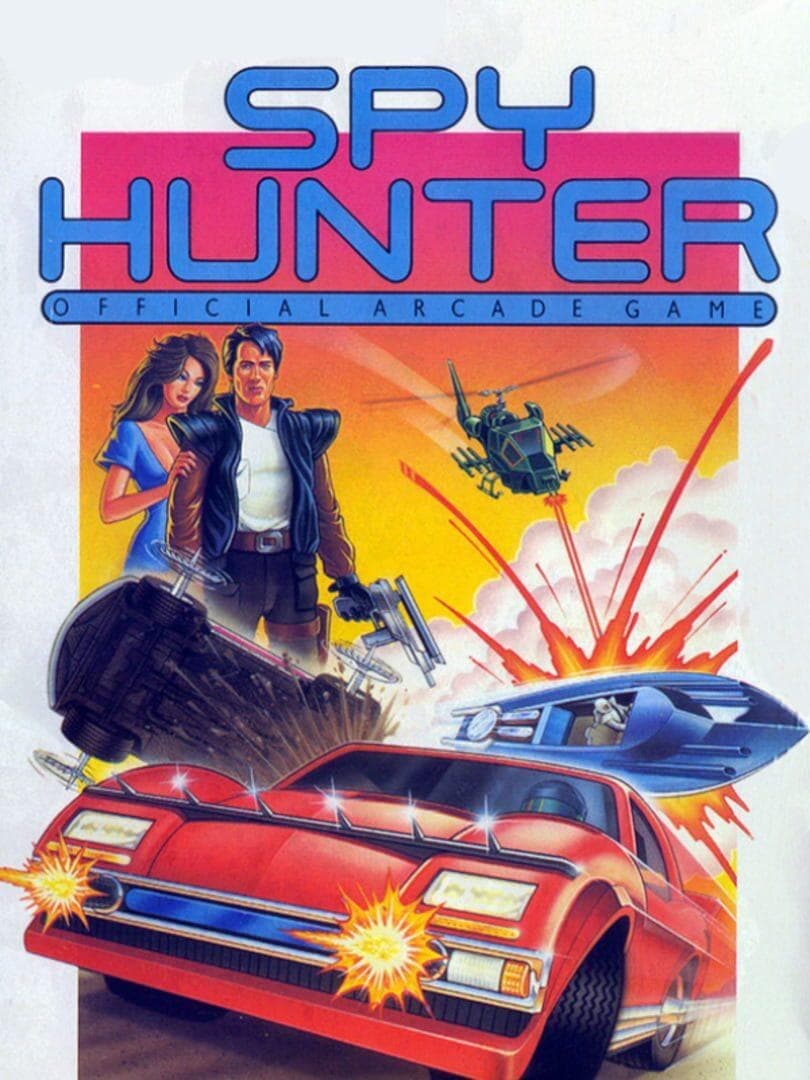
Spy Hunter was a classic driving game that tasked players with racing down a highway, shooting down enemy vehicles. Its fast-paced action made it a favorite among fans of driving games.
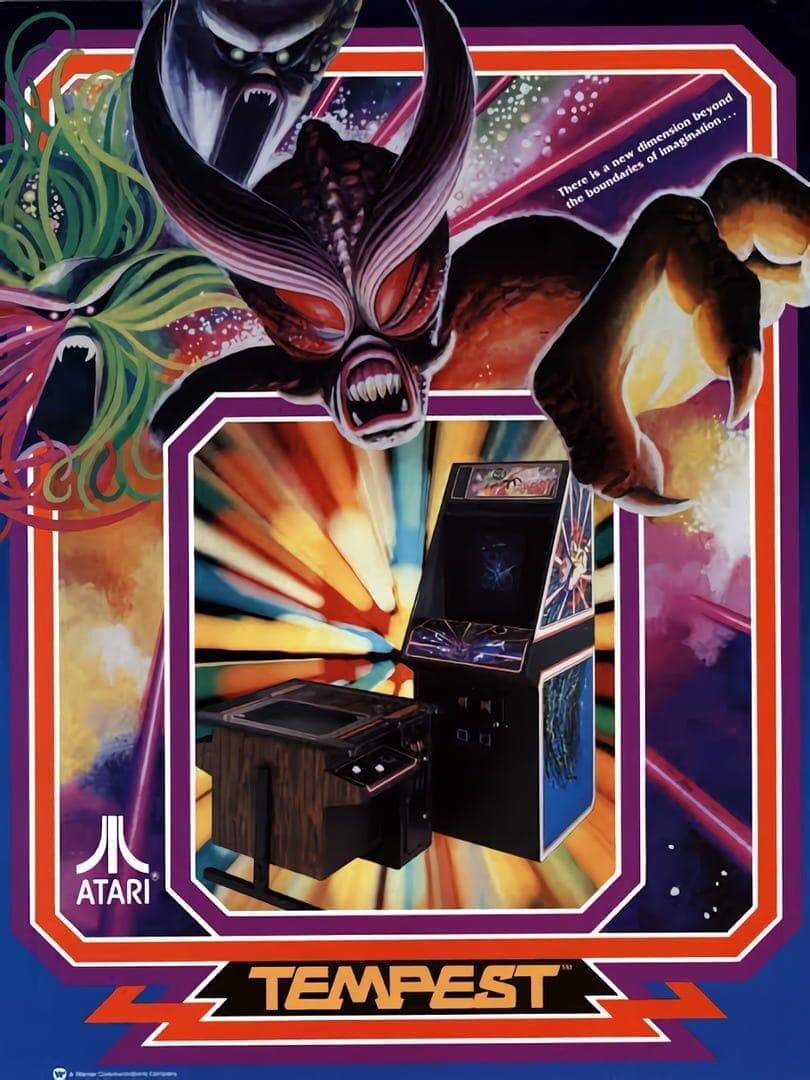
Tempest was a unique game that required players to navigate a tube-shaped tunnel, shooting down enemies and avoiding obstacles along the way.
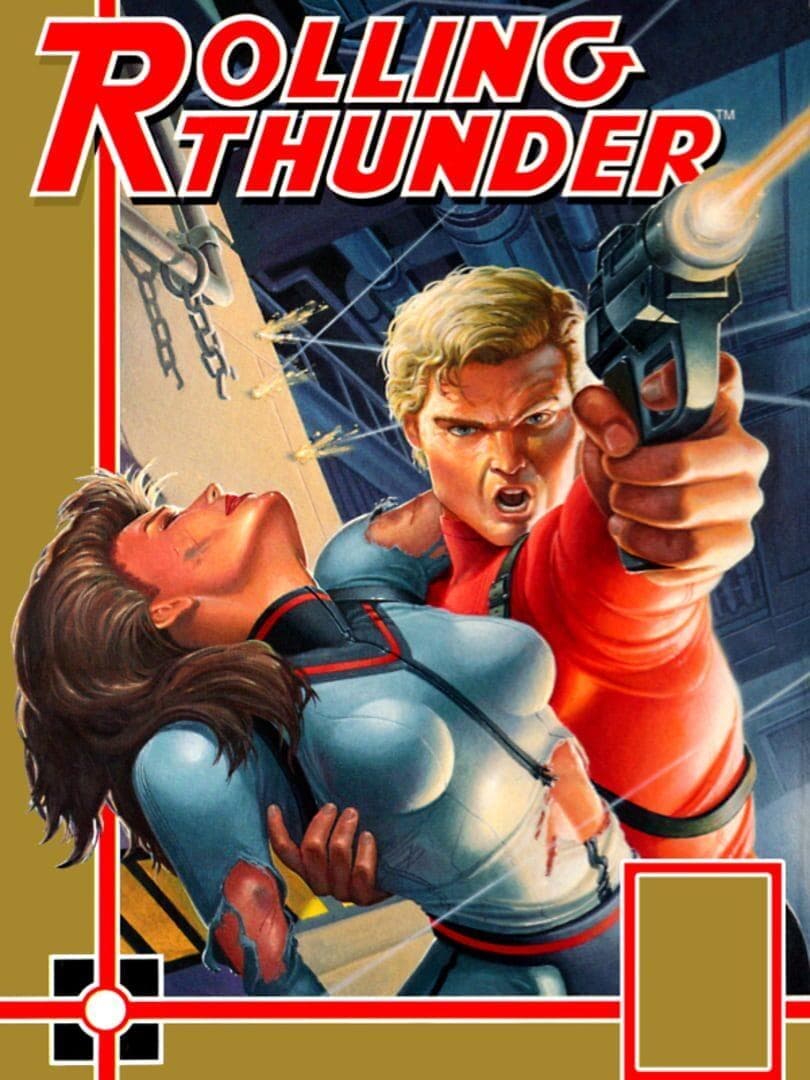
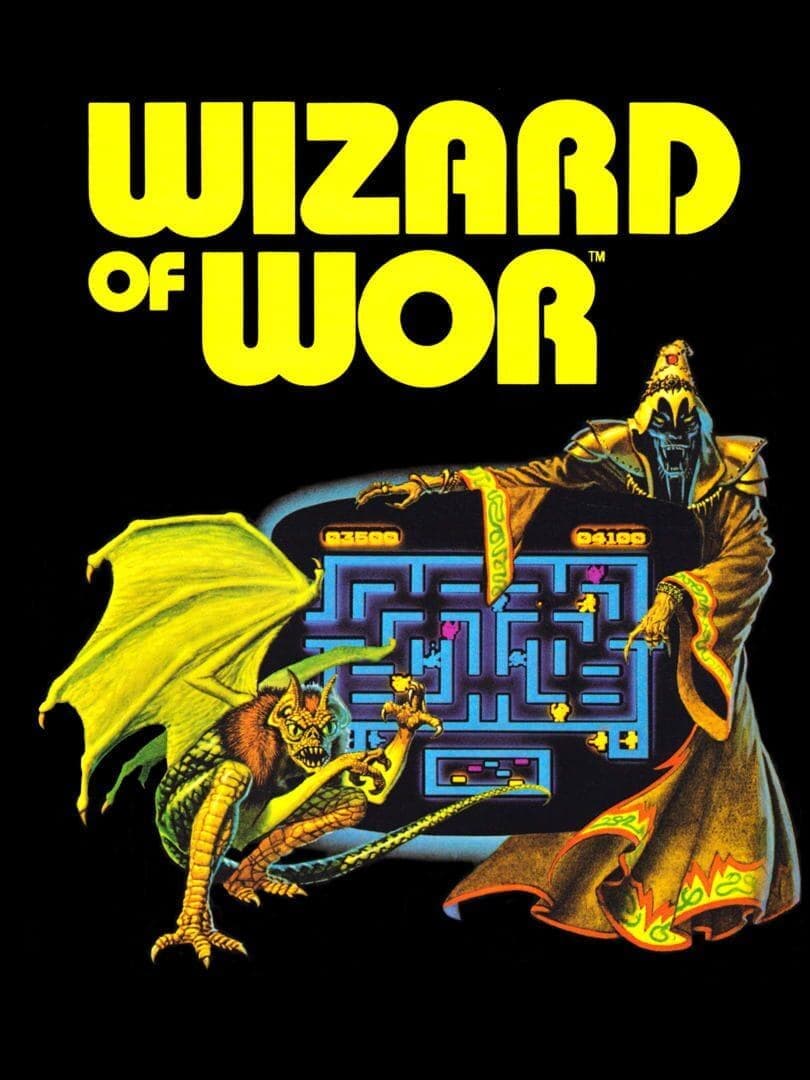
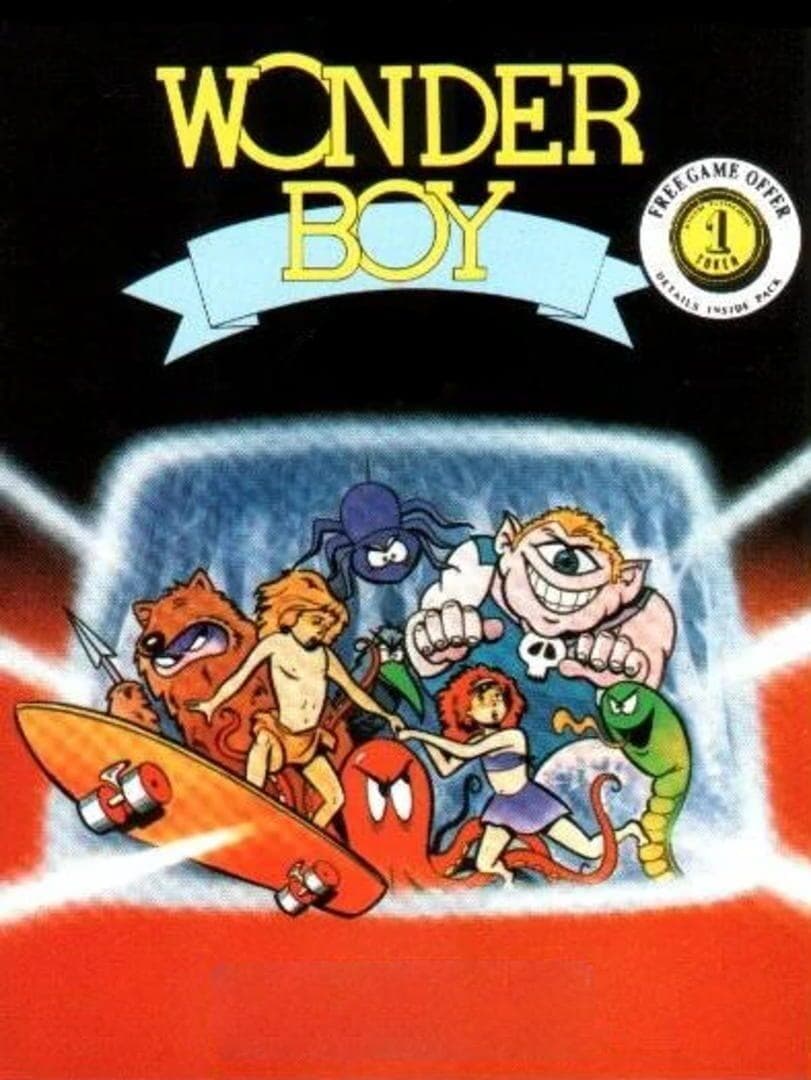

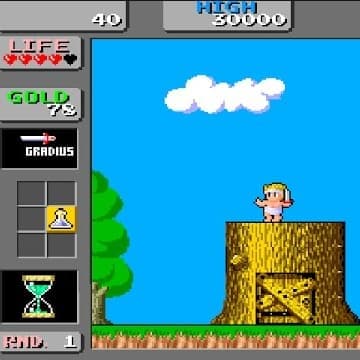
Wonderboy Monsterland captures the essence of fantasy adventure in an arcade classic. Released in 1987, players guide Wonder Boy through challenging levels filled with mythical creatures and puzzles to solve. This successor to the original Wonder Boy game introduces RPG elements, giving players the chance to upgrade armor and weapons, enhancing the immersive gameplay experience.