Skip to content
maxnews
Rankings

Stories Behind Historical Nicknames That Totally Surprised Us

Whether a simple shortening of someone's given name or a way of describing a person's personality or behavior, nicknames have been a part of cultures all over the world for centuries. And no matter whether someone is a historical figure or not, a nickname can be flattering or scathing, funny or serious, obvious or surprising. The historical figures below were tagged with nicknames that ranged from "Little Boots" and "The Green Hornet" to "The Black Swallow of Death" and "The Boneless." Of the nicknames listed below, which would you prefer to be remembered by for the rest of time?

Entries
12
Votes
1.2K
Updated
yesterday

Tap upor downto vote. Your vote is added to Ranker's counts.

Voting identifies your browser with an anonymous fingerprint, stored only as a salted hash, to count one per visitor. Privacy

Source: Ranker, ranked by its voters.

  1. 1

    Simo Häyhä Was Called 'White Death' Because Deep Snow Embankments Hid The Finnish Sniper's Position From Enemy Soldiers
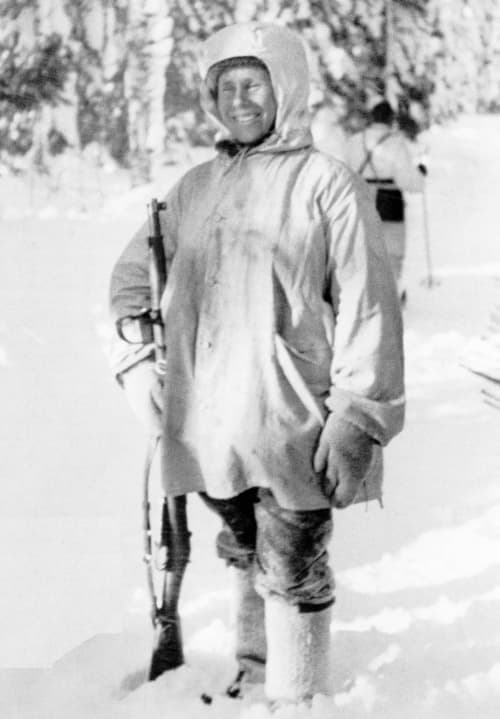
    Simo Häyhä is considered the deadliest sniper in the history of modern warfare. During the Winter War of 1939 between Finland and the Soviet Union, Häyhä, a Finnish soldier, was said to have single-handedly killed at least 500 Soviet soldiers over a three-month span. The weather greatly aided Häyhä, as deep snowbanks allowed Häyhä, who would dress in all-white camouflage, to hide his position from enemy troops. This led to the Red Army reportedly tagging him with the nickname "White Death" - although this might be Finnish propaganda rather than the truth. Another nickname for him was the "Magic Sniper." On March 6, 1940, Häyhä suffered a severe head wound from a gunshot. When he was found unconscious, it was thought that he had not survived, and his body was put on top a pile of deceased soldiers. It was only after another soldier saw Häyhä's leg twitching that he realized the sniper was still alive. The bullet had destroyed most of Häyhä's jaw, and although he underwent 26 surgeries, he was left disfigured for the remainder of his life.
    96% upvoted
  2. 2

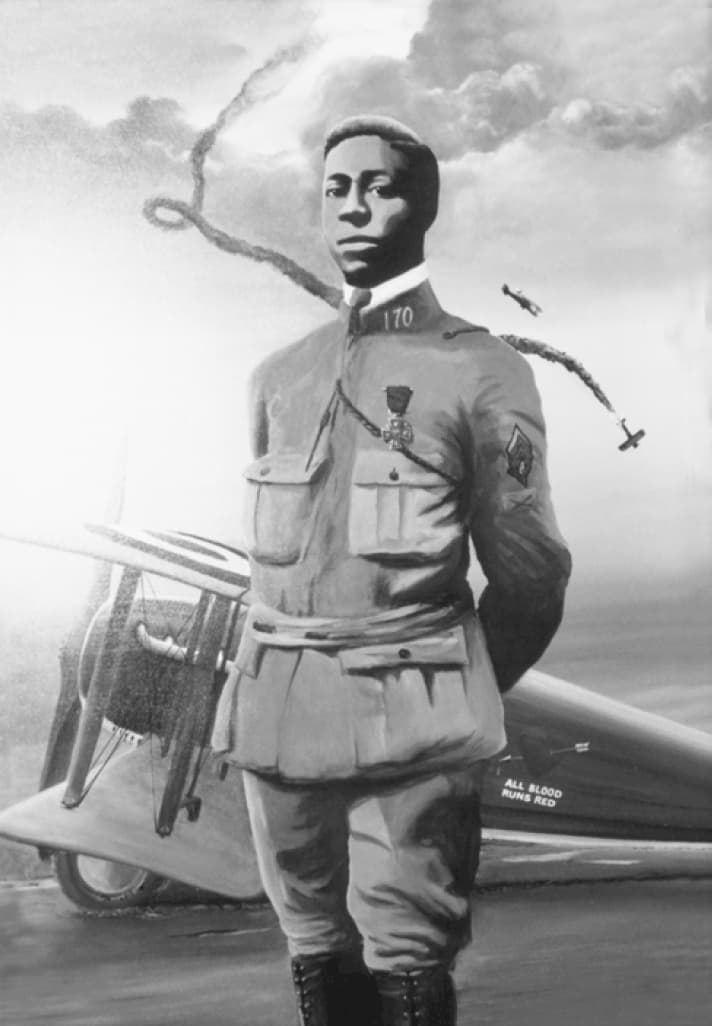
    Eugene Bullard, The First Black American To Fly A Fighter Plane, Was Called 'The Black Swallow Of Death'

    Eugene Bullard was born in Georgia in 1895 but ran away to Europe at age 12 in an attempt to escape the violent racism he'd witnessed as a child. In 1914, the 19-year-old enlisted in the French Foreign Legion and fought in at least three battles in WWI before being wounded. He was awarded the Croix de Guerre for his heroism. While recovering, he bragged that he knew how to fly a fighter plane and talked his way into a spot in a French flight training program. In May 1917, he joined the French air corps and quickly became known for taking on dangerous missions, often accompanied by his pet monkey. The courage that he showed earned him the nickname "The Black Swallow of Death." When the United States entered WWI in 1917, Bullard applied to transfer to the American air corps. Not only was his application denied, but the US military also pressured France to have Bullard grounded in order to uphold its racist policy against Black pilots. Sadly, the French military gave in to the pressure and Bullard was removed from flying duty. Bullard remained in France after WWI and served as a spy for the French Resistance during WWII before escaping with his daughters to the United States. In 1958, the French government awarded him the Legion d'Honneur. Though Bullard passed in 1961, the US Air Force posthumously promoted him to second lieutenant in 1994.

    85% upvoted
  3. 3

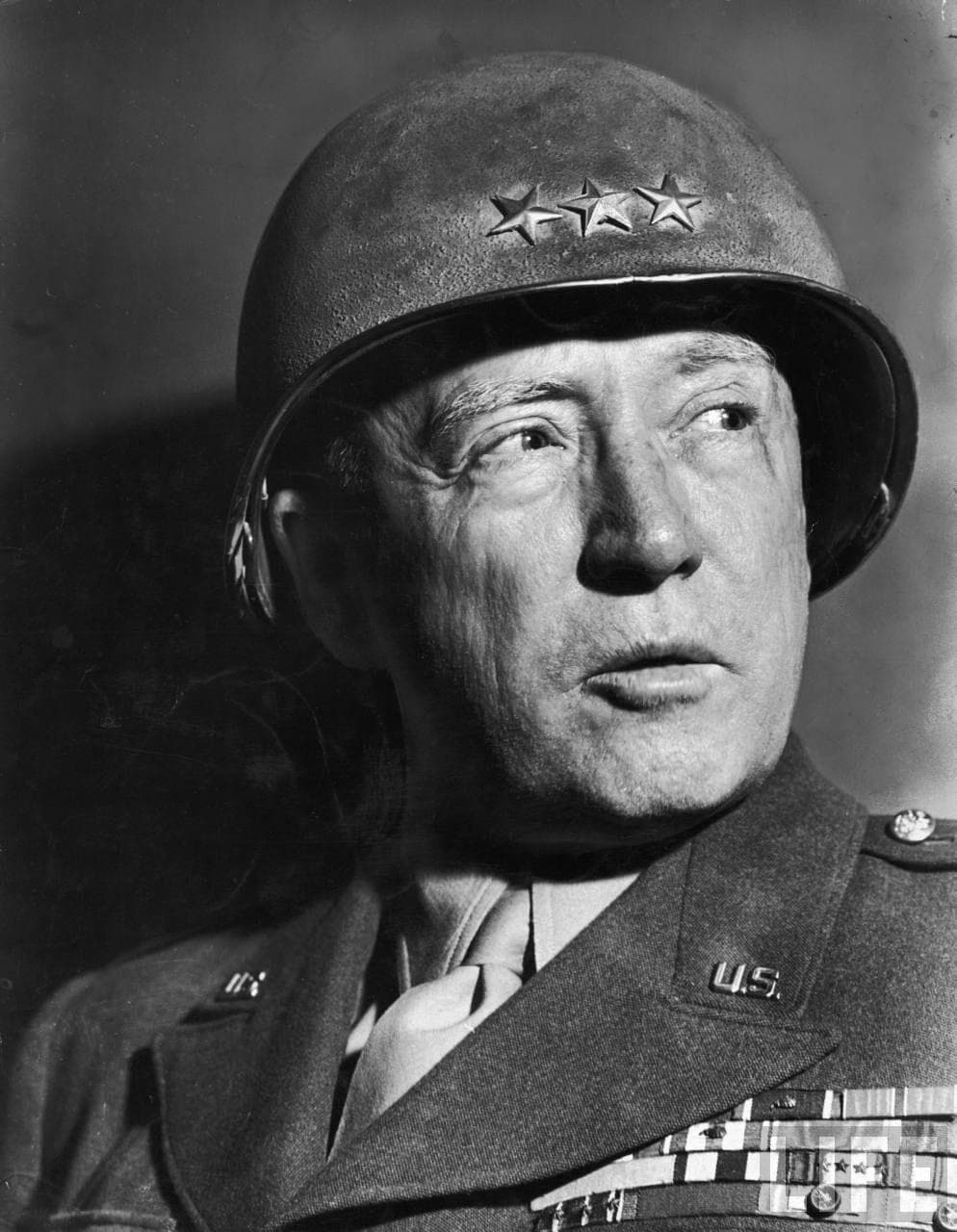
    Before He Was Known As 'Old Blood And Guts,' General George S. Patton Was Nicknamed 'The Green Hornet'

    In April 1941, career Army officer George S. Patton was named commander of the US Army's 2nd Armored Division. It was during WWII that he had the most successful campaign of his career when he led the Third Army across northern France in the summer of 1944. Despite his great success as a military leader, Patton's public criticism of America's postwar policies in Germany led to him being removed as commander of the Third Army in October 1945. About two months later, on December 21, 1945, he succumbed to injuries suffered in a car crash. The nickname Patton is most remembered for is "Old Blood and Guts." He allegedly got this name because he would warn his officers that "you’re going to be up to your neck in blood and guts." But he also had a less-remembered nickname. Sometime prior to WWII, Patton designed a uniform that resembled the costume of a 1940s comic book character. When his soldiers saw him in this uniform, they reportedly said, "look, the Green Hornet."

    88% upvoted
  4. 4

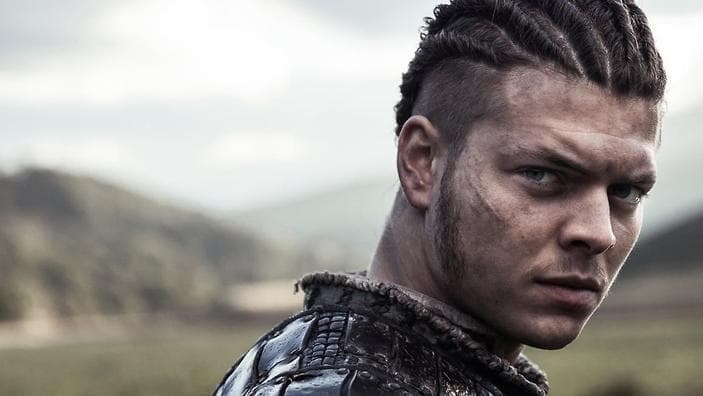
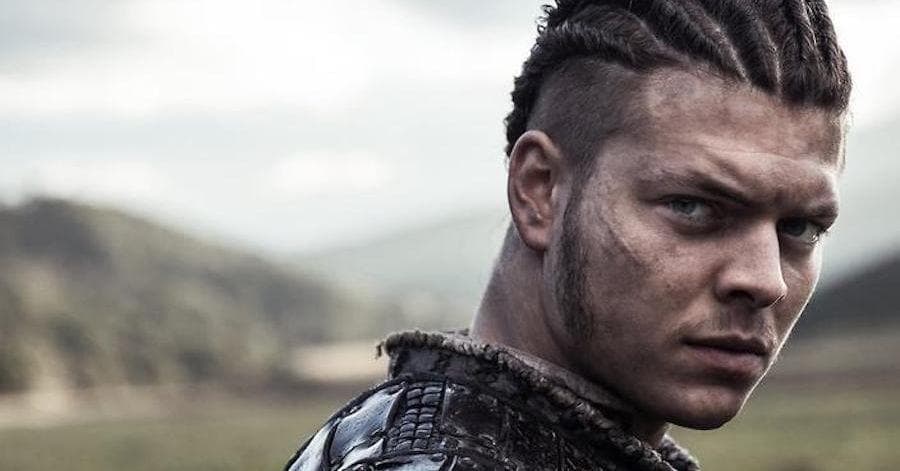
    Historians Aren't Quite Sure Why The Viking Leader Ivar Came To Be Called 'The Boneless'

    Ivar Ragnarsson is considered one of the greatest Viking leaders ever. He was the leader of the Great Heathen Army, which was a group of Norse warriors that invaded the Anglo-Saxon kingdoms of Heptarchy, Northumbria, Mercia, and York in 865 and 866 CE. It is unknown why he received the nickname Ivar the Boneless; among the possibilities researchers have suggested are brittle bones, impotence, or his actual nickname of "the Hated" being improperly translated. The historical sagas suggest that he did have some sort of physical deformity involving missing bones, but they also speak of his mastery of strategy and tactics, cunning, and wisdom. It is thought that Ivar passed aroung 870. It is said that he asked to be buried in a place that was vulnerable to attack, so that he could make sure that no invasions would be successful. This was a successful strategy until William I of England dug up Ivar's body and had it burned. After that, William I was able to successfully invade the Norse territory.

    90% upvoted
  5. 5

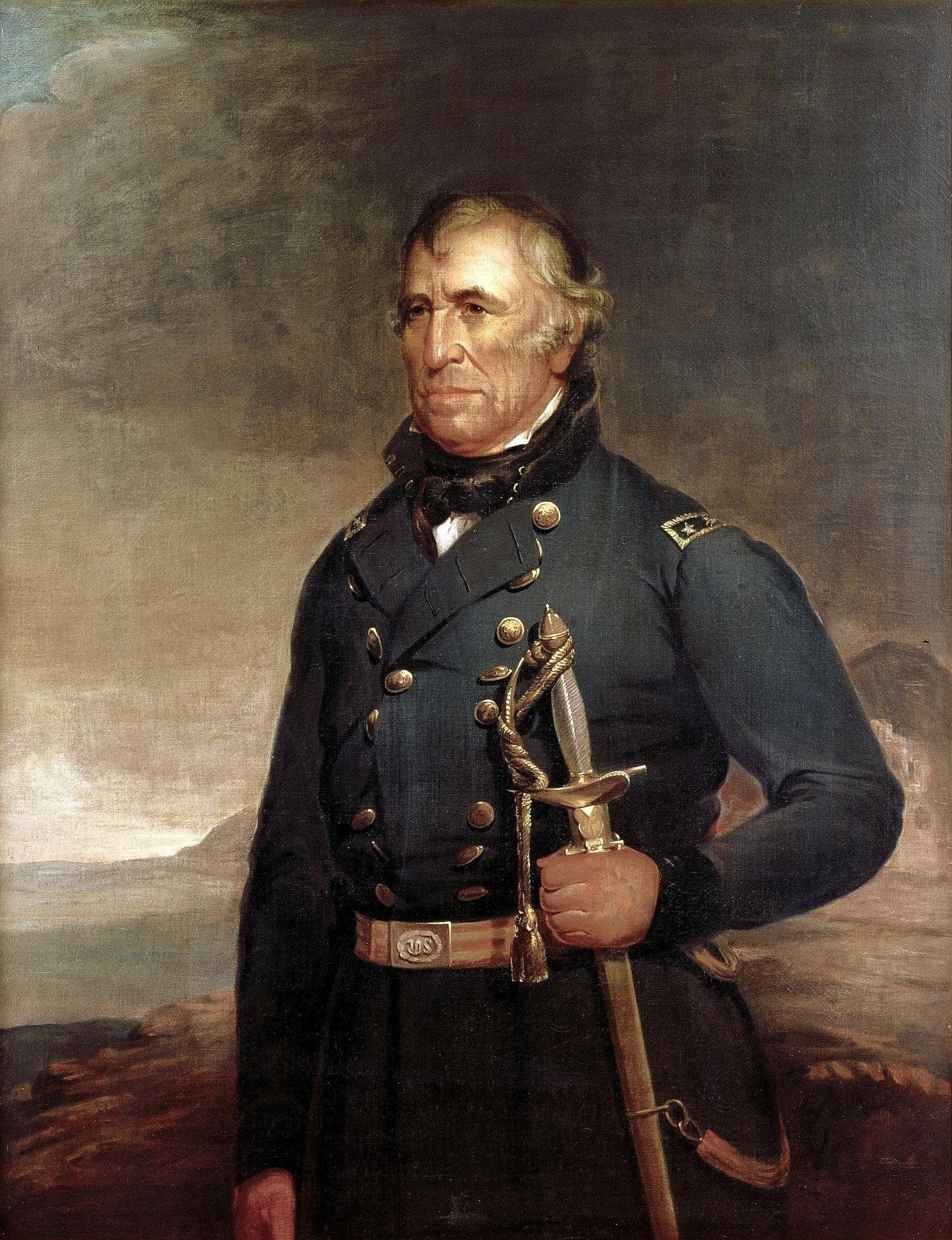
    Before He Became President, Zachary Taylor Was Known As 'Old Rough And Ready' To His Soldiers

    Before being elected president, Zachary Taylor was a career military man. In 1846, war broke out between the United States and Mexico after Texas was annexed by the US. Taylor commanded troops that quickly won the battles of Palo Alto and Resaca de la Palma. This success led President James Polk to recommend that Taylor be promoted to major general. In September 1846, Taylor, who had been given the nickname "Old Rough and Ready" for his willingness to put himself into the heart of battle alongside his men, led his troops across the Rio Grande into Mexico, where they captured the stronghold of Monterrey. He then granted the Mexican army an eight-week armistice, but this was overturned by President Polk. The Mexican-American War ended in 1848, and later that same year Taylor was elected president. He did not serve out his term, as he perished suddenly of acute gastroenteritis on July 9, 1850. A conspiracy theory that he had been poisoned was disproved in 1991 after his body was exhumed.

    89% upvoted
  6. 6

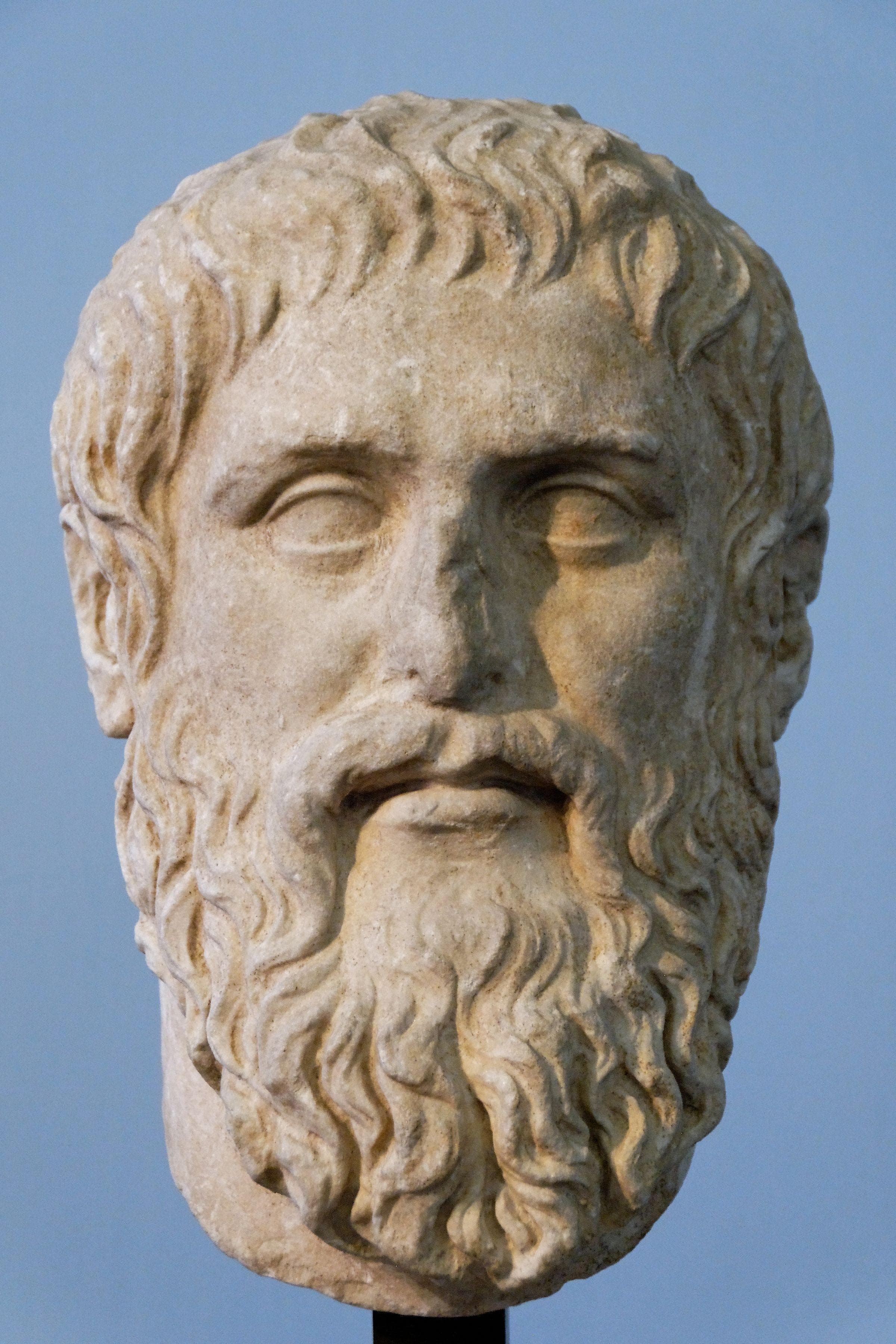
    'Plato' Was The Famous Philosopher's Nickname - And It Means 'Broad'

    Born in 427 BC, the son of Ariston and Perictione - both members of wealthy Athenian families - it is claimed that Plato's birth name was Aristocles. The nickname "Plato" roughly translates as "broad," although it is uncertain why he was called this. Possibilities include that it derived from the fact that he had broad shoulders - a result of his wrestling training - the size of his forehead, or the breadth of his work. Although Plato served in the military during the Peloponnesian War, his goal was a political career. However, he seemingly gave up this interest following the execution of his teacher Socrates in 399 BCE. He left Athens to travel to Egypt, Sicily, and Italy. After another period serving in the military, he returned to Athens and founded his famous Academy around 387. The Academy focused on research and instruction in philosophy and the sciences. Plato's hope was that, at the Academy, he could train men who could improve the political leadership in Greece. He passed in 347.

    86% upvoted
  7. 7

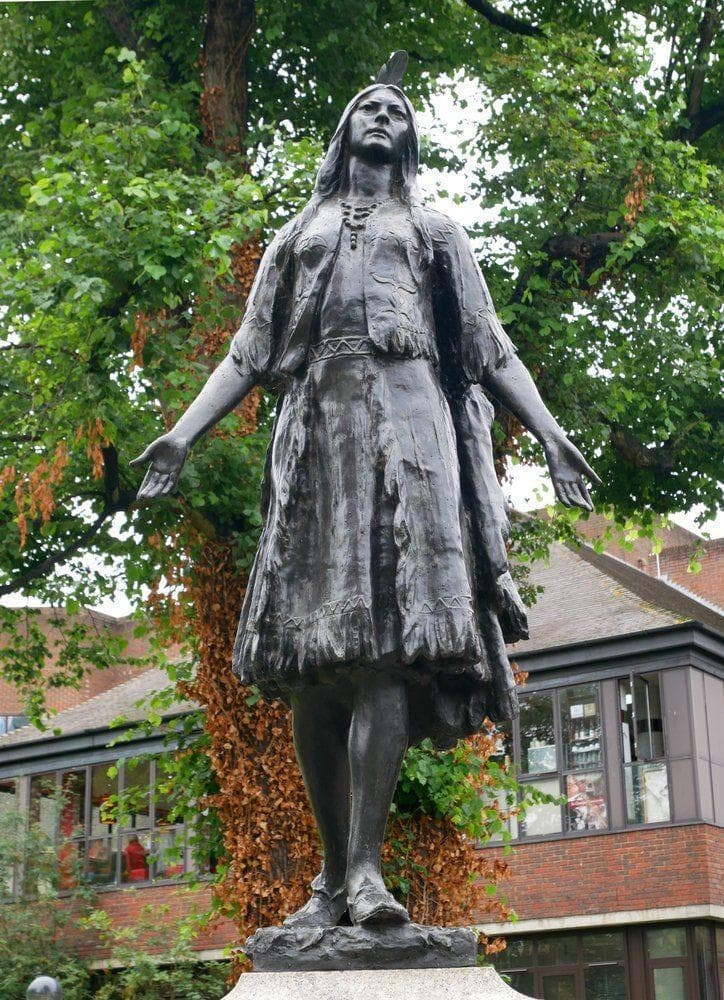
    Pocahontas Is Actually A Nickname Meaning Either 'Ill-Behaved Child' Or 'Playful One'

    The real name of Pocahontas was Amonute, although she also was called Matoaka. Born around 1596, she was the daughter of Wahunsenaca, the "mamanatowick," or chief, of the Powhatan Chiefdom. The name she's remembered by, Pocahontas, is actually a nickname. Depending on which source you believe, the nickname means either "playful one" or "ill-behaved child." Captain John Smith was captured by the Powhatan in the winter of 1607. According to Smith's account, when he was brought before Wahunsenaca, his head was forced onto two large stones on the ground and a warrior raised a club to execute him. Before this could happen, Pocahontas rushed in and placed her head upon Smith's, keeping him from being killed. After Smith returned to Jamestown, Wahunsenaca would send food to the settlement. Pocahontas, who was seen as a sign of peace by the English settlers, often accompanied the envoys on these trips. During her visits, she'd display her playfulness by doing cartwheels with some of the English children. Relations between the settlers and the Powhatan Chiefdom fell apart by 1609. According to Smith, Pocahontas warned him that her father was planning to kill him. Smith returned to England in the fall of 1609, though Pocahontas and her father were reportedly told that Smith perished during his journey home. Pocahontas was captured by the English in 1613. During her captivity, she learned English, as well as the customs and religion practiced by the settlers. In 1614, she converted to Christianity and married a man named John Rolfe. The Rolfes traveled to England in 1616, where Pocahontas was briefly reunited with Smith. Shortly before the Rolfes were set to return to Virginia, Pocahontas fell ill and passed in Gravesend, England. She was buried on March 21, 1617.

    85% upvoted
  8. 8

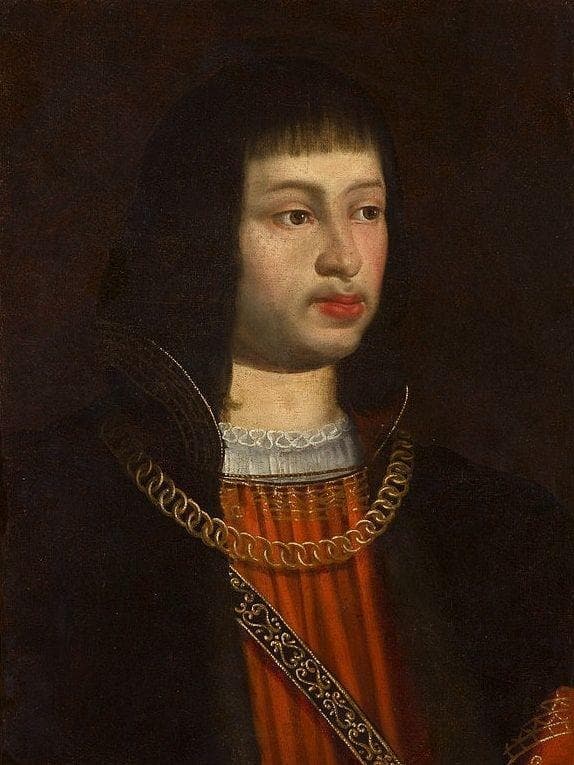
    King Louis XI Was 'The Universal Spider' At The Center Of France's Political Web

    The son of Charles VII, the king of France, the future Louis XI was born in 1423. Even as a child Louis was aware of the instability of his father's reign, and in 1440 took part in a failed plot to remove Charles VII from the throne. In 1447, Louis went to the Dauphiné, formerly a part of the Holy Roman Empire, and turned the territory into a powerful state. The threat of an attack from Charles VII's army led him to flee to the court of the Duke of Burgundy. He returned to France after his father's passing in 1461 and was crowned king. An atypical monarch who refused to maintain a formal court, he earned the fear and distrust of many French nobles. During his reign, Louis XI was at the center of many battles and political plots that led to him being nicknamed the "Universal Spider." Among these were a settlement with England, the 1465 uprising of disgruntled nobles called the League of the Public Weal, a threatened attack on his mortal enemy Charles the Bold's holdings, and plotting with the Earl of Warwick to overthrow Edward IV of England and replace him with Henry VI.

    83% upvoted
  9. 9

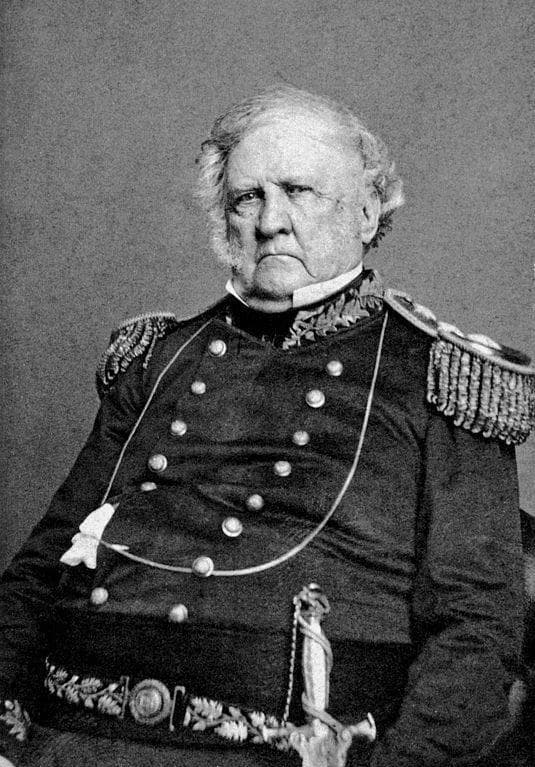
    General Winfield Scott Was Dubbed 'Old Fuss And Feathers' Because Of His Strict Discipline

    A career military man, Winfield Scott joined the US Army in 1808. He was captured by the British during the War of 1812, but after his release, he led the attack that successfully captured Fort George. Promoted to brigadier general in March 1814 when he was just 27 years old, it was around this time that Scott earned the nickname "Old Fuss and Feathers." This was because he demanded strict military discipline and appearance from his troops, even though they were mainly volunteer soldiers. In 1838, Scott oversaw the infamous Cherokee Removal (AKA the "Trail of Tears"). Three years later, he was named commanding general of the United States Army. During the Mexican-American War, Scott's troops won multiple battles, including capturing Veracruz. On September 14, 1847, he led his troops into Mexico City, signaling the end of the war. In 1852, Scott was the Whig Party's nominee for president but lost the election to Franklin Pierce. He continued to hold the post of commanding officer of the US Army until resigning under pressure in November 1861, at the age of 74. In all, he served 53 years in the US Army. Scott lived long enough to see the Union Army win the Civil War, then passed on May 29, 1866.

    79% upvoted
  10. 10

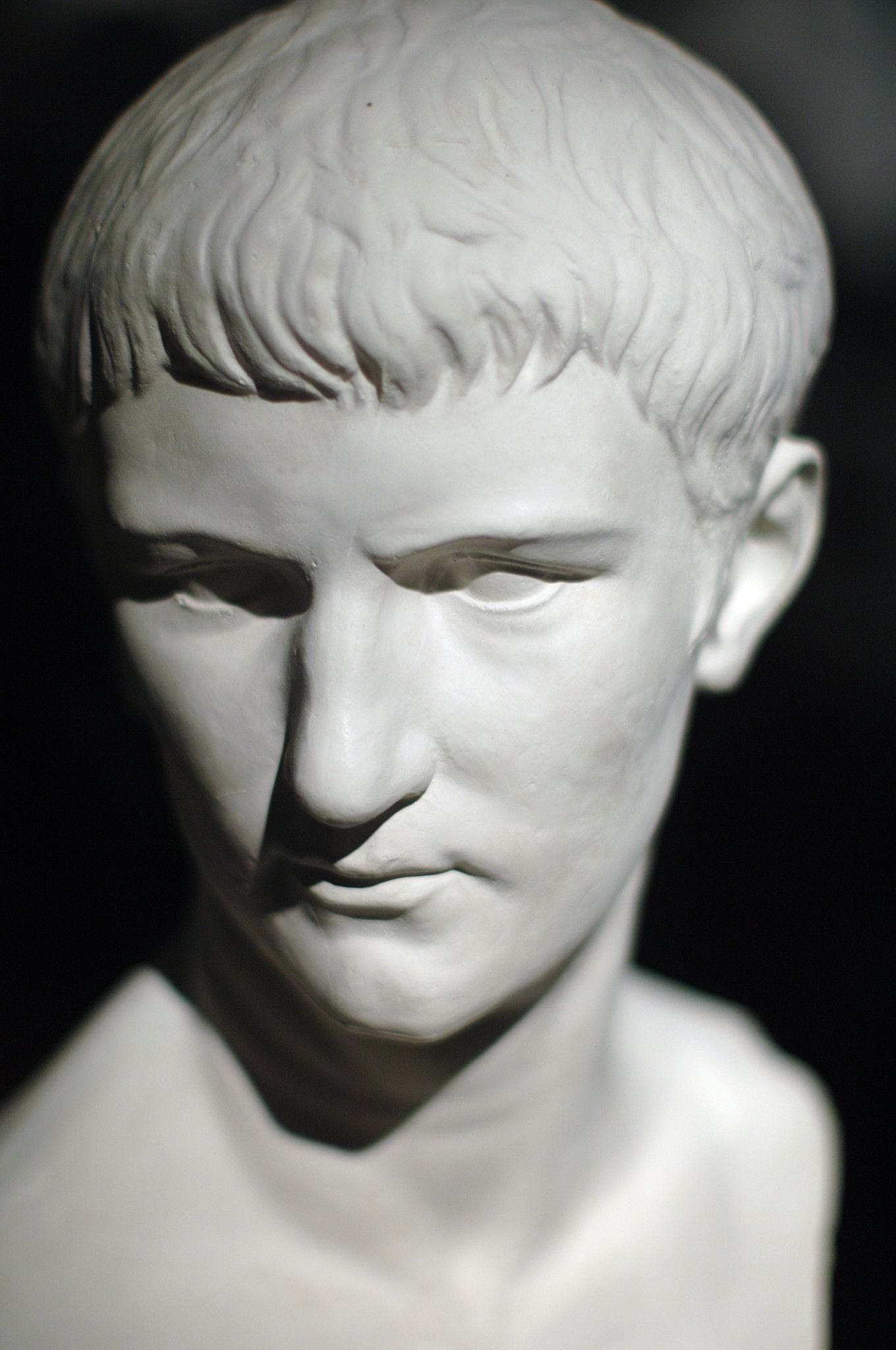
    Roman Emperor Gaius Allegedly Hated The Nickname 'Caligula,' Which Means 'Little Boots'

    Caligula - birth name Gaius - was the third-ever Roman emperor, ruling from 37 CE to 41 CE. The son of the Roman general Germanicus, the future emperor would often accompany his father on his military campaigns. He would wear a scaled-down version of a soldier's uniform, including the footwear, or caligae. Because of this, Germanicus's troops nicknamed the boy "Caligula," which translates as "Little Boots" or "Booties." Although he reportedly hated the nickname, it stuck for the remainder of his life. When Caligula became emperor, it was hoped he would change the political climate of Rome. And at first he did; people exiled by his predecessor were able to return, and he burned the records of the treason trials that had been held by Sejanus (the right-hand man of his predecessor, Emperor Tiberius). But after falling ill just seven months into his reign, he began acting in an eccentric manner, such as pretending to be a god and forcing his senators to kiss his feet. He also restored the treason trials and began murdering both his enemies and many of his allies. This made him very unpopular among the Roman elite. He was just 28 years old when he was assassinated by members of the Praetorian Guard.
    77% upvoted