Skip to content
maxnews
Games

One Easy Tip For Every Popular Card Game To Multiply Your Odds Of Winning

Those who enjoy playing card games have likely come up with some strategies to try to give themselves a better chance of winning. But it seems unlikely that anyone knows every single strategy, right? Especially for the more complicated games. So whether someone enjoys calculating the odds of getting 21 in blackjack, risking going "all in" on a poker hand, or the general chaos of spoons, here are some easy tips to possibly maximize a person's chances of winning the game. Which of these would you be interested in trying?

Entries
13
Votes
546
Updated
yesterday

Tap upor downto vote. Your vote is added to Ranker's counts.

Voting identifies your browser with an anonymous fingerprint, stored only as a salted hash, to count one per visitor. Privacy

Source: Ranker, ranked by its voters.

  1. 1

    UNO: Change Colors Often
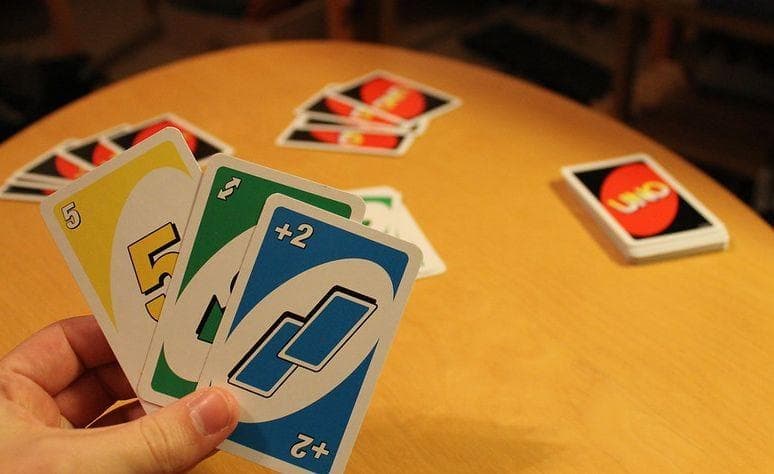
    While many players tend to stick to playing just one color for as long as possible, it is actually a good strategy to try to change colors with regularity. Doing this will give the player several advantages: (1) Between the cards in their hand and the cards they draw in the future, a player will generally have an equal number of cards of each color. By changing colors often, they will always have a playable card available. This will also minimize the number of draws they have to take. (2) It keeps the other players guessing as to which color cards they actually have in their hands. Use wild cards to change the color of the cards to be played.

    88% upvoted
  2. 2

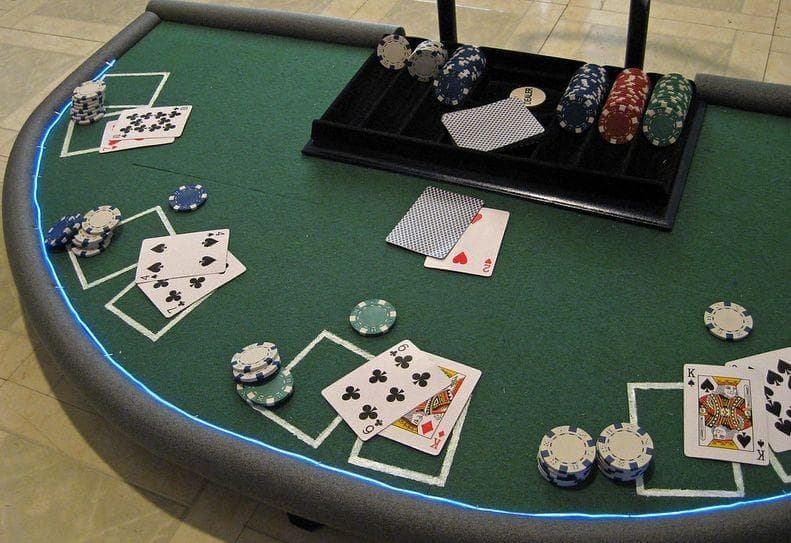
    Blackjack: Split Pairs Unless You Have A Pair Of Fours, Fives, Or 10s

    One strategy players like to rely on to win at blackjack involves what to do if dealt two cards of the same rank. Basically, if a player has a pair of anything other than fours, fives or 10s, the strategy to go with is to split the pairs into separate hands. If the player has a pair of fours, they should "hit" (take another card). If they have a pair of fives, the best strategy is to hit if the dealer has an ace, a 10, or a face card, but if the dealer is showing any other card, it is wise for the player to "double down" - that is, to double the bet in the middle of the hand. If a player "doubles down," they are only allowed to draw one more card. If the player has a pair of 10s, the obvious strategy is to "stand."

    87% upvoted
  3. 3

    Crazy Eights: If Someone Plays An Eight And Picks A New Suit, Change The Suit Yourself

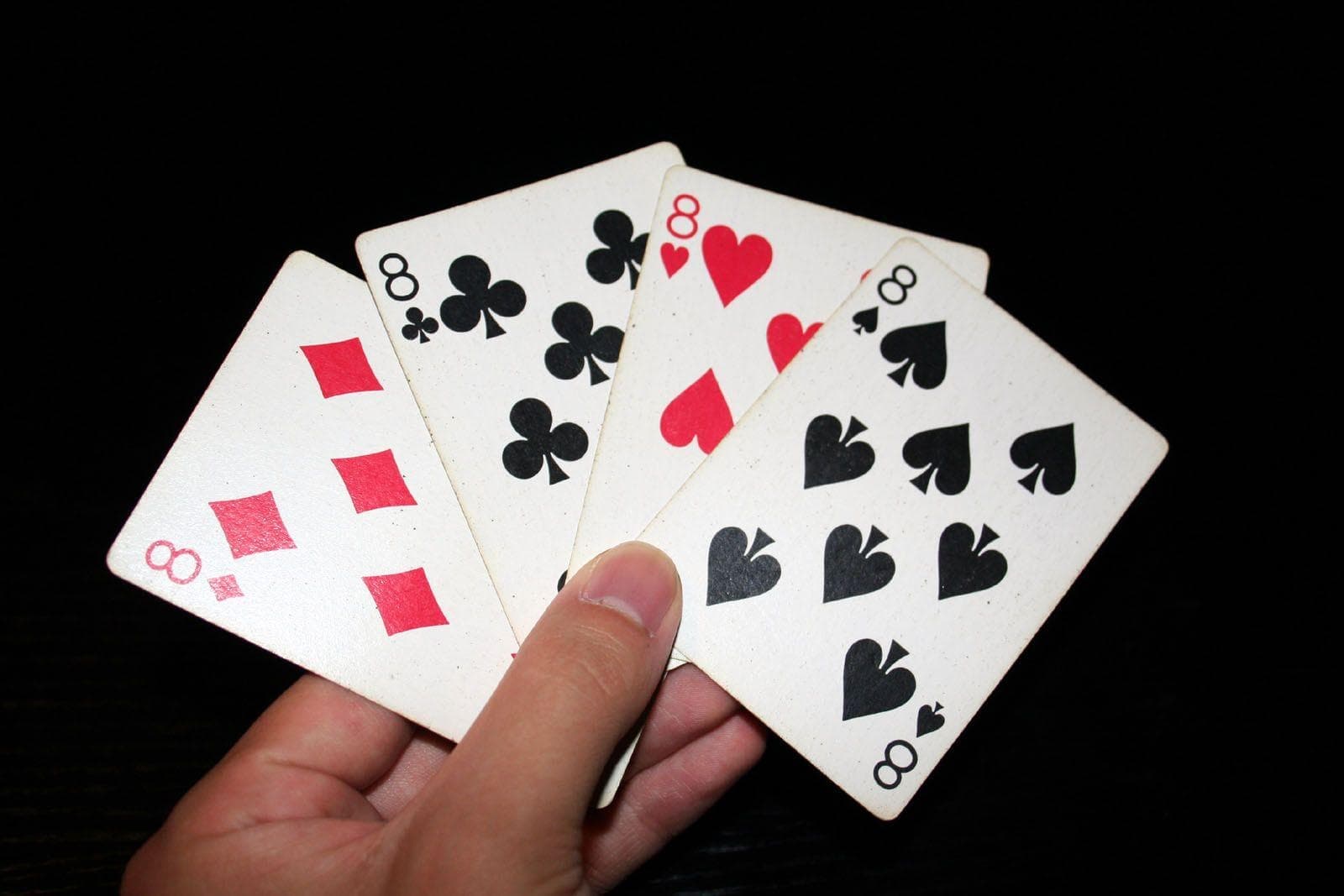
    The goal of crazy eights seems simple enough - get rid of all the cards in your hand before any other player is able to do so. One of the strategies used to get to this goal involves figuring out which suit - diamonds, hearts, spades, or clubs - your opponent(s) hold the most of, and then keeping them from getting rid of those cards. When someone plays an eight and uses it to change the suit currently being played, that's a good indication the player likely holds several other cards in that suit. For example, if they change the suit to diamonds, they probably have several other diamonds in their hand. So a good strategy is for another player to change the suit again if possible before the person who played the eight has another turn, thus hampering the first player's strategy of getting rid of more cards in that suit. If you can change the suit to one in which you have a bunch of cards, even better!

    95% upvoted
  4. 4

    Gin Rummy: Use Card Triangles To Build Melds

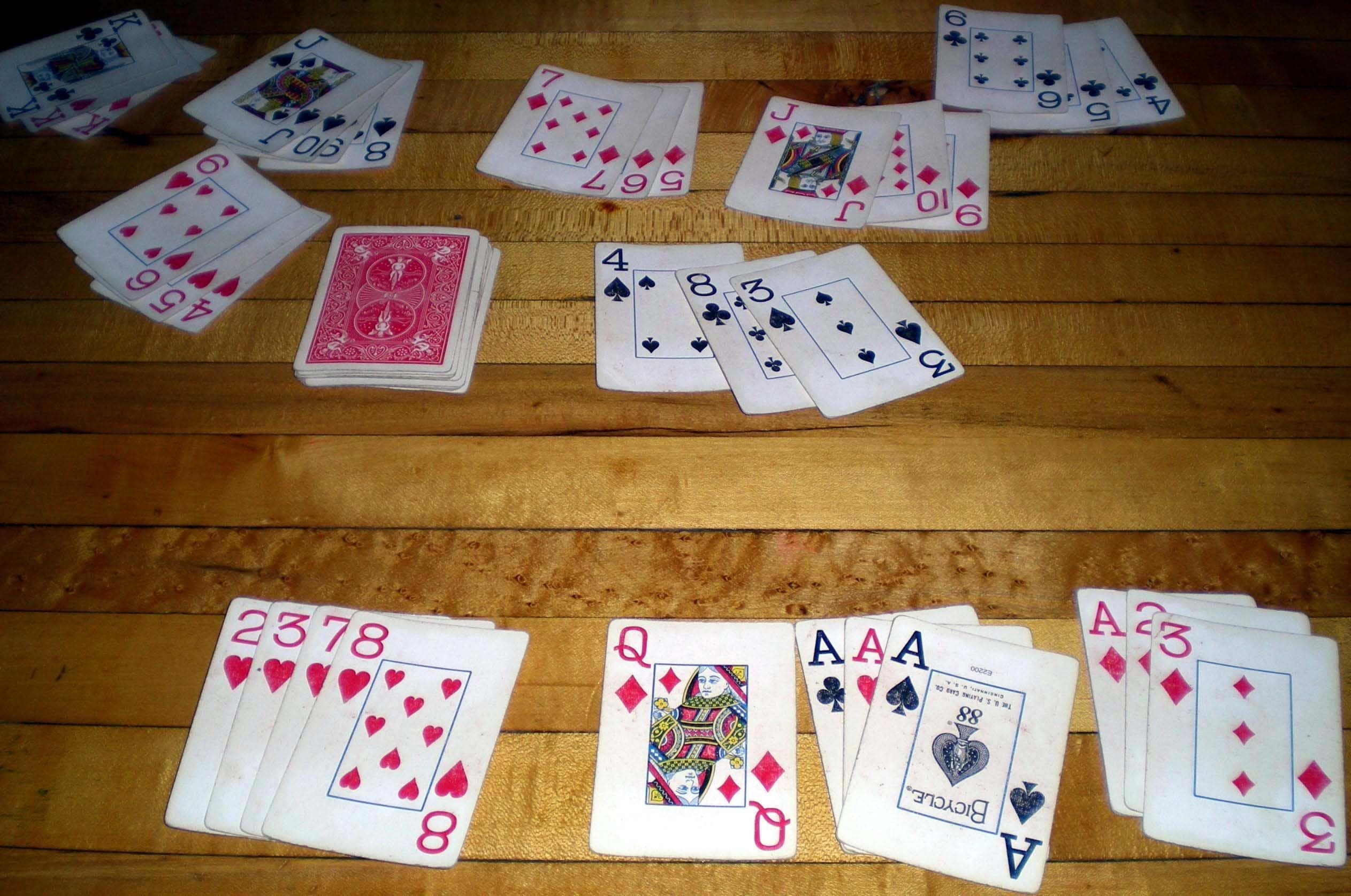
    The object of gin rummy is to collect melds, which are runs of three or more cards - either all of the same rank, such as three sevens, or of consecutive rank in the same suit, such as a three, four, and five of hearts. An excellent way of building a meld is to start with a triangle. If a player has a six of spades, a seven of spades, and a six of diamonds in their hand, they would be holding a triangle, which is defined as having two consecutive cards of the same suit along with an additional card of a different suit that has the same rank as one of the other two. Any card triangle gives a player four different ways of building a meld. In the example above, a player could complete a meld by drawing a five of spades or an eight of spades, or they could do it by drawing two more sevens or by getting another six.

    92% upvoted
  5. 5

    Solitaire: Don't Always Move Cards To The Ace Stacks Right Away

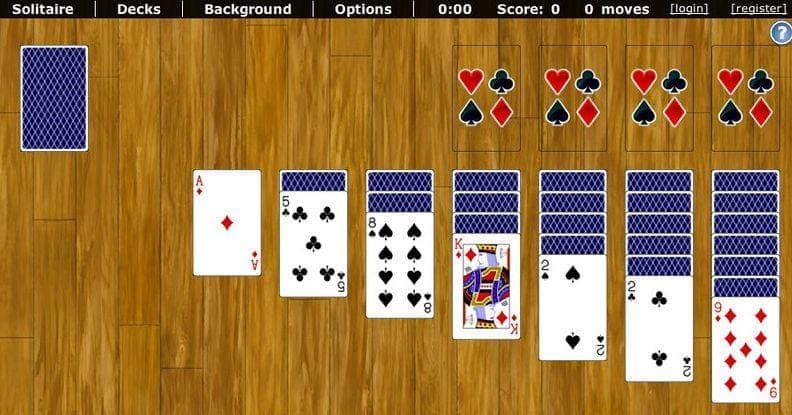
    While the objective of solitaire is to build all four suit stacks from ace up to king, there are times when the best strategy is to not immediately move cards up to the ace foundations. If a player just automatically just starts building ace stacks, they will lose the ability to retrieve some of those cards. For example, if a player piles a six of spades and then a seven of spades onto an ace stack, they lose the ability to retrieve that six of spades if they need a black six card down below later in the game.

    86% upvoted
  6. 6

    Go Fish: Assume The Deck Hasn't Been Shuffled Well From The Last Game

    Whenever someone plays multiple hands of any card game, the general procedure is to shuffle the deck between games. But a lot of times, this shuffle can be very quick or casual rather than very thorough. In that case, there is a good chance that there will be two cards of the same rank sitting next to each other in the deck. In go fish, this assumption can be used to a player's advantage. Let's say a player has to "go fish" and draws a three. If another player has to draw from the deck before the person who drew the three gets their next turn, there is a good chance the other player also drew a three. So when the first player's turn comes back around, they should ask for a three. This strategy gives the player a decent chance of getting more matching pairs without having to draw from the deck as much.

    88% upvoted
  7. 7

    Hearts: Get Rid Of All Of Your Cards In A Single Suit As Quickly As Possible

    A powerful strategy in hearts is to try to get rid of all the cards in any single suit as quickly as possible. For example, if a player has five or six diamonds, they should try to play those cards as soon as possible. Getting rid of all of one's cards in a single suit creates a "void," and doing this means that the next time that suit is led, the player can get rid of the worst card in their hand. If a player decides to use this strategy, it is important to also keep track of whether any other players have created their own voids, so they don't end up leading a suit that could result in getting stuck with a bad card like the queen of spades.

    87% upvoted
  8. 8

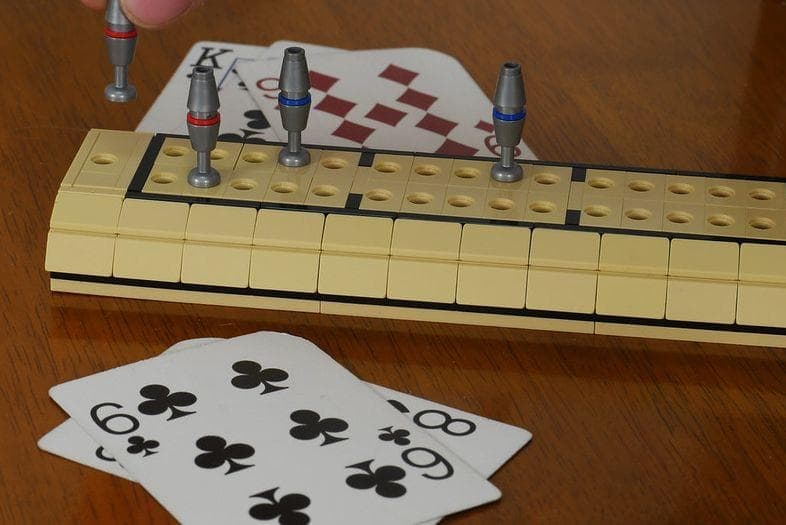
    Cribbage: Hold On To Cards That Add Up To 11

    In cribbage, a common strategy is to hold on to cards in your hand that add up to 11. A player can earn extra points in the pegging if they do this, especially if an opponent leads with a 10-card (a court card worth 10). For example, if a player holds a six and a five, they might play those cards in this order: Opponent: Q (10) Player: 5 (15-2) Opponent: J (25) Player: 6 (31-2) The 6-5 combination is known as a "magic 11."

    88% upvoted
  9. 9

    Spades: Cutting Is A Good But Risky Strategy

    Some strategies in card games are best described as defensive ones - in other words, instead of trying to achieve something themselves, players attempt to keep their opponent from reaching their goal. "Cutting" is a defensive strategy in spades. It is generally used if another player has a huge lead or is close to winning the game. With this strategy, instead of trying to take the number of tricks that they bet, the player instead attempts to take as many tricks as possible, thus keeping the other player from reaching the number of tricks they bet. If the strategy is successful, the other player(s) will lose 10 times their bet. But this is a high-risk/high-reward strategy, as it can lead to the player taking "bags" (additional tricks above what you bet) and reducing their own score. And if the player misses the cut, they will end up with a ton of bags while their opponent(s) will get the maximum score. So it is probably best to use this strategy only if the player is way behind in the game.

    87% upvoted
  10. 10

    Poker: Memorize Some Of The Key Probabilities

    Although math does play a big part when determining a player's strategy, no one has to be a whiz kid to win at poker. In fact, memorization skills may be handier than the ability to solve mathematical equations in your head. If you can keep the key probabilities straight in your head, your chances of winning at poker may increase significantly. In Texas hold 'em, one key probability has to do with the opening hand a player is dealt. The best starting hands are generally considered to be ace-ace, king-king, queen-queen, jack-jack, ace-king, and 10-10. Any player should, on average, get dealt one of these combinations once every 29 hands. If a player is dealt an opening hand that contains any pair, their chances of getting a three-of-a-kind on the flop are approximately 11%. Meanwhile, if the player doesn't start with a pair, there is still about a 27% chance that the flop will result in a pair for one of their hole cards. When the game gets to the turn and river, start thinking about "outs" - a single card that the player believes will give them a winning hand. If you multiply your number of "outs" by two, you will get a rough percentage of how likely it will be to make your hand. For example, if a player needs a queen to complete a straight and there are three queens potentially left to be dealt, the player will have three "outs" and approximately a 6% chance of getting that straight on their next card. If a player decides to go all-in pre-flop, meanwhile, having a pair is generally a big advantage against two lower cards, but just a slight favorite versus two higher cards.

    78% upvoted