Skip to content
maxnews
Rankings

Mythological Easter Eggs Hiding In Pop Culture

Greek mythology remains popular thousands of years after the stories were first penned. Modern culture is filled with retellings that include everything from the Percy Jackson books to Disney's Hercules; however, some pop culture references to Greek mythology are more obscure than others. The weird and wild world of Zeus and the Olympians is so embedded in Western culture that it can manifest without most people even noticing. Some of the most popular stories would hardly be as clever or visually striking without the details they borrowed from the ancient Greeks.

Entries
11
Votes
5.6K
Updated
4 days ago

Tap upor downto vote. Your vote is added to Ranker's counts.

Voting identifies your browser with an anonymous fingerprint, stored only as a salted hash, to count one per visitor. Privacy

Source: Ranker, ranked by its voters.

  1. 1

    Ares - Marvin The Martian From 'Looney Tunes'
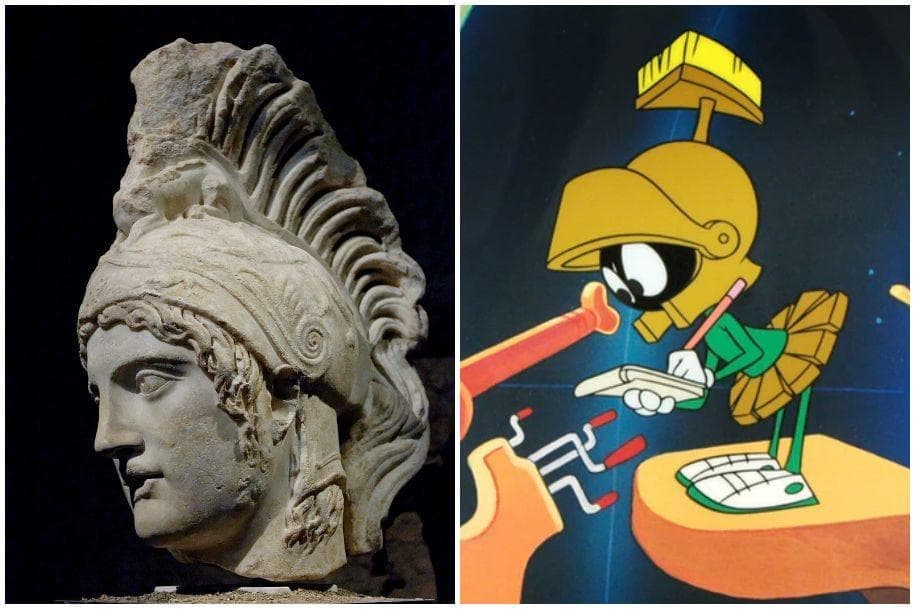
    Ares, the god of combat, is known for his aggression and lust for fighting. He's often depicted in classical Greek warrior armor, including a crested helm and short tunic. This costume is exactly the outfit worn by Marvin the Martian, one of Looney Tunes' most famous characters. Marvin is intentionally reminiscent of Ares, known as Mars in Roman mythology. Marvin even shares Ares's temper and penchant for starting fights, though they're presented through a comedic and cartoonish lens.

    93% upvoted
  2. 2

    The Greek God Of Dreams - Morpheus From 'The Matrix'

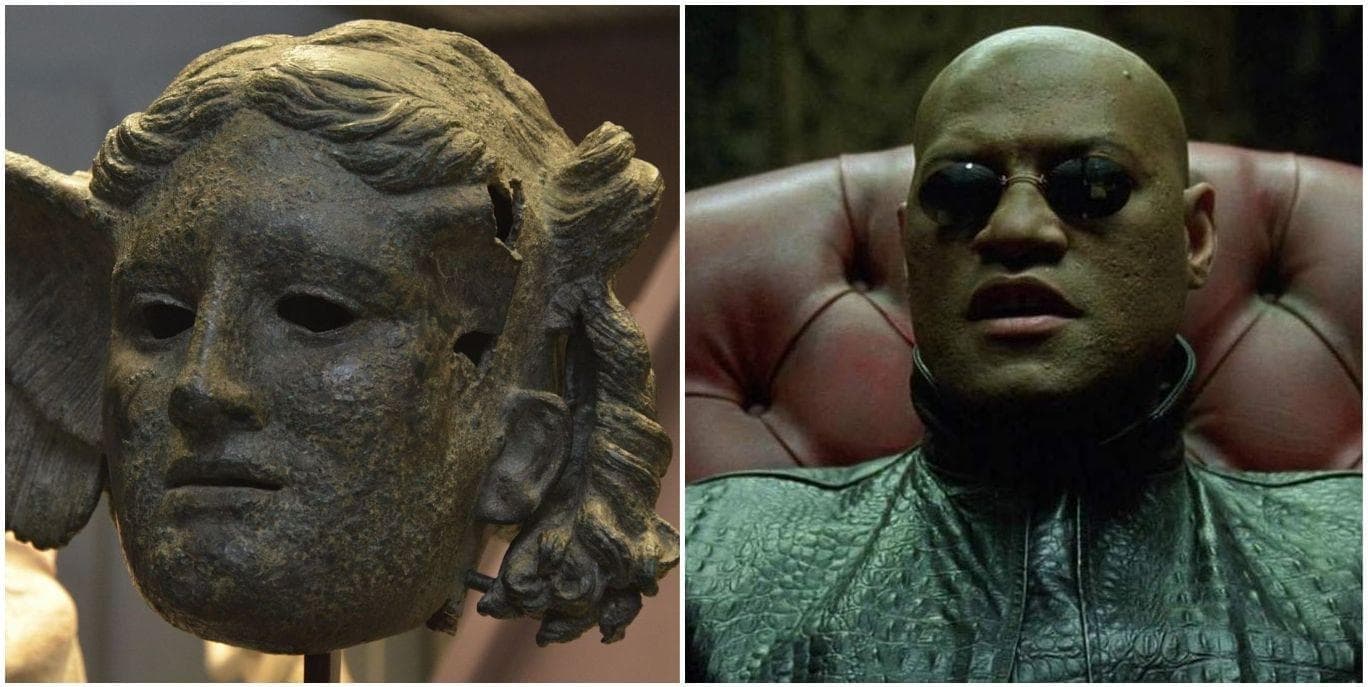
    In Greek legend, the god of dreams is named Morpheus. To be dreaming is to be "in the arms of Morpheus," where he can deliver divine messages or visions of the future to the sleeping person. Morpheus and his family are said to live in a separate but linked world, the Dream World of Morpheus. Morpheus shares more than a name with the hero from The Matrix. Like his divine namesake, Morpheus leads Neo and others to and from the "dream world" - the Matrix - to the "waking world" - Earth. When he offers Neo the red and blue pills, he provides him with the option to wake or to remain in his dreams forever.

    90% upvoted
  3. 3

    Chiron - Firenze From The 'Harry Potter' Series

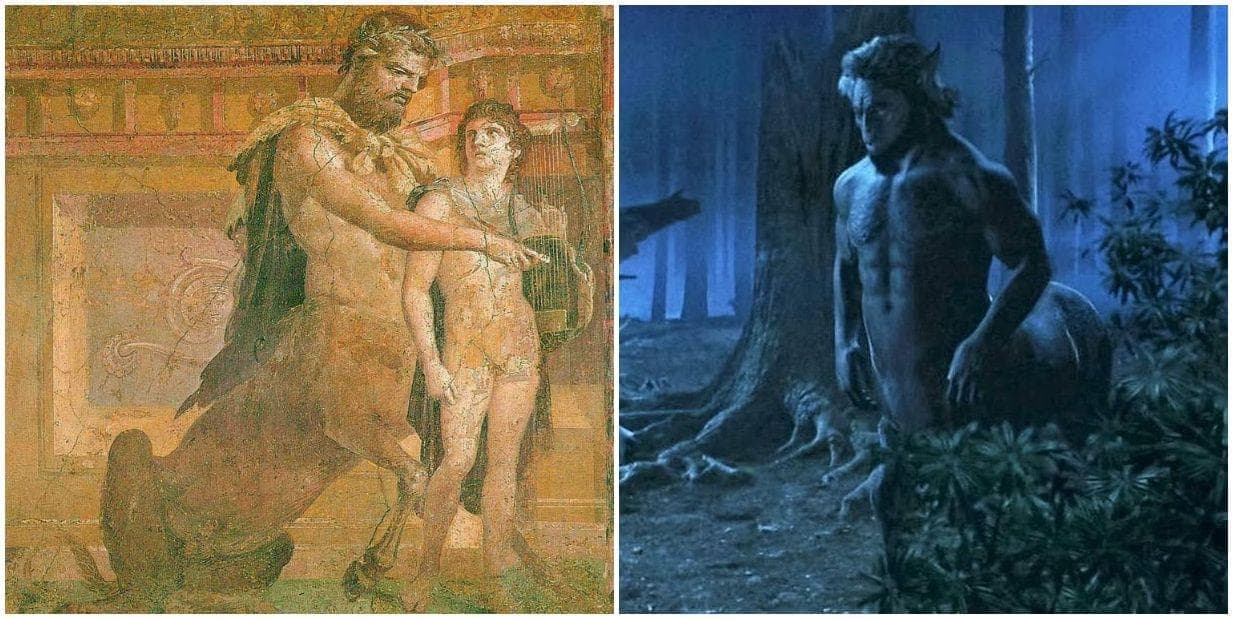
    In Greek mythology, Chiron is known to be the wisest and kindest of the Centaurs. Chiron serves as a teacher and mentor to many famous Greek heroes, including Jason and Achilles, and was actually the half-brother of Zeus. When Chiron passes, Zeus places him in the sky as the constellation Sagittarius. Within the Harry Potter franchise, Harry and his friends learn from their own wise centaur, Firenze. He plays a pivotal role in rescuing Harry in the Forbidden Forest and later teaches Divination, the study of the stars. Like Chiron, he is considered different from his own kind.

    89% upvoted
  4. 4

    Saturn Devouring His Son - The Pale Man From 'Pan's Labyrinth'

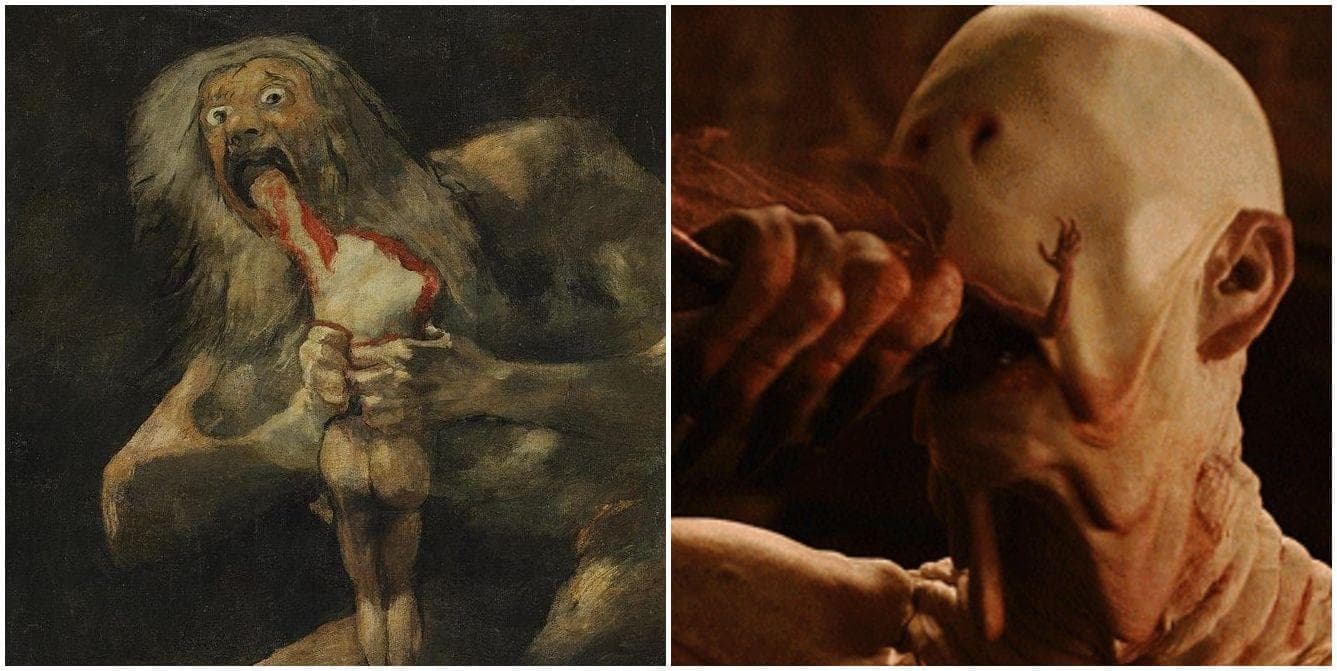
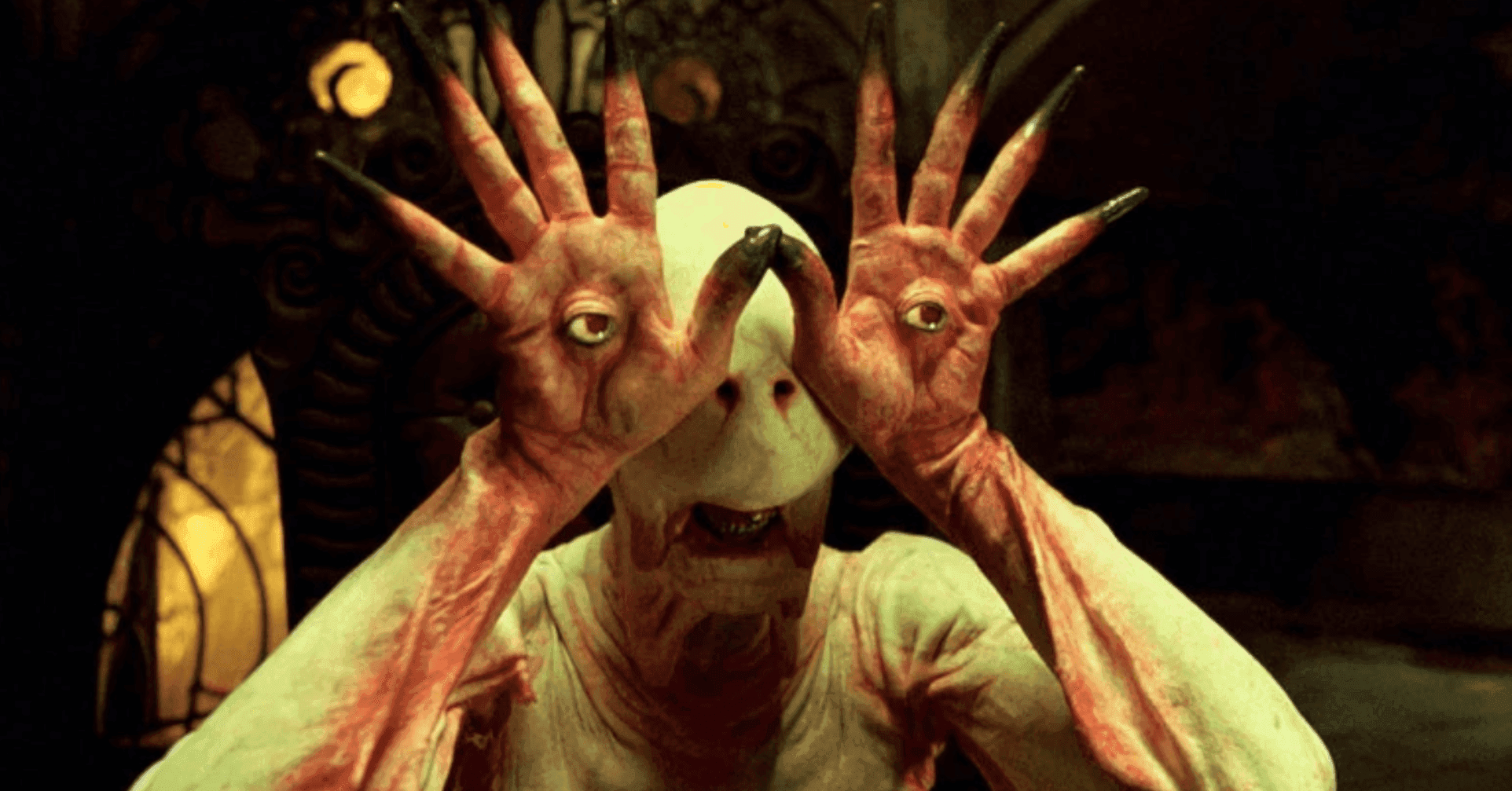
    When Saturn - or Cronus in Greek mythology - heard the prophecy that he would be overthrown by one of his sons, he devoured his children to prevent the prophecy from coming true. This myth was later painted by Spanish artist Francisco Goya as one of his "Black Paintings," which expressed his paranoia and depression during Spain's political turmoil. The terror of both Spanish political rule and gruesome mythology later came to life in the 2006 film Pan's Labyrinth. Director Guillermo del Toro drew on the image of Saturn devouring his son to depict a horrifying moment in the "Pale Man" sequence. When the Pale Man eats several fairies in gruesome fashion, the images call back to Goya's painting and the original myth.

    89% upvoted
  5. 5

    Polyphemus - Big Dan From 'O Brother, Where Art Thou?'

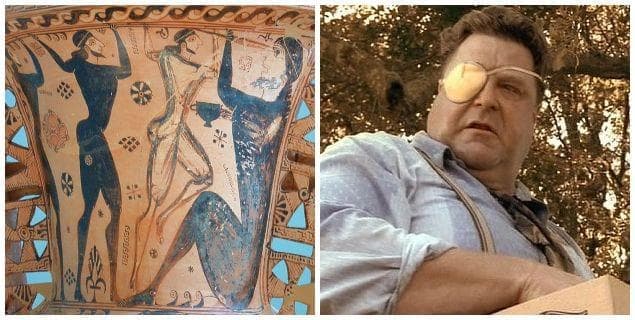
    The Odyssey relays the epic story of Odysseus, who never controls his own journey but manages to affect the world around him through his witty, stubborn personality. He encounters the mighty Cyclops, Polyphemus, endures the luring cry of the beautiful Sirens, and returns home just in time to prevent his wife from marrying a cruel man. Many of these events play out in the Coen Brothers movie O Brother, Where Art Thou?, widely understood to be a 1930s-era take on the Greek tale. Many of the details are cleverly disguised: Polyphemus becomes a devious, one-eyed Bible salesman and the Sirens become a group of bathing, folk-singing women.

    88% upvoted
  6. 6

    'Metamorphoses' - Kuzco From 'The Emperor's New Groove'

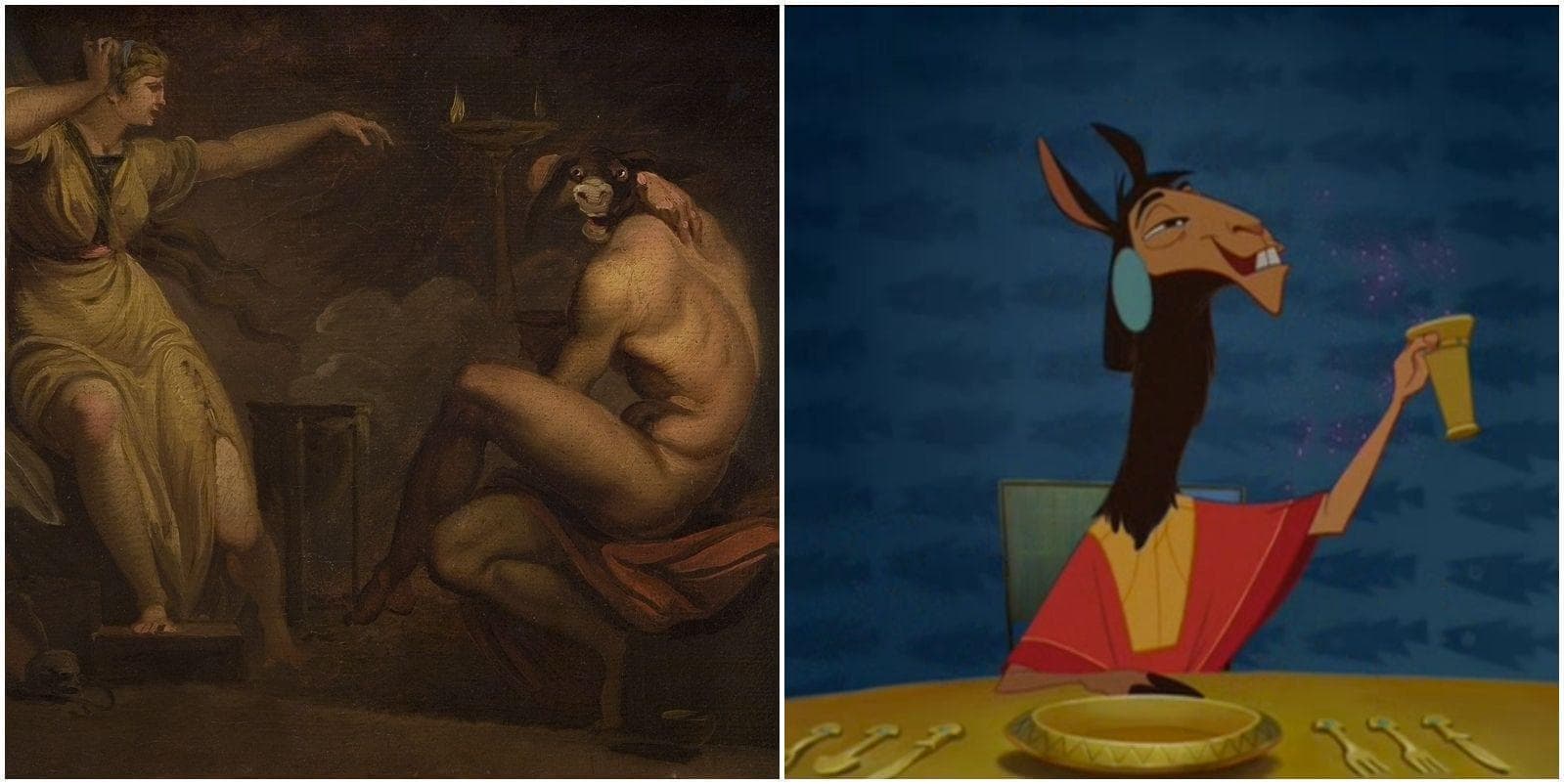
    Metamorphoses relays the story of Lucius, a rude young man who is transformed into a donkey by a magical accident. After a series of somewhat humiliating adventures, Lucius is able to redeem himself and gain pity from a goddess. He returns to his human form and becomes an upstanding member of his community. Although The Emperor's New Groove takes place in South America, the story has unmistakable roots in Metamorphoses. Like Lucius, Kuzco is transformed by a magical accident and becomes a better person through his journeys as an animal. The pivotal difference is the pack animal in question - Kuzco is a llama rather than a donkey.

    87% upvoted
  7. 7

    The River Lethe - The River Of Forgetfulness From 'Adventure Time'

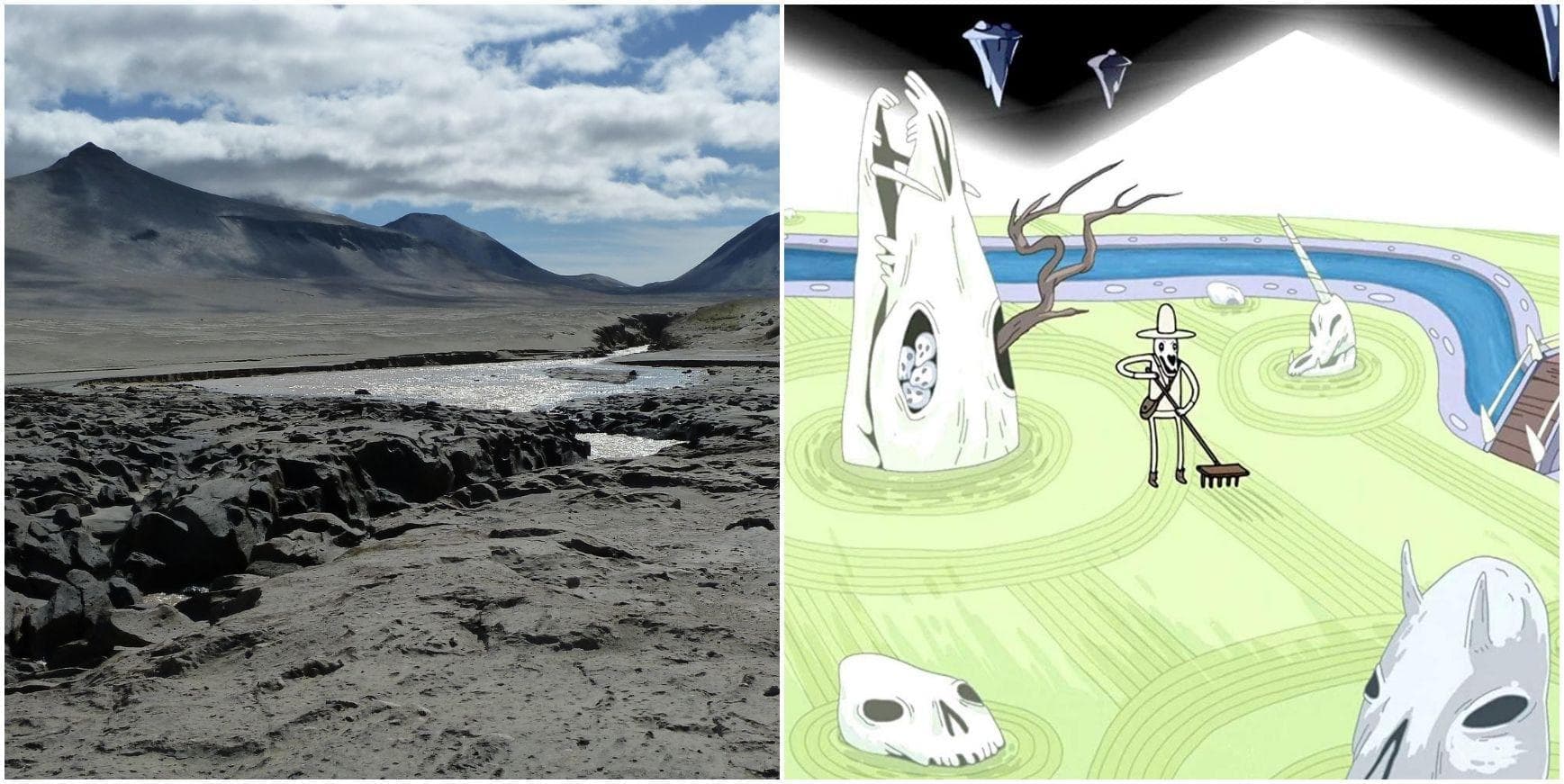
    In Greek myth, the underworld is a vast place, and among its many features is the River Lethe. Anyone who drinks from or crosses the Lethe forgets everything about themselves and becomes a blank slate. The River Lethe is meant to prepare the recently perished for their new lives and alleviate their pain by helping them forget what they once possessed. When Finn and Jake visit Ooo's underworld in Adventure Time, a talking skull tricks Jake into drinking from "The River of Forgetfulness." To no one's surprise, Jake forgets everything, much as he would have if he drank from the River Lethe.

    86% upvoted
  8. 8

    Kibisis - The Box From 'Seven'

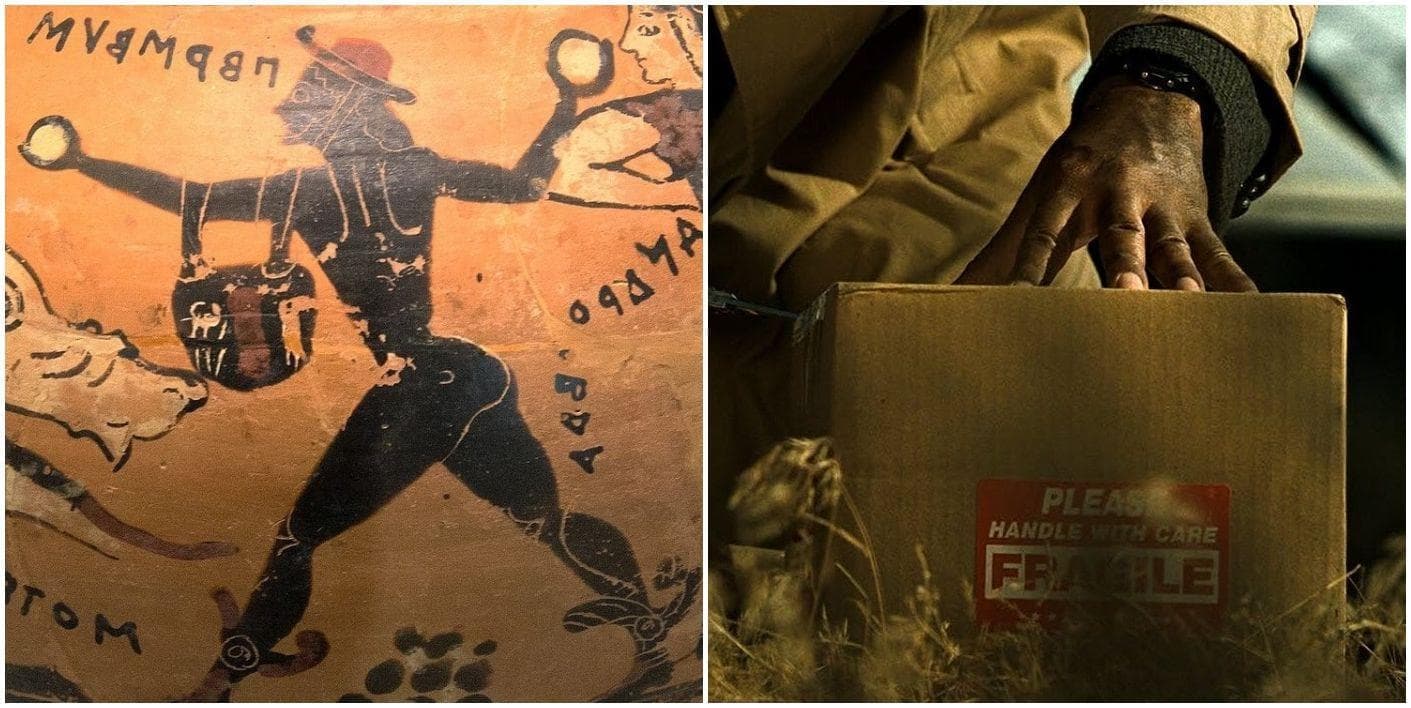
    After Perseus slays the monster Medusa, he carries her head in a magical bag called a kibisis, which was gifted to him by nymphs. While bringing Medusa's severed head back to Seriphos, Perseus uses its power to eliminate both a sea monster and his rival, Phineus. In Seven, John Doe uses a severed head to wield power over Detectives Somerset and Mills. The box Doe brings to the confrontation site acts as the kibisis, hiding a powerful tool until the precise moment he needs it to complete his mission - just as Perseus does.

    85% upvoted
  9. 9

    Rota Fortunae - 'Wheel Of Fortune'

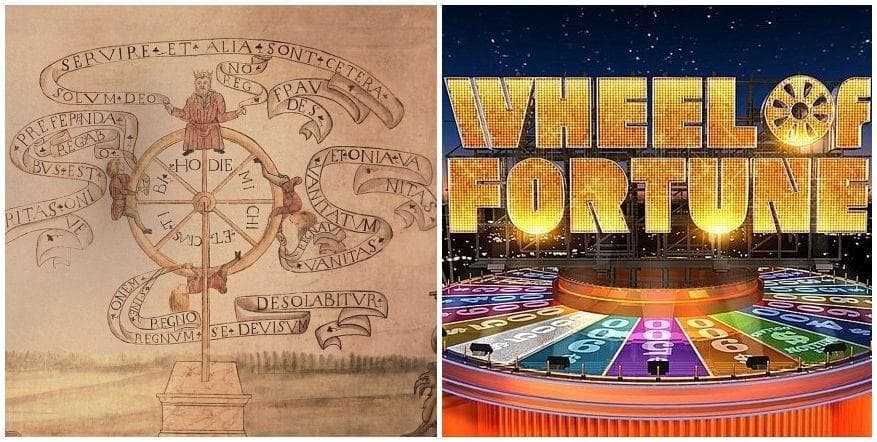
    Ancient Greeks, like many cultures, maintained a concept for luck, which they felt was controlled by the goddess Tyche. She decides a person's fate by spinning her wheel, the Rota Fortunae, although the Greeks imagined it as more of a globe than a flat circle. The Rota Fortunae became even more popular in Europe during the Middle Ages. Many modern game shows have borrowed the concept of the Rota Fortunae, a wheel that randomly dispenses out good or bad outcomes for the players. The most obvious descendent is the long-running TV series Wheel of Fortune - a literal translation of Rota Fortunae.

    84% upvoted
  10. 10

    Orpheus's Descent Into Hades - Luke Skywalker Saving Darth Vader In 'Star Wars'

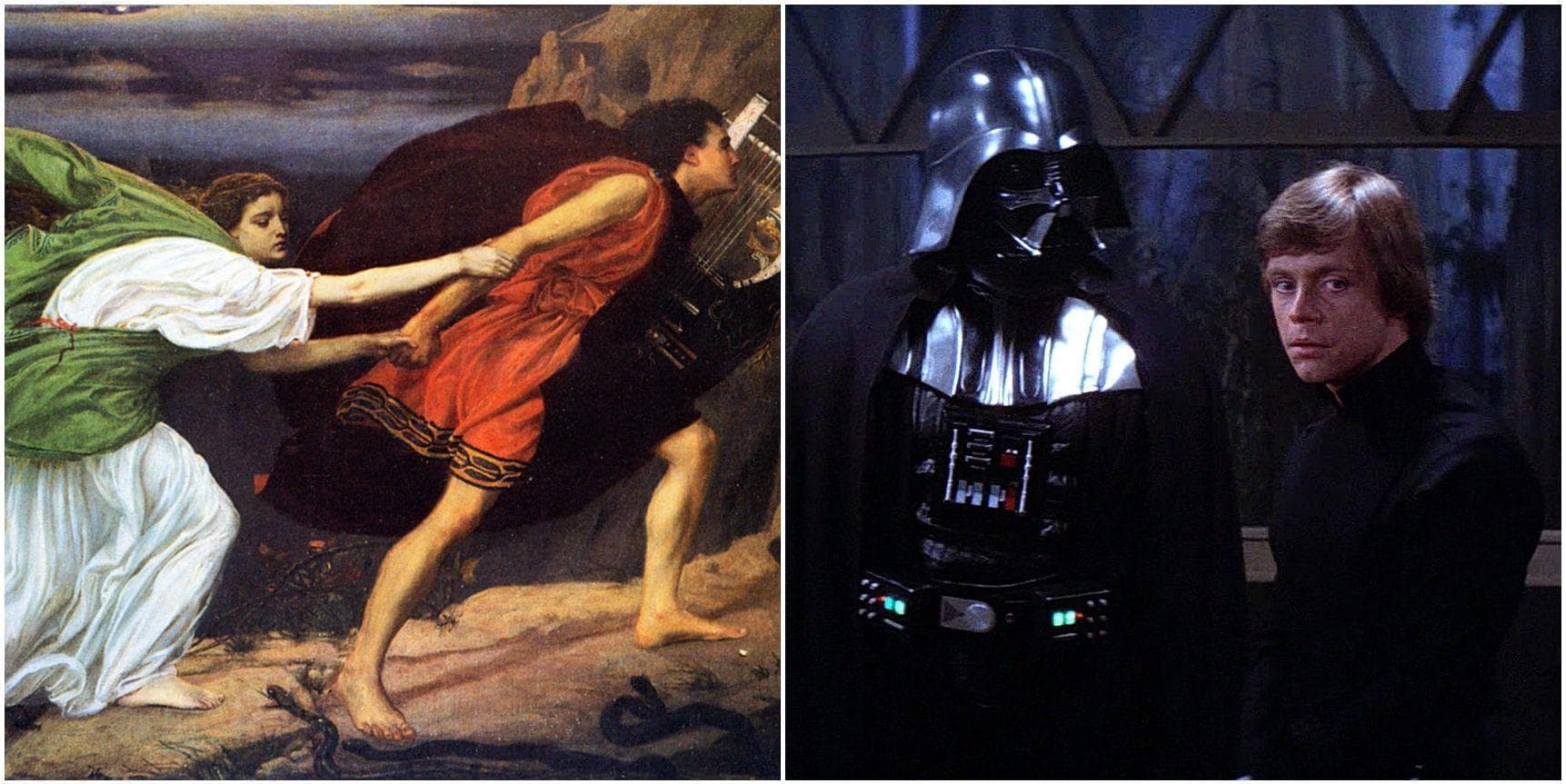
    When Eurydice perishes from a snake bite on her wedding day, a grief-stricken Orpheus seeks her out in the underworld of Hades, braving many dangers to save her soul. Eventually, he pleads with Hades for Eurydice's life. The god agrees, as long as Orpheus does not look back at her during his return to the surface world. Unfortunately, he does exactly that, only to see Eurydice still in the underworld, trapped there forever. When Luke Skywalker voluntarily surrenders to the Empire in Return of the Jedi, he does so to rescue his father, Darth Vader, just as Orpheus wishes to rescue his wife. This notion was clearer in early drafts of the script, in which Emperor Palpatine lived in an underground volcanic lair reminiscent of Hades's Lake of Fire. Even in the final movie, though, the story is recognizable, with Luke coaxing the person he loves away from a living end and the ruling figure of darkness - only to have his loved one snatched away at the last moment.

    83% upvoted