Skip to content
maxnews
Film

Movies Where The Villain Is Secretly The Main Character

Plenty of movies have villain protagonists. Joker and American Psycho are just two examples. These films typically look at the evolution of villains, often explaining how they came to be. With some movies, however, the distinction isn't quite as obvious. When looked at from one angle, they seem to have traditional heroes as their main characters, yet when you look at them from a slightly different angle, you can make a strong case that the bad guy is actually the most important character in the story. What makes these examples interesting is how they sneak up on you. It might take a second - or even a third - viewing to grasp just how central the antagonist is to the plot. The hero goes on a notable journey in these pictures, but it's more than likely a familiar one. The villain, on the other hand, goes on one that's less predicable and more surprising. Pulling back to examine them from a fresh perspective reveals that the arc of the hero wouldn't even be possible without the arc of the bad guy. The following films all exemplify the phenomenon perfectly.

Entries
15
Votes
5.4K
Updated
yesterday

Tap upor downto vote. Your vote is added to Ranker's counts.

Voting identifies your browser with an anonymous fingerprint, stored only as a salted hash, to count one per visitor. Privacy

Source: Ranker, ranked by its voters.

  1. 1

    Anton Chigurh In 'No Country for Old Men'
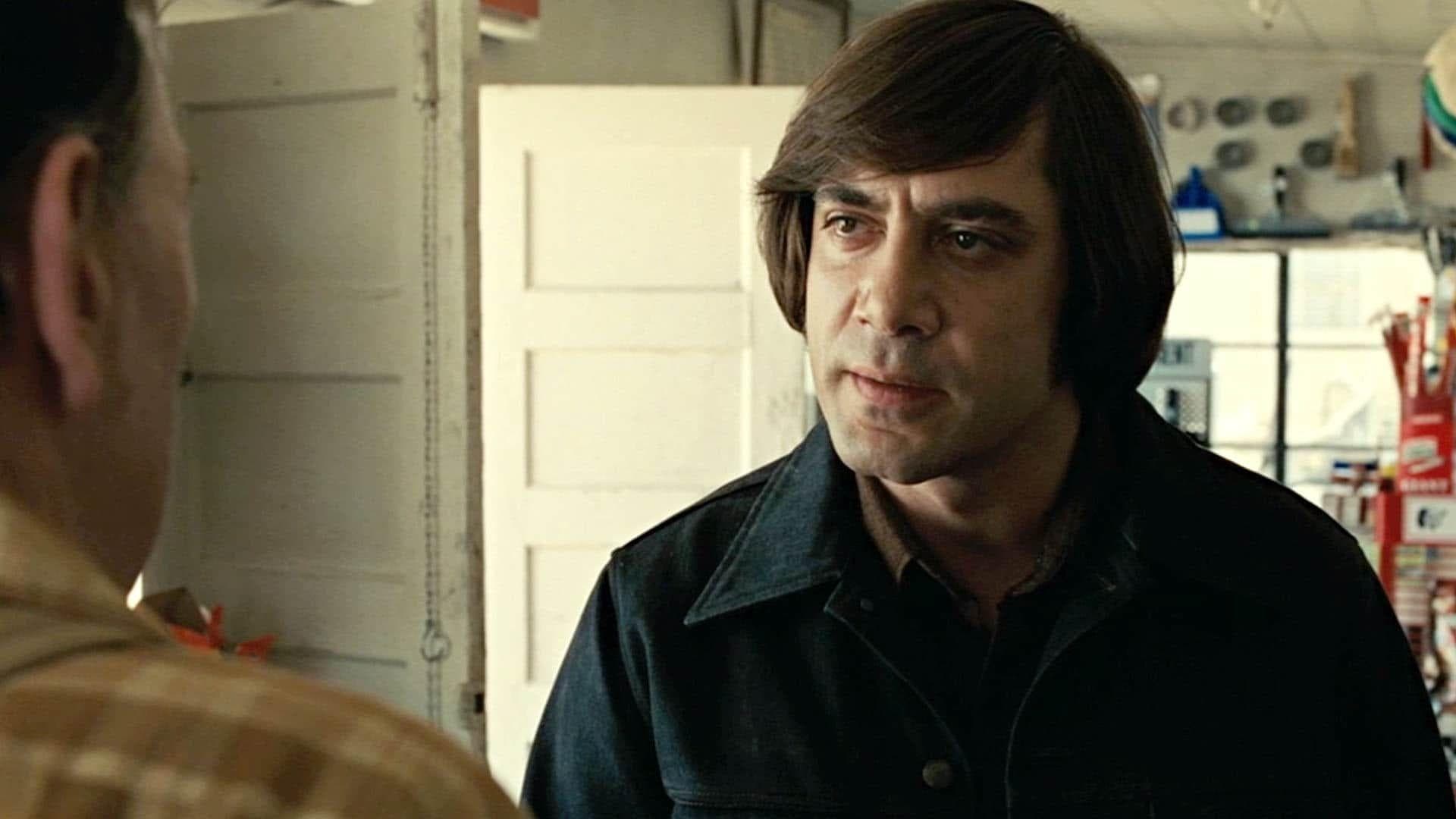
    Anton Chigurh, the psychopath played by Javier Bardem in No Country for Old Men, has a very simple, straightforward mission. He wants to retrieve the satchel full of money that a Texas welder stumbled upon in the aftermath of a drug deal gone wrong. It's his cash, after all, and he wants it back. No one will stand in his way. If they do, he'll terminate them with the bolt gun he carries around. Directed by Joel and Ethan Coen, and based on Cormac McCarthy's novel, No Country for Old Men is about the changing face of evil. Sheriff Ed Tom Bell (Tommy Lee Jones) is on the hunt for Chigurh, but the more he sees of the madman's bloody work, the more unnerved he becomes, to the point where he eventually gives up the pursuit. That's a provocative take for a thriller. It doesn't work unless we comprehend what Bell is so afraid of. Chigurh gets away with all his transgressions at the end. Getting hit by a car is the extent of the repercussions he faces. This calm-but-terrifying cinematic villain delivers the movie's central message, namely that if you're evil enough, you just might scare off the people who should bring you to justice.

    85% upvoted
  2. 2

    Hans Landa In 'Inglourious Basterds'

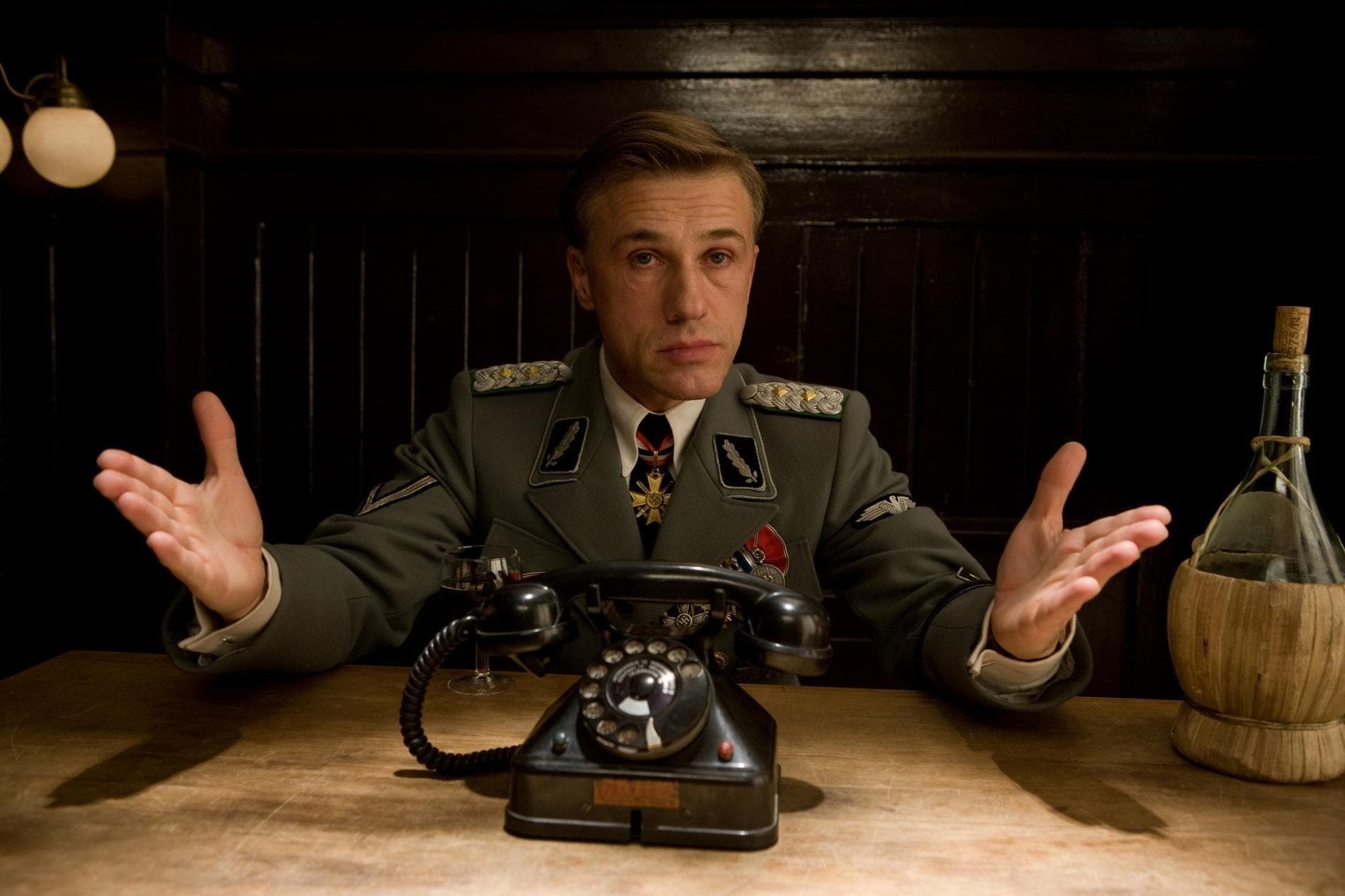
    The traditional "hero" of Quentin Tarantino's Inglourious Basterds doesn't arrive on-screen until almost 20 minutes in. Instead, the picture opens with Hans Landa (Christoph Waltz), an SS officer who shows up at the home of a French farmer who may be hiding a Jewish family. He shrewdly interrogates the man, lulls him into a sense of security with false promises that he won't harm anyone, and then has his men gun down the family through the floorboards. The sequence runs a good 15 minutes. Why spend so much time on the villain at the top? Because Landa is arguably the main character, not Brad Pitt's Aldo Raine. Yes, Aldo and his team are looking to kill Nazis, particularly by blowing up a cinema hosting a number of high-ranking German officials. Landa is what gives the film its pulse, though. He's pursuing Shosanna Dreyfus, the now-grown woman who escaped from that French farmhouse the day he arrived. Because he's so unrepentantly evil, we root harder for Raine and his men to succeed in their mission. Put another way, he stands in for the entire Third Reich. Any movie about the cruel acts of the SS fundamentally needs to have a focus on someone like Landa. Nothing else works if the audience doesn't understand the pure malice at the heart of the movement.

    78% upvoted
  3. 3

    Amy Dunne In 'Gone Girl'

    Gone Girl focuses on a toxic marriage. Nick (Ben Affleck) and Amy (Rosamund Pike) are so unhappy together that she decides to fake her own disappearance, knowing it will put him in the crosshairs of both the police and the media. Slightly more than half the film is devoted to Nick dealing with the fallout, while also attempting to clear his name. The rest focuses on Amy. She's really the central character because everything that happens has been orchestrated by her. Although she disappears for a fairly large chunk of the movie, her presence is felt throughout. The scenario is interesting because even though we don't see her all the time, she's still there, pulling the strings in private. By the third act, she decides - for complicated reasons - to come back to Nick. Doing so requires framing another guy to make it seem like he kidnapped her and she escaped. So she not only hatches the scheme to put Nick on the hook, but she also hatches the one to get him off of it. Gone Girl is entirely about her manipulation.

    79% upvoted
  4. 4

    Bill The Butcher In 'Gangs of New York'

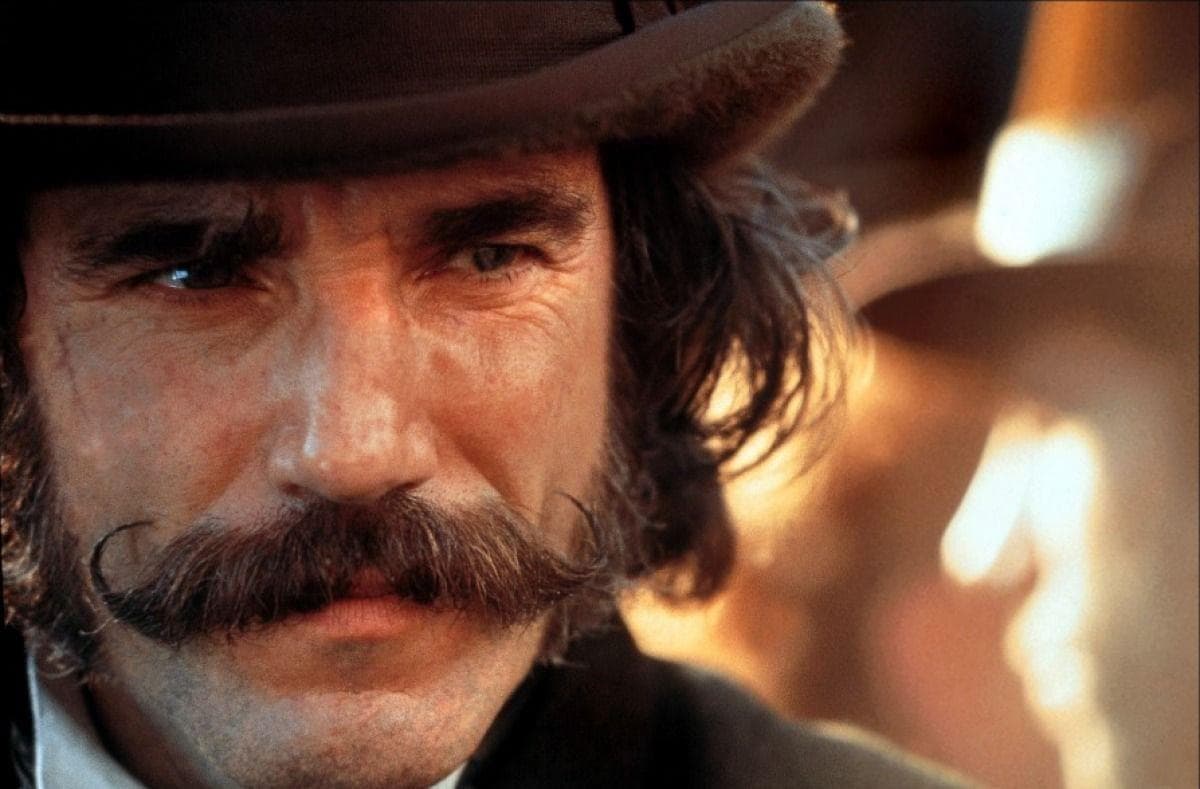
    A man named Bill the Butcher is at the core of Martin Scorsese's Gangs of New York. Portrayed by Daniel Day-Lewis, he's the vicious leader of the Nativists, a group that believes immigrants should be kept out of New York. To that end, he slays Priest Vallon, the leader of an Irish group called the Rabbits. Sixteen years later, Vallon's son Amsterdam comes looking for revenge. The masterful thing about the film is that it tells Bill's story through the prism of Amsterdam's quest. As the young man sidles up to Bill, he begins to become fascinated by his magnetism and endless determination. His admiration for a man he wants to kill begrudgingly grows. Gangs of New York is about Bill's pull on others and the way he fights tirelessly for what he believes in. Amsterdam does indeed finish off Bill at the end, but he also buries him next to his father - a signifier of just what an influence he had.

    77% upvoted
  5. 5

    Vincent In 'Collateral'

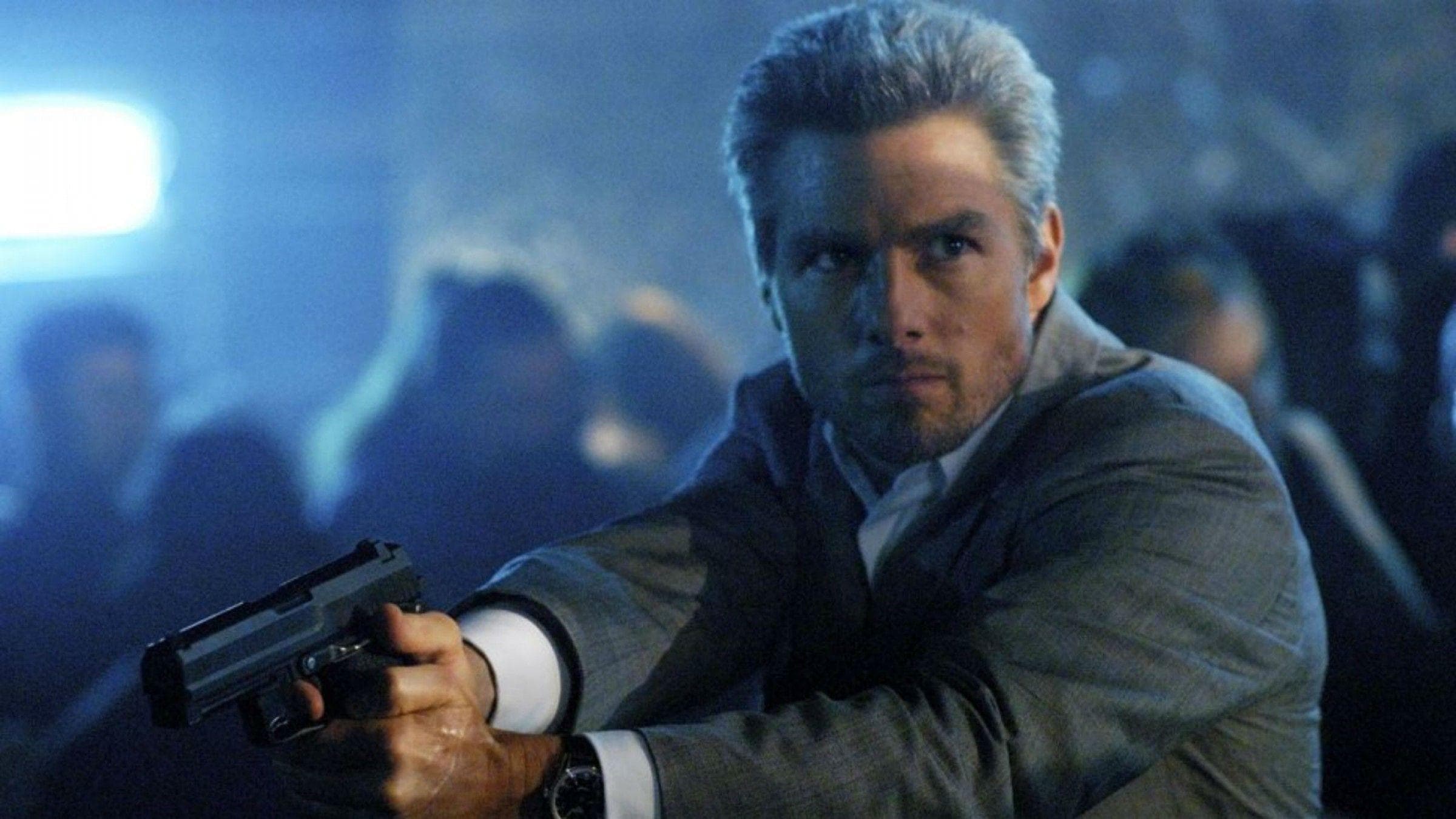
    Collateral stars Jamie Foxx as Max, a mild-mannered cab driver unlucky enough to pick up a hitman named Vincent (Tom Cruise). Vincent pays him $600 to make a series of stops over the course of the night. Once it becomes clear he's performing a string of executions, Max gets dragged into the vicious proceedings. In fact, the hitman vows to do away with Max if he doesn't keep on driving. From one perspective, Collateral is about Max's effort to break free of his unexpected situation. It works quite well on that basic thriller level. From a slightly different perspective, though, the film is about Vincent. Throughout the story, he makes various attempts to justify his occupation, and we sense he's possibly trying to convince himself as much as Max. There's also a through-line about how the hitman is used to dealing with dangerous types, yet finds a mere cab driver to be his toughest opponent. It's an exceptionally well-done tale of a bad guy foiled by basic human decency.

    74% upvoted
  6. 6

    Miranda Priestly In 'The Devil Wears Prada'

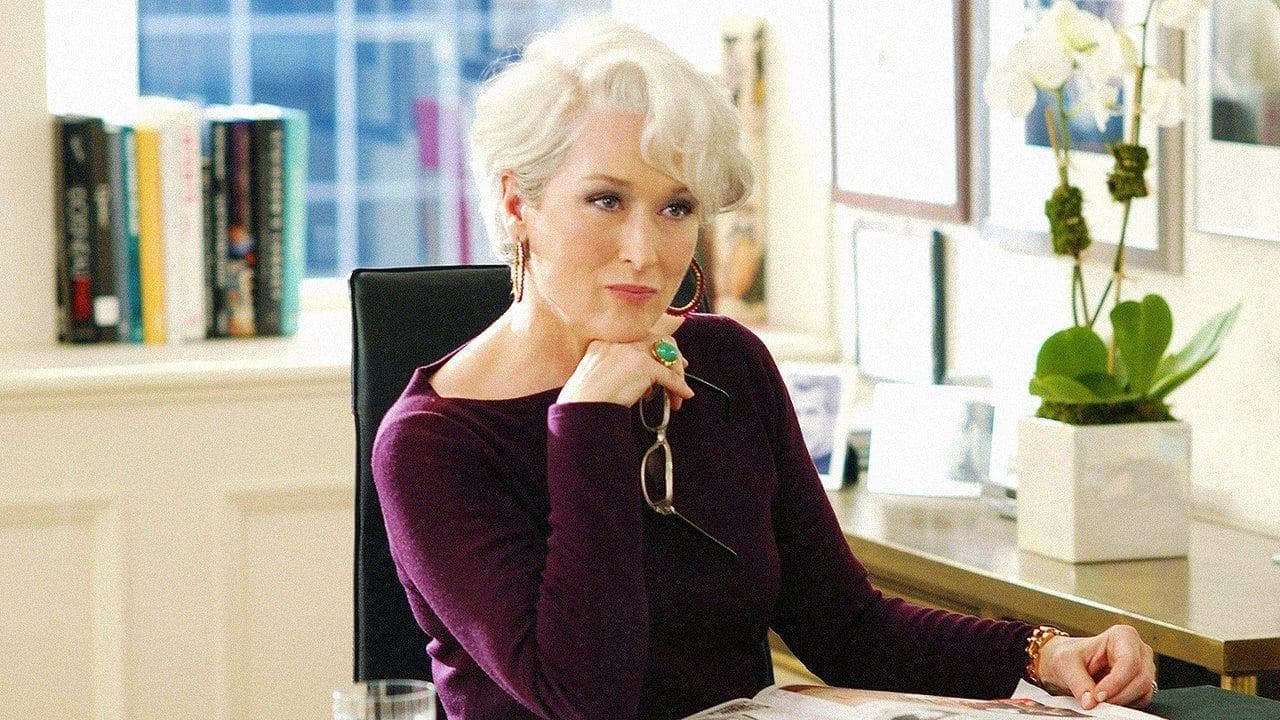
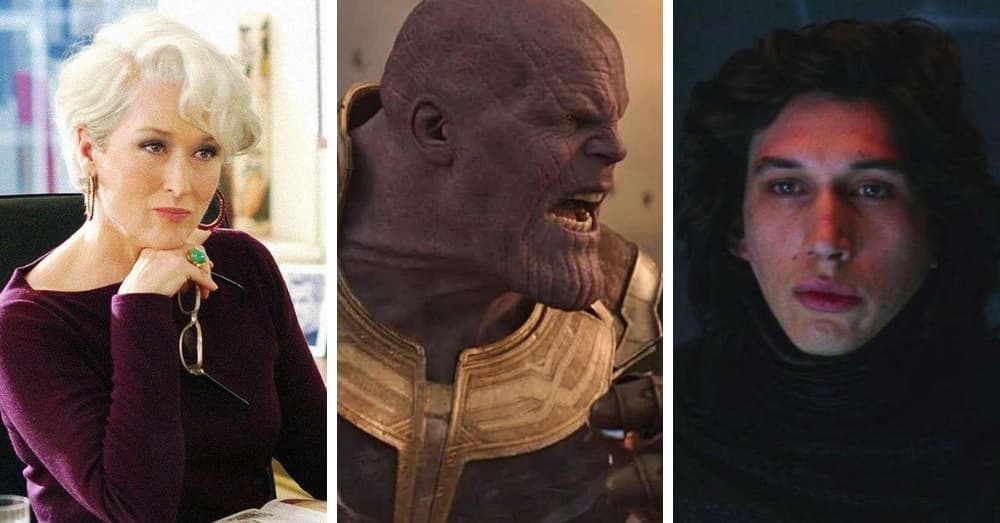
    On the surface, The Devil Wears Prada is about a young woman, Andy Sachs (Anne Hathaway), who dreams of getting into the publishing world. She gets a job as the personal assistant to Miranda Priestly (Meryl Streep), the snooty yet powerful editor of a popular fashion magazine. Andy's arc is easy to grasp. She's intimidated by Miranda, then slowly learns to let her talent shine through and stand up to her tyrannical boss. When you stop and think about it, though, that's a predicable arc. The true revelation in the film is how Miranda shifts over time. She's really the key character, the boss from you-know-where who makes Andy's life difficult. As her protege gains confidence, she doesn't so much soften up as show begrudging respect. The Devil Wears Prada isn't wholly about Andy breaking into the business; it's about how Miranda has believed, rightly or wrongly, that being super-demanding and rarely satisfied is the key to reaching the top of her field. When someone comes along who can truly prove their worth to her, she lets that guard down slightly. Andy's arc makes no sense without Miranda's.

    73% upvoted
  7. 7

    Thanos In 'Avengers: Infinity War'

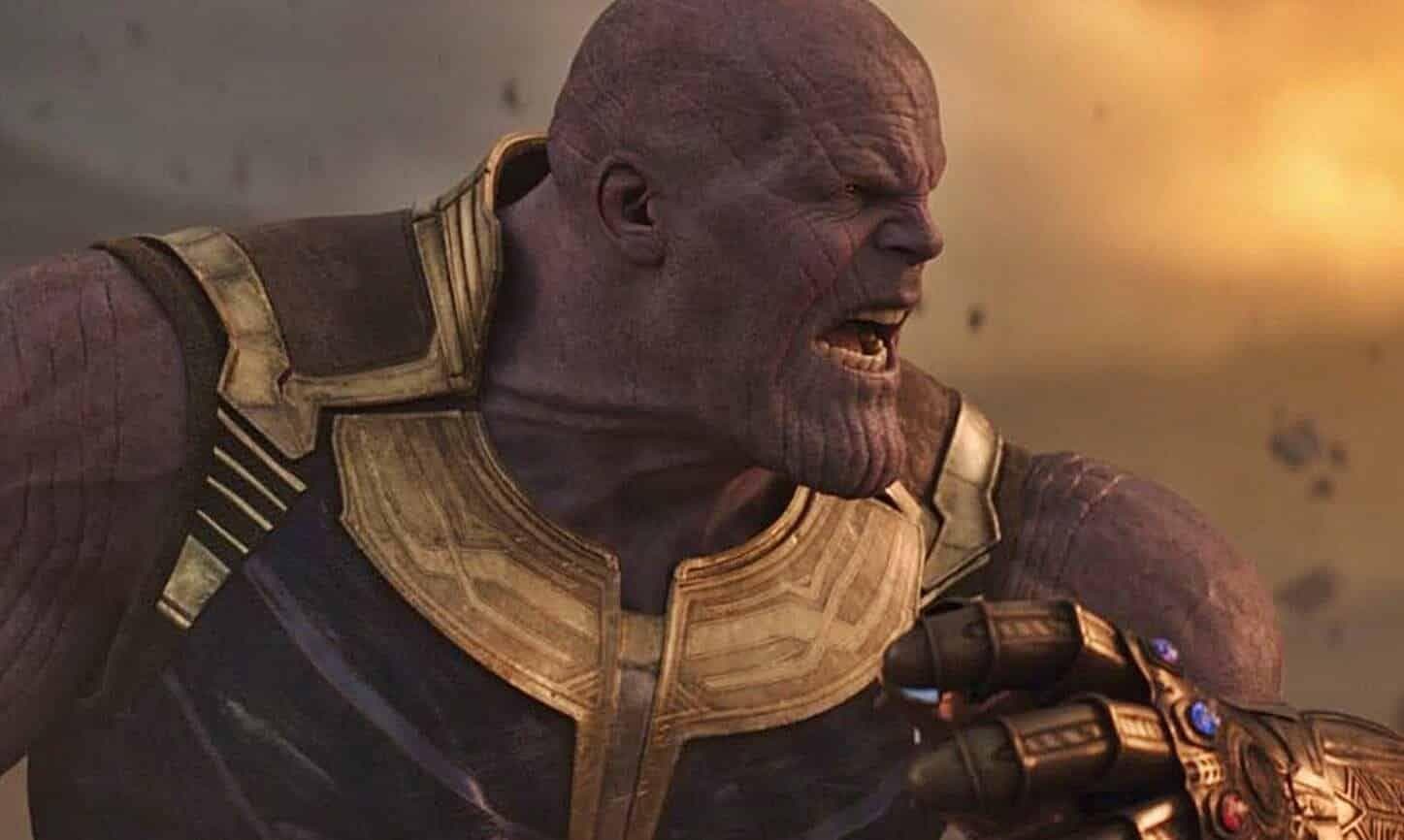
    Infinity War brought together just about every single prominent character from all the Marvel movies that preceded it. Despite the all-star roster of superheroes, the entire plot revolves around the bad guy, Thanos. His arrival was teased throughout several previous MCU installments, and in this film he moved front and center. He's out to collect all the Infinity Stones, the magical relics that will allow him to destroy the universe. It's Thanos who has the primary mission in the plot. The Avengers are simply trying to prevent him from carrying it out. Of course, Infinity War was followed up by Endgame, but taken as a stand-alone work, this is the story of a bad guy who sets out to do something terrible and succeeds in the end. During the final moments, Thanos does indeed obtain all the stones. Then he snaps his fingers and makes half the world's population disappear, just as he'd previously expressed the desire to do. His arc is complete. It isn't until Endgame that the Avengers become the main characters. Infinity War is all about Thanos.

    71% upvoted
  8. 8

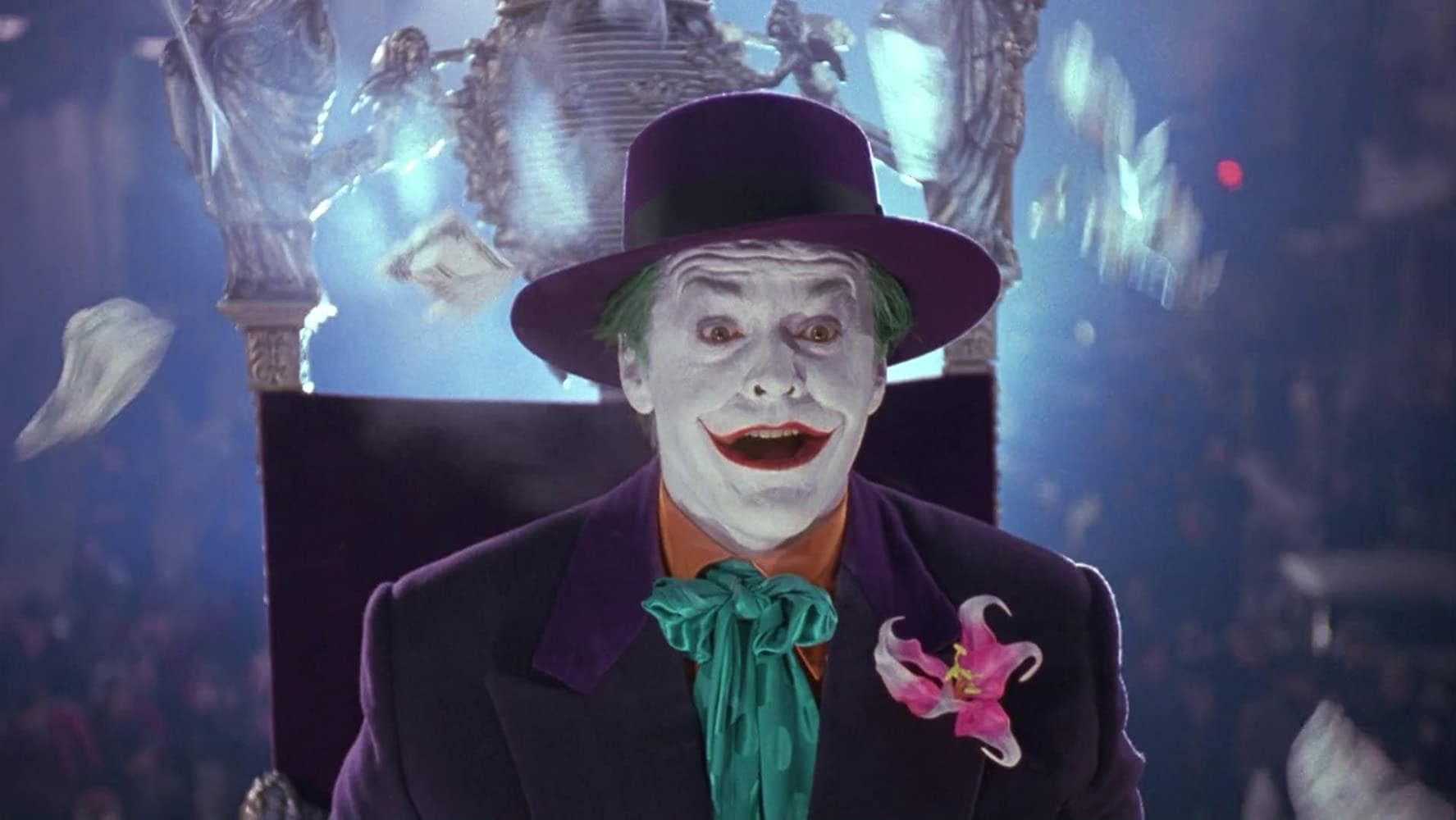
    The Joker In 'Batman'

    When Tim Burton's Batman begins, the Dark Knight is already largely established as Gotham City's protector. At the very least, he's begun to earn the notice of the press, including reporter Vicki Vale, as well as Police Commissioner Jim Gordon. It's a completely different situation for the Joker. The movie is, in essence, his origin story. When we first meet him, he's still Jack Napier. After being sent by a mob boss to break into a chemical company, he encounters Batman and ends up falling into a vat of acid. This alters his appearance significantly, while also inspiring him to make Batman - and all of Gotham itself - pay. From there, the film proceeds to document his reign of terror, which is designed to lure the Dark Knight into danger, with the hope of dispatching him permanently. We witness the birth of a supervillain. Yes, Batman is who we root for, but the Joker is the true center of the story.

    71% upvoted
  9. 9

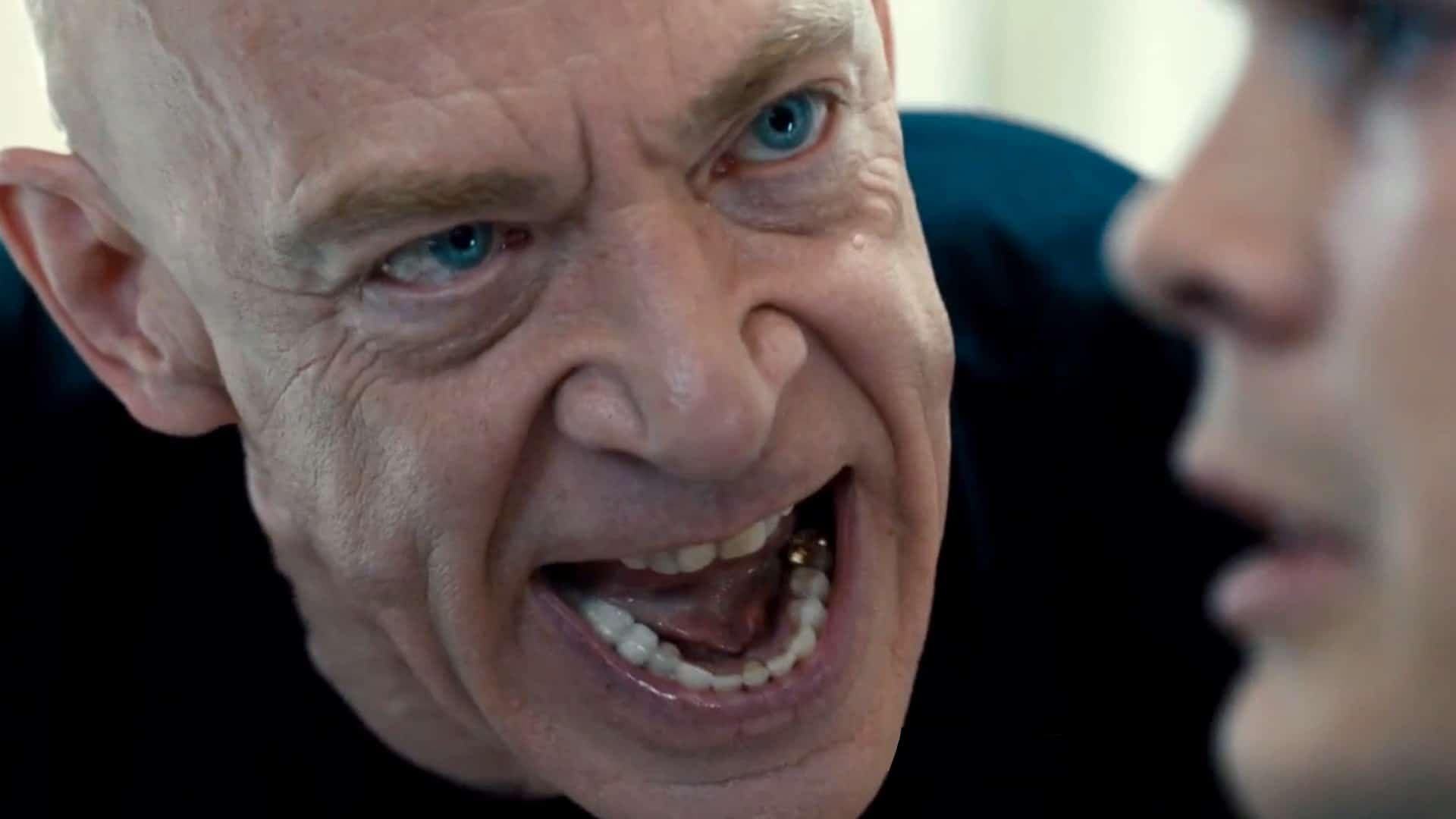
    Terence Fletcher In 'Whiplash'

    Terence Fletcher (J.K. Simmons) is a mercurial figure. He's an instructor at a prestigious music conservatory prone to outbursts, sudden shifts in mood, and verbal abusiveness. The target of his wrath is often young drummer Andrew (Miles Teller). Whiplash purports to be about how Andrew obsessively pushes himself toward greatness under the tutelage of this endlessly demanding teacher, and it does an excellent job in telling that particular story. That said, Fletcher is the instigator of everything that happens. The stronger story here is about his teaching methods, how he relentlessly - bordering on cruelly - pushes his pupils so that they can find levels of their talent they didn't know were there. Andrew is merely an example of his technique. Furthermore, Whiplash invites viewers to actively debate whether his tactics are unethical or whether they're justified given the results they produce. When you think of Whiplash, it's Fletcher who comes to mind, not Andrew. He's the driving force of the movie.

    73% upvoted
  10. 10

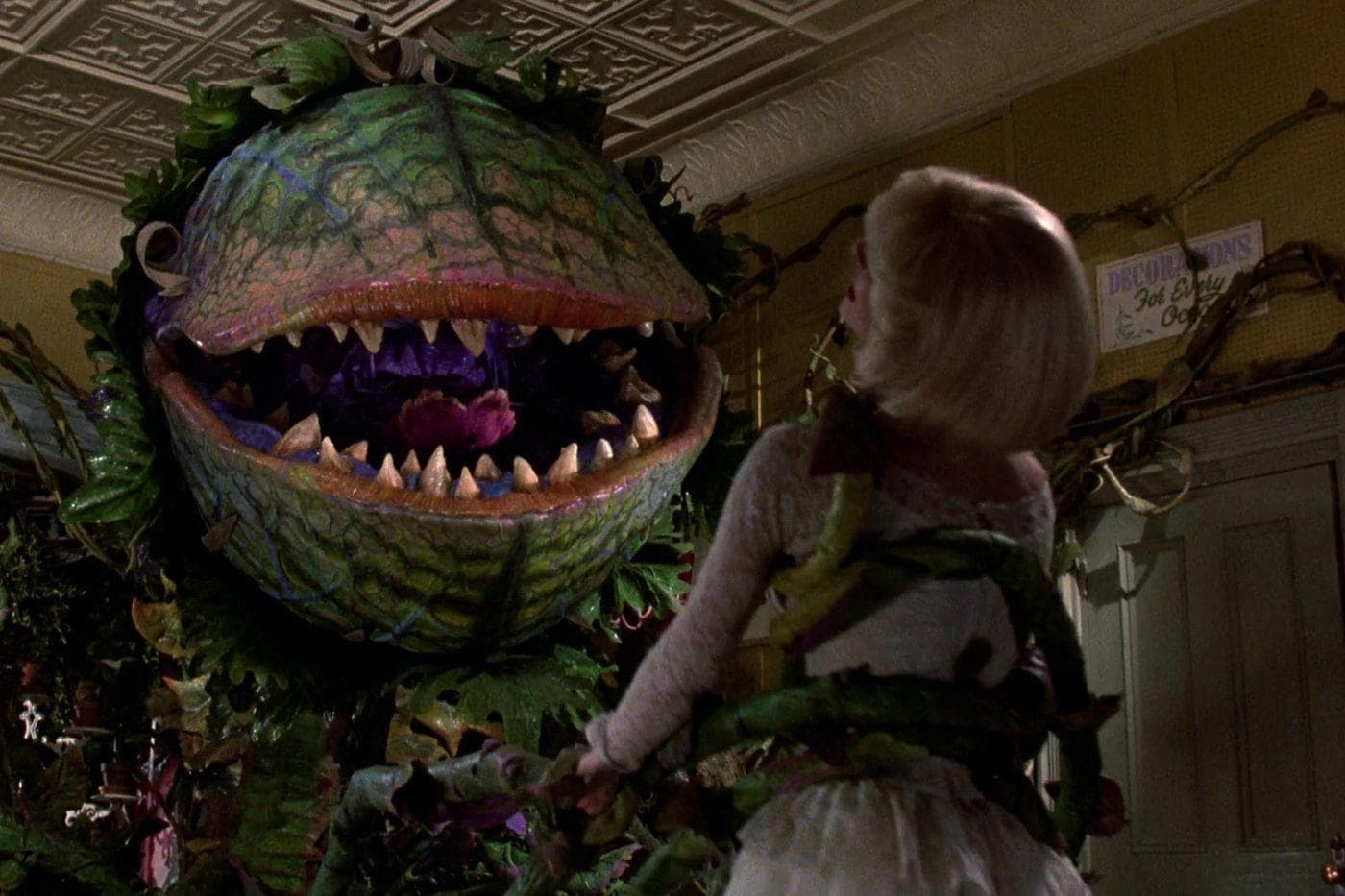
    Audrey II In 'Little Shop of Horrors'

    The 1986 movie Little Shop of Horrors is based on a Broadway musical that, in turn, was based on a non-musical 1960 horror movie. Rick Moranis stars as Seymour Krelborn, a slightly nerdy florist with a fondness for exotic or unusual plants. He's in love with his coworker Audrey, but she's dating a sadistic dentist. Seymour obtains a new plant from a Chinese flower shop and dubs it "Audrey II" after his true love. As he discovers the hard way, Audrey II feeds on blood, growing bigger and stronger the more it consumes. The rest of the movie shows how Seymour woos Audrey away from her boyfriend while also dealing with a plant that becomes increasingly out of control. Seymour is the traditional hero here, but the tale belongs to Audrey II. This singing, talking plant's growing thirst for blood - and refusal to capitulate to Seymour's demands that it calm down - is the driving force in the film. It becomes drunk on power, wanting to grow more and more. Audrey II also has jealousy over its owner's affection for the original Audrey, causing it to become dangerous. The theatrical version of Little Shop of Horrors finds Seymour triumphing at the end by electrocuting the now-massive plant. The original 23-minute ending, rejected by test audiences but found on the Blu-ray, emphasizes the fact that this was truly Audrey's story all along. In this finale, it eats both Seymour and Audrey, then goes on a rampage, destroying New York City. The movie was fundamentally conceived to be about the birth and growth of a monster.

    70% upvoted