Skip to content
maxnews
Rankings

Life As A Wild West Saloon Girl: Dancing, Prostitution, And Danger

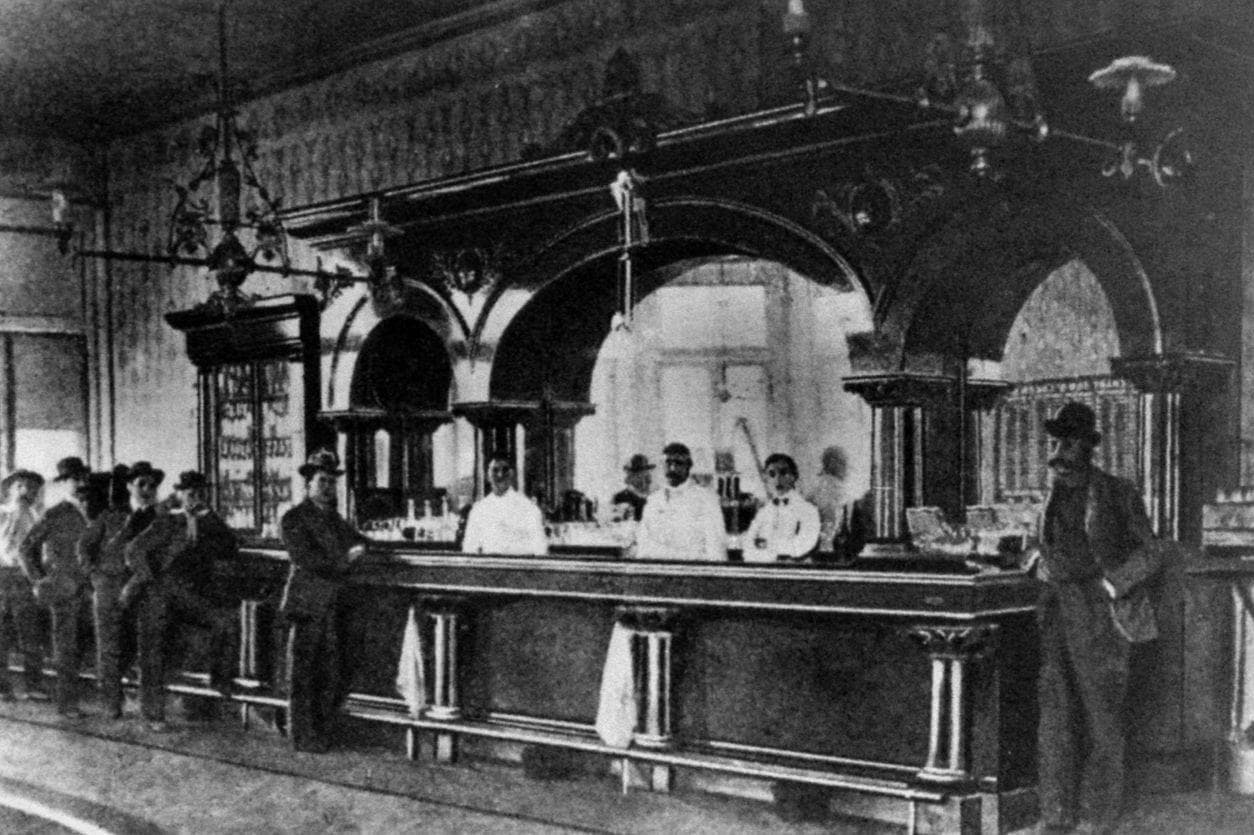
The image of wild west saloon girls evokes a sense of mystery and allure, penned into history as part of the vibrant tapestry of frontier life. These women played an essential role in the culture of the Old West, and their stories reveal more than just the glamour and grit found in Hollywood depictions. Living in a time of rugged independence, saloon girls were a staple of the bustling establishments scattered across the frontier. Beyond simply serving drinks to weary cowboys and miners, these women had skills that went well beyond bartending. Many were entertainers, captivating patrons with song and dance in the rowdy saloon atmosphere. Yet, their roles extended further, with some engaging in prostitution, a harsh reality often dictated by the limited opportunities available to women of that era. Their lives were challenging, dealing with the precariousness of a lifestyle that could transition from celebration to conflict in an instant. To gain a deeper understanding of the true grit and complexity of these women, check out what life was like as a saloon girl in the wild west. This exploration offers insights into their daily experiences, revealing the blend of resilience, talent, and survival that defined their lives on the frontier.

Entries
13
Votes
0
Updated
yesterday

Tap upor downto vote. Your vote is added to Ranker's counts.

Voting identifies your browser with an anonymous fingerprint, stored only as a salted hash, to count one per visitor. Privacy

Source: Ranker, ranked by its voters.
  1. 1

    Sex Work Was Dubiously Legal

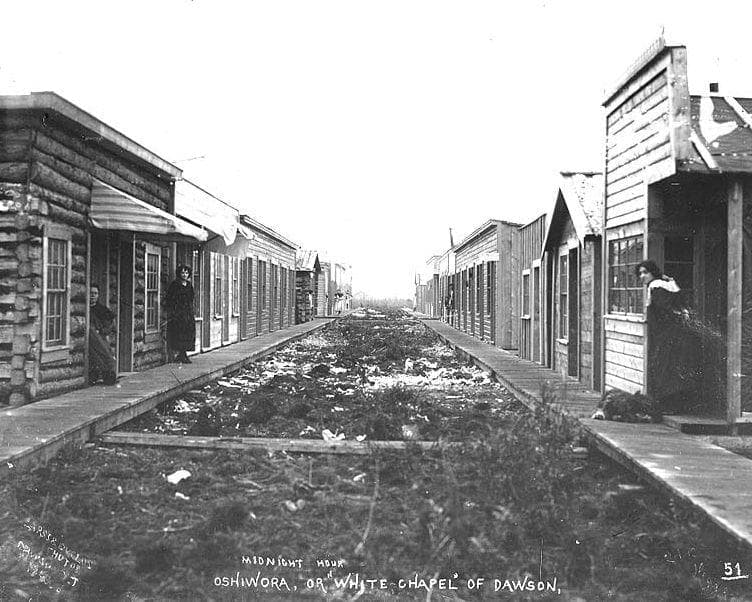
    It was up to individual jurisdictions in the Old West to determine whether houses of ill repute were legal. According to some historians, the practice was widely accepted. Madams simply needed licenses to run their enterprises; the money from the licensing ensured the city profited. Other historians noted bordellos had to pay fines, usually about $8 a month, to local governments to stay in business. Many authority figures seemingly chose to overlook these establishments because they supported the local economy.

    0% upvoted
  2. 2

    Many Saloon Girls Sold Drinks – And Nothing More

    A common misconception exists that all saloon girls also turned tricks. In reality, many women who worked in saloons earned money from drink sales, not from sex. Drinks usually cost between 10 and 75 cents, and for each beverage sold, the saloon girls made a percentage of the profit. By marking up beverage costs, saloon owners could profit and pay their female employees. A saloon girl could earn around $10 per week, almost $200 today.

    0% upvoted
  3. 3

    Men Generally Respected Saloon Girls

    There was a good deal of social stratification in the Old West, even among women. Those considered proper ladies fit the social expectations of the time; they were wives, mothers, and daughters, and most relied on men for support. Saloon girls were looked down upon by women with more traditional roles, but that didn't seem to matter much to the men who sought their company. Saloon girls made up a small population of the Old West and were therefore sought after by men. Their low social status often even made male patrons feel comfortable around them. Moreover, saloon owners often required customers to treat the women nicely; mistreatment could result in being banned from the establishment, ostracized from the community, or even killed.

    0% upvoted
  4. 4

    Saloon Girls Had Many Different Responsibilities

    Saloon girls wore many different hats and were responsible for a large variety of things. Instead of exchanging sex for money, saloon and dance hall girls entertained men through other methods, usually singing, talking, and dancing. "Shady ladies" were the actual sex workers of the day, and they could work for madames or be independently employed. Women in brothels held a somewhat higher status in society and typically worked in businesses that didn't hide their true intentions. Shady ladies might also work alongside the saloon girls who didn't provide adult companionship.

    0% upvoted
  5. 5

    The Job Could Get Dangerous

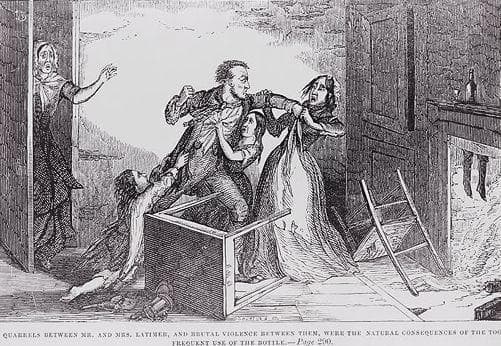
    Though many women took jobs in saloons to escape farm labor, they could still face danger. Violent deaths were a hazard of the job. Men sometimes became possessive over the women or demanded more than the saloon worker wanted to give. According to one story, a saloon girl was beaten by a customer and called a derogatory term. She told people she could take the physical assault, but the insult hurt. Many were eventually considered too old for the job and often had nowhere to turn; some died from suicide, sickness, or overdose.

    0% upvoted
  6. 6

    Saloon Girls Had A Variety Of Nicknames

    There were a high number of euphemisms for the saloon girls who sold adult experiences. Some people called the women "ceiling experts," "soiled doves," or "horizontal employees." And because these women tended to wear eye-catching makeup, they might also be called "painted ladies." Saloon employees were also known as "ladies of the line" or "sporting women." These nicknames let people talk about the profession without really talking about it.

    0% upvoted
  7. 7

    Saloon Girls Made Daring Fashion Choices

    Though Victorian style - and thus the fashion of the Old West - was often ornate and complex, it was more demure than the trends of previous decades. Women in saloons hardly dressed prudish, though. Saloon girls were supposed to be flashy and entertaining, so their wardrobes reflected that. In spite of tradition, the ladies wore visible, colorful petticoats. Their bright skirts and shorter hemlines caught the eye. Their dresses stopped at the knee or shin, although floor-length skirts or skirts with trains were typically more appropriate. Saloon girls' outfits also included visible garters and stockings, which were customarily considered underclothes.

    0% upvoted
  8. 8

    Men Often Purchased Drinks For Saloon Girls

    Saloon girls were expected to chat with, serve drinks to, and entertain the lonely men of the Wild West. Male patrons often tried to purchase drinks for the women who showed them attention, but saloon owners could hardly let their employees get drunk on the job. They didn't want to lose valuable sales, though, so bar owners sneakily replaced the drinks men ordered for saloon girls with tea or colored water that resembled liquor. Saloon girls could then drink with every customer without getting drunk, and continue making money from each sale.

    0% upvoted
  9. 9

    Dance Hall Girls Were Paid To Dance With Men

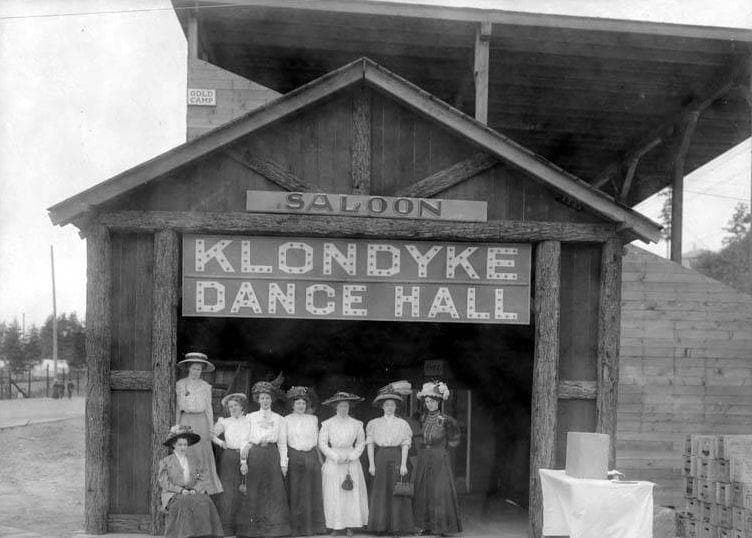
    Dance halls began to appear in the region starting in 1849, offering many of the same appeals as saloons. Dance halls had additional boons, though: dancing partners. Visitors could purchase a ticket for about a dollar; the tickets could be redeemed for dances with women employed by the business. The dancers made money from each ticket and earned a percentage of each drink they sold after the dance. Dancers who were especially sought-after might make a great deal of money - more than a man might make in a month - with some 50 dances per night.

    0% upvoted
  10. 10

    Owners Feared Losing Their Employees To Customers

    The saloon girl occupation offered many women of the era a relatively comfortable existence, but it wasn't necessarily a lifelong career. And with no shortage of bachelors trying to strike it rich in the Old West, many saloon girls sought to increase their fortune by getting married to one of these men; and their closeness with patrons gave them plenty of opportunities. To prevent the women from potentially falling in love and leaving the saloon or dance hall, saloon owners might limit the amount of time a male patron could spend with any particular woman. This way, the individuals couldn't get to know one another well, and the women were less likely to leave.

    0% upvoted