Skip to content
maxnews
Rankings

Kellogg's Controversies That Changed The Way We Look At The Snack Aisle

Kellogg's has been a fixture in American kitchens since 1906, supplying familiar foods with, believe it or not, complicated backstories nobody expects. Unfortunately, its history has enough strange turns that the brand has lost many fans along the way. From family rivalries to disputed health claims, Kellogg-branded products have repeatedly made headlines for reasons that have little to do with taste. Before we get into the controversies and their meaty details, the company’s history needs a quick explanation. For starters, in October 2023, Kellogg Company split into two businesses so its faster-growing snacks side could run separately from its slower-growing North American cereal operations. WK Kellogg Co took the North American cereals, while Kellanova kept snacks and international cereal. Officially, Ferrero acquired WK Kellogg Co in September 2025, and Mars acquired Kellanova that December. Still, the split didn’t erase their shared history, so you’ll still find the Kellogg’s name on products from either company, which is why this list runs from Corn Flakes to Cheez-Its.

Entries
12
Votes
398
Updated
11 days ago

Tap upor downto vote. Your vote is added to Ranker's counts.

Voting identifies your browser with an anonymous fingerprint, stored only as a salted hash, to count one per visitor. Privacy

Source: Ranker, ranked by its voters.

  1. 1

    Gardenburger Was Front And Center When It Was Featured In A Red Robin Commercial In 2013
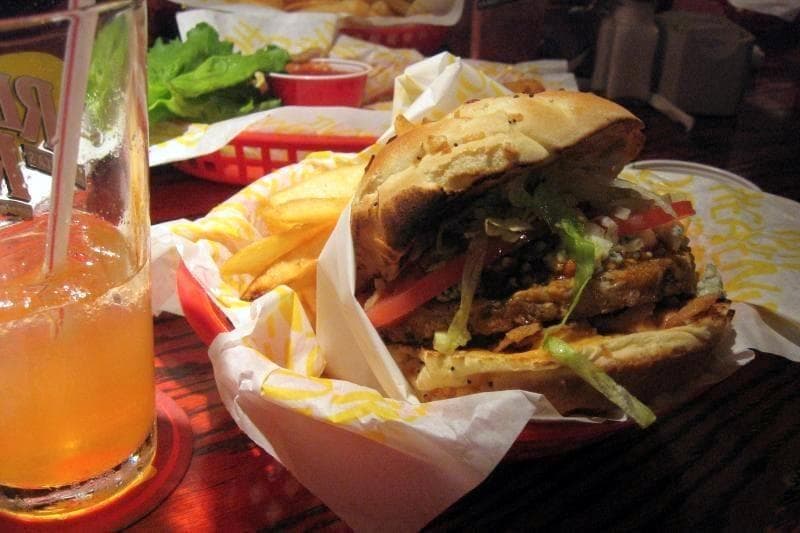
    A vegetarian burger isn't usually a controversial restaurant offering, yet Red Robin made one the center of an argument in 2013. The chain referenced the Kellogg-owned Gardenburger as something customers could order for teenage daughters going through a vegetarian phase in a television advertisement promoting its menu. Shockingly and unsurprisingly, vegetarian advocates objected to the joke, arguing rightfully that it reduced a genuine dietary or ethical choice to a passing adolescent whim. Many also said it made the restaurant seem dismissive of its customers. And although Kellogg's hadn’t created the commercial, its product, which was meant to welcome meat-free dinners, instead made it feel like a punchline.

    84% upvoted
  2. 2

    The Origins Of Kellogg's Cereals Came Out Of A Food Designed To Prevent Self-Pleasure

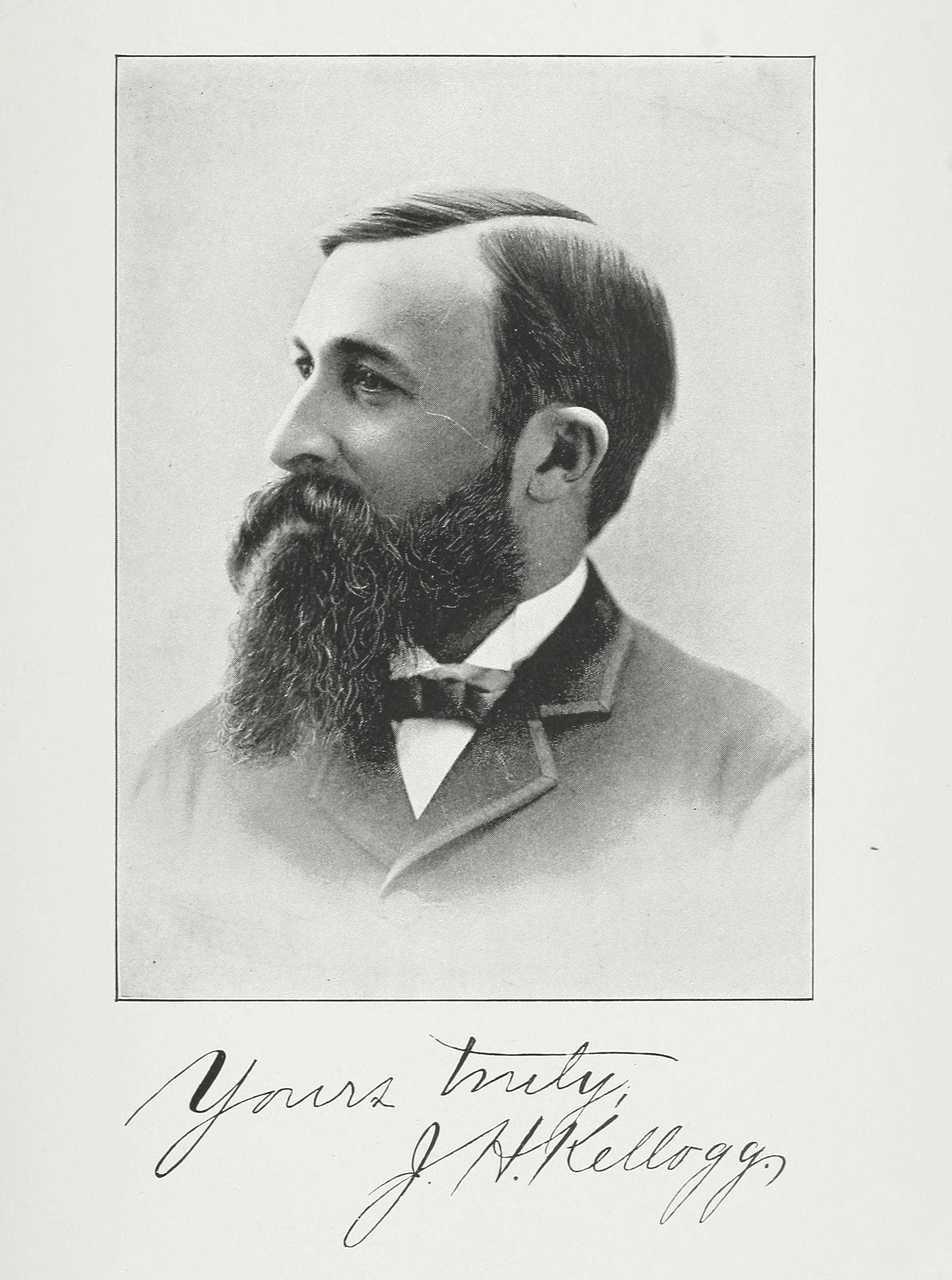
    It would be an exaggeration to state that Kellogg’s Corn Flakes were invented solely to stop people from masturbation, but Dr. John Harvey Kellogg’s beliefs did reflect his ideas about digestion and moral behavior. Before Corn Flakes became a breakfast staple, Dr. Kellogg ran the Battle Creek Sanitarium in Michigan, where he was known for promoting an unusually strict approach to health. In his opinion, self-pleasure could cause serious physical and mental problems. He thought that a bland diet could help suppress sexual urges, despite there being no medical basis for this notion. That’s why the original corn flakes were far blander than many are used to today, and would have remained that way if not for his brother Will. Will Kellogg sweetened the flakes for a wider market, making them more appealing to shoppers.

    76% upvoted
  3. 3

    Pringles Opted To Add Milk Products Into Its Recipes To Save Money And Vegans Weren't Happy

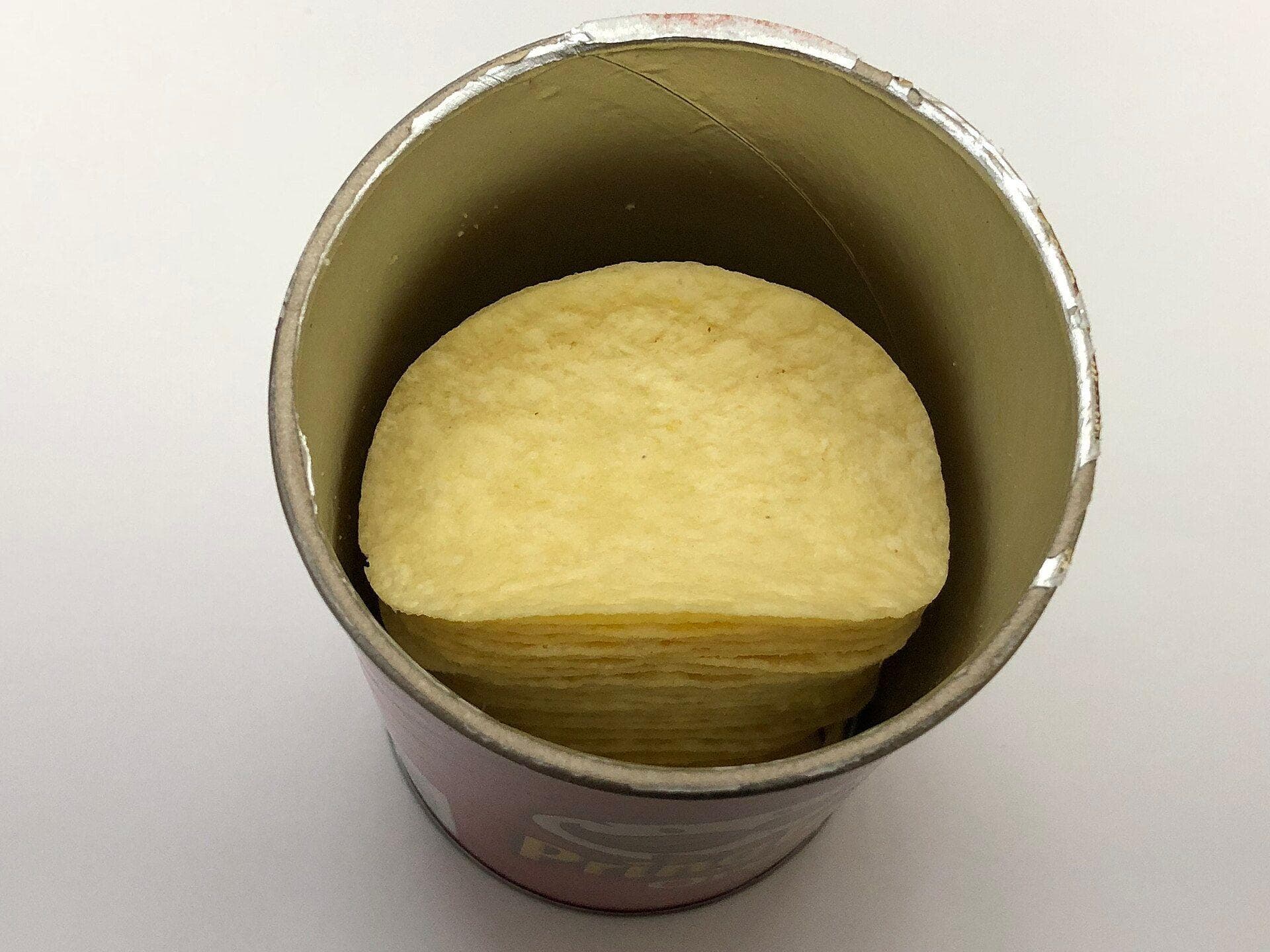
    In Britain, Pringles became a popular snack for vegans because several flavors didn’t contain animal-derived ingredients. So, as you can imagine, in 2021, when milk ingredients appeared in revised recipes for products including Original, Paprika, and Texas BBQ Sauce, vegan shoppers were anything but enthused. According to Totally Vegan Buzz, the company said standardizing its recipes would help control allergens and production changeovers while reducing food waste. Those explanations didn't impress disappointed customers, some of whom called for a boycott and questioned why a product they'd bought without worry needed dairy in the first place. Sadly, their protests went on deaf ears because Kellogg's didn’t change the recipe back, and they presumably lost many loyal shoppers.

    78% upvoted
  4. 4

    Kellogg's CEO's Remarks About Eating "Cereal For Dinner" As An Alternative To Rising Prices Was Considered Insensitive

    In February 2024, as grocery prices rose, WK Kellogg chief executive Gary Pilnick offered struggling households a suggestion that sounded wonderfully convenient for someone selling cereal. His advice to struggling households during a CNBC interview was for them to eat cereal for dinner, by promoting the company's existing cereal-for-dinner campaign. He argued that a bowl of cereal cost less than many conventional evening meals, and he was criticized as tone-deaf for advertising cereal as an answer to families' financial difficulties. According to Pilnick, the idea was well received, but his comments quickly drew criticism, with social media users invoking Marie Antoinette and her infamous ‘let them eat cake’ quote. Many also questioned the wisdom of treating sugary breakfast cereal as a solution to soaring grocery bills, so it understandably made the manufacturer look out of touch with people trying to afford dinner.

    73% upvoted
  5. 5

    After A Fake Headline About Mascot Gender Hit Social Media, People Were Outraged

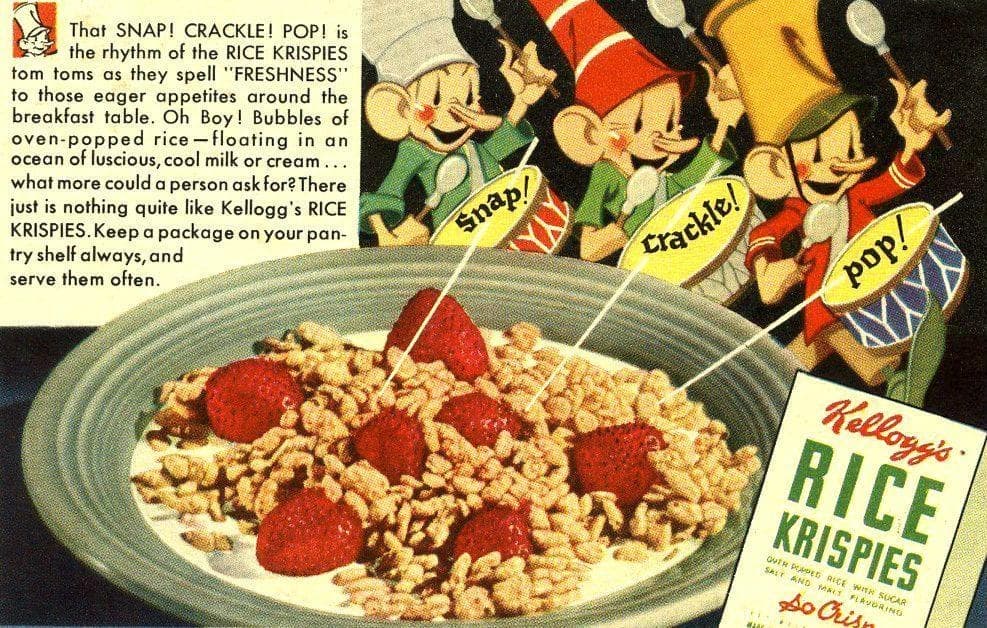
    In 2023, an entirely invented controversy surrounding ‘Pop,’ a mascot who was one of Rice Krispies' mascots alongside ‘Snap’ and ‘Crackle,’ outraged people. The controversy concerned a screenshot that pretended to show a CNN article declaring that ‘Pop’ had come out as a transgender woman, leaving many furious and wrongly convinced that Kellogg had changed the character. The truth of the matter was that CNN had published no such report, and an Associated Press fact check confirmed the image being shared was wholly fabricated. Not to mention, Kellogg also confirmed it hadn’t changed its mascots and had no plans to in the future.

    70% upvoted
  6. 6

    The Rivalry Between The Kellogg's Brothers Resulted In Decades Of Fighting Over The Family Name

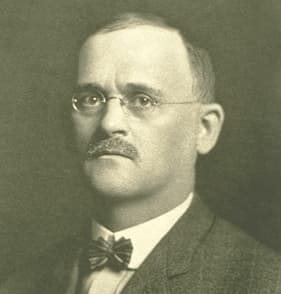
    It's sad to say, but the relationship between John Harvey Kellogg and his younger brother Will was far less nourishing than the flaked cereal they had developed together. John often treated his brother as a subordinate, even though he helped run the sanitarium with him. He also disregarded his ideas for a long time, including Will's belief that their cereal had commercial potential, since John didn’t want to sell it on a larger scale. This led Will to start his own cereal business in 1906, and the disagreement over who could use the Kellogg name to sell food sparked a bitter fight. With no resolution in sight, the legal battle eventually reached Michigan’s Supreme Court, which sided with Will in 1920. Unfortunately, his victory did little to repair the personal damage between them, and the two brothers remained estranged.

    69% upvoted
  7. 7

    One Cheez-Its Commercial Was Deemed Distasteful By A Vocal Conservative Group In 2026

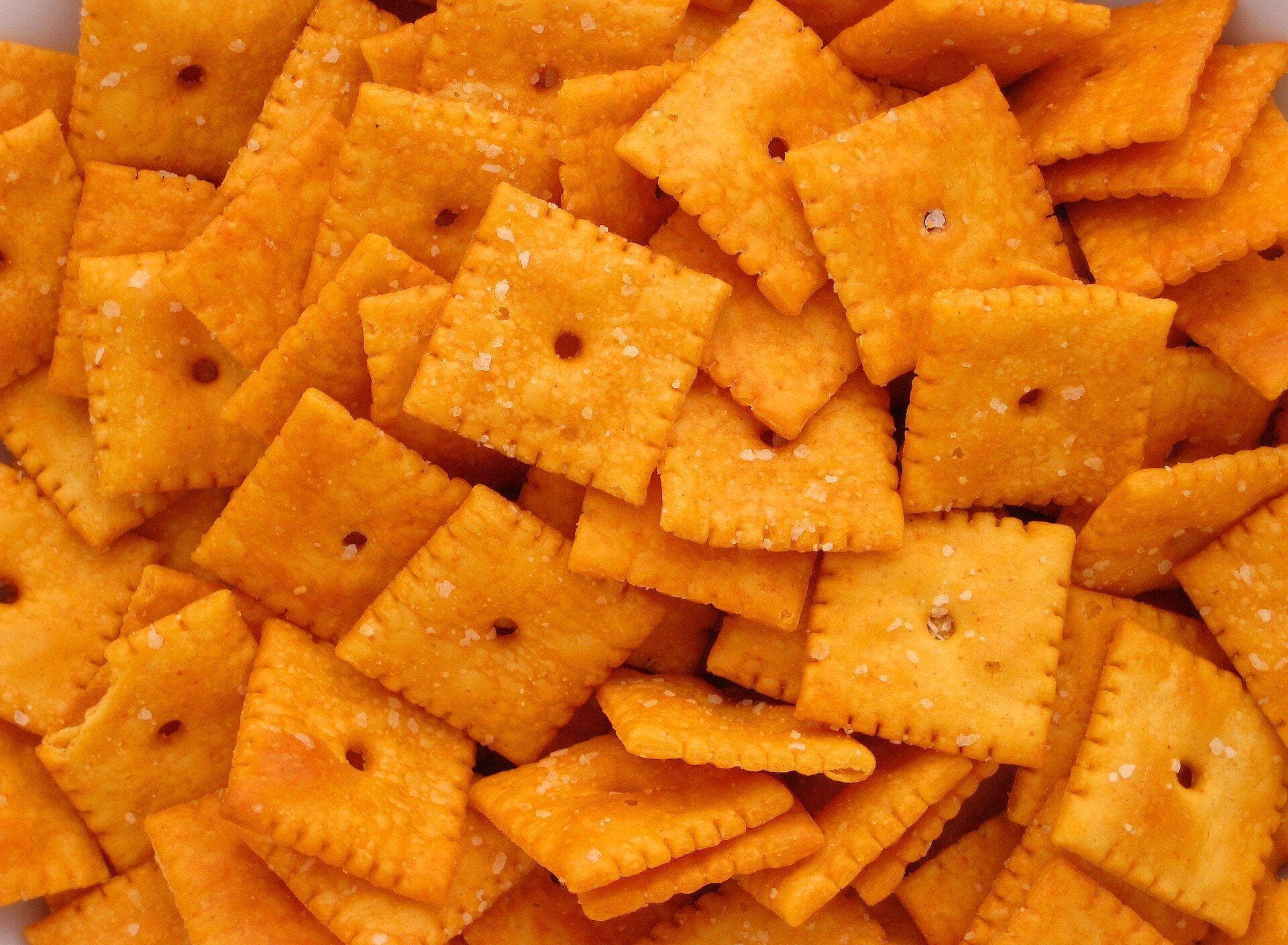
    Cheez-It has built plenty of advertisements around ridiculous cravings, but one released in 2026 left a conservative advocacy group decidedly unamused. In "The Boyfriend," a young man meeting his girlfriend's father becomes transfixed by a cracker hovering near the father's mouth, leans in suggestively, and then bites the snack. The group One Million Moms, affiliated with the American Family Association, condemned the commercial as inappropriate sexual innuendo between two men and demanded its removal through a petition. By mid-August, the campaign had attracted more than 12,000 signatures, proving that many others agreed with the group that the joke about a cracker being irresistible wasn’t quite appropriate.

    59% upvoted
  8. 8

    After An Eggo Factory Released Nearly 3,500 Pounds Of Toxic Gas, It Paid A Hefty Fine

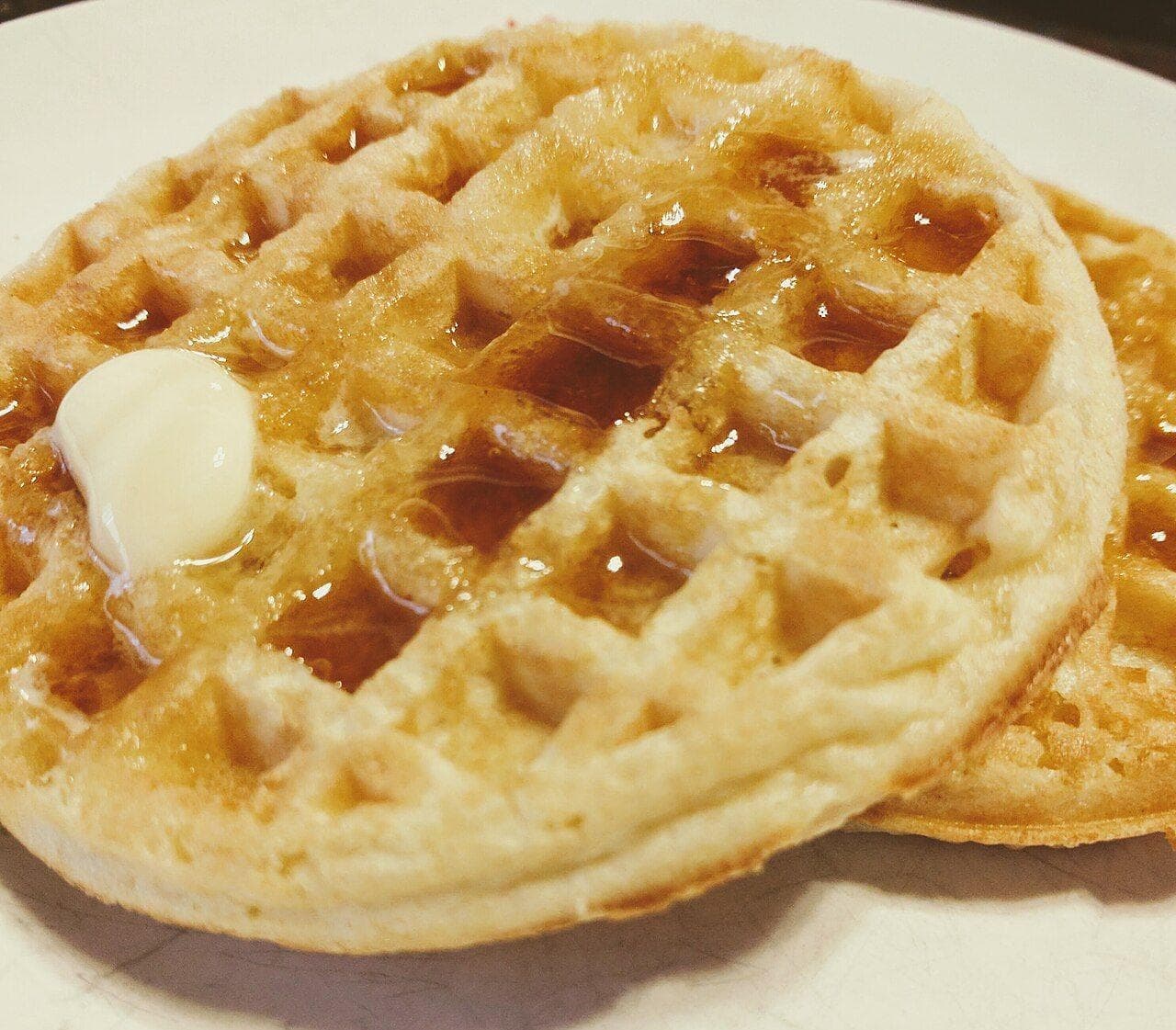
    An accident involving a refrigerant pipe at an Eggo waffle factory in San Jose, California, in January 2021 released about 3,400 pounds of anhydrous ammonia. This highly hazardous gas is used in industrial refrigeration, which is why nearby residents were told to shelter indoors for several hours. In addition, although factory management initially believed the leak had been contained, authorities said the company waited more than an hour before notifying emergency services. Fortunately, no injuries were reported, but the delayed response led to Eggo being fined roughly $85,000 in 2022 after criminal charges over the incident. Kellogg said it has since strengthened its safety procedures, which is a relief, but it shows how issues behind factory doors can still endanger people who never even set foot inside.

    57% upvoted
  9. 9

    Inclusion Of Food Dyes In Its Breakfast Cereals Resulted In Protests Against Kellogg's

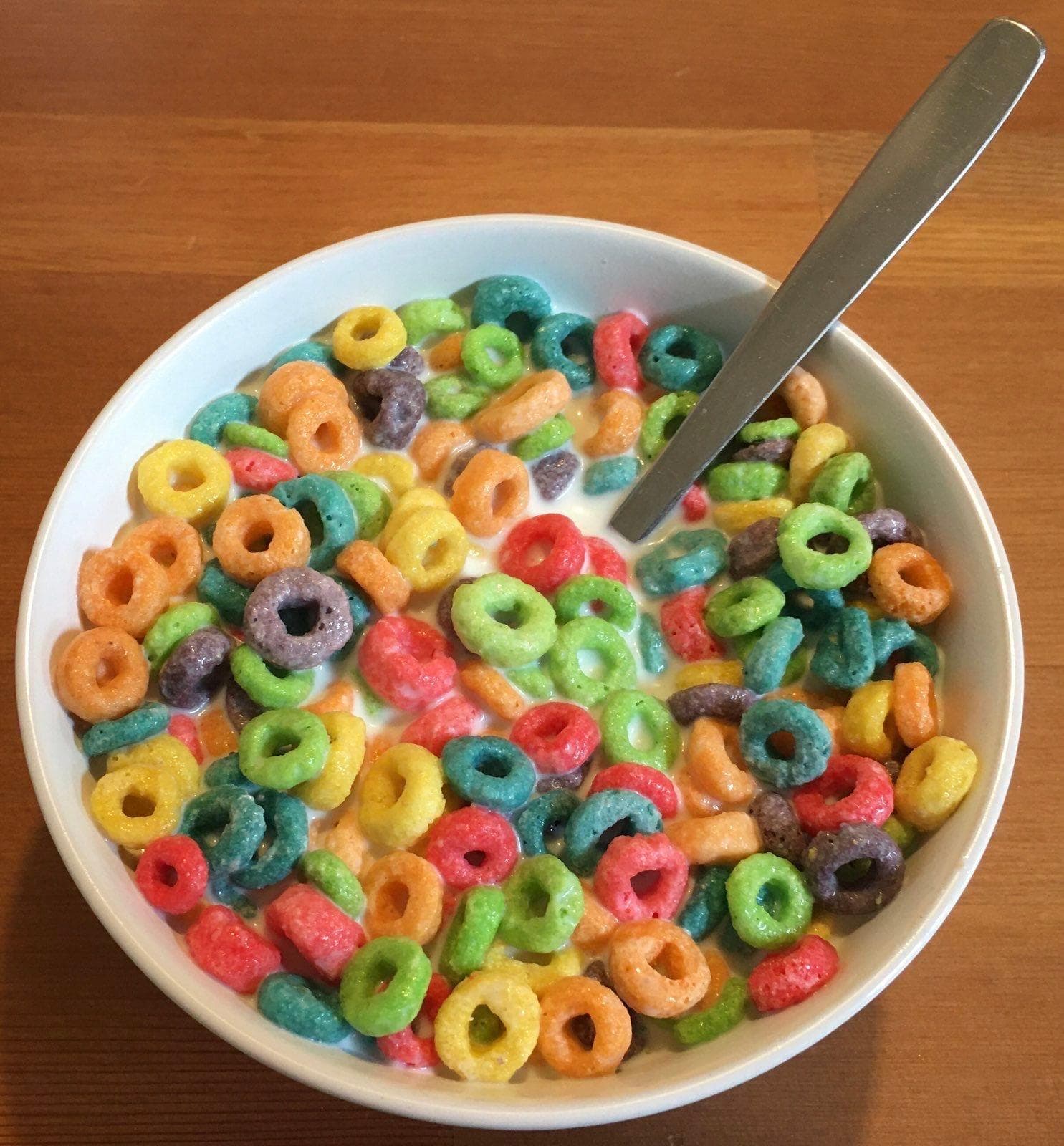
    One of the primary reasons Kellogg's stood out in breakfast aisles for years was because of its brightly colored cereals. Unfortunately, the ingredient responsible for those colors eventually sparked a public health dispute in October 2024, when protesters gathered at WK Kellogg’s Michigan headquarters. During the protest, they demanded the removal of artificial dyes, citing the company's earlier commitment to remove artificial colors and flavors by 2018. In addition, campaigners also pointed toward differences between American formulations and versions sold elsewhere, alongside concerns about the effects certain dyes could have on susceptible children. Facing the backlash, the company emphasized tht its ingredients complied with US food safety rules, but this defence did little to satisfy customers who wanted a recipe change. Still, it took the company until 2026 to announce that it would be eliminating artificial colors from all cereal manufacturing by year's end.

    46% upvoted
  10. 10

    Claims That Cereals Like Special K And Frosted Mini-Wheats Resulted In Health Benefits Have Repeatedly Been Challenged

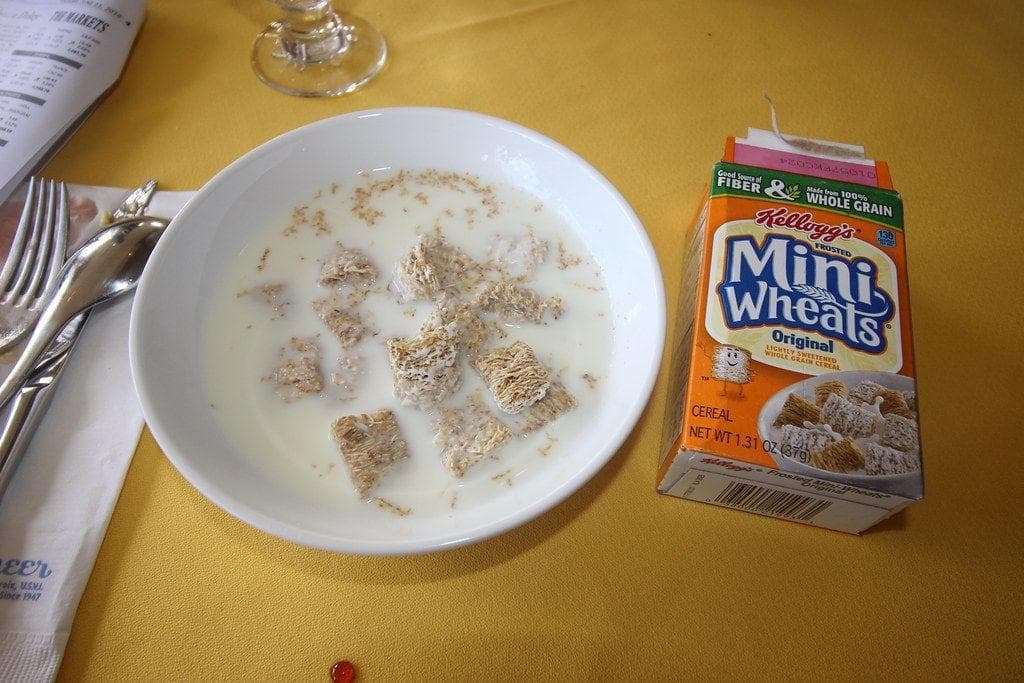
    Kellogg's has often marketed cereal as a smart breakfast choice, but regulators and lawyers have repeatedly challenged some of those promises. For example, in 2009, the Federal Trade Commission challenged ads claiming Frosted Mini-Wheats improved children's attentiveness by nearly 20%, although the evidence showed only a small fraction of participants achieved that result. With the brand facing this scrutiny, it settled the case and agreed to restrictions on its advertising claims. However, disputes about how its cereal was presented didn’t stop there. In fact, in August 2026, a proposed class action concerning certain Special K varieties alleged that labels advertising zero added sugar misled shoppers because the products contained allulose syrup. This claim has remained contested and unresolved as of the time of writing in October. Although these two claims involved different allegations, they still make one wonder whether they can truly trust the health-related messages printed on Kellogg's cereal boxes.

    41% upvoted