Skip to content
maxnews
Rankings

How The Tragic Downfall Of G4 TV Explains Why Video Game Culture Cannot Survive On Television

Gamers today have it easy – everywhere you look online there's interesting, personal, and profound coverage of video games, but that wasn't the case just ten years ago. G4 TV was the only source most people had for personality-based video game news. While magazines and the occasional website scratched the itch, the G4 TV station was the entire package of personality, news, and culture... until it disappeared. Why did G4 TV fail? What happened to G4 is a mixture of bad timing, poor programming decisions, and, ultimately, the Internet. There is no one specific person or decision to blame for the channel's downfall. Video game YouTube personalities, Twitch streamers, and massive forums make gaming content sound like a surefire hit today, but things were quite different in the mid-2000s. G4 held on quite a bit longer than you might remember, as it wasn't until 2014 that the channel and website finally shut down for good. The strange story of this seemingly good idea has many gamers wondering how something they have wanted so badly had suffered such a slow, painful, and obscure death. What lies ahead is a detailing of G4 TV's downfall and the reasons it was, ultimately, unsuccessful.

Entries
13
Votes
0
Updated
yesterday

Tap upor downto vote. Your vote is added to Ranker's counts.

Voting identifies your browser with an anonymous fingerprint, stored only as a salted hash, to count one per visitor. Privacy

Source: Ranker, ranked by its voters.
  1. 1

    G4 Began As A Tech-Focused, MTV-Style Channel For Young Adults

    The early to mid-2000s saw a meteoric rise in the popularity of video games, and Charles Hirschhorn, the founder of G4, wanted to capitalize on all of the buzz. Through a partnership with Comcast, Hirschhorn devised a gaming channel that would cater to the MTV demographic – teens to twenty-somethings with slightly rebellious attitudes. There were early concerns as to whether such a thing would be viable, as this was long before the days of Twitch and YouTube, but Hirschhorn charged forward, viewing G4 as a means to validate video games with a wider audience. G4 marked the first ever gaming-focused TV station with a lineup of original shows about video games and technology.

    0% upvoted
  2. 2

    G4's First Programming Was A Week-Long Pong Marathon

    To celebrate the launch of G4, the channel did something quite unusual. Rather than launching with fresh, original content, they instead broadcast a solid week of Pong footage. It was certainly a means to make a statement, not just that their programming would be off-the-wall and interesting, but also asserting their commitment to gaming. The Pong marathon celebrated the 30th anniversary of the game's release, as the classic title was one of the first to permeate the average home. Launching with a week-long Pong marathon signaled to viewers that G4 TV was serious about its role as a gaming channel. It also indicated the station wasn't afraid to have a little fun with what that meant.

    0% upvoted
  3. 3

    Early G4 Was Dominated By Reruns

    Early G4 programming was comprised of 11 different shows. Unfortunately, those 11 shows weren't enough to fill up 24 hours, especially when most were only taking up half-hour slots. Until additional programming and advertisements arrived, the station was largely dominated by reruns. Though it was still finding its footing in the beginning, the lack of original content lingered throughout its lifespan. Advertisers and investors were concerned viewers weren't interested in watching video game content, and a shallow pool of content didn't help either. G4 consequently struggled to find advertisers until it eventually shut its doors.

    0% upvoted
  4. 4

    G4 Employees Were Allegedly Mistreated And Paid In Pizza

    Wil Wheaton was one of the early faces of G4. He and Travis Oates hosted a competitive gaming show called Arena. However, this partnership soon ended as the two personalities suddenly quit – Wheaton later cited unprofessional conduct on the part of the show's producer as the main reason why in a blog post. Specifically, "unprofessional conduct" included the aforementioned producer yelling at the show's hosts, verbal threats, and paying contributors in pizza. With some of the top-billed talent leaving due to poor treatment, a bad precedent was then set for retaining hosts in the future.

    0% upvoted
  5. 5

    G4 TV Was Plagued By Advertorials And Somewhat Shady Sponsorship Deals

    Because G4 struggled to find an audience in its early days, it also struggled to find advertisers. And without advertisers, the channel couldn't grow and include more original content. To respond to the problem, those in charge took a less-than-savory approach to advertisements – selling space within its programs to advertisers. G4 TV wasn't looked at as journalism but rather as one of the few video game influencers available at the time. Coverage and attention were given to publishers that shelled out cash, meaning content was less objective than it probably should have been. Ads were also aired in two-minute blocks as part of the programming, making G4's gaming programming unique, but, ultimately, somewhat shady as well.

    0% upvoted
  6. 6

    The 2004 Merger With TechTV Shifted The Focus To Male Viewers

    G4 was always intended to be a more male-focused channel (falling in line with the common misconception that gamers are overwhelmingly male), but when the channel merged with TechTV, the demographic became an even bigger focus. Along with the cancellation of the majority of TechTV's beloved programming, the channel later pivoted to include The Man Show and reruns of Star Trek. Not only were shows that previous viewers loved now canceled or redone, but the video game focus was shifting to a broader male focus. Video games were still part of the equation but not the only angle of appeal. As the programming changed, it became clear that G4 TV was less committed to gaming content.

    0% upvoted
  7. 7

    By 2006, The Game-Focused Programming Was Deemed "Too Narrow"

    By 2006, Comcast was looking to consolidate its media options, folding G4, Style, and E! into one group. The head of this group, Ted Harbert, reportedly said that gaming was too narrow a focus, and other executives agreed. The new direction for the channel shifted even further than it did after the TechTV merger. Blending all three channels together turned G4 into a lifestyle channel, one that particularly targeted a “metrosexual” (that is, young, fashionable, metropolitan men) demographic.

    0% upvoted
  8. 8

    Poor Scheduling Undermined The Channel's Popular E3 Coverage

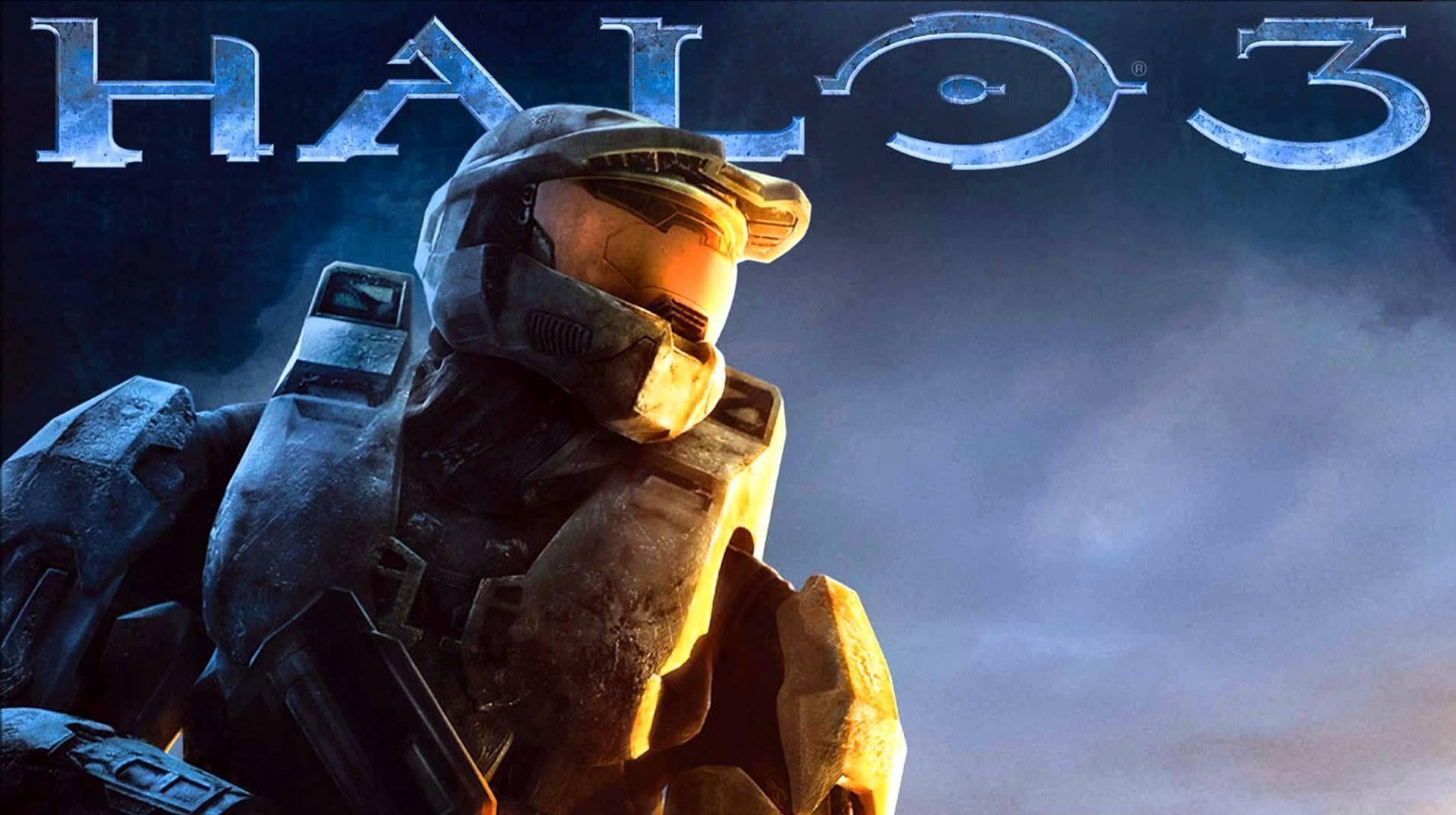
    A focus on gaming – which originally made the channel unique – started to take a backseat. Nowhere was this more evident than in G4 TV's 2007 E3 coverage, when, during the climactic reveal of the long-awaited Halo 3 trailer, they cut away for station identification. It was a huge misstep, one that alienated viewers looking for video game coverage. Unfortunately, this signaled the channel’s lack of interest in continuing video game coverage as ads and syndicated programs took precedence.

    0% upvoted
  9. 9

    Longtime Host Adam Sessler Was Let Go In 2012

    Adam Sessler was one of the most prominent figures in gaming until his unceremonious dismissal from G4 in 2012. The moment Sessler realized he was going to be fired was actually caught live on an episode of X-Play, and fans did not react well to his dismissal. But letting Sessler go wasn't just a blow for fans, it was a blow to the network itself. He was one of the hosts most steeped in gaming culture, and his dismissal was one of the most prominent signs that the channel was no longer focusing primarily on video game content.

    0% upvoted
  10. 10

    Original Programming Was Discontinued In 2013

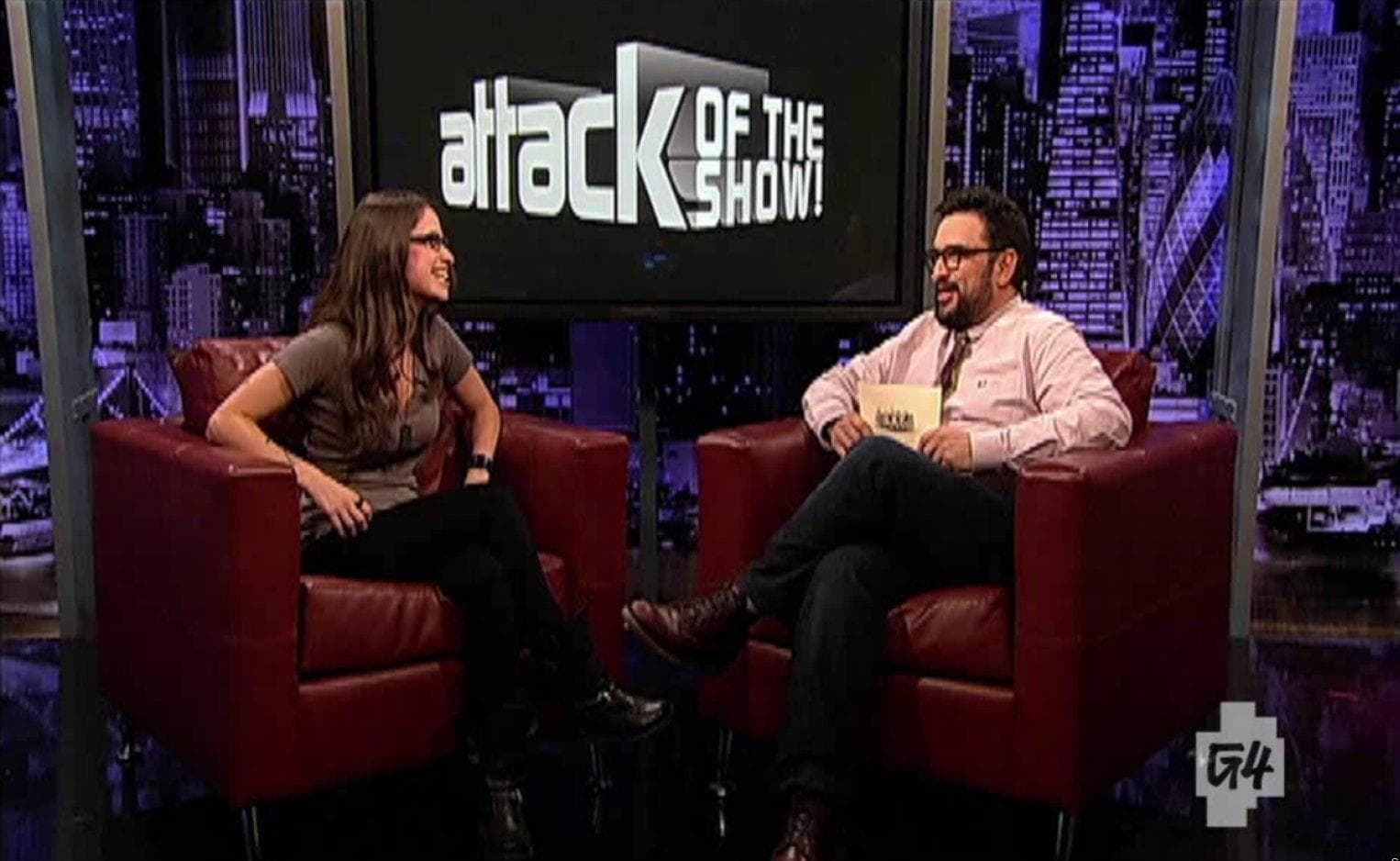
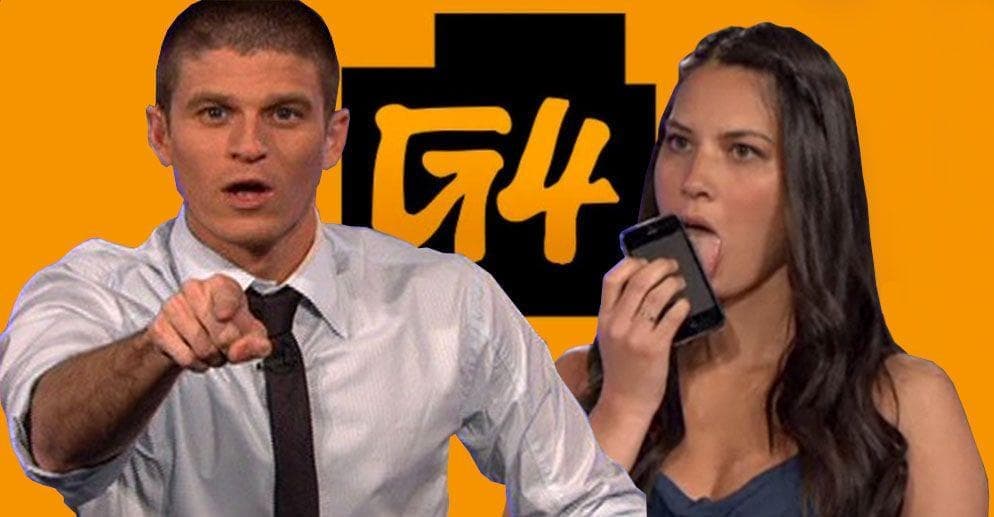
    Shortly after Sessler's removal from the channel, popular host, Kevin Pereira, also left the network. In May of 2012, the network rebranded, eliminating "The Feed" ticker and "G-Spot" shorts from its advertising programs. By October, the channel announced it would be canceling Attack of the Show and X-Play, the last vestiges of video game-focused content left on the channel. Rumors circulated that these cancellations were the first stages of a yet another rebranding – this time a merger with Esquire.

    0% upvoted