Abraham Lincoln
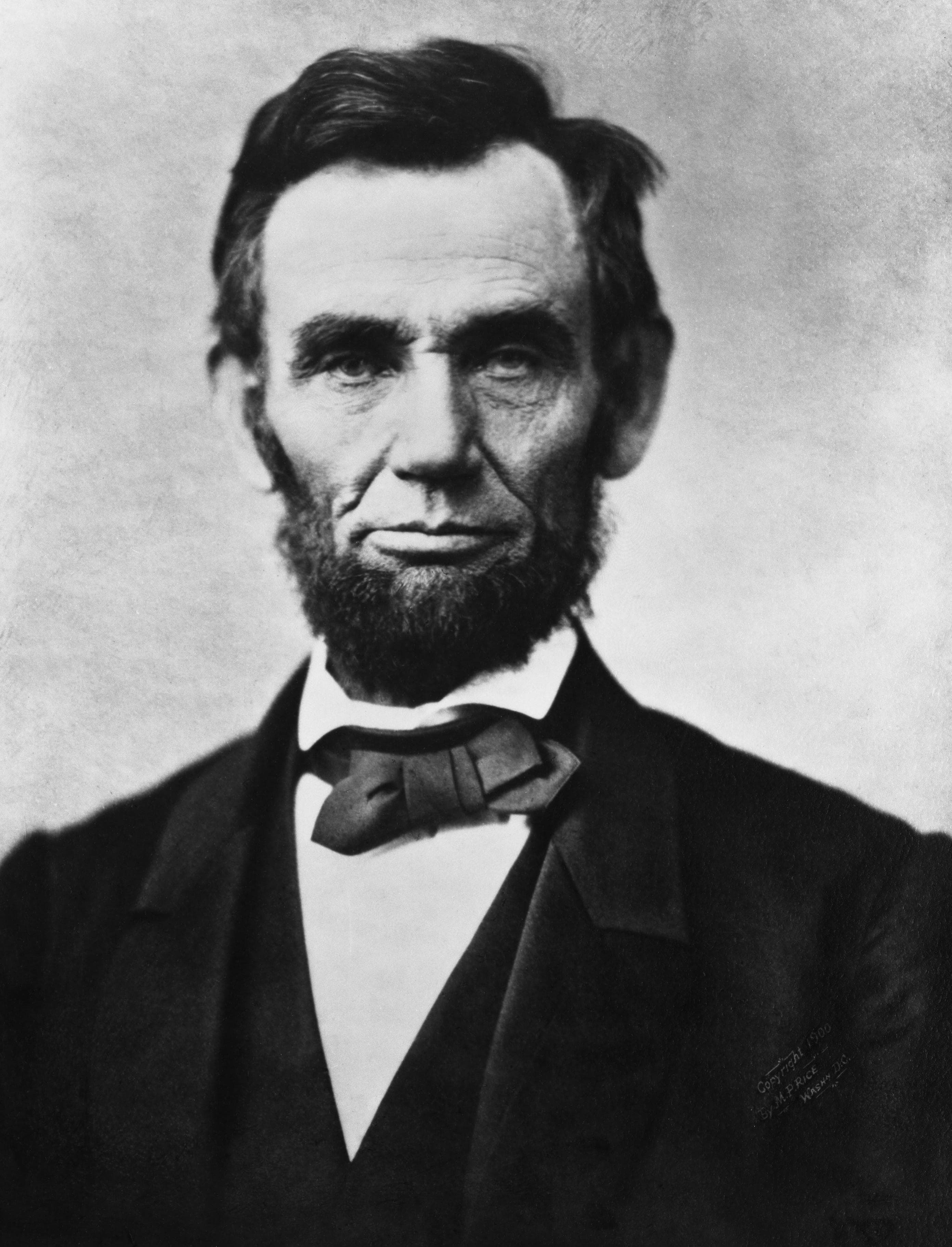
As much as Lincoln's memory has been venerated in the decades after his untimely assassination, in his own time he was one of the most divisive political figures in American history. Despite not even being on the ballot in the Southern states, he won the presidency in a four-way contest in the 1860 election. Upon his election, seven states announced their secession from the Union, which ultimately triggered the outbreak of the Civil War. As a wartime president, Lincoln endured fractious relationships with generals who chafed under his instructions and politicians who accused him of overstepping his executive boundaries. The suspension of habeas corpus was an example of his willingness to use heavy-handed tactics to see the war through. He remained unsure of his reelection in 1864, but some timely military successes helped to swing the campaign in his favor. He won a decisive victory but would not get the opportunity to see through his plans for reconstruction after the conflict. While his sudden end was a major blow to postwar rebuilding - his successor Andrew Johnson did not share Lincoln's vision - it did help to craft his legendary historical legacy. Lincoln was to be remembered for eternity as the president who freed the slaves and kept the Union together. His name became synonymous with freedom and he continues to be remembered as one of the greatest American presidents, if not the greatest. It was no coincidence that Martin Luther King, Jr.'s "I Have a Dream" speech was delivered in front of the Lincoln Memorial. To some scholars and civil rights leaders, Lincoln didn't quite live up to his heroic billing. Rather, he was a bigoted moderate who reluctantly took up the mantle of great emancipator. Another interpretation recognizes his limitations on race from a modern perspective but understands the magnitude of his actions and character. In 2005, a then little-known law professor named Barack Obama said of Lincoln: As a law professor and civil rights lawyer and as an African American, I am fully aware of his limited views on race. Anyone who actually reads the Emancipation Proclamation knows it was more a military document than a clarion call for justice. Scholars tell us too that Lincoln wasn't immune from political considerations and that his temperament could be indecisive and morose. But it is precisely those imperfections - and the painful self-awareness of those failings etched in every crease of his face and reflected in those haunted eyes - that make him so compelling.