Skip to content
maxnews
Rankings

How Holidays In The United States Actually Came To Be

There are holidays for just about everything nowadays, from National Hot Dog Day to Super Mario Day. However, there are only 11 federally-recognized holidays in the United States (plus one more in a year with a presidential election). The oldest holidays on this list were ratified more than 150 years ago, while the newest is just a few years old. While you're likely familiar with most of the holidays on this list, do you know where they came from? How they came to be? While some holidays represent celebrations of people or events, others were born out of darker origins. Who knew that Labor Day came to be after dozens of deaths from strikes and riots? And while some of America's holidays can be controversial, some groups are working to change how we view and think about these days rooted in centuries of tradition.

Entries
12
Votes
0
Updated
yesterday

Tap upor downto vote. Your vote is added to Ranker's counts.

Voting identifies your browser with an anonymous fingerprint, stored only as a salted hash, to count one per visitor. Privacy

Source: Ranker, ranked by its voters.

  1. 1

    New Year's Day (January 1)
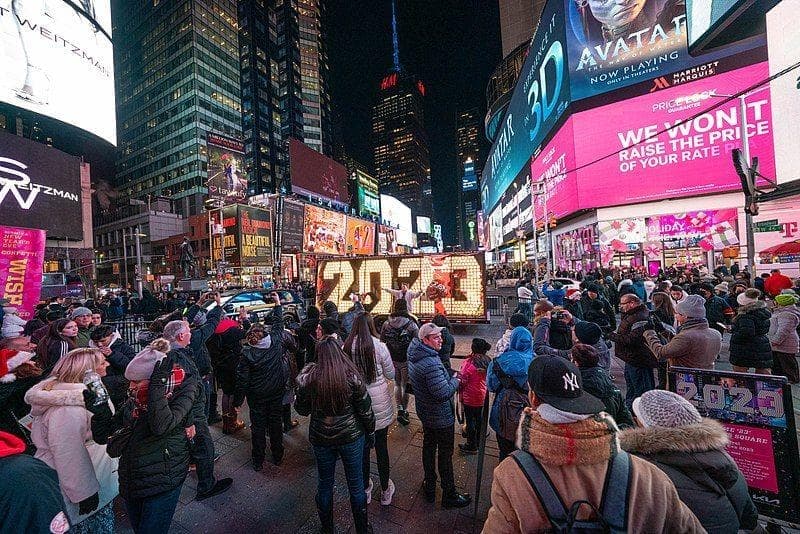
    Ratification Date: June 1870 New Year's Day has long been celebrated by people around the world, but celebrating it in January is actually a fairly new concept. This is because for thousands of years, the start of the year centered around the spring equinox and the start of a new growing season. This meant that for centuries, New Year's Day was celebrated in March. The reason for the shift to January was essentially from trying to fix a clerical error. You see, the Romans knew that their 10-month calendar wasn't quite accurate. So, they tried adding two months onto the end of the year to fix it - the months of January and February. It was William the Conqueror of England who, in the 11th century, decreed that January be the first month (though most of the world ignored this). In the American colonies, they still celebrated the first of the year on March 25 (following the old Julian calendar) all the way until the year 1752, when Britain adopted the New Style (Gregorian) calendar, which marked January 1 as the start of the year. New Year's Day became a federal holiday first in Washington, DC, in 1870; this day off was expanded to the whole country in 1885.
    0% upvoted
  2. 2

    Inauguration Day (January 20 In A Year With A Presidential Election)

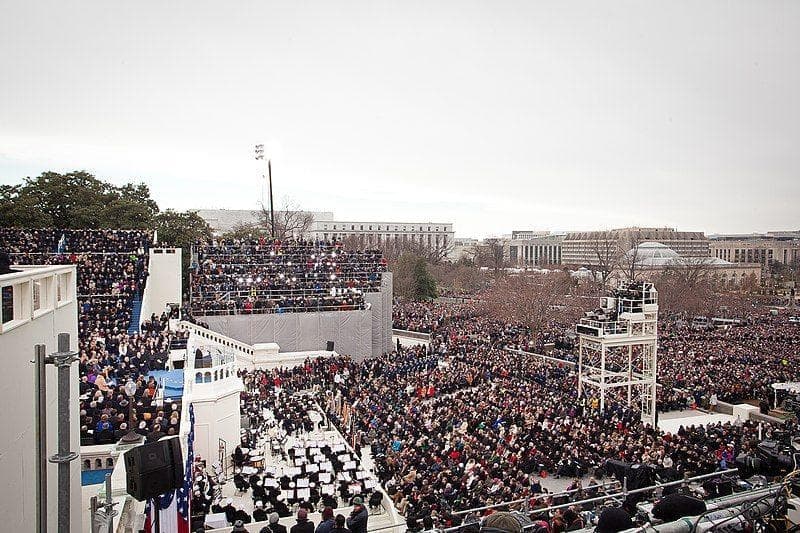
    Ratification Date: 1957 While Inauguration Day is technically a federal holiday, it only applies to those living in the Washington, DC, area. Inauguration Day is observed every four years, when a new president is sworn in on January 20 (or January 21st if the 20th falls on a Sunday). The reasoning for federal employees getting this day off is summed up by Representative Edward H. Rees, who said in 1957: With the intensive and exciting activities of Inauguration Day, it would be most difficult for employees to get to and from work in this area or to perform satisfactorily their functions once at their desks.

    0% upvoted
  3. 3

    Martin Luther King Jr. Day (3rd Monday In January)

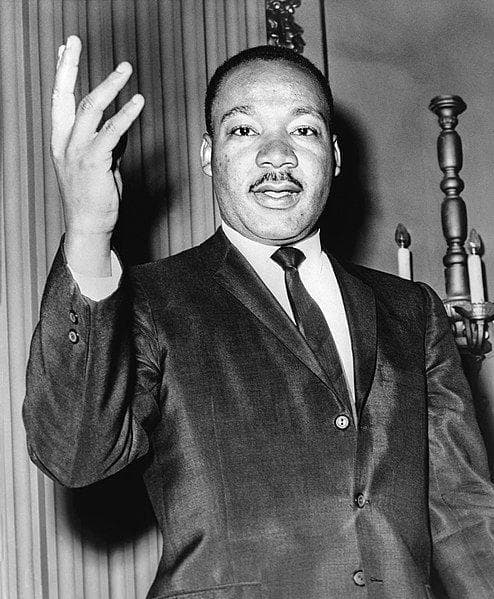
    Ratification Date: October 1983 Dr. Martin Luther King Jr. was a Baptist minister and one of the most influential civil rights activists in American history, winning the Nobel Prize for Peace in 1964 for his work in fighting discrimination and racial inequality. King was tragically assassinated April 4, 1968, at the young age of 39 years old. After King's death, the nation mourned the great leader, and calls for King to be honored with a national holiday started being suggested. However, at that time, there were people in power who didn't agree with King's message, so it wasn't until 1983 that legislation was finally passed to designate the third Monday in January as Martin Luther King Jr. (also known as MLK) Day. This date was chosen to honor King's birthday, January 15. Ironically, two states (Alabama and Mississippi) also celebrate Confederate general Robert E. Lee on the same day. MLK Day is also the only national holiday designated as a National Day of Service - encouraging Americans to get out and volunteer on their day off.

    0% upvoted
  4. 4

    Presidents' Day (3rd Monday In February)

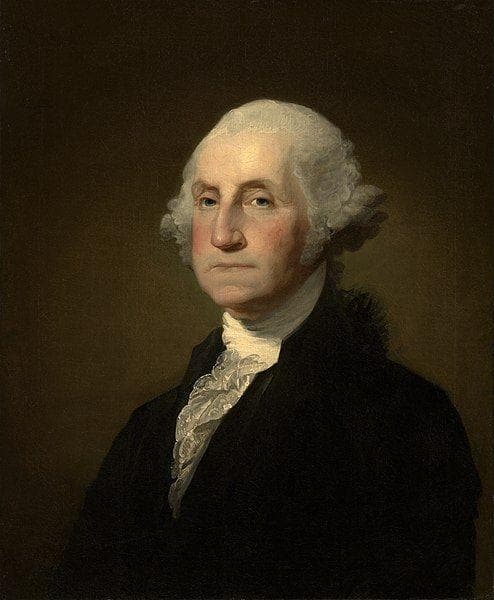
    Ratification Date: 1968 When Presidents' Day first became a national holiday, it was to honor only one president: George Washington. After Washington died in December 1799, his February 22nd birthday became an unofficial day of remembrance for the highly revered American leader. It took another 70 years for the day to become ratified as a national holiday, and even then it only applied to workers in the DC area. Six years later, in 1885, the holiday was extended to all of the US. Cut to the late 1960s, when a labor union and private sector-supported bill was proposed to Congress, called the Uniform Monday Holiday Act. This law proposed that rather than having certain national holidays on a specific date, they should be assigned to a predetermined Monday throughout the year. This would then give workers more three-day weekends that they could plan in advance for. There was another proposal in the Uniform Monday Holiday Act - to add another great US president to this day of celebration: Abraham Lincoln, whose birthday was February 12. The bill was passed in 1968, but Lincoln's name was never officially attached. As a result, there is no actual “Presidents' Day” or a day honoring Lincoln, but the celebration of the Uniform Monday Holiday Act and George Washington takes place annually.

    0% upvoted
  5. 5

    Memorial Day (Last Monday In May)

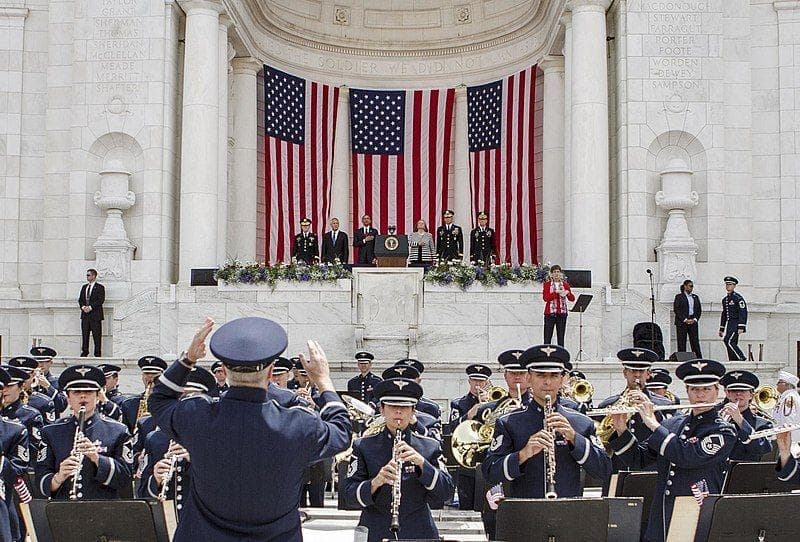
    Ratification Date: 1971 Memorial Day was originally known by another name: Decoration Day. Decoration Day was first observed in 1868, after General John A. Logan, leader for Northern Civil War veterans, called for a day of remembrance for those soldiers who had fallen during the Civil War. May 30 was originally chosen because it didn't fall on the anniversary of any specific Civil War battle. On the first Decoration Day, General James Garfield gave a speech at Arlington National Cemetery, and a total of 5,000 volunteers decorated the graves of 20,000 Civil War soldiers. By 1890, all the Northern states had made Decoration Day a state holiday; the Southern states didn't join until after World War I, when the day started including fallen soldiers from additional wars. The only reason we don't celebrate Memorial Day on May 30th today is because of the Uniform Monday Holiday Act, when it was declared that Memorial Day (as it was now called) would be held on the last Monday in May. This act also made Memorial Day a national holiday, rather than simply a state-observed one.

    0% upvoted
  6. 6

    Juneteenth (June 19)

    Ratification Date: June 17, 2021 The newest official federal holiday has long been observed and celebrated by many families throughout America. Juneteenth represents the day that the enslaved African Americans who lived in Galveston, TX, learned from Union soldiers that they were finally free. The date was June 19, 1865 - a full two years after President Abraham Lincoln had issued the Emancipation Proclamation. This was also two months after Confederate General Robert E. Lee surrendered in Virginia - but Texas still carried on like there was no defeat. It wasn't until US General Gordon Granger and his troops arrived in Galveston that the 250,000 enslaved people in Texas were finally freed. Juneteenth gets its name from a combination of the month and date the enslaved people of Galveston learned of their freedom: June Nineteenth (Juneteenth). Galveston is also where the holiday originated, where they celebrated the first Juneteenth in 1866. Juneteenth is observed on June 19 every year, no matter the day.

    0% upvoted
  7. 7

    Independence Day (July 4)

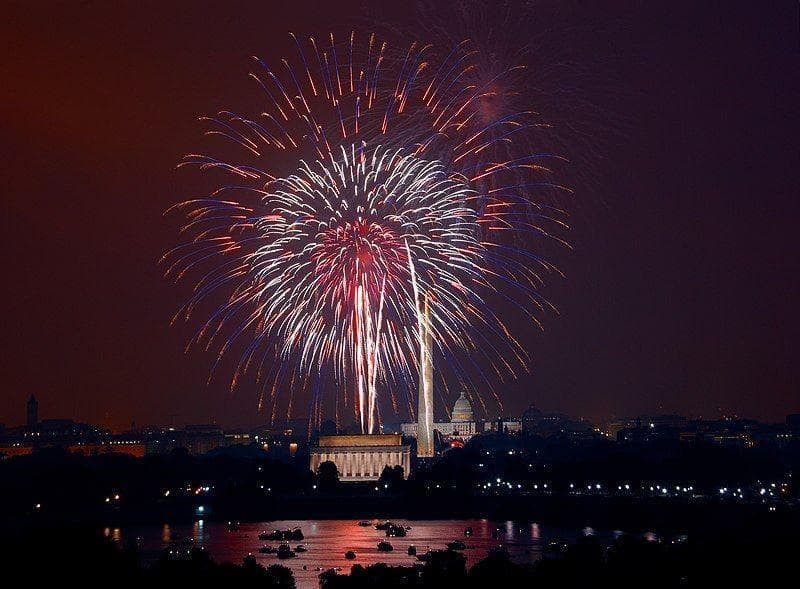
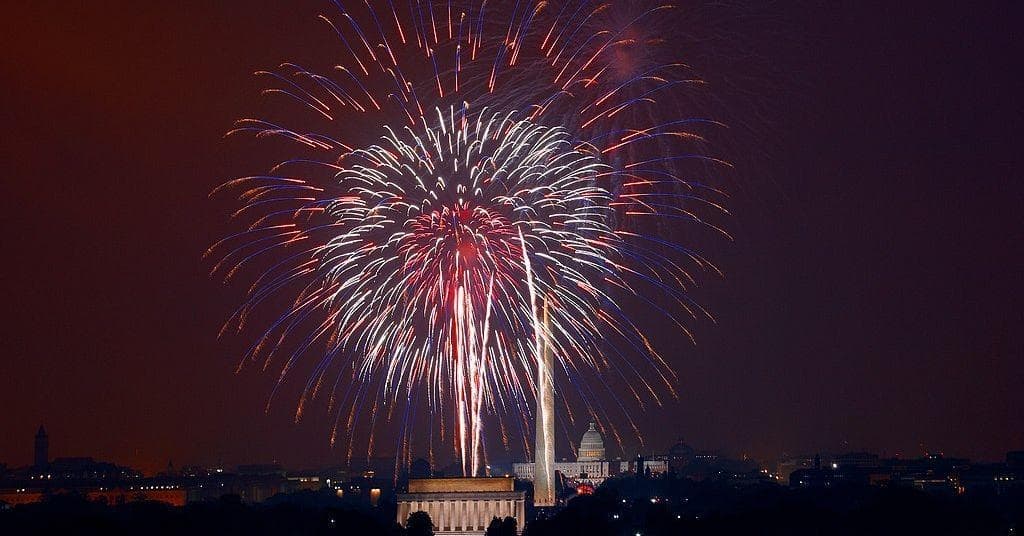
    Ratification Date: June 1870 Independence Day, or the Fourth of July as most Americans call it, may well be America's very first uniquely celebrated holiday. The holiday marks the day in 1776 that the Continental Congress adopted the Declaration of Independence, officially announcing their separation from British rule. While the resolution officially passed July 2, the formal adoption by the Congress took place on the 4th. The very next year, despite the Revolutionary War battling on around the country, Philadelphia hosted the first official celebration of Independence Day, even shooting off fireworks at the inaugural event. Independence Day was in the group of the original national holidays that were signed into law in 1870.

    0% upvoted
  8. 8

    Labor Day (First Monday In September)

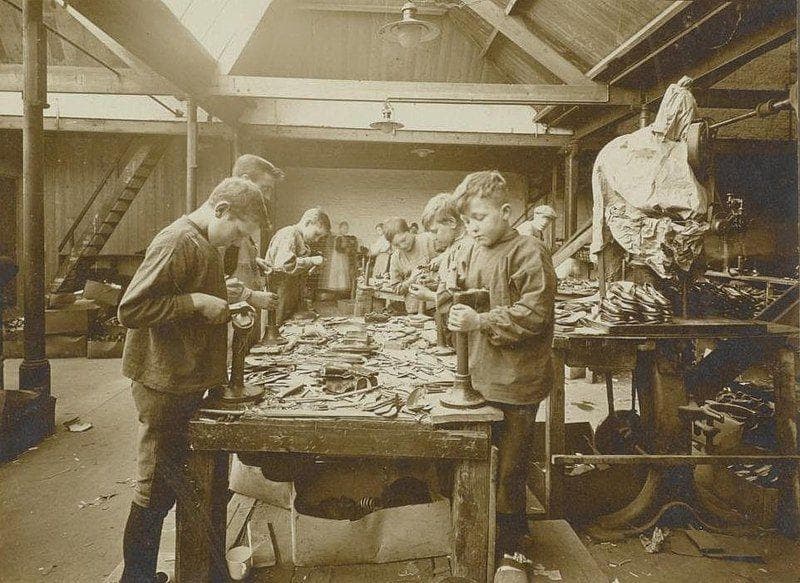
    Ratification Date: June 28, 1894 Unlike some of the other holidays on this list, Labor Day wasn't created to necessarily celebrate an event or person - it was more created to appease a very angry group of people in America. To understand Labor Day, we have to paint the picture of what working looked like in the late 1800s. The Industrial Revolution had turned the labor force on its head - with many people now working in factories and mills. However, there were no regulations for these physically-taxing, intense jobs. Many people were working 12-hour days with few breaks - and were barely able to make a living wage. This meant that children also were working in these horrific conditions to try to help their families survive. Before too long, labor unions started forming to protect the workers; and from here, strikes were organized to demand better working conditions. However, these strikes would often lead to protests - which could turn violent and sometimes deadly when police got involved. Around this time, people started suggesting the idea of a “workingman's holiday” to be celebrated in September. While some states observed this holiday, it wasn't until after yet another round of deadly strikes, this time involving the Pullman Palace Car Company in Chicago, that Congress tried to appease the American worker by passing Labor Day into law in 1894. After the Uniform Monday Holiday Act of 1968, Labor Day was moved to be observed on the first Monday of September.

    0% upvoted
  9. 9

    Columbus Day / Indigenous People's Day (Second Monday In October)

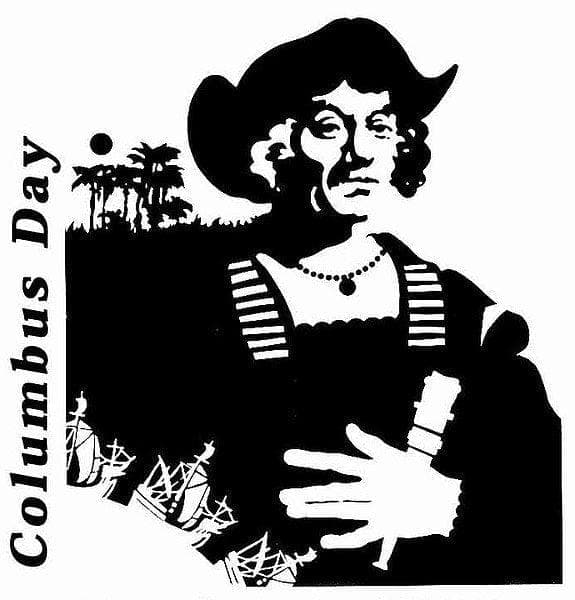
    Ratification Date: 1937 We've come to the perhaps most contested federal holiday on our list. What was originally called Columbus Day is often now referred to as Indigenous People's Day - the backstory has to do with the man the holiday is named after, Christopher Columbus. Columbus was an Italian explorer who sailed under Spain's flag and gained global fame after he “discovered” the New World in 1492. Columbus became a beloved figure for Catholics, as Columbus himself was devout to the religion. This aspect of Columbus seems to be the main reason Columbus Day became a national holiday, as President Franklin D. Roosevelt ratified the day after intense lobbying by the Knights of Columbus (a large Catholic organization). However, in more recent years, people have became frustrated with history books saying Columbus discovered a land that was already inhibited by millions of indigenous people. People whom the colonists killed by the thousands with diseases they brought, as well as war. For this reason, many people now celebrate the second Monday of October not as Columbus Day, but Indigenous People's Day.

    0% upvoted
  10. 10

    Veterans Day (November 11)

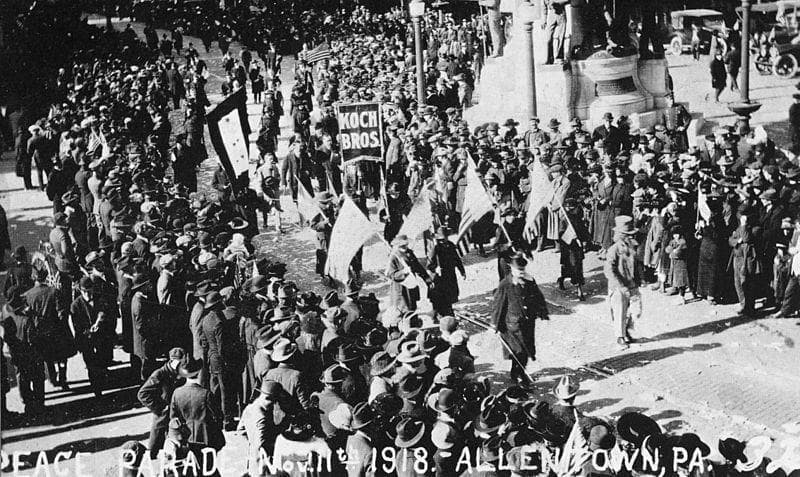
    Ratification Date: May 13, 1938 Veterans Day is celebrated in many countries throughout the world on November 11, although under a different name: Armistice Day. The significance of the date refers to the armistice (or truce) agreed upon by the Allied forces and Germany during World War I. It occurred in 1918 on the 11th hour of the 11th day of the 11th month. In many other nations that celebrate Armistice Day, it is a day not just to remember the ending of the “Great War,” but also show respect for all the veterans who have fought for their countries. While observances of Veterans Day started the year following the end of World War I, the holiday was officially ratified by Congress in 1938.

    0% upvoted