Skip to content
maxnews
Rankings

How Every Cause Of Death In 'Oregon Trail' Happened On The Actual Oregon Trail

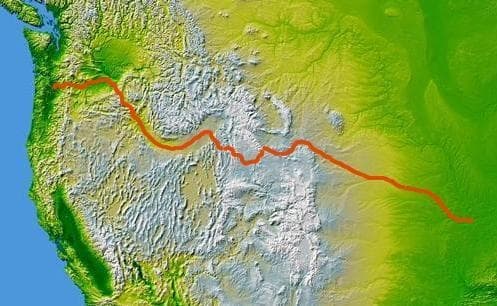
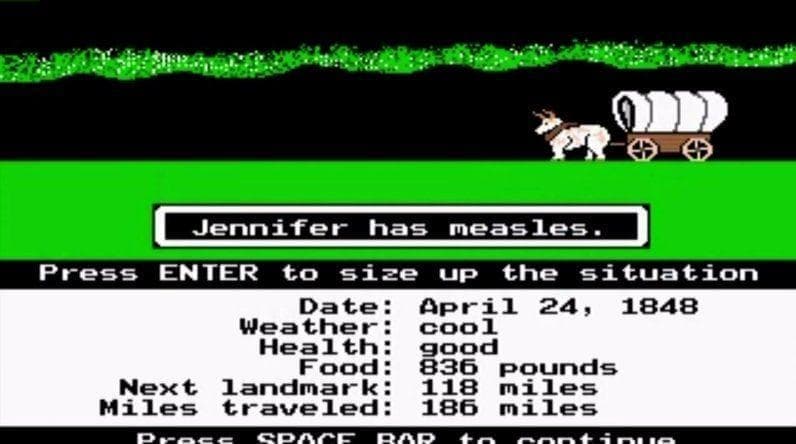
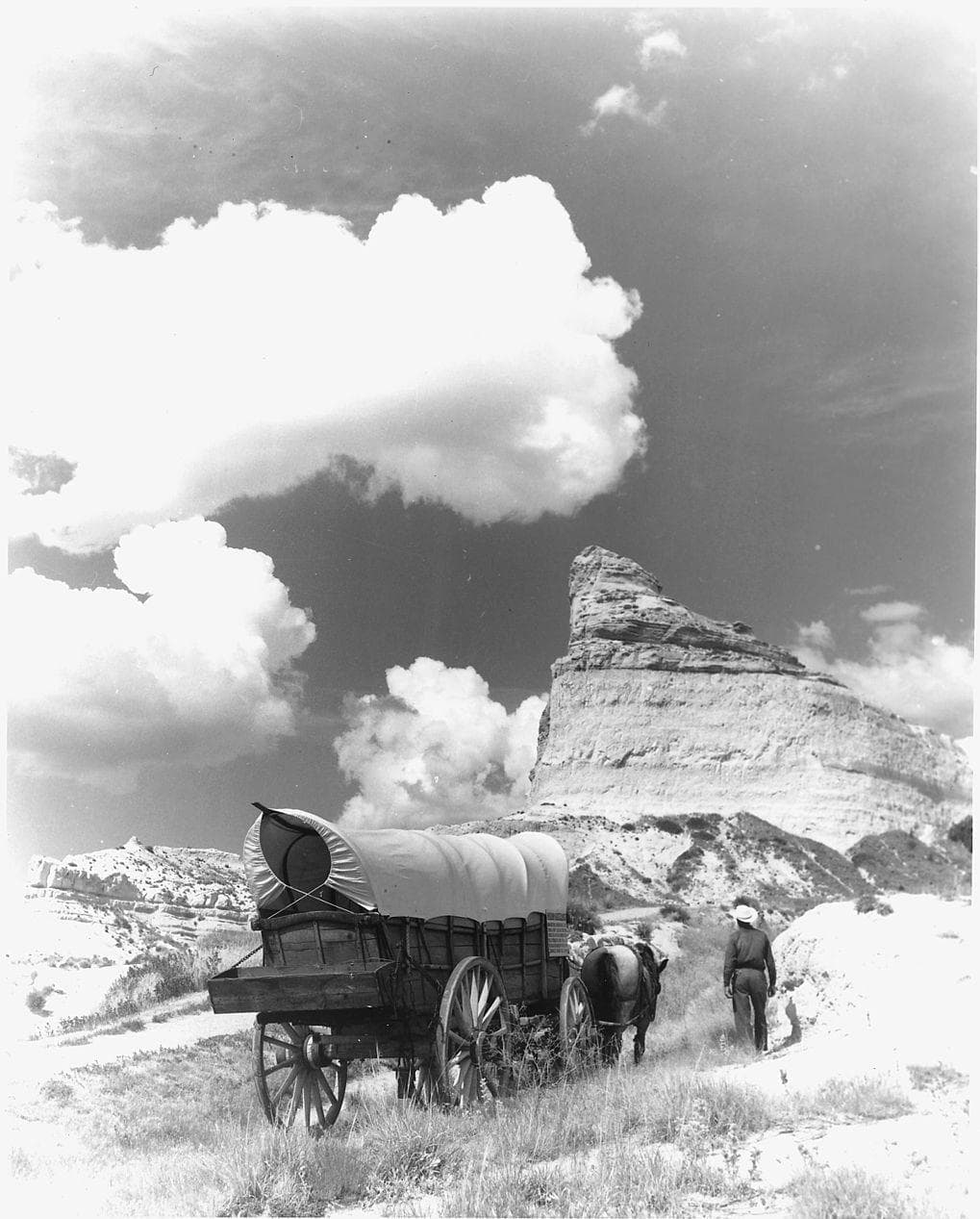
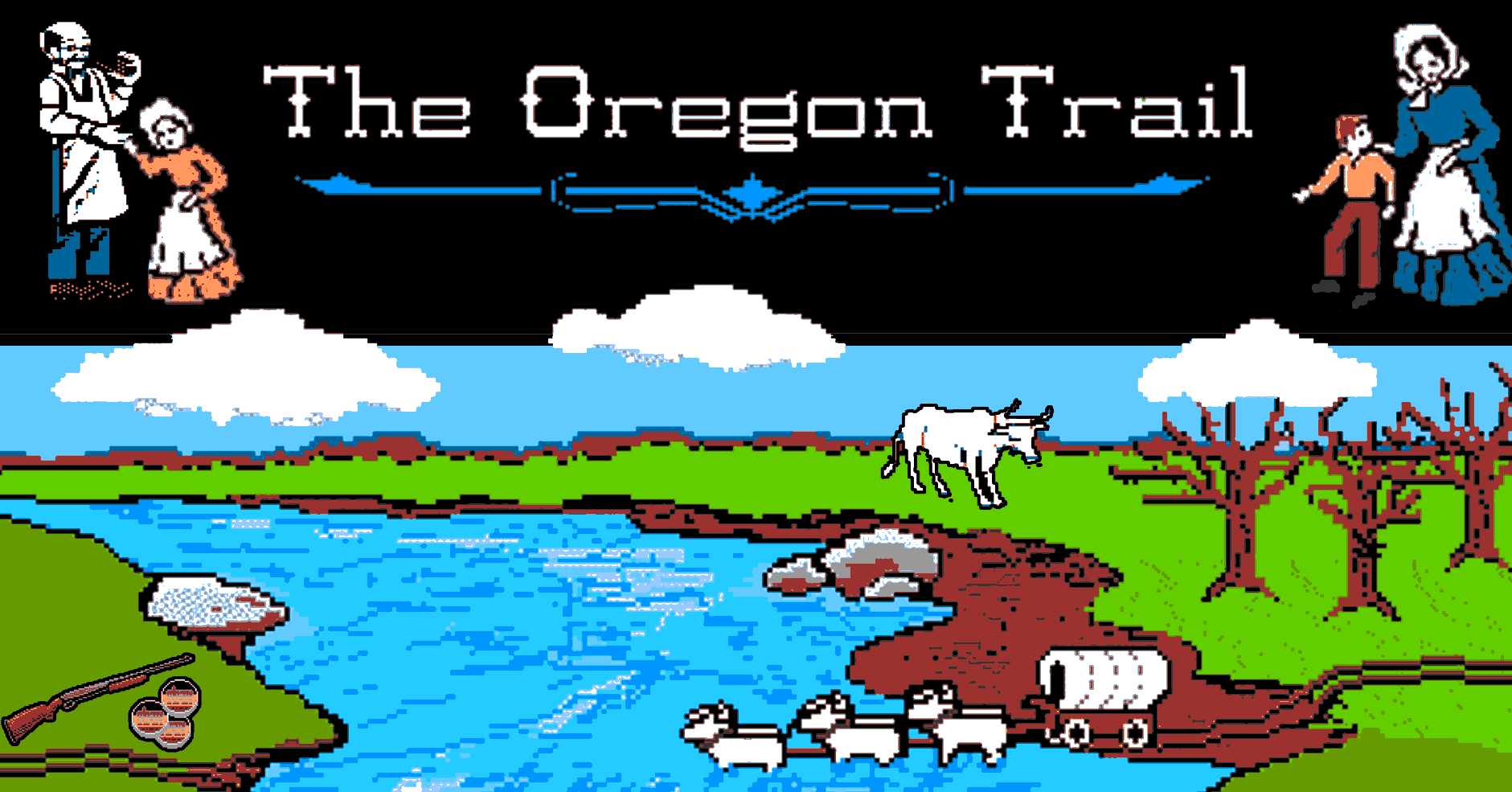
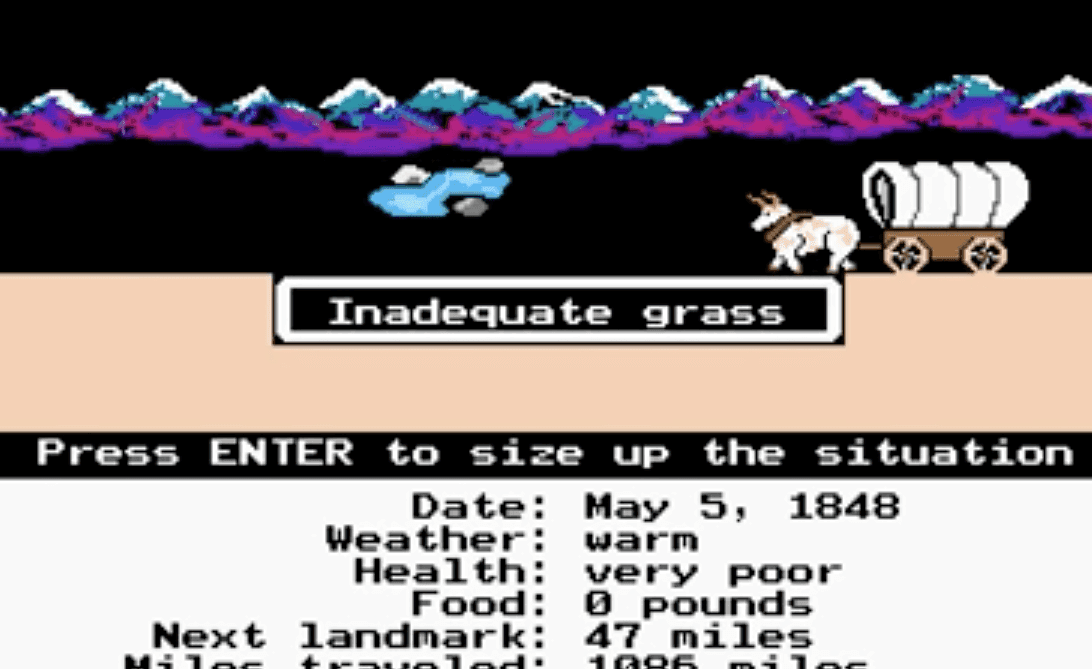
Johnny has dysentery! Sarah has a snakebite! In a way that somehow mixed gruesome history with the fun of pixelated color, the Oregon Trail computer game taught kids not only how to skillfully buy enough hardtack for a cross-country voyage, but also numerated the many ways to die on the Oregon Trail. Stretching about 2,000 miles from the Missouri River to the Willamette Valley in Oregon, the Oregon Trail claimed the lives of one out of every 10 of its travelers. Pioneers set out in parties numbering from one family to thousands of wagons teamed up together. However, no matter the number, one fact remained: life on the trail was brutal. Unlike the beloved computer game, dangers on the Oregon Trail couldn't be fixed by a reset button. Disease ran rampant, weather was unpredictable and often deadly, and people often dropped dead just from the exhaustion of the trek itself. Here's how people really died on the Oregon Trail: just how the game told you it would happen, and then some. How do you think you would have fared? Vote up the causes of death you're thankful to have left along the pixelated trail.

Entries
12
Votes
623
Updated
yesterday

Tap upor downto vote. Your vote is added to Ranker's counts.

Voting identifies your browser with an anonymous fingerprint, stored only as a salted hash, to count one per visitor. Privacy

Source: Ranker, ranked by its voters.

  1. 1

    Starvation

    What It Involved: This one is pretty straightforward, as well as understandable. Supplies on the trail were scarce, and there were only a few trading posts along the way where pioneers could re-stock their wagons. A number of factors played into this as well, such as losing food in a river crossing if the wagon tipped over, or the necessity of leaving supplies behind to lighten the load. Additionally, if a wagon's oxen or mule died, leaving the party stranded, they would have a good supply of meat for a while, but then potentially stuck in the middle of nowhere. Its Mortality Rate On The Trail: Starvation was fairly common, especially for children or parties who had left at a time of year when the grass was grazed down on the trail, raising the potential for the starvation of a family's livestock. Of course, there is the infamous Donner Party, who veered off the Oregon Trail to cross into California... only to then get trapped in the snow of the Sierra Nevada mountain range. Out of the original 87 members, only 48 survived, and many of those who did had to resort to cannibalism after they had eaten the rawhide off of their snowshoes and wagons.
    97% upvoted
  2. 2

    Dysentery

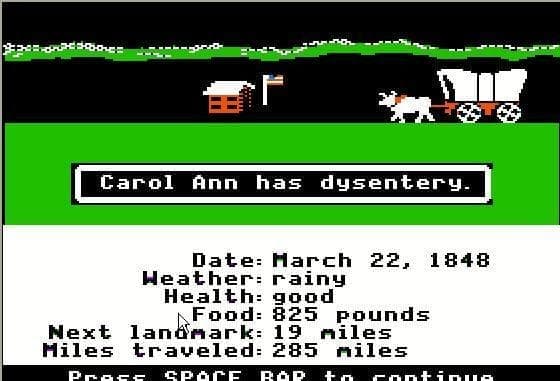
    What It Involved: Easily one of the most common ailments on the Oregon Trail, (as the game loved to remind us), dysentery is a bacterial disease that is often contracted when an unfortunate soul comes into contact with well, feces. Since there was no such thing as proper toilets on the trail — nor real hand soap — pioneers, unfortunately, had more contact with such things than most. What ensued was a painful, messy death. Dysentery is a diarrheal disease, most often recognized by the presence of blood and mucus in the stool. Its Mortality Rate On The Trail: At the time, there was hardly any treatment for dysentery, nor measures for prevention. Of the thousands who contracted the disease while on the trail, there was little that could be done; especially if clean water was scarce. Dysentery causes rapid dehydration, and was most often a quick, painful death for those who contracted the wrathful disease.

    95% upvoted
  3. 3

    Snake Bite

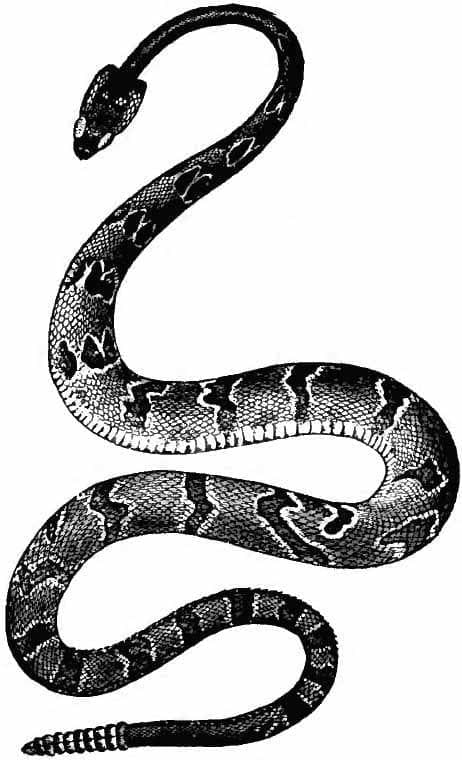
    What It Involved: This was one of those unfortunate deaths on the computer game; something that seemed to happen when everything else was finally going well: a full team of oxen, plenty of bacon, and fair weather. It was probably fairly similar in real life. Rattlesnakes were common enough on the trail to be a real threat, and once bitten, pioneers only had so many home remedies to offer; many of which sound as painful as the bite. One technique involved putting gunpowder on the bite, and setting it on fire (ouch). Another required taking a knife and cutting out as much as the bitten area as possible. Cutting an "X" at the bite was also popular, and an unlucky pal would try to suck out as much venom and blood as possible. Its Mortality Rate On The Trail: Unsurprisingly, many of the above home remedies were unsuccessful. Sometimes the snakebite victim would get away with an amputation, if they were lucky enough to get bit on an extremity. However, if a bite was received in the mid-section, death was nearly certain.

    95% upvoted
  4. 4

    Cholera

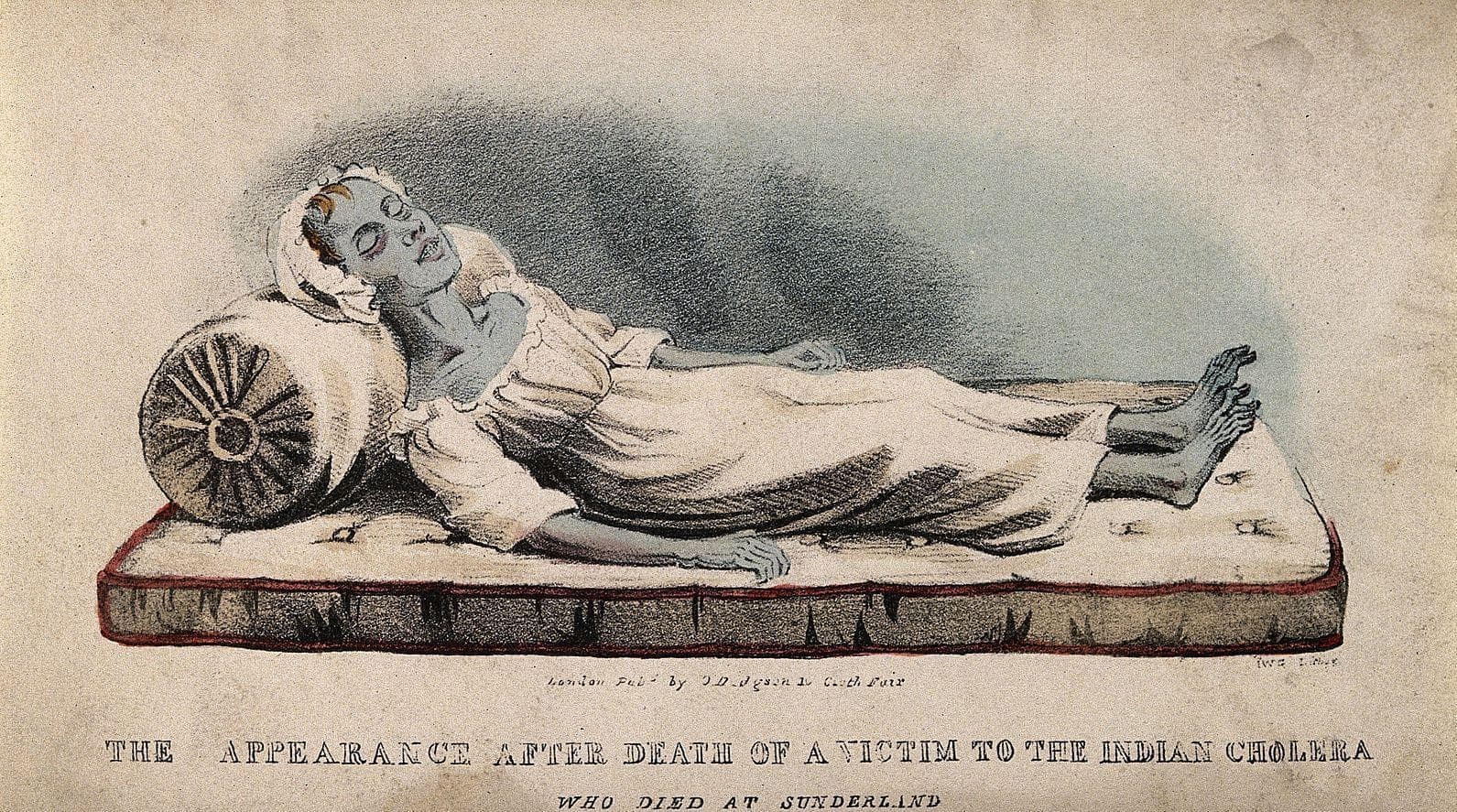
    What It Involved: Referred to as the "unseen destroyer," cholera was an alarmingly painful, rapidly-striking disease. Cholera was infamous for the speed with which it killed: victims who were fine at breakfast could be dead by lunch. First came an unnaturally painful stomach ache, followed by vomiting, diarrhea, and the severe dehydration induced by those symptoms. Cholera was often contracted through contaminated water, and the infected remained highly contagious, even after death. Its Mortality Rate On The Trail: If you didn't die of dysentery, there's a good chance that cholera would be your untimely end. It's estimated that of all of the people who died on the Oregon Trail, a third of them died of cholera. There were historic cholera outbreaks along the Oregon Trail. The disease spread like wildfire, not only from the lack of clean water, but from the lack of hygiene: pioneers would unknowingly camp in the waste of parties that came before them, and even improperly buried bodies could help contribute to the pervasiveness of the disease.

    94% upvoted
  5. 5

    Gun Shot Wounds

    What It Involved: Surprisingly, it was very common to accidentally shoot yourself or others while traveling the Oregon Trail. Most firearms were discharged unintentionally, hitting either the shooter, a friend or family, or even the livestock pulling the wagon. Apparently, after walking a few hundred (or thousand) miles, it's easy to become lazy with one's gun handling. Its Mortality Rate On The Trail: Firearms have been listed as the second most common cause of death on the trail. Once pioneers realized that the threat of Native American attacks were fairly low, it became more common practice to leave rifles unloaded in the wagon, in hopes of lessening the accidental deaths.

    93% upvoted
  6. 6

    Wagon Accidents

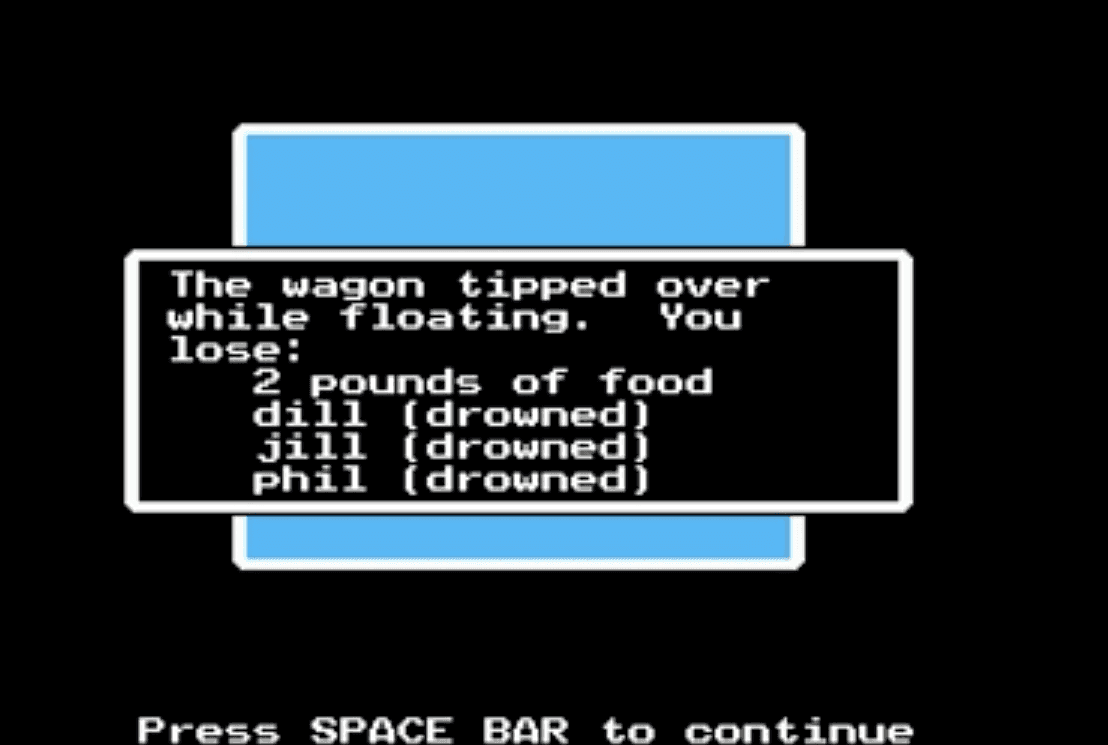
    What It Involved: There could be any number of wagon accidents while traveling on the Oregon Trail. The wagons themselves were usually around 11 feet long and heavily weighed down with a little over 1,000 pounds of goods. Slipping and falling beneath a wheel was a common death, for both children and adults alike. Wagons were also not the most stable of vessels. On steep or unstable terrain, it was not uncommon for wagons to tip over. In the computer game, the alert would smugly tell you that you lost all of your bullets and spilled a barrel of flour; in real life, you lost that and then some, as someone in your family stood a good chance of being crushed by either the wheel, wagon, or oxen. Its Mortality Rate On The Trail: Surprisingly, wagon accidents, specifically getting crushed under the wheels, have been recorded as the most frequent cause of death on the Oregon Trail. For something that's moving at roughly two miles per hour, you'd think that the pioneers would have had an easier time staying out of the way. But, hey: they were exhausted... and climbing in and out of a moving wagon is probably harder than you'd think, especially for children.

    90% upvoted
  7. 7

    Typhoid

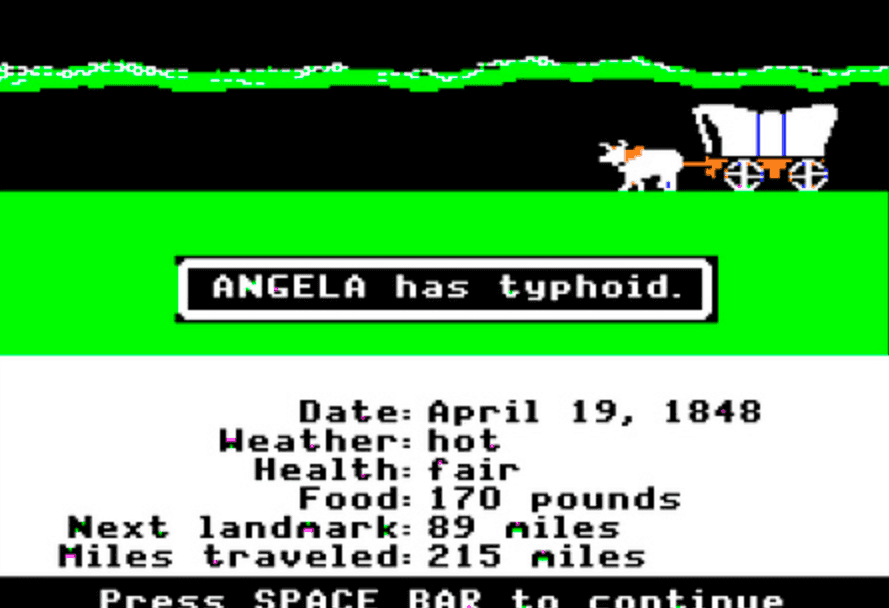
    What It Involved: Mary has typhoid! Another frequent killer on the trail was typhoid, a disease caused by Salmonella Typhi, a bacterium that is usually lurks in contaminated food or drink. Typhoid is fairly contagious, especially in the trail environment of poor hygiene and extremely close quarters, meaning epidemics could rage through whole camps. Pioneers most often contracted it through dirty water. The first symptoms involved nose bleeds, headaches and a cough. Next came a high fever, followed by intestinal hemorrhaging. Mild insanity from the high fever was common as well. Its Mortality Rate On The Trail: Typhoid was a rampant killer, especially of children. One of the challenges of the disease was that it usually lasted around four weeks; that is, if the patient managed to live that long. With no room to stop for even more than a few days, typhoid victims had to try to heal while continuing along the arduous trail. There was no real treatment for the disease, which has now been eradicated in many countries, although some pioneers ate wild lettuce, believing it to be helpful. The disease caused severe dehydration towards the end of its run, and most typhoid victims died before the raging fever had a chance to break.

    89% upvoted
  8. 8

    Animal Stampedes

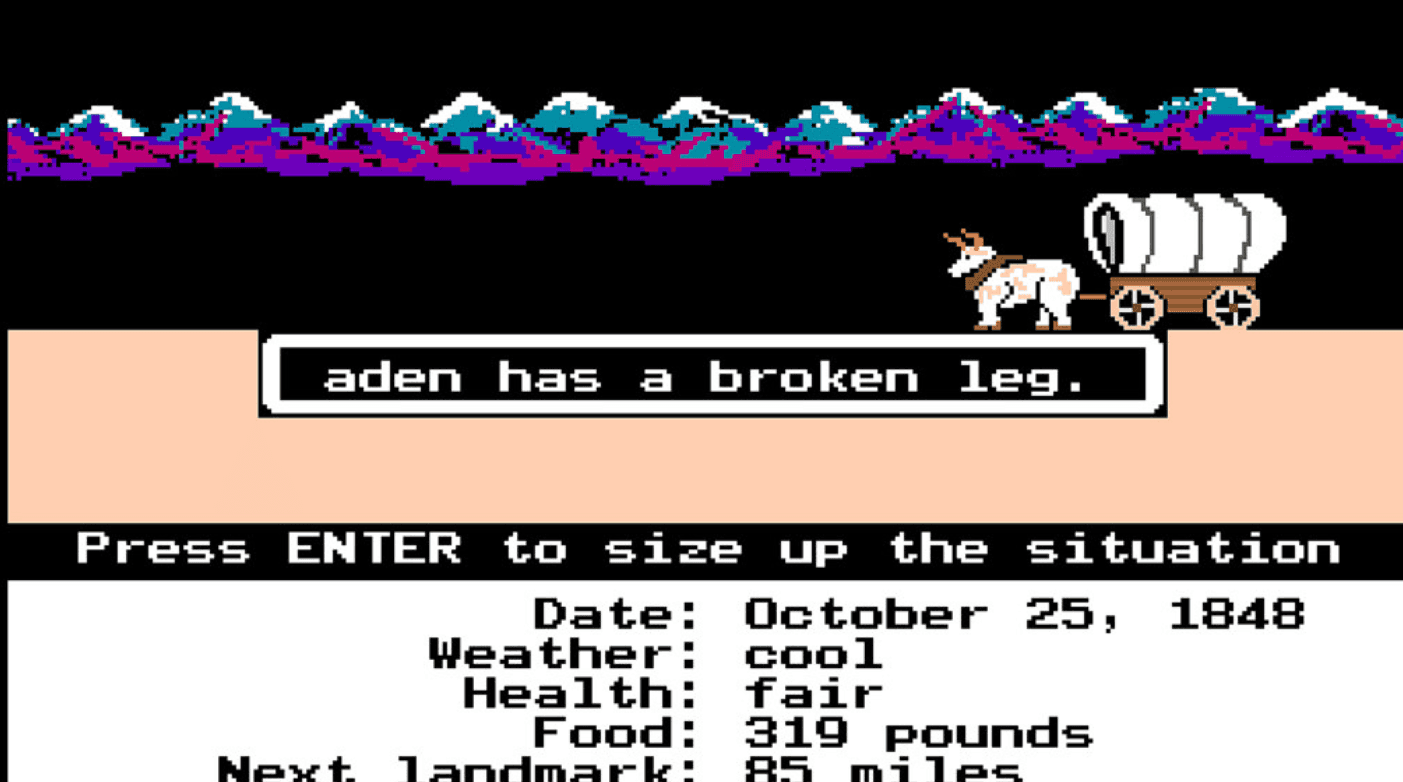
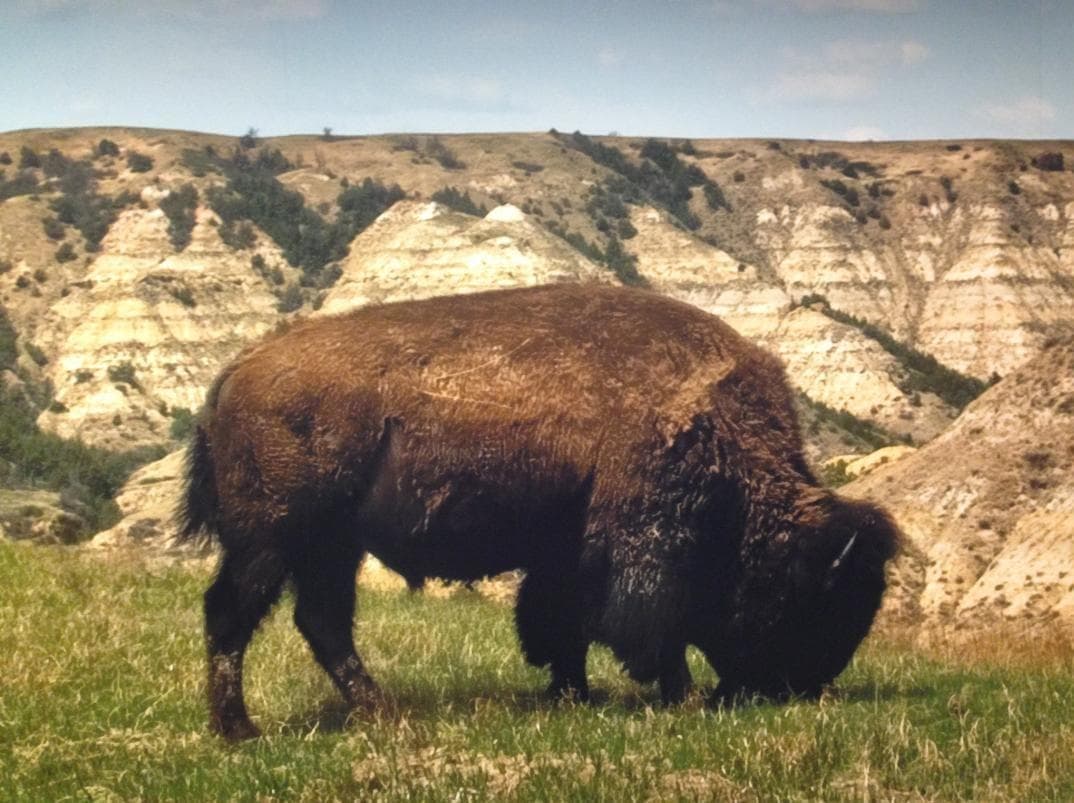
    What It Involved: In the game, remember how gleeful you'd get when you got the chance to "hunt" during a buffalo stampede? Well, the pioneers felt the same way, but sometimes running head-long into a herd of wild animals that weigh a few thousand pounds each ended in death. What might be a not-so-deadly accident today could easily have killed back then: a broken leg could turn gangrenous and lead to death if not amputated. Pioneers were often crushed or trampled by their own livestock as well. Its Mortality Rate On The Trail: Stampeding animals — be it buffalo or a party's own livestock — is often listed as the third most common cause of death on the Oregon Trail. In a way, it makes sense: families were dealing with large livestock daily, and it was not uncommon for a small child to fall off the wagon and under the hooves of the oxen, or somehow get tangled up and trampled. Adults faced this risk too: between hunting, river crossings, and daily duties involving animals, there was plenty of room for disaster to strike.

    88% upvoted
  9. 9

    Exhaustion

    What It Involved: Ah yes, who can't remember this alert from the game: "You are exhausted." Something we could likely all relate to more as adults, it always kind of seemed like a silly ailment during the game; nowhere near as exciting as cholera or a snakebite. However, the reality of the trail was not always exciting, but it was nearly always exhausting. Most wagons traveled an average of 15 miles a day, and pioneers often walked alongside the wagon, so as to lighten the load and also avoid the bumpy ride. Food was barely nutritious, and vitamins and protein were severely lacking, leading to scurvy. Once someone got worn down, there wasn't much time or help to be given to them to heal. Its Mortality Rate On The Trail: While it may not be a very glamorous way to die, exhaustion was fairly common. The human body can only take so much, and walking 2,000 miles (practically barefoot) through a wilderness that is riddled with disease, bad weather, and all aspects of nature basically trying to kill you (often without sufficient food or medicine), it's no wonder pioneers simple dropped dead from the exhaustion of it all.

    87% upvoted
  10. 10

    River Crossings

    What It Involved: In order to reach Oregon, the emigrants had to cross their fair share of rivers, some of the most challenging being the Green, Kansas, North Platte, Snake and Columbia Rivers. Crossings posed a number of issues: first of all, most didn't have ferries, and inexperienced pioneers were left to their own judgment when it came to choosing crossing points, where they often encountered quicksand and the splintered ruins of previous failed attempts. Many travelers of the time couldn't swim properly, or at least not well enough to battle strong river currents. Wagons were often overturned during crossings, and pioneers were swept downstream with their oxen and belongings, frequently drowning. Even if you could find a ferry, profiteering captains often overloaded their boats, leading to more capsizing and deaths. If you managed to survive, your wagon might not, and that means you then face starvation down the road without any supplies. Its Mortality Rate On The Trail: Unless you're an excellent swimmer, there's a good chance that you'd meet your end in a river crossing. Cold water, strong currents, and dangerous undertows meant if you fell in, there wasn't much chance of getting out.

    86% upvoted