Skip to content
maxnews
Rankings

Holiday Meanings: What The Biggest American Holidays Actually Mean

There are numerous holidays in the United States celebrated annually. Holidays that are local and obscure may receive little to no attention outside of a small group. National and federal holidays can lead to a day off of work or some other much-anticipated acknowledgment but are usually days with no mail and the closure of business and government offices across the country. Knowing when holidays are celebrated is engrained in the American psyche. The reasons specific holiday dates are chosen are important and often unrealized, as are the actual meanings behind the biggest American holidays. Why do Americans celebrate Memorial Day and Veterans Day? What's the difference? And what's the significance of Juneteenth? How does a country with a divide between church and state afford holiday status to Christmas? These are all questions that deserve to be answered.

Entries
12
Votes
0
Updated
yesterday

Tap upor downto vote. Your vote is added to Ranker's counts.

Voting identifies your browser with an anonymous fingerprint, stored only as a salted hash, to count one per visitor. Privacy

Source: Ranker, ranked by its voters.

  1. 1

    New Year's Day Traces Back To The Roman God, Janus
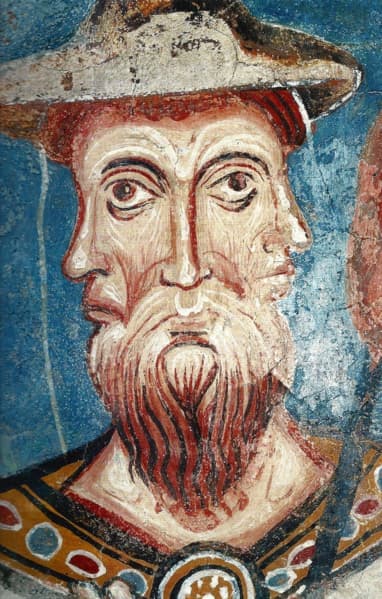
    When It's Celebrated: January 1 When It Started: 46 CE What It Means: When Julius Caesar instituted the Julian Calendar in 46 CE, he designated January 1 as the start of a new year. As the first month in the calendar, January was named for the Roman god Janus. Janus (derived from the Roman word for door, ianua, or vice versa) was the deity who oversaw beginnings and endings alike. Depicted with two faces in works of art an on coinage, Janus symbolized looking forward while simultaneously keeping any eye to the past. The Romans were not the first to recognize the new year, but the adoption of January 1 by Caesar became so entrenched in tradition through much of the Middle Ages. The new year was recognized as December 25 and March 25 at various points, but Pope Gregory XIII reaffirmed its significance in 1582. With the widespread adoption of the Gregorian Calendar, named after the aforementioned pontiff, January 1 remained in place. Celebrations of the new year - a time for future opportunities and to give thanks for past bounties - have not changed in terms of meaning. Revelry and resolutions alike continue to take place annually.
    0% upvoted
  2. 2

    MLK, Jr. Day Celebrates King's Life And Legacy And Brings Attention To Civil Rights Issues

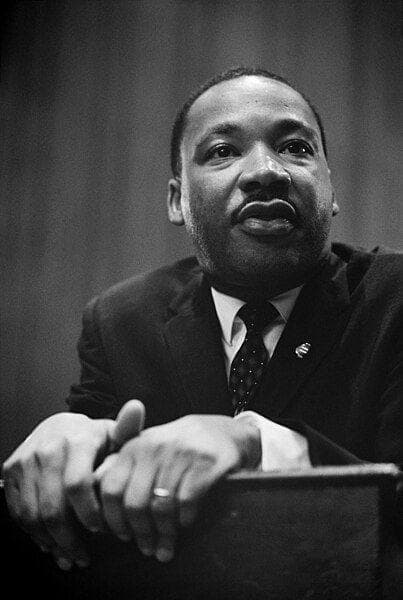
    When It's Celebrated: The third Monday in January When It Started: Signed into federal law in 1983, first went into effect in 1986, celebrated nationwide for the first time in 2000 What It Means: Celebrated around the time of Dr. Martin Luther King, Jr.'s, birthday on January 15, the holiday honoring him was signed into federal law by President Ronald Reagan in 1983. A corresponding commission to oversee the first observance of the holiday in 1986 was established with King's widow, Coretta Scott King, serving as chair. States incrementally adopted Martin Luther King Jr. Day, with New Hampshire as the last one to do so in 1999. As a result, the first Martin Luther King Jr. Day celebrated nationally took place in 2000, by which time the day had become about King, service to one's community, and awareness of Civil Rights issues. MLK Day holds distinction as the only federal holiday designated a National Day of Service by Congress. Since 1994, AmeriCorps has led the way in service opportunities and volunteerism on MLK Day in the spirit of the day's namesake to “bridge divides, heal wounds, and create lasting change that will benefit our communities for years to come.” Presidents have consistently echoed this call during their White House addresses by encouraging “all Americans to observe this day with appropriate civic, community, and service projects in honor of Dr. King and to visit MLKDay.gov to find Martin Luther King, Jr., Day of Service projects across our country.”

    0% upvoted
  3. 3

    George Washington's Birthday Is Unofficially About More Than One US President

    When It's Celebrated: The third Monday of February When It Started: Federally recognized in 1879, celebrated nationwide in 1885 What It Means: The first nationwide holiday honoring George Washington took place on February 22, 1885, although that was far from the initial celebration of the nation's first president. After Washington's death in 1799, Washington's birthday became a federally recognized holiday in 1879 and was consistently celebrated for nearly a century. Congress adopted the Uniform Monday Holiday Act in 1968, shifting commemoration of Washington from his actual birthday to the third Monday in February. This was done to give federal workers a three-day weekend. While Washington's name has been attached to the holiday for decades, it's also called “Presidents' Day" or “Washington and Lincoln Day” in some parts of the United States. Abraham Lincoln, born on February 12, 1809, never had an official holiday of his own, but because his birthday is so close to that of the first US president, the February event has become about more than just one man. That said, at no time has the federal government ever indicated Washington's birthday should be called “Presidents' Day.”

    0% upvoted
  4. 4

    Memorial Day Honors Military Men And Women Who Died Serving The US

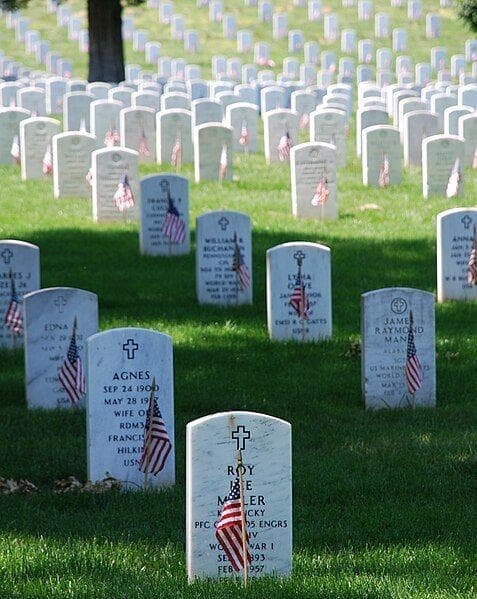
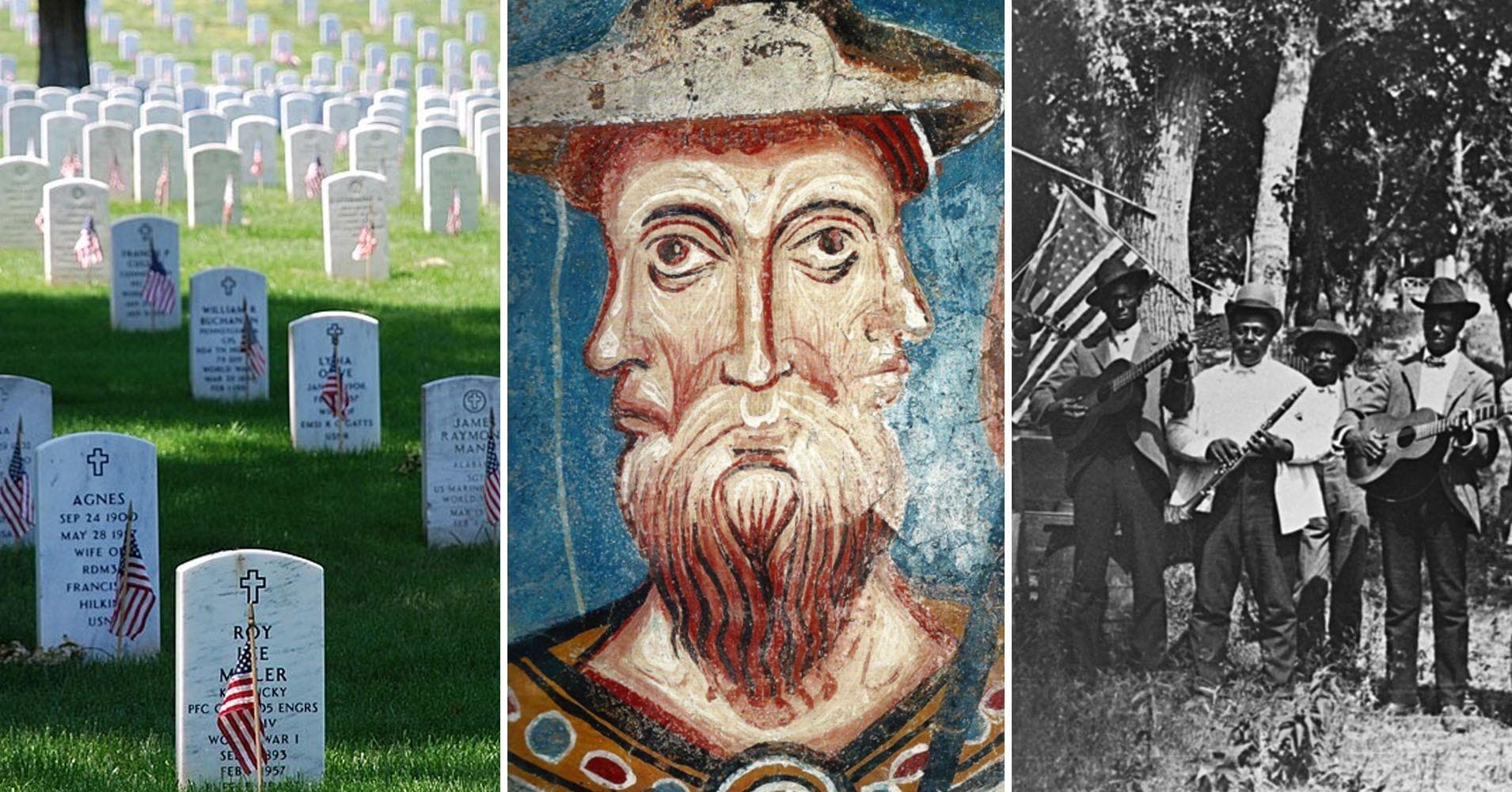
    When It's Celebrated: The last Monday in May When It Started: 1868 What It Means: Initially called Decoration Day, Memorial Day was celebrated on May 30 each year between 1868 and 1970. Initiated as a national observance to honor fallen Union soldiers, the day was, Designated for the purpose of strewing with flowers or otherwise decorating the graves of comrades who died in defense of their country during the late rebellion, and whose bodies now lie in almost every city, village, and hamlet churchyard in the land. In this observance no form or ceremony is prescribed, but posts and comrades will in their own way arrange such fitting services and testimonials of respect as circumstances may permit. Commemoration of fallen Confederate soldiers began even earlier (albeit in April), but by 1866 graves of both Union and Confederate soldiers were decorated in parts of the newly reunited nation. April and May were the ideal months due to the availability of spring flowers. New York made Decoration Day a state holiday in 1873 and, by 1890, all of the former Union states followed suit. It wasn't until after World War I that former Confederate states began honoring fallen soldiers on the same day as their northern counterparts. It was also after WWI that fallen soldiers from all American wars were honored. From 1882 forward, Memorial Day became the common moniker for the holiday, but the name itself was not formally adopted until 1967. The Uniform Holiday Act of 1968 moved the date of Memorial Day to the last Monday in May, legislation that took effect in 1971. In 1999, President Bill Clinton issued a call to all Americans to “pause just for a moment to remember those who gave their lives to protect the values that give meaning to our lives” on Memorial Day. Thus National Moment of Remembrance - at 3 p.m. local time - has been a part of the day ever since.

    0% upvoted
  5. 5

    Juneteenth Marks The Day Enslaved Individuals In Texas Found Out They Were Free

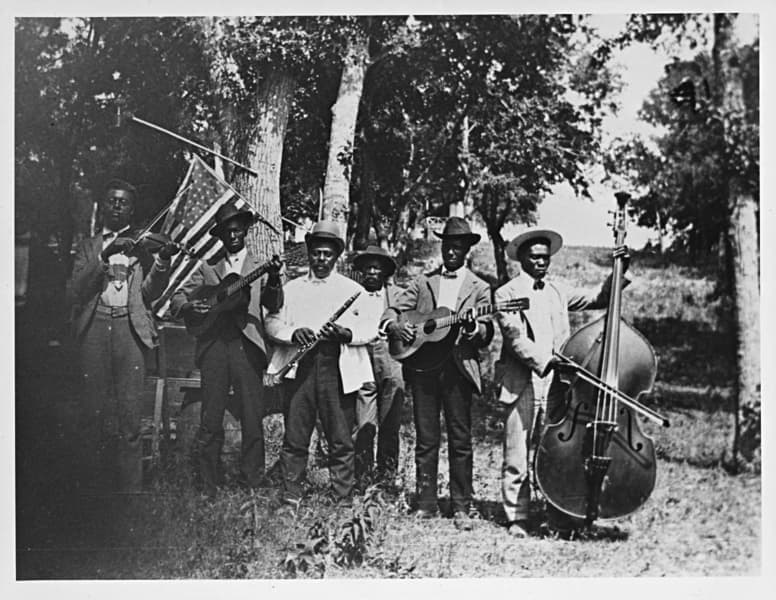
    When It's Celebrated: June 19 When It Started: 1865, federal holiday as of 2021 What It Means: When Union troops marched into Galveston, Texas, on June 19, 1865, and freed some 250,000 people from the bonds of slavery, it was more than two years after Abraham Lincoln had signed the Emancipation Proclamation: The people of Texas are informed that in accordance with a Proclamation from the Executive of the United States, all slaves are free. This involves an absolute equality of rights and rights of property between former masters and slaves, and the connection heretofore existing between them becomes that between employer and hired laborer. From that day forward, “Freedom Day” or “Emancipation Day” was celebrated by African Americans, but recognition across the United States has developed slowly over time. In addition to festivities like picnics, parades, and the like, Juneteenth was - and continues to be - about self-sufficiency among African Americans. Still one more aspect of Juneteenth is recognition of abolitionists who worked to bring slavery to an end. Prior to President Joe Biden making Juneteenth a federal holiday in 2021, it was a day celebrated in all US states except South Dakota. That said, between 1980 (when Texas made it a state holiday) and 2000, only a handful of states noted the occasion.

    0% upvoted
  6. 6

    Independence Day Isn't The Day The US Declared Independence, But It's Close

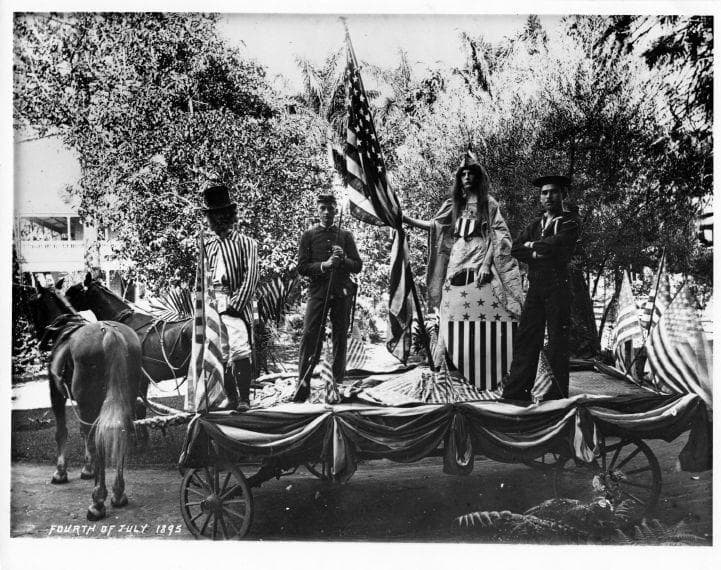
    When It's Celebrated: July 4 When It Started: 1777 (locally), federal holiday as of 1870 What It Means: Celebrated in localities across the expanding United States during the late 18th and 19th centuries, Independence Day didn't become a federal holiday until 1870. Congress passed a law on June 28, 1870, designating July 4th as a holiday in the District of Columbia. Independence Day became a paid federal holiday in 1938. The spirit of July 4th centers around independence, of course, but it's not the anniversary of the passage or the signing of the Declaration of Independence. On July 2, 1776, the Continental Congress in Philadelphia moved forward with a resolution introduced by Richard Henry Lee calling for such a document to be produced. Even future President John Adams noted the momentous events on July 2, writing to his wife that, The Second Day of July 1776, will be the most memorable Epocha, in the History of America.—I am apt to believe that it will be celebrated, by succeeding Generations, as the great anniversary Festival. It ought to be commemorated, as the Day of Deliverance by Solemn Acts of Devotion to God Almighty. It ought to be Solemnized with Pomp and Parade with Shrews, Games, Sports, Guns, Bells, Bonfires and Illuminations from one End of this Continent to the other from this Time forward forever more. Two days later, on July 4th, the Continental Congress officially adopted the Declaration - thus declaring independence.

    0% upvoted
  7. 7

    Labor Day Acknowledges The Hard Work Of Laboring Americans

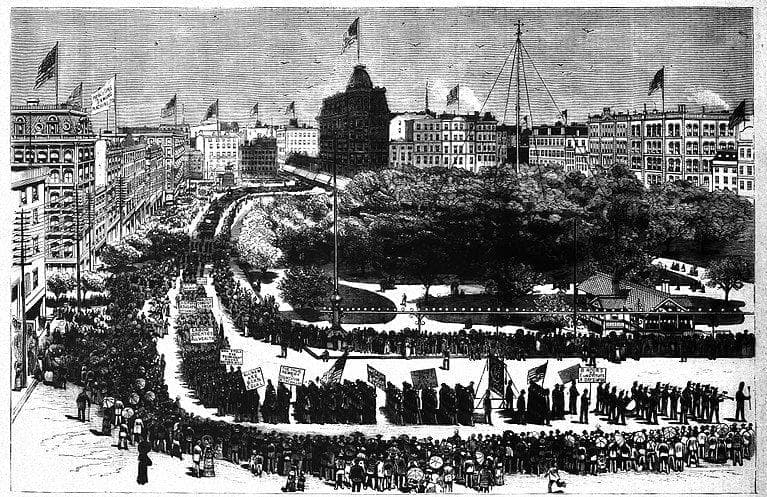
    When It's Celebrated: The first Monday in September When It Started: 1882 What It Means: Labor Day may indicate the end of summer and the start of the school year to many Americans, but the day itself honors workers and their contributions to the development of the United States. The first Labor Day celebrations in the US began in the midst of widespread labor movements during the late 19th century. Exactly who founded Labor Day is debated, with both Peter J. McGuire and Matthew Maguire as names in the mix, but historians agree that the first Labor Day celebration took place on September 5, 1882. By the late 1880s, Oregon, Colorado, Massachusetts, New Jersey, and New York acknowledged Labor Day. President Grover Cleveland signed a law in 1894 making the first Monday in September Labor Day across the country. Labor Day may celebrate laborers, but it's not a universal vacation day in the United States. In fact, President Biden didn't say anything about a day off in 2023 during his Labor Day proclamation: On Labor Day, we stand in solidarity with all the workers who lift our Nation to new heights and all the labor unions who give all workers power and voice. May we continue working to restore the American Dream for every person willing to work hard in our Nation by embracing what has always been the foundation of our country’s success: investing in America and American workers.

    0% upvoted
  8. 8

    Columbus Day Has Shifted Focus To Honoring Indigenous Groups In Much Of The US

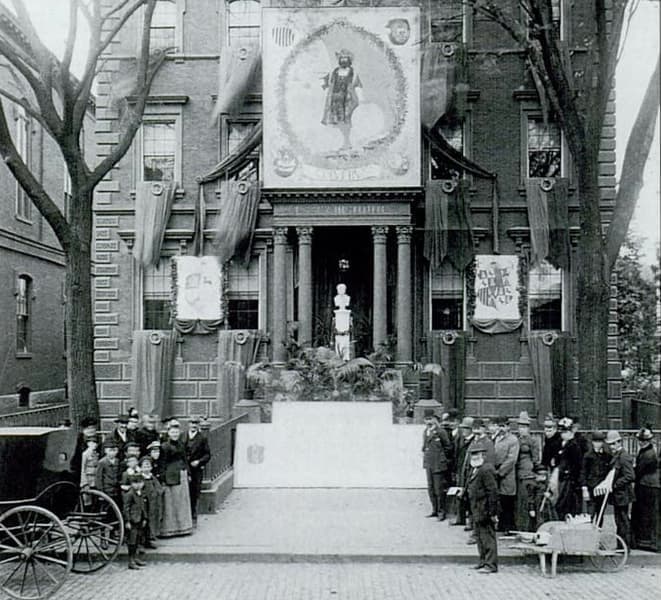
    When It's Celebrated: The second Monday in October When It Started: 1792 locally, federal holiday as of 1937 What It Means: Columbus Day began as a holiday honoring Christopher Columbus's landing in the New World in 1492. Once considered the day Columbus “discovered” America, Columbus Day was made a federal holiday in 1937 after decades of having been celebrated in cities and states across the United States. In New York City, for example, a parade in 1792 on the 300th anniversary of the landing was held to acknowledge Columbus, and, 100 years later, President Benjamin Harrison recommended Americans should observe the 400th anniversary “by public demonstrations and suitable exercises in their schools and other places of assembly.” Italian-Americans (Columbus likely spent time in Genoa, Italy as a youth) and other Americans continue to celebrate Columbus Day, but during the 1990s, the focus became indigenous groups in the Americas rather than Columbus and his arrival. Driven largely by reassessments of Columbus's treatment of the native he encountered and the centuries of colonization that followed, the shift to Indigenous People's Day or some comparable celebration has either replaced or supplemented Columbus Day. On the federal level, however, the name of Columbus Day has not changed.

    0% upvoted
  9. 9

    Halloween Recognizes Spirits, Saints, And Souls

    When It's Celebrated: October 31 When It Started: Unknown What It Means: Admittedly not a federal holiday or anything resembling one, Halloween is celebrated across the United States with gusto each year. When Halloween - a shortened version of All Hallows Eve - began, it was a pagan holiday full of festivities and rituals to keep spirits at bay. The earliest Halloween celebrations were held during the Celtic festival of Samhain when the year was considered half over and the delineation between life and death was at its thinnest. Because ghosts and spirits could theoretically cross over into the world of the living, costumes were worn as disguises. The Christianization of Halloween grew with the celebrations of the festivals of All Saints and All Souls on November 1 and 2, respectively. All Hallows Eve served as a commemoration of all saints and martyrs as well as the souls of anyone “the faithful departed.”

    0% upvoted
  10. 10

    Veterans Day Celebrates Anyone Who Served In The Armed Forces

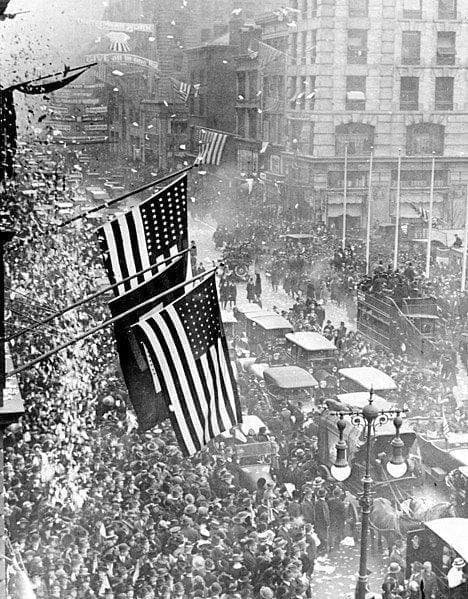
    When It's Celebrated: November 11 When It Started: 1919, federal holiday as of 1938 What It Means: When the treaty ending World War I was signed on the 11th hour of the 11th day of the 11th month of 1918, that day became known as Armistice Day. One year later, President Woodrow Wilson gave an address to the nation articulating the importance of the day: To us in America the reflections of Armistice Day will be filled with solemn pride in the heroism of those who died in the country's service, and with gratitude for the victory, both because of the thing from which it has freed us and because of the opportunity it has given American to show her sympathy with peace and justice in the councils of nations. In 1926, President Calvin Coolidge reiterated the annual observance of Armistice Day, calling upon Americans “to display the flag of the United States… [and] to observe the day in schools and churches or other places, with appropriate ceremonies expressive of our gratitude for peace and our desire for the continuance of friendly relations with all other peoples.” Armistice Day became a national holiday in 1938, but the name was changed to Veterans Day at the urging of veterans themselves in 1954. As a result, the day became about all individuals who served in the armed forces, not just those who lost their lives. Dwight D. Eisenhower, president at the time of the first Veterans Day, marked the shift when he said, Let us solemnly remember the sacrifices of all those who fought valiantly, on the seas, in the air, and on foreign shores, to preserve our heritage of freedom, and let us reconsecrate ourselves to promoting an enduring peace so that their efforts shall not have been in vain. Congress tried to change Veterans Day to the fourth Monday in October with the Uniform Monday Holiday Act in 1968. This lasted until 1978 when Congress moved Veterans Day back to the original date.

    0% upvoted