Skip to content
maxnews
Rankings

History Facts That Hurt Our Heads

We all love picking up and collecting random historical facts: Miscellaneous bits of trivia that we hold onto give us a broader perspective on life, enhance our conversations, and make us see the world differently. All the exciting pieces and details of history have the potential to expand our awareness and deepen our understanding of the past, yet some are so bizarre they reshape our notions of time, space, and how they relate to one another. Whether they completely rewired how our brains think of historical timelines, reshaped our ideas of intellectual evolution in ancient societies, or proved it is possible to attend multiple "once-in-a-lifetime" events, these 12 history facts seriously hurt our heads.

Entries
12
Votes
8.7K
Updated
3 days ago

Tap upor downto vote. Your vote is added to Ranker's counts.

Voting identifies your browser with an anonymous fingerprint, stored only as a salted hash, to count one per visitor. Privacy

Source: Ranker, ranked by its voters.

  1. 1

    Eratosthenes Calculated The Shape And Size Of The Earth More Than 2,000 Years Ago
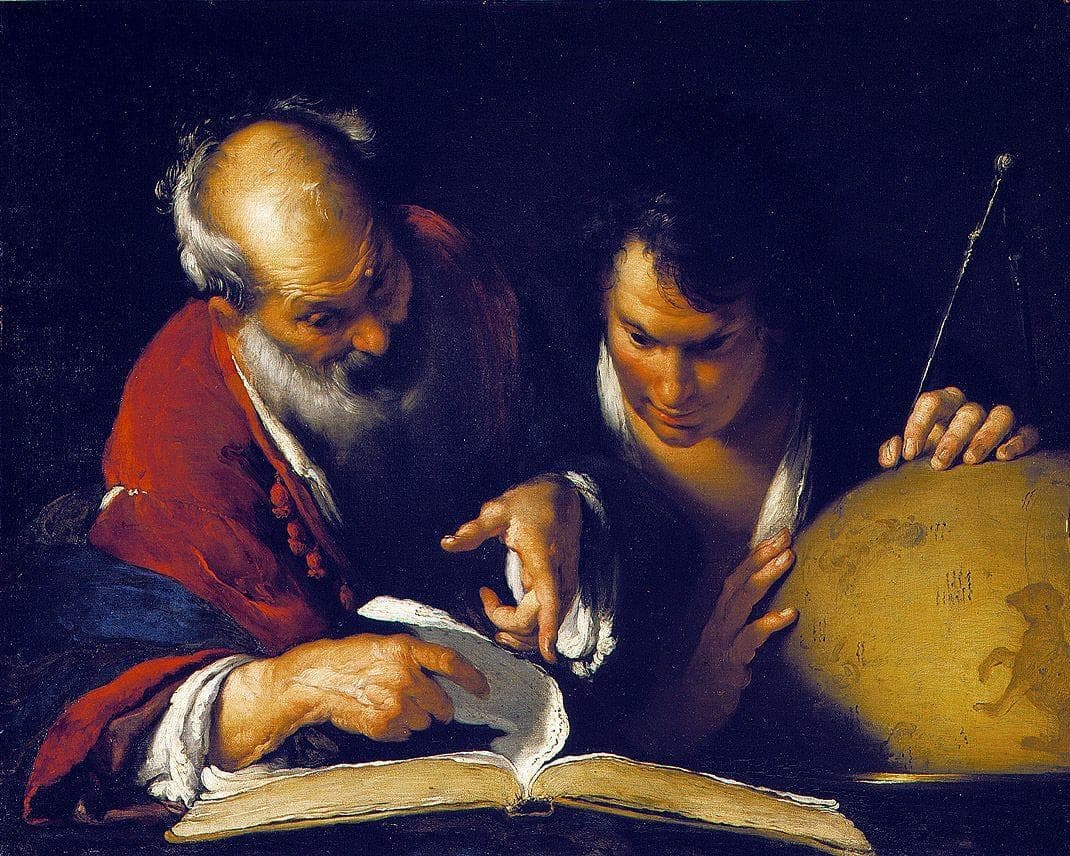
    Eratosthenes was an ancient Greek polymath: a scholar who excelled in math, geography, astronomy, philosophy, poetry, and music. Around 245 BCE, he was working as a librarian in the famed Library of Alexandria in Egypt when he came across a surprising annual event. When the scholar read about a well in Syene (modern-day Aswan) that cast no shadow for a moment in time every summer solstice, Eratosthenes devised a plan that allowed him to use the rare event to calculate the shape and size of Earth. By sticking a pole in a local well when the sun aligned with the structure, he found that while the well didn't create a shadow, the pole did. From there, the young scholar used basic algebra to determine Earth was both round and about 40,000 kilometers in circumference. Eratosthenes was astonishingly accurate: Modern technology estimates Earth is 40,008 kilometers from pole to pole!
    90% upvoted
  2. 2

    Mississippi Didn't Officially Ratify The 13th Amendment Until 2013

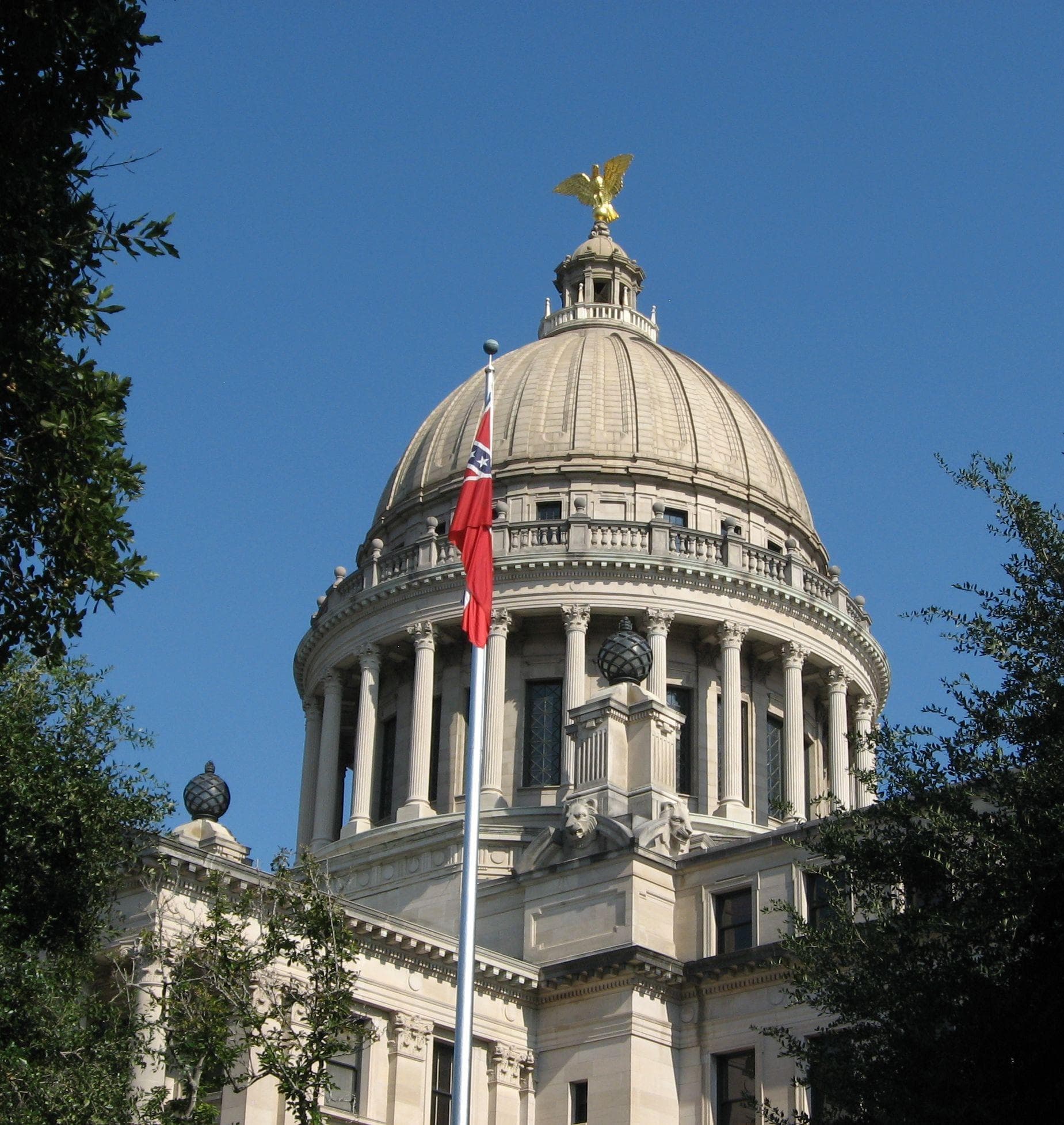
    Though the 13th Amendment constitutionally abolished slavery in the United States in December 1865, it only passed among three-fourths of the states. Mississippi voted against the amendment at the time, arguing enslavers had not yet received financial compensation for their loss of human property. Astonishingly, the problem wasn't resolved when the state finally voted to ratify the amendment in 1995, as lawmakers neglected to inform the US archivist. The oversight came to light only after a curious Mississippi resident - inspired by Steven Spielberg's movie Lincoln - began researching the state's postbellum history in 2013. After finding the bill was never submitted, he contacted the Mississippi secretary of state, and the amendment was finally ratified on February 7, 2013.

    89% upvoted
  3. 3

    The 'T. Rex' And Stegosaurus Lived About 83 Million Years Apart

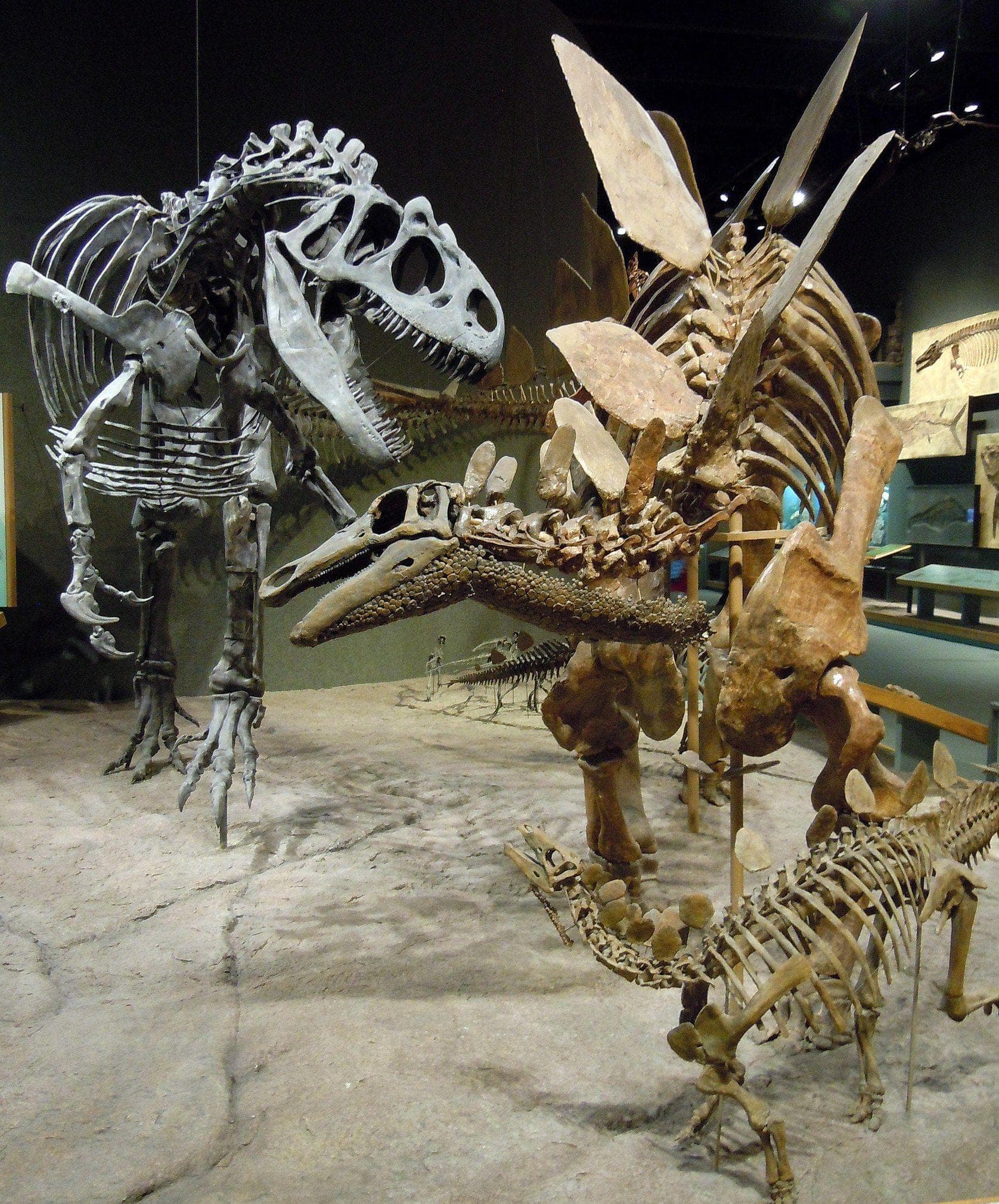
    Both the Tyrannosaurus rex and stegosaurus roamed North America, but did so during two completely different time periods. While the stegosaurus trekked the continent during the late Jurassic Period over 150 million years ago, the T. rex didn't dominate the land until the late Cretaceous Period, which ended roughly 66 million years ago. So the two well-known dinosaurs, often categorized into the same era of prehistoric history, actually lived about 83 million years apart. Since mammals evolved 66 million years ago, the T. rex actually existed closer in time to humans than to the stegosaurus.

    87% upvoted
  4. 4

    The Civil War Started At Wilmer McLean's First Home And Ended At His Second Home Over 100 Miles Away

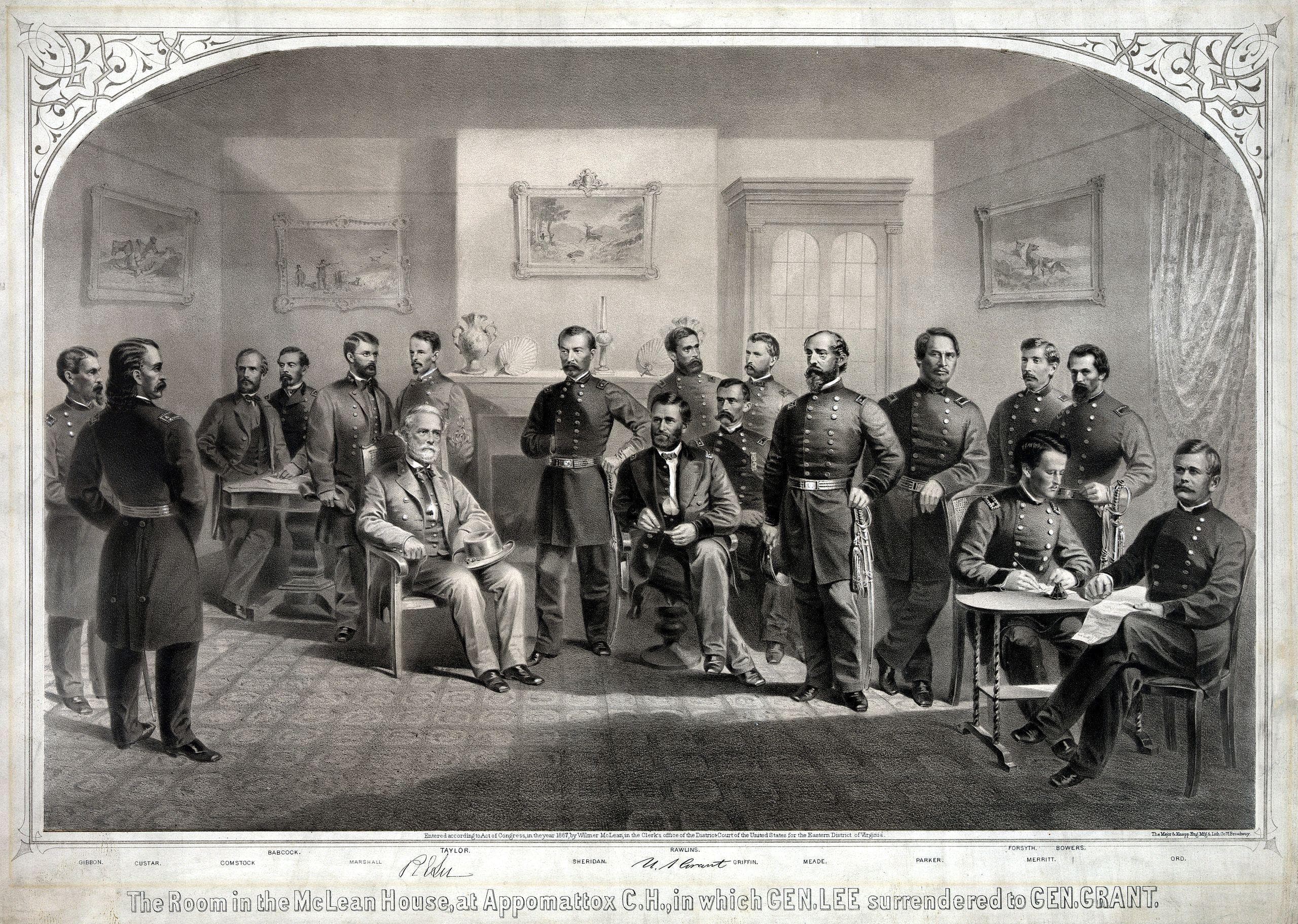
    The Confederate Army used Wilmer McLean's Virginia family home as their headquarters during the First Battle of Bull Run in July 1861. After the home suffered significant damage from Union Army shells, McLean was determined to keep his family as far away from the conflict as possible. He chose a location over 100 miles south, where he continued his occupation as a wholesale grocer and supplier of sugar for the Confederate forces. Still, his efforts proved futile. On April 9, 1965, General Robert E. Lee surrendered to the Union Army in the front parlor of McLean's new home in Appomattox. This huge coincidence placed McLean and his family home at the beginning and end of the Civil War, despite his attempt to escape it.

    88% upvoted
  5. 5

    Almon F. Rockwell Was The Only Person To Witness The Demise Of Two Assassinated Presidents

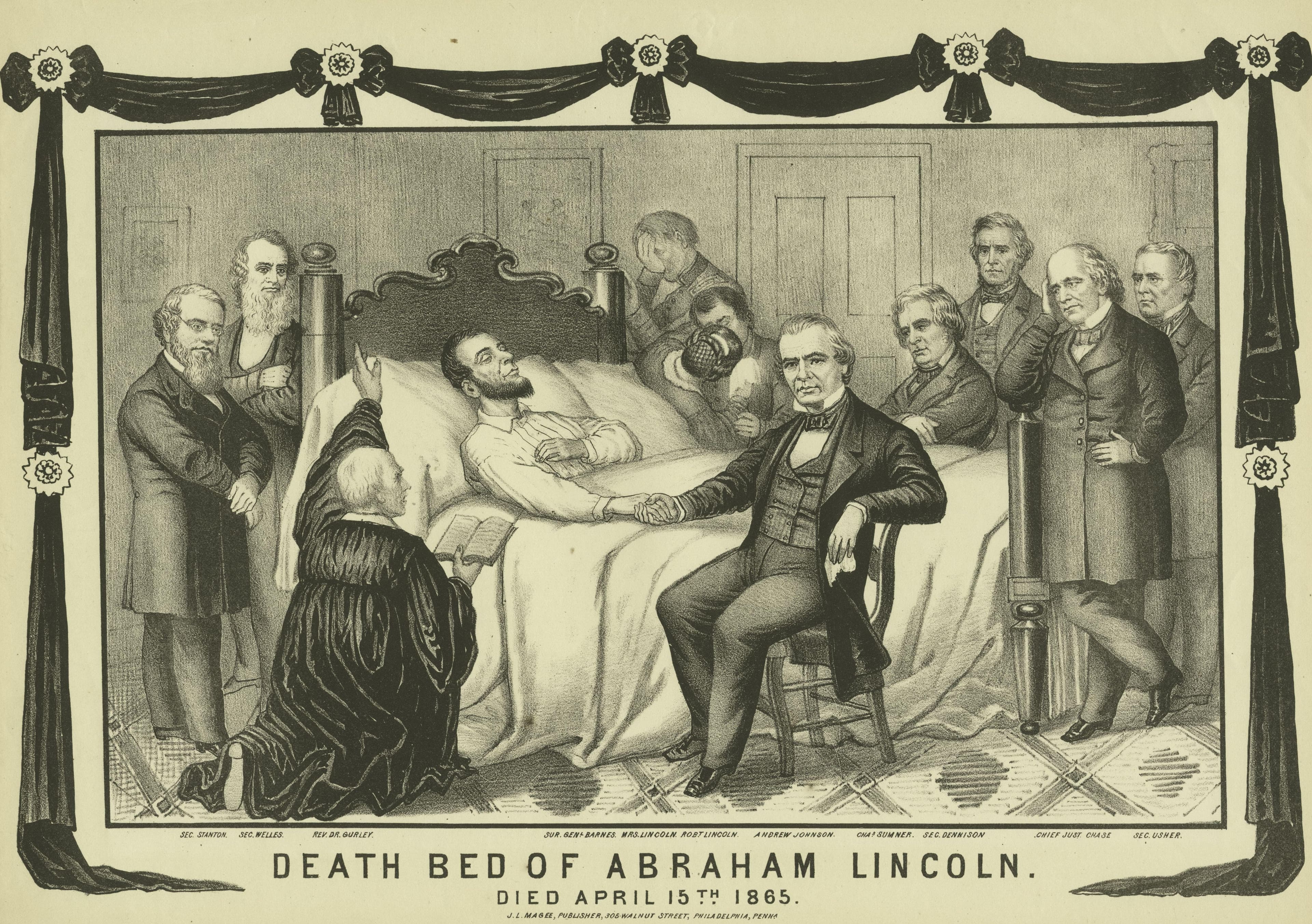
    Almon F. Rockwell's newly resurfaced journals provide his eyewitness accounts of the demise of Abraham Lincoln and James Garfield. The Civil War Army lieutenant colonel and longtime friend of Garfield was also a licensed physician. Rockwell was called to Lincoln's bedside the night the president was shot at Ford's Theatre and didn't leave until Lincoln's cadaver was escorted to the White House the next day. Sixteen years later, President Garfield appointed his close friend Rockwell as superintendent of public buildings in Washington, DC, after his election in 1880. Among his other duties, the position required the lieutenant colonel to be close to the presidential family during public appearances. Rockwell not only attended to Garfield moments after he was shot at the Baltimore and Potomac Railroad Station in 1888, but he also stayed by his friend's side until his passing 79 days later. He is the only person to witness the demise of two American presidents.

    89% upvoted
  6. 6

    Canada Developed A Plan In 1921 To Invade The United States

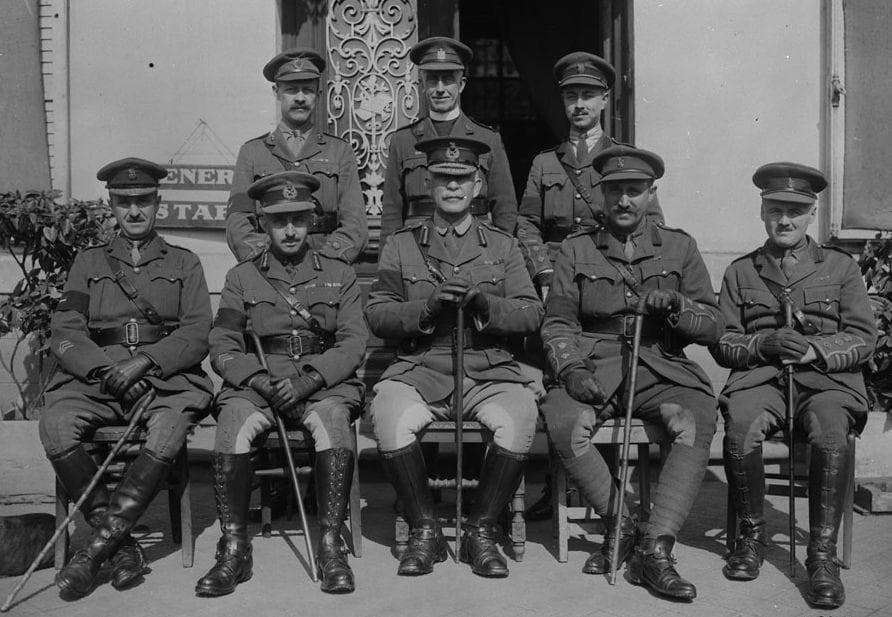
    Canada and the United States have a surprising history of stifled hostility. Major territorial disputes between the two countries date back to the War of 1812, when President Thomas Jefferson believed American troops could easily take over Canadian forts along the country's ill-defined borders. The attempts to conquer the Canadian borderlands ended up being unsuccessful, and ultimately, the conflict came to a close. Tensions mounted again in 1839 when the state of Maine sent a voluntary militia into Canada to stop their lumberjacks from cutting down trees along the border. Though no shots were fired and the conflict ended peacefully, the US had sent 50,000 men and $10 million to aid Maine's pursuits. While Americans brought about most of the skirmishes and plans for territorial domination, Canada flipped the script in 1921 by formulating a strategy to invade the US. Inspired by the tensions between the US and Great Britain over wartime debt, Canadian Lieutenant Colonel James Brown drew up a secret plan to overrun major cities among the Canadian-American border. Taking the imagined invasion seriously, Brown even sent spies into New England towns and devised a method for sneak attacks on weakened infrastructures like railroads and bridges. But ultimately, the plan never came to pass.

    88% upvoted
  7. 7

    A Ronald Reagan Movie Inspired Jerry Parr To Join The Secret Service, And He Later Saved Reagan's Life

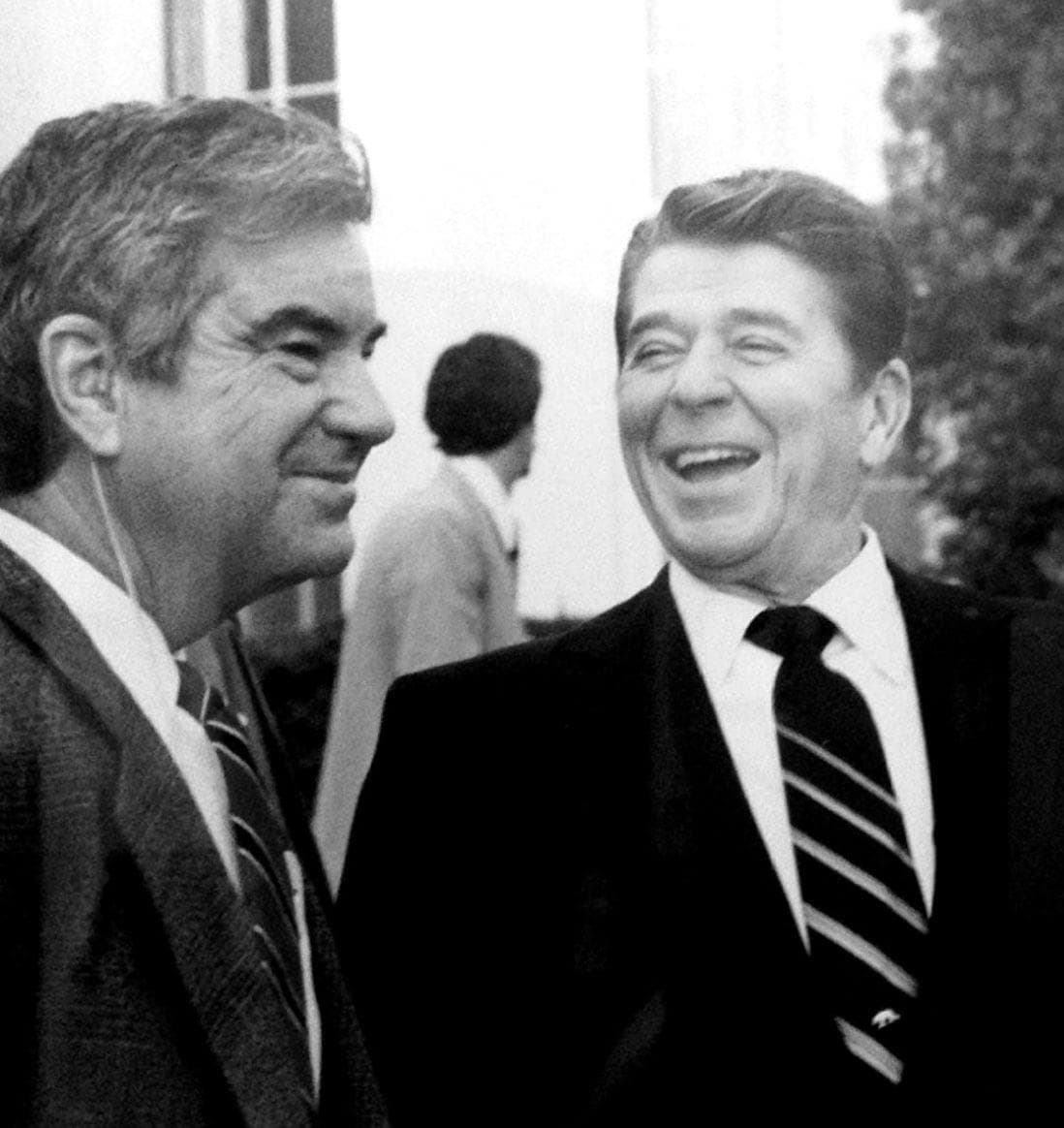
    When he was 9, Jerry Parr went with his father to see the movie Code of the Secret Service. The 1939 film, starring a young Ronald Reagan, fueled the young Parr's dreams of becoming a Secret Service agent, leading him to pursue a career in protecting American presidents from harm. Parr and Reagan's fates collided when on March 30, 1981, Secret Service Agent Parr saved then-President Reagan's life. Parr was serving detail for the president when Reagan was shot outside of the Washington Hilton Hotel. As soon as the agent heard shots fired, he grabbed Reagan by the belt and threw him into his limousine. Despite Reagan's insistence he didn't require medical attention, Parr persuaded Reagan's driver to take them to George Washington University Hospital. Nancy Reagan later recalled Parr's actions saved her husband from assassination.

    88% upvoted
  8. 8

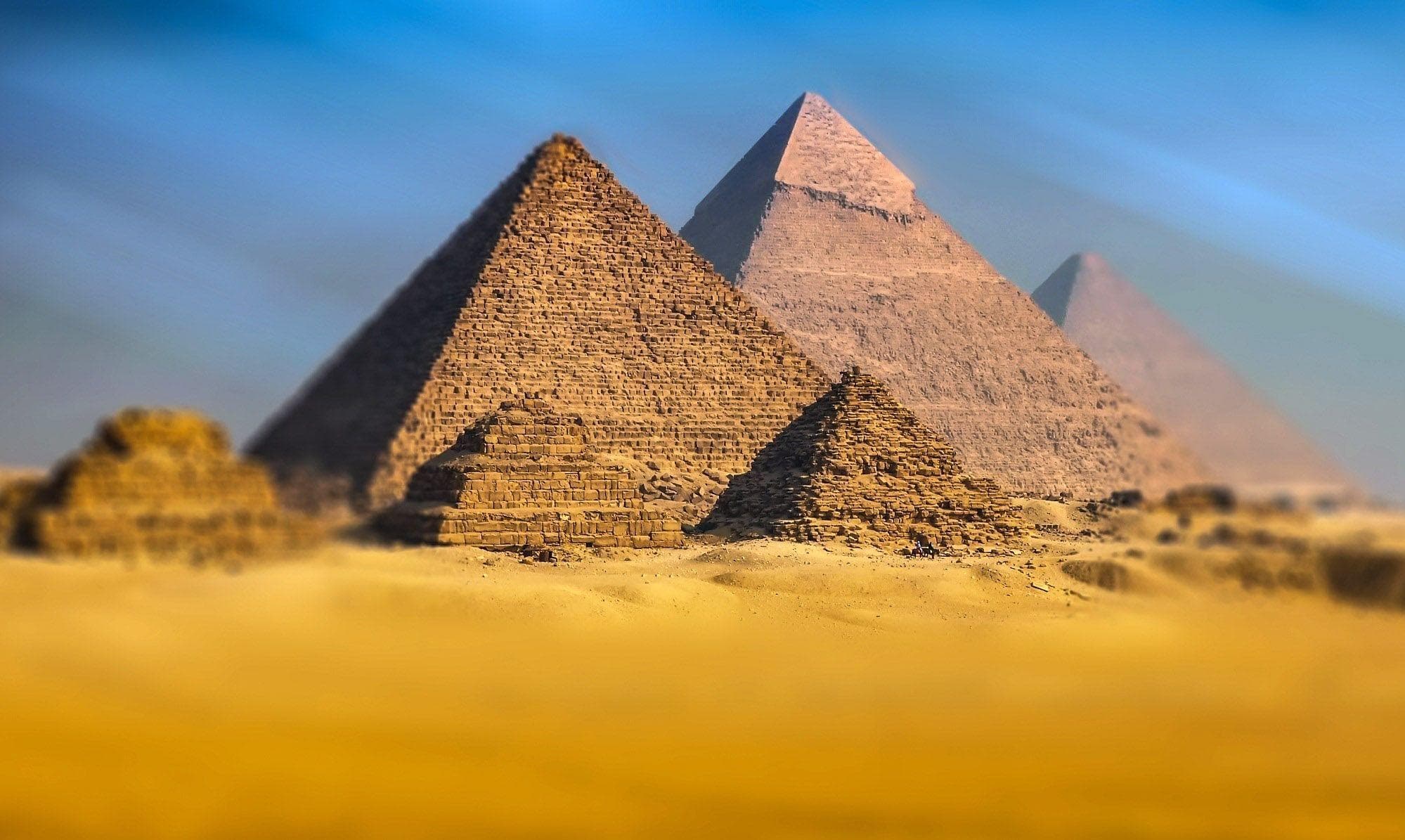
    The Great Pyramid of Giza Was Built 2,510 Years Before Cleopatra Was Born

    The Great Pyramid of Giza was built by King Snefru's son Khufu sometime during the fourth dynasty (2680-2560 BCE). Originally standing 481 feet high and covering over 13 acres of ground, the pyramid was built by hired laborers who quarried most of the pyramid's stone from the Giza plateau. Cleopatra, meanwhile, wasn't born until 69 BCE and didn't become the queen of Egypt until her father passed in 51 BCE. Though notions of the Great Pyramid of Giza and Cleopatra both shape modern ideas of ancient Egypt, the famous queen's reign sits closer on the historical timeline to the invention of computers than the construction of the pyramid.

    85% upvoted
  9. 9

    Alexander the Great Built A Road Over Water To Take Over An Island

    As Alexander the Great laid waste on every major landlocked city from Persia to Egypt in 332 BCE, the small island of Tyre refused to surrender. So, the ruler and warlord devised a plan to manipulate the island's unique geographical features to ensure success in his conquest. The rising sea levels at the time covered 2 kilometers of the island, creating a sandbar that served as a shallow passageway with minimal interference from the waves. During the seven-month siege, Alexander the Great's engineers constructed a kilometer-long raised road on the sandbar that connected the island to the mainland of present-day Lebanon. The king of ancient Macedon used it to conquer the island, then continued to reinforce the searoad with leftover rubble and debris from Tyre's militant destruction.

    85% upvoted
  10. 10

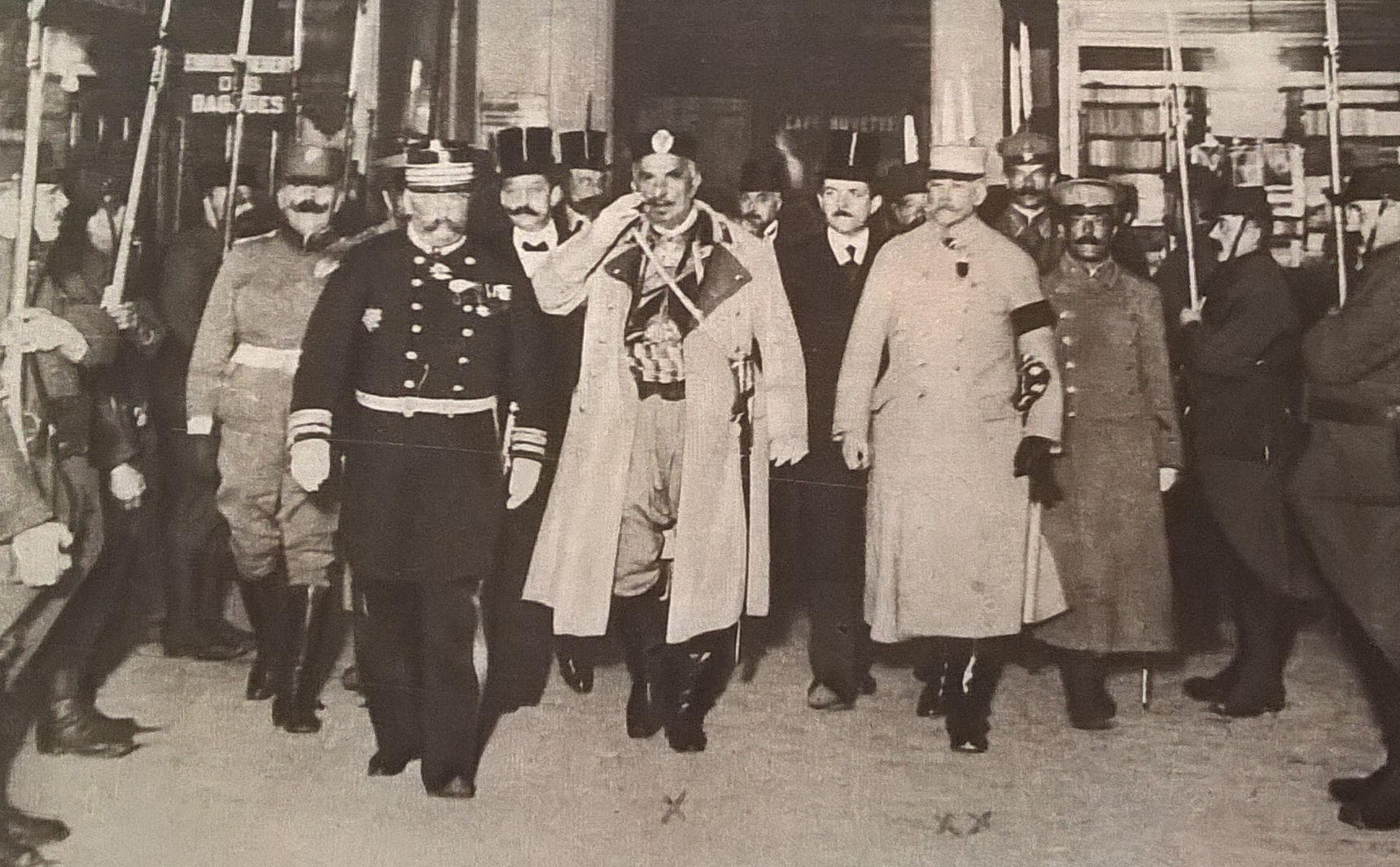
    The Russo-Japanese War Technically Lasted More Than 100 Years

    Even though Russia and Japan signed a peace treaty after only one year of fighting in 1905, the war didn't technically end until 2006. Despite its significant distance from Japan, the Principality of Montenegro declared war on the country in symbolic support of Russia in 1904. But because Montenegro and Japan never engaged in combat operations against one another, the declaration was forgotten when Russian and Japanese officials gathered to reach a peaceful agreement. It wasn't until 2006 when Montenegro seceded from Serbia and became an independent country that Japan declared the war's end between the nations.

    83% upvoted